
The Role of Indigenous Women in Preserving Spiritual Practices Against European Pressure

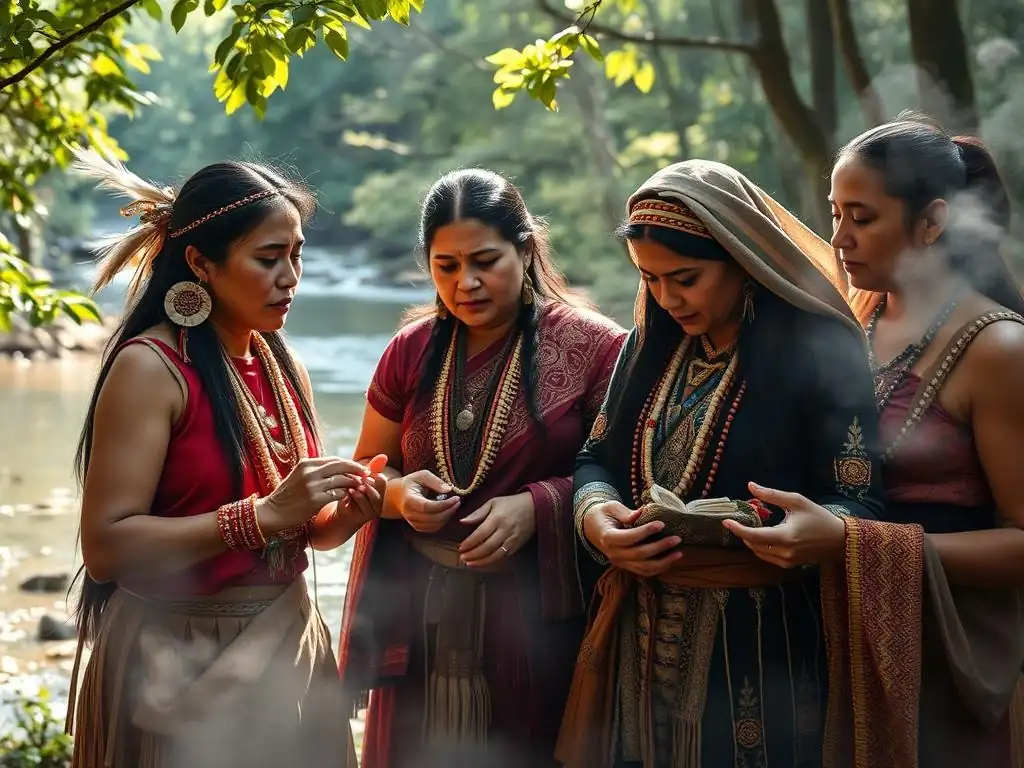
Welcome to Indigenous Civilizations of the Americas, where we embark on a captivating journey through the rich tapestry of indigenous cultures that flourished long before European colonization. Here, we delve into the profound contributions and resilience of these societies, with a particular focus on the vital role of Indigenous women in preserving spiritual practices against the pressures of European conquest. As you explore our site, you'll uncover the stories of strength and wisdom that continue to resonate today.
Curious about how these practices have shaped both past and present? Dive into our featured article to discover the enduring legacy of these remarkable women.
- Introduction to Indigenous Women and Spiritual Practices
- Historical Context of European Pressure on Indigenous Religions
- The Role of Indigenous Women in Spiritual Practices
- Resistance Against European Religious Imposition
- The Intersection of Gender and Spirituality
- Contemporary Relevance of Indigenous Women's Spiritual Practices
- Conclusion: The Enduring Legacy of Indigenous Women in Spiritual Practices
-
Frequently Asked Questions
- What role did Indigenous women play in preserving spiritual practices?
- How did European colonization impact Indigenous spiritual practices?
- What are some examples of spiritual practices maintained by Indigenous women?
- Why are Indigenous women considered crucial in the fight against cultural erasure?
- How can understanding Indigenous women's spiritual practices contribute to broader cultural awareness?
- Final Reflection: The Resilience of Indigenous Women in Spiritual Preservation
- Empower Indigenous Voices Today!
Introduction to Indigenous Women and Spiritual Practices
The rich tapestry of indigenous cultures in the Americas is woven deeply with the threads of spiritual practices, many of which have been upheld and preserved by the women of these communities. As custodians of tradition, Indigenous women have played a pivotal role in safeguarding spiritual beliefs and practices, particularly in the face of European colonization and the ensuing pressures to conform to foreign ideologies.
This article delves into the significance of Indigenous women in the preservation of spiritual practices, highlighting their resilience and the pivotal role they have played in maintaining cultural identity against overwhelming odds. By focusing on the contributions of these women, we aim to shed light on their critical importance in the ongoing struggle to uphold their spiritual and cultural heritage, and the lasting impact of their efforts on contemporary Indigenous communities.
Importance of Indigenous Women in Cultural Preservation
Indigenous women have historically been the backbone of their communities, serving not only as caretakers of their families but also as vital transmitters of cultural knowledge and spiritual practices. Their roles often encompass:
- Spiritual Leadership: Many Indigenous women are spiritual leaders, healers, and shamans, guiding their communities in rituals and ceremonies that foster connection to their ancestors and the natural world.
- Educators of Tradition: Women are frequently responsible for teaching the younger generations about their cultural heritage, including languages, stories, and spiritual beliefs. This transmission of knowledge is crucial for the survival of indigenous identities.
- Resistance and Resilience: Throughout history, Indigenous women have resisted colonial pressures that sought to erase their spiritual practices. They have organized and mobilized their communities to uphold their traditions, even when faced with persecution.
The importance of Indigenous women in cultural preservation cannot be overstated. Their efforts ensure that spiritual practices remain a vibrant part of contemporary Indigenous life, providing a sense of identity and continuity for future generations.
Overview of Spiritual Practices Among Indigenous Cultures
Spiritual practices among Indigenous cultures in the Americas are as diverse as the communities themselves, often reflecting a deep connection to the land, nature, and the cosmos. While each culture has its unique practices, some common elements include:
- Rituals and Ceremonies: These are often tied to seasonal changes, agricultural cycles, and significant life events. They serve to reinforce community bonds and foster a collective identity.
- Nature Worship: Many Indigenous spiritualities emphasize a symbiotic relationship with nature, viewing the earth as sacred. This perspective shapes their practices, beliefs, and interactions with the environment.
- Healing Practices: Indigenous women often play a central role in healing ceremonies, utilizing traditional medicine and spiritual techniques to restore balance and health within their communities.
- Storytelling and Oral Traditions: Spiritual beliefs are frequently conveyed through stories, which serve as a means of teaching moral lessons and preserving historical events. These narratives often include the creation myths and the significance of various natural elements.
The spiritual practices of Indigenous cultures are integral to their identity and resilience. The role of Indigenous women in preserving these practices is crucial, as they continue to navigate the complex landscape shaped by historical and ongoing challenges, ensuring that their spiritual heritage thrives for generations to come.
Historical Context of European Pressure on Indigenous Religions
The Arrival of Europeans and Initial Impacts
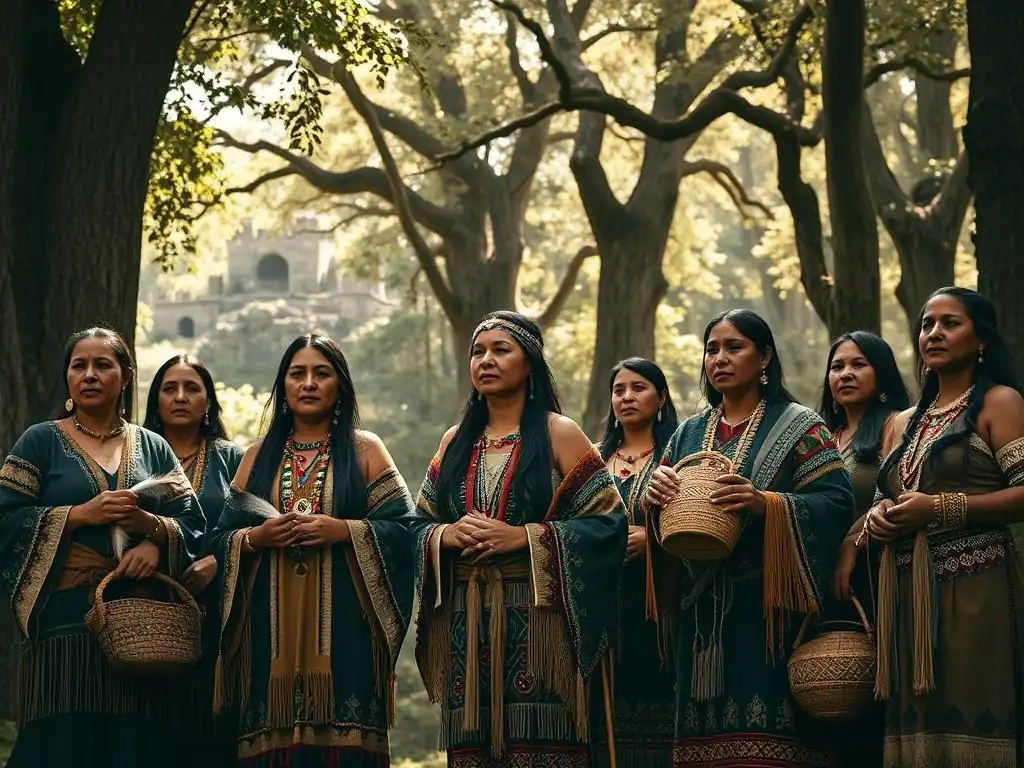
The arrival of European explorers in the late 15th century marked a turning point for Indigenous peoples across the Americas. With the establishment of colonies, European powers such as Spain, Portugal, France, and England initiated a systematic campaign to impose their own religious beliefs while undermining the rich tapestry of Indigenous spiritual practices. This period was characterized by significant upheaval, as Indigenous women played a crucial role in preserving their cultures amidst increasing pressure.
Key impacts of European arrival include:
- Cultural Disruption: Indigenous communities faced dislocation and disruption as colonizers imposed foreign governance and social systems.
- Religious Conversion Efforts: Missionary activities intensified, aiming to convert Indigenous peoples to Christianity, often disregarding or actively demonizing their spiritual beliefs.
- Social Upheaval: The introduction of European diseases decimated populations, leading to a loss of cultural knowledge and practices that were traditionally passed down through generations.
Indigenous women, as primary custodians of cultural and spiritual knowledge, found themselves at the forefront of resistance against these changes. Their roles in rituals, healing practices, and community gatherings became critical in maintaining their cultural identity.
Strategies Used by Colonizers to Suppress Indigenous Spirituality
The strategies employed by colonizers to suppress Indigenous spiritual practices were multifaceted and often brutal. Understanding these tactics is essential to grasp how Indigenous women navigated these challenges and preserved their spiritual traditions.
- Legal Prohibition: Many colonial governments enacted laws that explicitly banned Indigenous religious practices. These included the outlawing of ceremonies, rituals, and the use of traditional medicines.
- Cultural Assimilation Policies: Colonizers often promoted assimilation, encouraging Indigenous peoples to abandon their spiritual beliefs in favor of Christianity. This included the establishment of residential schools aimed at indoctrinating Indigenous children into European customs.
- Physical Violence and Intimidation: The use of force was common. Indigenous practitioners faced violence, imprisonment, or even execution for continuing their spiritual practices. This created an environment of fear, but many women found ways to keep their traditions alive through subtlety and secrecy.
- Utilization of Indigenous Women as Mediators: Colonizers often targeted women, who were integral to spiritual practices, in attempts to undermine Indigenous societies. However, many women utilized their roles to negotiate and navigate colonial demands while simultaneously preserving their spiritual beliefs.
Indigenous women became vital figures in the resistance against cultural suppression. They not only safeguarded traditional practices but also adapted them, ensuring that Indigenous spirituality endured despite colonial pressures. By weaving their spiritual practices into daily life and community gatherings, they maintained a sense of identity and continuity that would later inspire future generations in their fight for cultural survival.
The Role of Indigenous Women in Spiritual Practices
Matrilineal Traditions and Spiritual Leadership
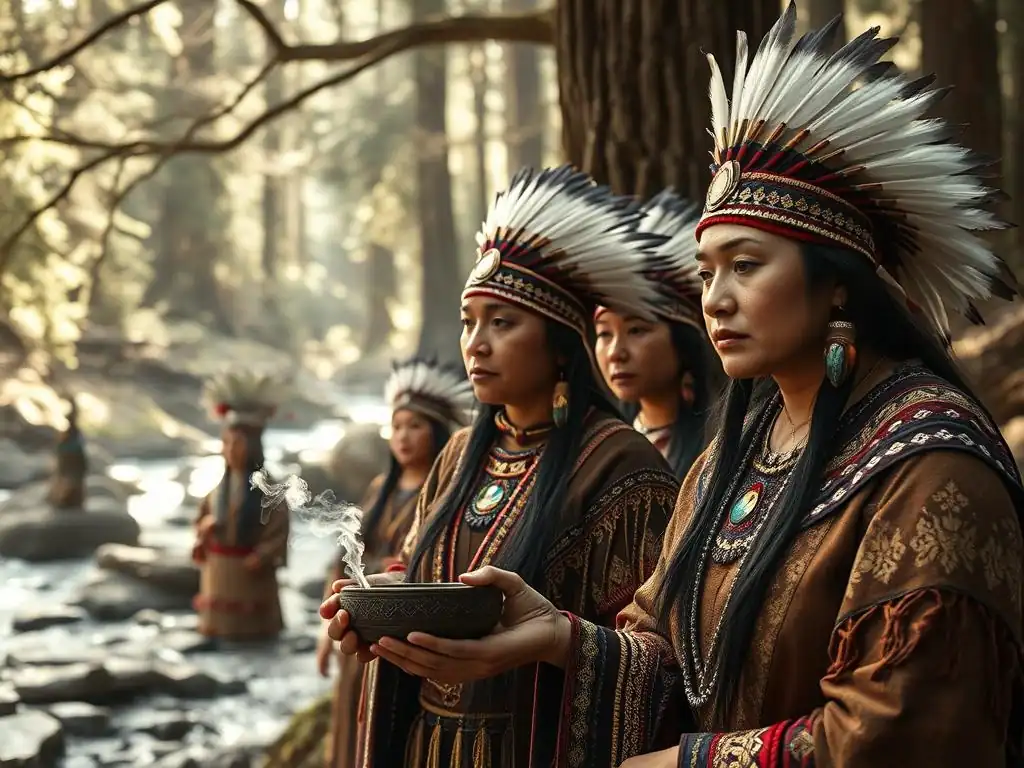
Matrilineal traditions play a crucial role in understanding the spiritual landscape of many Indigenous cultures in the Americas. In societies where lineage and inheritance are traced through the mother, women often hold significant authority in spiritual matters. This structure not only empowers women but also ensures the continuity of spiritual practices and teachings, resisting European colonial pressures that sought to undermine these traditions.
For instance, among the Iroquois Confederacy, women were central to social and political life. They selected leaders and held the authority to influence decisions on community matters, including spiritual practices. The Clan Mother is a vital figure in this context, serving as a spiritual leader and custodian of cultural knowledge. Her role includes overseeing rituals and ensuring that the community remains connected to their ancestral beliefs.
Moreover, matrilineal societies often view women as the primary transmitters of sacred stories and teachings. This transmission occurs through generations, creating a resilient framework for preserving spiritual practices. In the face of European colonization, these women became vital in maintaining their cultural identity, often adapting rituals to incorporate elements that would protect their traditions from suppression.
Women as Keepers of Sacred Knowledge and Rituals
Indigenous women have historically been the keepers of sacred knowledge, responsible for the transmission of spiritual teachings, rituals, and practices. This role is not merely functional; it is deeply intertwined with their identities and societal status. Women often act as mediators between the spiritual and physical worlds, invoking harmony and balance within their communities.
In many Indigenous cultures, women are responsible for conducting ceremonies that are vital to the community's spiritual health. These ceremonies may include healing rituals, seasonal celebrations, and rites of passage. For example, in the Mayan culture, women play a significant role as curanderas or healers, utilizing their knowledge of medicinal plants and spiritual practices to heal both the body and the spirit.
The knowledge held by these women is often passed down orally, emphasizing the importance of storytelling as a means of preserving culture. This practice becomes particularly significant in times of external pressures, as it allows communities to maintain their spiritual beliefs despite the threat of assimilation. Women's roles ensure that these teachings remain vibrant and relevant, adapting to changing circumstances while retaining their core essence.
Case Studies of Prominent Indigenous Women Leaders
Several Indigenous women have emerged as powerful leaders and defenders of spiritual practices in the face of colonial oppression. Their contributions highlight the resilience and determination of Indigenous women in preserving their culture.
- Pocahontas (Powhatan Confederacy): Known for her role in mediating between the Powhatan people and English settlers, Pocahontas was more than a historical figure; she represented the complex interactions between Indigenous practices and European colonization. Her story underscores the resilience of Indigenous women in navigating and resisting colonial forces.
- Lozen (Apache): A skilled warrior and seer, Lozen was known for her spiritual leadership during the Apache resistance against colonization. She utilized her spiritual gifts to guide her people and protect their way of life, serving as a symbol of strength and resilience for Indigenous women.
- Maria Sabina (Mazatec): A curandera from Oaxaca, Mexico, Maria Sabina became internationally recognized for her use of mushrooms in spiritual healing. Her practices not only preserved traditional Mazatec rituals but also brought attention to the importance of Indigenous knowledge systems in a global context.
These women exemplify the crucial role Indigenous women play in preserving spiritual practices against European pressure. Their legacies inspire future generations to continue the fight for cultural integrity and spiritual autonomy, ensuring that Indigenous traditions endure in a rapidly changing world.
Resistance Against European Religious Imposition
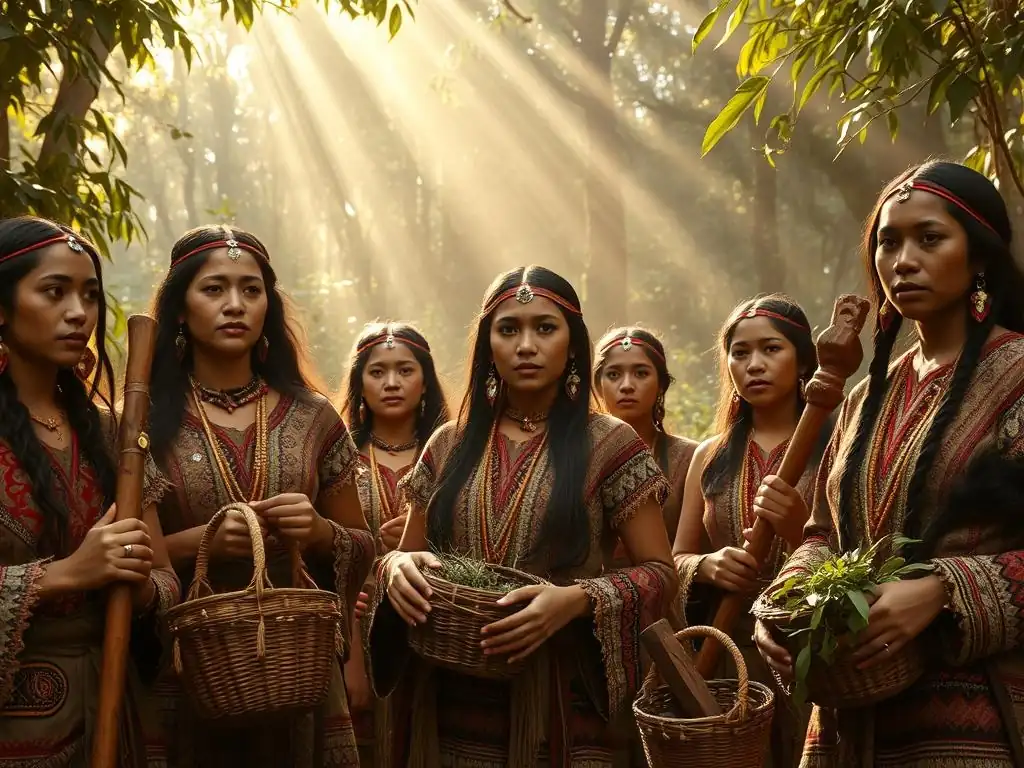
Indigenous women played a crucial role in resisting the religious imposition brought on by European colonizers. As the primary custodians of cultural and spiritual knowledge, they utilized various strategies to maintain their spiritual practices amidst the pressures to conform to European beliefs.
Forms of Resistance Utilized by Indigenous Women
Indigenous women employed several forms of resistance to safeguard their spiritual practices against European pressures. These included:
- Cultural Adaptation: Women often adapted European religious practices to fit their own spiritual frameworks. This syncretism allowed them to incorporate elements of Christianity while retaining core Indigenous beliefs, thus creating a unique blend that helped preserve their culture.
- Secret Ceremonies: Many Indigenous women organized secret gatherings to continue their traditional rituals. These clandestine ceremonies provided a safe space for the transmission of spiritual knowledge and practices, ensuring that these traditions would survive despite external threats.
- Role as Educators: Women served as the primary transmitters of knowledge within their communities. By teaching younger generations the importance of their spiritual practices and the stories behind them, they ensured that these traditions remained alive, even in the face of oppression.
- Political Advocacy: Some Indigenous women took on leadership roles within their communities, advocating for the preservation of their spiritual practices. By mobilizing support and fostering unity among community members, they strengthened resistance efforts against European encroachment.
Preservation of Traditions Through Oral Histories and Rituals
Oral histories and rituals are vital components of the Indigenous spiritual landscape, serving as vehicles for cultural transmission and preservation. Indigenous women have been instrumental in this process:
- Oral Traditions: Women often held the responsibility of narrating stories that encapsulated the spiritual beliefs, values, and histories of their people. These stories were not merely entertainment; they were infused with spiritual significance and served to reinforce community identity.
- Ritual Practices: Many rituals, such as those associated with harvests or significant life events, were maintained and conducted by women. These rituals often included prayers, songs, and dances that invoked ancestral spirits, thereby reinforcing the connection between the community and its spiritual heritage.
- Symbolic Representation: Women also created and utilized symbolic artifacts, such as woven textiles or pottery, which often carried spiritual meanings. These items not only served practical purposes but also acted as reminders of their culture and beliefs, ensuring that spiritual practices remained central in daily life.
The steadfast commitment of Indigenous women to oral histories and rituals played a significant role in preserving their spiritual practices, allowing them to withstand European pressures.
The Role of Women in Community Resilience
The resilience of Indigenous communities in the face of European colonization can be largely attributed to the pivotal roles played by women. Their contributions were vital in several key areas:
- Social Cohesion: Women often acted as the glue that held communities together. By fostering relationships and nurturing social networks, they created a strong sense of belonging and identity, which was essential for collective resilience against external threats.
- Spiritual Leadership: Many Indigenous women served as spiritual leaders, guiding their communities in maintaining their beliefs and practices. Their leadership was crucial in redefining and sustaining cultural identities, particularly during times of crisis.
- Adaptive Strategies: Indigenous women exhibited remarkable adaptability, employing creative strategies to navigate the challenges posed by European colonization. This flexibility allowed them to innovate while still honoring traditional practices, ensuring the continuity of their spiritual heritage.
- Intergenerational Knowledge Transfer: Women played a key role in passing down knowledge to younger generations. This transfer was essential for the survival of cultural practices, as it ensured that children grew up with a strong understanding of their heritage and identity.
Indigenous women have been central to the preservation of spiritual practices against European pressures through various forms of resistance, the maintenance of oral histories and rituals, and their crucial role in community resilience. Their contributions not only fostered the survival of Indigenous cultures but also empowered future generations to continue this legacy.
The Intersection of Gender and Spirituality
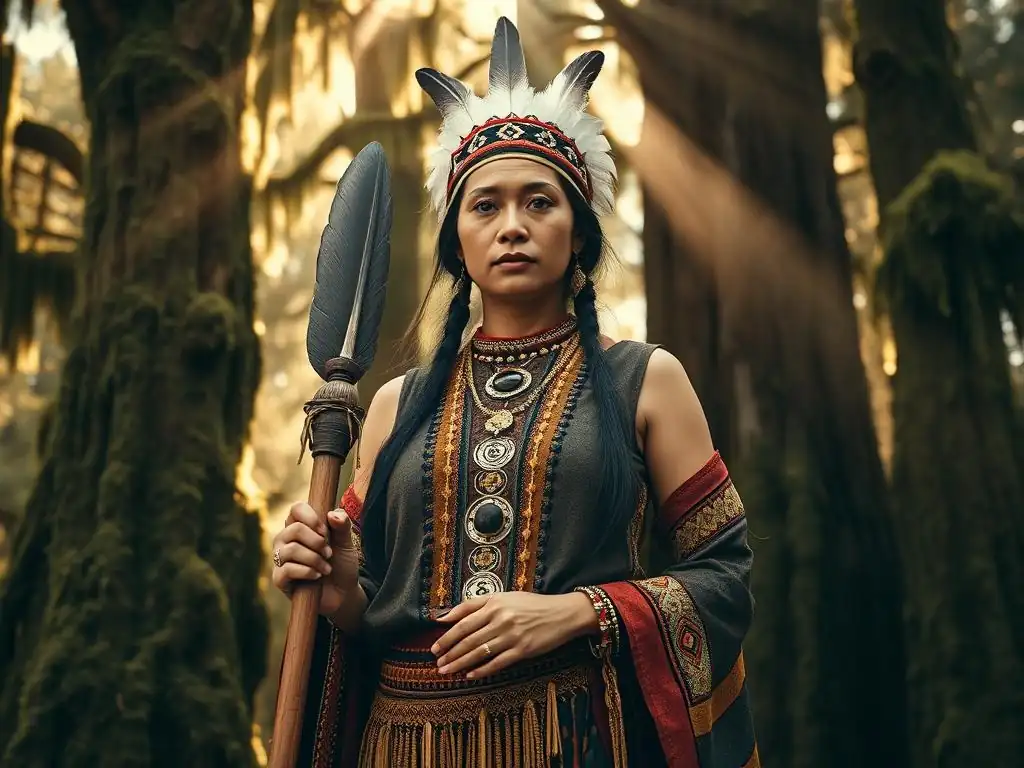
Indigenous women have always played a crucial role in the preservation and transmission of spiritual practices within their communities. Their unique positions often allowed them to act as custodians of cultural knowledge, shaping the spiritual landscape of their societies. This intersection of gender and spirituality is vital to understanding how these practices have been maintained and adapted in the face of European colonization.
Gender Roles in Indigenous Spiritual Practices
In many Indigenous cultures, gender roles were distinctly defined, yet fluid enough to allow women significant influence in spiritual matters. Women's roles often encompassed:
- Spiritual Leadership: Many Indigenous societies recognized women as spiritual leaders, healers, and shamans. For instance, in the Sioux Nation, women were often referred to as "medicine women," possessing the knowledge of healing plants and spiritual ceremonies that were crucial to their communities.
- Cultural Transmission: Indigenous women were typically responsible for passing down sacred knowledge, rituals, and oral traditions to younger generations. This transmission was not merely educational but also deeply spiritual, ensuring that practices remained vibrant and relevant.
- Ritual Participation: Women played essential roles in ceremonies, often leading rituals related to fertility, harvests, and healing. Their participation was crucial in maintaining the spiritual health of their communities, emphasizing the interconnectedness of gender and spirituality.
The significance of these roles cannot be overstated, as they laid the foundation for the resilience of Indigenous spiritual practices amidst external pressures.
The arrival of European colonizers brought profound challenges to Indigenous spiritual practices. Indigenous women displayed remarkable resilience and adaptability in the face of suppression:
- Syncretism: Many women adapted their spiritual practices by blending Indigenous beliefs with newly introduced European elements. This syncretism allowed them to maintain core aspects of their spirituality while integrating some components of Christianity, ultimately creating hybrid practices that preserved their cultural identity.
- Subtle Resistance: Women often engaged in subtle forms of resistance against colonial pressures. For example, they might continue to hold traditional ceremonies in secret, using coded language or symbols to evade colonial scrutiny while still fostering community cohesion.
- Community Mobilization: Indigenous women frequently took the lead in organizing community gatherings that emphasized the importance of spiritual traditions. By rallying their communities, they not only preserved their practices but also reinforced the social fabric that European forces sought to dismantle.
Through these strategies, Indigenous women played a pivotal role in preserving their spiritual practices against European pressure, ensuring that their cultural heritage endured despite colonial attempts at erasure. The resilience of Indigenous women in the face of adversity highlights their indispensable contributions to the continuity of spiritual beliefs and practices across generations.
Contemporary Relevance of Indigenous Women's Spiritual Practices
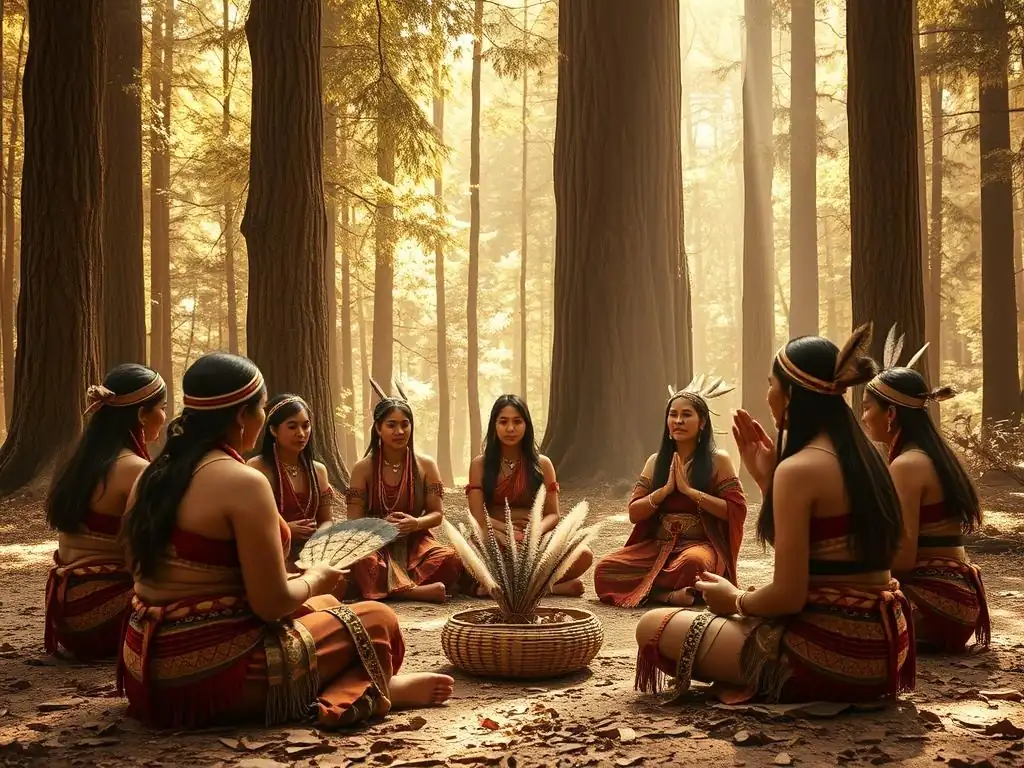
Indigenous women have played a crucial role in the preservation and revitalization of spiritual practices that have been under threat since European colonization. Their resilience in maintaining these traditions not only showcases their cultural significance but also highlights the contemporary relevance of these practices in today's society.
Revival of Indigenous Spirituality in Modern Context
In recent years, there has been a noticeable resurgence in the interest and practice of Indigenous spirituality among Indigenous communities as well as non-Indigenous peoples. This revival is often led by Indigenous women who are reclaiming their cultural heritage and spiritual identities.
- Cultural Ceremonies and Rituals: Many Indigenous women are organizing and leading ceremonies that were historically suppressed. These include traditional practices like sweat lodges, healing ceremonies, and seasonal rituals that honor the earth and its cycles.
- Education and Advocacy: Indigenous women are at the forefront of educational initiatives aimed at teaching younger generations about traditional spiritual practices. By incorporating Indigenous knowledge systems into formal education, they are ensuring that these practices are not lost. Workshops, community gatherings, and storytelling sessions play a pivotal role in this educational process.
- Integration with Contemporary Issues: There is an increasing awareness of how Indigenous spirituality can address modern issues such as environmental degradation and climate change. Many Indigenous women advocate for an understanding of spirituality that emphasizes the interconnectedness of all life, bridging the gap between traditional wisdom and contemporary environmental activism.
“Our spiritual practices are not just remnants of the past; they are living traditions that guide our present and future.”
The Impact of Indigenous Women's Leadership Today
The leadership of Indigenous women in spiritual matters is having a profound impact on both Indigenous communities and the broader society. Their role as spiritual leaders is essential for several reasons:
- Cultural Preservation: Indigenous women are often the key transmitters of cultural knowledge. By leading spiritual practices, they help preserve languages, rituals, and teachings that might otherwise fade away.
- Empowerment and Identity: The act of reclaiming and practicing Indigenous spiritual traditions empowers women and fosters a strong sense of identity. This empowerment is essential not only for women themselves but also for their communities, as it inspires collective resilience.
- Inter-Generational Healing: Spiritual practices often include elements of healing from historical trauma. Indigenous women are leading initiatives that focus on healing both individuals and communities, addressing the intergenerational impacts of colonization and cultural suppression.
- Building Alliances: Indigenous women are increasingly forming alliances with environmental and social justice movements. Their leadership connects traditional spiritual practices with contemporary struggles, promoting a holistic approach to activism that emphasizes respect for the earth and all its inhabitants.
Indigenous women are pivotal in the revival and preservation of spiritual practices, ensuring that these traditions not only survive but thrive in a modern context. Their leadership fosters empowerment, cultural identity, and healing, making their contributions invaluable not just to their communities, but to society as a whole.
Conclusion: The Enduring Legacy of Indigenous Women in Spiritual Practices
The role of Indigenous women in preserving spiritual practices against European pressure is a testament to their resilience, strength, and profound connection to their cultural heritage. Throughout history, these women have acted as vital custodians of their communities' spiritual traditions, often facing significant challenges imposed by colonial forces. Their efforts not only safeguarded religious practices but also reinforced community identity and continuity amidst attempts at suppression.
Indigenous women have been instrumental in maintaining the intricate web of spiritual beliefs, rituals, and ceremonies that characterize their cultures. By passing down knowledge through generations, they have ensured that the essence of their spirituality remains vibrant and relevant. This legacy is woven into the very fabric of their communities, as these women often serve as spiritual leaders, healers, and educators. The practices they have preserved continue to inspire and empower future generations, affirming the importance of Indigenous women's roles in spiritual life.
Reflection on the Importance of Preserving Indigenous Cultures
Preserving Indigenous cultures is crucial not only for the communities themselves but also for the broader understanding of human history and diversity. These cultures offer unique perspectives on spirituality, environmental stewardship, and social organization that have been developed over millennia. The wisdom embedded in Indigenous spiritual practices reflects a deep relationship with the land and the cosmos, providing valuable insights into sustainable living and community resilience.
Furthermore, the preservation of these practices contributes to the healing of historical wounds inflicted by colonization. Engaging with Indigenous spiritual traditions fosters respect and appreciation for the richness of cultural diversity. It encourages dialogue about the impacts of colonization and the ongoing struggles faced by Indigenous peoples today. The resilience displayed by Indigenous women in safeguarding their spiritual practices serves as a powerful reminder of the importance of cultural survival and revitalization.
Call to Action for Supporting Indigenous Spiritual Heritage
As we reflect on the invaluable contributions of Indigenous women in preserving spiritual practices, it is imperative that we take action to support their efforts. Here are some ways to engage with and uphold Indigenous spiritual heritage:
- Educate Yourself: Take the time to learn about the diverse spiritual practices of Indigenous cultures. Understanding their histories, values, and beliefs is essential to appreciating their significance.
- Support Indigenous Communities: Engage with and support Indigenous-led initiatives that focus on cultural revitalization and the transmission of spiritual knowledge. This can include attending workshops, ceremonies, or cultural events.
- Advocate for Indigenous Rights: Use your voice to advocate for the rights of Indigenous peoples, including their right to practice and preserve their spiritual traditions without interference.
- Promote Ethical Tourism: If you are interested in visiting Indigenous lands, ensure that your tourism practices are respectful and beneficial to the communities. Choose to support local businesses and participate in culturally appropriate activities.
By recognizing the enduring legacy of Indigenous women in spiritual practices and actively supporting their heritage, we contribute to a more inclusive and respectful understanding of our shared human experience. Together, we can help ensure that these rich traditions continue to thrive for generations to come.
Frequently Asked Questions
What role did Indigenous women play in preserving spiritual practices?
Indigenous women were often the keepers of traditions, ensuring that spiritual practices and cultural knowledge were passed down through generations, despite European pressure.
How did European colonization impact Indigenous spiritual practices?
European colonization led to significant disruption of spiritual practices, as colonizers often sought to impose their own beliefs and suppress Indigenous traditions, creating a need for resilience among Indigenous communities.
What are some examples of spiritual practices maintained by Indigenous women?
Indigenous women have maintained various spiritual practices, such as ceremonial rituals, healing traditions, and storytelling, which serve to uphold their cultural identity and connect generations.
Why are Indigenous women considered crucial in the fight against cultural erasure?
Indigenous women are often viewed as cultural bearers who actively resist cultural erasure by promoting and practicing spiritual traditions, thereby reinforcing their community's identity and heritage in the face of adversity.
How can understanding Indigenous women's spiritual practices contribute to broader cultural awareness?
Acknowledging Indigenous women's spiritual practices fosters a greater appreciation for the diversity and richness of Indigenous cultures, promoting respect for their contributions and enhancing cultural awareness among wider audiences.
Final Reflection: The Resilience of Indigenous Women in Spiritual Preservation
The role of Indigenous women in preserving spiritual practices against European pressure is not just a historical account; it is a testament to the enduring strength and resilience of these women in the face of adversity. Today, as we witness a resurgence of interest in Indigenous cultures and practices, it becomes increasingly clear that the contributions of Indigenous women are pivotal in safeguarding these traditions. Their stories are not merely relics of the past; they are vibrant narratives that continue to shape our understanding of spirituality and cultural identity in contemporary society.
The influence of Indigenous women on spiritual practices transcends generations, weaving a rich tapestry of resilience, wisdom, and community. Their efforts to maintain and revive these practices in the face of colonial pressures highlight a profound connection to the land and their ancestors. As we reflect on their contributions, we are reminded of the words of Indigenous activist Winona LaDuke: The land is our mother, and we are her children.
This sentiment encapsulates the deep-rooted relationship that Indigenous women have with their spirituality, emphasizing that their role is not just about preservation but also about nurturing a living tradition that informs and enriches our collective human experience.
As we move forward, I invite you to reflect on the lessons imparted by Indigenous women and their spiritual practices. Consider how you can incorporate these teachings into your own life, whether through advocacy, education, or personal exploration of spirituality.
By honoring their legacy and actively engaging with these practices, we not only pay tribute to their resilience but also contribute to a more inclusive and respectful understanding of spirituality that transcends cultural boundaries. Let us carry forward the torch of knowledge and respect, ensuring that the voices of Indigenous women continue to resonate in our shared journey toward a more harmonious world.
Empower Indigenous Voices Today!
Thank you for exploring the crucial role of Indigenous women in preserving spiritual practices. Your interest is a vital step toward supporting and uplifting these essential voices. Now, let's take meaningful action together!
- Join a local or online gathering that celebrates Indigenous culture and spirituality—your presence can truly make a difference!
- Share this article with friends and family to raise awareness about the resilience of Indigenous women within their communities.
- Consider supporting organizations led by Indigenous people that focus on cultural preservation, education, and community empowerment.
In what unique ways can you contribute to preserving Indigenous cultures and practices in your life or community?