
The Aztec Response: Resistance and Adaptation to European Encroachment

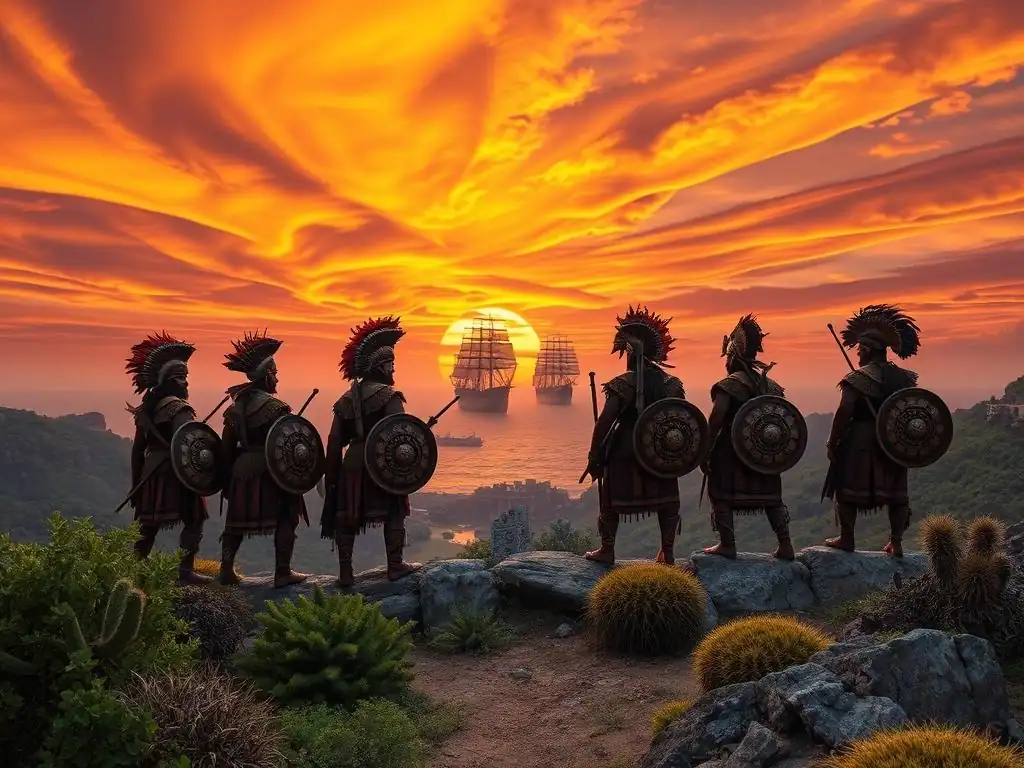
Welcome to Indigenous Civilizations of the Americas, where we invite you to embark on a journey through the rich tapestry of indigenous cultures that flourished long before European arrival. Delve into our featured article, "The Aztec Response: Resistance and Adaptation to European Encroachment," and discover the remarkable story of Aztec resistance to European colonization. What drove the Aztecs to persevere against overwhelming odds?
As you explore their remarkable strategies and resilient spirit, prepare to uncover the profound impact these ancient civilizations have left on our world today. Join us in celebrating their legacy and understanding the depth of their cultures!
The arrival of Europeans in the Americas marked a pivotal moment in history, particularly for the indigenous civilizations that had flourished for centuries prior to colonization. Among these, the Aztecs stand out not only for their rich cultural heritage but also for their complex reactions to European encroachment. This article delves into the multifaceted responses of the Aztecs—highlighting their resistance, adaptation, and the intricate dynamics of their society during a time of profound change.
By examining the foundations of Aztec civilization, the impact of European contact, and the strategies employed by the Aztecs in the face of invasion, we can gain deeper insights into their legacy and resilience. Understanding the Aztec resistance to European colonization is crucial to appreciate the broader narrative of indigenous survival and cultural continuity in the Americas.
Understanding Aztec Civilization Before European Contact
Overview of Aztec Society and Culture
The Aztec civilization, known for its remarkable achievements and vibrant culture, was centered in what is now Mexico. At its height in the early 16th century, the Aztec Empire was a complex society with a rich tapestry of traditions, beliefs, and practices. Religion played a central role, with a pantheon of deities such as Huitzilopochtli, the god of war, and Quetzalcoatl, the feathered serpent. Rituals, including human sacrifices, were integral to their worldview, believed to ensure the continuation of the cosmos.
- Key Aspects of Aztec Culture:
- Religion: Central to daily life; involved elaborate ceremonies.
- Art and Architecture: Stunning temples and sculptures reflecting their beliefs.
- Trade and Economy: Sophisticated market systems that facilitated commerce across Mesoamerica.
Achievements and Innovations of the Aztecs
The Aztecs were not only warriors but also skilled builders, artisans, and agriculturalists. They developed advanced agricultural techniques, such as chinampas (floating gardens), which allowed them to cultivate crops in the challenging terrain of the Valley of Mexico. Their contributions to astronomy, mathematics, and medicine were significant, showcasing a civilization that thrived on innovation.
- Notable Achievements:
- Chinampas: Ingenious farming method that increased agricultural output.
- Calendar Systems: Highly sophisticated calendars that tracked celestial events and agricultural cycles.
- Architecture: The construction of Tenochtitlán, a marvel of urban planning that included canals and causeways.
Social and Political Structures of the Aztecs
The social hierarchy of the Aztecs was highly stratified, with a clear distinction between nobles, commoners, and slaves. The emperor held supreme power, supported by a council of nobles. The military played a crucial role in both governance and expansion, emphasizing the importance of conquest and tribute in Aztec society.
- Social Classes:
- Nobility: Warriors and priests, who held significant power.
- Commoners: Farmers, artisans, and merchants who formed the backbone of society.
- Slaves: Often war captives or those in debt, with limited rights.
The Arrival of Europeans: Context and Consequences
European Exploration and Initial Encounters
The late 15th and early 16th centuries marked an age of exploration, driven by European powers seeking new trade routes and territories. In 1519, Hernán Cortés and his expedition reached the Aztec Empire, setting the stage for profound conflict. Cortés's initial interactions with the Aztecs were marked by both curiosity and confrontation, as he sought to exploit divisions within the empire.
- Key Events:
- Cortés's Arrival: The expedition's initial reception by the Aztecs.
- Spanish Alliances: Forming alliances with disgruntled indigenous groups.
Impact of European Arrival on Indigenous Populations
The consequences of European arrival were devastating for indigenous populations. Diseases such as smallpox decimated communities that had no immunity, leading to significant population declines. The socio-political landscape shifted dramatically as Europeans imposed their systems of governance and sought to extract tribute and resources.
- Consequences of Contact:
- Population Decline: The spread of diseases led to an estimated loss of up to 90% of the indigenous population in some areas.
- Cultural Disruption: Traditional ways of life were challenged as European customs and governance took hold.
Early Reactions of the Aztecs to European Presence
The Aztecs initially responded to the European presence with a mix of intrigue and caution. Moctezuma II, the Aztec emperor, was both curious about and wary of the newcomers. This initial ambivalence ultimately gave way to resistance as the full implications of European intentions became clear. The Aztec response was characterized by attempts to negotiate, gather intelligence, and ultimately organize a defense against the invaders.
- Response Dynamics:
- Curiosity vs. Fear: Initial attempts to understand the Europeans’ motives.
- Military Mobilization: As tensions escalated, the Aztecs began to prepare for conflict.
Through this exploration, we uncover the resilience and adaptability of the Aztecs in the face of unprecedented challenges, laying the groundwork for a deeper understanding of their resistance to European colonization.
Aztec Resistance to European Colonization
The Aztec civilization exhibited remarkable resilience in the face of European colonization, particularly during the Spanish Conquest led by Hernán Cortés in the early 16th century. Initial encounters between the Aztecs and European settlers revealed a complex interplay of diplomacy, military engagement, and cultural exchange. The Aztecs, recognizing the existential threat posed by the Spanish, employed various forms of resistance that reflected their understanding of warfare and politics. Their efforts were not merely reactive but involved strategic planning to preserve their sovereignty and way of life.
Forms of Resistance: Military and Diplomatic Strategies
The Aztec response to European encroachment was multifaceted, involving both military action and diplomatic maneuvers. Militarily, the Aztecs organized their formidable elite forces, including the Jaguar and Eagle warriors, to confront the Spanish troops in direct engagements. They utilized their knowledge of the terrain, guerrilla tactics, and traditional combat skills to launch ambushes and harass Spanish forces.
On the diplomatic front, the Aztecs sought to forge alliances with other Indigenous groups who were discontent with Spanish rule or had grievances against the Aztecs themselves. They attempted to leverage these relationships to bolster their military strength. However, the complexity of Indigenous politics and the overarching threat from the Spanish often led to fractured alliances, which were exploited by the colonizers. The Aztecs also engaged in negotiations, seeking to understand the Spanish motives and potentially manipulate them to their advantage, although ultimately these efforts proved inadequate against the relentless advance of European forces.
Key Figures in Aztec Resistance Movements
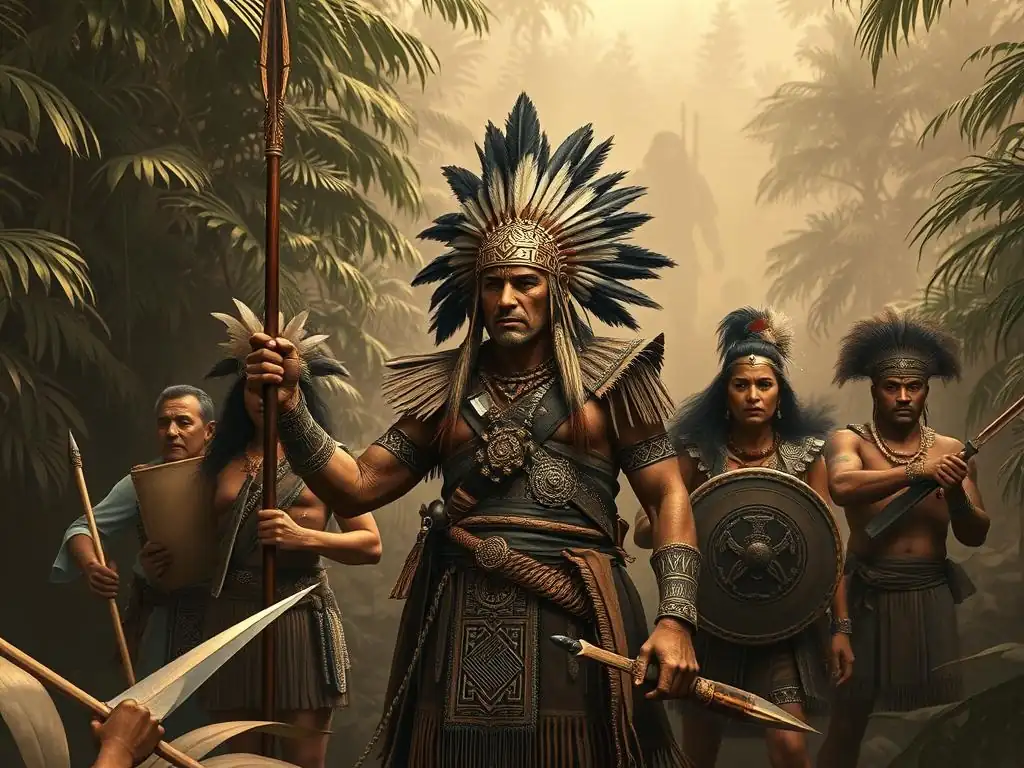
Several key figures emerged during the Aztec resistance against European colonization, each contributing uniquely to the struggle.
- Moctezuma II: The ninth ruler of the Aztec Empire, Moctezuma's initial approach was one of diplomacy and caution. His attempts to negotiate with Cortés ultimately backfired, leading to his capture and the subsequent destabilization of the Aztec leadership.
- Cuauhtémoc: The last huey tlatoani (great speaker) of the Aztecs, Cuauhtémoc became a symbol of resistance following the fall of Tenochtitlán. He led the Aztecs in a determined defense against the Spanish forces and is celebrated for his bravery and tenacity during the siege of Tenochtitlán.
- Tlaxcalans: While not Aztec, the Tlaxcalans played a crucial role in the resistance efforts. Initially enemies of the Aztecs, they allied with Cortés but later turned against him, recognizing the greater threat to Indigenous autonomy posed by the Spanish.
These figures exemplified the diversity of leadership and strategy within the Aztec response, illustrating a blend of traditional governance and emergent resistance tactics.
Notable Battles and Conflicts Against European Forces
Several key battles marked the Aztec resistance against European colonization, showcasing their military prowess and strategic capabilities:
- The Siege of Tenochtitlán (1521): This was the decisive confrontation between the Aztecs and Spanish forces. Cuauhtémoc led the defense of the city, utilizing extensive fortifications and engaging in fierce combat. Despite their efforts, the siege culminated in the fall of the Aztec capital, a pivotal moment in the Spanish conquest.
- The Battle of Otumba (1520): Following the Spanish retreat from Tenochtitlán, the Aztecs scored a significant victory at Otumba. This battle exemplified the Aztec ability to regroup and counterattack effectively, inflicting heavy casualties on the Spanish forces.
- The Battle of Cempoala: Early in the conquest, this battle highlighted the resistance of the Aztecs against the Spanish as they sought to defend their territories from foreign invasion. Although ultimately unsuccessful, it demonstrated the willingness of the Aztecs to defend their homeland vigorously.
These battles reflect the intense struggle and the strategic calculations made by the Aztecs in response to the existential threat posed by European colonizers.
Adaptation Strategies of the Aztecs
In addition to resisting European encroachment, the Aztecs also developed adaptation strategies to navigate the changing landscape of their world. These strategies allowed them to maintain aspects of their culture and society despite the overwhelming pressures of colonization.
Cultural Adaptation: Maintaining Identity Amidst Change
The Aztecs demonstrated remarkable cultural resilience during colonization. Despite the imposition of Spanish customs and religion, many aspects of Aztec identity remained intact. The Aztecs continued to practice their traditions, including religious ceremonies, art, and language, albeit sometimes in hybrid forms. This cultural adaptation was crucial for sustaining a sense of community and identity in the face of colonial oppression.
Moreover, the incorporation of certain Spanish elements into their practices created a unique cultural synthesis that allowed the Aztecs to preserve their heritage while adapting to new realities. For example, syncretism in religious practices became common, where traditional deities were merged with Catholic saints, enabling a continuation of spiritual practices under a new guise.
Economic Adaptation: Trade and Resource Management
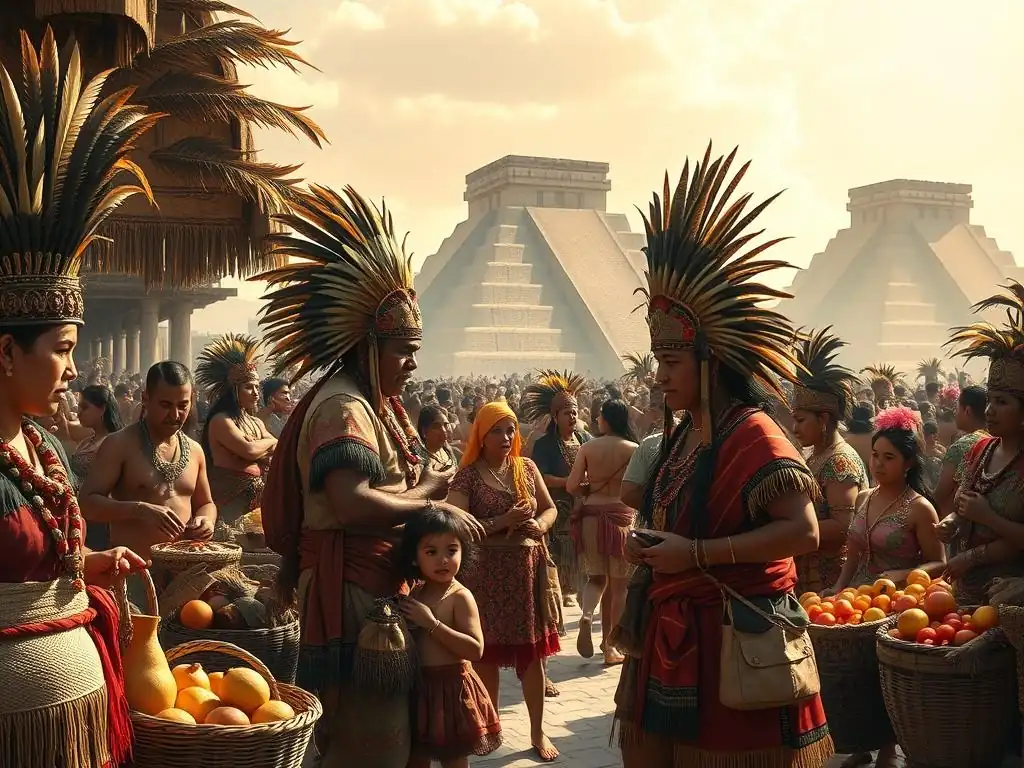
The Aztecs adeptly adapted their economic practices in response to European influence. As trade routes shifted and new commodities emerged, the Aztecs began to integrate European goods into their economy while still relying on traditional agricultural practices. They strategically managed resources, maintaining agricultural production while also engaging in trade with the Spanish and other Indigenous groups.
The introduction of new crops and livestock also had a profound impact on Aztec agriculture, leading to increased productivity and diversification of their economy. This adaptability allowed the Aztecs to sustain their population and mitigate some of the economic pressures imposed by colonial rule.
Alliance Building: Collaborating with Other Indigenous Groups
Recognizing the necessity of unity against a common foe, the Aztecs engaged in alliance-building with other Indigenous groups. These alliances were crucial in organizing collective resistance against Spanish forces. The Aztecs capitalized on existing rivalries and grievances among neighboring tribes to form coalitions.
However, the effectiveness of these alliances varied. While some groups, like the Tlaxcalans, became staunch allies, others remained skeptical and were swayed by the promises of the Spanish. The complexities of Indigenous politics meant that alliances were often fragile, but they represented a critical strategy for the Aztecs as they sought to resist colonization.
Through these multifaceted strategies of resistance and adaptation, the Aztecs exemplified a profound engagement with the challenges of European colonization, striving to preserve their civilization amidst overwhelming odds.
Case Studies of Aztec Resistance
The Aztec civilization exhibited remarkable resilience in the face of European colonization, particularly during the initial encounters with Spanish conquistadors led by Hernán Cortés. Several case studies highlight their resistance, showcasing both military engagements and adaptive strategies employed by the Aztecs to counter the invasion. These instances not only provide insight into the complexities of Aztec society but also underscore the determination of the people to preserve their culture and autonomy amidst overwhelming odds.
The Siege of Tenochtitlán: Defiance Against Conquest
The Siege of Tenochtitlán, which occurred between May and August 1521, stands as a significant episode of Aztec resistance. After the arrival of Hernán Cortés and his forces in 1519, the relationship between the Aztecs and the Spaniards rapidly deteriorated. The Aztecs, led by their emperor Cuauhtémoc, initially attempted diplomatic means to manage the Spanish threat. However, as hostilities escalated, they fortified their capital, Tenochtitlán, and prepared for a prolonged siege.
The Aztecs demonstrated strategic ingenuity in their defense, utilizing the city’s intricate system of canals and causeways to disrupt Spanish supply lines. Despite being outnumbered and facing advanced weaponry, the Aztecs mounted fierce resistance, employing both guerrilla tactics and traditional warfare. The siege lasted for several months, with the Aztecs enduring significant hardships, including food shortages and disease. Ultimately, the fall of Tenochtitlán marked a pivotal moment in the colonization of the Americas, but the spirit of resistance displayed by its defenders remains a powerful testament to Aztec resilience.
Local Responses in Surrounding Regions
Beyond Tenochtitlán, local responses to European encroachment varied across the Aztec Empire's vast territories. Many indigenous groups and city-states initially allied with the Spanish, believing they could leverage European power against the Aztecs. However, as the true nature of colonial ambitions became apparent, numerous local leaders began to resist.
For instance, the people of Texcoco and Tlaxcala, who had historical grievances against the Aztecs, initially welcomed the Spaniards but later joined forces with other indigenous groups to combat the colonizers. The resistance in these regions was marked by a combination of traditional warfare, diplomatic maneuvering, and the formation of coalitions among various tribes. These localized responses highlight the complexities of indigenous politics and the varied strategies employed to oppose colonization, which often involved shifting allegiances and tactical adaptations.
Long-term Effects of Resistance on Aztec Society
The long-term effects of Aztec resistance to European colonization were profound and multifaceted. The initial military engagements and the enduring spirit of defiance fostered a sense of identity among the remaining indigenous populations, who drew strength from their ancestors’ struggles. Despite the eventual fall of the Aztec Empire, this legacy of resistance contributed to the survival of cultural practices, languages, and traditions.
Moreover, the resistance fostered a collective memory that shaped future generations' responses to colonial rule. The narratives of bravery and sacrifice became foundational to indigenous identity, influencing subsequent resistance movements against colonial oppression throughout the Americas. This enduring legacy can be seen in various forms, from cultural expressions to political activism, as indigenous groups continue to assert their rights and heritage today.
Legacy of Aztec Resistance to Colonization
The legacy of Aztec resistance is woven into the historical fabric of the Americas, offering valuable lessons about resilience and the ongoing struggle for indigenous rights. The events surrounding the Aztec response to European colonization serve as a poignant reminder of the complexities of cultural encounters and the lasting impact of these historical moments.
Historical Significance of Aztec Resistance
The historical significance of Aztec resistance lies in its role as a catalyst for broader indigenous movements across the Americas. The fierce defense of Tenochtitlán and other regions illuminated the vulnerabilities of European powers when faced with organized and determined indigenous groups. This resistance laid the groundwork for future rebellions and uprisings among indigenous peoples, who were inspired by the Aztecs' courage and determination.
Furthermore, the Aztec experience serves as a critical point of analysis for historians studying the dynamics of colonization, highlighting the interplay between indigenous agency and European imperial ambitions. The legacy of resistance continues to resonate in contemporary discussions about colonial history and its ramifications.
Influence on Subsequent Indigenous Movements
The Aztec legacy of resistance has significantly influenced subsequent indigenous movements throughout the Americas. Inspired by the narratives of their ancestors, many indigenous groups have drawn on the spirit of Aztec defiance to advocate for their rights and sovereignty. This influence can be seen in various forms, from land rights movements to cultural revitalization efforts.
Organizations dedicated to indigenous rights often reference the Aztec struggle as a source of empowerment, emphasizing the importance of reclaiming heritage and asserting identity in the face of ongoing marginalization. The historical memory of Aztec resistance serves not only as a symbol of pride but also as a rallying point for collective action among indigenous communities today.
Reflection on Aztec Resilience in Modern Context
In the modern context, the resilience demonstrated by the Aztecs serves as a powerful metaphor for the ongoing struggles of indigenous peoples across the globe. The ability to adapt and resist in the face of existential threats resonates deeply within contemporary indigenous movements.
Today, many indigenous communities continue to confront issues of land dispossession, cultural erasure, and socio-economic challenges. The Aztec legacy of resistance provides a framework for understanding these struggles and reinforces the importance of unity, cultural pride, and perseverance. As modern movements seek justice and recognition, the spirit of Aztec resilience remains a vital source of inspiration and strength.
Conclusion: The Dual Narrative of Resistance and Adaptation
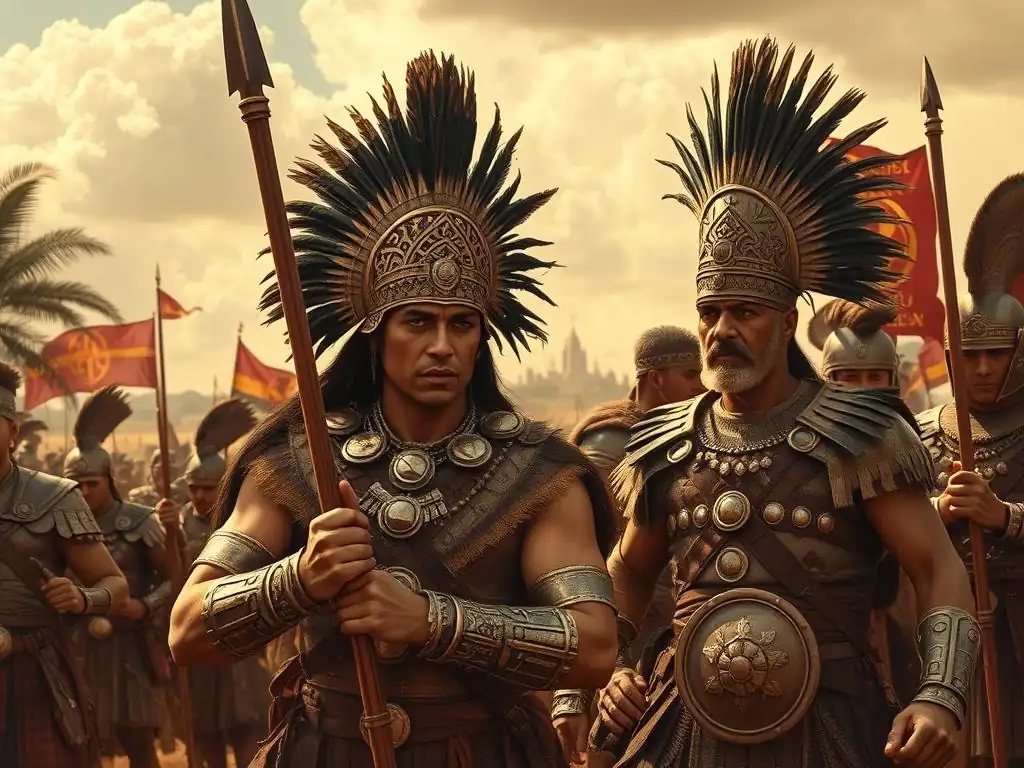
The Aztec response to European encroachment is a complex narrative that encapsulates both resistance and adaptation. As the Spanish conquistadors, led by Hernán Cortés, invaded the Aztec Empire in the early 16th century, the indigenous peoples faced unprecedented challenges that tested their resilience and ingenuity.
The Aztecs did not merely succumb to foreign domination; instead, they employed a range of strategies to confront the invaders, displaying remarkable agency in the face of overwhelming odds. This duality illustrates that the Aztec civilization was not simply a victim of colonization, but an active participant in its own narrative, shaping the outcomes of their encounters with Europeans.
The resistance efforts included military confrontations, strategic alliances, and the mobilization of local populations who were often discontent with Aztec rule. Conversely, adaptation manifested through the integration of European technologies, ideas, and even practices, which were sometimes absorbed into their own cultural frameworks. This multifaceted response highlights the dynamic nature of indigenous societies, showcasing their ability to navigate and negotiate the complexities of colonial encounters.
Summarizing the Aztec Response to European Encroachment
The Aztec response to European encroachment can be summarized through several key actions and strategies. Initially, the Aztecs engaged in direct military conflict, exemplified by the fierce resistance displayed in battles such as the Siege of Tenochtitlan. Despite the technological advantages held by the Spanish, such as firearms and cavalry, the Aztecs fought valiantly, leveraging their knowledge of the terrain and utilizing their own military tactics.
Additionally, the Aztecs sought to form alliances with other indigenous groups who were also opposed to Spanish rule. This collaboration was pivotal in attempting to repel the invaders, as it consolidated resources and manpower against a common enemy. However, the historical context of the Aztec Empire's own conquests created a complicated dynamic, as some allies were motivated by longstanding grievances against Aztec domination.
On the adaptation front, the Aztecs displayed a remarkable ability to absorb and integrate elements of European culture. This included the adoption of new agricultural techniques, tools, and even aspects of Christianity, which were woven into their existing belief systems. Such adaptations allowed the Aztecs to not only survive but also to influence the evolving colonial landscape.
The Continuing Impact of Aztec Resistance on Indigenous Identity
The legacy of Aztec resistance to European colonization continues to resonate deeply within contemporary indigenous identity in Mexico and beyond. The struggle against oppression and the fight for sovereignty became foundational narratives for many indigenous groups, instilling a sense of pride and resilience. The Aztec memory serves as a powerful symbol of resistance, reminding current generations of their ancestors' bravery and the importance of cultural preservation.
Moreover, the blending of Aztec and European elements has led to a rich cultural tapestry that defines modern indigenous identity. Artistic expressions, language, and spiritual practices often reflect a synthesis of pre-colonial and colonial influences, showcasing the adaptive strategies employed by indigenous peoples over centuries. This ongoing negotiation of identity emphasizes the importance of understanding history not as a linear narrative of defeat, but as a complex interplay of resistance, adaptation, and survival.
The Aztec response to European encroachment is a testament to the strength of indigenous cultures and their enduring legacy. The dual narrative of resistance and adaptation continues to shape contemporary discussions about identity, sovereignty, and cultural heritage among indigenous peoples today.
- Understanding Aztec Civilization Before European Contact
- The Arrival of Europeans: Context and Consequences
- Aztec Resistance to European Colonization
- Forms of Resistance: Military and Diplomatic Strategies
- Key Figures in Aztec Resistance Movements
- Notable Battles and Conflicts Against European Forces
- Adaptation Strategies of the Aztecs
- Cultural Adaptation: Maintaining Identity Amidst Change
- Economic Adaptation: Trade and Resource Management
- Alliance Building: Collaborating with Other Indigenous Groups
- Case Studies of Aztec Resistance
- Legacy of Aztec Resistance to Colonization
- Conclusion: The Dual Narrative of Resistance and Adaptation
- Summarizing the Aztec Response to European Encroachment
- The Continuing Impact of Aztec Resistance on Indigenous Identity
- What were the main forms of Aztec resistance to European colonization?
- How did the Aztecs adapt to European encroachment?
- What role did alliances play in the Aztec response to colonization?
- How did the cultural impact of European colonization affect the Aztecs?
- What lessons can be learned from the Aztec response to colonization?
Frequently Asked Questions
What were the main forms of Aztec resistance to European colonization?
The Aztec resistance included military confrontations, strategic alliances, and guerrilla tactics against the Spanish forces to protect their sovereignty and culture.
How did the Aztecs adapt to European encroachment?
The Aztecs adapted by incorporating European technologies and tactics into their own, as well as negotiating temporary alliances with other indigenous groups to strengthen their position.
What role did alliances play in the Aztec response to colonization?
Alliances were crucial for the Aztecs as they sought to unite with other tribes to mount a stronger resistance against the Spanish invaders, enhancing their numbers and resources.
How did the cultural impact of European colonization affect the Aztecs?
The cultural impact led to significant changes in Aztec society, including the introduction of new religions, languages, and customs, which influenced their identity and traditions.
What lessons can be learned from the Aztec response to colonization?
The Aztec response highlights the importance of resilience, strategic adaptation, and the value of cultural heritage in the face of external threats, which can inspire contemporary movements for indigenous rights.
Final Reflection: The Resilience of Aztec Resistance to European Colonization
The story of the Aztec response to European encroachment is not just a historical account; it is a powerful testament to the strength of cultural identity and resilience. In an era where colonization sought to erase indigenous cultures, the Aztecs demonstrated remarkable adaptability and resistance, showcasing their unwavering spirit. This narrative remains profoundly relevant today as we confront ongoing discussions about colonial legacies and the importance of preserving cultural heritage.
The impact of Aztec resistance continues to resonate within contemporary society, influencing movements for indigenous rights and cultural preservation. The lessons learned from the Aztec struggle remind us of the importance of standing firm against oppression and valuing our roots. As historian Matthew Restall poignantly stated, “The past is not simply a record of what has happened; it is a living force that shapes our present and future.” This observation underscores how the Aztec experience informs current dialogues about identity, sovereignty, and the reclamation of history.
As we reflect on the Aztec response to European colonization, let us carry forward the lessons of resilience and adaptation into our own lives. Consider how you can honor and support the voices of indigenous communities today, recognizing their ongoing struggles and contributions. By engaging with this history, we not only pay homage to those who resisted but also empower ourselves to advocate for justice and equity in our contemporary world. Embrace the spirit of the Aztecs, and let it inspire you to stand up for what is right in your own community.
Unveil the Strength of Aztec Resilience!
Thank you for joining us on this journey through the inspiring story of Aztec resistance and adaptation in the face of European encroachment. Your interest highlights the rich tapestry of Indigenous history and the profound lessons it holds for us today.
Now, let's transform this knowledge into action. Here are some powerful steps you can take:
- Dive deeper into Aztec history by exploring additional resources that delve into their culture and legacy. Discover the nuances you may not have encountered yet!
- Share your knowledge with friends and family. Discuss what you've learned about Indigenous civilizations and the resilience of the Aztecs to spark meaningful conversations.
- Join a local or online community focused on Indigenous rights and history. Engage with others who share your passion—your voice can amplify these vital narratives!
What aspect of Aztec resistance resonated with you the most, and how do you plan to honor their legacy in your daily life? Let's discuss in the comments!