
The Resilience of Indigenous Traditions: Surviving the European Conquest

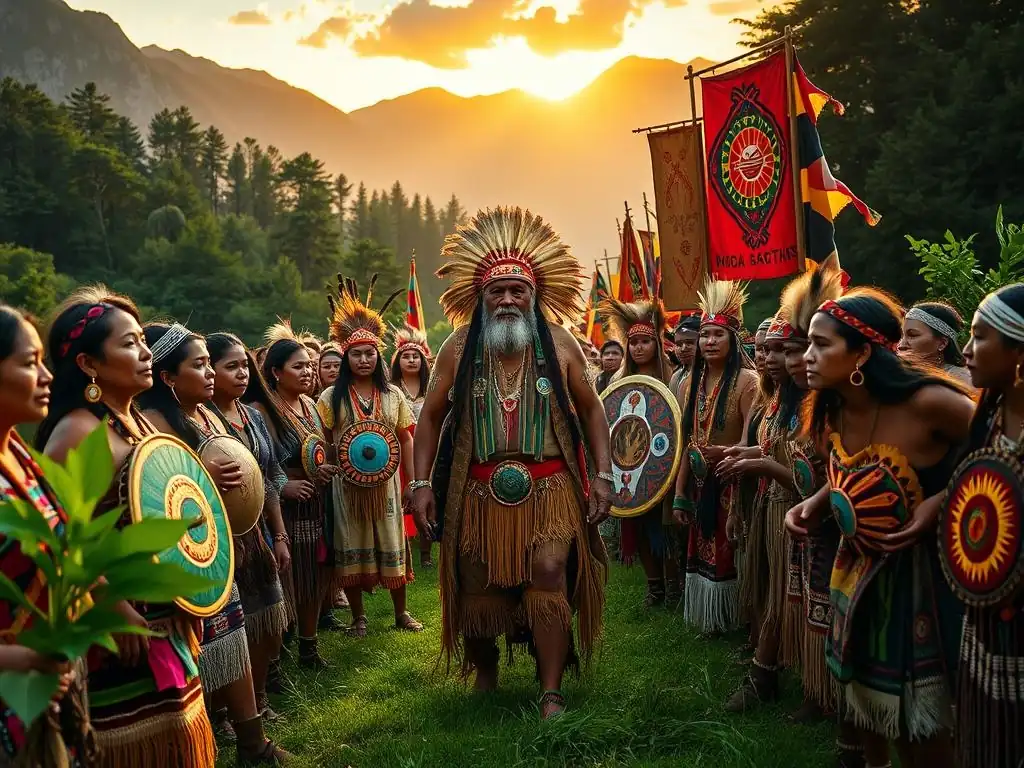
Welcome to Indigenous Civilizations of the Americas, where we delve into the rich tapestry of cultures that flourished long before the arrival of European settlers. In our featured article, "The Resilience of Indigenous Traditions: Surviving the European Conquest," we explore how these vibrant communities not only endured adversity but also adapted and thrived against the odds. Discover the profound strength found within indigenous traditions and the remarkable resilience that has shaped the identity of the Americas. Join us on this enlightening journey and uncover the legacy that continues to inspire us today.
Introduction to Indigenous Traditions Resilience in the Americas
The resilience of indigenous traditions in the Americas is a profound testament to the strength and adaptability of various cultures that existed long before European colonization. As these communities faced unprecedented challenges following the arrival of European powers, their ability to maintain cultural practices and identities amidst turmoil became a crucial aspect of their survival. This article delves into the intricate tapestry of indigenous traditions, exploring how these vibrant cultures not only endured the impacts of conquest but also transformed and thrived in the face of adversity.
Overview of Indigenous Cultures Before European Contact
Before the arrival of Europeans, the Americas were home to a multitude of rich and diverse indigenous cultures. From the intricate societies of the Aztecs and Maya in Mesoamerica to the multifaceted tribal communities of North America, these civilizations had developed complex social structures, languages, and artistic traditions.
- Key Features of Indigenous Cultures:
- Social Organization: Many indigenous societies were organized into clans or tribes, each with its own leadership and governance structures.
- Spiritual Beliefs: Indigenous peoples held deep spiritual connections to the land, often viewing nature as sacred and essential to their identity.
- Artistic Expression: Crafts, music, and storytelling played significant roles in cultural expression, preserving history and knowledge through generations.
Understanding these cultures is essential to appreciating their resilience, as it highlights the foundation upon which they built their identities.
Importance of Understanding Resilience in Indigenous Traditions
The concept of resilience in indigenous traditions encompasses not only the survival of cultural practices but also the active adaptation and evolution of these traditions in response to external pressures. Recognizing this resilience:
- Fosters Appreciation: Acknowledges the ingenuity and strength of indigenous peoples in preserving their heritage.
- Promotes Cultural Awareness: Encourages a deeper understanding of the complexities of these cultures beyond stereotypes.
- Supports Reconciliation Efforts: Contributes to healing and reconciliation processes by validating the experiences of indigenous communities.
Resilience is not merely a narrative of survival; it is a dynamic process that reflects the ongoing efforts of indigenous peoples to affirm their identities in a changing world.
Historical Context of European Conquest
The arrival of Europeans in the Americas marked a significant turning point in the history of indigenous cultures. The ensuing period of conquest was characterized by violence, displacement, and the imposition of foreign systems of governance and religion. This historical context is crucial for understanding the challenges faced by indigenous traditions.
Impact of European Colonization on Indigenous Societies
European colonization had devastating effects on indigenous societies, leading to:
- Population Decline: Diseases introduced by Europeans decimated populations, significantly reducing the number of individuals in many communities.
- Cultural Disruption: Imposed foreign beliefs and practices often led to the erosion of indigenous customs and languages.
- Land Dispossession: The appropriation of land for agriculture, mining, and settlement disrupted traditional ways of life and resource management.
These impacts created a complex landscape for indigenous peoples, forcing them to navigate new realities while striving to preserve their cultural identities.
Key Events During the European Conquest of the Americas
Several pivotal events defined the European conquest of the Americas and its impact on indigenous traditions:
- The Arrival of Columbus (1492): Marked the beginning of sustained European contact and colonization in the Americas.
- The Conquest of the Aztec Empire (1519-1521): Led by Hernán Cortés, this event exemplified the violent imposition of European rule and the subsequent cultural upheaval.
- The Pueblo Revolt (1680): A significant indigenous uprising against Spanish colonizers in present-day New Mexico, showcasing indigenous resistance and resilience.
These events, among others, illustrate the tumultuous interactions between Europeans and indigenous peoples, setting the stage for the ongoing struggle for cultural survival and adaptation.
Indigenous Traditions: Foundations of Resilience
Indigenous traditions in the Americas have long been characterized by their profound connection to the land, community, and spiritual beliefs. These foundations served as a bedrock for resilience during the tumultuous periods of European conquest. Despite facing enormous challenges, including violence, displacement, and cultural suppression, many Indigenous groups have maintained their core beliefs and practices. The strength of these traditions lies in their adaptability, which has allowed them to evolve while preserving essential aspects of identity.
Spiritual Beliefs and Practices
Spiritual beliefs are central to Indigenous cultures and play a significant role in fostering resilience. Many Indigenous peoples view the world as interconnected, with a deep reverence for nature and the spirits that inhabit it. For instance, the concept of animism—the belief that all elements of the natural world possess a spirit—encourages a respectful relationship with the environment. Rituals, ceremonies, and offerings are integral to these practices, often serving as communal gatherings that reinforce social bonds and cultural identity.
Even in the face of colonial oppression, many Indigenous groups have adapted their spiritual practices to incorporate new elements while retaining their core beliefs. For example, some have integrated aspects of Christianity into their traditional ceremonies, creating a syncretic practice that allows them to maintain their spiritual heritage while navigating the dominant culture.
Cultural Arts and Expression
Cultural arts and expression have also been vital in the resilience of Indigenous traditions. Art forms such as weaving, pottery, beadwork, and dance not only serve aesthetic purposes but also convey historical narratives, spiritual beliefs, and communal values. These art forms are often passed down through generations, ensuring that cultural knowledge is preserved.
During the colonial era, Indigenous artists faced immense pressure to abandon their traditional practices. However, many responded by reviving and reinterpreting their art, creating a dynamic cultural landscape that reflects both historical and contemporary influences. For instance, the use of traditional motifs in modern fashion or the incorporation of Indigenous themes in contemporary music and literature showcases the enduring power of cultural expression.
Community Structures and Social Organization
Community structures and social organization are foundational to Indigenous resilience. Many Indigenous societies are organized around kinship and communal ties, which foster strong support networks. These social structures enable the sharing of resources, knowledge, and cultural practices, ensuring that traditions are upheld even in challenging circumstances.
In times of crisis, such as during the European conquest, these community bonds have proven essential for survival. Elders often play a pivotal role in this regard, acting as custodians of knowledge and guiding the community in maintaining cultural practices. Furthermore, communal decision-making processes empower members to contribute to the resilience of their traditions, reinforcing a collective identity that withstands external pressures.
Mechanisms of Resilience Among Indigenous Peoples
The mechanisms of resilience among Indigenous peoples are multifaceted, encompassing adaptation, preservation, and leadership. These elements work in tandem to ensure the survival and flourishing of Indigenous traditions despite ongoing challenges.
Adaptation and Innovation in Traditions
Adaptation and innovation are crucial mechanisms through which Indigenous peoples have maintained their traditions. Faced with the realities of colonial rule, many communities have found ways to adapt their practices to new circumstances. This could involve altering agricultural techniques to suit changing environments or integrating new materials into traditional crafts.
Moreover, the exchange of ideas and cultural practices between Indigenous groups has often led to innovative adaptations that enrich traditions. For instance, the use of new technologies for storytelling, such as digital media, has allowed Indigenous narratives to reach broader audiences, ensuring that cultural knowledge continues to thrive in contemporary society.
Preservation of Language and Oral Histories
Language preservation is another critical aspect of Indigenous resilience. Many Indigenous languages are at risk of extinction due to colonial policies and cultural assimilation. However, communities have taken proactive steps to revitalize their languages, recognizing their importance in maintaining cultural identity.
Oral histories play a vital role in this preservation effort. They serve as a means of transmitting knowledge, values, and histories from one generation to the next. Storytelling not only reinforces cultural continuity but also empowers communities to assert their identity and resilience in the face of external challenges. Schools, language programs, and community workshops dedicated to teaching Indigenous languages are examples of initiatives aimed at preserving these vital cultural assets.
Role of Elders and Leadership in Cultural Survival
Elders and leadership figures are indispensable in the survival of Indigenous traditions. Often viewed as the keepers of knowledge, elders play a crucial role in educating younger generations about cultural practices, spiritual beliefs, and community values. Their wisdom and experience provide guidance and stability, fostering a sense of continuity within the community.
Leadership structures in many Indigenous societies are often characterized by consensus and collaboration, contrasting with hierarchical models. This inclusive approach ensures that diverse voices are heard, strengthening communal bonds and fostering collective resilience. As leaders advocate for cultural preservation and engage in efforts to reclaim land and rights, they serve not only as figures of authority but also as symbols of hope and endurance for their communities.
Case Studies of Resilient Indigenous Traditions
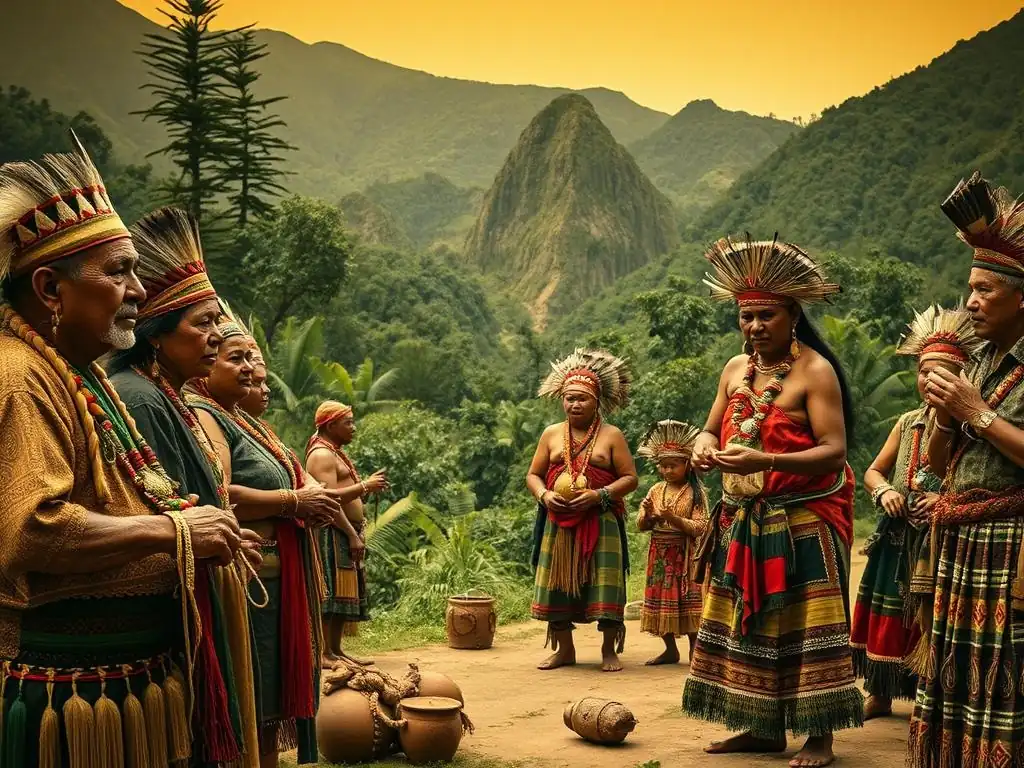
Indigenous traditions across the Americas have demonstrated remarkable resilience in the face of European colonization. By adapting, resisting, and revitalizing their cultural practices, these communities have maintained their identities and passed down their heritage through generations. Here, we explore specific case studies that highlight the strength and adaptability of indigenous traditions in various contexts.
The Navajo Nation: Resistance and Adaptation
The Navajo Nation serves as a powerful example of resilience through both resistance and adaptation. Following the arrival of European settlers and the subsequent imposition of colonial policies, the Navajo people faced significant challenges, including forced relocation and attempts to erase their culture. However, they have continually adapted to these pressures while staunchly preserving their traditions.
Key elements of resilience include:
- Cultural Education: The Navajo have established educational programs that integrate traditional knowledge with contemporary curricula, ensuring that younger generations learn about their heritage.
- Language Revitalization: The Navajo language, which plays a crucial role in identity and culture, has seen revitalization efforts through immersion schools and community classes. This effort is essential not only for cultural preservation but also for fostering a sense of community.
- Artistic Expression: Traditional crafts, such as weaving and silversmithing, have not only provided economic opportunities but have also served as vital expressions of cultural identity. The Navajo Nation hosts art markets and festivals that celebrate these traditions.
Through these strategies, the Navajo Nation exemplifies how indigenous cultures can resist erasure while adapting to contemporary realities.
The Haudenosaunee Confederacy: Cultural Revitalization Efforts
The Haudenosaunee Confederacy, comprising the Mohawk, Oneida, Onondaga, Cayuga, Seneca, and Tuscarora nations, showcases a robust model of cultural revitalization. Following centuries of colonization, the Haudenosaunee have taken proactive steps to reclaim and promote their traditions.
Notable revitalization efforts include:
- The Great Law of Peace: This foundational document of the Haudenosaunee Confederacy emphasizes the importance of consensus and harmony within governance. It serves as a cultural touchstone that guides their community interactions and decision-making processes.
- Language Preservation: Language revitalization programs, including the development of learning materials and courses, have been crucial for educating youth about their native languages, ensuring the transmission of cultural narratives and practices.
- Cultural Events and Festivals: Annual celebrations such as the Iroquois Nationals Lacrosse Tournament serve to both honor traditional sports and foster community pride. These events encourage participation from indigenous and non-indigenous individuals, promoting awareness and appreciation of Haudenosaunee culture.
These efforts reflect the determination of the Haudenosaunee to maintain and celebrate their traditions, fostering a sense of identity and unity that transcends generations.
The Maori of New Zealand: Intergenerational Knowledge Transmission
While not located in the Americas, the Maori of New Zealand offer valuable insights into the resilience of indigenous traditions that resonate with similar struggles faced by indigenous peoples globally. The Maori have successfully navigated colonization while ensuring the transmission of their knowledge through intergenerational practices.
Key aspects of their approach include:
- Whakapapa (Genealogy): This concept emphasizes the importance of ancestry and lineage in Maori culture. Through storytelling and oral traditions, knowledge about history, customs, and values is passed down from elders to youth, reinforcing a strong cultural identity.
- Karakia (Spiritual Incantations): The use of karakia connects the Maori to their spirituality and the natural world. These rituals are integral to various aspects of life, from celebrations to daily activities, helping to maintain cultural connections despite external pressures.
- Community Engagement: The Maori have established cultural centers and programs that promote traditional arts, language, and practices. These initiatives encourage younger generations to engage with their heritage actively, fostering pride and continuity.
The Maori experience highlights the vital role of intergenerational knowledge transmission in sustaining cultural resilience, providing a blueprint for other indigenous cultures facing similar challenges.
Contemporary Expressions of Resilience in Indigenous Traditions
Indigenous communities today continue to express their resilience through various contemporary practices that honor their traditions while addressing modern challenges. These expressions not only preserve cultural identities but also promote awareness and understanding among broader audiences.
Reviving Traditional Practices in Modern Contexts
Across the Americas, many indigenous groups are reviving traditional practices that had been suppressed or lost due to colonization. This revival often takes place in modern contexts, integrating contemporary elements while maintaining core cultural values.
Examples of revival include:
- Culinary Traditions: Indigenous chefs are reintroducing traditional foods and cooking methods, emphasizing locally sourced ingredients and cultural significance. This movement not only nourishes the body but also reconnects communities with their ancestral heritage.
- Traditional Clothing: Many indigenous artisans are creating clothing that reflects traditional designs and techniques, often merging them with modern fashion trends. This not only supports economic sustainability but also fosters cultural pride.
- Ceremonial Practices: Revived ceremonies, such as powwows and sun dances, serve as both spiritual gatherings and cultural celebrations, allowing individuals to reconnect with their roots and share their heritage with others.
These modern expressions of indigenous traditions demonstrate adaptability and innovation, ensuring that cultural practices remain vibrant and relevant.
Indigenous Activism and Cultural Advocacy
Indigenous activism plays a crucial role in promoting the resilience of traditional cultures. Activists advocate for the recognition of rights, sovereignty, and the protection of sacred sites, often linking these efforts to broader movements for social justice and environmental sustainability.
Key aspects include:
- Land Rights Movements: Indigenous groups across the Americas are fighting for land rights and the preservation of sacred spaces, recognizing that the land is integral to their cultural identity and survival.
- Cultural Heritage Protection: Activists work to safeguard traditional knowledge and practices from appropriation and exploitation, ensuring that indigenous voices are centered in discussions about their cultures.
- Collaborative Initiatives: Partnerships between indigenous communities and environmental organizations aim to promote traditional ecological knowledge, demonstrating the relevance of indigenous practices in contemporary environmental challenges.
Through activism and advocacy, indigenous communities assert their cultural resilience and strive for recognition and respect in the modern world.
The Role of Technology in Preserving Indigenous Traditions
In the digital age, technology plays a pivotal role in preserving and promoting indigenous traditions. Indigenous communities are harnessing digital tools to enhance cultural transmission and engagement.
Key technological contributions include:
- Digital Storytelling: Indigenous filmmakers and content creators are using platforms like YouTube and social media to share stories, traditions, and experiences, reaching wider audiences and fostering cultural appreciation.
- Online Language Resources: Digital applications and websites are being developed to support language learning and preservation, providing accessible resources for individuals seeking to learn their native languages.
- Virtual Communities: Online forums and social media groups enable indigenous peoples to connect, share experiences, and collaborate on cultural initiatives, fostering a sense of belonging and community.
Through these technological advancements, indigenous traditions are not only surviving but thriving, showcasing the resilience and adaptability of these rich cultures in a rapidly changing world.
Conclusion: The Future of Indigenous Traditions Resilience
The resilience of indigenous traditions in the Americas is a testament to the enduring spirit and adaptability of these cultures. Despite the profound challenges posed by European colonization, many indigenous communities have managed to preserve their languages, customs, and spiritual beliefs. As we move forward, it is crucial to acknowledge that the survival of these traditions is not just a relic of the past but a living, evolving process. The future of indigenous traditions relies on an ongoing commitment from both indigenous peoples and the wider society to foster environments where these cultures can thrive.
The resurgence of interest in indigenous traditions, particularly in art, music, and language revitalization, showcases the vitality and relevance of these cultures in contemporary society. However, the path to resilience is fraught with challenges, including environmental degradation, socio-economic barriers, and systemic discrimination. Addressing these issues requires collective action, empathy, and a willingness to listen to and learn from indigenous voices.
The Ongoing Journey of Cultural Survival
Cultural survival is an ongoing journey that involves the active participation of indigenous communities and their allies. Many indigenous groups are engaging in efforts to reclaim their cultural heritage through educational initiatives, community gatherings, and the revitalization of traditional practices. This journey is characterized by a deep connection to the land, as indigenous peoples often view their cultural identity as intrinsically linked to their environment.
Moreover, the integration of traditional knowledge with modern practices can create innovative solutions for pressing issues such as climate change and health disparities. For instance, indigenous agricultural techniques and ecological wisdom are increasingly recognized for their sustainability and effectiveness. By embracing a holistic view that honors both traditional and contemporary knowledge, indigenous communities can forge resilient futures while maintaining their cultural integrity.
Importance of Supporting Indigenous Voices and Practices
Supporting indigenous voices and practices is vital for the preservation of cultural diversity in the Americas. Indigenous peoples have unique perspectives and knowledge systems that contribute significantly to global cultural heritage. By amplifying their voices, we can foster greater understanding and respect for their traditions, which are often rooted in centuries of history and experience.
Moreover, supporting indigenous practices involves recognizing the rights of these communities to self-determination and cultural expression. This can manifest in various forms, such as advocating for legal protections of indigenous lands, promoting the use of indigenous languages, and ensuring that indigenous narratives are included in educational curricula. Such actions not only empower indigenous peoples but also enrich the broader tapestry of human culture.
Call to Action: Engaging with Indigenous Traditions
Engaging with indigenous traditions requires a proactive approach that values authenticity and mutual respect. It is essential to approach indigenous cultures with an open heart and mind, recognizing the historical context and present realities faced by these communities. By actively participating in cultural exchanges, attending indigenous events, and seeking to understand the significance of various practices, we can contribute to the ongoing resilience of these rich traditions.
How to Support Indigenous Cultures Today
Supporting indigenous cultures today involves several actionable steps:
- Educate Yourself: Take the time to learn about the history, languages, and traditions of indigenous peoples in your area and beyond.
- Attend Cultural Events: Participate in local indigenous festivals, workshops, or ceremonies that promote cultural heritage and community.
- Support Indigenous Businesses: Purchase from indigenous artisans and entrepreneurs, helping to sustain economic independence and cultural expression.
- Advocate for Indigenous Rights: Engage in advocacy efforts that support land rights, cultural preservation, and policy changes that benefit indigenous communities.
By taking these steps, individuals can play a crucial role in fostering an environment where indigenous traditions can continue to thrive.
Resources for Learning More About Indigenous Resilience in the Americas
To deepen your understanding of indigenous resilience in the Americas, consider exploring the following resources:
- Books: Look for works by indigenous authors that discuss their cultures, histories, and contemporary issues.
- Documentaries: Watch films that highlight indigenous perspectives and stories, providing insight into their struggles and triumphs.
- Online Platforms: Many indigenous organizations offer educational materials and resources online, including websites and social media channels that promote indigenous voices.
- Community Engagement: Reach out to local indigenous organizations to learn about volunteer opportunities or programs that support cultural education.
By utilizing these resources, you can gain a richer appreciation for the resilience of indigenous traditions and the ongoing efforts to sustain them in the face of modern challenges.
- Introduction to Indigenous Traditions Resilience in the Americas
- Historical Context of European Conquest
- Indigenous Traditions: Foundations of Resilience
- Mechanisms of Resilience Among Indigenous Peoples
- Case Studies of Resilient Indigenous Traditions
- Contemporary Expressions of Resilience in Indigenous Traditions
- Conclusion: The Future of Indigenous Traditions Resilience
- Call to Action: Engaging with Indigenous Traditions
- What are the key themes explored in the article?
- How did indigenous cultures show resilience during the European conquest?
- What impact did European colonization have on indigenous traditions?
- Why is it important to study indigenous civilizations in the Americas?
- How can we support the resilience of indigenous cultures today?
Frequently Asked Questions
What are the key themes explored in the article?
The article focuses on the diverse indigenous cultures of the Americas, highlighting their achievements, societies, and the resilience of their traditions during and after European colonization.
How did indigenous cultures show resilience during the European conquest?
Indigenous cultures demonstrated resilience by preserving their traditions, adapting to new circumstances, and maintaining their identity despite the significant pressures of colonization.
What impact did European colonization have on indigenous traditions?
European colonization led to the disruption of many indigenous cultures, but it also sparked a revival and adaptation of traditions as communities sought to preserve their cultural heritage in the face of adversity.
Why is it important to study indigenous civilizations in the Americas?
Studying indigenous civilizations helps us understand their complex societies, rich cultural heritage, and the lasting impacts of their traditions on contemporary society, as well as their resilience in overcoming historical challenges.
How can we support the resilience of indigenous cultures today?
Supporting resilience involves promoting education, advocating for cultural preservation, and respecting indigenous rights, which can help ensure the survival and flourishing of their traditions in modern society.
Final Reflection: The Enduring Spirit of Indigenous Traditions
The resilience of indigenous traditions in the Americas is not just a historical narrative; it is a living testament to the strength and adaptability of cultures that have faced immense challenges. Today, as we witness a resurgence of interest in indigenous knowledge and practices, it becomes clear that these traditions are not relics of the past but vibrant, dynamic systems that continue to shape identities and communities. The struggle for recognition and preservation of these traditions is more relevant than ever, as they offer invaluable insights into sustainable living and community resilience.
The ongoing influence of indigenous traditions is evident in various aspects of contemporary culture, from environmental movements to artistic expressions. These traditions remind us of the importance of connection—to the land, to each other, and to our heritage. As we navigate the complexities of modern life, we can draw inspiration from the wisdom embedded in these practices. As noted by author and activist Winona LaDuke, The future will be about the land and the people who care for it.
This perspective underscores the critical role that indigenous knowledge plays in addressing today's pressing issues, such as climate change and social justice.
As you reflect on the themes presented in this article, consider how you can incorporate the lessons of resilience and adaptability from indigenous traditions into your own life. Embrace the opportunity to learn from these rich cultures, support indigenous communities, and advocate for their rights and recognition. By doing so, you not only honor their legacy but also contribute to a more inclusive and sustainable future for all. Let us carry forward the spirit of resilience, ensuring that these traditions thrive for generations to come.
Embrace and Support Indigenous Resilience Today!
Thank you for taking the time to explore the powerful story of Indigenous traditions and their incredible resilience in the face of historical challenges. Your interest is a significant step toward honoring and preserving these rich cultures. Now, it's time to take action and contribute to the ongoing journey of Indigenous peoples!
Here are a few ways you can make an impact:
- Dive deeper into Indigenous culture by engaging with local communities or participating in workshops that celebrate their traditions.
- Share this knowledge with your friends and family by starting conversations about Indigenous resilience and the importance of cultural preservation.
- Consider supporting Indigenous-owned businesses or organizations that promote and protect these vital traditions.
What will you do today to ensure these remarkable traditions continue to thrive for generations to come?