
The Interaction Between Incan and Neighboring Civilizations: Politics at Play

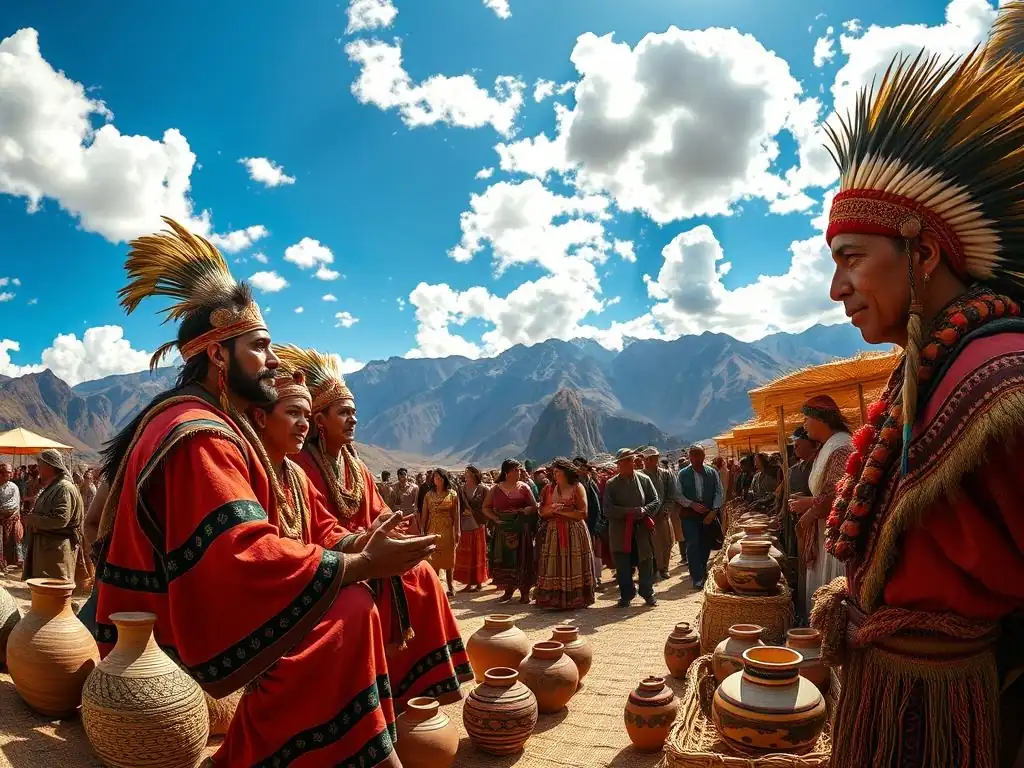
Welcome to Indigenous Civilizations of the Americas, where we invite you to dive deep into the rich tapestry of cultures that flourished long before European footprints touched these lands. In our spotlight today is the Incan civilization—a remarkable society known not just for its architectural marvels, but also for its intricate political interactions with neighboring civilizations. Have you ever wondered how these ancient empires navigated alliances, rivalries, and diplomacy?
Join us as we unravel the fascinating dynamics of power and politics that shaped the Incan world and left an indelible mark on history. Your journey into the past begins here!
Introduction to Incan Civilization Political Interactions
The Incan civilization, renowned for its remarkable achievements in architecture, agriculture, and societal organization, also displayed a complex web of political interactions with neighboring cultures. Understanding these interactions provides invaluable insights into how the Incas not only consolidated their power but also how they influenced and were influenced by the societies around them. This article delves into the political dynamics at play within the Incan Empire, exploring the structures of governance, the key figures that shaped its politics, and the critical relationships that defined its interactions with neighboring civilizations.
Overview of Incan Civilization
The Incan Empire, which flourished from the early 15th century until the Spanish conquest in the 16th century, was the largest empire in pre-Columbian America. Centered in present-day Peru, it extended across a vast territory, incorporating diverse cultures and communities. The Incas were known for their sophisticated administrative system, which allowed them to manage an expansive territory efficiently.
Their capital, Cusco, served as a political, religious, and cultural hub, reflecting the empire's organizational prowess. The Incas' mastery of agriculture, particularly their innovative terrace farming techniques, supported a growing population and facilitated trade. However, it was their adept political maneuvers and interactions with neighboring groups that played a crucial role in the expansion and stability of the empire.
Importance of Political Interactions in Ancient Societies
In ancient societies, political interactions were vital for establishing alliances, managing conflicts, and ensuring the flow of resources and information. For the Incas, engaging with neighboring civilizations was not merely a matter of conquest but rather a strategic approach to governance. These interactions could take various forms, including:
- Diplomacy: Establishing peaceful relations through marriage alliances and treaties.
- Military Alliances: Forming partnerships with other groups to fend off common enemies.
- Cultural Exchange: Sharing knowledge, agricultural techniques, and religious practices that enriched both civilizations.
Understanding the nuances of these political interactions allows us to appreciate how the Incan civilization navigated its complex landscape, making it a formidable force in the Andes.
The Political Landscape of the Incan Empire
The political landscape of the Incan Empire was characterized by a centralized authority that allowed for effective governance across its vast territories. The emperor, known as the Sapa Inca, held supreme power, believed to be a direct descendant of the sun god Inti. This divine right to rule was supported by a well-structured political framework, which included various officials and administrative divisions.
Structure of Incan Political Governance
The Incan political system was hierarchical and meticulously organized, consisting of several key components:
- Sapa Inca: The absolute ruler and religious leader.
- Noble Class: Comprised of high-ranking officials, including generals and governors, who assisted the Sapa Inca in administration.
- Local Leaders: Often from conquered tribes, these leaders helped maintain order and collect tribute from their communities.
This structure allowed the Incas to implement their policies effectively and maintain control over diverse populations, ensuring loyalty through a combination of fear and respect.
Key Political Figures in the Incan Civilization
Several prominent figures played critical roles in shaping the political landscape of the Incan Empire:
- Pachacuti: Renowned for his military conquests and administrative reforms, he transformed the Incan state into a powerful empire in the 15th century.
- Topa Inca Yupanqui: Pachacuti's son, who expanded the empire further and solidified its political structures.
- Huayna Capac: The last ruler before the Spanish conquest, known for his efforts to maintain stability and manage succession disputes.
These key figures exemplify the intricate interplay of leadership, strategy, and diplomacy that characterized the Incan civilization's political interactions, influencing its relationships with neighboring societies and its legacy in the Americas.
Neighboring Civilizations and Their Political Dynamics
The Incan civilization, one of the most sophisticated and expansive empires in pre-Columbian America, was surrounded by a variety of neighboring cultures, each exhibiting unique political structures and social dynamics. The interactions between the Incas and these civilizations were complex and multifaceted, characterized by both cooperation and conflict. Understanding these dynamics is essential to grasp the political landscape of the Andes region during the height of Incan power.
Overview of Neighboring Civilizations
The major civilizations neighboring the Incan Empire included the Wari, Tiwanaku, and various tribes along the Pacific coast and in the Amazon basin. Each of these societies had distinct governance systems, cultural practices, and economic strategies that influenced their interactions with the Incas.
- Wari Civilization: Predating the Incas, the Wari created a vast network across the highlands of Peru. Their administrative practices and road systems laid groundwork that the Incas would later adopt and expand.
- Tiwanaku Civilization: Located near modern-day Lake Titicaca, the Tiwanaku were known for their agricultural innovations and monumental architecture. Their influence extended into the southeastern parts of the Incan Empire.
- Coastal Tribes: Various groups such as the Moche and Nazca along the coast had well-established political structures focused on trade and resource management, which often intersected with Incan aspirations.
These neighboring civilizations engaged in various forms of political dynamics, including trade, conflict, and cultural exchange, which shaped the Incan Empire's policies and territorial strategies.
Political Relationships and Alliances
The Incas executed a sophisticated approach to their political relationships with neighboring civilizations, characterized by both diplomacy and coercion. They sought to create alliances that could bolster their power while also absorbing neighboring territories into their empire.
- Strategic Marriages: The Incas often formed alliances through marriage, integrating local leaders into their royal family. This practice not only solidified political ties but also helped in legitimizing Incan authority.
- Tribute Systems: Neighboring tribes were sometimes allowed to maintain a degree of autonomy in exchange for tribute, which ensured a steady flow of resources to the Incan state while minimizing outright conflict.
- Cultural Exchange: The Incas promoted cultural exchange through their political engagements, often adopting elements of local governance, religion, and agricultural practices to foster loyalty among newly incorporated peoples.
These relationships helped the Incas to expand their influence and integrate diverse groups into a cohesive empire, facilitating a relatively stable political environment.
Mechanisms of Interaction Between Incan and Neighboring Civilizations
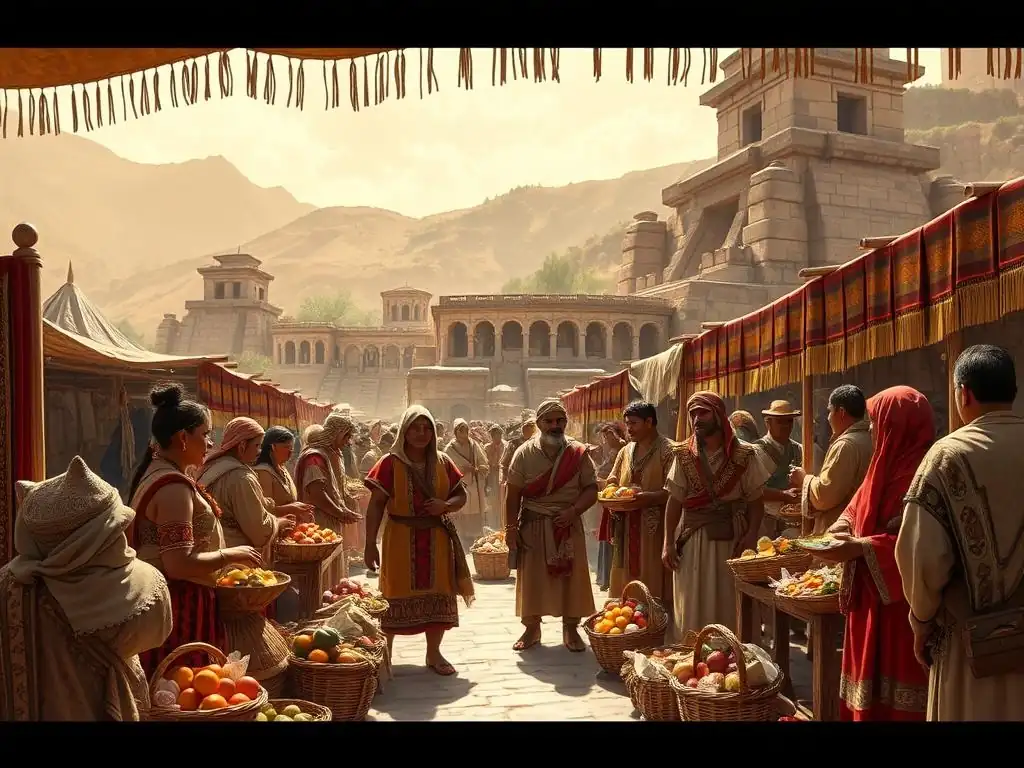
The mechanisms of interaction between the Incan civilization and its neighbors were varied and complex. They encompassed diplomacy, trade, and military engagements, each playing a crucial role in shaping the political landscape of the region.
Diplomacy and Treaties
Diplomatic strategies were essential for the Incas in managing their relationships with neighboring civilizations. Treaties and diplomatic exchanges were often employed to establish peace and promote cooperation.
- Formal Treaties: The Incas established formal treaties with neighboring states, outlining terms of trade, military alliances, and mutual defense agreements. These treaties were often honored through traditional ceremonies that reinforced commitments made by both parties.
- Diplomatic Envoys: The Incan rulers dispatched envoys to neighboring leaders, fostering relations through negotiation and cultural exchange. These envoys played a crucial role in maintaining peace and promoting Incan interests.
- Cultural Diplomacy: The Incas often showcased their achievements in architecture, agriculture, and governance as a means of impressing and persuading neighboring leaders to align with their political vision.
Through these diplomatic methods, the Incas could navigate the complex political terrain of the Andes while securing their dominance.
Trade Agreements and Economic Interactions
Trade was a vital component of Incan interactions with neighboring civilizations. The Incas recognized the economic advantages of establishing robust trade networks that extended beyond their borders.
- Resource Exchange: The Incas engaged in the exchange of goods such as textiles, metals, and agricultural products with neighboring tribes. This mutual dependence created a strong incentive for cooperation and peaceful relations.
- Market Centers: The establishment of market centers along major trade routes facilitated commerce not only with local tribes but also with distant cultures, enhancing the economic power of the Incan Empire.
- Taxation and Tribute: The Incas collected tribute from conquered territories, which often included goods and services that were redistributed within the empire. This system of economic interaction reinforced Incan authority while ensuring the flow of resources.
Through these trade agreements, the Incas were able to enhance their political influence and economic stability.
Military Engagements and Conquests
Military power was a significant aspect of the Incan strategy for dealing with neighboring civilizations. The Incas engaged in both defensive and offensive military campaigns to protect their interests and expand their territory.
- Conquest Campaigns: The Incas undertook systematic military campaigns against neighboring states, often using superior organization and technology to subdue resistance. Victorious campaigns allowed the Incas to incorporate new territories and peoples into their empire.
- Military Alliances: In some cases, the Incas formed military alliances with local tribes to combat common enemies, thereby strengthening their political influence while minimizing direct conflict.
- Integration of Defeated Peoples: After military conquests, the Incas often assimilated the defeated populations into their political structure, granting them a degree of autonomy while integrating their resources and labor into the empire.
Through military engagements, the Incas not only expanded their territorial reach but also solidified their status as a dominant power in the region.
Case Studies of Political Interactions
The Incan civilization, known for its impressive political and military strategies, actively engaged with neighboring civilizations through various means, including conquest, alliances, and trade. These interactions not only shaped the Inca Empire but also influenced the surrounding cultures. Below are some notable case studies that highlight the political interactions between the Incas and their neighbors.
The Incan Conquest of the Chavin
The Chavin civilization, known for its religious and cultural significance in pre-Columbian Peru, was one of the early societies that the Incas encountered. The Incan conquest of the Chavin around the late 15th century was marked by a combination of military might and strategic diplomacy. The Incas sought to expand their territory and influence by absorbing the Chavin into their empire.
This conquest was not merely about territorial expansion; it involved the incorporation of Chavin religious practices and cultural elements into Incan society. The Incas recognized the Chavin's historical significance and utilized their established networks to solidify their own governance. By integrating Chavin leaders into the Incan administrative system, the Incas were able to maintain control while also respecting the cultural heritage of the conquered people. This dual approach facilitated smoother governance and reduced resistance among the Chavin populace.
Alliances with the Moche: A Political Strategy
The Moche civilization, flourishing on the northern coast of Peru, had a complex social and political structure that the Incas strategically engaged with. Rather than direct conquest, the Incas formed alliances with the Moche, leveraging mutual interests to bolster their political power. These alliances were characterized by trade agreements and military support, which allowed both civilizations to benefit economically and politically.
The Incan strategy in dealing with the Moche exemplified a pragmatic approach to governance. By cultivating favorable relationships, the Incas enhanced their influence in the region without the immediate need for military conflict. This tactic not only secured valuable resources from the Moche but also facilitated the exchange of ideas and technologies, enriching Incan political practices and governance structures.
The Role of Trade with the Nazca Civilization
The Nazca civilization, renowned for its unique geoglyphs and advanced agricultural techniques, played a crucial role in the Incan political landscape through trade. The Incas recognized the importance of establishing trade routes with the Nazca to access their agricultural products, textiles, and other goods essential for sustaining the empire.
Trade relationships with the Nazca were integral to the Incas' political strategy, as they allowed for the flow of resources that supported Incan expansion and stability. Additionally, these interactions promoted cultural exchange, influencing Incan practices in agriculture and artisanry. The political ramifications of this trade extended beyond mere economics; it also fostered alliances that enhanced the Incas' standing among neighboring civilizations.
Impact of Political Interactions on the Incan Civilization
The political interactions between the Incas and their neighboring civilizations had profound effects on governance, cultural exchange, and the long-term dynamics of the region. Understanding these impacts provides valuable insight into the complexities of Incan political life and its legacy.
Influence on Governance and Political Structure
The political interactions with neighboring civilizations significantly influenced the governance model of the Incan Empire. As the Incas absorbed various cultures through conquest and alliances, they adapted their political structure to incorporate diverse administrative practices. This adaptability allowed the Incas to effectively manage a vast and culturally rich empire.
The incorporation of local leaders into the Incan hierarchy provided a unique governance model that blended centralized authority with local autonomy. Such a structure not only facilitated efficient administration but also cultivated loyalty among conquered peoples, which was essential for maintaining power over expansive territories.
Cultural Exchange and Its Political Implications
Cultural exchange resulting from political interactions enriched Incan society in numerous ways. The integration of artistic styles, religious beliefs, and agricultural practices from neighboring civilizations contributed to a more diverse and sophisticated Incan culture. This cultural syncretism had significant political implications, as it helped the Incas to project a more inclusive identity, thereby easing tensions with various groups.
Moreover, cultural exchange fostered a sense of unity within the empire, allowing the Incas to present themselves as a cohesive political entity. This perception was vital for consolidating power and ensuring stability across the diverse regions of the Incan realm.
Long-term Effects on Neighboring Civilizations
The political interactions initiated by the Incas had lasting effects not only on their own civilization but also on the neighboring cultures. The processes of conquest and alliance-building led to significant changes in the political and social structures of these civilizations. For many, the Incan presence prompted shifts in governance, trade practices, and cultural identity.
The legacy of Incan political interactions can be observed in the subsequent evolution of these neighboring societies. The integration of Incan administrative practices influenced local governance, while the diffusion of Incan culture left an enduring mark on the region's history. As a result, the Incan civilization's political interactions played a crucial role in shaping the trajectory of Andean civilization long after the fall of the Inca Empire.
Challenges and Conflicts in Political Interactions
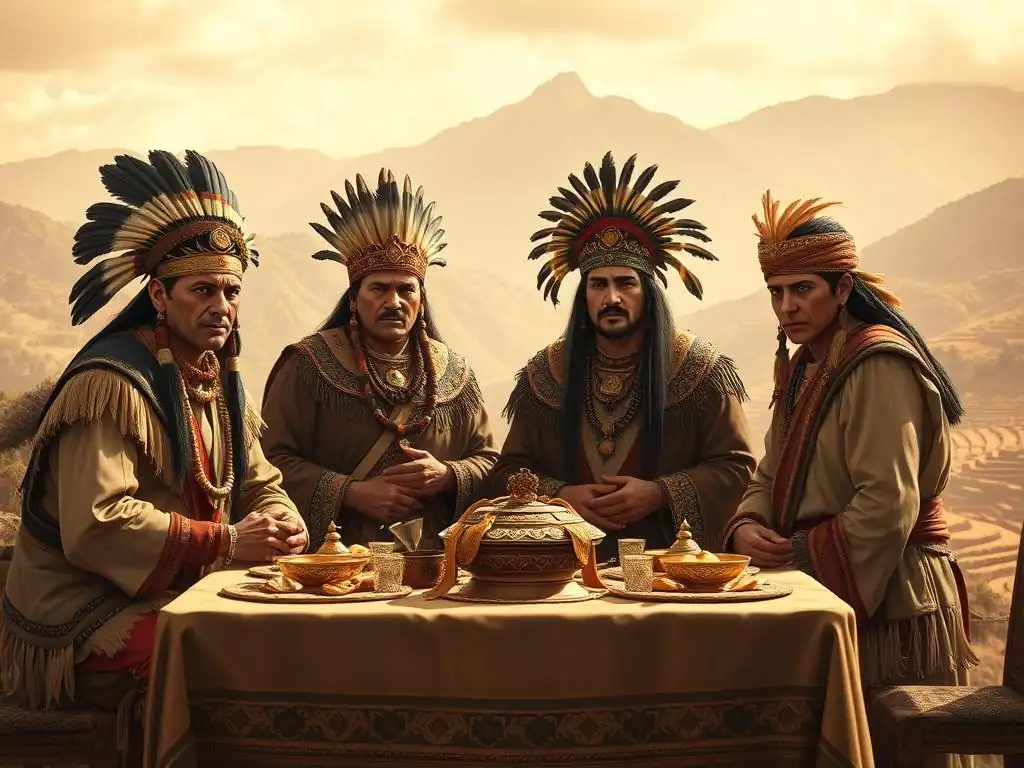
The Incan civilization, while exhibiting remarkable political organization and governance, encountered numerous challenges and conflicts in its interactions with neighboring civilizations. These interactions were often marked by a complex interplay of diplomacy, warfare, and cultural exchange, leading to both cooperation and rivalry. The Incas had to navigate a landscape of diverse political entities, each with its own social structures, economic practices, and territorial ambitions. Understanding these dynamics is crucial for comprehending the broader implications of Incan political interactions.
Internal Conflicts within the Incan Empire
Despite its centralized governance, the Incan Empire was not immune to internal strife. A significant aspect of their political interactions involved managing dissent and uprisings among various ethnic groups within the empire. The Incas employed several strategies to mitigate these conflicts, including:
- Cohesion through Integration: The Incas often incorporated conquered peoples into their administration, promoting loyalty through the sharing of resources and cultural practices.
- Military Campaigns: When integration failed, the Incas sometimes resorted to military action to quell rebellions, reinforcing their power through displays of strength.
- Religious Authority: The use of religion as a unifying force helped to legitimize Incan rule and quell internal rivalries. The Incas positioned their leaders as divine figures, which both reinforced their authority and discouraged dissent.
Despite these strategies, internal conflicts occasionally erupted, posing challenges to the stability and cohesion of the empire.
Resistance from Neighboring Civilizations
The Incas faced significant resistance from neighboring civilizations, particularly as they expanded their territory. Various groups, such as the Chancas and Collas, were notable for their opposition to Incan expansion. This resistance stemmed from several factors:
- Cultural Identity: Neighboring groups often resisted Incan hegemony to preserve their own cultural identities and autonomy, leading to fierce battles.
- Resource Competition: As the Incas sought to control fertile lands and crucial trade routes, neighboring civilizations perceived them as a direct threat to their economic stability and survival.
- Political Alliances: Some neighboring groups formed alliances with one another to counter Incan dominance, employing both diplomatic and military strategies to challenge Incan authority.
These interactions shaped the political landscape of the Andes, fostering a dynamic environment of conflict and negotiation.
The Role of Geography in Political Relations
Geography played a pivotal role in shaping the political interactions of the Incan civilization. The diverse Andean landscape presented both opportunities and challenges:
- Natural Barriers: The rugged mountains and deep valleys often isolated communities, leading to the development of distinct political entities. This geographic fragmentation necessitated strategic alliances and negotiations.
- Trade Routes: The Incas effectively utilized the geographic features to establish extensive trade networks, which facilitated not just economic exchange but also political alliances.
- Military Strategy: Geography influenced military campaigns, as the Incas had to adapt their strategies to the terrain when engaging with neighboring civilizations.
The intricate relationship between geography and politics was fundamental to the Incan Empire's expansion and interactions with other groups.
Conclusion: The Legacy of Incan Political Interactions
The political interactions between the Incan civilization and its neighbors laid the groundwork for a complex legacy that influenced future indigenous governance models in the Americas. Understanding these interactions provides insight into the broader narrative of pre-colonial governance and diplomacy.
Summary of Key Points
- The Incas faced challenges from both internal conflicts and external resistance, highlighting the complexities of managing a vast empire.
- Neighboring civilizations often resisted Incan expansion due to cultural, economic, and political motivations.
- Geography played a crucial role in shaping the political landscape, influencing military strategies and trade relations.
Lasting Impact on Indigenous Governance Models in the Americas
The political interactions of the Incan civilization had a lasting impact on indigenous governance throughout the Americas. Elements such as integration of diverse communities, diplomatic negotiations, and strategic military alliances became integral components of governance for many subsequent cultures. The legacies of these practices can still be observed in various indigenous governance structures today, illustrating the enduring influence of the Incan civilization’s political interactions on the broader landscape of indigenous societies in the Americas.
References and Further Reading on Incan Civilization Political Interactions
Understanding the political interactions of the Incan civilization with its neighboring cultures provides crucial insights into how these relationships shaped the Andean region's history. The following resources will offer deeper exploration into the political dynamics, governance structures, and diplomatic relations of the Incas.
Suggested Books and Articles
-
"The Inca Empire: A Multidisciplinary Approach" by Izumi Shimada
This book provides a comprehensive overview of the Incan Empire’s political structure, exploring its interactions with neighboring civilizations through archaeological and historical perspectives.
-
"The Inca: A Very Short Introduction" by Craig Morris and Adriana Von Hagen
This concise text delves into the political systems of the Incas, highlighting their governance and relationships with tribes such as the Chancas and the Wankas.
-
"The Last Days of the Inca" by Kim MacQuarrie
This narrative not only covers the decline of the Incan Empire but also examines the political maneuvers and alliances that defined its interactions with surrounding cultures.
-
"Inca Land: Explorations in the Highlands of Peru" by Hiram Bingham
Bingham's work details his explorations in Peru and includes observations on the Incas' governance and their dealings with different groups, providing an early 20th-century perspective.
-
"The Incas and Their Ancestors: The Archaeology of Peru" by Brian S. Fagan
This book examines the archaeological findings related to the Inca civilization and discusses the political relationships they had with their predecessors and contemporaries.
Online Resources for Further Exploration
-
The Metropolitan Museum of Art - Inca Civilization
This online resource offers a rich collection of artifacts, articles, and essays on Incan politics and their interactions with neighboring civilizations.
-
The British Museum - The Inca Empire
This resource includes detailed articles and educational materials on the societal structure and political aspects of the Incan Empire, along with its relationships with other cultures.
-
World History Encyclopedia
This site provides accessible summaries and in-depth articles regarding the Incan civilization’s political structure, key figures, and interactions with other groups.
-
Khan Academy - The Inca Empire
The educational platform offers lessons and videos that explain the political governance of the Incas and their diplomatic relations, making it suitable for learners of all ages.
-
Academia.edu
A platform where scholars publish papers on various aspects of the Incan civilization, including political interactions and governance. Searching for specific terms related to Incan politics can yield valuable academic articles.
- Introduction to Incan Civilization Political Interactions
- The Political Landscape of the Incan Empire
- Neighboring Civilizations and Their Political Dynamics
- Mechanisms of Interaction Between Incan and Neighboring Civilizations
- Case Studies of Political Interactions
- Impact of Political Interactions on the Incan Civilization
- Challenges and Conflicts in Political Interactions
- Conclusion: The Legacy of Incan Political Interactions
- References and Further Reading on Incan Civilization Political Interactions
- What were the political interactions between the Incan civilization and their neighbors?
- How did the Incan political structure impact their interactions with other civilizations?
- What role did trade play in the political interactions of the Inca?
- How did the Incan approach to governance affect their relations with conquered peoples?
- What were the long-term impacts of Incan political interactions on later civilizations?
Frequently Asked Questions
What were the political interactions between the Incan civilization and their neighbors?
The Incan civilization engaged in various political interactions such as alliances, warfare, and diplomacy to maintain power and influence over surrounding territories.
How did the Incan political structure impact their interactions with other civilizations?
The Incan political structure was highly centralized, allowing for swift decision-making in diplomatic relations and military strategies, which facilitated both cooperation and conflict with neighboring groups.
What role did trade play in the political interactions of the Inca?
Trade was crucial for the Inca as it not only provided access to resources but also fostered political alliances and social ties with other civilizations, enhancing their influence in the region.
How did the Incan approach to governance affect their relations with conquered peoples?
The Incan approach often involved the integration of conquered peoples through administrative systems and cultural assimilation, which helped reduce resistance and promote stability in their empire.
What were the long-term impacts of Incan political interactions on later civilizations?
The long-term impacts include the establishment of trade routes and cultural exchanges that influenced the political landscapes of future civilizations in the Andean region, shaping their development long after the Inca.
Final Reflection: The Enduring Legacy of Incan Political Interactions
The intricate political interactions between the Incan civilization and its neighboring societies remain profoundly relevant today, as they illustrate the complexities of diplomacy, power, and cultural exchange. In an era where global politics often mirrors historical dynamics, understanding these ancient relationships can provide crucial insights into contemporary international relations. The Incan civilization's ability to navigate alliances and rivalries serves as a striking reminder of how political strategies can shape the course of history.
The legacy of the Incan political interactions continues to influence our cultural and social landscapes, reminding us of the importance of collaboration and negotiation in achieving mutual goals. The lessons learned from the Incan approach to governance and diplomacy resonate in modern discussions about cooperation among nations. As historian John Hemming aptly noted, The Incas were not just conquerors; they were masterful diplomats who understood the value of integration and cultural exchange.
This observation underscores the significance of fostering relationships that transcend mere territorial ambitions, emphasizing the power of unity in diversity.
As we reflect on the Incan civilization's political interactions, I invite you to consider how these historical lessons can be applied to your own life and community. Think about the relationships you cultivate and the ways you navigate conflicts—how can you embody the spirit of diplomacy and cooperation in your daily interactions? By embracing the principles of understanding and collaboration, we can honor the legacy of the Incas and contribute to a more harmonious and interconnected world.
Unveil the Secrets of Ancient Diplomacy!
Thank you for delving into the intricate interactions between the Incan Empire and its neighbors! You've gained valuable insights into their political strategies and cultural exchanges. Now, let's take that knowledge a step further and explore how you can deepen your understanding of indigenous civilizations.
Here’s how you can get involved:
- Join a local history group or online forum focused on indigenous studies to discuss these interactions and share your insights with others.
- Investigate similar case studies of other ancient civilizations to uncover patterns in diplomacy and political strategies.
- Share this article with friends or on social media to spark conversations about the enduring legacy of these ancient cultures.
What aspect of Incan diplomacy surprised you the most, and how do you believe it has shaped modern political interactions?