
Mesoamerican Pottery: A Fusion of Functionality and Aesthetics

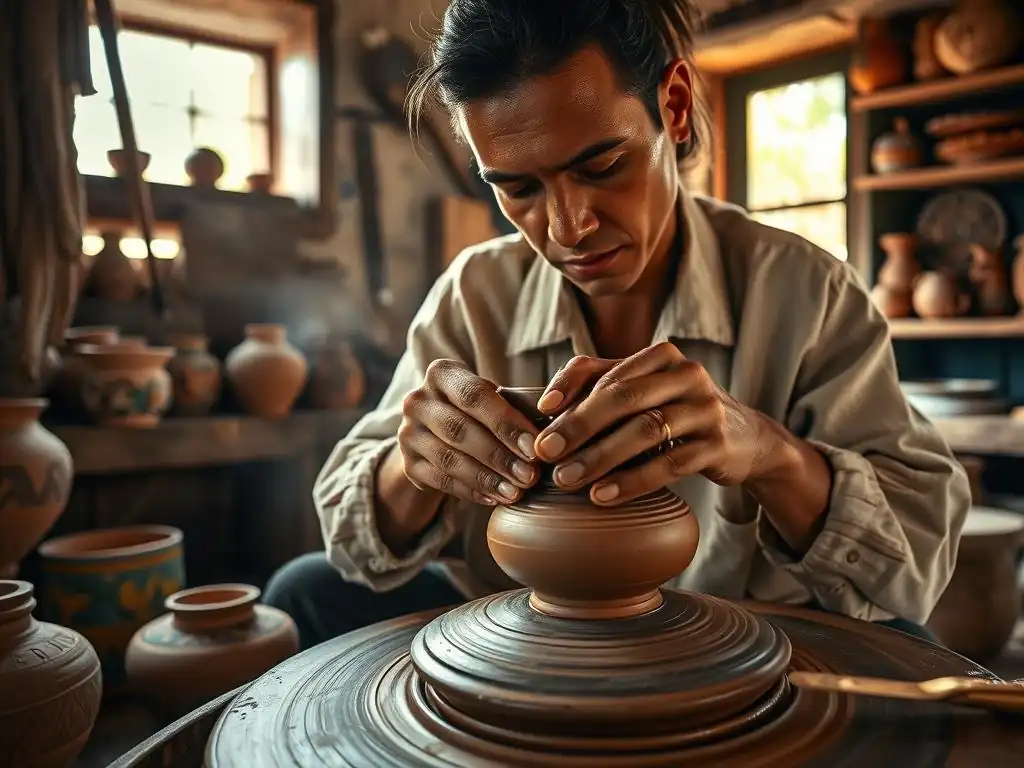
Welcome to Indigenous Civilizations of the Americas, where we embark on a journey through time to uncover the rich tapestry of indigenous cultures that flourished throughout the Americas before European contact. In our featured article, Mesoamerican Pottery: A Fusion of Functionality and Aesthetics, we delve into the intricate pottery techniques and designs that not only served practical purposes but also expressed the profound artistic vision of these remarkable societies.
Join us as we explore the stories behind the clay, the artistry involved, and the cultural significance that continues to resonate today. Your adventure into the heart of ancient civilizations begins here—let's dive deeper!
- Introduction to Mesoamerican Pottery
- Historical Context of Mesoamerican Pottery
- Key Mesoamerican Pottery Techniques
- Aesthetic Aspects of Mesoamerican Pottery
- Regional Variations in Mesoamerican Pottery
- Functional Uses of Mesoamerican Pottery
- Preservation and Legacy of Mesoamerican Pottery
- Conclusion
-
Frequently Asked Questions
- What are the main Mesoamerican pottery techniques?
- How did Mesoamerican pottery designs reflect cultural beliefs?
- What materials were commonly used in Mesoamerican pottery?
- What is the significance of pottery in Mesoamerican societies?
- How has the study of Mesoamerican pottery influenced modern art?
- Final Reflection: The Enduring Legacy of Mesoamerican Pottery
- Unveil the Beauty of Mesoamerican Pottery!
Introduction to Mesoamerican Pottery
Mesoamerican pottery is not just a medium for creating functional objects; it is a profound expression of the rich cultural heritage and artistic ingenuity of indigenous civilizations in the Americas. Long before European colonization, the peoples of Mesoamerica—such as the Maya, Aztec, and Olmec—mastered a variety of pottery techniques that melded functionality with intricate aesthetic designs.
This article delves into the various Mesoamerican pottery techniques and designs, showcasing how these ancient artisans crafted not only utilitarian vessels but also ceremonial objects imbued with symbolic meaning. Understanding the artistry behind Mesoamerican pottery provides insight into the social, spiritual, and economic life of these civilizations, highlighting their lasting impact on contemporary indigenous cultures.
Overview of Mesoamerican Pottery Techniques and Designs
The techniques and designs of Mesoamerican pottery exhibit a remarkable diversity, reflecting regional styles and cultural practices. The creation of pottery in this area involved several key processes:
- Material Selection:
- Potters typically used local clay, which was abundant and varied in composition.
- Different clays allowed for unique textures and colors, influencing the final appearance of the pottery.
- Shaping Techniques:
- Coiling: This ancient method involved rolling out clay into coils and stacking them to form the vessel's walls.
- Slab Construction: Flat pieces of clay were shaped and then joined together to create more complex forms.
- Molding: Many artisans utilized molds to achieve specific shapes and sizes, particularly for ceremonial items.
- Decoration Methods:
- Incising: Designs were carved into the surface before firing, often depicting mythological themes or natural motifs.
- Painting: Colorful pigments derived from minerals and plants were applied, enhancing the visual appeal.
- Glazing: Some cultures developed early glazing techniques that added a glossy finish to the pottery, making it more durable and aesthetically pleasing.
These techniques not only highlight the skill and creativity of the potters but also reflect the social and spiritual narratives of the cultures they represented.
Importance of Pottery in Indigenous Cultures
Pottery served as a vital component of everyday life in Mesoamerican societies, influencing both practical and cultural aspects. Here are some key points illustrating its significance:
- Functional Utility: Pottery was essential for cooking, storage, and serving food, showcasing the ingenuity of indigenous peoples in adapting to their environments.
- Cultural Expression: Beyond utility, pottery provided a canvas for artistic expression. The intricate designs often communicated stories, beliefs, and social status, linking the community to its heritage.
- Ceremonial Significance: Many pottery pieces were created for religious or ceremonial purposes, reflecting the spiritual beliefs of the cultures. Items such as urns and figurines played critical roles in rituals and were often buried with the dead, signifying their importance in both life and afterlife.
- Social Identity: Pottery styles varied greatly between different regions and cultures, serving as a marker of identity. Distinct designs and forms were often associated with specific communities, reinforcing social bonds.
Mesoamerican pottery is a window into the complexities of indigenous cultures, revealing their technological advancements, aesthetic preferences, and profound social practices. This exploration not only honors the artistry of the past but also emphasizes the enduring legacy of these civilizations in contemporary indigenous societies.
Historical Context of Mesoamerican Pottery
Origins of Pottery in Mesoamerica
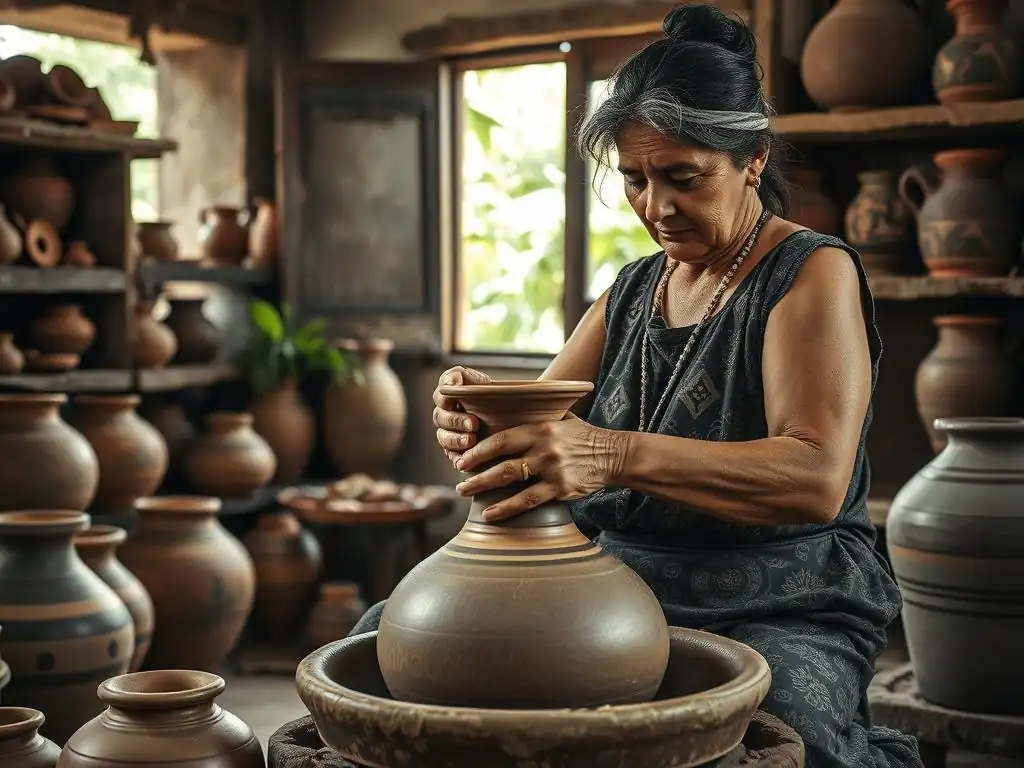
Mesoamerican pottery has its roots in the early agricultural societies that emerged around 2000 BCE. The transition from nomadic lifestyles to settled agricultural communities marked a significant turning point, leading to the development of pottery as both a practical and artistic endeavor. Initially, pottery served a functional purpose, allowing for the storage, cooking, and serving of food. The earliest forms of pottery were hand-built and characterized by their simple shapes and utilitarian designs.
The Olmec civilization, which flourished around 1200 to 400 BCE, is credited with some of the earliest sophisticated pottery techniques in Mesoamerica. They introduced the use of molds and began to explore decorative elements, setting the stage for future innovations in pottery. The Olmec's intricate designs often featured motifs related to their cosmology and deities, demonstrating that pottery was not only a functional object but also a medium for cultural expression.
Evolution of Pottery Techniques Over Time
As Mesoamerican societies evolved, so did their pottery techniques and designs. Different cultures, such as the Maya, Zapotec, and Mixtec, each contributed unique styles and methods that reflected their individual artistic sensibilities and societal needs.
Key Developments in Pottery Techniques:
- Coiling and Pinching: Early potters primarily used coiling methods, where clay coils were stacked and smoothed to create vessels. Pinching was also common, particularly for smaller items.
- Molding and Pressing: By 500 BCE, the use of molds became prevalent. This technique allowed for more uniform shapes and intricate designs. Potters began to craft detailed figurines and ceremonial objects, reflecting religious and social themes.
- Glazing and Surface Treatments: The introduction of slip (a liquid mixture of clay and water) and glazing techniques further enhanced the aesthetic qualities of pottery. This allowed for vibrant colors and intricate patterns that could be applied to the surface of vessels.
- Firing Techniques: The advancement of kilns and higher firing temperatures led to stronger and more durable pottery. The use of reduction firing techniques, where oxygen levels were controlled, resulted in unique color variations and finishes.
- Functionality Meets Aesthetics: Over time, Mesoamerican pottery evolved from purely functional objects to intricate works of art. Ceramics began to feature elaborate decorations, including painted scenes, carved designs, and elaborate forms that served both practical purposes and ceremonial functions.
Notable Examples of Mesoamerican Pottery
- Maya Pottery: Renowned for its polychrome vessels adorned with narrative scenes, often depicting mythological stories and daily life.
- Teotihuacan Pottery: Known for its distinctive painted designs, often incorporating geometric patterns and vibrant colors.
- Zapotec Pottery: Characterized by its unique forms and intricate engravings, often reflecting themes of nature and spirituality.
The evolution of Mesoamerican pottery techniques and designs illustrates a remarkable journey of artistic expression and technological advancement. From simple utilitarian objects to complex artworks, Mesoamerican pottery remains a testament to the rich cultural heritage of the region.
Key Mesoamerican Pottery Techniques
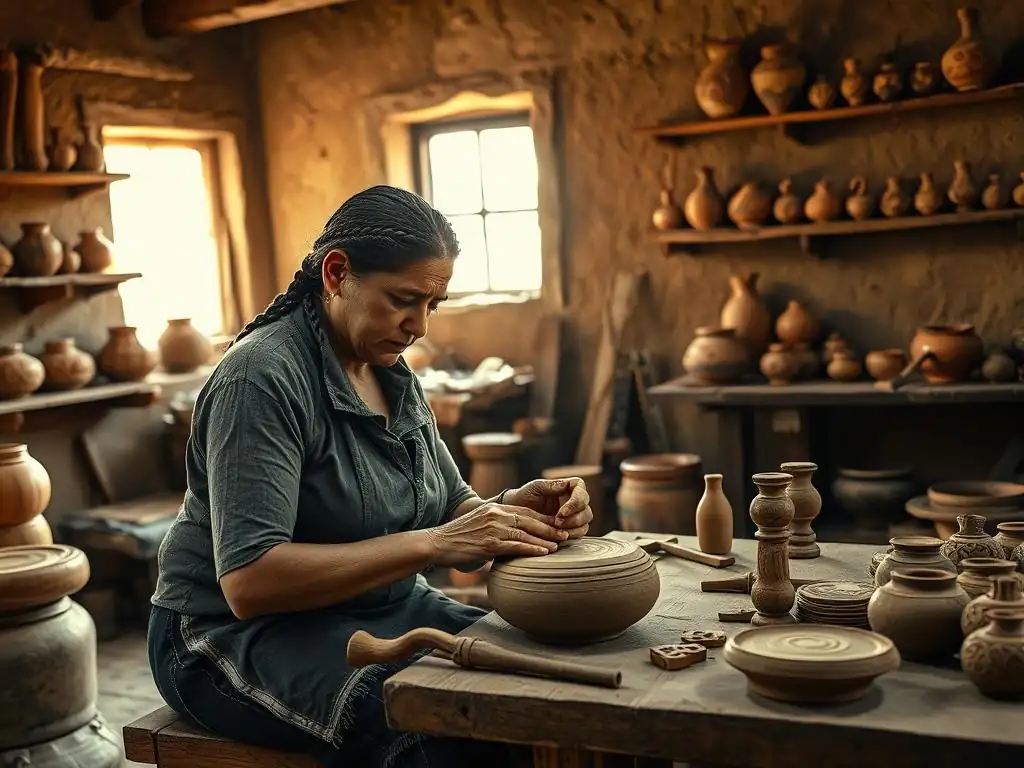
Mesoamerican pottery is characterized by a range of techniques that reflect the creativity and cultural practices of the societies that produced them. These techniques not only demonstrate the artisans' skills but also embody the rich traditions and innovations of the civilizations that thrived in the region. Among the most significant techniques are hand-building, wheel-throwing, and various firing methods, each contributing to the unique aesthetic and functional qualities of Mesoamerican pottery.
Hand-Building Techniques in Mesoamerican Pottery
Hand-building is one of the oldest and most widespread pottery techniques in Mesoamerica. This method involves shaping clay by hand, allowing for intricate designs and personalized forms. The primary hand-building techniques include:
- Coiling: This technique involves rolling out long strands of clay and stacking them in a spiral to create the walls of a vessel. Coiling allows for the creation of larger and more complex shapes.
- Pinching: Artisans use their fingers to pinch and shape the clay into desired forms. This technique is often used to create smaller items, such as bowls and figurines.
- Slabbing: In this method, flat slabs of clay are cut and joined together to create geometric shapes. Slabbing is particularly useful for making tiles and flat vessels.
The use of these hand-building techniques enabled Mesoamerican potters to create not only functional items, such as storage jars and cooking vessels but also decorative pieces that served ceremonial purposes.
Wheel-Throwing Techniques: Adoption and Adaptation
While wheel-throwing was not a native technique to Mesoamerica, its introduction marked a significant evolution in pottery production in the region. The adoption of wheel technology, likely influenced by contact with other cultures, allowed for the creation of more uniform and finely crafted pottery items. Key aspects of wheel-throwing techniques include:
- Precision: Wheel-throwing facilitates the production of symmetrical forms, which enhances the aesthetic appeal of the pottery. This precision allows potters to create intricate designs on the surface.
- Speed: The use of a potter's wheel significantly increases the speed of production, enabling artisans to meet growing demands for both functional and decorative pottery.
- Integration of Styles: Mesoamerican potters adapted wheel-throwing techniques while maintaining their traditional styles and motifs, leading to a fusion of old and new design elements.
The impact of wheel-throwing is evident in the refinement of pottery shapes and the complexity of decorative elements, showcasing the adaptability of Mesoamerican cultures.
Firing Methods and Their Impact on Pottery Quality
Firing is a crucial step in pottery production, as it transforms clay into durable ceramic ware. Mesoamerican potters employed various firing techniques that affected the final quality and appearance of the pottery. The primary firing methods include:
- Open Firing: This traditional method involves placing pottery in an open fire, often outdoors. While it is simple and accessible, open firing can lead to uneven temperatures and results in a range of colors and finishes.
- Kiln Firing: The development of kilns allowed for more controlled firing conditions. Kilns can reach higher temperatures and maintain consistent heat, resulting in stronger and more uniform pottery. The use of kilns also enabled potters to experiment with different glazes and finishes.
- Reduction Firing: This technique involves limiting oxygen during the firing process, leading to unique color changes in the ceramic. Potters often used reduction firing to create vivid hues and intricate surface effects.
The choice of firing method not only influences the durability and functionality of the pottery but also plays a significant role in its aesthetic qualities, showcasing the technical ingenuity of Mesoamerican artisans.
Through these techniques, Mesoamerican pottery exemplifies a remarkable blend of functionality and artistry, reflecting the rich cultural heritage of the civilizations that produced it.
Aesthetic Aspects of Mesoamerican Pottery
Mesoamerican pottery is a remarkable testament to the artistic and functional ingenuity of indigenous cultures. The aesthetic dimensions of this pottery not only highlight the technical skills of the artisans but also reflect the cultural narratives and environmental resources of the time. This section explores the vibrant color palettes, innovative decorative techniques, and the deep symbolism embedded in Mesoamerican pottery designs.
Color Palettes: Natural Pigments in Mesoamerican Pottery
The color palettes used in Mesoamerican pottery were primarily derived from natural pigments sourced from local minerals and plants. This reliance on organic materials not only ensured sustainability but also created a rich spectrum of colors that enhanced the visual appeal of the pottery.
- Common Natural Pigments:
- Red: Obtained from iron oxide or hematite, red was often used to symbolize life and vitality.
- Black: Produced from manganese or soot, black was frequently applied for outlining and detailing.
- White: Calcium carbonate or kaolin provided a bright white base, often used in combination with other colors for contrast.
- Yellow and Orange: Derived from ochre, these colors were used to depict warmth and energy.
The use of these pigments varied across different regions and cultures, with some areas favoring specific hues that became characteristic of their pottery styles. The vibrant colors were not only visually striking but also served to convey meaning, making the aesthetic choices integral to the cultural identity of the potters.
Decorative Techniques: Painting, Incising, and Carving
Mesoamerican pottery is distinguished by its diverse decorative techniques that showcase the artistry and creativity of its makers. Among these techniques, painting, incising, and carving stand out as significant methods that contributed to the intricate designs found on pottery.
- Painting:
- This technique involved applying natural pigments onto the surface of the pottery, often featuring elaborate motifs and figures.
- The application could be done freehand or with the aid of stencils, allowing for both precision and spontaneity in designs.
- Incising:
- Incising involved carving designs directly into the clay before firing.
- This technique created a tactile quality, allowing for the interplay of light and shadow on the surface.
- Common themes included geometric patterns, animals, and mythological figures, reflecting the beliefs and values of the culture.
- Carving:
- More complex than incising, carving involved deeper cuts and often created relief designs that protruded from the surface.
- This technique added depth to the pottery and was frequently used for both functional vessels and ceremonial objects.
These decorative techniques not only enhanced the visual impact of the pottery but also played a role in its functionality, as many vessels were adorned with motifs that indicated their use or significance in rituals.
Symbolism and Cultural Significance in Pottery Designs
The designs found on Mesoamerican pottery are imbued with rich symbolism, reflecting the spiritual and cultural beliefs of the societies that created them. The motifs and imagery are often layered with meaning, serving as a visual language that communicates cultural narratives.
- Mythological Themes:
- Many pottery designs incorporate figures from mythology, such as gods, animals, and legendary heroes, which played a crucial role in the cultural identity of the Mesoamerican peoples.
- Geometric Patterns:
- Repeated geometric patterns symbolize order, harmony, and the cyclical nature of life, often reflecting the rhythms of the natural world.
- Daily Life and Rituals:
- Pottery often depicted scenes from daily life, agricultural practices, and ceremonial rituals, providing insight into the social structure and cultural practices of the time.
The integration of symbolism into pottery designs is a testament to the deep connection between art and culture in Mesoamerica. Each piece not only served a utilitarian purpose but also acted as a vessel for cultural expression, preserving the legacy of indigenous civilizations in the Americas.
The aesthetic aspects of Mesoamerican pottery—ranging from its vibrant color palettes and intricate decorative techniques to its rich symbolism—underscore the sophistication and creativity of indigenous cultures prior to European colonization. The techniques and designs remain a testament to the enduring legacy of these civilizations, providing insight into their societal values, beliefs, and artistic achievements.
Regional Variations in Mesoamerican Pottery
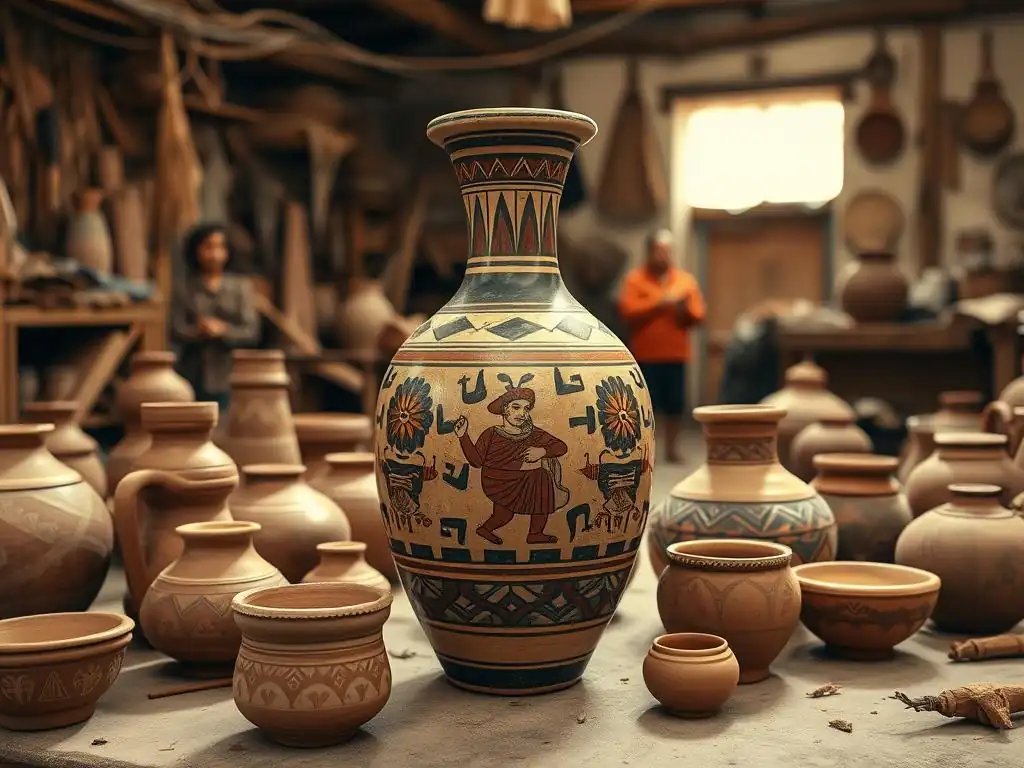
Mesoamerican pottery is a rich tapestry woven from the diverse cultures and regions of the Americas, particularly in areas such as Oaxaca, the Maya territories, and the Aztec Empire. Each region has developed its own distinctive techniques and designs, which reflect the values, beliefs, and daily lives of the people who created them. Understanding these regional variations is essential for appreciating the artistry and cultural significance of Mesoamerican pottery.
Oaxaca: Unique Styles and Techniques
Oaxaca is renowned for its vibrant and intricate pottery, which showcases a variety of styles and techniques that have evolved over centuries. The use of distinctive colors, intricate designs, and unique firing methods sets Oaxacan pottery apart from other Mesoamerican styles.
- Black Pottery: One of the most famous styles from Oaxaca is the black pottery, particularly from the town of San Bartolo Coyotepec. This pottery is characterized by its smooth, shiny surface, created through a unique process of polishing the clay before firing it in a low-oxygen environment. The result is a striking black finish that is both functional and aesthetically pleasing.
- Polychrome Pottery: Oaxacan artisans also excel in polychrome pottery, which features vibrant colors and complex designs. This type of pottery often incorporates natural pigments derived from local plants and minerals, creating a wide palette that can include reds, yellows, and blues. The designs often depict animals, mythological figures, and everyday life, reflecting the rich cultural heritage of the region.
- Techniques: Traditional techniques such as coiling, slab-building, and molding are commonly used in Oaxacan pottery. Additionally, many potters employ a method called "burnishing," where the surface of the clay is polished with a smooth stone to create a glossy finish before firing.
The Influence of the Maya on Pottery Designs
The Maya civilization, which thrived from approximately 2000 BCE to the arrival of Europeans in the 16th century, made significant contributions to the development of Mesoamerican pottery techniques and designs. Their pottery is notable for its sophisticated forms and intricate decorations.
- Ceremonial and Functional Pottery: Maya pottery served both practical and ceremonial purposes. Everyday items such as cooking pots and storage vessels were often adorned with elaborate designs, while ceremonial pieces, including offerings and burial items, showcased the highest levels of artistry.
- Iconography: Maya pottery often features elaborate iconography that reflects their religious beliefs and societal structure. Gods, mythological creatures, and scenes from daily life are common motifs. These designs not only enhance the aesthetic appeal but also serve as a narrative medium that conveys important cultural stories and traditions.
- Techniques and Innovations: The Maya were skilled in various pottery techniques, including slip decoration, where a liquid clay mixture is applied to the surface before firing, and incising, where designs are carved into the clay. Their innovations in glazing techniques also contributed to the durability and visual appeal of their pottery.
Aztec Pottery: Functionality Meets Artistry
The Aztecs, who rose to prominence in the 14th century, created pottery that reflects their complex society and artistic vision. Their pottery is characterized by a balance of functionality and artistic expression, making it both practical and visually striking.
- Everyday Use and Artistic Expression: Aztec pottery was used for a wide range of purposes, from domestic cooking vessels to ceremonial items. While many pieces were utilitarian, Aztec artisans often infused them with artistic elements, such as intricate carvings and vibrant glazes.
- Bold Designs: Aztec pottery is known for its bold, geometric designs that often feature motifs inspired by nature, mythology, and the cosmos. The use of red and black slip is common, with some pieces also incorporating additional colors for visual contrast.
- Techniques and Firing Methods: The Aztecs utilized advanced firing techniques, including the use of kilns that allowed for higher temperatures and more controlled firing conditions. This innovation led to pottery that was not only more durable but also allowed for a greater range of decorative techniques, such as painting and glazing.
Through the exploration of these regional variations in Mesoamerican pottery, we gain insights into the cultural identities and artistic achievements of the civilizations that shaped the Americas long before European contact. Each style and technique not only reflects the aesthetic preferences of its creators but also serves as a testament to the rich history and traditions of indigenous peoples.
Functional Uses of Mesoamerican Pottery
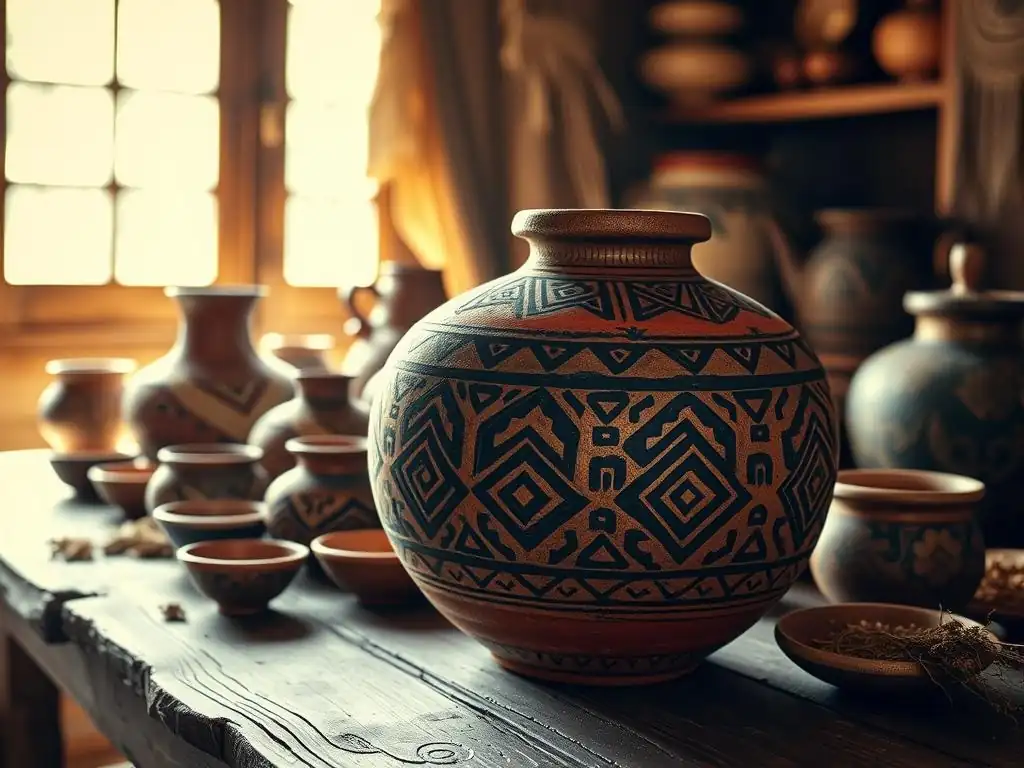
Mesoamerican pottery serves as a remarkable testament to the ingenuity and resourcefulness of indigenous cultures. Beyond mere aesthetic appeal, these ceramic creations held significant functional value, adapting to the daily lives, spiritual practices, and economic systems of the societies that crafted them. This section delves into the multifaceted functional uses of Mesoamerican pottery, highlighting its role in everyday life, ritualistic practices, and trade.
Everyday Objects: Vessels for Cooking and Storage
In Mesoamerica, pottery was integral to daily activities, providing essential vessels for cooking, serving, and storing food. The craftsmanship of these everyday objects illustrates a blend of practical design and local resources.
- Types of Cooking Vessels:
- Comales: Flat griddles used for cooking tortillas, showcasing a design that facilitated even heat distribution.
- Cazuelas: Deep, round pots ideal for stews and soups, often featuring handles for easy transport.
- Storage Solutions:
- Jars and Jugs: These were crafted to store water, grains, and other food items. Their shapes varied from wide-mouthed jars for easy access to narrow-necked jugs that minimized spoilage.
- Sealed Containers: Many cultures developed airtight containers, often decorated with intricate designs, to protect food from pests and the environment.
The functional design of these vessels often included practical features like spouts for pouring, handles for carrying, and lids for sealing, emphasizing their dual role as utilitarian items and works of art.
Ceremonial Pottery: Rituals and Beliefs
Ceremonial pottery in Mesoamerican cultures played a pivotal role in rituals and religious practices. These items were not only decorative but also imbued with spiritual significance, often used in ceremonies that marked important life events or seasonal cycles.
- Ritualistic Uses:
- Offerings: Elaborate bowls and figurines were frequently used as offerings to deities. These items were sometimes buried or placed in temples, symbolizing the relationship between the spiritual and material worlds.
- Burial Goods: Pottery was commonly included in burial sites, such as the elaborate tombs of the Maya civilization, where vessels served both practical and symbolic purposes in the afterlife journey.
- Symbolic Designs:
- Iconography: Many ceremonial pieces featured intricate designs that conveyed stories, myths, or cultural beliefs, utilizing iconography that was deeply tied to the community's identity and cosmology.
- Color and Form: The choice of colors and shapes often had specific meanings, with certain hues representing various elements or gods, thereby enhancing the ceremonial context of the pottery.
Ceremonial pottery thus reflects a deep connection between artistry and spirituality, where each piece served as a conduit for cultural expression and religious devotion.
Trade and Economy: Pottery as a Commodity
The production and distribution of pottery in Mesoamerica were not only vital for daily life but also played an essential role in the economic systems of these societies. As a commodity, pottery was a significant factor in trade networks that spanned vast regions.
- Regional Variations: Different areas produced distinct styles and types of pottery, reflecting local resources and cultural influences. For instance:
- Teotihuacan Pottery: Known for its fine red and black wares, this style was highly sought after and traded extensively.
- Maya Pottery: Renowned for its intricate painted designs, Maya pottery was often used as a trade item, exchanging hands across various communities.
- Economic Impact:
- Bartering Systems: Pottery was often exchanged for other goods, such as textiles or food, establishing a complex web of trade relationships. Its durability and utility made it a valuable trade item.
- Craft Specialization: As pottery gained economic importance, individuals specialized in its production, leading to advancements in techniques and designs. This specialization contributed to the overall economic growth of Mesoamerican societies.
Mesoamerican pottery is a multifaceted component of the region's history, serving functional, spiritual, and economic purposes. Its diverse techniques and designs not only illustrate the creativity of indigenous cultures but also their adaptability and resourcefulness in navigating their environments. Each vessel, whether used for everyday cooking or sacred rituals, encapsulates a unique story, reflecting the rich tapestry of Mesoamerican civilization.
Preservation and Legacy of Mesoamerican Pottery
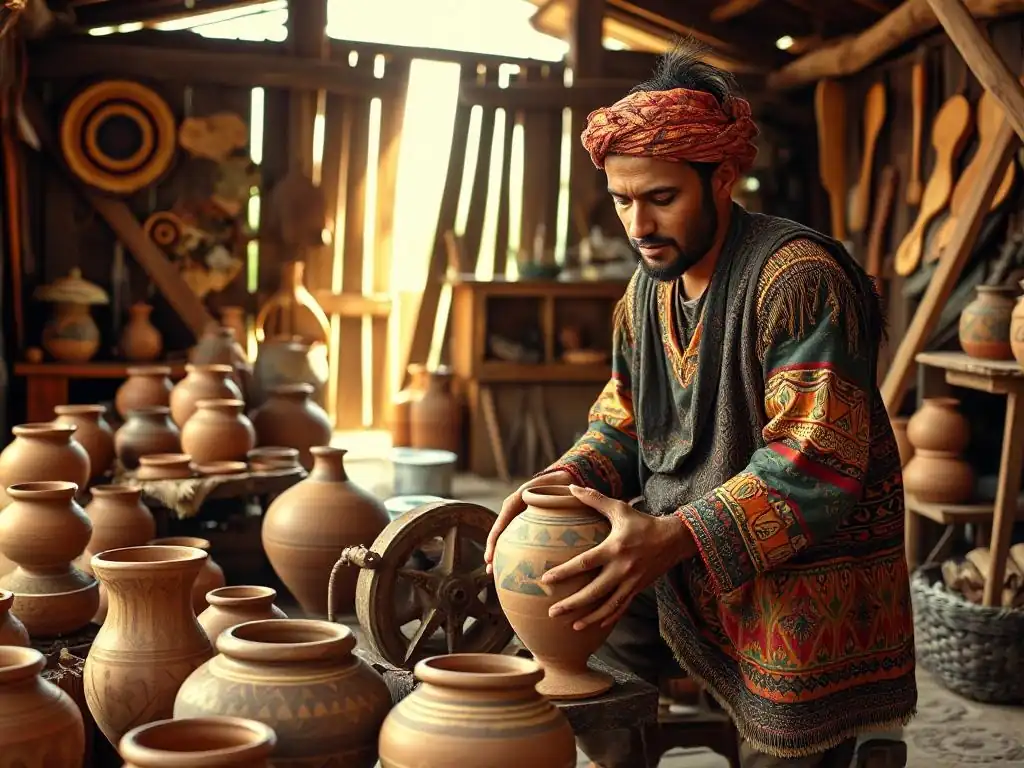
Mesoamerican pottery stands as a testament to the ingenuity and artistic expression of ancient civilizations. Its preservation and ongoing legacy reflect the cultural identities and historical narratives of indigenous peoples in the Americas. The legacy of Mesoamerican pottery is not just a relic of the past; it continues to influence modern artistic practices and cultural expressions among contemporary indigenous communities.
Archaeological Discoveries and Their Significance
Archaeological excavations across Mesoamerica have unearthed a wealth of pottery artifacts, providing invaluable insights into the daily lives, spiritual beliefs, and social structures of ancient cultures such as the Maya, Aztec, and Olmec. These discoveries include:
- Functional Pottery: Everyday items such as cooking pots, storage jars, and serving dishes reveal information about trade, diet, and domestic life.
- Ceremonial Pottery: Exquisitely crafted vessels with intricate designs often used in rituals and offerings highlight the spiritual significance of pottery in Mesoamerican societies.
The study of these artifacts allows researchers to understand technological advancements in Mesoamerican pottery techniques and designs. For instance, the use of slip decoration and intricate painting styles—often depicting mythological themes—demonstrates a high level of craftsmanship and cultural expression.
Moreover, sites like Teotihuacan and Tikal have yielded thousands of pottery fragments, allowing archaeologists to piece together the socio-political dynamics and inter-regional interactions of these civilizations. The significance of these discoveries extends beyond academic interest; they contribute to a broader understanding of indigenous heritage and inform contemporary discussions on identity and cultural preservation.
Modern Interpretations and Revivals of Mesoamerican Pottery Techniques
In recent decades, there has been a resurgence of interest in traditional Mesoamerican pottery techniques among contemporary artists and artisans. This revival is characterized by:
- Workshops and Cultural Centers: Institutions dedicated to indigenous arts are providing training in traditional pottery techniques. These centers focus on teaching methods that have been passed down through generations, such as coiling and hand-building, thus preserving ancient skills.
- Fusion of Styles: Modern artists are blending traditional designs with contemporary themes, creating unique pieces that resonate with both historical context and current societal issues. This fusion not only honors ancient practices but also provides a platform for dialogue about cultural identity and artistic expression.
- Sustainable Practices: Many contemporary potters emphasize sustainability by using locally sourced clay and natural pigments, reflecting the ecological consciousness shared by many indigenous cultures. This approach not only honors tradition but also addresses modern concerns about environmental impact.
Through these modern interpretations, Mesoamerican pottery is not just viewed as an artifact of the past but as a living art form that continues to evolve. The application of traditional techniques in contemporary art fosters a deeper appreciation for the rich heritage of indigenous cultures and ensures that these practices remain vibrant in today's world.
The Role of Pottery in Contemporary Indigenous Cultures
Pottery continues to play a vital role in the cultural life of contemporary indigenous communities across Mesoamerica. Its significance can be observed in several key areas:
- Cultural Identity: For many indigenous people, pottery serves as a connection to their ancestors and cultural heritage. Pottery-making is often a communal activity that reinforces social bonds and transmits knowledge between generations.
- Economic Empowerment: Artisans who create traditional pottery can find economic opportunities through the sale of their work. This not only provides income but also promotes cultural tourism, where visitors seek authentic experiences and products.
- Ceremonial Use: Pottery retains its importance in various rituals and ceremonies, from weddings to religious observances. The use of traditional vessels in these contexts helps sustain cultural practices and beliefs.
- Educational Initiatives: Many indigenous groups are actively engaged in educational efforts to teach younger generations about the significance of their pottery traditions. This includes workshops, cultural festivals, and collaborations with schools to ensure that these practices are not lost.
The legacy of Mesoamerican pottery is a rich tapestry of history, artistry, and cultural significance. Its preservation and revival highlight the enduring relevance of these ancient techniques and designs, affirming the strength and resilience of indigenous cultures in the modern world. Through both archaeological study and contemporary practice, Mesoamerican pottery remains a vital expression of identity and creativity.
Conclusion
Mesoamerican pottery represents a rich tapestry of cultural expression, blending functionality with artistry to create objects that were essential to daily life and deeply embedded in spiritual practices. The exquisite techniques and designs of this pottery not only highlight the ingenuity of ancient artisans but also provide invaluable insights into the social, economic, and religious dynamics of Mesoamerican civilizations.
The Lasting Impact of Mesoamerican Pottery Techniques and Designs on Modern Art
The influence of Mesoamerican pottery techniques and designs can be seen prominently in various aspects of contemporary art and craft. Artists today continue to draw inspiration from the intricate motifs, forms, and glazing techniques developed by ancient civilizations.
- Cultural Revitalization: Many indigenous artists are embracing traditional methods to reclaim their heritage, using clay and designs that have been passed down through generations. This revival not only preserves ancient techniques but also reinvents them within a modern context.
- Artistic Innovation: Modern ceramicists often experiment with traditional Mesoamerican styles, incorporating contemporary themes and materials. The fusion of old and new creates a dialogue between past and present, allowing for innovative artistic expressions that resonate with a broader audience.
- Exhibitions and Education: Museums and galleries increasingly showcase Mesoamerican pottery, emphasizing its significance in the history of art. Educational programs highlight the technical skills involved in pottery-making, fostering appreciation among new generations for these ancient practices.
- Cross-Cultural Influence: The aesthetic qualities of Mesoamerican pottery have influenced various artistic movements worldwide. The vivid colors, geometric patterns, and symbolic representations found in Mesoamerican pieces can be seen in modern installations, fashion, and graphic design.
Future Directions for Research in Mesoamerican Pottery
The study of Mesoamerican pottery is an ever-evolving field, with numerous avenues for future research that can deepen our understanding of these ancient cultures:
- Technological Analysis: Advanced analytical techniques, such as neutron activation analysis and X-ray fluorescence, can provide insights into the materials and methods used in ancient pottery production. This can reveal trade networks, resource utilization, and technological innovations.
- Cultural Contextualization: Further research into the social and political contexts of pottery production can illuminate the roles of different groups within Mesoamerican societies. Understanding the artisans' status, gender roles, and community dynamics will enrich our comprehension of their artistic expressions.
- Conservation Efforts: As archaeological sites continue to be threatened by climate change and urban development, research focused on conservation techniques will be crucial. This includes developing methods to preserve existing collections and protect sites of historical significance.
- Interdisciplinary Approaches: Collaborations between archaeologists, art historians, and anthropologists can lead to a more comprehensive understanding of Mesoamerican pottery. By integrating perspectives from various fields, researchers can uncover new dimensions of its cultural impact and significance.
Mesoamerican pottery techniques and designs not only reflect the sophistication of ancient civilizations but continue to inspire and inform modern artistic practices. Ongoing research will ensure that the legacy of these indigenous cultures remains vibrant and relevant in today's world.
Frequently Asked Questions
What are the main Mesoamerican pottery techniques?
Mesoamerican pottery techniques include coil building, slab construction, and mold-making, which allowed artisans to create both functional and decorative pieces.
How did Mesoamerican pottery designs reflect cultural beliefs?
The designs often featured symbolic motifs and iconography that expressed religious beliefs, societal norms, and connections to nature, showcasing the rich cultural heritage of indigenous peoples.
What materials were commonly used in Mesoamerican pottery?
Artisans primarily used clay, along with natural pigments for decoration. Some cultures also incorporated plant fibers and sand to enhance the durability of their pottery.
What is the significance of pottery in Mesoamerican societies?
Pottery served not only practical purposes, such as storage and cooking, but also played a key role in ceremonial practices and was an expression of social status and artistic identity.
How has the study of Mesoamerican pottery influenced modern art?
Contemporary artists draw inspiration from ancient Mesoamerican pottery techniques and designs, blending traditional methods with modern aesthetics to create new forms of artistic expression.
Final Reflection: The Enduring Legacy of Mesoamerican Pottery
Mesoamerican pottery techniques and designs are not just relics of the past; they are vibrant expressions of culture that continue to resonate today. The intricate craftsmanship and aesthetic beauty of these artifacts remind us of the rich histories and traditions that shaped civilizations. As we navigate a world increasingly dominated by mass production, the artistry of Mesoamerican pottery stands as a powerful testament to the value of individuality and cultural heritage.
The influence of Mesoamerican pottery extends far beyond its physical form; it is a reflection of the societies that created it and their connection to the earth and each other. The techniques and designs employed by ancient artisans have inspired contemporary artists and potters, fostering a renewed appreciation for handmade crafts. As noted by art historian Dr. Maria Lopez, Mesoamerican pottery is a dialogue between the past and the present, reminding us that art is a living tradition that evolves yet remains rooted in its origins.
As we conclude our exploration of Mesoamerican pottery, I invite you to reflect on the lessons embedded in these timeless creations. Consider how you can incorporate the values of craftsmanship, cultural appreciation, and sustainability into your own life. Whether through supporting local artisans or embracing handmade goods, let us honor the legacy of Mesoamerican pottery by celebrating the beauty of individuality in our modern world.
Unveil the Beauty of Mesoamerican Pottery!
Thank you for diving into the fascinating world of Mesoamerican pottery! You've explored the unique blend of functionality and aesthetics that this ancient art form offers. Now, it’s time to take that inspiration and put it into action!
- Join a local pottery class to experience the creative process firsthand and connect with your community.
- Share your favorite pieces or designs on social media with the hashtag #MesoamericanArt—let’s spark a conversation about these incredible artifacts!
- Visit museums and exhibitions showcasing Mesoamerican pottery to deepen your understanding and appreciation of this vibrant culture.
What stories do you think the pottery of Mesoamerican civilizations reveals about their people and beliefs?