
From Diplomacy to Warfare: The Evolution of Indigenous Resistance Tactics

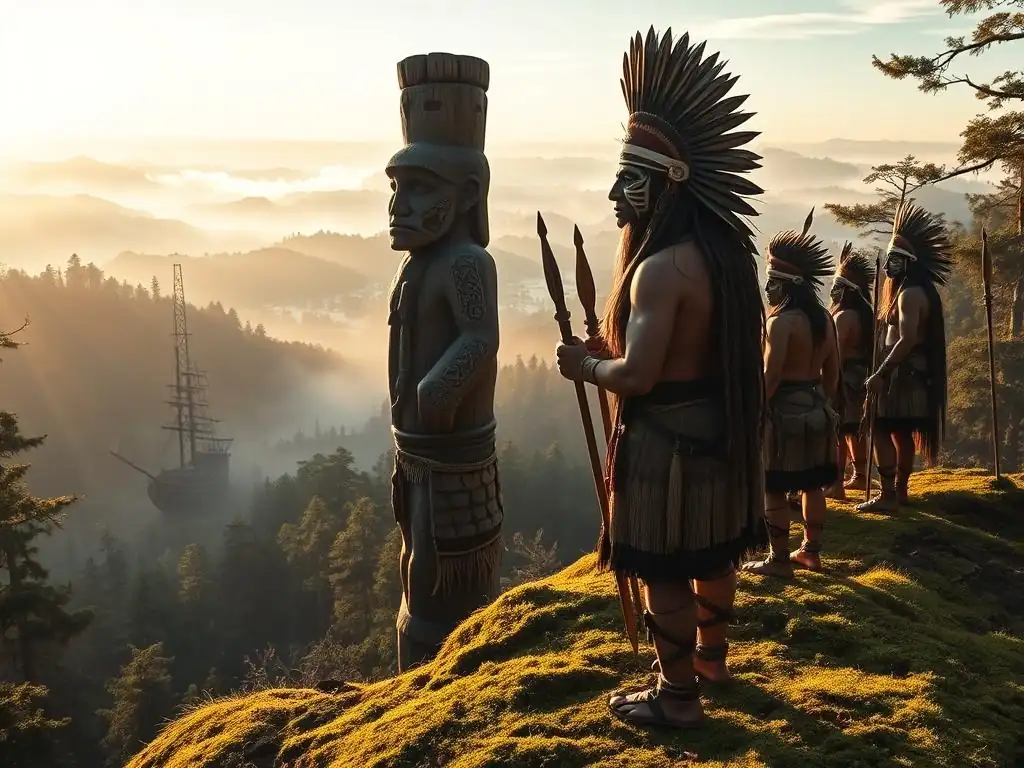
Welcome to Indigenous Civilizations of the Americas, where we embark on a captivating journey through the rich tapestry of indigenous cultures that flourished long before European colonization. Here, we delve deep into their remarkable achievements and the profound impact they left behind. In our featured article, "From Diplomacy to Warfare: The Evolution of Indigenous Resistance Tactics," we uncover the intricate history of how these resilient societies adapted their strategies in the face of European conquest.
Join us as we explore the fascinating tactics of resistance that shaped their narratives, and discover the stories that continue to resonate today. Your adventure into the past starts here—let's dive in!
- Introduction to Indigenous Resistance Tactics History
- Historical Context of Indigenous Resistance
- The Shift from Diplomacy to Warfare
- Evolution of Indigenous Warfare Tactics
- Key Figures in Indigenous Resistance Tactics History
- The Role of Alliances in Indigenous Resistance
- Legacy of Indigenous Resistance Tactics
- Conclusion
- Frequently Asked Questions
- Final Reflection: The Enduring Legacy of Indigenous Resistance Tactics
- Empower Your Understanding: Take Action Now!
Introduction to Indigenous Resistance Tactics History
The history of indigenous resistance tactics is a profound and multifaceted narrative that reflects the resilience and ingenuity of the diverse cultures that inhabited the Americas long before European colonization. As European powers began their incursions into indigenous lands, these communities faced unprecedented challenges to their sovereignty, cultures, and ways of life.
In response, indigenous peoples employed a variety of tactics—ranging from diplomacy to outright warfare—to defend their territories, maintain their societies, and assert their rights. This article delves into the evolution of these resistance tactics, highlighting their historical significance and the lasting impact they have had on indigenous identities and contemporary movements.
Overview of Indigenous Resistance Movements
Indigenous resistance movements have emerged in countless forms across the Americas, often tailored to the specific contexts and challenges faced by different communities. The resistance can be broadly categorized into several types:
- Diplomatic Engagements: Many indigenous groups sought to negotiate with European powers, leveraging alliances, treaties, and diplomacy to secure their rights and protect their lands. For instance, the Iroquois Confederacy utilized diplomatic strategies to navigate relationships with both European settlers and neighboring tribes.
- Cultural Preservation: Indigenous resistance was not only physical but also cultural. Many tribes engaged in efforts to preserve their languages, traditions, and beliefs as a form of resistance against colonization. This included the revitalization of traditional practices and storytelling as a means of maintaining their cultural identity.
- Armed Conflict: In many instances, indigenous communities resorted to armed resistance in response to encroachments on their territories. Notable examples include the Pueblo Revolt of 1680 and the Pequot War, where indigenous forces organized military actions to reclaim their lands and assert their autonomy.
- Guerrilla Tactics: As European military forces advanced, many indigenous groups adopted guerrilla tactics, utilizing their intimate knowledge of the land to conduct ambushes and surprise attacks. This strategy allowed them to level the playing field against better-armed colonial forces.
The dynamic interplay of these resistance tactics illustrates the adaptability and resourcefulness of indigenous peoples, who continuously evolved their strategies in response to changing circumstances.
Importance of Understanding Resistance Tactics
Understanding the history of indigenous resistance tactics is crucial for several reasons:
- Acknowledgment of Agency: It counters the narrative of indigenous passivity in the face of colonization, emphasizing that these communities were active agents in their own histories.
- Preservation of History: Documenting these tactics helps preserve the histories of indigenous peoples that have often been marginalized or overlooked in mainstream historical accounts.
- Informing Contemporary Movements: The tactics and strategies employed by historical indigenous resistance movements can provide valuable lessons for contemporary indigenous rights movements. Understanding past struggles can inspire and inform current efforts to advocate for sovereignty and social justice.
- Cultural Resilience: By exploring these resistance tactics, we gain insight into the cultural resilience of indigenous peoples, showcasing how they have adapted to adversity while maintaining their identities.
The history of indigenous resistance tactics is a testament to the strength and perseverance of indigenous cultures in the face of colonial oppression. This exploration not only enriches our understanding of the past but also sheds light on the ongoing struggles and triumphs of indigenous communities today.
Historical Context of Indigenous Resistance
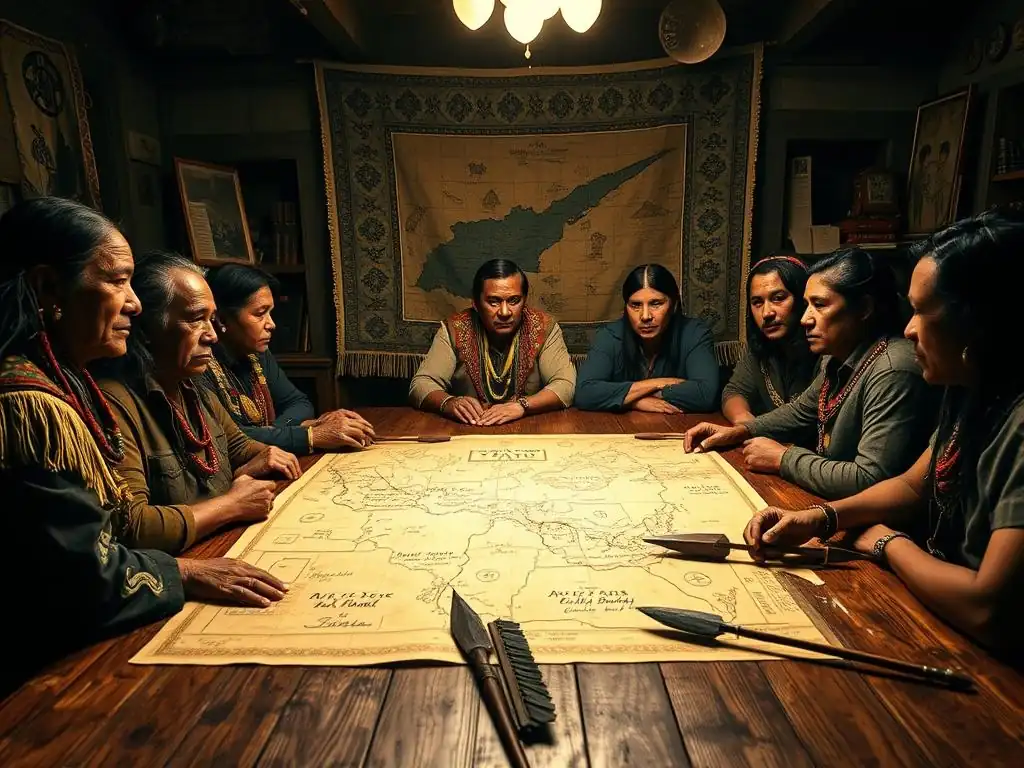
Understanding the historical context of indigenous resistance is crucial to grasping the complexities of the interactions between Native American societies and European colonizers. The evolution of indigenous resistance tactics can be traced through various phases of contact, from pre-colonial diplomacy to armed conflicts, illustrating a rich tapestry of cultural resilience and adaptation.
Pre-Colonial Societies and Diplomacy
Before European colonization, indigenous societies across the Americas exhibited sophisticated systems of governance, trade, and diplomacy. Tribes often engaged in alliances, negotiated treaties, and established trading relationships to strengthen their political and economic positions.
- Complex Governance: Many indigenous groups had structured political systems, such as the Iroquois Confederacy, which exemplified early forms of democratic governance through consensus-building among multiple nations.
- Diplomatic Relations: Indigenous peoples frequently formed alliances that transcended tribal boundaries, allowing for collective bargaining against common threats. For instance, the Powhatan Confederacy in Virginia was a strategic alliance aimed at managing relationships with neighboring tribes and European settlers.
These diplomatic efforts were often aimed at maintaining sovereignty and ensuring the survival of their cultural identity. The ability to negotiate and adapt was a vital part of indigenous resistance strategies long before the arrival of Europeans.
Initial Encounters with European Colonizers
The initial encounters between indigenous peoples and European colonizers began in the late 15th century and marked a significant turning point in the history of indigenous resistance tactics. As European powers expanded their territories, they brought with them not only the promise of trade but also the threat of colonization.
- First Impressions: Early interactions were characterized by a mix of curiosity and caution. Indigenous groups often sought to understand the newcomers, leading to initial exchanges of goods and knowledge.
- Cultural Misunderstandings: These encounters were frequently marred by misunderstandings regarding land ownership and use. While Europeans viewed land as a commodity to be owned, many indigenous cultures held a communal perspective on land, seeing it as a shared resource.
As tensions escalated and European demands increased, indigenous communities began to recognize the need to resist encroachment on their lands and lifestyles. This recognition marked the transition from diplomacy to more active forms of resistance.
Early Forms of Resistance: Diplomacy and Negotiation
In the face of increasing European encroachment, indigenous groups employed various tactics that included both continued diplomatic efforts and early resistance actions.
- Treaties and Agreements: Many tribes attempted to formalize their claims and rights through treaties, believing that written agreements would protect their interests. Unfortunately, these treaties were often ignored or violated by European powers, highlighting the vulnerability of indigenous agreements in the face of colonial expansion.
- Coalitions and Alliances: As European settlers encroached upon their lands, indigenous groups began to form coalitions. For example, the formation of alliances like the Algonquin Confederacy allowed tribes to present a united front against European settlers.
- Strategic Negotiation: Indigenous leaders often negotiated from a position of strength, leveraging their knowledge of the land and their relationships with other tribes. These negotiations sometimes involved offering trade goods or military support in exchange for protection against rival tribes or colonial powers.
The early forms of resistance, characterized by diplomacy and negotiation, laid the groundwork for more assertive tactics that would emerge as colonization intensified. Indigenous resistance tactics history reveals a dynamic interplay of diplomacy, adaptation, and resilience, reflecting the complexity of indigenous experiences during this tumultuous period.
The Shift from Diplomacy to Warfare
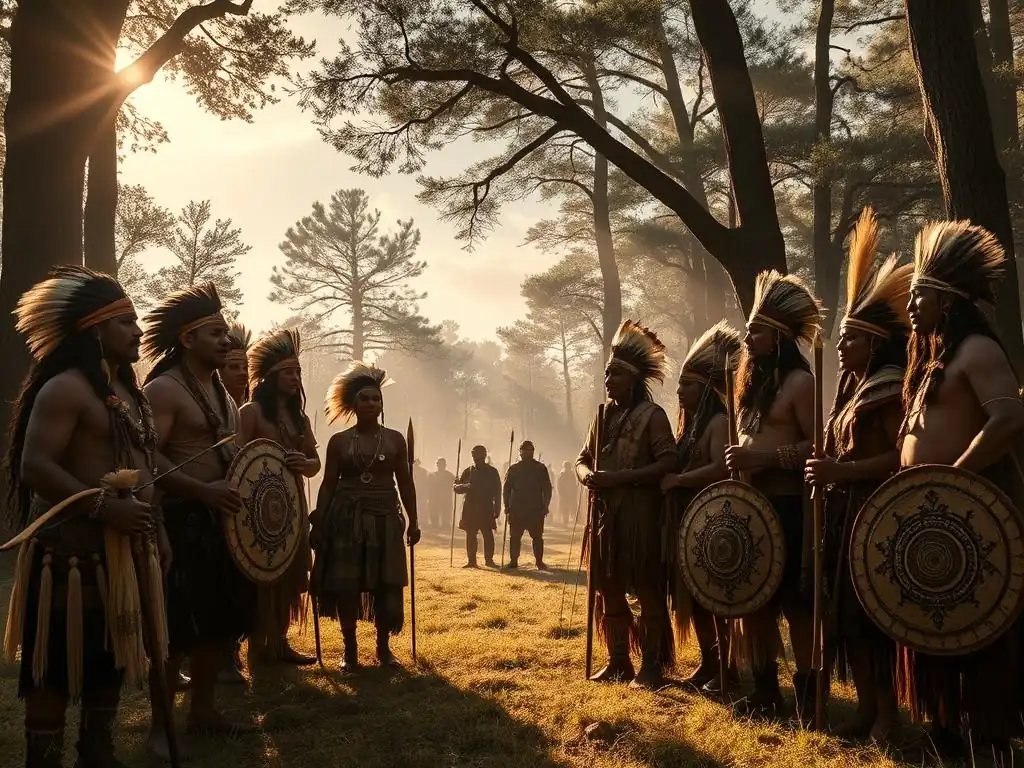
As indigenous societies in the Americas faced increasing pressures from European colonization, the dynamics of their resistance tactics evolved significantly. Initially, many groups employed diplomatic measures to negotiate and coexist with European settlers. However, as colonial aggression intensified, the need for armed resistance became increasingly apparent. This section explores the factors contributing to this shift, alongside case studies illustrating early instances of armed resistance.
Factors Leading to the Change in Tactics
Breakdown of Diplomatic Relations
Throughout the early encounters between indigenous peoples and European settlers, diplomacy was a primary method of interaction. Indigenous leaders often sought to establish trade agreements, alliances, and mutual respect. However, as European powers expanded their territories, these diplomatic relations began to falter.
- Breach of Treaties: Many indigenous groups found that treaties made with Europeans were frequently ignored or violated. This led to a growing mistrust and a realization that diplomacy alone would not suffice.
- Cultural Misunderstandings: Differences in cultural values and communication styles often resulted in misunderstandings. What indigenous leaders considered a binding agreement was sometimes dismissed by colonizers as non-essential.
- Loss of Autonomy: As European settlements expanded, many indigenous nations faced encroachment on their lands, undermining their sovereignty and prompting a shift from dialogue to resistance.
Escalation of Colonial Aggression
The increasing aggression of colonial powers played a pivotal role in the evolution of indigenous resistance tactics. As settlers sought land for agriculture and resources, indigenous groups faced violent confrontations.
- Military Encroachments: Settlers often resorted to military force to assert their claims, forcing indigenous peoples to defend their territories.
- Systematic Displacement: The establishment of colonial governments led to policies aimed at the systematic removal of indigenous populations, prompting a more unified and aggressive resistance.
- Crisis of Existence: The existential threat posed by colonial expansion galvanized many communities to take up arms, leading to the formation of coalitions and organized resistance efforts.
Case Studies of Initial Armed Resistance
The Powhatan Confederacy and Their Response
The Powhatan Confederacy, a coalition of Algonquian-speaking tribes in Virginia, provides a significant example of indigenous resistance. Faced with the establishment of Jamestown in 1607, the Powhatan people initially attempted to maintain a relationship with the colonists through trade and diplomacy.
- Early Engagements: Powhatan leaders, including Chief Powhatan, sought to create alliances with the settlers. However, as the settlers continued to encroach on their lands, tensions escalated.
- Pocahontas's Role: The daughter of Chief Powhatan, Pocahontas, played a crucial role in mediating between her people and the settlers. Her eventual capture and conversion to Christianity symbolized the deepening crisis.
- Armed Conflict: By the 1620s, frustration with broken treaties led to the First Anglo-Powhatan War (1610-1614), where the Powhatan Confederacy engaged in armed conflict to defend their territory.
The Sioux Nation and Their War Tactics
The Sioux Nation, a group of culturally distinct tribes in the Great Plains, demonstrated a robust response to colonial pressures through organized warfare.
- Adoption of Horse Culture: With the introduction of horses by European settlers, the Sioux adapted their tactics, enhancing their mobility and effectiveness in battle.
- The Great Sioux Uprising: In 1862, the Sioux led an armed revolt against settler encroachment and broken treaties, known as the Dakota War. This uprising showcased their ability to coordinate large-scale resistance.
- Tactical Adaptations: The Sioux employed guerrilla tactics, utilizing their knowledge of the terrain to launch surprise attacks on settlements and military outposts, highlighting an evolution in their resistance strategies.
The transition from diplomacy to warfare in the context of indigenous resistance tactics is a complex narrative shaped by multiple factors, including broken treaties and escalating aggression. The case studies of the Powhatan Confederacy and the Sioux Nation illustrate how indigenous peoples adapted their strategies in response to colonial challenges, paving the way for future resistance movements across the Americas.
Evolution of Indigenous Warfare Tactics
Adaptation of Traditional Warfare
Indigenous resistance tactics history reflects a remarkable evolution in warfare strategies among Native American tribes in response to European colonization. Traditional warfare among indigenous peoples often involved rituals, limited engagement, and a deep connection to the land. However, as European settlers encroached upon their territories, indigenous groups began to adapt their warfare tactics to meet new challenges.
The adaptation process included integrating new weapons and strategies while retaining cultural significance. For example, tribes such as the Iroquois and the Sioux maintained their traditional practices while incorporating firearms and metal tools obtained through trade or conflict. This blending of old and new tactics enabled them to enhance their combat effectiveness while preserving their cultural identity.
Incorporation of European Military Techniques
The introduction of European military techniques had a profound effect on indigenous resistance tactics. Native American warriors observed and adapted to European styles of fighting, which often emphasized formations, discipline, and the use of gunpowder weapons. Some tribes, such as the Comanche, became adept at mounted warfare, utilizing horses introduced by the Europeans to execute rapid and mobile strikes against their enemies.
Moreover, the ability to form alliances among tribes, as well as with European powers, allowed for a strategic exchange of military knowledge. For example, during the 17th century, the Huron and Algonquin tribes collaborated with the French against the Iroquois Confederacy, adopting European-style tactics while leveraging their own guerrilla warfare strategies. This exchange significantly influenced the dynamics of conflict in North America, leading to a period of intense military innovation among indigenous peoples.
Use of Terrain and Guerrilla Tactics
Indigenous resistance movements also capitalized on their intimate knowledge of the terrain, employing guerrilla tactics that rendered them formidable opponents. The diverse landscapes of North America—from dense forests to arid plains—offered indigenous fighters opportunities to conduct ambushes and hit-and-run attacks. By utilizing natural cover, warriors could strike swiftly and retreat before European troops could effectively respond.
For instance, the Apache and Navajo utilized their understanding of the Southwestern landscape to conduct raids against settlers and military outposts. These tactics not only disrupted European advances but also maintained tribal autonomy. The effectiveness of guerrilla warfare demonstrated the resilience and adaptability of indigenous peoples, as they continued to challenge colonial forces despite overwhelming odds.
Significant Battles and Resistance Movements
The Battle of Little Bighorn as a Turning Point
The Battle of Little Bighorn, fought in 1876, stands as a significant event in the history of indigenous resistance tactics. This confrontation between the 7th Cavalry Regiment of the United States Army and a coalition of Lakota Sioux, Northern Cheyenne, and Arapaho tribes marked a pivotal moment in the struggle against U.S. expansionism.
Under the leadership of figures such as Sitting Bull and Crazy Horse, indigenous forces employed both traditional and modern warfare tactics to decisively defeat General George Custer and his troops. The victory at Little Bighorn not only showcased the effectiveness of indigenous strategies but also galvanized other tribes to unite against the U.S. government. This battle became a symbol of indigenous resistance, highlighting the determination to defend their land and way of life.
The Ghost Dance Movement and Its Impact
The Ghost Dance Movement emerged in the late 19th century as a spiritual and cultural response to the despair caused by colonization and the loss of land. This movement advocated for a return to traditional ways of life and the belief that performing the Ghost Dance would bring about the restoration of indigenous sovereignty and the disappearance of white settlers.
The movement quickly spread among various tribes, leading to heightened tensions with U.S. authorities. The federal government viewed the Ghost Dance as a threat, resulting in the violent suppression of the movement, most notably at the Wounded Knee Massacre in 1890. Despite the tragic outcomes, the Ghost Dance Movement exemplified indigenous resistance tactics that combined spiritual beliefs with political activism, influencing future movements for indigenous rights and sovereignty.
The evolution of indigenous resistance tactics history illustrates a complex interplay between adaptation, innovation, and cultural preservation in the face of external threats. The resilience of these tactics continues to inspire contemporary indigenous movements advocating for rights and recognition today.
Key Figures in Indigenous Resistance Tactics History
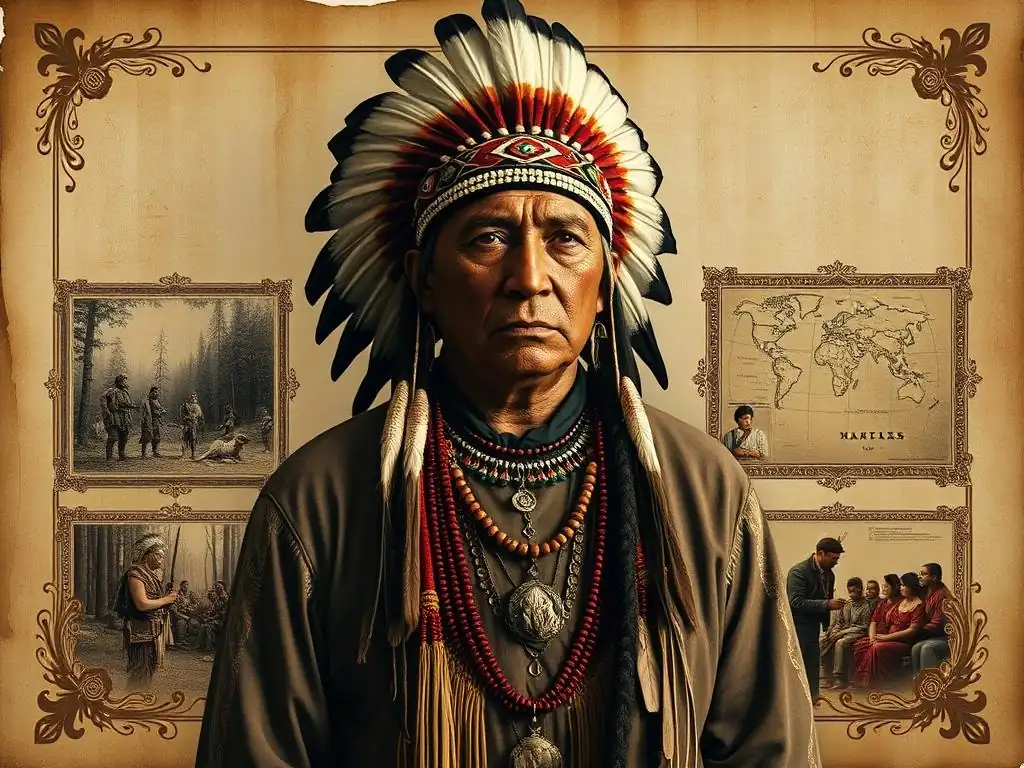
Influential Leaders and Their Strategies
Throughout the history of indigenous resistance, several key figures emerged as influential leaders, each contributing unique strategies that shaped the course of their peoples' struggles against colonial encroachment. These leaders not only inspired their communities but also adapted traditional practices to respond effectively to the changing dynamics of conflict introduced by European settlers.
Leaders such as Tecumseh and Crazy Horse exemplified the diverse approaches to resistance, forging coalitions, and adapting tactical innovations that played a vital role in their respective movements. Their legacies continue to resonate, serving as powerful symbols of resilience and determination.
Tecumseh and Their Impact
Tecumseh, a Shawnee chief born in 1768, is one of the most recognized figures in the history of indigenous resistance tactics. He was a charismatic leader who sought to unify various tribes across the Midwest and Southeast to form a confederation against the encroachment of settlers. His vision was not only to defend land but to preserve indigenous culture and sovereignty.
Key Contributions:
- Diplomatic Alliances: Tecumseh traveled extensively, forging alliances with tribes from the Great Lakes to the Gulf of Mexico. He emphasized the importance of unity among indigenous peoples, famously stating that "the Great Spirit made all men, and they are all brothers."
- Tactical Warfare: Tecumseh's resistance tactics included guerrilla warfare, leveraging the element of surprise, and utilizing the knowledge of local terrain to ambush enemy forces. His strategies were particularly effective in the War of 1812, where he allied with British forces against American expansion.
- Cultural Revival: Beyond military strategy, Tecumseh's leadership was also marked by a cultural revival, encouraging the return to traditional practices and beliefs as a means of strengthening communal identity and resistance.
Crazy Horse and Tactical Innovations
Crazy Horse, a Lakota leader born around 1840, is renowned for his fierce resistance against U.S. expansion into the Northern Plains. He played a crucial role in the Great Sioux War of 1876 and is best known for his leadership at the Battle of Little Bighorn.
Key Contributions:
- Innovative Tactics: Crazy Horse was a master of battlefield tactics, employing rapid movement and flexible formations to outmaneuver larger and better-equipped U.S. forces. His ability to adapt to changing circumstances on the battlefield allowed his warriors to exploit weaknesses in their opponents.
- Cultural Significance of Warfare: For Crazy Horse and the Lakota, warfare was not merely a military endeavor but a spiritual one. He believed that the strength of their ancestors and the spirit of the land were on their side, which inspired his warriors to fight with unparalleled courage.
- Legacy of Resistance: The legacy of Crazy Horse extends beyond his military achievements; he became a symbol of indigenous resistance and pride. His actions and philosophies continue to inspire contemporary movements advocating for indigenous rights and sovereignty.
The history of indigenous resistance tactics is marked by influential leaders like Tecumseh and Crazy Horse, who employed innovative strategies and fostered unity among tribes. Their contributions laid the groundwork for ongoing struggles against colonialism and continue to influence modern indigenous movements today.
The Role of Alliances in Indigenous Resistance
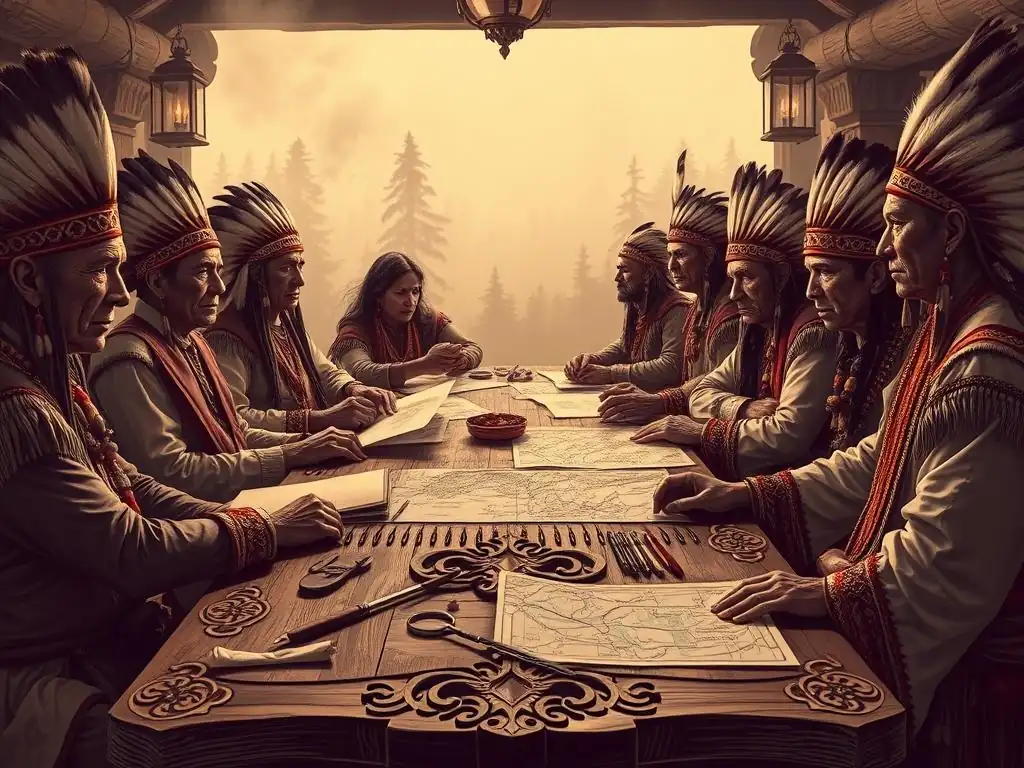
In the context of Indigenous resistance tactics history, alliances played a pivotal role in shaping the responses of various indigenous groups to European colonization. The formation of strategic partnerships allowed these groups to amplify their strength, share resources, and coordinate military efforts against encroaching powers. This collaborative approach often involved intricate negotiations and adaptations, as diverse tribes recognized the necessity of uniting in the face of a common adversary.
Formation of Coalitions Against Colonizers
The formation of coalitions among indigenous nations was a crucial tactic in resisting colonization. Various tribes, recognizing their vulnerability to European powers, often set aside traditional rivalries and formed alliances.
- Examples of Notable Coalitions:
- The Iroquois Confederacy: Comprising the Mohawk, Oneida, Onondaga, Cayuga, Seneca, and later the Tuscarora, this alliance was instrumental in managing relations with both the French and English during colonial conflicts. Their political structure and military cooperation allowed them to exert considerable influence in the region.
- The Powhatan Confederacy: In Virginia, Chief Powhatan united several Algonquin-speaking tribes to resist English expansion, utilizing both diplomacy and warfare to protect their lands and resources.
- The Confederation of the Great Lakes Tribes: Various tribes, including the Ottawa, Ojibwe, and Potawatomi, formed alliances to counteract the pressures of both French and British imperial ambitions.
These coalitions were not merely military partnerships; they also involved cultural exchanges and shared intelligence about colonial movements. Such alliances often led to more organized resistance efforts, proving that unity could significantly enhance their bargaining power and military capabilities.
Impact of Intertribal Cooperation on Resistance Efforts
Intertribal cooperation had profound effects on the overall resistance efforts of indigenous peoples. By pooling resources and knowledge, tribes could mount more effective campaigns against colonizers. The benefits of such cooperation included:
- Increased Military Strength: By combining warriors from multiple tribes, resistance groups could launch larger and more formidable attacks against colonial forces, as seen during events like the Pequot War and King Philip's War.
- Resource Sharing: Tribes could share critical resources such as food, weapons, and intelligence regarding enemy movements. This sharing was vital during prolonged conflicts when individual tribes might struggle to sustain themselves.
- Cultural Exchange and Solidarity: Joint resistance efforts facilitated cultural exchanges, fostering a sense of solidarity among tribes. This was particularly evident in the shared rituals and ceremonies that emerged from collaborative military campaigns.
Despite the effectiveness of these alliances, the impact of colonization often posed significant challenges. Internal divisions, differing objectives, and the imposition of European tactics could strain these relationships. Nevertheless, the legacy of intertribal cooperation remains a testament to the resilience and adaptability of indigenous cultures in the face of existential threats.
The role of alliances in indigenous resistance highlights the strategic importance of unity among diverse groups. The formation of coalitions against colonizers and the resulting intertribal cooperation significantly enhanced resistance efforts, shaping the course of indigenous history during European conquest.
Legacy of Indigenous Resistance Tactics
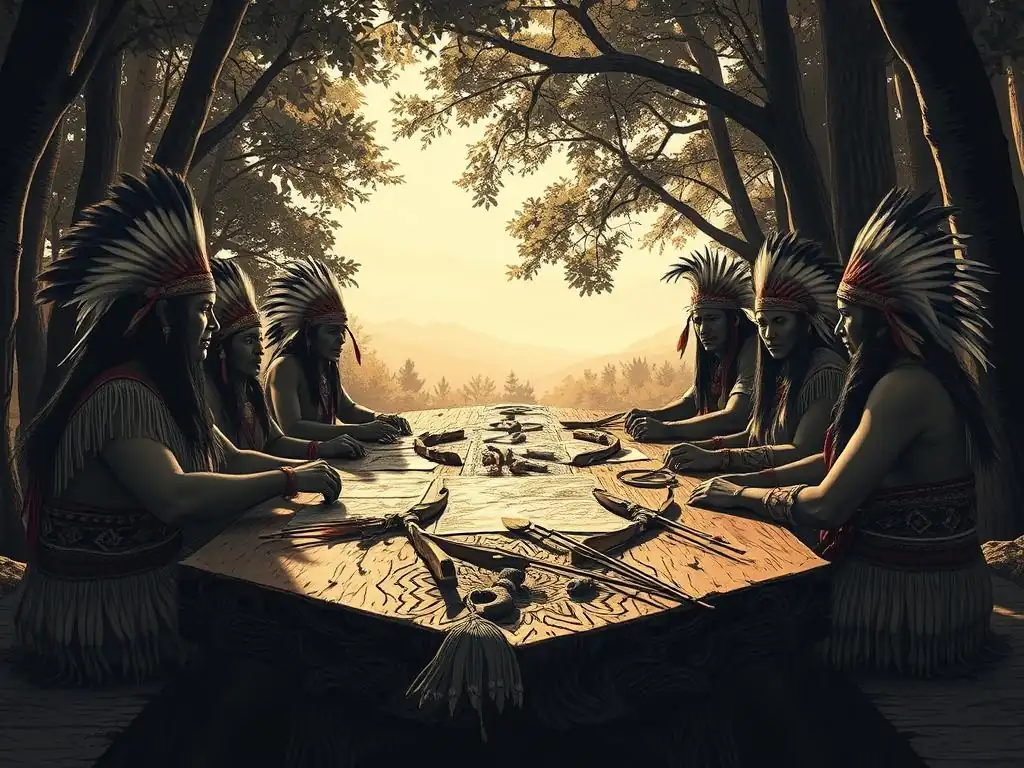
The legacy of Indigenous resistance tactics is profound, echoing through the annals of history and shaping contemporary discussions on rights and sovereignty. Indigenous groups across the Americas developed a myriad of strategies, from diplomacy to active resistance, that not only countered European encroachment but also laid the groundwork for future movements advocating for self-determination. These tactics were often influenced by the distinct cultural values of various tribes, which emphasized community cohesion, respect for the environment, and a deep-rooted connection to their ancestral lands.
Lasting Influence on Modern Indigenous Rights Movements
The historical Indigenous resistance tactics have significantly influenced modern Indigenous rights movements. Today's activists draw on the rich tapestry of past struggles as they advocate for issues such as land rights, cultural preservation, and political recognition.
- Cultural Revitalization: Many current movements emphasize the importance of cultural identity, a concept deeply rooted in Indigenous resistance. This resurgence of cultural practices serves not only as a form of resistance but also as a means of unifying communities.
- Legal Frameworks: Historical tactics, such as negotiation and treaty-making, have evolved into legal advocacy aimed at securing land rights and sovereignty. Modern Indigenous leaders often reference treaties made with colonial powers to assert their rights in contemporary legal frameworks.
- Global Solidarity: The legacy of past resistance has fostered a sense of solidarity among Indigenous groups worldwide. Movements such as the Indigenous Peoples’ Global Summit on Climate Change illustrate how historical resistance informs global alliances, highlighting common struggles against colonialism and environmental degradation.
Recognition of Historical Resistance in Current Discourse
Recognition of historical Indigenous resistance is crucial in current discourse surrounding Indigenous rights. Acknowledging the diverse tactics used by Indigenous peoples not only validates their history but also empowers contemporary movements.
- Educational Initiatives: Many educational programs now include curricula that address the complexities of Indigenous history, emphasizing the strategies employed in resistance. This shift aims to foster a more nuanced understanding of Indigenous resilience among non-Indigenous populations.
- Policy Implications: The acknowledgment of Indigenous resistance tactics has led to policy changes in some regions. Governments are increasingly pressured to recognize historical injustices and engage in reparative measures, reflecting the long-standing struggles of Indigenous communities.
- Cultural Narratives: Media representations have begun to shift, showcasing stories of resistance and resilience rather than mere victimization. This change in narrative helps to inspire new generations of Indigenous activists, reinforcing the idea that resistance is not only a historical phenomenon but an ongoing struggle.
The legacy of Indigenous resistance tactics serves as a touchstone for modern movements advocating for Indigenous rights. The recognition and understanding of these historical strategies are essential for fostering a dialogue that respects the complexities of Indigenous identities and experiences, ensuring that the fight for rights and recognition continues unabated.
Conclusion
Reflection on the Evolution of Indigenous Resistance Tactics
The evolution of Indigenous resistance tactics throughout history embodies a complex interplay of diplomacy, adaptation, and conflict in response to the challenges posed by European colonization. From early diplomatic engagements aimed at establishing mutually beneficial trade relations to organized military confrontations, Indigenous peoples demonstrated a remarkable capacity for strategic thinking and resilience.
One of the most significant aspects of these resistance tactics is their adaptability. As colonial pressures intensified, Indigenous communities often shifted their methods to meet new realities. For instance, alliances were formed not only within Indigenous groups but also with European powers, highlighting a pragmatic approach to diplomacy:
- Initial Diplomacy: Early encounters often involved treaties and alliances that aimed to protect lands and resources.
- Cultural Adaptation: Indigenous groups incorporated European technologies and military strategies into their resistance efforts, showcasing their ability to innovate.
- Armed Resistance: As negotiations failed and encroachments continued, many groups resorted to armed conflict, leading to notable uprisings such as the Pueblo Revolt of 1680 and the War of 1812 alliances.
These tactics reflect a deep understanding of the socio-political landscape and a commitment to sovereignty. Moreover, the legacy of these resistance movements has had a lasting impact on contemporary Indigenous identity and activism, providing a foundation for modern struggles for rights and recognition.
Importance of Preserving Indigenous Histories and Narratives
Preserving Indigenous histories and narratives is crucial not only for understanding the past but also for shaping present and future Indigenous identities. The historical accounts of resistance tactics serve as powerful reminders of the resilience and agency of Indigenous peoples against colonial oppression.
Key reasons for preserving these narratives include:
- Cultural Identity: Understanding resistance tactics reinforces cultural pride and identity among Indigenous communities, fostering a sense of belonging and continuity.
- Historical Accuracy: Documenting these narratives challenges Eurocentric histories that often marginalize Indigenous experiences, ensuring a more balanced and comprehensive understanding of the past.
- Educational Value: Sharing these histories in educational contexts promotes awareness and appreciation of Indigenous contributions, encouraging respect and advocacy for Indigenous rights.
- Inspiration for Future Generations: The stories of resistance serve as a source of inspiration for contemporary movements, demonstrating that resilience and collective action can lead to significant social change.
The history of Indigenous resistance tactics is not merely a record of conflict but a testament to the enduring spirit of Indigenous peoples. The preservation of these narratives is essential for honoring their legacy and empowering future generations to continue the struggle for justice and sovereignty.
Frequently Asked Questions
What are Indigenous resistance tactics?
Indigenous resistance tactics refer to the strategies and methods employed by Indigenous peoples to oppose and counter colonial expansion and efforts to undermine their cultures and societies.
How did diplomacy play a role in Indigenous resistance?
Diplomacy was often used by Indigenous groups to negotiate terms and alliances with European powers, showcasing their political acumen and efforts to maintain autonomy before resorting to military action.
What are some examples of warfare tactics used by Indigenous peoples?
Indigenous groups employed various warfare tactics, including guerrilla warfare, ambushes, and intricate knowledge of local terrain, which provided significant advantages against colonial forces.
How did Indigenous resistance tactics evolve over time?
The evolution of Indigenous resistance tactics reflects changing circumstances, adapting from initial diplomatic approaches to armed conflict as colonial pressures intensified and their sovereignty was threatened.
What impact did Indigenous resistance have on colonial expansion?
Indigenous resistance significantly impeded colonial expansion and forced European powers to reconsider their strategies, leading to treaties and negotiations that acknowledged the rights of Indigenous peoples.
Final Reflection: The Enduring Legacy of Indigenous Resistance Tactics
The evolution of Indigenous resistance tactics is not merely a historical account; it is a testament to the resilience and adaptability of Indigenous peoples in the face of oppression. As we navigate a world still marked by colonial legacies and systemic injustices, understanding these tactics becomes crucial for recognizing the ongoing struggles for sovereignty and justice. The past informs the present, and the lessons learned from Indigenous resistance are more relevant today than ever, reminding us that the fight for rights and recognition is far from over.
The cultural and social landscape has been profoundly shaped by the strategies employed by Indigenous communities throughout history. These tactics, ranging from diplomacy to armed resistance, have not only preserved their identities but have also inspired movements worldwide. As we witness a resurgence of Indigenous activism, it is essential to acknowledge the wisdom embedded in these historical practices. Resistance is not a one-time event; it is a continuous journey towards self-determination and justice.
This quote encapsulates the essence of Indigenous resistance, highlighting its ongoing relevance in contemporary struggles.
As you reflect on the themes presented in this article, consider how you can engage with and support Indigenous communities in their pursuit of justice and recognition. Take a moment to educate yourself about the history of Indigenous resistance tactics and their implications today. Whether through advocacy, allyship, or simply amplifying Indigenous voices, your actions can contribute to a more equitable future. Let us honor the legacy of those who came before us by committing to a path of understanding, respect, and solidarity with Indigenous peoples.
Empower Your Understanding: Take Action Now!
Thank you for engaging with our exploration of Indigenous resistance tactics. By delving into this critical subject, you have gained insight into the resilience and evolution of Indigenous strategies throughout history. Now, it's time to take that knowledge further!
Here are a few impactful steps you can take to deepen your connection and contribute positively:
- Join Local Events: Participate in community gatherings or workshops focused on Indigenous rights and history. Your presence can amplify awareness and foster solidarity.
- Educate Yourself Further: Explore literature or films that highlight Indigenous history and share your findings with friends to spark meaningful conversations and enhance understanding.
- Advocate for Change: Support Indigenous-led initiatives or organizations through donations or by volunteering your time. Every small action contributes to making a difference!
How will your newfound understanding of Indigenous resistance inspire you to impact your community?