
From Sovereignty to Struggles: The Longterm Displacements of Indigenous Peoples

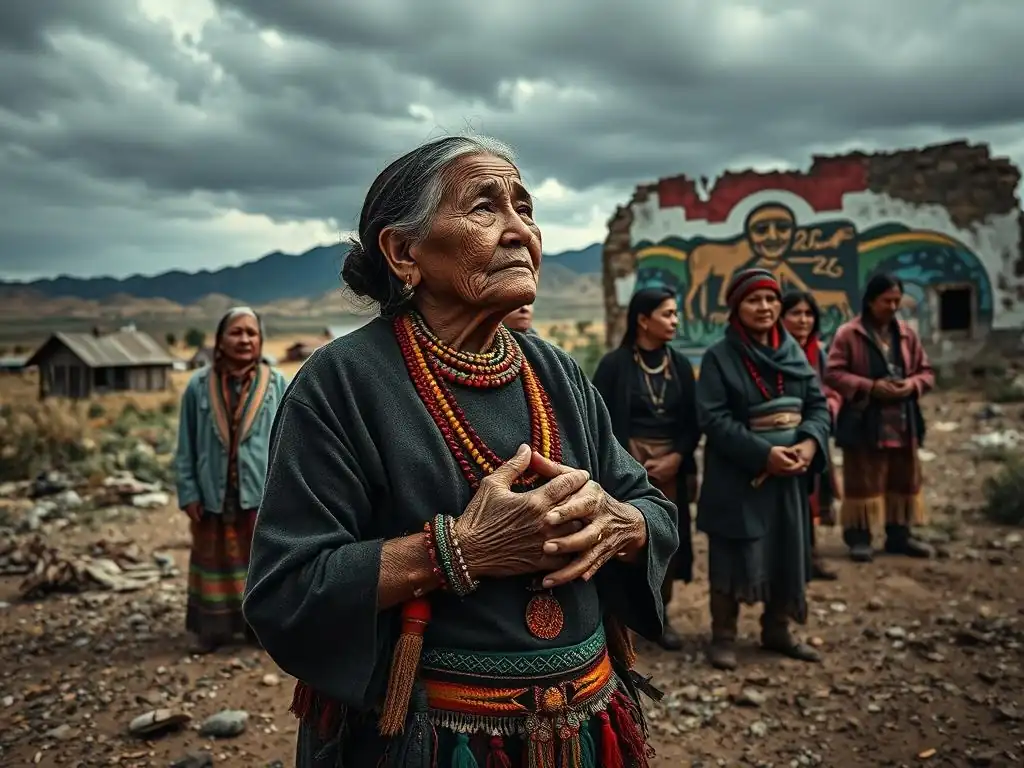
Welcome to Indigenous Civilizations of the Americas, where we delve into the rich tapestry of cultures that flourished long before European contact. Here, we invite you to explore the profound impact of indigenous displacements, a theme that resonates throughout history and continues to shape the narratives of indigenous peoples today. In our featured article, "From Sovereignty to Struggles: The Longterm Displacements of Indigenous Peoples," we unpack the complexities surrounding these displacements and their lasting consequences.
Prepare to uncover stories of resilience, transformation, and the enduring legacies that echo through time. Join us on this enlightening journey as we shine a light on the voices that have often been silenced.
- Introduction to Indigenous Displacements and Sovereignty
- Historical Context of Indigenous Displacements
- Types of Displacements Experienced by Indigenous Peoples
- The Impact of Indigenous Displacements on Communities
- Case Studies Highlighting the Impact of Indigenous Displacements
- Contemporary Issues Related to Indigenous Displacements
- Solutions and Pathways to Healing for Indigenous Communities
- Conclusion: Understanding the Long-Term Impact of Indigenous Displacements
-
Frequently Asked Questions
- What are the main themes explored in the article?
- How did European colonization affect indigenous cultures?
- What does the article suggest about the legacy of indigenous displacements?
- Why is it important to study the impact of indigenous displacements?
- What can be done to support indigenous communities today?
- Final Reflection: The Enduring Impact of Indigenous Displacements
- Take Action: Stand with Indigenous Peoples Today!
Introduction to Indigenous Displacements and Sovereignty
The history of the Americas is rich with the narratives of indigenous peoples, who cultivated complex societies, established governance systems, and maintained harmonious relationships with the land long before the arrival of European colonizers. However, this intricate tapestry of cultures was profoundly disrupted by the forces of colonization, leading to widespread displacements and the erosion of indigenous sovereignty.
The impact of indigenous displacements has reverberated through generations, affecting not only the social, economic, and political structures of these communities but also their cultural identities and ways of life. This article seeks to explore the long-term effects of these displacements, examining how they have shaped the realities of indigenous peoples in the Americas today.
Overview of Indigenous Peoples and Their Sovereignty
Indigenous peoples of the Americas are not a monolithic group; rather, they represent a mosaic of cultures, languages, and traditions. From the intricate city-states of the Aztecs and Maya in Mesoamerica to the nomadic tribes of the Great Plains, each community developed its own systems of governance, religious practices, and social hierarchies.
- Sovereignty refers to the authority of a group to govern itself and make decisions regarding its own affairs without external interference. For many indigenous nations, this sovereignty was recognized in their historical treaties with colonial powers, which acknowledged their right to self-determination and land ownership.
- However, as European powers expanded their territories, these treaties were often ignored or violated, leading to conflicts that would result in the forced removal of indigenous populations from their ancestral lands.
Understanding the sovereignty of indigenous peoples is essential to grasp the full scope of their struggles against displacement and marginalization. The erosion of this sovereignty has had profound implications for cultural preservation, community cohesion, and political representation.
Importance of Understanding Indigenous Displacements
Understanding the impact of indigenous displacements is crucial for several reasons:
- Cultural Preservation: Displacement often leads to the loss of traditional practices, languages, and identities. Investigating these losses provides insight into the ongoing struggles for cultural revitalization.
- Historical Context: Recognizing the historical aspects of indigenous displacements helps unveil systemic patterns of oppression and resilience, illuminating the socio-political landscape of contemporary indigenous rights movements.
- Social Justice: Acknowledging the injustices faced by indigenous communities fosters awareness and encourages advocacy for reparative measures, land rights, and recognition of sovereignty.
- Interconnectedness: The experiences of displaced indigenous peoples can resonate with other marginalized groups, promoting solidarity and cooperative efforts towards social equity.
By delving into the significance of these displacements, we can foster a deeper understanding of the ongoing challenges faced by indigenous communities and the importance of reclaiming their narratives.
The Focus on the Impact of Indigenous Displacements
The impact of indigenous displacements extends beyond immediate physical relocation; it permeates every aspect of life within these communities. The following areas illustrate the profound consequences of such displacements:
- Economic Disruption: The loss of traditional lands and resources has led to economic instability and increased poverty rates among indigenous populations. Many communities have been forced to adapt to new economic systems that do not align with their cultural practices or values.
- Social Fragmentation: Displacement often results in the breakdown of community bonds and social structures, leading to increased isolation and mental health challenges among individuals.
- Political Marginalization: Displacement has historically led to the disenfranchisement of indigenous peoples, stripping them of their rights and representation within political systems.
- Cultural Erosion: The forced relocation from ancestral lands disrupts the transmission of cultural knowledge and practices, threatening the survival of languages and traditions.
By focusing on these impacts, we can better understand the long-lasting effects of indigenous displacements and the urgent need for restorative justice and recognition of indigenous rights in contemporary society.
Historical Context of Indigenous Displacements
Understanding the impact of indigenous displacements begins with recognizing the historical context surrounding these events. Before European colonization, the Americas were home to a multitude of indigenous societies, each with its unique culture, governance, and achievements. The arrival of Europeans marked a significant turning point, leading to forced displacements that would have lasting repercussions on indigenous populations.
Pre-Colonial Indigenous Societies and Their Achievements
Prior to European contact, indigenous societies across the Americas were sophisticated and diverse, demonstrating remarkable achievements in various fields.
- Agriculture: Many indigenous groups, such as the Maya, Aztec, and Inca, developed advanced agricultural techniques. They cultivated staple crops like maize, beans, and potatoes, which not only sustained their populations but also contributed to the global agricultural landscape.
- Architecture and Urban Planning: Civilizations like the Inca constructed impressive architectural feats, including Machu Picchu, showcasing their engineering prowess. Similarly, the Mississippian culture built large earthen mounds for ceremonial purposes and urban centers like Cahokia, which thrived as a hub of trade and governance.
- Cultural Richness: Indigenous societies had rich oral traditions, artistic expressions, and complex social structures. The storytelling traditions of the Lakota, the intricate pottery of the Pueblo peoples, and the ceremonial practices of the Iroquois exemplify the cultural depth found across indigenous communities.
These achievements reflect a tapestry of societies that were not only resilient but also adaptable to their environments, laying the foundation for their identities long before European intervention.
European Conquest: Initial Displacement and Its Justifications
The arrival of Europeans in the 15th century initiated a series of displacements, justified by a variety of ideologies and misconceptions.
- Doctrine of Discovery: This legal concept, which emerged from papal bulls and was used by European monarchies, asserted that lands not inhabited by Christians were available for conquest and colonization. This doctrine provided a veneer of legitimacy to the displacement of indigenous peoples.
- Economic Motivations: The quest for resources and land played a crucial role in the justification for displacements. European powers, driven by mercantilism, sought to exploit the natural resources of the Americas, often disregarding the sovereignty of indigenous nations.
- Religious Justifications: The narrative of civilizing missions further fueled the displacement. European colonizers often viewed indigenous cultures as "savage" and believed that their presence was a form of benevolence, aiming to convert and "civilize" the indigenous populations. This paternalistic approach masked the violent realities of colonization.
The combination of these factors led to widespread displacement, loss of land, and the breakdown of established societies, setting the stage for the enduring struggles faced by indigenous peoples.
Long-Term Effects of Early Displacements on Indigenous Communities
The initial displacements initiated by European colonization had profound and lasting effects on indigenous communities that can still be observed today.
- Cultural Erosion: The forced removal from ancestral lands disrupted traditional lifestyles, leading to the erosion of cultural practices and languages. Many indigenous groups experienced a loss of identity as they were compelled to assimilate into European ways of life.
- Socioeconomic Challenges: Displacement resulted in significant socioeconomic disadvantages. Indigenous peoples were often relegated to marginal lands, leading to poverty, limited access to education, and inadequate healthcare services. These disparities continue to impact indigenous communities, contributing to ongoing struggles for equity.
- Political Marginalization: The historical displacements have fostered systemic marginalization of indigenous populations. Many communities face ongoing challenges in asserting their rights and sovereignty, often battling against governmental policies that prioritize economic development over indigenous rights.
- Resilience and Resistance: Despite these challenges, indigenous communities have demonstrated remarkable resilience. Many continue to fight for their rights, preserving their cultures and working towards healing from the impacts of displacement. Activism for land rights, cultural revival, and environmental stewardship reflects their enduring spirit and commitment to reclaiming their identities.
The impact of indigenous displacements not only altered the course of history but continues to shape the realities faced by indigenous peoples today. Understanding this historical context is essential for recognizing the ongoing struggles and achievements of these communities in the face of adversity.
Types of Displacements Experienced by Indigenous Peoples
Indigenous peoples of the Americas have faced multiple forms of displacement since the onset of European colonization. Each type of displacement has profoundly affected their communities, leading to long-lasting consequences that continue to resonate today. Understanding these types is crucial to comprehending the impact of indigenous displacements on their cultures, societies, and identities.
Physical Displacement: Land Loss and Relocation
Physical displacement primarily refers to the loss of land and the forced relocation of communities. The arrival of European settlers initiated a relentless encroachment on indigenous lands, often justified through doctrines such as terra nullius, which disregarded the existence and rights of indigenous peoples.
- Land Treaties and Broken Promises: Many indigenous groups were coerced into signing treaties that promised them land in exchange for their ancestral territories. However, these agreements were frequently broken, leading to further dispossession. For example, the 1851 Fort Laramie Treaty promised the Lakota Nation ownership of the Black Hills, yet gold discoveries led to an influx of settlers and eventual seizure of these lands.
- Forced Relocations: Policies such as the Indian Removal Act of 1830 resulted in the forced migration of thousands of indigenous people, notably the Cherokee, who endured the harrowing Trail of Tears. This event exemplifies how physical displacement not only stripped communities of their land but also led to significant loss of life and cultural disintegration.
The ongoing consequences of physical displacement include fragmented communities, loss of traditional territories, and challenges in maintaining a connection to ancestral land, which is vital for cultural identity and spiritual practices.
Cultural Displacement: Erosion of Traditions and Languages
Cultural displacement involves the systematic erosion of indigenous traditions, languages, and identities. This form of displacement often accompanies physical relocation, as communities are removed from their cultural landscapes.
- Language Loss: Language is a critical aspect of cultural identity, yet many indigenous languages have faced extinction due to colonization. As children were forced into residential schools or assimilated into dominant cultures, their native languages were often suppressed. A stark statistic highlights this issue: estimates suggest that over 90% of indigenous languages in the Americas are at risk of disappearing within the next century.
- Tradition and Knowledge: The disruption of traditional practices, such as hunting, harvesting, and ceremonies, further erodes cultural identities. For example, the introduction of European agricultural practices often marginalized indigenous farming techniques and knowledge, leading to a reliance on introduced crops and a loss of biodiversity.
Cultural displacement has resulted in a profound sense of loss among indigenous communities, as younger generations struggle to connect with their heritage amidst the pressures of assimilation and modernization.
Economic Displacement: Loss of Traditional Livelihoods
Economic displacement refers to the disruption of traditional economic systems and livelihoods, which has been a direct consequence of colonization and ongoing marginalization.
- Disruption of Traditional Economies: Indigenous peoples traditionally relied on their lands for sustenance through hunting, fishing, and agriculture. The appropriation of these lands and resources has significantly hindered their ability to sustain themselves. For instance, the introduction of commercial fishing regulations often marginalized indigenous fishing rights, leading to economic instability.
- Dependency on External Economies: As traditional economies were dismantled, many indigenous communities became economically dependent on external systems. This dependency has often resulted in cycles of poverty, unemployment, and limited access to resources. The reliance on limited employment opportunities further exacerbates economic disparities faced by indigenous peoples.
Economic displacement has not only affected the immediate livelihoods of these communities but has also perpetuated systemic inequalities that continue to affect their socio-economic status and opportunities for development.
The various forms of displacement experienced by indigenous peoples—physical, cultural, and economic—have had profound and interlinked impacts on their communities. The ripple effects of these displacements continue to be felt today, underscoring the importance of acknowledging and addressing the historical injustices faced by indigenous populations throughout the Americas.
The Impact of Indigenous Displacements on Communities
The impact of indigenous displacements has profoundly altered social structures and family dynamics within affected communities. Traditionally, indigenous societies were organized around kinship ties, community cooperation, and shared cultural practices. These structures provided emotional and practical support, fostering resilience and interconnectedness among members. However, the forced removal from ancestral lands disrupted these networks, leading to fragmentation of families and communities.
- Disruption of Kinship Ties: Displacement often resulted in families being separated, with members scattered across different regions or forced into unfamiliar environments. This disconnection weakened the traditional support systems and reduced opportunities for intergenerational knowledge transfer.
- Changes in Gender Roles: The upheaval of traditional roles has also been notable. In many indigenous cultures, specific roles and responsibilities were assigned based on gender. Following displacement, economic pressures and altered living conditions frequently forced a reevaluation of these roles, sometimes leading to conflicts and identity crises within communities.
- Community Cohesion: The loss of land and the imposition of external governance structures have undermined community cohesion. Displaced groups have often had to adapt to new social hierarchies and power dynamics, which can lead to tensions and disputes over resource allocation and communal decision-making.
Psychological Effects of Displacement on Indigenous Peoples
The psychological effects of displacement are profound and multifaceted, contributing to long-term trauma within indigenous populations. The experience of losing one's home, culture, and community can lead to a range of psychological challenges.
- Trauma and PTSD: Many indigenous individuals experience post-traumatic stress disorder (PTSD) as a result of displacement. The trauma of being forced from their land, witnessing violence, or losing family members can manifest in various mental health issues, including anxiety and depression.
- Intergenerational Trauma: The psychological impact of displacement does not end with the displaced generation. The effects can ripple through generations, as children of displaced individuals may inherit the trauma and its associated behaviors, impacting their emotional well-being and social interactions.
- Resilience Strategies: Despite these challenges, many indigenous communities have developed resilience strategies to cope with trauma. These may include reaffirming cultural practices, forming support networks, and engaging in activism to reclaim rights and land. Such efforts can help mitigate the psychological impacts of displacement, fostering a sense of identity and belonging.
Loss of Cultural Identity and Heritage
The impact of indigenous displacements has led to a significant loss of cultural identity and heritage, threatening the survival of unique traditions and practices. The dislocation from ancestral lands not only stripped communities of physical spaces but also of the cultural narratives intertwined with those spaces.
- Erosion of Language: Language is a key component of cultural identity. Displacement has often led to a decline in indigenous languages, as younger generations may adopt the dominant language of their new environments, resulting in the loss of linguistic heritage and traditional knowledge.
- Cultural Practices and Spirituality: Many cultural practices are closely tied to specific geographic locations. The loss of land and sacred sites has hindered the ability of indigenous peoples to engage in traditional rituals and ceremonies, leading to a disconnection from their spirituality and cultural heritage.
- Revitalization Efforts: In response to the challenges posed by displacement, many indigenous groups are actively working to revitalize their cultures. This includes language preservation initiatives, cultural education programs, and the reclamation of traditional practices. Such efforts are vital to maintaining cultural identity and ensuring that future generations can connect with their heritage.
The impact of indigenous displacements on communities is profound and far-reaching, affecting social structures, psychological well-being, and the preservation of cultural identity. Understanding these effects is crucial in addressing the historical injustices faced by indigenous peoples and supporting their ongoing struggles for recognition and rights.
Case Studies Highlighting the Impact of Indigenous Displacements
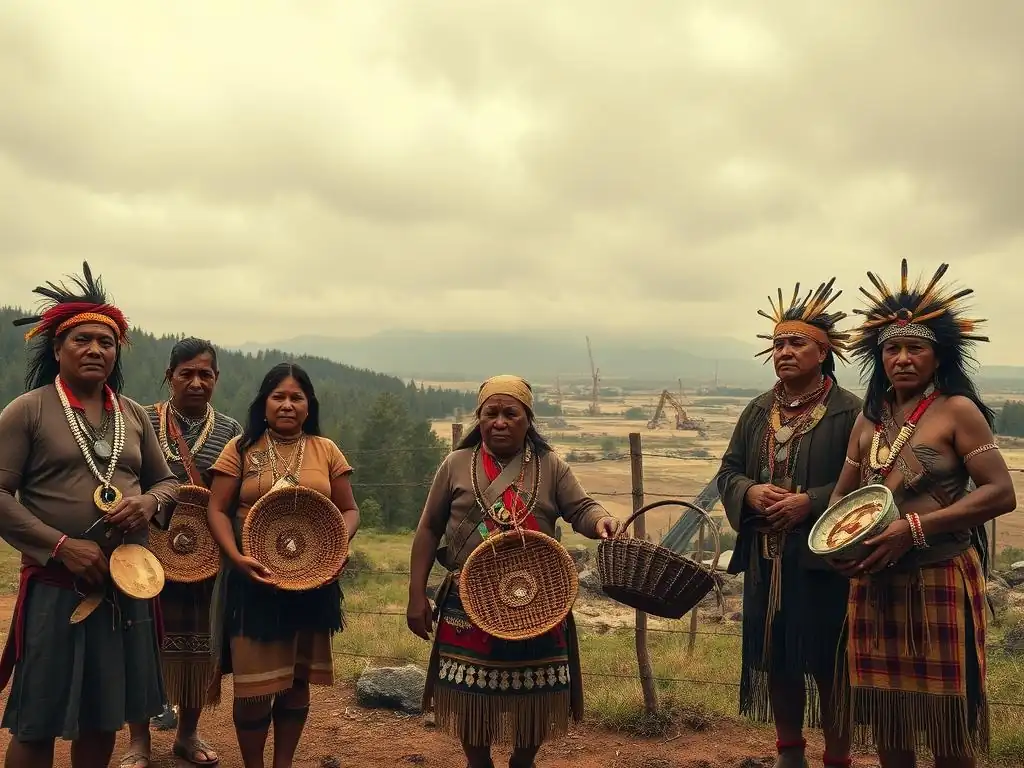
Case Study 1: The Struggles of the Standing Rock Sioux Tribe
The Standing Rock Sioux Tribe, located in North Dakota, has become a prominent symbol of resistance against environmental degradation and the infringement of indigenous rights. The tribe's struggle against the Dakota Access Pipeline (DAPL) serves as a critical case study in understanding the impact of indigenous displacements on both the community and the environment.
In 2016, the Standing Rock Sioux Tribe led a protest against the construction of the DAPL, which threatened their water supply and sacred sites. The pipeline's route was set to cross under the Missouri River, just upstream from the tribe’s reservation. This situation highlighted broader issues of land rights, sovereignty, and the historical context of displacement faced by indigenous peoples. The protests drew international attention, galvanizing support from various indigenous groups and environmental activists.
Despite the eventual completion of the pipeline, the ongoing impacts on the Standing Rock Sioux can be observed in several ways:
- Cultural Erosion: The threat posed to sacred sites has prompted a resurgence in cultural identity among tribe members. Ceremonies and traditional practices have been revitalized in response to the challenges posed by modern developments.
- Community Solidarity: The protests fostered a sense of unity among indigenous peoples, highlighting their shared struggles against displacement and environmental degradation.
We are fighting for our children and future generations. This is about protecting our way of life.
- Standing Rock Sioux Leader
This case underscores the profound long-term effects of displacement, not just in terms of land loss, but also in the resilience and revitalization of cultural identities.
The Navajo Nation, occupying parts of Arizona, Utah, and New Mexico, has experienced significant displacement throughout history, particularly due to forced relocations in the 1860s. The Long Walk, a series of forced marches leading to the internment of Navajo people at Bosque Redondo, serves as a stark example of how displacement has affected cultural practices.
The impact of indigenous displacements on Navajo cultural practices is evident in several dimensions:
- Language Loss: Forced displacement has contributed to a decline in the use of the Navajo language. Younger generations are less likely to speak their native tongue, impacting traditional storytelling and cultural transmission.
- Traditional Practices: Many cultural practices, such as weaving and ceremonial rituals, have been challenged by displacement. The loss of land and access to traditional materials has forced many Navajo to adapt their practices or abandon them altogether.
The resilience of the Navajo people remains strong, with ongoing efforts to revitalize their language and traditional practices. Community programs aimed at language preservation and cultural education are critical in combating the effects of historical and ongoing displacements.
Case Study 3: The Economic Displacements Faced by Inuit Communities
Inuit communities in Canada have faced significant economic displacements due to climate change and colonial policies. The melting Arctic ice has altered traditional hunting practices, forcing Inuit populations to adapt to rapidly changing environments.
The impact of indigenous displacements on Inuit communities can be analyzed through several key factors:
- Loss of Traditional Livelihoods: As climate change affects hunting patterns, Inuit hunters are finding it increasingly difficult to access traditional food sources. This shift not only threatens food security but also affects cultural practices tied to hunting.
- Economic Marginalization: Displacement has led to economic marginalization within broader Canadian society. Many Inuit communities face high unemployment rates and limited access to social services, exacerbating the challenges of adapting to changing economic conditions.
In response, Inuit organizations are advocating for sustainable development practices that honor traditional knowledge and prioritize the well-being of their communities. Efforts to integrate indigenous perspectives into climate policy have become essential in addressing the long-term effects of displacements.
By examining these case studies, we gain a clearer understanding of the multifaceted impact of indigenous displacements on communities across the Americas. Each example illustrates not only the immediate consequences of displacement but also the enduring cultural, economic, and social challenges that indigenous peoples continue to face today.
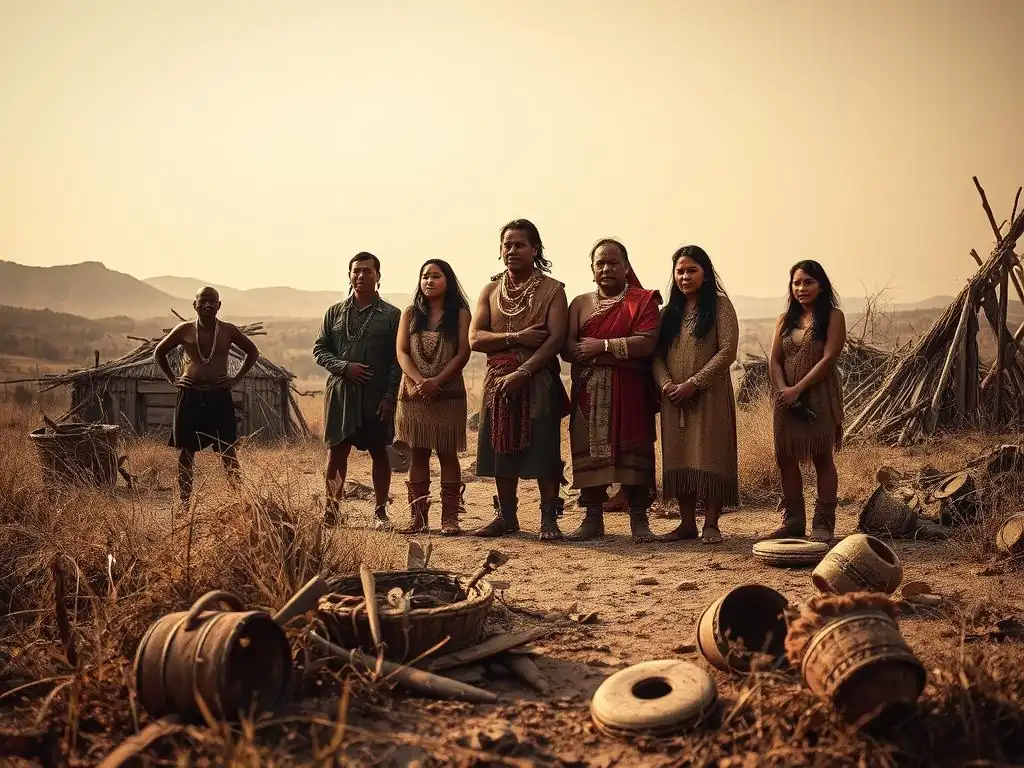
Modern-Day Struggles for Land Rights and Sovereignty
The struggle for land rights and sovereignty remains a pressing issue for many Indigenous communities across the Americas. The legacy of historical displacements has created complex socio-economic challenges that these communities face today. The impact of indigenous displacements manifests in numerous ways, including loss of traditional territories, cultural erosion, and ongoing marginalization.
Indigenous peoples often find themselves fighting against governmental policies that prioritize industrial and agricultural development over their ancestral rights. For instance, in North America, various tribes are engaged in legal battles to reclaim land that was taken from them through treaties that were often coerced or violated. The Navajo Nation, for example, has been actively working to regain control over their land, which is crucial for preserving their cultural practices and ensuring economic sustainability.
The struggle for sovereignty is also linked to a broader quest for self-determination. Many Indigenous communities are advocating for recognition not just of their land rights, but also of their governance systems. This includes the ability to manage resources, enforce laws, and protect their cultural heritage. The United Nations Declaration on the Rights of Indigenous Peoples (UNDRIP) serves as a guiding framework, promoting the idea that Indigenous nations have the right to govern themselves and make decisions regarding their lands.
The Role of Legislation in Addressing Past Displacements
Legislation plays a critical role in addressing the historical injustices that have resulted from the displacement of Indigenous peoples. Various laws and policies have been enacted to rectify past wrongs, but the effectiveness and enforcement of these measures vary widely.
In the United States, the Indian Self-Determination and Education Assistance Act of 1975 is a significant piece of legislation that aims to empower Indigenous tribes by allowing them to control their own educational and health services. However, many Indigenous leaders argue that more comprehensive reforms are needed to truly address the impact of indigenous displacements.
In Canada, the Truth and Reconciliation Commission (TRC) has highlighted the need for legal recognition of Indigenous land rights as a way to heal the wounds of colonization. The TRC’s recommendations suggest that addressing land claims is essential for restoring dignity and cultural identity to Indigenous peoples. Yet, the implementation of these recommendations has been slow and often met with resistance from government entities.
Moreover, international frameworks such as the Inter-American Commission on Human Rights provide avenues for Indigenous communities to bring attention to their plight, but these processes can be lengthy and fraught with challenges. The intersection of law, policy, and historical context indicates a complex landscape where the impact of indigenous displacements continues to be felt.
Activism and Movements for Indigenous Rights Today
In recent years, there has been a resurgence of activism and movements focused on Indigenous rights, highlighting the ongoing impact of indigenous displacements. Grassroots organizations and leaders have mobilized to advocate for land rights, cultural preservation, and environmental justice.
One notable movement is the Idle No More campaign in Canada, which emerged in response to legislative changes that threatened Indigenous land and rights. This movement emphasizes the need for Indigenous voices to be at the forefront of discussions regarding land management and environmental protection. Activists have organized protests, educational events, and community gatherings to raise awareness about the issues facing Indigenous peoples.
Similarly, in the United States, the Standing Rock Sioux Tribe gained international attention for their resistance against the Dakota Access Pipeline, which threatened their water supply and sacred lands. This resistance not only highlighted the critical issue of environmental justice but also showcased the resilience and unity of Indigenous communities in the face of ongoing threats to their sovereignty.
Moreover, social media has become a powerful tool for Indigenous activists, allowing them to share their stories, mobilize support, and connect with allies across the globe. Platforms like Twitter and Instagram have amplified Indigenous voices, making it easier to raise awareness about the impacts of displacements and the need for systemic change.
Contemporary issues related to the impact of indigenous displacements encompass a wide range of struggles for land rights, the role of legislation, and vibrant activism. These elements are crucial in understanding the long-term effects on Indigenous communities and their ongoing fight for justice and recognition.
Solutions and Pathways to Healing for Indigenous Communities
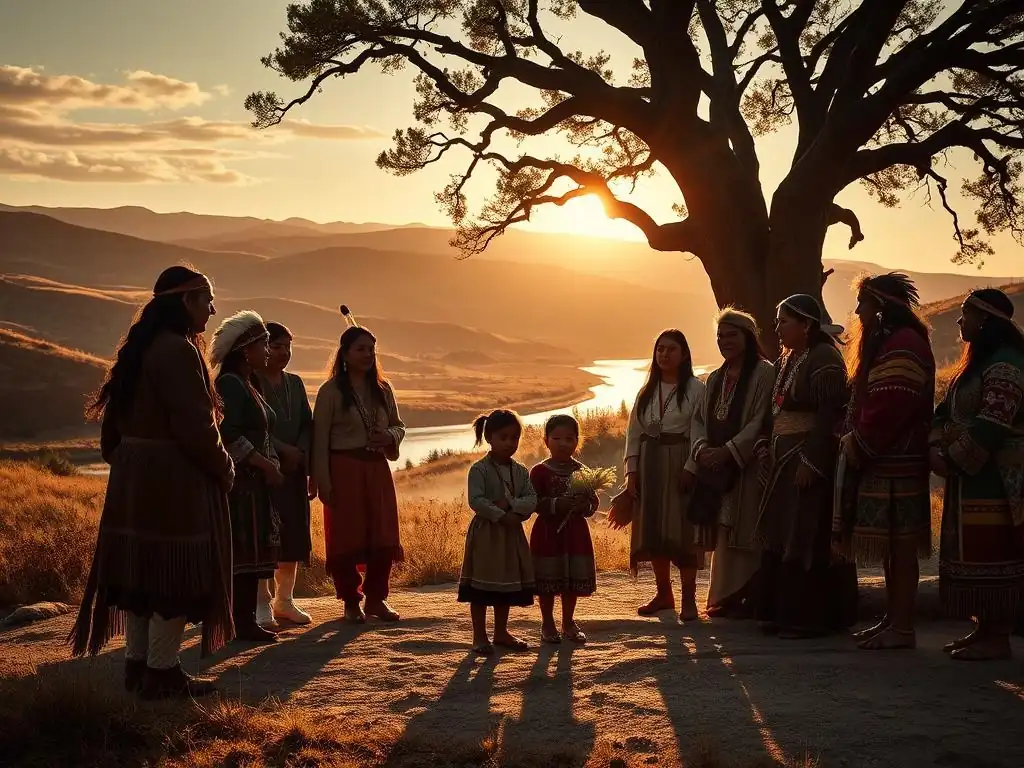
The long-term displacements of Indigenous peoples have resulted in profound challenges, yet numerous solutions and pathways to healing are emerging as communities work toward reclaiming their identities, rights, and livelihoods. Addressing the impact of indigenous displacements requires a multifaceted approach that encompasses cultural, economic, and legal dimensions. Below, we explore three key areas where Indigenous communities are actively engaging in solutions to heal from historical injustices and foster sustainable futures.
Rebuilding Cultural Identity Post-Displacement
Reestablishing cultural identity is vital for Indigenous communities recovering from displacements. This process often involves:
- Language Revitalization: Many Indigenous groups are implementing language revitalization programs to teach younger generations their ancestral languages. For instance, initiatives like the Kānaka Maoli (Native Hawaiian) language immersion schools have shown promising results in preserving language and culture.
- Cultural Education and Traditions: Communities are organizing workshops and events to revive traditional practices such as storytelling, dance, and crafts. These activities not only foster cultural pride but also strengthen community bonds.
- Intergenerational Knowledge Transfer: Elders play a crucial role as knowledge keepers. Programs that facilitate mentorship between elders and youth help in passing down essential cultural teachings, ensuring that traditions are preserved for future generations.
Cultural identity is not just a matter of heritage; it is the foundation upon which we build our future.
– Anonymous
Economic Initiatives for Empowerment and Sustainability
Economic empowerment is essential for Indigenous communities seeking to rebuild after displacement. Several initiatives focus on sustainability and self-sufficiency:
- Community-Based Enterprises: Many Indigenous groups are developing small businesses that leverage traditional skills and resources. For example, the Zuni Pueblo has successfully launched enterprises in pottery and jewelry-making, which not only provide income but also promote cultural heritage.
- Sustainable Agriculture: Reviving traditional agricultural practices, such as the Three Sisters method (corn, beans, and squash), helps communities reconnect with their land while promoting food sovereignty. These practices are often paired with modern techniques to enhance productivity and sustainability.
- Tourism and Ecotourism: Indigenous-led tourism initiatives can provide economic benefits while promoting cultural awareness. By sharing their history and traditions with visitors, communities can create revenue streams that support local economies and cultural preservation.
Collaborative Efforts for Land Restoration and Sovereignty
Restoring land and sovereignty remains a critical factor in addressing the impact of indigenous displacements. Collaborative efforts are increasingly becoming a focal point for Indigenous advocacy:
- Legal Advocacy and Policy Change: Indigenous organizations are actively working to reclaim land through legal channels. High-profile cases, such as the Standing Rock Sioux Tribe's fight against the Dakota Access Pipeline, highlight the importance of legal advocacy in protecting sacred lands.
- Partnerships with Nonprofits and Government Agencies: Building alliances with environmental and human rights organizations can amplify Indigenous voices in land restoration efforts. Collaborative projects often focus on sustainable land management and conservation practices that respect Indigenous knowledge.
- Public Awareness Campaigns: Grassroots movements are crucial for raising awareness about the rights of Indigenous peoples. Campaigns that educate the public on the significance of land and sovereignty can foster solidarity and support for Indigenous-led initiatives.
The impact of indigenous displacements is profound, but through cultural revitalization, economic empowerment, and collaborative land restoration efforts, Indigenous communities are forging pathways toward healing and resilience. These initiatives not only address the historical injustices faced by Indigenous peoples but also lay the groundwork for a more sustainable and equitable future.
Conclusion: Understanding the Long-Term Impact of Indigenous Displacements
The legacy of indigenous displacements is profound and multifaceted, impacting not just the immediate communities affected, but also shaping the broader cultural, social, and political landscapes of the Americas. The ongoing ramifications of these displacements can be seen in the psychological, economic, and environmental challenges faced by indigenous peoples today. Understanding these long-term effects is crucial for creating pathways toward reconciliation and justice.
Reflection on the Historical and Ongoing Struggles
The historical narrative of indigenous displacements often reveals a cycle of trauma that has been perpetuated through generations. From the initial European conquests to the forced removals of the 19th and 20th centuries, indigenous communities have faced systematic efforts to erase their cultures and displace them from their ancestral lands. The consequences of these actions are not merely historical; they continue to resonate today.
- Cultural Erosion: Displacement has led to a significant loss of language, traditions, and cultural practices. Many indigenous languages are at risk of extinction, which further complicates cultural transmission and community identity.
- Socioeconomic Challenges: Economic disenfranchisement is a direct result of land dispossession. Indigenous communities often face higher rates of poverty, unemployment, and limited access to education and healthcare.
- Environmental Impact: Displacement has frequently resulted in the degradation of the land. Traditional ecological knowledge, which is vital for sustainable living, has been undermined, leading to environmental issues that disproportionately affect indigenous peoples.
The historical struggles faced by these communities have laid the groundwork for ongoing advocacy and resistance. Today, many indigenous groups are reclaiming their identities and fighting for recognition, reparations, and the restoration of their rights.
The Importance of Acknowledging Indigenous Voices and Experiences
Acknowledging the voices and experiences of indigenous peoples is essential for understanding the impact of indigenous displacements. Their narratives provide critical insights into the consequences of colonialism and the resilience of these communities.
- Storytelling as Healing: Indigenous storytelling traditions play a crucial role in preserving history and culture. By sharing their experiences, indigenous peoples can educate others about the impact of displacements and the significance of their struggles.
- Empowerment through Representation: Incorporating indigenous perspectives in discussions about land rights, cultural preservation, and environmental stewardship fosters greater understanding and respect for their sovereignty. This representation can also challenge dominant narratives that have historically marginalized indigenous voices.
- Collaborative Approaches: Working alongside indigenous communities to address historical injustices promotes healing and mutual respect. Initiatives that prioritize indigenous knowledge systems and governance models can lead to more sustainable and equitable solutions.
By amplifying indigenous voices, society can better grasp the complexities surrounding indigenous displacements and work toward a more inclusive narrative that honors their histories and rights.
Call to Action: Supporting Indigenous Rights and Sovereignty
The journey toward rectifying the impacts of indigenous displacements requires collective action. Here are some ways individuals and organizations can support indigenous rights and sovereignty:
- Educate Yourself and Others: Understanding the history of indigenous displacements and their current ramifications is crucial. Share knowledge within your community to raise awareness about these issues.
- Advocate for Policy Change: Support legislation that recognizes and protects indigenous land rights, cultural heritage, and self-determination. Advocacy can take many forms, from writing letters to elected officials to participating in local activism.
- Support Indigenous Businesses and Initiatives: Invest in indigenous-led projects and enterprises which aim to empower communities economically and culturally. This can help foster resilience and sustainability.
- Engage in Allyship: Stand in solidarity with indigenous communities by listening to their needs and prioritizing their voices in discussions about their rights and futures. Use your platform to amplify indigenous perspectives.
The impact of indigenous displacements is a critical issue that requires ongoing attention and action. By embracing a collaborative approach and supporting indigenous rights, we can contribute to the healing and empowerment of these resilient communities.
Frequently Asked Questions
What are the main themes explored in the article?
The article delves into the historical sovereignty of indigenous peoples, their cultural achievements, and the long-term impacts of their displacements due to colonization.
How did European colonization affect indigenous cultures?
European colonization led to significant disruptions in indigenous societies, resulting in a loss of land, resources, and cultural practices that have had lasting effects on their communities.
What does the article suggest about the legacy of indigenous displacements?
The article emphasizes the ongoing struggles faced by indigenous peoples as a result of displacements, highlighting their resilience and efforts to reclaim their heritage and rights.
Why is it important to study the impact of indigenous displacements?
Understanding the impact of indigenous displacements is crucial for recognizing the historical injustices faced by these communities and advocating for their rights and reparations today.
What can be done to support indigenous communities today?
Supporting indigenous communities involves promoting awareness, advocating for land rights, and preserving their cultural heritage while addressing the social and economic challenges they continue to face.
Final Reflection: The Enduring Impact of Indigenous Displacements
The long-term displacements of Indigenous peoples remain a pressing issue that resonates deeply in today's world. As we navigate the complexities of modern society, the historical injustices faced by Indigenous communities continue to shape their realities and the broader socio-political landscape. The impact of Indigenous displacements is not merely a relic of the past; it is a contemporary struggle that demands our attention and action.
Cultural identity, community cohesion, and land rights are intricately tied to the experiences of Indigenous peoples. The ongoing displacement has not only disrupted their traditional ways of life but has also fostered resilience and a powerful movement for justice. As Indigenous voices rise to reclaim their narratives, we are reminded of the importance of acknowledging their struggles. Injustice anywhere is a threat to justice everywhere.
– Martin Luther King Jr. This quote resonates profoundly as we consider the interconnectedness of all struggles for rights and recognition.
As you reflect on the themes presented in this article, I invite you to consider your role in addressing the impact of Indigenous displacements. How can you contribute to fostering understanding, supporting Indigenous rights, and advocating for justice? Each of us has the power to make a difference, whether through education, activism, or simply by listening to and amplifying Indigenous voices. Together, we can honor the past while working towards a more equitable future for all.
Take Action: Stand with Indigenous Peoples Today!
Thank you for joining us on this important journey through the struggles and resilience of Indigenous peoples. Your engagement enriches the conversation and helps amplify the voices and stories that deserve to be heard. Now, let’s turn that insight into action!
- Join an Indigenous Advocacy Group: Get involved with local organizations that support Indigenous rights and justice. Your voice can help drive meaningful change!
- Share Your Knowledge: Discuss what you’ve learned with friends and family to raise awareness and promote a deeper understanding of Indigenous issues.
- Explore Indigenous Cultures: Attend cultural events, read literature, or watch documentaries to gain a greater appreciation of Indigenous histories and contributions.
What actions will you take today to help elevate the voices of Indigenous peoples in your community?