
The Creation Myth: The Popol Vuh and Its Significance in Mayan Culture

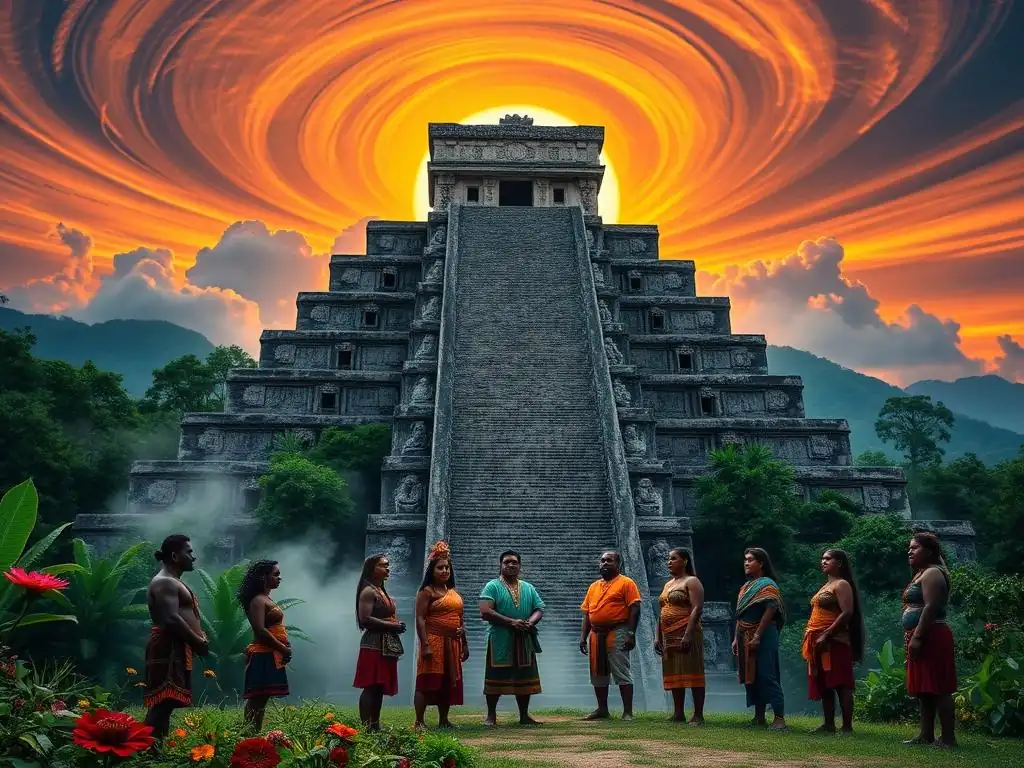
Welcome to Indigenous Civilizations of the Americas, where we invite you to embark on a journey through the rich tapestry of indigenous cultures that flourished across the Americas long before European contact. In our featured article, we delve into the Mayan creation myth, exploring the profound significance of the Popol Vuh in shaping Mayan identity and worldview. What secrets does this ancient text hold about the Mayan people and their understanding of existence? Join us as we uncover the mysteries and marvels of these remarkable civilizations, igniting your curiosity to learn more about their enduring legacy.
The Popol Vuh stands as one of the most significant texts in understanding the rich tapestry of Mayan culture and mythology. Serving not only as a sacred narrative but also as a historical record, the Popol Vuh encapsulates the beliefs, values, and cosmology of the Maya civilization before European colonization.
This article delves into the Mayan creation myth significance, exploring the intricate stories woven within its pages, the profound impact it has on the Mayan worldview, and its enduring legacy in contemporary indigenous identity. By examining the themes and characters within the Popol Vuh, we can better appreciate the depth of Mayan spirituality and its relevance in today’s cultural landscape.
Introduction to the Popol Vuh
Overview of the Popol Vuh as a Sacred Text
The Popol Vuh, often referred to as the "Book of the People," is an essential document in the study of Mayan civilization. Written in the 16th century in the K'iche' language, it serves as a foundational text that preserves the mythology, history, and cultural practices of the Maya. The narrative begins with the creation of the world and the gods' attempts to create humanity, showcasing the complex relationship between the divine and the mortal realms. The text is divided into several sections, detailing creation myths, the adventures of the Hero Twins, and the early history of the K'iche' people.
- Key Features of the Popol Vuh:
- Cultural Significance: Reflects the spiritual beliefs and societal values of the Maya.
- Historical Context: Provides insights into pre-Columbian life and post-conquest adaptations.
- Literary Merit: Recognized for its narrative structure and poetic language.
Importance of the Popol Vuh in Mayan Culture
The Popol Vuh holds immense significance within Mayan culture, serving as a cornerstone for understanding their worldview, spirituality, and social order. It acts as both a historical record and a spiritual guide, influencing rituals, ceremonies, and community identity. The stories contained within the Popol Vuh are not merely myths; they are integral to the Mayan understanding of life, death, and the cosmos.
- Cultural Roles:
- Mythological Framework: Establishes the foundational myths that inform social norms and practices.
- Educational Tool: Used to teach values and ethics within the community.
- Spiritual Guide: Offers insights into the divine and the nature of existence.
The Mayan Creation Myth
Key Themes in the Mayan Creation Myth
The creation myth as depicted in the Popol Vuh is rich with themes that resonate deeply within Mayan culture. It explores the origins of humanity, the relationship between humans and the gods, and the cyclical nature of life. Some of the prominent themes include:
- Creation and Destruction: The gods' repeated attempts to create humans, leading to various failed attempts before the successful creation of corn-based humans.
- Duality: The balance between light and darkness, life and death, which reflects the Maya's understanding of the universe.
- Interconnectedness: The relationship between humans, nature, and the divine, emphasizing a holistic worldview.
Characters and Deities in the Popol Vuh
The Popol Vuh is populated with a myriad of characters and deities that embody various aspects of the Mayan cosmology. Key figures include:
- Tepeu and Gucumatz: The principal creator gods who initiate the creation of the world.
- The Hero Twins (Hunahpú and Xbalanqué): Central characters who embody bravery and cleverness; their adventures symbolize the struggle against adversity.
- The Earth and Corn: Often personified, representing the sustenance and foundation of Mayan life.
In understanding these themes and characters, we gain invaluable insight into the Mayan creation myth significance and the myriad ways it shapes the identity and beliefs of the Mayan people.
The Significance of the Mayan Creation Myth
The Mayan creation myth, primarily encapsulated in the Popol Vuh, holds profound significance within Mayan culture. This text serves not only as a religious doctrine but also as a historical narrative that captures the essence of Mayan cosmology, philosophy, and identity. The myth explains how the world was created, detailing the origins of humanity and the relationship between the divine and the earthly realm.
By intertwining spiritual beliefs with practical life, the Popol Vuh offers insights into how the Mayans understood their place in the universe. The creation myth emphasizes themes of balance, duality, and harmony—principles that resonate deeply in Mayan society. The importance of the Popol Vuh is further underscored by its role in preserving language, traditions, and cultural practices that define the Mayan people.
Spiritual and Religious Implications of the Creation Myth
The Popol Vuh is replete with spiritual and religious implications, portraying a complex pantheon of gods who interact with the world. The narrative describes the creation of the Earth, the sky, and the first humans, emphasizing the sacred nature of life. The gods' attempts and failures in creating humans reflect the Mayans' understanding of the divine as active participants in the world.
This creation myth serves as a moral framework, guiding Mayans in their spiritual practices and daily lives. The belief that humans were created from maize, a staple food, illustrates the deep connection between agriculture, sustenance, and spirituality. Rituals, ceremonies, and offerings are often inspired by the teachings found in the Popol Vuh, showcasing the text’s enduring influence on religious practices.
Cultural Identity and Heritage Reflected in the Creation Story
The Popol Vuh is a cornerstone of Mayan cultural identity, preserving the values, beliefs, and history of the Maya people. The creation myth reflects the intricacies of Mayan worldview, emphasizing the significance of nature, community, and ancestral heritage. Through the narrative, the Mayans convey their understanding of life cycles, the importance of the natural world, and the interconnectedness of all beings.
The myth also serves as a source of pride and unity among the Mayan communities. By recounting the origins of their people and the divine interventions in their history, the Popol Vuh fosters a sense of belonging and continuity. This cultural heritage is not only vital for the identity of the Mayan people but also for the preservation of their languages, ceremonies, and traditional practices.
The Role of the Popol Vuh in Mayan Society
The Popol Vuh played a central role in shaping the intellectual and spiritual landscape of Mayan society. As a foundational text, it influenced various aspects of life, from governance to education, and provided a shared narrative that connected past generations with the present.
Educational Aspects of the Popol Vuh
In Mayan society, the Popol Vuh served as an educational tool, imparting moral lessons, cultural values, and historical knowledge to new generations. The storytelling tradition inherent in the Popol Vuh allows for the oral transmission of wisdom, fostering a sense of community and collective memory.
Schools and temples often utilized the text to educate young Mayans about their origins, responsibilities, and the significance of their cultural practices. By instilling a deep understanding of their mythological roots, the Popol Vuh ensured that the teachings and values would endure through time, even amidst challenges faced by the Mayan civilization.
Influence on Mayan Art and Literature
The impact of the Popol Vuh extends beyond religion and education; it has significantly influenced Mayan art and literature. Artistic representations of creation events, deities, and the heroic journeys depicted in the text can be found in murals, pottery, and carvings throughout ancient Mayan cities.
Moreover, the themes and characters of the Popol Vuh have inspired countless works of literature, both ancient and contemporary. The narrative's influence can be seen in various forms of storytelling, where the motifs of creation, struggle, and redemption resonate with broader human experiences. Thus, the Popol Vuh remains a vital source of inspiration and creativity, reflecting the enduring legacy of Mayan culture.
Historical Context of the Popol Vuh
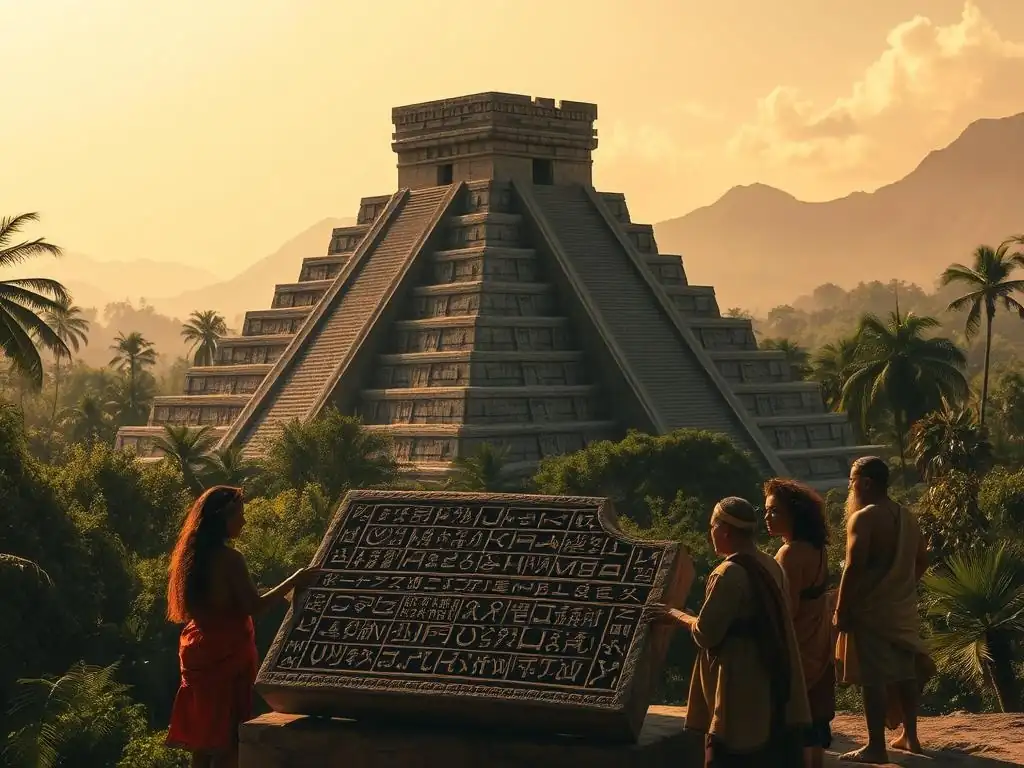
The Popol Vuh, often referred to as the "Council Book," is a crucial text that encapsulates the mythological and cultural heritage of the Maya civilization. It serves as a foundation for understanding the beliefs, values, and historical narratives of the Maya people, particularly those of the K'iche' Maya in the highlands of Guatemala. The significance of the Popol Vuh extends beyond its narrative, as it embodies the fusion of pre-Columbian traditions with post-conquest influences, particularly after the Spanish colonization.
Origins and Historical Background of the Text
The origins of the Popol Vuh can be traced back to the pre-Columbian era, where oral traditions were predominant. The text itself is believed to have been composed in the early 16th century, shortly after the Spanish conquest of the region. The K'iche' Maya, seeking to preserve their cultural identity amidst colonial pressure, transcribed their creation myths, cosmology, and historical accounts in the Quiché language using Latin script. This transcription was not merely a historical record but also an act of resistance against cultural erasure, reflecting the community's desire to maintain their ancestral heritage.
The Popol Vuh narrates the creation of the world, the adventures of the Hero Twins, and the emergence of humanity. It is a rich tapestry of symbolism and spiritual significance, illustrating the Maya worldview, where gods and humans are intertwined in a complex relationship involving creation, destruction, and rebirth.
Transmission and Preservation of the Popol Vuh
The preservation of the Popol Vuh is a remarkable story of survival. After its initial transcription, the text faced many challenges, including the destruction of indigenous texts and suppression of local beliefs by colonial authorities. However, the Popol Vuh survived primarily through oral tradition, passed down through generations of K'iche' speakers.
In the 18th century, a Spanish friar named Francisco Ximénez played a pivotal role in preserving the Popol Vuh. He translated the text into Spanish from the K'iche' version, ensuring that this essential narrative would not be lost to time. Ximénez's work provided access to the Popol Vuh for a broader audience, contributing to its recognition as a significant literary and historical document. Today, various translations and interpretations exist, allowing scholars and enthusiasts worldwide to explore its themes and meanings.
Modern Interpretations of the Mayan Creation Myth
In contemporary society, the Popol Vuh continues to resonate with various audiences, providing insights into the beliefs and values of the Maya civilization. Modern interpretations often explore themes of identity, spirituality, and cultural resilience, shedding light on the ways in which these ancient narratives influence present-day life.
Contemporary Relevance of the Popol Vuh
The Popol Vuh holds considerable relevance in discussions about indigenous identity and cultural heritage. For many Maya people, it is not merely an ancient text but a living document that informs their spiritual practices and cultural expressions. The themes of creation, duality, and the relationship between humans and the cosmos resonate profoundly in contemporary Maya communities, where traditional beliefs are often blended with modern practices.
Scholars and activists frequently reference the Popol Vuh in discussions about indigenous rights and cultural preservation. Its emphasis on respect for nature and community solidarity serves as a foundation for contemporary movements advocating for environmental justice and the recognition of indigenous knowledge systems.
Impact on Modern Maya Communities
The impact of the Popol Vuh on modern Maya communities is significant. It serves as a source of pride and cultural identity, empowering individuals to connect with their roots. Cultural events, rituals, and artistic expressions often draw inspiration from the narratives and symbols found within the Popol Vuh.
Moreover, educational initiatives aimed at revitalizing Indigenous languages and cultures frequently incorporate the teachings of the Popol Vuh. By fostering a deeper understanding of their history, the Maya people can reclaim their narratives and assert their place in the contemporary world. Through storytelling, art, and community engagement, the Popol Vuh continues to inspire and unify Maya communities, ensuring that their rich cultural heritage endures for future generations.
Conclusion
The Mayan creation myth, as encapsulated in the Popol Vuh, serves as a profound narrative that not only explains the origins of the world and humanity but also reflects the values, beliefs, and social structures of the ancient Maya civilization. Through its rich symbolism and intricate storytelling, the Popol Vuh has remained a cornerstone of Mayan culture, influencing various aspects of life from religion to art.
Recap of the Significance of the Mayan Creation Myth
The significance of the Mayan creation myth extends beyond mere storytelling; it is a vital component of the cultural identity and spiritual beliefs of the Maya. The Popol Vuh illustrates key concepts such as the relationship between humans and the divine, the importance of nature, and the cycles of life and death. It emphasizes the notion of creation through struggle and the essential role of the gods in shaping the world and guiding human destiny.
In addition to its theological implications, the Popol Vuh serves as a historical document that provides insights into the social organization, agricultural practices, and cosmological views of the Maya. It lays the groundwork for understanding their rituals and ceremonies, which were often intertwined with the themes present in the creation myth. Thus, the Popol Vuh is not merely a text; it is a living embodiment of the Mayan worldview, illustrating the interconnectedness of life, nature, and the universe.
Lasting Legacy of the Popol Vuh in Mayan Culture
The lasting legacy of the Popol Vuh can be observed in various facets of contemporary Mayan culture. The myth continues to inspire artistic expressions, including traditional dance, music, and visual arts, where themes from the creation story are vividly depicted. Craftspeople and artists often draw upon the rich imagery and symbolism found within the Popol Vuh, ensuring that these ancient narratives remain vibrant in cultural memory.
Moreover, the teachings and moral lessons derived from the Popol Vuh are still relevant in the lives of many modern Maya. The emphasis on respect for nature, community, and the spiritual world resonates deeply within contemporary practices and beliefs. The Popol Vuh has also become a vital tool for cultural preservation, as it helps to educate younger generations about their heritage and identity.
The Popol Vuh is not just a relic of the past; it is a dynamic text that continues to shape the cultural landscape of the Maya today, echoing its significance throughout the ages. Through its enduring presence, the Mayan creation myth reinforces the importance of understanding and honoring indigenous narratives in a world that increasingly seeks to acknowledge and celebrate cultural diversity.
- Introduction to the Popol Vuh
- The Mayan Creation Myth
- The Significance of the Mayan Creation Myth
- The Role of the Popol Vuh in Mayan Society
- Historical Context of the Popol Vuh
- Modern Interpretations of the Mayan Creation Myth
- Conclusion
Frequently Asked Questions
What is the Popol Vuh?
The Popol Vuh is a sacred text of the Maya civilization, detailing their creation myth, gods, and the origins of humanity, reflecting the cultural beliefs and values of the Maya.
How does the Mayan creation myth relate to their society?
The Mayan creation myth emphasizes the importance of balance and harmony in life, influencing their social structures, religious practices, and interactions with the natural world.
Why is the Popol Vuh considered significant?
The Popol Vuh is significant because it serves as a historical document, preserving the Mayan worldview, cosmology, and cultural identity, while also providing insight into their spiritual beliefs.
What themes are prominent in the Mayan creation myth?
Prominent themes in the Mayan creation myth include the struggle between good and evil, the role of gods, and the quest for knowledge, which are central to understanding Maya philosophy and religion.
How does the Mayan creation myth influence modern culture?
The Mayan creation myth continues to influence modern culture by inspiring art, literature, and spiritual practices, and it serves as a reminder of the rich heritage of Indigenous peoples in the Americas.
Final Reflection: The Enduring Significance of the Mayan Creation Myth
The exploration of the Popol Vuh reveals its profound relevance in understanding not only the Mayan worldview but also the universal themes of creation and existence. In a world increasingly driven by scientific explanations, the myth serves as a reminder of the rich tapestry of human experience and belief that shapes our understanding of life. The Popol Vuh is not merely a relic of the past; it is a living narrative that continues to resonate with contemporary audiences, urging us to reflect on our origins and the values we hold dear.
Cultural narratives like the Popol Vuh have a lasting impact on identity and community cohesion. The significance of this creation myth extends beyond its historical context; it influences art, literature, and spiritual practices among the Maya and beyond. As we navigate a globalized world, the lessons embedded in the Popol Vuh about harmony, respect for nature, and the interconnectedness of all beings remain crucial. The stories we tell shape the world we live in.
This quote encapsulates the essence of how myths like the Popol Vuh continue to mold our cultural landscapes and personal identities.
As you reflect on the themes presented in this article, consider how the Mayan creation myth can inspire you in your own life. What stories do you hold that define your identity and values? Embrace the opportunity to explore your own narratives and recognize their power in shaping your worldview. Let the wisdom of the Popol Vuh guide you toward a deeper understanding of your place in the universe, encouraging you to honor the stories that connect us all.
Unveil the Richness of Mayan Wisdom
Thank you for joining us on this journey through the fascinating world of the **Popol Vuh**! We hope you’ve gained a deeper understanding of its significance in Mayan culture and the extraordinary stories that shape their worldview. Now that you’re inspired, here are some actionable steps you can take to further explore this incredible heritage:
- Dive into the Popol Vuh: Read an English translation of the text or explore local libraries that offer Mayan literature to enhance your comprehension.
- Share your Insights: Discuss the themes of creation and identity found in the **Popol Vuh** with friends or in online communities to inspire others.
- Connect with Mayan Culture: Attend workshops or cultural events in your area, or engage in online forums to immerse yourself in the rich traditions and philosophies of the Mayan people.
What resonates most with you about the myths and values expressed in the **Popol Vuh**, and how might they influence your perspective on creation stories today?