
The Duality of Life: Understanding the Inca Concept of Hanan and Hurin

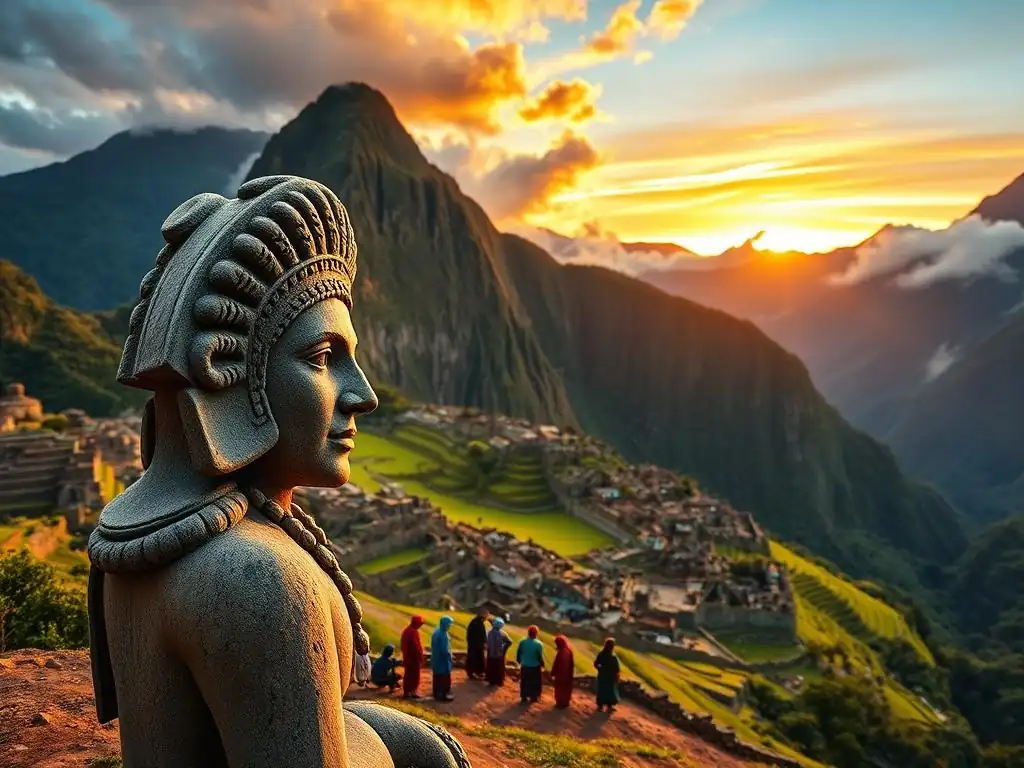
Welcome to Indigenous Civilizations of the Americas, where we invite you to embark on a journey through the rich tapestry of pre-colonial cultures that shaped the Americas. In our featured article, “The Duality of Life: Understanding the Inca Concept of Hanan and Hurin,” we delve into the fascinating Inca belief in duality—a concept that reveals how their world was intricately balanced between opposites.
This exploration not only highlights the remarkable achievements of the Inca civilization but also invites you to uncover the profound philosophies that continue to resonate today. Prepare to be captivated as we unravel the threads of history and culture that define these extraordinary societies.
Introduction to Inca Duality Concept Explained
The Inca civilization, one of the most sophisticated and influential societies in pre-Columbian America, had a profound understanding of duality that permeated their culture, religion, and daily life. Central to this understanding is the concept of Hanan and Hurin, which represents the dual aspects of existence, encompassing the ideas of high and low, light and dark, and the balance of opposing forces.
This duality is not merely a philosophical notion but is deeply embedded in the Inca worldview, influencing their social structure, rituals, and relationship with the cosmos. By exploring the Inca duality concept, we gain insight into how these ancient people perceived their environment, their deities, and the interconnectedness of all life.
Definition of Inca Duality
The Inca duality concept revolves around the terms Hanan (the upper world) and Hurin (the lower world).
- Hanan represents:
- Spirituality
- Power
- Light
- The celestial realm
- Hurin embodies:
- Earthly matters
- Humility
- Darkness
- The material realm
This duality is essential in understanding Inca cosmology, where every element of life is interconnected, reflecting a balance that must be maintained. It signifies the importance of both realms and their contributions to the holistic existence of the Inca people.
Importance of Hanan and Hurin in Inca Culture
The duality of Hanan and Hurin plays a vital role in various aspects of Inca culture:
- Social Structure:
- The Inca society was organized into a hierarchy reflecting this duality, with rulers (Hanan) at the top and commoners (Hurin) at the base.
- Religious Practices:
- Inca rituals often involved offerings and ceremonies that honored both realms, ensuring harmony and balance in their lives and the cosmos.
- Agriculture:
- Farming practices were influenced by this duality, with crops cultivated to honor both the earth (Hurin) and the sky (Hanan).
This dual understanding allowed the Incas to navigate their world with a sense of purpose and connection, recognizing that both aspects of existence were equally important for their survival and prosperity.
The Historical Context of Inca Duality
Overview of Inca Civilization
The Inca Empire, which flourished from the early 15th century until the Spanish conquest in the 16th century, was a highly advanced civilization that spanned across modern-day Peru, Ecuador, Bolivia, and parts of Chile and Argentina. The Incas are renowned for their architectural achievements, such as Machu Picchu, and their sophisticated agricultural practices, which included terrace farming and extensive irrigation systems.
Despite their impressive accomplishments, the foundation of Inca society was deeply rooted in spirituality and a rich mythological framework that guided their understanding of life and the universe. The concept of duality was not just a philosophical idea; it was a practical guide that influenced governance, social roles, and even interactions with neighboring cultures.
The Role of Religion and Mythology in Inca Society
Religion and mythology were central to Inca life, serving as the bedrock of their social and political systems. The Incas worshiped a pantheon of gods, with Inti (the sun god) and Pachamama (the earth goddess) being particularly significant.
- Religious beliefs shaped:
- Daily activities
- Agricultural cycles
- Seasonal festivals
The emphasis on duality in their myths highlighted the need for balance and reciprocity in all aspects of life. For example, the interplay between Hanan and Hurin was reflected in their creation stories, which emphasized the interdependence of the celestial and earthly realms. This understanding fostered a culture that valued harmony, respect for nature, and a profound connection to the environment.
The Inca concept of Hanan and Hurin illustrates the complexity and richness of Inca thought, revealing how duality was not just an abstract idea but a vital component of their existence, guiding their actions and shaping their legacy in the annals of history.
The Concept of Hanan: The Upper World
The Inca civilization harbored a profound understanding of duality, particularly embodied in the concepts of Hanan and Hurin. Hanan, representing the Upper World, is intricately linked to the heavens, light, and the divine order. This concept is not merely geographical; it encompasses a spiritual realm where deities reside and the forces of creation and fertility are celebrated.
Meaning and Significance of Hanan
Hanan translates to "upper" or "above," symbolizing a realm of higher existence and spiritual elevation. It signifies not only the physical elevation of the mountains, which were considered sacred by the Incas, but also the moral and ethical aspirations of society. In Inca cosmology, Hanan is associated with the sun, Inti, who is revered as the primary deity. The sun's role as the giver of life and light underlines the significance of Hanan in guiding the moral compass of the Incas, denoting purity, wisdom, and community wellbeing.
Hanan's Influence on Inca Spirituality
Inca spirituality was heavily influenced by the concept of Hanan, as it provided a framework for understanding the universe's order. The Incas believed that the balance between Hanan and Hurin was crucial for harmony in life. Rituals and ceremonies were often directed toward Hanan, invoking the blessings of the gods for prosperity and abundance. The annual Inti Raymi festival, for example, celebrated the sun's return, aligning the community's agricultural practices with celestial events, thus reinforcing the connection between Hanan and the sustenance of life.
Representation of Hanan in Inca Art and Architecture
Hanan is vividly represented in Inca art and architecture, often depicted through iconography that emphasizes light, elevation, and divinity. Structures such as the Coricancha, the Temple of the Sun in Cusco, epitomize Hanan through their orientation and design, capturing sunlight at specific times of the year. Additionally, textiles and pottery often feature motifs symbolizing the sun and celestial bodies, serving as a reminder of Hanan's influence over daily life and spiritual practices.
The Concept of Hurin: The Lower World
Contrasting with Hanan, Hurin embodies the Lower World, signifying the earthly realm, darkness, and the underworld. This concept is vital in understanding the Inca worldview, as it represents the balance between the tangible and the intangible, the material and the spiritual.
Meaning and Significance of Hurin
Hurin translates to "lower" or "beneath," symbolizing a world that is rich with life, resources, and fertility, yet also associated with challenges and mortality. It represents the nurturing aspect of the earth, where crops grow and life thrives but also where death and decay are inevitable parts of existence. Hurin is tied to Pachamama, the earth goddess, who embodies fertility and sustenance, highlighting the importance of respecting and nurturing the land.
Hurin's Role in Inca Beliefs and Practices
The role of Hurin in Inca beliefs is foundational, as it emphasizes the interconnectedness of life and death. The Incas recognized that every life cycle involves both creation and destruction, thus rituals honoring Hurin were essential. Agricultural practices, such as planting and harvesting, were deeply rooted in the worship of Pachamama, ensuring that the earth was honored and its gifts appreciated. Additionally, funerary customs often involved offerings to Hurin, acknowledging the cycle of life and the importance of ancestors.
Representation of Hurin in Inca Art and Architecture
Hurin is represented in Inca art and architecture through themes of fertility and the earth’s richness. Ceramics and textiles frequently feature motifs of crops, animals, and the natural world, celebrating the life that springs from Hurin. Inca architecture, such as terraced agricultural systems, exemplifies the relationship between the people and the land, showcasing how they adapted to and respected the environment. Furthermore, burial sites and tombs often reflect the significance of ancestors and the continuity of life through the remembrance of Hurin.
The Interplay Between Hanan and Hurin
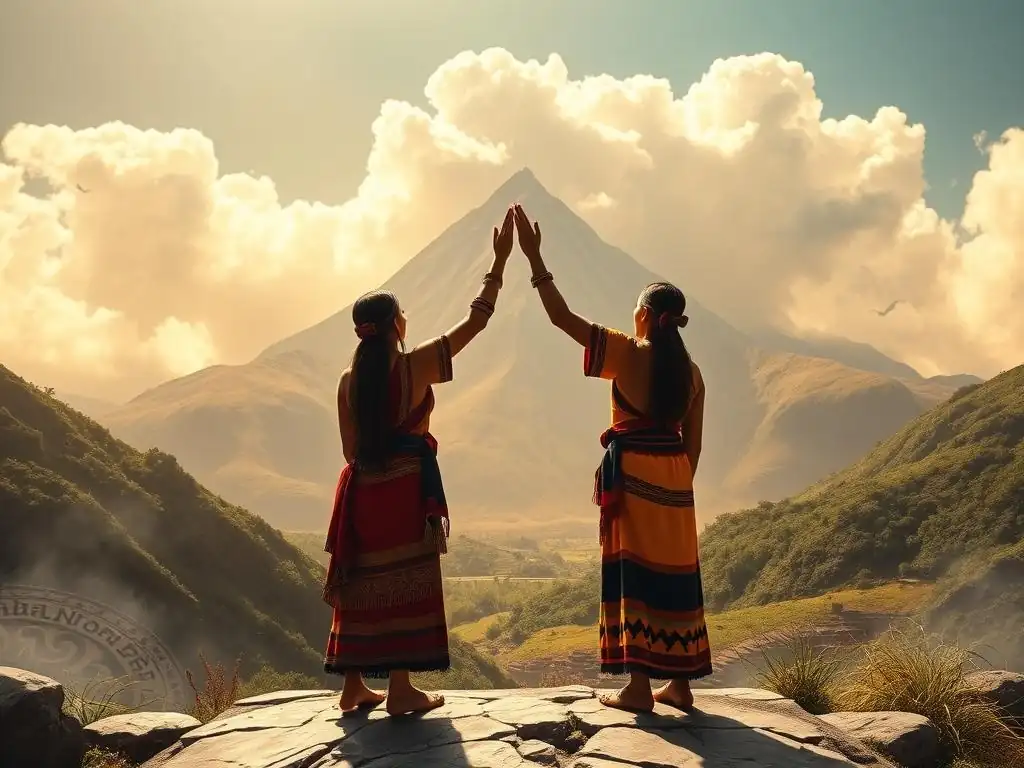
The Inca concept of duality is intricately woven into the fabric of their cosmology, especially illustrated through the forces of Hanan and Hurin. Hanan, often associated with the upper world, embodies ideals such as light, the sky, and the divine. In contrast, Hurin represents the lower world, encompassing the earth, darkness, and the material realm. This interplay between the two forces is not merely oppositional; rather, it fosters a dynamic relationship that underscores the importance of balance and harmony in Inca thought.
In Inca mythology, the duality of Hanan and Hurin is reflected in various aspects of life, from agriculture to governance. The cycles of nature, such as the changing of seasons, are seen as manifestations of this duality, where both forces must coexist for life to flourish. The Inca believed that neglecting either aspect could lead to imbalances, resulting in chaos or disharmony. This perspective encourages a holistic understanding of existence, where every element—whether celestial or terrestrial—plays a crucial role in the sustenance of life.
How Hanan and Hurin Complement Each Other
Hanan and Hurin complement each other through their interdependent characteristics. While Hanan is often viewed as the source of creativity, inspiration, and spiritual elevation, Hurin grounds these ideals in reality, ensuring that they manifest in the physical world. This relationship emphasizes that spiritual aspirations must be rooted in tangible experiences, thus creating a complete cycle of existence.
A vivid example of this complementarity can be found in Inca agricultural practices. The Incas revered the Pachamama (Mother Earth) and Inti (the Sun God), symbolizing Hurin and Hanan respectively. Farmers would perform rituals to honor both deities, acknowledging that successful harvests required both the nurturing qualities of the earth and the life-giving energy of the sun. This practice reflects a deep understanding that spiritual and material realms are not separate; rather, they are intertwined and mutually reinforcing.
The Balance of Duality in Inca Cosmology
Inca cosmology places a significant emphasis on balance, highlighting that the equilibrium between Hanan and Hurin is essential for harmony in the universe. This balance is represented in various cultural elements, including art, architecture, and social structures. The Incas constructed their cities and temples with careful attention to the principles of duality, often aligning structures to celestial bodies, thus merging earthly and heavenly elements.
Moreover, the Inca social hierarchy mirrored this duality. Leaders (often associated with Hanan) were expected to govern wisely and benevolently, ensuring that the needs of the common people (linked to Hurin) were met. This interconnectedness of leadership and community served to maintain societal stability, reflecting the overarching Inca belief that societal well-being depended on the balance of dual forces.
Rituals and Practices Reflecting Inca Duality
The Inca civilization developed numerous rituals and practices that reflect their understanding of duality. One of the most significant practices was the offering of llamas and other goods to both Hanan and Hurin during ceremonial events. These offerings were intended to appease both realms, ensuring favor from the divine while also honoring the material world.
Another important ritual was the Inti Raymi festival, a celebration of the sun that underscored the significance of Hanan. During this festival, offerings were made to the sun god, while also recognizing the earth's role in sustaining life. This dual acknowledgment illustrated the Inca’s commitment to maintaining balance between the celestial and terrestrial, a core principle of their spiritual and social lives.
The Impact of Inca Duality on Contemporary Indigenous Cultures
The concept of Hanan and Hurin continues to resonate within contemporary indigenous cultures, influencing their beliefs, practices, and worldviews. Many modern communities still uphold the principles of duality, recognizing the importance of balance between spiritual and material aspects of life. This enduring legacy serves as a testament to the resilience and adaptability of indigenous philosophies in a changing world.
Legacy of Hanan and Hurin in Modern Indigenous Beliefs
In contemporary indigenous beliefs, the legacy of Hanan and Hurin manifests in various ways. Many communities emphasize environmental stewardship, reflecting the Inca understanding of the interconnectedness of all life. The reverence for nature, often seen as a balance of Hanan and Hurin, is evident in practices such as sustainable farming, traditional ecological knowledge, and community rituals that honor both the earth and the sky.
Additionally, many indigenous groups have incorporated Inca teachings into their spiritual practices. This includes rituals that honor both the material and spiritual realms, fostering a holistic worldview that resonates with the teachings of Hanan and Hurin. Through these practices, contemporary indigenous cultures continue to assert their identity while honoring their ancestral wisdom.
Comparative Analysis with Other Indigenous Duality Concepts
The Inca duality concept of Hanan and Hurin shares similarities with other indigenous duality frameworks found across the Americas. For instance, the Navajo concept of "Hózhó," which emphasizes balance and harmony within oneself and the environment, echoes the Inca philosophy of duality. Both cultures recognize the necessity of maintaining equilibrium between spiritual aspirations and earthly realities.
Similarly, the duality concepts in Mesoamerican cultures, such as the Aztec notions of Tonatiuh (the sun) and Tlaloc (the rain), highlight the interconnectedness of celestial and terrestrial elements. These comparisons reveal a common thread among indigenous cultures, where duality serves as a fundamental principle guiding spiritual beliefs and practices. The exploration of these concepts not only enriches our understanding of Inca philosophy but also fosters a broader appreciation for the diverse indigenous perspectives on life and existence.
Conclusion: The Enduring Significance of Inca Duality
The Inca civilization's concept of duality, represented through the principles of Hanan and Hurin, encapsulates a profound worldview that continues to resonate in various aspects of life, culture, and spirituality. This duality reflects the inherent balance between opposing forces, emphasizing that both Hanan (the upper world) and Hurin (the lower world) are essential for harmony and stability. Understanding this dynamic offers insights into the Inca way of life, where every element of existence was interconnected, from the spiritual and natural realms to social structures and governance.
The Inca's reverence for duality manifested not only in their religious practices but also in their societal organization, agricultural practices, and community interactions. This holistic approach to life underscored the importance of balance and reciprocity, which are foundational principles still relevant in contemporary discussions about sustainability and community well-being.
Summation of Key Points on Hanan and Hurin
- Cosmic Balance: Hanan and Hurin represent the dual aspects of existence, where Hanan signifies the celestial and spiritual realms, while Hurin embodies the earthly and material aspects. Together, they create a comprehensive understanding of the world.
- Cultural Practices: The duality concept influenced various Inca practices, such as rituals, agricultural cycles, and social hierarchies, reflecting their belief in the necessity of balance in all endeavors.
- Symbolism in Mythology: In Inca mythology, deities often embody these dual principles, illustrating the interplay between opposing forces, such as life and death, light and dark, and creation and destruction.
- Societal Organization: The structure of Inca society mirrored the principles of duality, with roles and responsibilities often shared or balanced between different groups, ensuring cooperation and mutual support.
The Relevance of Understanding Inca Duality Today
In today's context, the Inca duality concept serves as a powerful reminder of the importance of balance in various aspects of life. As modern societies grapple with environmental challenges, social justice issues, and cultural preservation, the principles of Hanan and Hurin encourage a holistic approach to problem-solving.
- Sustainability: The emphasis on reciprocity and balance can inform contemporary environmental practices, promoting sustainable living that respects both nature and humanity.
- Cultural Resilience: Understanding the Inca concept of duality fosters appreciation for indigenous wisdom and its relevance in addressing current global challenges, reinforcing the need for cultural respect and preservation.
- Personal Reflection: On a personal level, the duality of Hanan and Hurin invites individuals to reflect on their own lives, encouraging a search for balance between various aspects of existence, such as work and leisure, ambition and contentment.
The Inca duality concept is not merely a historical or cultural artifact but a living philosophy that can guide contemporary society towards a more integrated and harmonious existence.
- Introduction to Inca Duality Concept Explained
- The Historical Context of Inca Duality
- The Concept of Hanan: The Upper World
- The Concept of Hurin: The Lower World
- The Interplay Between Hanan and Hurin
- The Impact of Inca Duality on Contemporary Indigenous Cultures
- Conclusion: The Enduring Significance of Inca Duality
Frequently Asked Questions
What is the Inca duality concept?
The Inca duality concept refers to the philosophical framework that categorizes life into two complementary forces, known as Hanan (the upper world) and Hurin (the lower world), symbolizing balance and harmony in nature.
How did the Inca view the relationship between Hanan and Hurin?
The Inca believed that Hanan and Hurin were interconnected and that understanding this relationship was essential for maintaining cosmic balance and harmony within their society and the natural world.
What are some examples of duality in Inca culture?
Examples of duality in Inca culture include the contrasting roles of men and women, the division of social classes, and the balance between agriculture and spirituality, all reflecting the importance of harmony in their worldview.
How did the Inca duality concept influence their society?
The Inca duality concept influenced their political structure, religious practices, and agricultural techniques, ensuring that each aspect of life was approached with an understanding of balance and mutual respect.
Why is the Inca duality concept still relevant today?
The Inca duality concept remains relevant as it offers insights into sustainable living and the importance of balance in our interactions with the environment and each other, promoting a holistic understanding of life.
Final Reflection: Embracing the Inca Duality for a Balanced Life
The exploration of the Inca duality concept, particularly through the lens of Hanan and Hurin, remains profoundly relevant in our contemporary lives. In a world often polarized by extremes, understanding this ancient philosophy encourages us to seek balance and harmony within ourselves and our communities. The duality of life, as represented by these two forces, serves as a reminder that embracing both the light and the dark aspects of our existence is essential for personal growth and societal cohesion.
The Inca duality concept has not only shaped the cultural identity of the Andean people but continues to influence modern perspectives on balance and coexistence. As we navigate our complex world, the teachings of Hanan and Hurin resonate deeply, urging us to acknowledge the interplay of opposites in our lives. In every moment of joy, there lies the potential for sorrow, and in every challenge, the seed of opportunity.
This wisdom invites us to reflect on our experiences and recognize that every aspect of life contributes to our holistic understanding of existence.
As we conclude this exploration, I invite you to reflect on how the Inca duality concept can enrich your own life. Consider the balance between your ambitions and your humility, your successes and your failures. Embrace the lessons of Hanan and Hurin as you move forward, allowing them to guide you in cultivating a more harmonious existence. By integrating these ancient principles into your daily life, you can foster a deeper connection with yourself and the world around you, ultimately leading to a more fulfilling and balanced journey.
Embrace the Wisdom of Hanan and Hurin!
Thank you for taking the time to explore the profound concepts of Hanan and Hurin in Inca mythology. Your engagement with this theme deepens your understanding of the balance in life's dualities. Now, it’s time to connect this wisdom to your own life and share it with others!
- Reflect on your own balance: Take a moment to identify aspects of your life that embody the principles of the upper and lower worlds. Journal your thoughts to unveil insights about your journey.
- Start a conversation: Discuss this duality with friends or family. How do they perceive the balance between light and shadow in their lives? Sharing these perspectives can inspire personal growth.
- Dive deeper into Indigenous knowledge: Explore more articles on our website and share them on social media. Knowledge is power, and by spreading awareness, you promote cultural appreciation.
What does achieving balance mean for you in your day-to-day life? We’d love to hear your thoughts!