
Historical Myths: Debunking Common Misconceptions About the Spanish Conquest

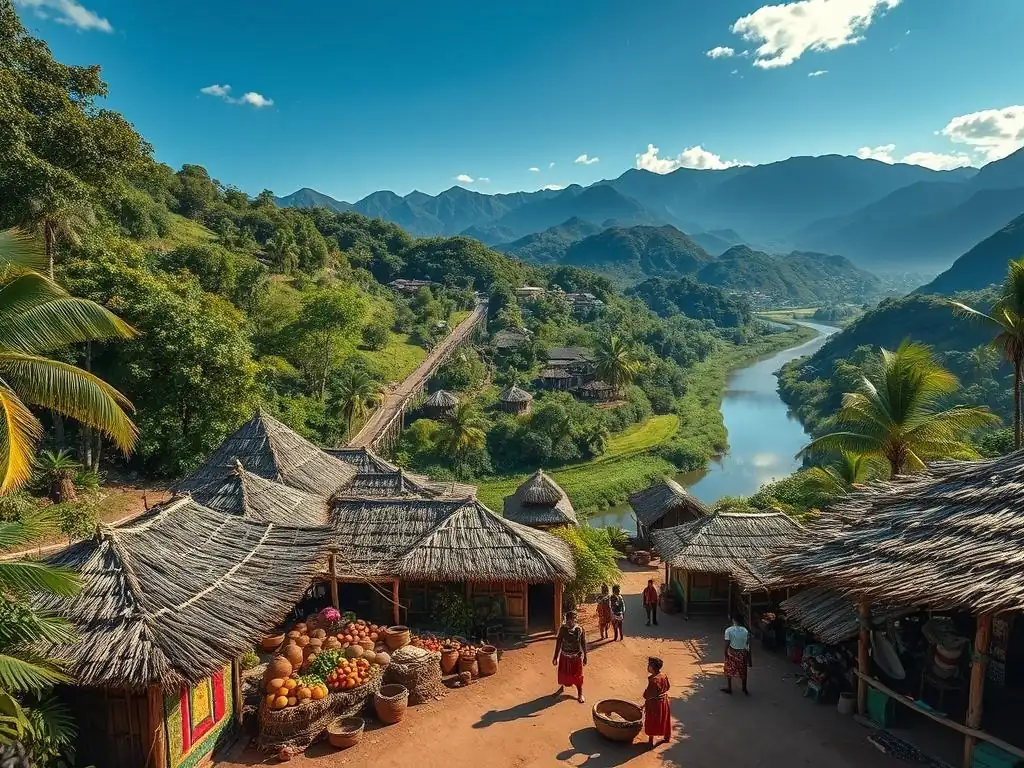
Welcome to Indigenous Civilizations of the Americas, where we invite you to journey through the rich tapestry of indigenous cultures before colonization. Here, you will uncover the remarkable achievements and vibrant societies that flourished across the Americas long before European arrival. Our featured article, "Historical Myths: Debunking Common Misconceptions About the Spanish Conquest," challenges widely held beliefs and sheds light on the true narratives of these resilient peoples.
Dive deeper with us as we explore their lasting impact and celebrate the legacy that continues to resonate today. Prepare to expand your understanding and challenge the myths that have shaped our history!
- Introduction to Historical Myths of the Spanish Conquest
- Myth 1: The Indigenous Cultures Were Primitive
- Myth 2: The Spanish Conquistadors Brought Civilization
- Myth 3: The Spanish Conquest Was a Unified Effort
- Myth 4: Indigenous Populations Were Easily Overwhelmed
- Myth 5: The Spanish Were Solely Responsible for Indigenous Declines
- Conclusion: Reshaping Our Understanding of the Spanish Conquest
-
Frequently Asked Questions
- What are some common misconceptions about the Spanish conquest of Indigenous cultures?
- How did the Spanish conquest affect Indigenous civilizations?
- Were there any positive outcomes from the Spanish conquest for Indigenous peoples?
- What achievements did Indigenous cultures have before colonization?
- How can we better understand the impact of colonization on Indigenous cultures today?
- Final Reflection: Unraveling Historical Myths for a Deeper Understanding
- Unveil the Truth and Transform Your Understanding!
Introduction to Historical Myths of the Spanish Conquest
The Spanish conquest of the Americas marks a pivotal moment in history, laden with narratives that often overshadow the rich tapestry of indigenous cultures that thrived long before European arrival. This article aims to dismantle the historical myths surrounding the Spanish conquest, particularly in relation to the Incas and other indigenous civilizations. By critically examining these misconceptions, we can gain a deeper understanding of the indigenous cultures before colonization and recognize their immense contributions to humanity.
These societies were not merely passive victims of conquest; they were complex, vibrant cultures with advanced social, political, and technological systems. Understanding these aspects is crucial for appreciating the true impact of European colonization and its lasting effects on indigenous peoples.
Overview of Indigenous Cultures Before Colonization
The Americas were home to a diverse array of indigenous cultures long before European ships arrived on their shores. From the intricate societies of the Inca and Aztec empires to the nomadic tribes of North America, these civilizations displayed remarkable achievements in various fields, including agriculture, architecture, and governance.
- Inca Empire: Renowned for its sophisticated road systems and architectural marvels like Machu Picchu, the Inca civilization was a monumental force in South America. Their advanced agricultural techniques allowed for the cultivation of diverse crops in the challenging Andean environment.
- Aztec Empire: The Aztecs established a vast empire characterized by monumental architecture, a complex social hierarchy, and a rich cultural life that included art, music, and literature. Their capital, Tenochtitlán, was one of the largest cities in the world at the time.
- North American Tribes: Various tribes across North America, such as the Iroquois and the Sioux, developed distinct societies with unique governance structures, trade networks, and spiritual beliefs. Their adaptability to different environments showcased their resilience and ingenuity.
Despite the diversity and complexity of these cultures, the narratives surrounding the Spanish conquest often simplify or distort their histories. Many myths persist, framing indigenous peoples as primitive or uncivilized, which neglects their rich legacies and significant contributions to global civilization.
Importance of Debunking Myths Surrounding the Spanish Conquest
Debunking myths surrounding the Spanish conquest is essential for several reasons:
- Cultural Recognition: By challenging misconceptions, we acknowledge the validity and richness of indigenous cultures, fostering a deeper appreciation for their history and contributions.
- Historical Accuracy: Understanding the realities of the Spanish conquest helps correct the historical record, allowing for a more accurate representation of events and their impacts on indigenous populations.
- Empowerment: Debunking myths empowers indigenous communities by validating their experiences and histories, promoting cultural pride and resilience in the face of ongoing challenges.
- Educational Value: Acknowledging historical inaccuracies enriches our collective understanding, allowing present and future generations to learn from the past and recognize the importance of indigenous voices in historical narratives.
Confronting the myths surrounding the Spanish conquest not only honors the legacy of indigenous cultures before colonization but also serves as a vital step towards justice and reconciliation in contemporary society. By understanding the true nature of these civilizations, we can foster a more inclusive and accurate portrayal of history.
Myth 1: The Indigenous Cultures Were Primitive
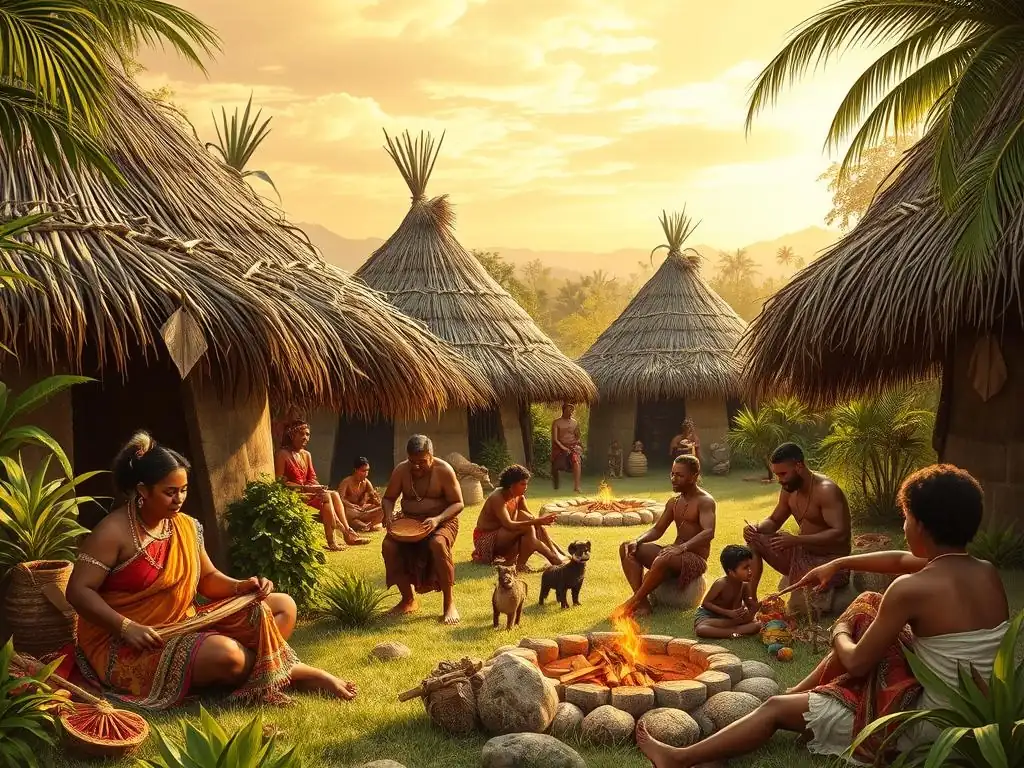
Reality: Complexity and Sophistication of Pre-Columbian Societies
The idea that indigenous cultures in the Americas were primitive is a pervasive myth that undermines the rich history and achievements of these societies. In reality, many pre-Columbian civilizations demonstrated remarkable complexities in their social structures, economies, and technological innovations. These cultures were not only adept at survival but also thrived through intricate systems of governance, trade, and cultural expression.
Indigenous cultures before colonization developed sophisticated agricultural practices, often utilizing advanced techniques such as terracing, irrigation, and crop rotation. For instance, the Inca Empire mastered the art of agriculture in the challenging Andean environment by creating terraces that maximized arable land and developed a vast network of roads for trade and communication.
Furthermore, many indigenous societies had intricate social hierarchies and governance systems. The Aztec Empire, for example, was governed by a complex political structure that included a council of nobles and a ruler, or tlatoani, who held both political and religious authority. This level of organization indicates a significant understanding of governance, law, and social order that contradicts the notion of primitiveness.
The cultural and artistic achievements of these civilizations also reflect a high degree of sophistication. From the grand architectural feats of the Maya—who built cities with monumental pyramids and palaces—to the intricate textiles and pottery crafted by various indigenous groups, the evidence shows a vibrant and complex cultural landscape.
Examples of Advanced Indigenous Civilizations in the Americas
- The Maya Civilization
- Location: Present-day Mexico, Guatemala, Belize, and Honduras.
- Achievements:
- Developed a sophisticated writing system known as hieroglyphics.
- Established a complex calendar system and made significant advancements in mathematics and astronomy.
- Constructed remarkable cities like Tikal and Chichen Itza, featuring elaborate temples and plazas.
- The Aztec Empire
- Location: Central Mexico.
- Achievements:
- Built the capital city of Tenochtitlán, which featured impressive engineering, including floating gardens (chinampas).
- Engaged in extensive trade networks that spanned Mesoamerica, allowing for cultural exchange and economic prosperity.
- Created a rich tradition of art, poetry, and ritual practices that highlighted their cultural sophistication.
- The Inca Empire
- Location: Western South America, primarily in present-day Peru.
- Achievements:
- Constructed an extensive network of roads and bridges across the rugged Andes, facilitating trade and communication.
- Implemented advanced agricultural techniques, including the use of quinoa and potatoes, which are now staples in many diets worldwide.
- Developed a unique system of record-keeping using quipus, a series of knotted strings that conveyed information.
- The Mississippian Culture
- Location: Southeastern United States.
- Achievements:
- Known for constructing large earthen mounds for ceremonial and political purposes, such as Cahokia.
- Developed complex trade networks and agricultural production, notably the cultivation of maize.
- Established social hierarchies and political organization evident in their city structures.
The myth that indigenous cultures were primitive fails to recognize the complexity and achievements of these societies. The evidence of advanced agricultural practices, intricate governance systems, and vibrant cultural expressions illustrates a rich tapestry of life that thrived in the Americas long before European colonization. The legacy of these civilizations continues to influence contemporary indigenous cultures today, highlighting their enduring impact on history.
Myth 2: The Spanish Conquistadors Brought Civilization
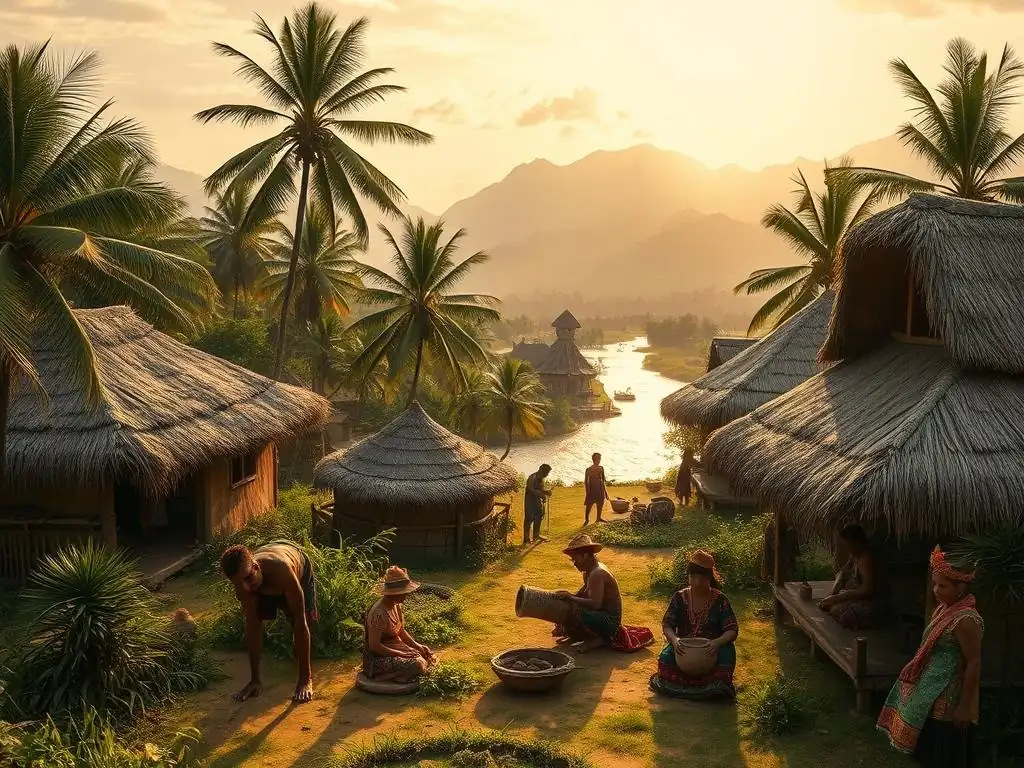
The narrative that portrays the Spanish conquistadors as bearers of civilization to the "savage" lands of the Americas is a deeply entrenched myth. This perspective overlooks the rich tapestry of Indigenous cultures that flourished long before European arrival. The reality is that these civilizations were not only complex but also highly innovative, contributing significantly to various fields of knowledge and societal development.
Reality: Indigenous Innovations and Achievements
Before the Spanish conquest, Indigenous cultures across the Americas had developed sophisticated systems of governance, architecture, agriculture, and trade. For example:
- Political Structures: Civilizations such as the Inca Empire and the Aztec Empire established advanced political systems characterized by intricate hierarchies and governance structures. The Inca utilized a unique system known as Mit'a, a labor tax that ensured the efficient functioning of their society.
- Agricultural Practices: The agricultural innovations of Indigenous peoples were remarkable. They developed techniques like terrace farming, which allowed for efficient cultivation on mountainous terrain, and the creation of chinampas (floating gardens) by the Aztecs, which maximized agricultural output in swampy areas.
- Architectural Marvels: Indigenous peoples constructed impressive architectural works, such as the monumental cities of Tenochtitlan and Machu Picchu, showcasing advanced engineering skills and an understanding of urban planning.
- Art and Craftsmanship: The artistry displayed in textiles, pottery, and metalwork reflects a high level of craftsmanship and aesthetic sense. Civilizations such as the Moche and the Nazca produced intricate pottery and vibrant textiles, exhibiting both artistic prowess and cultural narratives.
These achievements demonstrate that Indigenous cultures were not in need of "civilization" as perceived by European standards; rather, they had their own sophisticated systems in place that were deeply rooted in their unique historical and cultural contexts.
Contributions of Indigenous Cultures to Global Knowledge
Indigenous cultures before colonization made contributions that extended beyond their immediate geographical contexts, influencing various fields that resonate even today. Here are some notable areas of impact:
- Agricultural Knowledge: Indigenous peoples were responsible for the domestication of numerous crops, including maize, potatoes, and tomatoes. These crops became staples in diets worldwide and transformed agricultural practices globally.
- Medicinal Practices: Traditional medicine and knowledge of herbal remedies among Indigenous cultures contributed significantly to the field of medicine. Many plants used today in pharmaceuticals were first utilized by Indigenous peoples, highlighting their deep understanding of local ecosystems.
- Astronomy and Calendar Systems: Civilizations like the Maya developed sophisticated astronomical knowledge and calendar systems that were remarkably accurate. Their insights into celestial movements and timekeeping have influenced modern scientific understanding of astronomy.
- Environmental Stewardship: Indigenous practices emphasized sustainability and respect for the natural world, showcasing a deep understanding of ecological balance. This knowledge is increasingly relevant in contemporary discussions about environmental conservation and climate change.
The belief that the Spanish conquistadors brought civilization to the Americas is a myth that fails to acknowledge the profound achievements of Indigenous cultures before colonization. Their innovations and contributions not only shaped their own societies but also laid the groundwork for global developments that are still felt today. Recognizing these truths helps to honor the legacy of Indigenous peoples and their enduring impact on our world.
Myth 3: The Spanish Conquest Was a Unified Effort
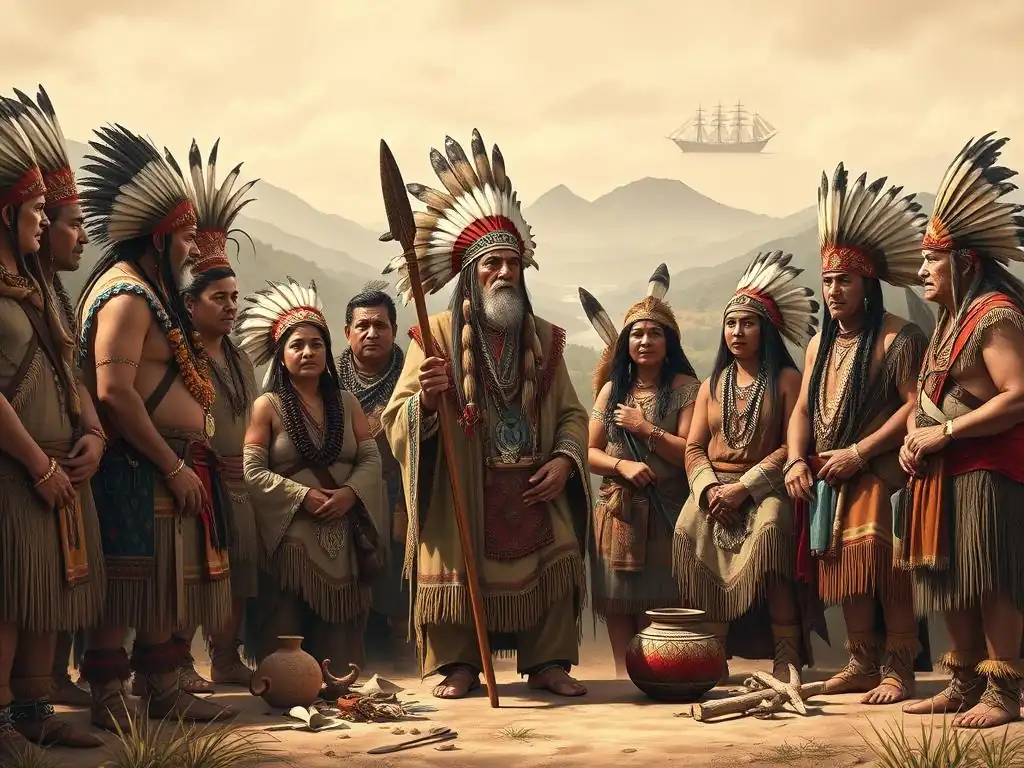
Reality: Internal Conflicts Among Indigenous Groups
The common belief that the Spanish conquest of the Inca Empire was a straightforward and unified effort often overlooks the complex internal dynamics among Indigenous groups in the region. Prior to the arrival of the Spanish, the Inca Empire was vast and organized, but it was also marked by significant internal strife and factionalism. These internal conflicts played a crucial role in shaping the outcomes of the conquest.
The Inca Empire, while powerful, was not a monolithic entity. It encompassed various ethnic groups, each with its own traditions, languages, and grievances. Many of these groups had previously been subjugated by the Incas, leading to resentment and a desire for autonomy. As Spanish forces, led by Francisco Pizarro, arrived in the early 16th century, they found opportunities to exploit these internal divisions.
For instance, the civil war between the Inca brothers Atahualpa and Huáscar created a power vacuum that the Spaniards could capitalize on. Indigenous factions, disillusioned with Inca rule, were more willing to ally with the Spanish against their oppressors. This division among Indigenous groups was not merely a backdrop to the conquest; it was a significant factor that facilitated Spanish advances into the heart of the Inca Empire.
The Role of Alliances and Betrayals in the Conquest
The Spanish conquest of the Inca Empire was heavily influenced by the alliances formed between the conquistadors and various Indigenous groups. The Spanish utilized a strategy of forming partnerships with those who opposed Inca dominance, which not only supplemented their military strength but also provided critical local knowledge and resources.
- Strategic Alliances:
- The Cañari people, for example, allied with the Spanish against the Incas. Their intimate knowledge of the terrain and their grievances against the Inca rule made them invaluable allies.
- The Chancas, another group historically hostile to the Incas, also provided support to the Spanish, driven by a shared interest in overthrowing Inca authority.
- Betrayal and Deception:
- The conquest was marked by acts of betrayal, as some Indigenous leaders chose to side with the Spanish in exchange for promises of power or protection. These alliances were often fraught with ulterior motives and mistrust, leading to fluctuating loyalties.
- Notably, the capture of Atahualpa was facilitated not only by the military might of the Spaniards but also by the betrayal of some of his own subjects who sought to benefit from the new order that the Spanish represented.
The narrative of a unified Indigenous front against the Spanish is a simplification that ignores the nuanced realities of the time. The interplay of alliances, betrayals, and internal conflicts among Indigenous cultures before colonization illustrates that the conquest was not simply a battle between Spanish invaders and a singular Indigenous empire, but rather a complex tapestry of shifting allegiances and deep-seated rivalries. This understanding is essential to fully appreciate the diverse Indigenous cultures that existed before European colonization and their varied responses to external pressures.
Myth 4: Indigenous Populations Were Easily Overwhelmed
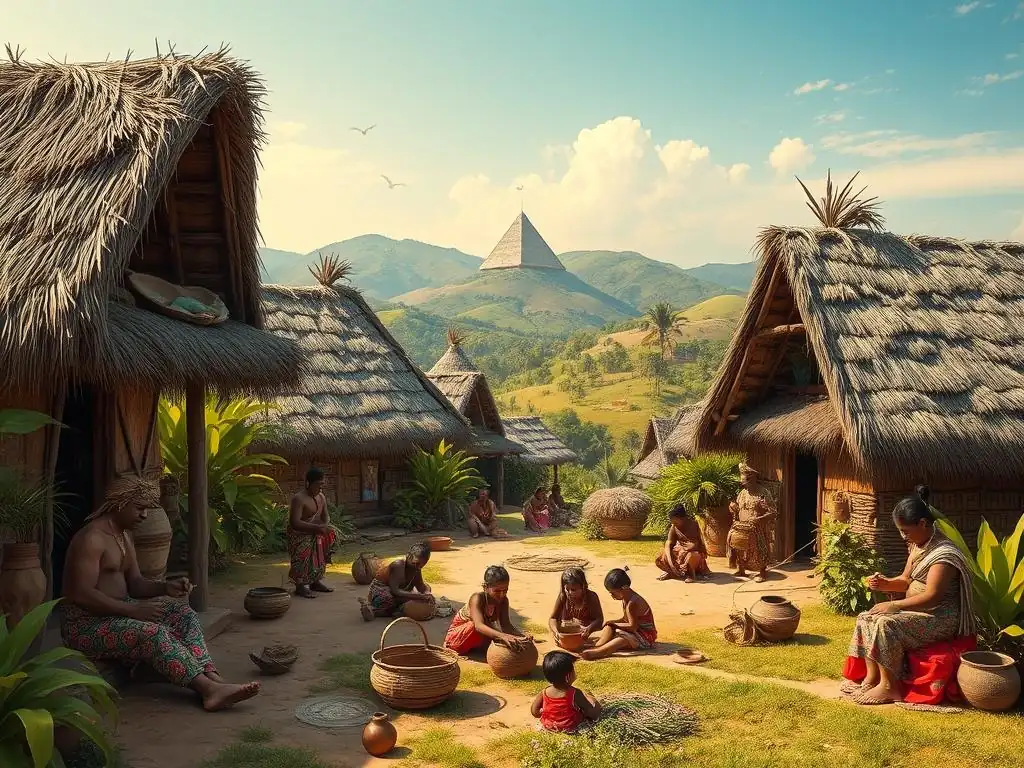
Reality: Resistance and Resilience of Indigenous Societies
The Spanish conquest of the Americas is often oversimplified, presenting indigenous populations as easily overwhelmed by European forces. However, this perspective ignores the complexity and diversity of indigenous cultures and their formidable resistance strategies. The reality is that many indigenous societies demonstrated remarkable resilience, employing a variety of tactics to confront and resist the Spanish invaders.
Diverse Responses to Conquest
Indigenous cultures before colonization were not monolithic; they varied significantly in social structures, political organization, and military capabilities. For instance:
- Strategic Alliances: Many indigenous groups formed alliances with one another or with the Spanish against common enemies. The Tlaxcalans, for example, allied with Hernán Cortés to defeat the Aztecs. This demonstrates a nuanced understanding of diplomacy and strategy.
- Guerrilla Warfare: Indigenous populations often resorted to guerrilla tactics, utilizing their knowledge of the terrain to launch surprise attacks and ambushes. This approach proved effective in many instances, delaying Spanish advances and inflicting significant casualties.
- Cultural Adaptation: Rather than outright resistance, some groups adapted to Spanish rule while preserving their cultural identity. This included negotiating terms of cohabitation and practicing syncretism in religious beliefs.
Despite the overwhelming military technology of the Spanish, indigenous societies employed these strategies to resist colonization, illustrating their strength and agency.
Notable Figures in Indigenous Resistance Against the Conquistadors
The Spanish conquest of the Incas and other indigenous civilizations saw the emergence of several key figures who embodied the spirit of resistance. These leaders not only fought against colonization but also sought to protect their people's cultural heritage and autonomy.
- Túpac Amaru II: A direct descendant of the Inca rulers, Túpac Amaru II led a significant rebellion against Spanish rule in the late 18th century. His efforts to resist oppression became symbolic of indigenous resistance throughout Latin America.
- Motecuhzoma II: The last emperor of the Aztec Empire, Motecuhzoma II initially sought diplomacy with Cortés but later led his people in defense against the Spanish. His leadership during the early stages of the conquest highlights the political sophistication of indigenous leaders.
- Atahualpa: The last sovereign of the Inca Empire, Atahualpa's capture and execution marked a pivotal moment in the Spanish conquest. His defiance and attempts to negotiate with the Spanish reflect the complexities of indigenous responses to conquest.
- Caciques and Local Leaders: Across the Americas, local leaders known as caciques played critical roles in organizing resistance against European encroachment. Their leadership was essential in mobilizing communities to protect their territories and cultures.
These figures exemplify the tenacity and resilience of indigenous cultures before colonization, challenging the myth that they were easily subjugated. Through their actions, they not only resisted colonization but also laid the groundwork for future movements aimed at reclaiming indigenous rights and identities.
In understanding the history of the Spanish conquest, it is essential to recognize these complexities and the rich tapestry of indigenous cultures that thrived long before European contact. Their legacies continue to influence contemporary discussions about identity and sovereignty among indigenous populations today.
Myth 5: The Spanish Were Solely Responsible for Indigenous Declines
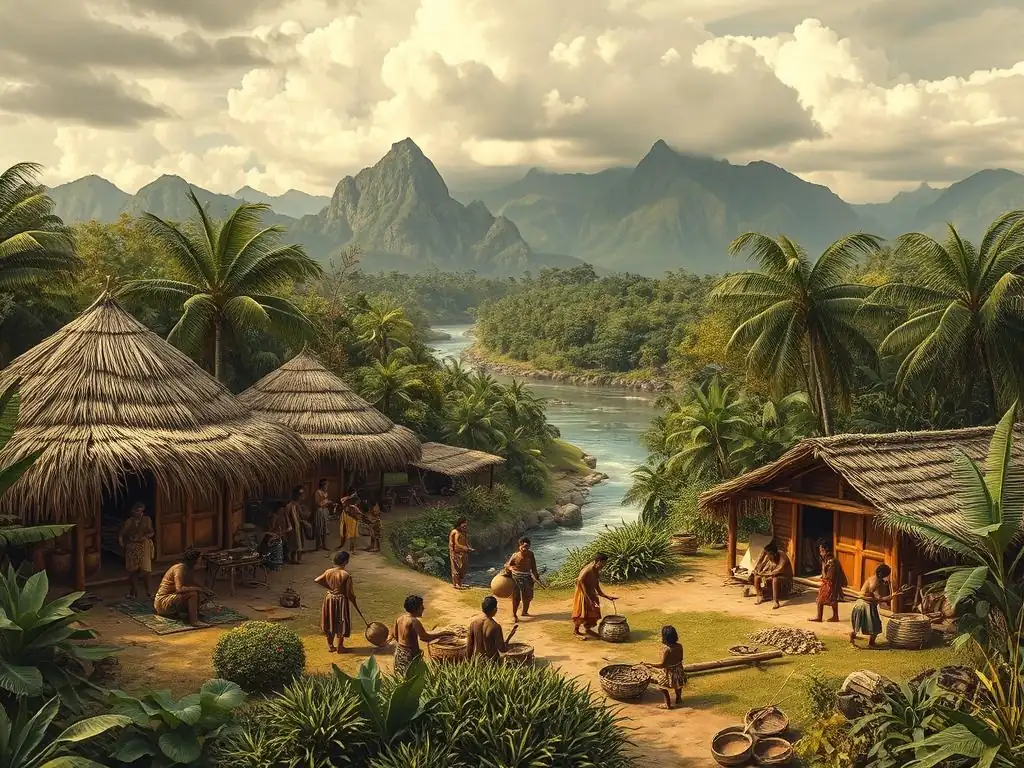
Reality: Multiple Factors Contributing to Population Decline
The common myth that the Spanish were solely responsible for the decline of indigenous populations oversimplifies a complex historical reality. While European colonization certainly played a significant role, a multitude of factors contributed to the demographic and societal changes experienced by indigenous cultures before colonization. This multifaceted issue requires a deeper examination of the various influences that intersected during this tumultuous period.
-
Disease:
One of the most devastating impacts of European contact was the introduction of new diseases to which indigenous populations had no immunity. Smallpox, influenza, and typhus, among others, decimated communities. For instance, some estimates suggest that smallpox may have killed up to 90% of the indigenous population in certain areas, such as the Andes. This catastrophic loss of life was not solely attributable to Spanish actions; rather, it stemmed from a combination of factors, including:
- Lack of Immunity: Indigenous populations had been isolated from the Old World pathogens for millennia.
- Transmission through Trade Routes: The movement of people and goods facilitated the spread of diseases beyond initial points of contact.
-
War and Conflict:
While the Spanish conquest involved violent confrontations, many indigenous societies were also engaged in internal conflicts and power struggles prior to European arrival. These conflicts often weakened communities and made them more vulnerable to external threats. For example, the Inca Civil War (1527-1532) significantly diminished the Inca Empire's strength just before the Spanish invasion. Notable aspects include:
- Internal Divisions: Rival factions within indigenous groups often led to fragmentation.
- Spanish Alliances: The Spanish frequently exploited existing rivalries, forming alliances with certain tribes against others, which exacerbated conflicts.
-
Environmental Changes:
The ecological context in which these societies existed also played a pivotal role in their decline. Deforestation, soil depletion, and climatic changes could significantly affect agricultural productivity, leading to food shortages and population stress. Specific factors include:
- Climate Variability: Changes in weather patterns, such as droughts, could drastically impact crop yields, leading to famine.
- Ecological Disruption: The introduction of European agricultural practices could disrupt local ecosystems, further stressing food sources.
The Impact of Disease, War, and Environmental Changes
The intertwined effects of disease, conflict, and environmental challenges created a perfect storm that led to the decline of indigenous cultures before colonization. The following points encapsulate the intricate dynamics at play:
- Demographic Shifts: The combination of high mortality from diseases and the disruption of social structures due to warfare led to a drastic reduction in population density. This decline was not uniform but varied significantly by region and community.
- Cultural Transformation: As populations diminished, surviving groups often adapted their cultural practices to cope with the new realities. Some communities merged, while others sought to reclaim lost lands, leading to altered social structures and cultural identities.
- Long-term Consequences: The legacies of these declines can still be observed in contemporary indigenous communities, where historical traumas continue to shape cultural practices, social relations, and community resilience.
While the arrival of the Spanish and subsequent colonization undeniably impacted indigenous cultures, it is crucial to recognize the multiplicity of factors that contributed to their decline. Understanding these dynamics offers a more nuanced perspective on the indigenous cultures before colonization, highlighting their resilience and adaptability in the face of profound challenges.
Conclusion: Reshaping Our Understanding of the Spanish Conquest
The Spanish Conquest of the Americas fundamentally altered the course of history, yet it is often shrouded in myths that obscure the rich tapestry of Indigenous cultures before colonization. Understanding this period requires a nuanced perspective that acknowledges the complexities of pre-colonial societies and their interactions with European invaders.
By debunking common misconceptions, we can foster a more accurate narrative that highlights the sophistication, resilience, and diversity of Indigenous civilizations. These societies were not mere victims; they were vibrant cultures with their own social structures, economies, and belief systems. Recognizing this allows us to appreciate the enduring legacies of these cultures that continue to influence contemporary society.
The Importance of Recognizing Indigenous Cultures Before Colonization
Recognizing Indigenous cultures before colonization is crucial for several reasons:
- Cultural Legacy: Indigenous societies contributed vastly to agriculture, architecture, and governance, shaping the Americas long before European arrival. For example, the Inca civilization developed advanced agricultural techniques, such as terrace farming, which allowed them to thrive in the challenging Andean environment.
- Diversity of Societies: The Americas were home to a multitude of distinct Indigenous cultures, each with its own languages, traditions, and social structures. From the sophisticated urban centers of the Aztecs to the nomadic lifestyles of the Plains tribes, the diversity is immense and often overlooked.
- Historical Accuracy: Acknowledging the achievements and struggles of Indigenous peoples provides a more truthful account of history. It dismantles the narrative of a "civilizing mission" and instead highlights the impact of colonization on thriving societies.
- Contemporary Relevance: Understanding the histories of Indigenous cultures informs current discussions about rights, representation, and cultural preservation. It underscores the importance of acknowledging past injustices and supports efforts for reconciliation.
By placing emphasis on these aspects, we can reshape our understanding of the Spanish Conquest, recognizing it not as a one-sided event but as a complex interaction with profound consequences for Indigenous peoples.
Call to Action: Further Research and Education on Indigenous Histories
To truly appreciate the depth and richness of Indigenous cultures before colonization, we must commit to further research and education. Here are some actionable steps:
- Explore Indigenous Narratives: Seek out literature and resources authored by Indigenous scholars and communities. Their perspectives offer invaluable insights into their histories and experiences.
- Engage with Local Indigenous Cultures: Participate in local events, workshops, or cultural exchanges that celebrate Indigenous heritage. This fosters a greater understanding and respect for their traditions.
- Support Indigenous Education: Advocate for the inclusion of Indigenous history in educational curricula. Highlighting these stories is essential for fostering a more comprehensive understanding of American history.
- Promote Indigenous Rights: Stay informed about current issues facing Indigenous communities and support initiatives that aim to protect their cultures and rights.
By taking these steps, we can contribute to a more informed and respectful dialogue about Indigenous histories, ensuring that the past is not forgotten but rather integrated into our collective understanding of cultural identity and heritage.
Frequently Asked Questions
What are some common misconceptions about the Spanish conquest of Indigenous cultures?
Many believe that Indigenous cultures before colonization were primitive or unorganized. In reality, they had complex societies with rich traditions and advanced knowledge systems.
How did the Spanish conquest affect Indigenous civilizations?
The conquest led to significant disruption and decline of Indigenous populations, resulting in the loss of cultural heritage and social structures that had thrived for centuries.
Were there any positive outcomes from the Spanish conquest for Indigenous peoples?
While the conquest was largely detrimental, some argue it introduced new technologies and ideas that influenced Indigenous societies. However, these changes often came at a great cost.
What achievements did Indigenous cultures have before colonization?
Indigenous cultures made remarkable contributions in areas such as agriculture, architecture, and astronomy, showcasing their sophisticated understanding of the environment and society.
How can we better understand the impact of colonization on Indigenous cultures today?
To grasp the full impact, we should study historical narratives, promote Indigenous voices, and acknowledge the resilience and ongoing contributions of these cultures in contemporary society.
Final Reflection: Unraveling Historical Myths for a Deeper Understanding
The exploration of Indigenous cultures before colonization reveals a rich tapestry of history that is often overshadowed by the narratives of conquest and colonization. Today, as we confront the legacies of colonialism, it is crucial to recognize that the stories we tell about the past shape our present and future. Understanding the complexities of Indigenous cultures not only honors their resilience but also challenges the simplistic narratives that have dominated historical discourse. The truth is, the more we learn about these cultures, the more we can appreciate their contributions to our shared human heritage.
The impact of debunking myths surrounding the Spanish conquest resonates deeply within our cultural and social landscape. By acknowledging the sophisticated societies that existed prior to colonization, we foster a greater respect for Indigenous peoples and their ongoing struggles. This understanding encourages a more inclusive narrative that recognizes the richness of diverse cultures. As historian Howard Zinn aptly stated, History is not a mere record of the past; it is a living narrative that shapes our identity and informs our actions.
This perspective invites us to critically examine how historical myths have influenced our views and interactions with Indigenous communities today.
As we reflect on the lessons from this article, I invite you to consider how you can contribute to a more accurate and respectful understanding of history. Engage with the stories of Indigenous cultures, challenge misconceptions, and advocate for their representation in our collective narrative. By doing so, we not only honor the past but also pave the way for a more equitable future. Let us commit to being informed stewards of history, ensuring that the voices of Indigenous peoples are heard and valued in the ongoing dialogue about our shared world.
Unveil the Truth and Transform Your Understanding!
Thank you for diving into the intriguing world of the Spanish Conquest! By exploring the common historical myths presented in this article, you've taken the first step towards a deeper understanding of Indigenous civilizations and their rich histories. Now, it's time to leverage that knowledge into meaningful action!
Here’s what you can do next:
- Share what you've learned! Discuss the insights you've gained with friends or family to help spread awareness of the true history surrounding the Spanish Conquest.
- Explore further! Seek out additional resources or literature on Indigenous cultures and their resistance to colonization to broaden your perspective even more.
- Join the conversation! Engage with online forums or local groups focused on Indigenous history to share insights and learn from others.
What aspect of the Spanish Conquest surprised you the most, and how has this changed your perception of history?