
The Inca’s Agricultural Techniques: Innovations That Sustained a Civilization

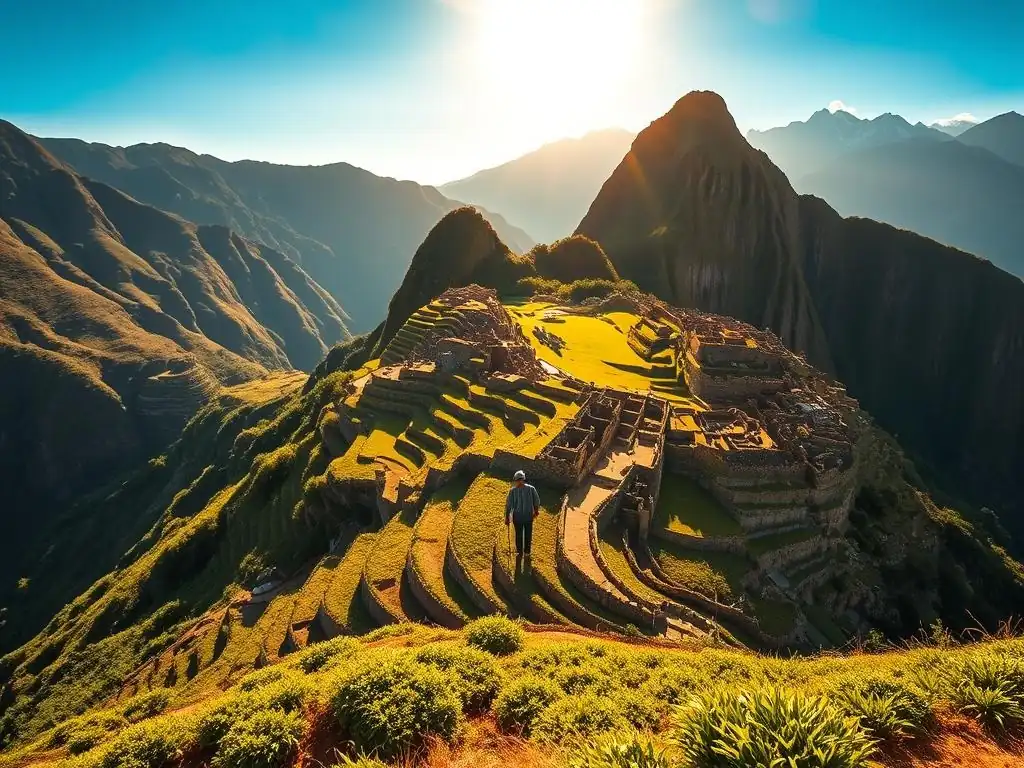
Welcome to Indigenous Civilizations of the Americas, where we embark on a captivating journey through the rich tapestry of indigenous cultures that flourished across the continent long before European arrival. Here, we delve into the remarkable achievements and innovations of these societies, beginning with an exploration of the Inca agricultural techniques history. Discover how the Inca civilization's groundbreaking methods not only sustained their people but also shaped the agricultural landscape of the Americas for generations to come.
Join us as we unlock the secrets of their ingenuity and the profound impact they continue to have on our world today. Dive deeper to uncover the stories that await!
The Inca Empire, known for its remarkable achievements in architecture, engineering, and governance, also excelled in agricultural techniques that played a pivotal role in sustaining its vast civilization. Stretching along the western coast of South America, the Inca utilized innovative methods to cultivate crops in diverse and often challenging environments, from the high Andes mountains to coastal valleys.
These agricultural practices not only supported their population but also ensured food security, allowing the Inca society to flourish and expand. In this article, we will delve into the history of Inca agricultural techniques, examining their ingenuity, adaptability, and the lasting impact these innovations had on their civilization and beyond.
The Importance of Agriculture in Inca Society
Agriculture was the backbone of the Inca economy, providing sustenance for millions and enabling the empire to thrive. The Incas cultivated a variety of crops, including potatoes, maize, and quinoa, which were essential to their diet. Understanding the significance of agriculture within the Inca society helps to appreciate the innovations they developed to maximize their agricultural output.
- Food Security: The Incas prioritized food security, which was crucial for maintaining their large population. Their agricultural techniques aimed to ensure a steady supply of food throughout the year.
- Social Structure: Agricultural success contributed to the social hierarchy of the Incas, as those who managed and controlled land and resources held significant power within the empire.
- Cultural Practices: Agriculture was intertwined with Inca religion and culture, as many rituals and festivals were centered around the planting and harvesting of crops.
Innovative Agricultural Techniques Employed by the Incas
The Inca civilization developed several advanced agricultural techniques that enabled them to transform the diverse landscapes of their empire into productive farmland. These techniques showcased their deep understanding of the environment and their ability to adapt to various climatic conditions.
- Terracing: The Incas constructed extensive terraces on steep mountain slopes, which reduced soil erosion and created flat areas for farming. This technique allowed them to maximize arable land in mountainous regions.
- Irrigation Systems: Ingenious irrigation systems were developed by the Incas to channel water from rivers and streams to their fields. This ensured that crops received adequate moisture, even in arid areas.
- Crop Diversification: The Incas practiced crop rotation and diversified their crops to reduce the risk of failure due to pests or changing weather conditions. They cultivated a wide range of crops to ensure a balanced diet and economic stability.
The Legacy of Inca Agricultural Techniques
The agricultural innovations of the Inca civilization have left a lasting legacy that extends beyond their empire. Modern agricultural practices in the Andean region still reflect many of the techniques pioneered by the Incas. Understanding the history of Inca agricultural techniques not only highlights their ingenuity but also emphasizes the importance of sustainable farming practices that can be applied today.
In exploring the fascinating world of Inca agricultural techniques, we gain insights into how this remarkable civilization thrived and adapted, providing valuable lessons for contemporary society. As we delve into the specifics of their methods, we will uncover the intricate relationship between the Inca people and the land they cultivated, shedding light on an essential aspect of their history.
- The Importance of Agriculture in Inca Society
- Innovative Agricultural Techniques Employed by the Incas
- The Legacy of Inca Agricultural Techniques
- What were the primary agricultural techniques used by the Inca civilization?
- How did the Inca adapt their farming methods to different environments?
- What crops were most important to the Inca diet?
- How did Inca agricultural innovations impact their society?
- What lasting impacts did Inca agricultural techniques have?
Introduction to Inca Agricultural Techniques History
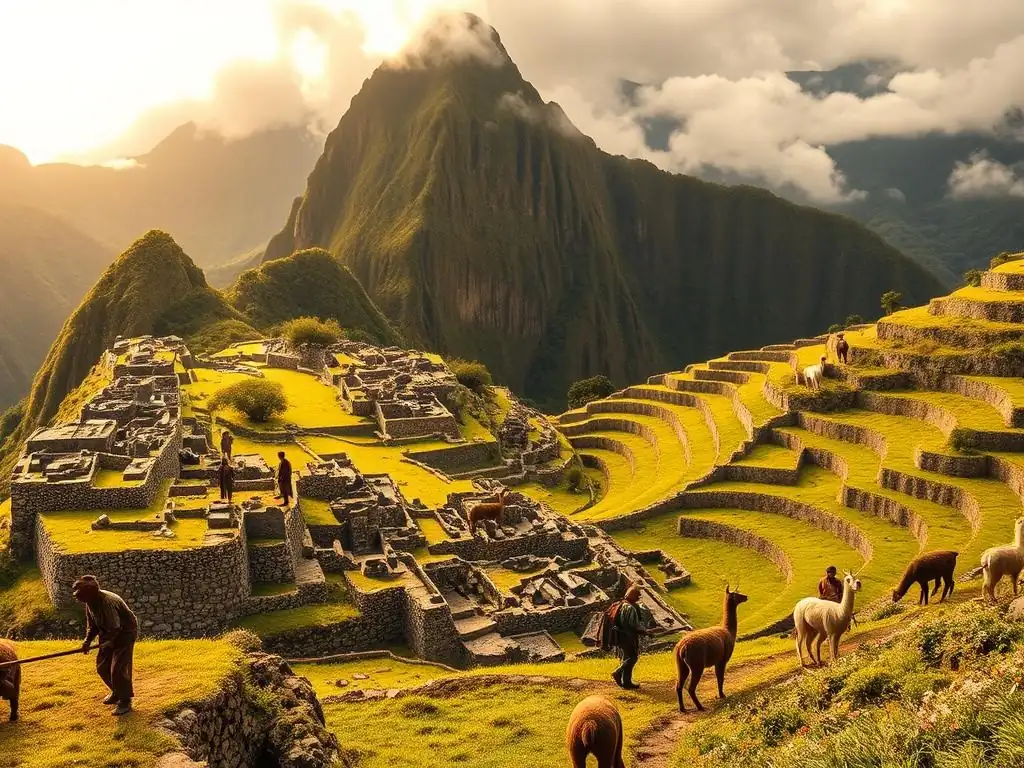
The Inca civilization, known for its remarkable achievements in various fields, placed a significant emphasis on agriculture, which was fundamental to its survival and expansion. The history of Inca agricultural techniques is rich and multifaceted, reflecting the ingenuity and adaptability of the Inca people in response to the diverse environments of the Andean region. This section delves into the innovative agricultural practices that not only sustained the Inca society but also laid the groundwork for their economic and cultural prosperity.
Overview of Inca Civilization and Its Importance
The Inca Empire, which flourished from the early 15th century until the Spanish conquest in the 16th century, was the largest empire in pre-Columbian America. Centered in what is now Peru, the Inca civilization extended across vast territories, including parts of modern-day Ecuador, Bolivia, Chile, and Argentina. Its importance lies not only in its size but also in its sophisticated governance, monumental architecture, and complex social structures.
Key Features of Inca Civilization:
- Political Organization: The Inca Empire was characterized by a centralized government led by the Sapa Inca, who was regarded as a divine ruler. This hierarchy facilitated effective resource management and agricultural planning.
- Cultural Innovations: The Incas developed a rich cultural identity, evident in their art, textiles, and religious practices. Their agricultural practices were deeply intertwined with their spiritual beliefs, often reflecting the reverence for Pachamama (Mother Earth).
- Engineering Prowess: The Incas are renowned for their engineering feats, including the construction of extensive road networks and terraces that maximized arable land in mountainous terrains.
The Role of Agriculture in Sustaining the Inca Society
Agriculture was the backbone of the Inca economy and played a crucial role in sustaining its society. The Incas developed a range of agricultural techniques that allowed them to thrive in the challenging Andean environment.
Key Agricultural Techniques:
- Terracing:
- The Incas built terraces on steep slopes to create more arable land. This technique helped prevent soil erosion and allowed for better water management.
- The terraces were ingeniously designed to capture and utilize rainfall, ensuring a steady water supply for crops.
- Irrigation Systems:
- The construction of sophisticated irrigation canals enabled the Incas to divert water from rivers to their fields. This innovation was vital in arid regions where rainfall was scarce.
- The use of check dams and water storage facilities ensured that crops received adequate moisture throughout the growing season.
- Crop Diversity:
- The Incas cultivated a wide variety of crops, including potatoes, maize, quinoa, and beans. This diversity not only provided a balanced diet but also mitigated the risk of crop failure.
- The practice of crop rotation and planting different varieties of the same crop helped maintain soil fertility and reduce pest infestations.
- Selective Breeding:
- The Incas practiced selective breeding to enhance crop yields. For instance, they developed numerous potato varieties adapted to different altitudes and climates.
- This approach demonstrated a profound understanding of genetics and agricultural science, allowing them to optimize food production.
- Chinampas:
- In some regions, the Incas utilized a form of raised-field agriculture known as chinampas, or floating gardens. These were constructed in marshy areas, providing a stable and fertile growing environment.
Impacts of Agricultural Innovations:
- Food Security: The agricultural techniques developed by the Incas ensured a stable food supply, crucial for sustaining the large population of the empire.
- Economic Prosperity: Agriculture was a significant contributor to the Inca economy, enabling trade and the accumulation of wealth.
- Cultural Development: The surplus generated by agricultural practices allowed for the support of artisans, priests, and other societal roles, fostering cultural and technological advancements.
The history of Inca agricultural techniques is a testament to the civilization's resilience and adaptability. Their innovations not only sustained their society but also left a lasting legacy that continues to influence agricultural practices in the region today.
Historical Context of Inca Agricultural Techniques
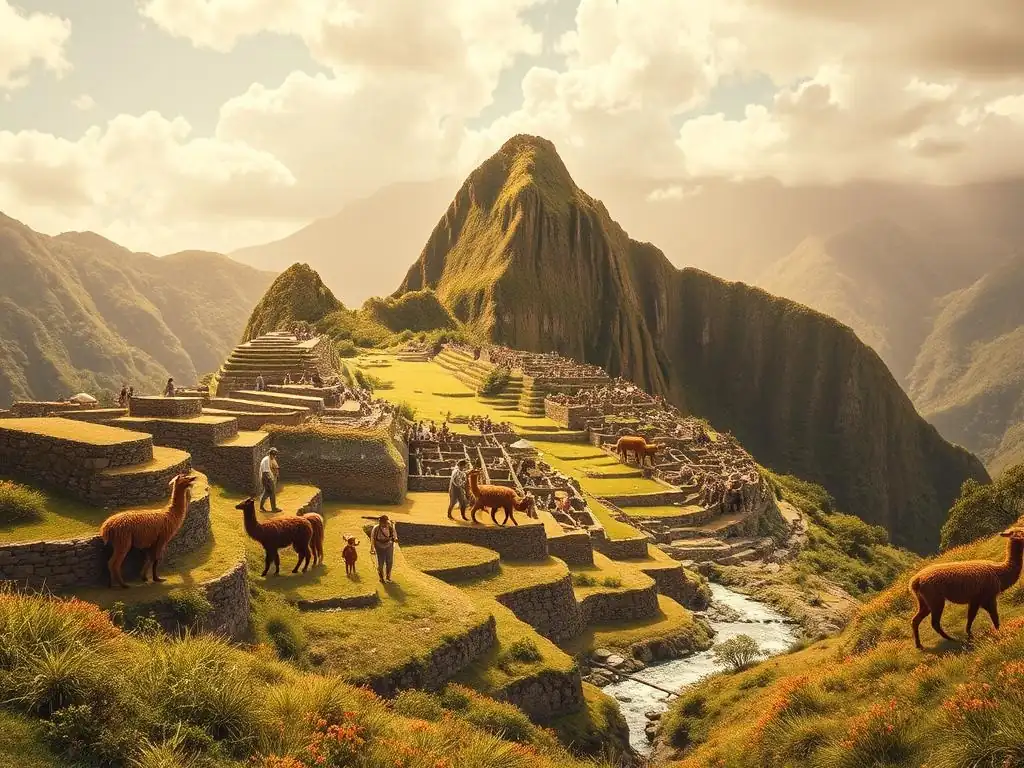
The agricultural techniques developed by the Inca civilization were pivotal in supporting their vast empire, which stretched along the western coast of South America from modern-day Colombia to Chile. These techniques were not merely innovative; they were a response to the unique challenges posed by the diverse Andean geography, including high altitudes, varied climates, and limited arable land. Understanding the historical context of these agricultural practices requires an exploration of pre-Inca agricultural methods and the subsequent evolution of Inca innovations.
Pre-Inca Agricultural Practices in the Andes
Before the rise of the Inca, various cultures inhabited the Andean region, each contributing to the agricultural knowledge that would later serve as a foundation for Inca practices.
- Early Cultivation: The earliest known agricultural practices date back to around 3000 BCE, with evidence of domesticated crops such as quinoa, potatoes, and maize.
- Terracing: Cultures like the Tiwanaku and Wari developed terrace farming techniques, which allowed for the cultivation of crops on steep hillsides. This method not only maximized arable land but also helped manage water runoff and soil erosion.
- Irrigation Systems: The pre-Inca civilizations also implemented sophisticated irrigation techniques, utilizing canals and aqueducts to channel water from rivers to their fields. This practice was crucial in regions where rainfall was insufficient.
These ancient methods laid the groundwork for the more advanced agricultural techniques that the Inca would later perfect, demonstrating a deep understanding of their environment and resource management.
The Evolution of Inca Agricultural Techniques
As the Inca empire expanded in the 15th century, their agricultural practices evolved significantly, marked by several key innovations that allowed them to sustain a large population and support military campaigns.
- Advanced Terracing: The Inca took terracing to new heights, constructing extensive systems that not only increased farmland but also improved microclimates. The use of stone walls in terraces helped retain moisture and protect crops from harsh winds.
- Crop Diversification: Recognizing the diversity of climates across their empire, the Inca cultivated a wide variety of crops. They developed a system of vertical archipelagos, where different crops were grown at various altitudes, allowing them to exploit different ecological zones. Notable crops included:
- Maize: A staple food that was crucial for both sustenance and ceremonial purposes.
- Potatoes: The Inca are credited with domesticating over 3,000 varieties.
- Quinoa: Considered a superfood, it was vital for its nutritional value.
- Innovative Storage Techniques: To prevent crop loss due to spoilage, the Inca developed sophisticated storage techniques, such as qollqas (storage buildings) and freeze-drying methods, which allowed them to conserve food for lean seasons.
- Use of Fertilizers: The Inca employed organic fertilizers, such as animal manure and guano, to enhance soil fertility, demonstrating a sophisticated understanding of sustainable farming practices.
These agricultural techniques not only sustained the Inca population but also played a critical role in their ability to maintain control over such a vast and diverse territory. By adapting to and harnessing the unique environmental conditions of the Andes, the Inca civilization established one of the most advanced agricultural systems of the pre-Columbian Americas, significantly influencing future agricultural practices in the region.
Key Innovations in Inca Agricultural Techniques
The Inca civilization is renowned for its sophisticated agricultural techniques that allowed them to thrive in the challenging terrains of the Andes Mountains. These innovations in agriculture were pivotal not only for sustaining their population but also for expanding their empire. Below, we delve into some of the key innovations that defined Inca agricultural practices.
Terracing: Transforming Mountainous Landscapes
Terracing was one of the most remarkable agricultural techniques employed by the Incas. This method involved carving steps into the mountainsides, creating flat platforms that could hold soil and moisture, thus maximizing the arable land available.
- Design and Construction:
- Terraces were built using stone walls to prevent soil erosion and retain water.
- The Incas utilized local materials, integrating their structures into the natural landscape.
- Benefits:
- Increased arable land: By transforming steep slopes into usable fields, the Incas expanded their agricultural capacity significantly.
- Improved microclimates: The terraces helped regulate temperature and humidity, creating ideal growing conditions for various crops.
- Example:
- The agricultural terraces of Moray, which demonstrate circular terracing techniques, were used for experimental farming and microclimate cultivation.
Irrigation Systems: Harnessing Water for Crops
The Inca civilization developed extensive irrigation systems to support their agricultural practices. These systems were vital in a region where rainfall could be unpredictable.
- Canal Systems:
- The Incas engineered canals that diverted water from rivers to their fields, allowing for consistent moisture supply.
- These canals were meticulously planned to ensure efficient water flow and distribution across large areas of farmland.
- Techniques:
- They used a technique known as “saca,” which involved the careful management of water resources to prevent flooding while ensuring adequate irrigation.
- The Inca farmers also constructed aqueducts to transport water over long distances, demonstrating their advanced engineering skills.
- Impact:
- Increased crop yields: The availability of water directly contributed to higher productivity, enabling the Incas to cultivate staple crops like quinoa and potatoes.
- Enhanced sustainability: The irrigation systems supported agriculture in diverse climatic zones, fostering resilience against crop failure.
Crop Diversification: The Use of Native Plants
The Inca agricultural strategy was characterized by crop diversification, which played a crucial role in their food security and cultural identity.
- Diverse Crops:
- The Incas cultivated over 200 different plant species, including quinoa, maize, potatoes, and various legumes, adapting to the various ecological zones across their territory.
- This diversity not only provided nutritional variety but also minimized risk; if one crop failed, others could sustain the population.
- Cultural Significance:
- Many of these crops held cultural importance and were integral to Inca rituals and traditions, reflecting the close relationship between agriculture and their spiritual beliefs.
- The cultivation of coca leaves, for instance, was vital for religious ceremonies and social interactions.
- Sustainability Practices:
- The Incas practiced crop rotation and intercropping, techniques that improved soil fertility and reduced pest infestations, ensuring the long-term viability of their agricultural systems.
The Inca agricultural techniques represent a blend of innovation, adaptation, and sustainability. Their mastery of terracing, irrigation, and crop diversification not only allowed them to thrive in a challenging environment but also laid the groundwork for their enduring legacy in agricultural history.
Fertilization Techniques: Enhancing Soil Fertility
The Inca civilization is renowned for its advanced agricultural practices, particularly its innovative fertilization techniques that significantly enhanced soil fertility. These methods played a crucial role in ensuring sustainable crop production across the varied altitudes and climates of the Andean region.
One of the most notable techniques used by the Incas was the application of organic fertilizers. The Incas utilized animal manure, particularly from llamas and alpacas, which was abundant in their mountainous environment. This manure was often composted with plant residues, creating a nutrient-rich fertilizer that improved soil structure and fertility. The incorporation of organic matter not only provided essential nutrients but also promoted healthier soil microbiomes, which are crucial for nutrient uptake by plants.
In addition to animal manure, the Incas practiced crop rotation and the use of fallow periods. By alternating the types of crops grown in a particular field, they prevented soil depletion and allowed nutrients to regenerate naturally. For instance, after harvesting a nitrogen-fixing legume, fields would be left fallow or planted with a different crop to restore soil health. This practice not only enhanced soil fertility but also diversified their agricultural output, reducing the risk of crop failure.
The Incas also employed terrasas, or agricultural terraces, which played a dual role in erosion control and nutrient retention. These terraces, constructed on the steep Andean slopes, allowed for better water management and reduced soil erosion. The terraces were often lined with rich organic debris and planted with cover crops to enhance soil fertility further. By creating microclimates and retaining moisture, these terraces maximized agricultural yield in challenging environments.
Lastly, the use of natural minerals was another technique that the Incas harnessed to boost soil fertility. They often supplemented their soils with minerals such as lime, which helped to neutralize acidic soils, and ash from burnt vegetation, which provided potassium and other trace elements essential for plant growth. This holistic approach to fertilization ensured that the Inca agricultural system was not only productive but also sustainable over generations.
The Inca's fertilization techniques were foundational to their agricultural success. By utilizing organic materials, implementing crop rotation, constructing terraces, and incorporating natural minerals, they created a resilient agricultural system capable of supporting their population and thriving in diverse ecological settings. These innovations not only sustained their civilization but also left a lasting impact on agricultural practices in the Andes and beyond.
The Impact of Inca Agricultural Techniques on Society
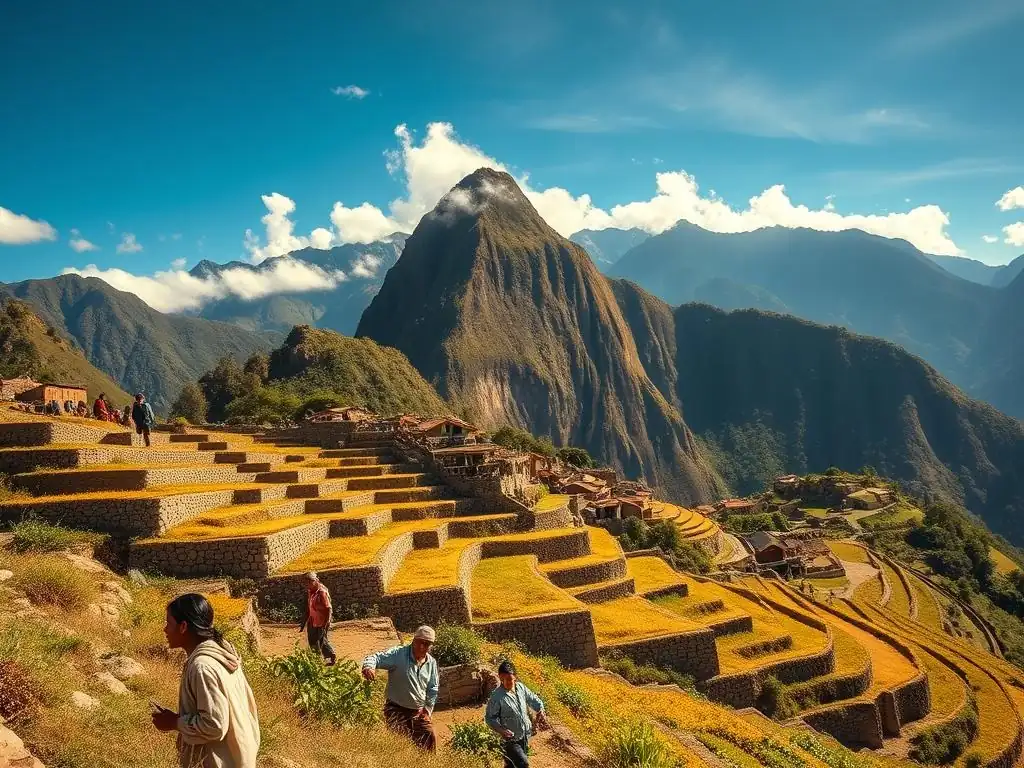
The Inca civilization, known for its vast empire stretching across the Andes, relied heavily on innovative agricultural techniques to support its population. The sophisticated methods developed by the Incas not only ensured food security but also significantly contributed to their economy and cultural practices. Understanding the impact of these agricultural strategies reveals how they were instrumental in sustaining one of the largest empires in pre-Columbian America.
Supporting a Growing Population: Food Security and Surplus
The Inca agricultural techniques were meticulously designed to maximize yield and ensure food security for their rapidly growing population. One of the most remarkable innovations was the terracing system, which transformed steep mountain slopes into arable land.
- Terracing: By constructing flat platforms on hillsides, Incas minimized soil erosion and enhanced water retention, allowing them to cultivate a variety of crops at different altitudes. These terraces were often supported by stone walls, which helped to maintain the soil structure.
- Crop Diversity: The Incas practiced crop rotation and intercropping, cultivating staple crops such as potatoes, maize, and quinoa alongside less common varieties. This not only improved soil health but also reduced the risk of crop failure due to pests or adverse weather.
- Irrigation Systems: An extensive network of irrigation channels allowed the Incas to transport water from rivers to their fields. They employed techniques such as flood farming and drainage ditches to control water levels, ensuring optimal moisture for their crops.
These innovations enabled the Incas to produce surplus food, which was crucial for urban centers and military campaigns. The surplus also facilitated the storage of food in quipus (knotted strings used for record-keeping), which played a vital role in managing resources during times of scarcity.
Economic Contributions: Trade and Agricultural Products
The agricultural techniques developed by the Incas were not only essential for subsistence but also served as a foundation for their economic structure. The surplus generated through these methods led to a thriving trade network across the empire.
- Trade Routes: The Incas established extensive trade routes that connected various regions, allowing for the exchange of agricultural products. This network facilitated the movement of goods like potatoes and maize from fertile valleys to urban centers and vice versa.
- Specialization: Different regions specialized in the cultivation of specific crops based on their climatic conditions. For instance, coastal areas focused on maize, while highland regions excelled in potatoes. This specialization enhanced trade efficiency and fostered interdependence among different Inca communities.
- Tax System: The Incas implemented a mit'a system, which required subjects to contribute labor for agricultural production, construction, and maintenance of irrigation systems. This ensured a steady supply of labor while reinforcing social cohesion through shared responsibilities.
The agricultural surplus not only supported a growing economy but also allowed the Inca government to finance monumental constructions and military endeavors, further solidifying their power and influence across the region.
Cultural Significance: Agriculture in Inca Religion and Festivals
Agriculture held profound cultural and religious significance in Inca society, intertwining with their beliefs and practices. The reverence for agricultural deities and the cyclical nature of farming were reflected in various aspects of Inca culture.
- Deities and Rituals: The Incas worshipped Pachamama, the earth goddess, and conducted rituals to ensure her favor for bountiful harvests. Agricultural festivals, such as Inti Raymi, celebrated the sun god and marked the solstice, reinforcing the connection between celestial events and agricultural cycles.
- Ceremonial Practices: Planting and harvesting seasons were marked by rituals that included offerings of crops, llamas, and other goods to appease the gods. These ceremonies served to unify communities and reinforce social structures.
- Agricultural Symbols in Art: Inca art often featured agricultural themes, reflecting the importance of farming in their daily lives. Pottery and textiles frequently depicted crops, animals, and agricultural tools, symbolizing sustenance and prosperity.
The integration of agricultural practices into religious and cultural frameworks underscored the significance of farming in Inca civilization, fostering a sense of identity and continuity that endured even after the empire's decline.
The Inca agricultural techniques were pivotal in shaping their society, supporting a growing population, contributing economically, and enriching their cultural landscape. The legacy of these innovations continues to influence agricultural practices in the Andes today, highlighting the enduring impact of Inca civilization on the history of agriculture in the Americas.
Challenges Faced by Inca Agriculture

The agricultural practices of the Inca civilization were remarkable and innovative; however, they were not without their challenges. The Incas had to navigate a variety of obstacles, including environmental factors and societal challenges, to sustain their agricultural systems. These challenges shaped the development of their techniques and ultimately influenced their society's growth and stability.
Environmental Factors: Climate and Geography
The Inca Empire was characterized by its diverse geography, ranging from coastal deserts to high mountain ranges in the Andes. This variability posed significant challenges for agricultural production.
- Altitude and Temperature: The steep altitudes of the Andes created wide temperature fluctuations. The Inca farmers had to adapt their crops to different climatic zones, which required knowledge of microclimates. For instance:
- High-altitude crops such as quinoa and potatoes were cultivated in the colder regions.
- Lower-altitude crops like maize thrived in warmer areas, necessitating a complex understanding of local conditions.
- Water Availability: Access to water was critical for agriculture. The Incas developed an extensive network of irrigation systems to manage water resources effectively. They constructed:
- Terraced fields to prevent soil erosion and maximize water retention.
- Canals and aqueducts that diverted water from rivers to arid regions, ensuring crops received adequate hydration.
- Soil Fertility: The nutrient content of the soil varied widely across regions. The Incas utilized techniques such as:
- Crop rotation to maintain soil fertility and prevent depletion.
- Fallow periods, allowing land to recover its nutrients.
Societal Challenges: Managing Resources and Labor
In addition to environmental hurdles, the Incas faced societal challenges related to resource management and labor organization, which were crucial for their agricultural success.
- Population Growth: As the Inca population expanded, so did the demand for food. To meet these needs, the Incas implemented:
- Centralized planning of agricultural production to coordinate efforts across different regions.
- Redistribution of resources, ensuring that surplus food from productive areas supported less fertile regions.
- Labor Organization: The Incas relied on a labor system known as mit'a, which required communities to provide labor for agricultural projects. This system had both benefits and challenges:
- Advantages: It allowed for large-scale agricultural projects, such as the construction of terraces and irrigation systems, which would not have been possible without coordinated labor.
- Challenges: The system sometimes led to overexertion and discontent among the laborers, particularly during periods of drought or crop failure when their efforts did not yield the expected results.
- Social Hierarchy: The management of agricultural resources was also influenced by the Inca social structure. The elite class controlled agricultural production, which created:
- Disparities in resource allocation, sometimes leading to tensions between social classes.
- Cultural practices that emphasized the importance of agriculture in Inca society, reinforcing the connection between farming and identity.
The agricultural techniques of the Inca civilization were shaped significantly by the challenges they faced related to environmental factors and societal organization. Their ability to innovate and adapt to these challenges enabled them to develop a resilient agricultural system that supported one of the most advanced civilizations in pre-Columbian America.
Legacy of Inca Agricultural Techniques
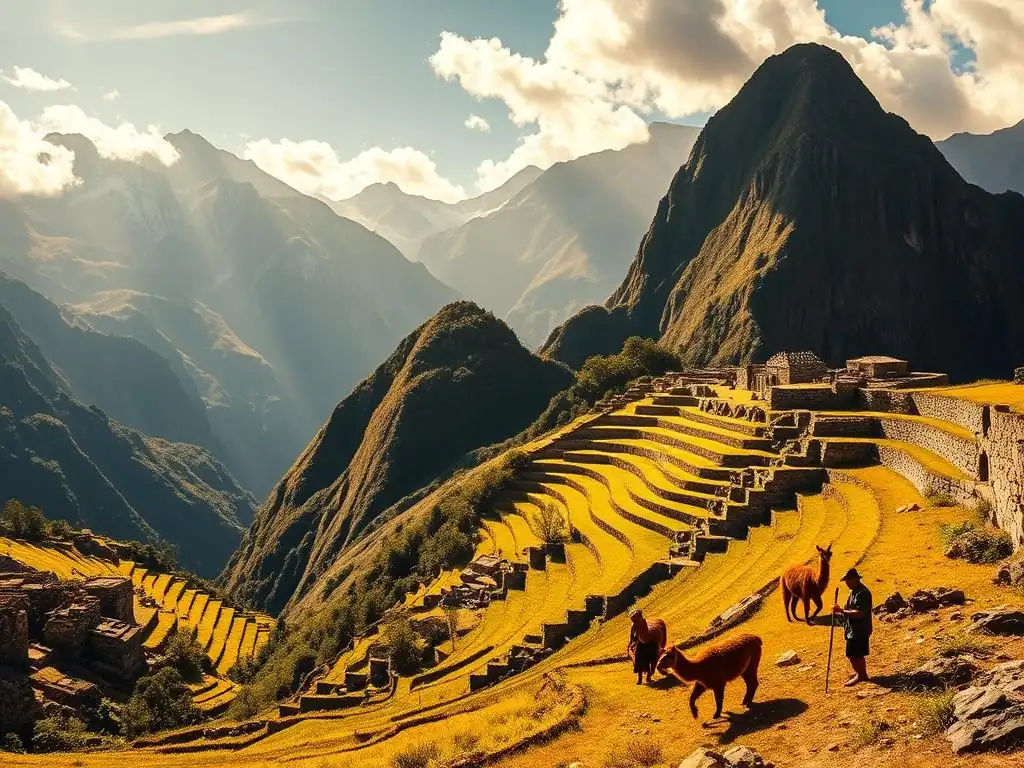
The agricultural techniques developed by the Inca civilization have left a profound legacy that continues to influence farming practices in the Andes today. Their innovative methods not only allowed them to sustain a vast empire but also contributed significantly to the agricultural heritage of the region. Understanding this legacy provides insight into how ancient practices can inform modern agriculture.
Influence on Modern Agricultural Practices in the Andes
The Inca civilization was renowned for its advanced agricultural systems, which adapted to the diverse Andean environments. Many of these techniques are still in use today, illustrating their durability and effectiveness. Here are some key influences:
- Terracing: The Incas engineered extensive terraced fields on steep mountain slopes, which minimized soil erosion and maximized arable land. Modern Andean farmers continue to utilize terracing, recognizing its benefits in managing water runoff and improving crop yields.
- Irrigation Systems: The Incas developed complex irrigation systems that included canals and aqueducts to direct water from rivers to their fields. This practice is still vital for contemporary farming in arid areas of the Andes, where water conservation is crucial for crop survival.
- Crop Diversity: The Incas cultivated a wide variety of crops, including potatoes, maize, and quinoa, promoting biodiversity. This approach has inspired modern agricultural practices that emphasize crop rotation and intercropping to enhance soil fertility and reduce pest infestations.
- Use of Native Plants: The Incas utilized native plants that were well-suited to their environment, which has influenced modern farmers to embrace indigenous crops that are resilient to local conditions. This shift not only sustains agricultural practices but also plays a role in preserving cultural heritage.
These practices demonstrate the ingenuity of Inca agricultural techniques and their relevance in contemporary agriculture. By integrating traditional methods with modern innovations, Andean farmers can enhance productivity while respecting their ecological and cultural heritage.
Preservation of Indigenous Knowledge and Techniques
The preservation of indigenous knowledge and techniques related to Inca agricultural practices is critical for maintaining cultural identity and sustainability in the Andes. Various factors contribute to this ongoing preservation:
- Community Initiatives: Local communities are actively engaging in initiatives to keep traditional farming methods alive. These efforts include workshops and educational programs that teach younger generations about Inca agricultural techniques, ensuring the transmission of knowledge.
- Cultural Festivals: Celebrations such as Inti Raymi (Festival of the Sun) often highlight traditional agricultural practices, fostering a sense of pride and connection to Inca heritage. These events serve as platforms for sharing agricultural wisdom and reinforcing community bonds.
- Research and Documentation: Scholars and organizations are increasingly focused on documenting traditional agricultural practices, recognizing their importance not only for cultural heritage but also for sustainable development. This research helps validate indigenous techniques and promotes their integration into modern agricultural practices.
- Sustainable Agriculture Movements: The global push for sustainable agriculture has led to a renewed interest in indigenous methods. By emphasizing the importance of biodiversity, organic farming, and ecological balance, these movements align closely with Inca agricultural philosophies.
The preservation of Inca agricultural techniques is integral to the cultural identity of Andean communities and their agricultural sustainability. By valuing and revitalizing these practices, there is potential for a harmonious relationship between ancient wisdom and modern agricultural needs, ensuring that the legacy of the Inca civilization endures for future generations.
Conclusion
The Importance of Understanding Inca Agricultural Techniques History
Understanding the Inca agricultural techniques history is crucial for several reasons. First, it highlights the ingenuity and adaptability of the Inca civilization in a diverse and challenging environment. The Incas developed sophisticated methods to cultivate crops in the harsh Andean landscape, demonstrating their deep connection to the land and natural resources. Techniques such as terracing, irrigation, and crop rotation were not merely practical solutions; they represent a profound understanding of agricultural science that has influenced modern practices.
Moreover, studying these techniques allows us to appreciate the economic foundation upon which the Inca Empire was built. Agriculture was the backbone of Inca society, providing sustenance and wealth that supported a vast empire. By examining their agricultural practices, we can gain insights into their social structure, trade networks, and the role of agriculture in their political systems.
Additionally, recognizing the historical significance of Inca agricultural techniques helps in preserving indigenous knowledge and practices that are often overlooked. This understanding can enrich contemporary agricultural practices, particularly in sustainable farming, as many techniques developed by the Incas are still relevant today.
Reflections on the Innovations that Sustained an Ancient Civilization
The innovations of the Inca civilization in agriculture reveal a remarkable ability to thrive in one of the most challenging environments on Earth. The use of terraces not only maximized arable land but also minimized soil erosion, demonstrating a sophisticated understanding of environmental management. These terraces, often built on steep mountain slopes, created microclimates that allowed for the cultivation of a diverse range of crops, including potatoes, maize, and quinoa.
Furthermore, the Inca's extensive irrigation systems showcased their engineering prowess. They constructed aqueducts and canals that diverted water from rivers, ensuring a stable water supply for their crops even in arid regions. This innovation not only supported agricultural productivity but also fostered a sense of community, as large-scale irrigation projects required collective effort and coordination among local populations.
The practice of crop rotation was another significant innovation that sustained Inca agriculture. By alternating the types of crops planted in a given field, the Incas maintained soil fertility and reduced the risk of crop failure. This sustainable approach not only ensured food security but also contributed to the biodiversity of the Andean agricultural landscape.
The agricultural techniques developed by the Incas not only sustained their civilization but also left a lasting legacy that continues to inform agricultural practices today. The study of these techniques offers valuable lessons in sustainability, resilience, and innovation, reflecting the profound relationship between the Inca people and their environment.
Frequently Asked Questions
What were the primary agricultural techniques used by the Inca civilization?
The Inca agricultural techniques included terracing, irrigation systems, and the use of crop rotation. These innovations allowed them to maximize productivity in diverse terrains.
How did the Inca adapt their farming methods to different environments?
The Inca adapted by utilizing terraces on mountainous slopes and developing complex irrigation systems to manage water supply, which was crucial for sustaining agriculture in various climates.
What crops were most important to the Inca diet?
The Inca diet primarily consisted of potatoes, maize, and quinoa. These staples were essential for nutrition and formed the backbone of their agricultural practices.
How did Inca agricultural innovations impact their society?
The agricultural innovations allowed the Inca to support a large population, leading to the development of complex societies and the expansion of their empire through increased food security.
What lasting impacts did Inca agricultural techniques have?
The Inca agricultural techniques influenced modern farming practices in the Andes, particularly through the continued use of terracing and the cultivation of native crops, showcasing their lasting legacy.
Final Reflection: The Enduring Legacy of Inca Agricultural Techniques
The agricultural innovations of the Inca civilization are not merely relics of the past; they are a testament to human ingenuity and resilience that resonate with our contemporary challenges. In a world grappling with climate change and food security, the Inca's sophisticated methods—such as terracing, irrigation, and crop diversification—offer invaluable lessons on sustainable practices that can inform modern agriculture. The ingenuity of the Inca people reminds us that innovation can arise from necessity, and their legacy continues to inspire sustainable solutions today.
The impact of Inca agricultural techniques extends beyond their historical context; they have shaped our understanding of sustainable farming and community resilience. Today, as we face increasing environmental pressures, the principles behind these ancient practices encourage us to rethink our relationship with the land. We do not inherit the earth from our ancestors; we borrow it from our children.
This quote encapsulates the responsibility we carry to honor the wisdom of those who came before us, ensuring that we cultivate our resources wisely for future generations.
As you reflect on the Inca's remarkable agricultural techniques, consider how their innovations can influence your own approach to sustainability and resource management. Embrace the spirit of the Incas by seeking out ways to incorporate sustainable practices into your daily life, whether through supporting local agriculture, reducing waste, or advocating for environmental stewardship. The lessons from the past are not just historical anecdotes; they are calls to action that can guide us toward a more sustainable future.
Unleash the Power of Ancient Wisdom!
Thank you for exploring the remarkable agricultural techniques of the Inca civilization with us! By understanding their innovative practices, you’ve gained valuable insights into sustainable living that can inspire today’s world. Now, it’s time to harness this knowledge and take action!
- Implement a sustainable gardening project in your community using principles derived from Inca agriculture. Start small and witness the beauty of nature as it thrives!
- Share your knowledge with friends and family—organize a local workshop or discussion group to inspire others about the importance of sustainable practices.
- Explore indigenous farming techniques from various cultures, and compare them with Inca methods; you might uncover surprising similarities and practices that you can integrate into your life!
As you reflect on these actions, ask yourself: How can you incorporate the wisdom of ancient agricultural practices into your daily life for a more sustainable future?