
The Inca Empire's Integration of Diverse Cultures through Administrative Policies

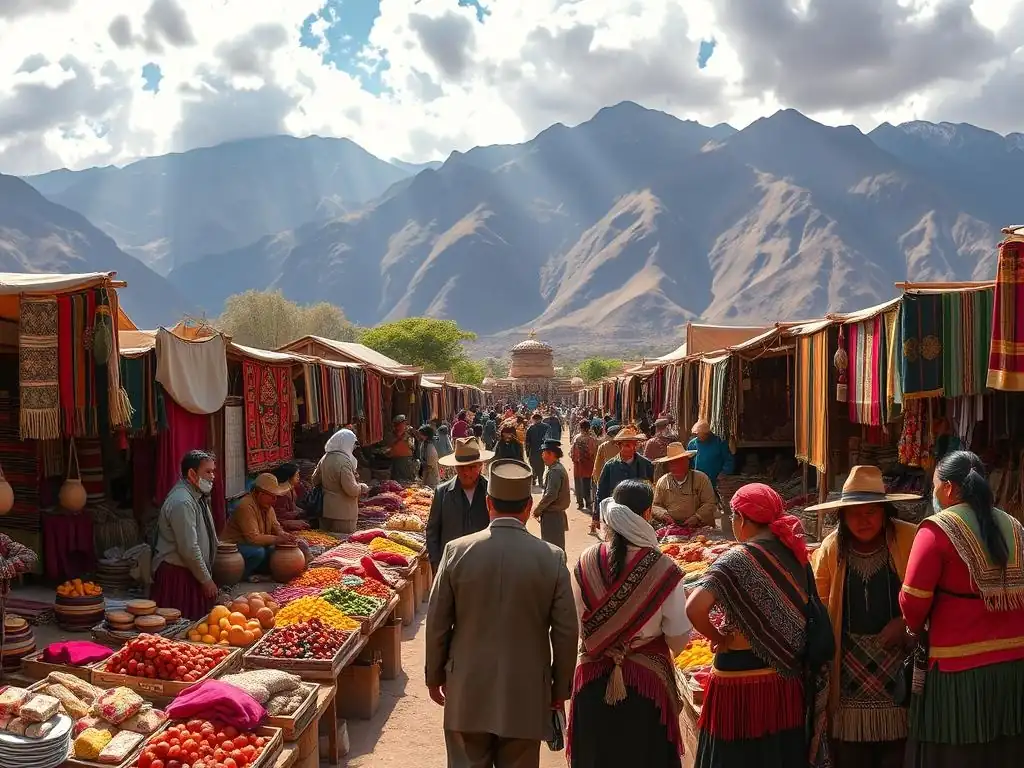
Welcome to Indigenous Civilizations of the Americas! Here, we invite you to embark on a captivating journey through the rich tapestry of indigenous cultures that flourished across the Americas long before European contact. In our featured article, we delve into the Inca Empire's cultural integration policies, uncovering how these remarkable strategies not only united diverse groups but also fostered a thriving society renowned for its advancements and achievements.
Prepare to be intrigued as we explore the intricate dynamics of cultural exchange and administration that shaped one of history's most fascinating empires. Join us as we uncover the legacy of the Inca and the profound impact of their policies, igniting your curiosity to learn more about this vibrant chapter in human history.
Introduction to the Inca Empire Cultural Integration Policies
The Inca Empire, one of the most remarkable civilizations in pre-Columbian America, was known for its sophisticated administrative systems and cultural integration policies that united a vast and diverse range of peoples across a significant portion of the Andes. Spanning from present-day Colombia to Chile, the Inca Empire's ability to assimilate various cultural practices and traditions from conquered territories played a crucial role in its expansion and lasting influence. This article examines the Inca Empire's cultural integration policies, exploring how these strategies facilitated the management of their vast empire while fostering a sense of unity among diverse groups.
Overview of the Inca Empire
The Inca Empire, known as Tawantinsuyu, which translates to "The Four Regions," emerged in the early 15th century and lasted until the Spanish conquest in the 16th century. At its zenith, the empire encompassed a territory of approximately 2 million square kilometers and was home to millions of inhabitants. The Incas developed advanced agricultural techniques, engineering marvels such as Machu Picchu, and a complex road system that connected remote areas. Their society was highly stratified, with a ruling elite, skilled artisans, and farmers who worked the land.
Significance of Cultural Integration in the Inca Society
Cultural integration was not merely a strategy for governance; it was foundational to the Inca identity. By incorporating local customs, languages, and religious practices, the Incas were able to:
- Foster Loyalty: Integration policies helped to create a sense of belonging among conquered peoples, reducing resistance and fostering loyalty to the Inca leadership.
- Enhance Administrative Efficiency: By adopting local administrative practices and leaders, the Incas streamlined governance and improved tax collection.
- Promote Economic Stability: The blend of various agricultural techniques and goods contributed to a more stable economy, benefiting both the empire and its diverse populations.
Purpose and Scope of Administrative Policies
The administrative policies of the Inca Empire were designed to maintain control over vast territories and ensure that the diverse cultures under their rule coexisted harmoniously. These policies included:
- Language Policies: The promotion of Quechua as the official language helped to unify the empire linguistically.
- Religious Syncretism: Incorporating local deities into the Inca pantheon encouraged the acceptance of Inca religious practices.
- Resettlement Programs: The strategic relocation of populations aimed to integrate various cultural groups and promote the exchange of agricultural practices and knowledge.
Historical Context of the Inca Empire's Administrative Policies
The Formation of the Inca Empire
The Inca Empire's rise began with the unification of several tribes under the leadership of Pachacuti in the 15th century. Through military conquest and strategic alliances, the Incas expanded their territory, establishing a centralized administration that allowed them to exert control over diverse cultures and peoples. This period marked the beginning of policies aimed at integrating these varied groups into a cohesive empire.
Key Influences on Inca Governance
Several key influences shaped the administrative policies of the Inca Empire:
- Andean Traditions: Existing practices from pre-Inca cultures provided a framework for governance, allowing the Incas to adapt and modify these systems.
- Military Conquests: The need to manage newly acquired territories necessitated the development of policies that promoted integration and loyalty among conquered groups.
- Geographical Diversity: The vast and varied landscapes of the Andes required innovative administrative strategies to manage resources effectively and ensure equitable distribution.
Pre-existing Cultures and Societies in the Andes
Prior to the rise of the Inca Empire, the Andes were home to numerous sophisticated societies, including the Moche, Nazca, and Tiwanaku. Each of these cultures contributed to the rich tapestry of Andean civilization, influencing Inca practices in agriculture, architecture, and religious beliefs. The effective integration of these diverse cultural elements into Inca governance was crucial for the empire's success and longevity.
This exploration of the Inca Empire's cultural integration policies highlights the significance of these strategies in shaping a unified society from a mosaic of diverse cultures, ultimately contributing to one of the most impressive empires in history.
Major Cultural Integration Policies of the Inca Empire
The Inca Empire, known for its vast territorial expanse and diverse populations, implemented several major cultural integration policies to unify its subjects and foster a cohesive identity. These policies centered around language, resettlement strategies, religious practices, and economic systems, all aimed at harmonizing the various cultures within the empire. The Incas recognized the importance of integrating the distinct traditions, customs, and languages of conquered peoples to maintain stability and loyalty. By creating a shared cultural framework, the Inca rulers sought to enhance governance and facilitate communication across their extensive territories.
The Role of Language in Cultural Integration
Language played a pivotal role in the Inca Empire's cultural integration efforts. The Incas promoted Quechua as the official language of the empire, which served as a unifying medium for communication among the diverse populations. This policy was not merely a means of administration but also an instrument of cultural assimilation. By encouraging the use of Quechua, the Incas aimed to diminish linguistic barriers and foster a sense of belonging among various ethnic groups.
Moreover, the spread of Quechua was complemented by educational initiatives. The Incas established schools to teach the language and promote Inca customs and history. Through these educational institutions, the empire cultivated a common identity, ensuring that the values and beliefs of the Inca culture permeated the lives of its subjects. This linguistic integration not only facilitated governance but also reinforced a collective Inca identity among the diverse peoples.
Relocation of Populations and Resettlement Strategies
One of the most significant methods employed by the Inca Empire for cultural integration was the relocation of populations through resettlement strategies. The Incas practiced a policy known as mitimaes, where they moved entire communities to different geographical regions. This strategy served multiple purposes: it helped to stabilize conquered territories, reduce the potential for rebellion, and encourage cultural exchange between different groups.
By displacing certain groups and relocating them alongside others, the Incas promoted intermarriage and social interaction, which further blended distinct cultural practices. For instance, the relocation of the Aymara people into areas inhabited by the Quechua facilitated the sharing of agricultural techniques, religious practices, and languages. This strategic movement not only reinforced the authority of the Inca rulers but also fostered a more unified and culturally diverse empire.
Religious Policies and Practices
The Inca Empire's approach to religion was another critical aspect of its cultural integration policies. The Incas were known for their polytheistic beliefs, worshiping a pantheon of gods, with Inti, the sun god, at the forefront. To integrate diverse religious practices, the Incas often adopted and incorporated the deities and rituals of the conquered peoples into their own religious framework.
This syncretism allowed the Incas to maintain control over various populations by respecting and blending local beliefs with Inca religious practices. Temples were built to accommodate both Inca and local deities, fostering a sense of shared spirituality. Furthermore, rituals and festivals that celebrated both Inca and indigenous traditions encouraged participation from all subjects, deepening the sense of unity and acceptance within the empire.
Economic Policies Supporting Cultural Integration
Economic policies were essential in promoting cultural integration within the Inca Empire. By establishing a robust economic framework, the Incas facilitated trade and resource distribution, which encouraged collaboration among diverse groups while reinforcing the empire's cohesion.
The Mit'a System and Labor Contributions
A cornerstone of the Inca economic policy was the mit'a system, a labor tax that required all able-bodied individuals to contribute labor to state projects, such as agricultural production, infrastructure development, and mining. This system not only provided the empire with a steady workforce but also integrated various ethnic groups into a shared economic system.
The mit'a system fostered collaboration among different communities, allowing for the exchange of skills and knowledge. For example, agricultural techniques from the highlands were shared with those from the lowlands, enhancing productivity and fostering interdependence among diverse groups. This collective labor approach not only strengthened the economic foundation of the empire but also promoted cultural integration as individuals from different backgrounds worked together for common goals.
Trade Networks and Cultural Exchange
The extensive trade networks established by the Inca Empire played a vital role in cultural integration. These networks facilitated the exchange of goods, ideas, and cultural practices among different regions of the empire. The Incas traded not only in agricultural products but also in textiles, ceramics, and metals, which were often unique to specific regions.
Trade routes connected distant communities, allowing for the movement of not just commodities but also cultural influences. As merchants interacted with various groups, they exchanged stories, traditions, and practices, contributing to a dynamic cultural landscape. This exchange enriched the Inca culture and helped to weave a tapestry of shared experiences among the empire's diverse populations, solidifying the Inca identity while respecting the uniqueness of individual cultures.
Effects of Inca Cultural Integration Policies
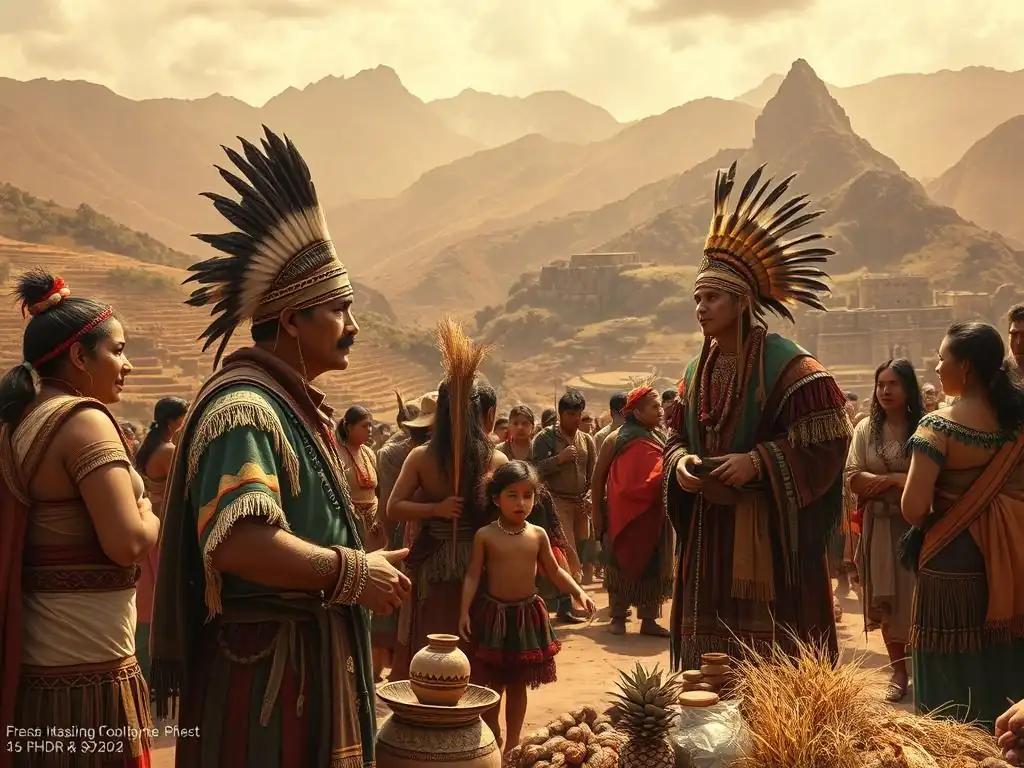
The Inca Empire's cultural integration policies had profound effects on both the empire and the diverse groups within its borders. By promoting unity and fostering a shared identity among various ethnicities, the Incas were able to maintain stability over an extensive and diverse territory. These policies not only facilitated effective governance but also laid the groundwork for cultural exchange and social integration, which ultimately enriched the Inca civilization.
One significant outcome of these integration policies was the establishment of a common language, Quechua. The promotion of Quechua across the empire allowed for improved communication and administration, helping to dissolve barriers that may have existed among different cultural groups. Additionally, the Incas encouraged the adoption of their religious practices and agricultural techniques, further blending various cultural elements into a cohesive societal framework.
The Incas understood that social cohesion was critical for the longevity of their empire. To achieve this, they implemented several strategies aimed at fostering unity among the diverse groups they ruled. One notable approach was the practice of mitmaqkuna, or the relocation of communities. By resettling groups from different regions within the empire to new areas, the Incas promoted intermarriage and cultural exchange, leading to stronger ties among families and communities.
Moreover, public works projects, such as the construction of roads and temples, served as a unifying force, providing a sense of shared purpose and identity. These projects not only facilitated trade and communication but also allowed various groups to contribute to the empire's development, enhancing their sense of belonging and loyalty to the Inca state.
Long-term Impact on Indigenous Cultures in the Andes
The long-term impact of the Inca Empire’s cultural integration policies can still be observed in the Andes today. By blending various indigenous traditions and practices, the Incas helped to create a rich cultural tapestry that influenced art, music, and language. The legacy of Quechua, for instance, persists as one of the most widely spoken indigenous languages in South America.
Furthermore, the incorporation of diverse agricultural practices helped to enhance food security in the region. Traditional crops, such as potatoes and quinoa, were cultivated alongside other introduced varieties, leading to a more resilient agricultural system. This blending of practices not only served the immediate needs of the empire but also established a foundation for sustainable agricultural practices that have endured through generations.
Conclusion
Summary of Inca Empire Cultural Integration Policies
The Inca Empire's cultural integration policies were instrumental in fostering social cohesion and unity among its diverse populations. By promoting a common language, encouraging inter-community relations, and investing in public works, the Incas effectively managed to create a sense of belonging across various ethnic groups. The resulting cultural exchange enriched the empire and contributed to its strength and stability.
Reflection on the Importance of Administrative Strategies in Cultural Cohesion
The administrative strategies employed by the Inca Empire highlight the importance of governance in promoting cultural cohesion. The deliberate efforts to integrate diverse groups not only facilitated effective administration but also contributed to the creation of a shared identity. This approach serves as a valuable lesson in the power of inclusive governance and cultural integration in maintaining social harmony.
Final Thoughts on the Inca Empire's Legacy in Cultural Integration
Ultimately, the legacy of the Inca Empire's cultural integration policies is one of resilience and adaptability. The strategies employed by the Incas to unify diverse cultures have left a lasting mark on the Andes, showcasing the potential for harmonious coexistence among different peoples. As modern societies continue to grapple with issues of diversity and integration, the lessons drawn from the Inca Empire offer timeless insights into the importance of fostering unity and understanding in a multicultural world.
- Introduction to the Inca Empire Cultural Integration Policies
- Historical Context of the Inca Empire's Administrative Policies
- Major Cultural Integration Policies of the Inca Empire
- Economic Policies Supporting Cultural Integration
- Effects of Inca Cultural Integration Policies
- Social Cohesion and Unity Among Diverse Groups
- Long-term Impact on Indigenous Cultures in the Andes
- Conclusion
- What were the main cultural integration policies of the Inca Empire?
- How did the Inca Empire manage its diverse populations?
- What role did religion play in the Inca Empire's integration efforts?
- How did the Inca Empire's administrative policies influence local cultures?
- What lasting impacts did the Inca Empire's integration policies have on modern cultures?
Frequently Asked Questions
What were the main cultural integration policies of the Inca Empire?
The Inca Empire's cultural integration policies included the promotion of Quechua language, the construction of road systems, and the establishment of administrative centers that facilitated the blending of diverse cultures.
How did the Inca Empire manage its diverse populations?
The Incas implemented a system of relocation and resettlement, which encouraged cultural exchange and helped integrate various ethnic groups into the empire while preserving some of their unique traditions.
What role did religion play in the Inca Empire's integration efforts?
The Incas promoted the worship of the sun god Inti, while also incorporating local deities into their religious practices, thereby fostering a sense of unity among different cultural groups.
How did the Inca Empire's administrative policies influence local cultures?
The administrative policies of the Inca Empire facilitated the spread of Incan customs and practices, which often led to the adoption of these elements by local populations, creating a more integrated society.
What lasting impacts did the Inca Empire's integration policies have on modern cultures?
The integration policies of the Inca Empire contributed to the cultural diversity and heritage of modern Andean societies, influencing language, traditions, and social structures that persist today.
Final Reflection: The Enduring Legacy of Inca Empire Cultural Integration Policies
The Inca Empire's approach to cultural integration through administrative policies remains profoundly relevant today. In an increasingly globalized world, the ability to harmonize diverse cultures is more crucial than ever. The Inca Empire exemplified how effective governance can foster unity amidst diversity, demonstrating that cultural integration is not merely a historical phenomenon but a vital strategy for contemporary societies facing similar challenges.
The legacy of the Inca Empire's cultural integration policies continues to shape our understanding of social cohesion and governance. By embracing various customs and traditions, the Incas created a rich tapestry of cultural exchange that not only strengthened their empire but also laid the groundwork for future generations. As historian John H. Rowe noted, The Incas were not conquerors in the traditional sense; they were master integrators, blending diverse peoples into a cohesive society.
This observation highlights the importance of inclusivity in governance, a lesson that resonates in today's multicultural societies.
As we reflect on the Inca Empire's remarkable ability to integrate diverse cultures, let us consider how we can apply these lessons in our own lives and communities. Embrace the diversity around you, and seek to understand and appreciate the different backgrounds that shape our world. By fostering an environment of inclusivity and respect, we can create a more harmonious society, echoing the wisdom of the Incas and ensuring that the spirit of cultural integration thrives in the future.
Uncover the Legacy of the Inca Empire!
Thank you for diving into the fascinating world of the Inca Empire's rich cultural tapestry. By exploring their innovative administrative policies, you’ve gained insight into how they seamlessly integrated diverse cultures. Now, it’s time to take this knowledge further and engage with the profound legacy they left behind!
Here are a few actions you can take to deepen your understanding and share this incredible history:
- Dive deeper! Read more about the specific administrative practices that contributed to cultural integration. Explore scholarly articles or books to broaden your knowledge.
- Share your insights! Discuss this topic with friends or on social media. Your perspective on the Incan approach to diversity can spark meaningful conversations.
- Join a community! Participate in forums or local events focused on Indigenous history to connect with fellow enthusiasts and broaden your horizons.
What aspect of the Inca Empire’s integration of cultures inspires you the most, and how can it inform today’s societal dynamics? We’d love to hear your thoughts!