
The Mayan Ball Game: Understanding the Physics Behind the Sport

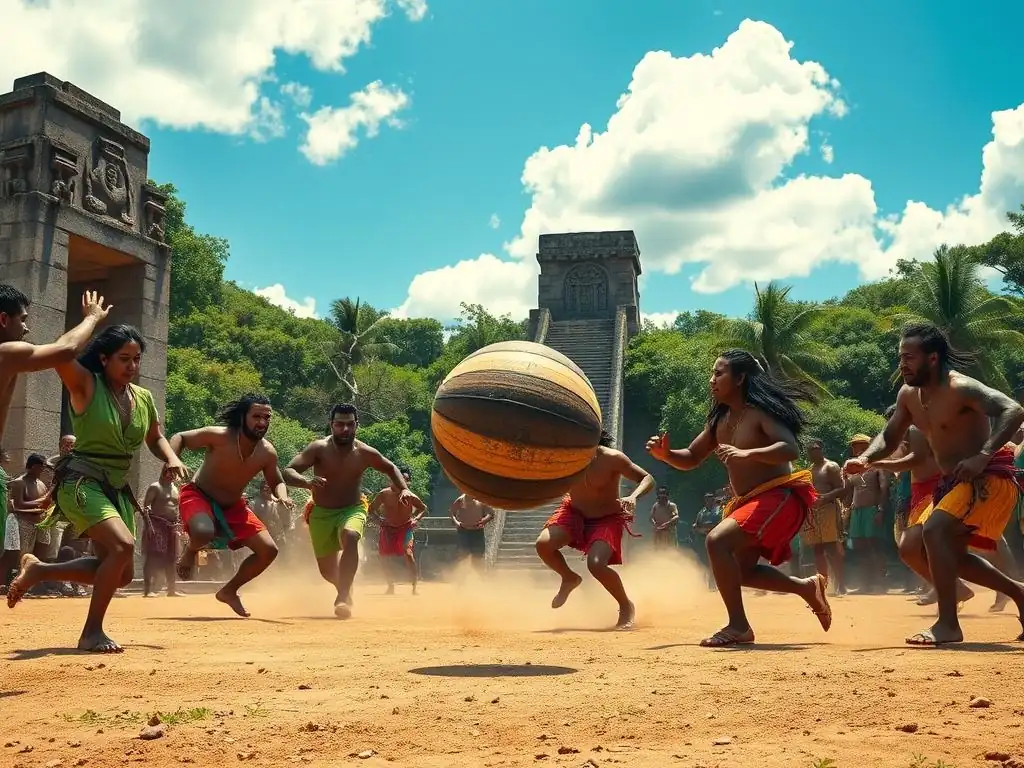
Welcome to Indigenous Civilizations of the Americas, where we invite you to journey through the rich tapestry of indigenous cultures that flourished long before European contact. Here, you will uncover the remarkable achievements and complex societies that shaped the Americas. Our featured article, "The Mayan Ball Game: Understanding the Physics Behind the Sport," delves into an intriguing aspect of the Mayan civilization—exploring the fascinating physics that underpin this ancient sport.
Prepare to be captivated as we unravel the scientific principles that made the Mayan ball game a testament to their ingenuity and cultural significance. Join us as we celebrate the legacy of these vibrant civilizations and their enduring influence on our world today!
Introduction to the Mayan Ball Game
The Mayan ball game, known as pitz, serves as a fascinating intersection of culture, spirituality, and physicality within the ancient Mayan civilization. This sport, played on a large, often ceremonial court, was not merely a game; it was a vital part of Mayan life, reflecting their complex societal structures, religious beliefs, and communal values.
As we delve into the Mayan ball game physics analysis, we uncover not only the mechanics of the game but also the profound impact it had on the Mayan people and their understanding of the world around them. This exploration will highlight the scientific principles that governed the game and how these principles were applied in practice, showcasing the ingenuity of the Mayans in both sport and science.
Overview of the Mayan Ball Game
The Mayan ball game was played with a solid rubber ball, weighing about 4 kg (9 lbs), and the objective was to pass the ball through a stone hoop using any part of the body except for the hands. The courts were often elaborately decorated and held significant religious meaning, with rituals accompanying the games. Players exhibited remarkable athletic skill, employing strategies that required not only physical prowess but also a deep understanding of the game's dynamics.
- Court Design: The courts were typically large rectangular areas, sometimes adorned with intricate carvings depicting mythological scenes and important cultural symbols.
- Game Dynamics: The rules varied, but the main goal was to score points by getting the ball through the hoop. The ball's weight and size added complexity to the gameplay, influencing how players interacted with it.
Historical Significance of the Sport in Mayan Culture
The significance of the ball game in Mayan society extended far beyond entertainment. It was deeply intertwined with their religious beliefs and political structures. Victories in the game were often associated with divine favor, and the outcomes of matches could influence social hierarchies and even decisions regarding warfare.
- Ritualistic Elements: Games were often accompanied by rituals that honored the gods, reinforcing the spiritual connection between the sport and the Mayan worldview.
- Symbol of Power: The game served as a display of strength and skill, with elite players often gaining high status within their communities due to their prowess on the court.
The Physics of the Mayan Ball Game
Understanding the physics behind the Mayan ball game offers insights into the mechanics that governed its play. From the forces that acted on the ball to the motions of the players, physics played a crucial role in how the game was experienced and understood.
Basic Principles of Physics in Sports
In any sport, several basic principles of physics come into play, including kinematics (the study of motion), dynamics (the forces that affect motion), and the principles of energy and momentum.
- Kinematics: Describes the motion of the ball and players without considering the forces involved. It includes concepts like velocity, acceleration, and trajectory.
- Dynamics: Involves the forces acting on the ball, including gravitational force, friction from the court, and the force applied by players.
Application of Kinematics in the Mayan Ball Game
In the pitz, the application of kinematics is evident in how players maneuver the ball through the air. The trajectory of the ball is influenced by:
- Initial Velocity: The speed and angle at which the ball is thrown or hit determine its path.
- Air Resistance: As the ball travels, air resistance plays a role in its deceleration and ultimate landing spot.
Understanding these kinematic principles allowed players to master their techniques and improve their performance on the court.
Forces at Play: Gravity, Friction, and Momentum
Several forces interact during the game, each contributing to the overall dynamics:
- Gravity: Pulls the ball downward, affecting its bounce and trajectory.
- Friction: Between the ball and the court surface affects how the ball rolls and stops.
- Momentum: The mass and velocity of the ball influence its momentum, determining how it interacts with players and the court.
By examining these forces, we gain a deeper appreciation of how the Mayans not only engaged with their sport but also understood the underlying physical principles at work. This analysis showcases the remarkable blend of culture and science that characterized the Mayan civilization.
Key Components of the Game
The Mayan ball game, known as pitz, was a complex sport that served both recreational and ritualistic purposes. Understanding its key components is essential for analyzing its cultural significance and the physics involved in its gameplay.
- The Court: The game was played on a large, rectangular court featuring sloped walls and stone rings. The court's design was not only functional but also symbolic, reflecting the cosmological beliefs of the Maya. The dimensions of the court varied, but it typically measured around 30-40 meters long and 10-20 meters wide.
- The Ball: The ball used in the game was made from rubber, with a circumference of about 20-30 inches. Its weight and size made it challenging to maneuver, requiring players to use skillful techniques to pass and strike it effectively.
- Players: Teams typically consisted of two to four players, who were not only athletes but also often held social and religious significance. The players wore protective gear, including padded clothing, to shield themselves during intense gameplay.
- Rules and Objectives: The primary objective of the game was to score points by hitting the ball through the stone rings mounted on the walls of the court. The rules were complex and varied by region, but the game often involved strategies that emphasized teamwork and agility.
Equipment Used in the Mayan Ball Game
The equipment utilized in the Mayan ball game was critical to both the gameplay and the players' safety.
- The Ball: The most essential piece of equipment, made from rubber derived from the sap of the hevea brasiliensis tree, was designed to withstand the rigors of intense play. Its elasticity allowed for remarkable rebounds, which added a layer of unpredictability to the game.
- Protective Gear: Players wore protective gear such as helmets, elbow pads, and shin guards made from cotton or leather. This equipment was crucial, as the ball could be quite heavy and was often struck with significant force.
- Ritualistic Items: In addition to standard game equipment, various ritualistic items were sometimes incorporated, such as symbolic objects that represented the players' lineage or deities, emphasizing the game's spiritual aspects.
Player Dynamics: Movement and Strategy
Player dynamics in the Mayan ball game were characterized by a combination of movement, skill, and strategic thinking.
- Movement: Players utilized a variety of movements, including running, jumping, and lateral shifts, to navigate the court effectively. Their agility was crucial for both offense and defense, as the game demanded quick reflexes and the ability to change direction rapidly.
- Positioning and Teamwork: Effective teamwork was essential for success. Players had to communicate and position themselves strategically to create passing opportunities and defend against the opposing team. This required an understanding of each other's strengths and weaknesses, as well as an awareness of the ball's trajectory.
- Game Strategy: Coaches and players often developed intricate strategies based on the strengths of their team and the tendencies of their opponents. This might include specific plays designed to exploit weaknesses in the opposition's defense or to maximize scoring opportunities.
Analyzing Game Mechanics
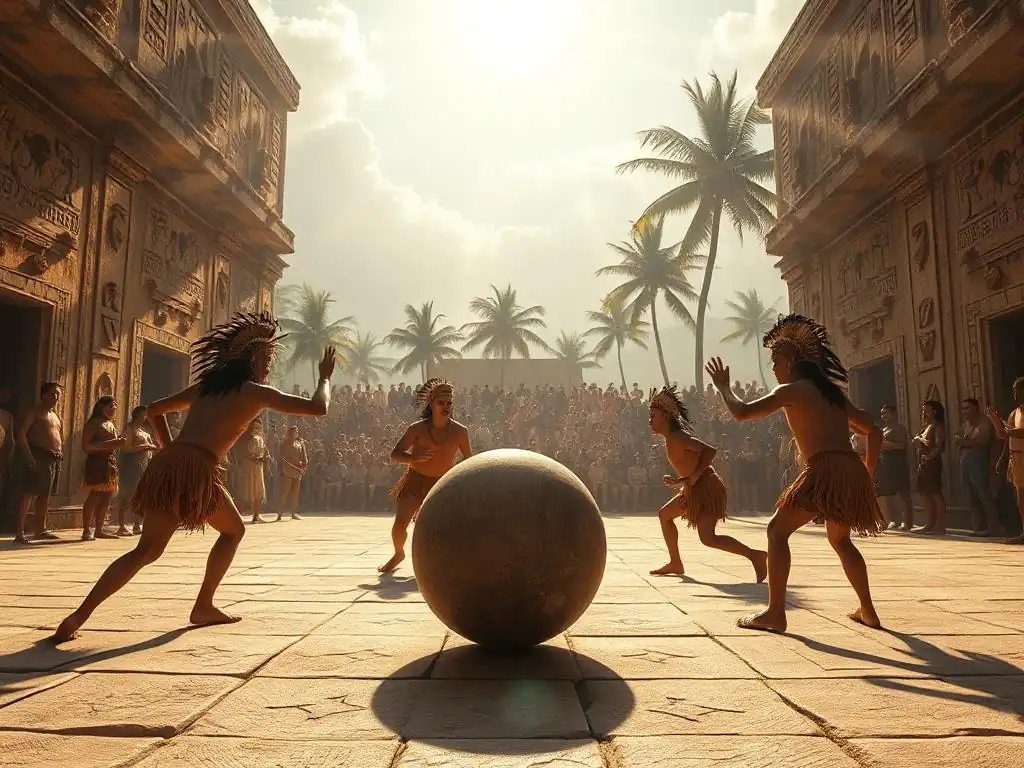
Understanding the mechanics of the Mayan ball game allows for a deeper appreciation of the physics involved in this ancient sport.
Trajectory of the Ball: A Physics Perspective
The trajectory of the ball in the Mayan ball game is a fascinating subject for analysis. Key factors influencing its path include:
- Initial Velocity: The speed at which the ball is struck significantly affects its trajectory. Players employ different striking techniques to achieve varying velocities, which can lead to high arcs or low, fast passes.
- Angle of Projection: The angle at which the ball is hit determines its apex and distance traveled. A steeper angle results in a higher shot that can be difficult to intercept, while a flatter shot may travel further but can be more easily defended.
- Gravity and Air Resistance: As the ball travels, gravitational forces act upon it, causing it to eventually descend. Air resistance also plays a role, particularly for lighter balls, impacting the speed and distance of the throw.
Energy Transfer During Gameplay
Energy transfer is a crucial aspect of the Mayan ball game's mechanics. Understanding this concept involves examining how energy moves through the system during gameplay.
- Kinetic Energy: When players strike the ball, they convert their muscular energy into kinetic energy. The force of the strike determines the ball's speed and direction, illustrating the principle of energy conservation in action.
- Elastic Potential Energy: The rubber ball stores elastic potential energy when deformed upon impact. This energy is released as kinetic energy when the ball rebounds, contributing to its unpredictable movement.
- Collisions: Each interaction between the ball and players or the court surfaces involves energy transfer. Inelastic collisions may occur, where kinetic energy is transformed into sound, heat, or deformation, while elastic collisions maintain kinetic energy, allowing for continued play.
The physics behind the Mayan ball game encompasses a rich interplay of mechanics, strategy, and cultural significance, demonstrating the complexity and depth of this ancient sport.
Cultural Implications of Physics in the Mayan Ball Game
The Mayan ball game, known as pok-a-tok, was not merely a sport; it embodied a rich tapestry of cultural significance that intertwined physics with social and spiritual dimensions. The game's design and mechanics reflected the Mayans' advanced understanding of physics, particularly in aspects such as motion, force, and energy transfer.
The game involved players using their hips to hit a solid rubber ball through a stone hoop elevated on a wall. This required precise calculations of angles and force to successfully score points. The cultural implications were profound, as the game symbolized duality—life and death, the earthly and the divine. Winning the game often had ritualistic significance, leading to the belief that the players were engaging with the gods, thus reinforcing the importance of physics in their understanding of both the physical and metaphysical realms.
Moreover, the game's architecture—typically played in large stone courts—demonstrated advanced engineering skills. The physics of sound also played a role, as the design of the courts amplified the players' movements and the ball's impact, creating a communal atmosphere that resonated with spectators and participants alike. This interaction between physics, culture, and spirituality indicates how integral the Mayan ball game was to their civilization.
How Physics Influenced Gameplay Strategies
Physics profoundly influenced the strategies employed in the Mayan ball game. Players needed a keen understanding of angular momentum and kinetic energy to maximize their performance. For instance, the angle at which a player struck the ball greatly affected its trajectory. A well-calculated hit could send the ball soaring through the hoop, while a miscalculated angle might result in a missed opportunity.
Players often had to anticipate the ball's path after it bounced off the court walls, which required a deep understanding of elastic collisions. This knowledge allowed them to position themselves effectively, creating strategic advantages during gameplay. The manipulation of force was also crucial; players learned to control their body weight and momentum to generate the necessary power without overextending themselves.
Overall, the tactical application of physics in gameplay strategies not only enhanced the skill level of the players but also contributed to the game's excitement, making each match a display of both athleticism and intellect.
The Role of Rituals and Ceremonies in the Game
Rituals and ceremonies surrounding the Mayan ball game added a layer of complexity to its physics and gameplay. Each match was often preceded by elaborate rituals intended to invoke the favor of the gods, showcasing the Mayans' belief in the spiritual significance of the game. These ceremonies sometimes included offerings, dances, and prayers, emphasizing the connection between the physical and the divine.
The physics involved in the game also played a role in these rituals. Certain movements and strategies were believed to align with celestial patterns, reflecting the Mayans' astronomical knowledge. For example, the timing of matches might coincide with specific celestial events, linking the game to the cycles of the universe.
The outcome of the game could have profound implications, including rituals involving the losers, who were sometimes sacrificed. This grim aspect underscores the serious cultural weight of the game, where physics was not just a tool for play but a means of engaging with the cosmos and the divine.
Modern Interpretations of Mayan Ball Game Physics
The physics of the Mayan ball game has attracted modern interest, prompting analyses that seek to understand the scientific principles behind this ancient sport. Researchers have utilized modern physics to dissect the mechanics of the game, providing insights into the forces at play during matches. By applying concepts such as projectile motion and energy conservation, contemporary scholars have begun to appreciate the sophistication of the Mayan understanding of these principles.
Comparisons with Contemporary Sports Physics
When comparing the physics of the Mayan ball game with contemporary sports, several parallels emerge. For instance, the principles of angular momentum and kinetic energy are central to many modern sports, such as basketball and soccer. Athletes today employ similar strategies to calculate the optimal angle and force to maximize their scoring potential.
Moreover, the use of technology in sports science, such as motion analysis software, mirrors the intuitive physics that Mayan players employed. Just as athletes today analyze their performance to refine techniques and enhance strategies, the ancient Mayans relied on their understanding of physics to improve their gameplay. This comparison illustrates not only the timeless nature of these principles but also the enduring legacy of the Mayan ball game in the realm of sports.
Lessons from the Mayan Ball Game for Modern Athletic Training
The Mayan ball game offers valuable lessons for modern athletic training, particularly in the areas of strategy, teamwork, and mental resilience. Understanding the physics of movement and force can aid athletes in refining their techniques, much like the Mayans did centuries ago.
Incorporating lessons from the Mayan game, modern trainers can emphasize the importance of physics in developing skills, such as body positioning and timing. Additionally, the ritualistic aspect of the game highlights the mental preparation necessary for peak performance, suggesting that athletes can benefit from developing a strong mental framework alongside physical training.
Ultimately, the Mayan ball game's blend of physics, culture, and spirituality provides a rich source of inspiration for contemporary sports, reminding us that the foundations of athletic performance are deeply rooted in both science and tradition.
Conclusion
The Mayan ball game, known as "pitz," not only served as a significant cultural and ceremonial activity but also exemplified the intricate relationship between sports and physics. Through a detailed analysis of the game's mechanics, players engaged in complex movements that showcased their physical prowess, strategic thinking, and understanding of the laws of motion. The sport's unique features, such as the use of a rubber ball, the dynamics of throwing and striking, and the game’s architectural context, reveal the Mayans’ advanced grasp of physical principles long before modern physics was formalized.
Summary of Key Findings on Mayan Ball Game Physics
- Kinematics and Motion: The trajectory of the ball, influenced by the force exerted by players, illustrates basic principles of kinematics. Players demonstrated an understanding of angles and velocities to optimize their gameplay.
- Energy Transfer: The game exemplifies the conversion of kinetic energy during strikes, where the mass and speed of the ball play a crucial role in determining its movement. The rubber material of the ball provided unique elastic properties that affected its bounce and roll.
- Momentum and Collisions: The interactions between players and the ball, as well as between the ball and the court walls, highlight principles of momentum conservation. The strategies employed in gameplay showcased an innate understanding of these physical interactions.
- Cultural Significance: Beyond its physical aspects, the ball game held deep cultural and religious meanings, often linked to themes of life, death, and the cosmos, illustrating how the Mayans intertwined science with spirituality.
The Lasting Legacy of the Mayan Ball Game in Science and Culture
The Mayan ball game has left a significant legacy that extends beyond the confines of ancient sport. Its impact can be seen in various areas:
- Scientific Inquiry: The game serves as an early example of how indigenous peoples engaged with physical principles, paving the way for future studies in sports science and physics. Modern researchers continue to explore the mechanics of the game, drawing connections to contemporary sports and biomechanics.
- Cultural Identity: The ball game remains a symbol of Mayan identity and heritage. Festivals and reenactments celebrate its historical significance, keeping the traditions alive while educating new generations about their culture.
- Influence on Modern Sports: Elements of the Mayan ball game can be traced in various contemporary sports, highlighting how ancient practices have shaped current athletic endeavors. The emphasis on teamwork, strategy, and physicality continues to resonate with sports played today.
The Mayan ball game is a remarkable fusion of culture and science, offering insights into the Mayans' understanding of physics while solidifying its place as a cultural touchstone that endures in both indigenous identity and scientific exploration.
- Introduction to the Mayan Ball Game
- The Physics of the Mayan Ball Game
- Key Components of the Game
- Equipment Used in the Mayan Ball Game
- Analyzing Game Mechanics
- Cultural Implications of Physics in the Mayan Ball Game
- Modern Interpretations of Mayan Ball Game Physics
- Conclusion
- What is the significance of the Mayan ball game in indigenous culture?
- How does the physics of the Mayan ball game compare to modern sports?
- What materials were used to play the Mayan ball game?
- How did the rules and gameplay mechanics of the Mayan ball game function?
- What lasting impact did the Mayan ball game have on contemporary culture?
Frequently Asked Questions
What is the significance of the Mayan ball game in indigenous culture?
The Mayan ball game was not just a sport; it held religious, political, and social significance, often serving as a ritualistic event that reinforced community ties and power dynamics.
How does the physics of the Mayan ball game compare to modern sports?
The physics behind the Mayan ball game involves principles like momentum, energy transfer, and angular motion, similar to sports today, but adapted to the unique characteristics of the game and its environment.
What materials were used to play the Mayan ball game?
Players used a rubber ball made from natural latex and often played in specially designed courts, which were integral to the game's structure and rules.
How did the rules and gameplay mechanics of the Mayan ball game function?
The game was governed by a complex set of rules involving scoring methods, player roles, and strategic movements, reflecting a deep understanding of both sport and societal norms.
What lasting impact did the Mayan ball game have on contemporary culture?
The Mayan ball game influenced modern sports and cultural practices, showcasing the enduring legacy of indigenous traditions and their importance in understanding the history of the Americas.
Final Reflection: The Intersection of Culture and Physics in the Mayan Ball Game
The exploration of the Mayan ball game physics analysis not only sheds light on the intricate mechanics behind this ancient sport but also reveals its profound cultural significance. Today, as we seek to understand the interplay between physical laws and cultural practices, the Mayan ball game serves as a powerful reminder of how sports can encapsulate the values, beliefs, and innovations of a civilization. The physics at play in this game is not merely a scientific curiosity; it is a window into the heart of Mayan society, where competition, ritual, and community converged.
The influence of the Mayan ball game extends far beyond its historical context, resonating in contemporary discussions about sports and their role in society. As we engage with the principles of physics that governed the game, we also recognize the enduring legacy of the Mayans in shaping our understanding of sportsmanship and teamwork. The intricate strategies and physical prowess required in the game continue to inspire athletes and scholars alike. The ball game was more than a sport; it was a reflection of the cosmos, a dance of life and death.
This quote encapsulates the duality of the game, highlighting its significance as both a physical contest and a spiritual journey.
As we reflect on the lessons drawn from the Mayan ball game, I invite you to consider how the principles of physics and the spirit of competition can inform your own life. Whether you are an athlete, a student, or simply a curious observer, think about how the dynamics of teamwork, strategy, and resilience play out in your daily experiences.
Embrace the challenge of applying these lessons, and let the rich history of the Mayan ball game inspire you to explore the connections between culture, science, and personal growth. In doing so, you not only honor the legacy of the Mayans but also enrich your own journey in the game of life.
Unleash Your Curiosity: Dive Deeper into the Mayan Ball Game!
Thank you for exploring the fascinating world of the Mayan Ball Game and its intricate ties to physics! Your interest in this historical sport not only enriches your understanding but also highlights the vibrant cultures of the Americas. Now, let’s take your newfound knowledge to the next level!
Here are some exciting actions you can take:
- Play a Game: Organize a friendly match of your own, incorporating some of the rules and physics principles you’ve learned. Experience history in action!
- Share Your Insights: Discuss the significance of the Mayan Ball Game with friends or on social media. Spark a conversation about how ancient sports shaped civilizations!
- Explore Further: Investigate other indigenous sports and their cultural impacts. Discover the connections that sports have to identity and community.
What surprising connections can you draw between modern sports and ancient games like the Mayan Ball Game? We’d love to hear your thoughts!