
The Council of Elders: How Community Leaders Shaped Mayan Governance

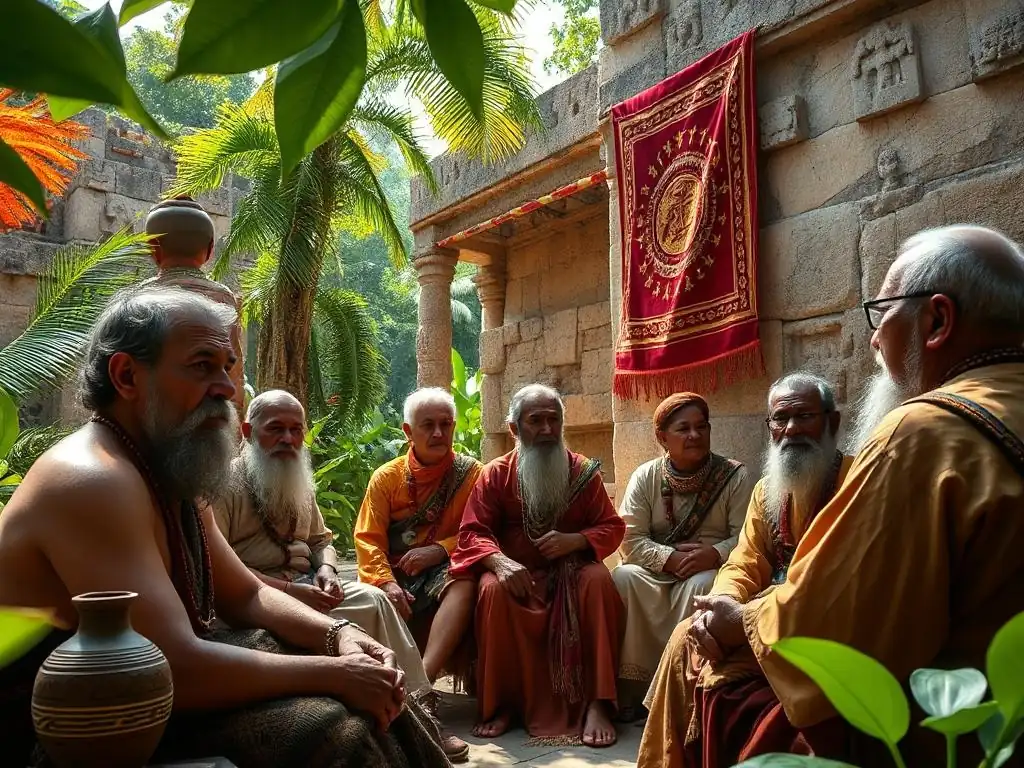
Welcome to Indigenous Civilizations of the Americas, where we invite you to embark on a fascinating journey through the rich tapestry of indigenous cultures that flourished long before European colonization. In today’s feature, we delve into the intricate world of Mayan governance and community leaders, exploring how the Council of Elders played a pivotal role in shaping the political and social landscapes of their society.
Prepare to uncover the remarkable achievements and enduring legacies of these extraordinary civilizations, sparking your curiosity and inspiring you to learn more about their profound impact on history. Join us as we unveil the stories behind the leaders who guided their communities with wisdom and strength.
Introduction to Mayan Governance and Community Leaders
Mayan governance was a complex system deeply rooted in the cultural and social fabric of their civilization. At its core, Mayan governance was characterized by a network of community leaders who played crucial roles in the administration, decision-making, and social cohesion of their societies. Among these leaders, the Council of Elders stood out as a pivotal institution, providing wisdom, guidance, and authority that shaped the political landscape of the Maya. This article delves into the intricate dynamics of Mayan governance and the significant influence of community leaders, particularly the Elders, in fostering a thriving civilization prior to European colonization.
Overview of Mayan Governance
Mayan governance was not monolithic; it varied significantly across the different city-states that comprised the civilization. Each city-state operated under its unique set of laws and customs, yet they all shared fundamental principles that emphasized collective decision-making and community involvement. Key elements of Mayan governance included:
- Hierarchical Structure: The political hierarchy typically featured a king (ajaw) at the top, followed by nobles, priests, and community leaders.
- Decentralized Power: Localized governance was pivotal, with community leaders often having significant authority within their regions.
- Religious and Political Intertwining: Governance was closely linked to religious practices, with leaders often fulfilling dual roles as both political and spiritual guides.
The collaborative nature of governance, particularly through councils, highlights the significance of community leaders in maintaining order and fostering unity among the people.
Importance of Community Leaders in Mayan Society
Community leaders were essential to the fabric of Mayan society, serving as mediators, decision-makers, and representatives of the populace. Their importance can be summarized as follows:
- Conflict Resolution: Leaders often mediated disputes within the community, ensuring peace and harmony.
- Resource Management: They played a critical role in managing agricultural resources, leading to sustainable practices that supported the community's needs.
- Cultural Preservation: Community leaders were responsible for preserving traditions, rituals, and languages, ensuring the continuity of Mayan heritage.
The influence of these leaders was profound; they not only upheld social order but also fostered a sense of identity and belonging among the Maya.
Historical Context of the Council of Elders in Mayan Civilization
The Council of Elders represented a vital component of Mayan governance, embodying the wisdom and experience necessary for effective leadership. Understanding its historical context provides insight into its role and significance within Mayan society.
Origins of the Council of Elders
The Council of Elders has roots that trace back to the early formations of Mayan civilization. Initially, councils were informal assemblies of respected individuals who offered guidance based on their life experiences. Over time, these councils became more structured, evolving into formal entities that held significant sway in governance. Key factors contributing to the emergence of the Council of Elders included:
- Cultural Beliefs: The Maya revered their ancestors and valued age and wisdom, leading to a natural inclination towards elder-led councils.
- Political Complexity: As city-states grew in size and complexity, the need for organized governance structures made the Council of Elders indispensable.
Role of Elders in Pre-Columbian Societies
Elders in pre-Columbian Mayan societies were not merely passive figures; they were active participants in governance. Their roles included:
- Advisory Functions: Elders provided counsel to rulers and community leaders, drawing from their extensive knowledge of history, law, and tradition.
- Legislative Authority: They often played a role in shaping laws and policies, ensuring that these aligned with community values and customs.
- Crisis Management: During times of conflict or crisis, the wisdom of the Elders was crucial in guiding communities through challenges, making their presence vital for stability.
In essence, the Council of Elders was a cornerstone of Mayan governance, embodying the collective wisdom of the community and reinforcing the social structure that allowed the Maya to flourish for centuries.
Structure of the Council of Elders
The Council of Elders was a vital institution within the framework of Mayan governance, serving as a cornerstone of political authority and community decision-making. This council consisted of respected leaders from various segments of Mayan society, including heads of families, warriors, and representatives from different clans. The structure was characterized by a hierarchy that emphasized wisdom, experience, and communal respect, which were essential for maintaining social order and political stability.
Elders were often chosen based on their age, experience, and contributions to the community. This selection process fostered a sense of legitimacy and continuity, ensuring that the council's decisions were grounded in the collective knowledge of the community. The council met regularly to deliberate on issues concerning the welfare of the community, including resource management, conflict resolution, and ceremonial planning.
In addition, the Council of Elders acted as a mediator between the populace and the ruling elite, ensuring that the voices of ordinary citizens were heard in the political sphere. This dual role of advising rulers and representing community interests was crucial for fostering trust and cooperation among various social groups.
Composition and Membership of the Council
The composition of the Council of Elders was diverse, reflecting the complexity of Mayan society. Members typically included:
- Elders from Prominent Families: Representing the aristocratic class, these individuals brought significant social capital and networks to the council.
- Spiritual Leaders: Shamans and priests played a critical role, ensuring that decisions were aligned with the spiritual beliefs and practices of the community.
- Military Leaders: Warriors who had proven themselves in battle contributed their insights on defense and security, linking governance with the protection of the community.
- Commoners: In some regions, the inclusion of respected commoners ensured that the council did not become isolated from the realities faced by the broader population.
This composition allowed the council to draw on a wide range of perspectives and expertise, enhancing its ability to govern effectively. The balance of power within the council was crucial, as no single group could dominate the decision-making process, fostering a collaborative environment aimed at achieving consensus.
Responsibilities and Duties of Community Leaders
Community leaders within the Council of Elders bore numerous responsibilities that were pivotal to the functioning of Mayan governance. Their primary duties included:
- Advising Rulers: Elders provided counsel to the political elite, offering insights based on their extensive knowledge of traditions and community needs.
- Conflict Resolution: They played a mediating role in disputes, employing traditional customs and restorative justice to resolve conflicts peacefully.
- Resource Management: Leaders were responsible for overseeing the equitable distribution of resources, addressing issues such as land use and agricultural practices to ensure community sustainability.
- Ceremonial Oversight: Elders coordinated and led important religious and cultural ceremonies, reinforcing social cohesion and communal identity.
- Education and Mentorship: They took on the role of educators, passing down knowledge and traditions to younger generations, thus ensuring the cultural continuity of the community.
Through these responsibilities, community leaders not only shaped the governance of their societies but also reinforced the values and norms that underpinned Mayan civilization.
Influence of the Council on Mayan Political Structure
The Council of Elders had a profound influence on the political structure of the Mayan civilization, acting as a stabilizing force that integrated various social classes into the governance process. Their advisory role helped to legitimize the authority of rulers, ensuring that decisions were made in alignment with community values and interests.
The council's influence was evident in the way they mediated power dynamics between the elite and the common populace. By integrating the voices of various community members, the Council of Elders helped mitigate potential conflicts and fostered a sense of unity, which was crucial in a society characterized by its complex political landscape.
Decision-Making Processes within the Council
Decision-making within the Council of Elders was a collective and consensus-driven process. Elders would gather to discuss pressing issues, often relying on a methodical approach that included:
- Deliberative Discussions: Members engaged in extensive discussions, where each elder could voice their opinions and concerns based on their experiences and expertise.
- Consensus Building: The aim was to reach a consensus rather than a majority vote, fostering a collaborative spirit and ensuring that decisions reflected the will of the community.
- Consultation with the Community: In many instances, the council sought input from the broader community, reinforcing democratic principles and enhancing the legitimacy of their decisions.
This process ensured that decisions were not only reflective of the council's collective wisdom but also resonated with the values and needs of the community. The inclusivity of this approach was vital for maintaining the council's authority and effectiveness in governance.
The Relationship Between Elders and Rulers
The relationship between the Council of Elders and the ruling class was one of interdependence. While rulers possessed the formal authority to govern, they relied on the elders for guidance and legitimacy. This dynamic can be characterized by several key aspects:
- Advisory Role: Elders served as advisors to the rulers, providing critical insights that shaped policies and decisions affecting the entire community.
- Legitimization of Power: Rulers often sought the council's endorsement to validate their authority, particularly during times of political transition or crisis.
- Checks and Balances: The council acted as a check on the rulers' power, ensuring that their decisions were in line with community interests and traditional practices.
This symbiotic relationship helped maintain social stability, as rulers who disregarded the council's wisdom risked losing their legitimacy and support among the populace. Thus, the Council of Elders played a crucial role in sustaining the political structure of the Mayan civilization through their advisory and mediating functions.
Case Studies of Successful Governance by Community Leaders
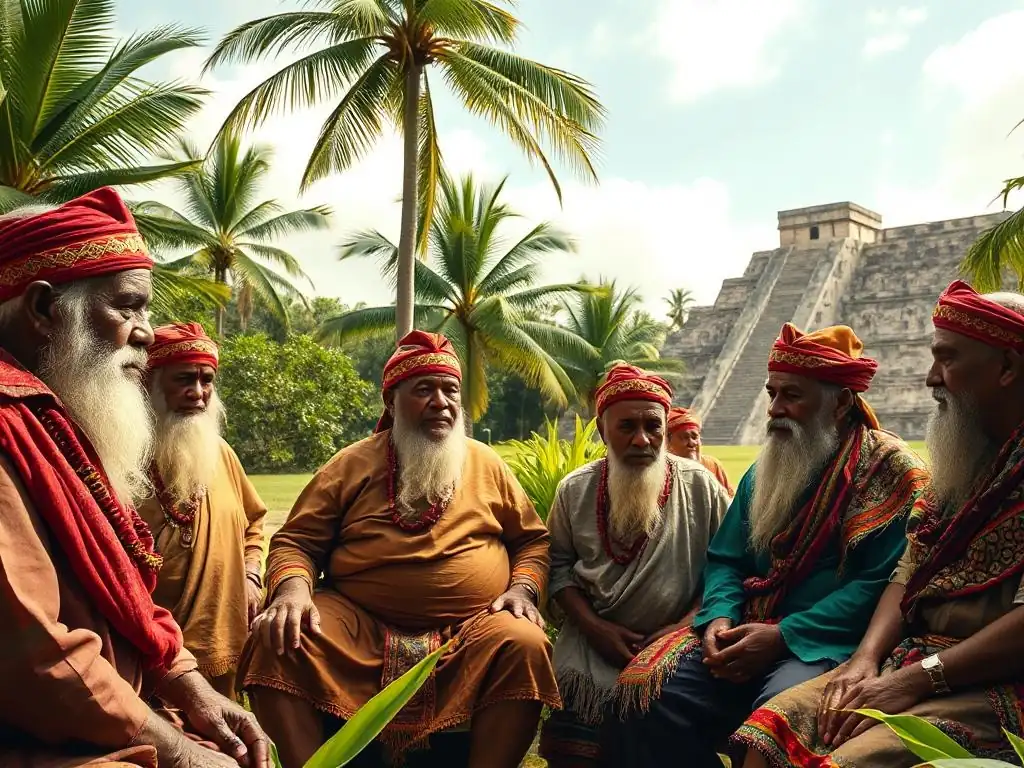
The Mayan civilization is known for its complex social structures and political systems, characterized by the significant role of community leaders, particularly the Council of Elders. These councils not only managed day-to-day governance but also played a critical role in decision-making processes that impacted their societies. Below, we explore two prominent case studies that illustrate the effective governance exercised by community leaders in specific Mayan city-states.
Example 1: Tikal
Tikal, one of the most powerful city-states during the Classic Period, serves as a prime example of effective governance through its Council of Elders. The leadership in Tikal was composed of a group of elders who were respected for their wisdom and experience. This council was integral in managing the city’s agricultural production, trade, and military strategies.
The Council of Elders in Tikal facilitated a system of checks and balances, where decisions were made collectively rather than by a single ruler. This collaborative approach allowed for diverse perspectives in governance, contributing to stability and prosperity within the city. For instance, during times of drought or famine, the council implemented communal farming practices to ensure food security for all citizens, thereby maintaining social harmony and preventing unrest.
Moreover, Tikal’s leaders were adept at diplomacy, forming alliances with neighboring city-states through marriage and trade agreements. The council played a crucial role in these decisions, showcasing how community leaders could shape not only local governance but also regional politics. The lasting influence of Tikal’s governance model can still be seen in contemporary indigenous governance structures that emphasize collective leadership.
Example 2: Copán
Copán, another significant Mayan city-state, provides another compelling illustration of community leadership within its governance model. The Council of Elders in Copán was essential in maintaining the city’s religious and political order. These elders were often viewed as intermediaries between the gods and the people, thereby ensuring that spiritual matters aligned with political decisions.
The governance system in Copán was characterized by a deep commitment to cultural and ethical values. The council guided the populace in ceremonial practices that reinforced community cohesion and identity. For example, during the construction of the famed Hieroglyphic Stairway, the elders orchestrated community involvement, emphasizing the importance of collective effort in achieving monumental tasks that symbolized the city’s achievements.
Furthermore, the Council of Elders in Copán strategically managed resources, particularly in relation to agriculture and trade. Their policies promoted sustainable farming practices, which allowed the city to prosper economically. The governance structure of Copán exemplified a holistic approach to leadership, where community well-being was prioritized, ultimately leaving a profound legacy in the region.
The Legacy of Mayan Governance and Community Leadership
The influence of Mayan governance, particularly through the lens of community leadership, extends far beyond the historical context of the civilization. The practices and principles established by the Council of Elders have left a lasting imprint on modern indigenous governance.
Lasting Impact on Modern Indigenous Governance
Many contemporary indigenous communities in Central America continue to draw inspiration from the governance models of the ancient Maya. The emphasis on collective decision-making, community involvement, and respect for elders is evident in modern practices. For instance, various indigenous groups have formed councils that mirror the structure of the Mayan Council of Elders, ensuring that leadership remains rooted in community values and traditions.
The principles of sustainability and ethical governance practiced by the Maya are also being revitalized among modern indigenous populations. Today, many communities are advocating for environmental stewardship and cultural preservation, reflecting the holistic approach to governance that was prevalent in Mayan society.
Lessons Learned from Mayan Community Leaders
The governance practices of the Maya offer valuable lessons for contemporary societies. Firstly, the importance of inclusive decision-making is a key takeaway. The success of the Mayan city-states demonstrates that involving diverse voices leads to more robust and resilient governance structures. Secondly, the emphasis on sustainability and community welfare highlights the need for responsible resource management in today’s world.
Lastly, the reverence for elders as community leaders underscores the value of experience and wisdom in governance. By recognizing and integrating the insights of seasoned individuals, communities can foster a more informed and balanced approach to leadership.
The legacy of Mayan governance and community leadership continues to resonate, providing a timeless framework for effective and inclusive governance in contemporary indigenous societies.
Conclusion
The Council of Elders played a pivotal role in shaping the governance of the Mayan civilization, serving as a cornerstone for political and social stability. This institution not only exemplified the Mayans' sophisticated political structures but also highlighted the importance of collective leadership and wisdom in decision-making processes. Elders, often respected for their experience and knowledge, acted as advisors to rulers and directly influenced community governance. Their ability to mediate conflicts, uphold traditions, and maintain social cohesion was integral to the functioning of Mayan society.
Summary of the Council of Elders' Role in Mayan Governance
The Council of Elders operated as a vital governing body within Mayan communities, characterized by a blend of traditional authority and consensus-based decision-making. Comprising esteemed members of the community, the council was responsible for various functions, including:
- Advisory Role: Elders provided guidance to the ruling elite, ensuring that decisions reflected the values and needs of the community.
- Conflict Resolution: They mediated disputes, leveraging their authority to maintain peace and harmony among community members.
- Cultural Preservation: The council played a crucial part in preserving cultural practices and knowledge, passing down traditions through generations.
- Political Legitimacy: Their endorsement was often essential for the legitimacy of rulers, as they represented the voices of the people.
Through these functions, the Council of Elders not only shaped governance but also reinforced the interconnectedness of political authority and community welfare in Mayan civilization.
The Continued Relevance of Mayan Governance Principles Today
The principles of governance established by the Mayan Council of Elders continue to resonate in contemporary societies, particularly among indigenous communities in the Americas. The values of collective decision-making, respect for elders, and emphasis on community well-being are being revived and adapted in various forms. Modern indigenous governance structures often seek to integrate traditional practices with contemporary political frameworks, promoting:
- Participatory Governance: Emphasizing the importance of community involvement in decision-making processes, paralleling the consensus model of the Council of Elders.
- Cultural Revitalization: Efforts to preserve indigenous languages, traditions, and governance practices reflect the enduring influence of Mayan principles.
- Social Cohesion: Many communities prioritize unity and mutual support, drawing from the Mayan tradition of conflict resolution and communal harmony.
As discussions around indigenous rights and self-governance gain prominence globally, the legacy of the Mayan Council of Elders serves as a powerful reminder of the effectiveness of inclusive and culturally informed governance models. The principles that guided the Mayans offer valuable insights into creating equitable and sustainable communities today.
- Introduction to Mayan Governance and Community Leaders
- Historical Context of the Council of Elders in Mayan Civilization
- Structure of the Council of Elders
- Influence of the Council on Mayan Political Structure
- Case Studies of Successful Governance by Community Leaders
- The Legacy of Mayan Governance and Community Leadership
- Conclusion
Frequently Asked Questions
What is the role of the Council of Elders in Mayan governance?
The Council of Elders served as a critical decision-making body in Mayan communities, guiding governance and maintaining social order through their wisdom and experience.
How did community leaders influence Mayan society?
Community leaders, particularly the Elders, played a vital role in shaping cultural practices, resolving conflicts, and providing leadership, thus ensuring the stability and continuity of their societies.
What were some achievements of the Mayan civilization?
The Mayans are known for their advanced astronomy, intricate mathematics, and impressive architectural feats, including temples and cities that reflect their sophisticated social structure and governance.
How did European colonization affect Mayan governance?
European colonization led to the disruption of traditional governance systems, including the Council of Elders, resulting in significant changes to community structures and cultural practices among the Mayans.
Why is understanding Mayan governance important today?
Studying Mayan governance helps us appreciate the complexities of indigenous societies and their contributions to modern governance models, emphasizing the importance of community leadership in societal development.
Final Reflection: The Enduring Legacy of Community Leadership in Mayan Governance
The exploration of Mayan governance through the lens of community leaders reveals a profound truth: the strength of a society lies in its ability to unite and empower its members. Today, as we navigate complex social and political landscapes, the principles of collaboration and shared leadership exemplified by the Council of Elders serve as a vital reminder of the importance of community in governance. The lessons learned from the Mayan civilization resonate more than ever, urging us to reflect on how we can foster inclusive decision-making in our own communities.
The influence of community leaders in shaping Mayan governance continues to echo in contemporary society. Their emphasis on collective wisdom and respect for tradition has laid a foundation for modern governance models that prioritize community engagement. As we witness movements advocating for grassroots leadership and participatory democracy, we are reminded of the words of Maya Angelou: I can be changed by what happens to me. But I refuse to be reduced by it.
This sentiment encapsulates the resilience and adaptability that community leaders embody, inspiring us to embrace our roles in shaping the future.
As we conclude this reflection, I invite you to consider your own role within your community. How can you embody the spirit of the Council of Elders in your daily life? Whether through active participation in local initiatives or by fostering dialogue among diverse groups, each of us has the power to influence governance in meaningful ways. Let us honor the legacy of the Mayan leaders by committing to a future where every voice is heard, and every community thrives.
Empower Your Community: Embrace the Spirit of Collective Leadership!
Thank you for exploring the fascinating world of community leadership and its impact on governance. Your interest in how leaders shape societies is essential for understanding our shared history. Now, let's take the insights you've gained and turn them into action!
Here are some ways you can engage with the spirit of collective leadership:
- Join or start a local community group that emphasizes shared decision-making and leadership development. Together, you can embody the wisdom of experienced leaders in your own community!
- Share your insights about community leadership on social media—spark conversations that honor indigenous practices and the importance of diverse voices.
- Explore governance models further by reading literature or attending workshops that highlight traditional practices and their relevance today.
How can you incorporate the principles of collective wisdom into your daily life or community initiatives? Your thoughts and experiences are valuable—let's discuss!