
Tribute and Trade: Economic Foundations of Mayan Political Authority

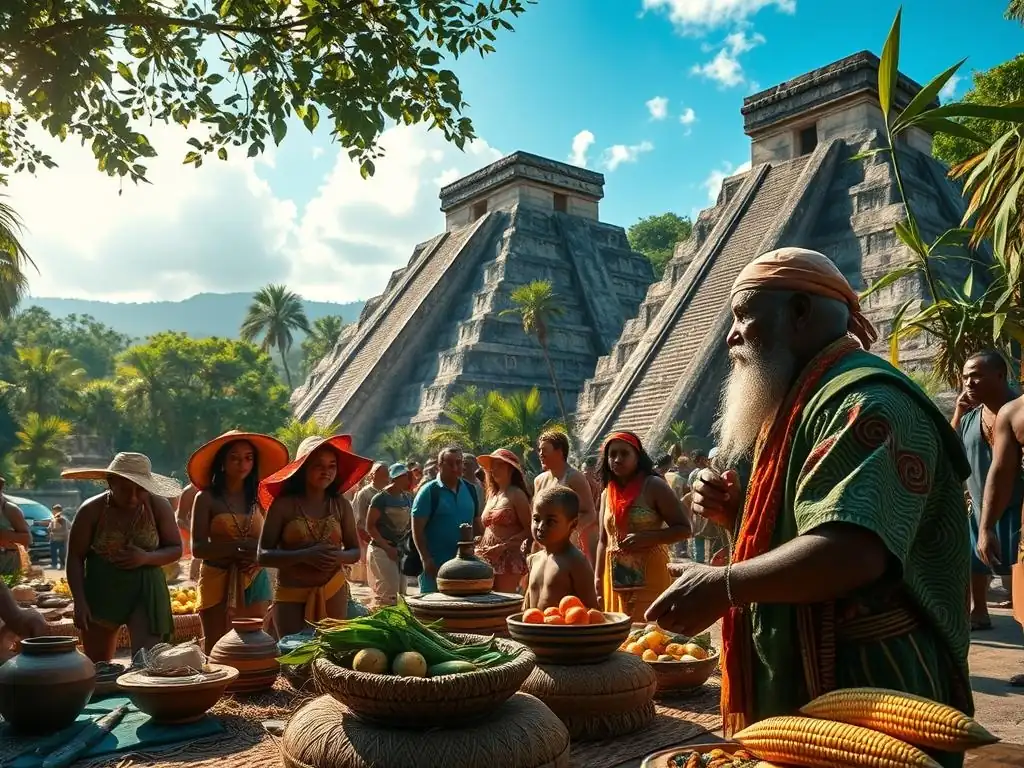
Welcome to Indigenous Civilizations of the Americas, a portal into the rich tapestry of cultures that flourished long before European footprints graced these lands. Here, we delve into the fascinating world of the Mayan economic systems and trade, where intricate networks of tribute and commerce formed the backbone of political authority and societal advancement.
Discover the innovative practices that shaped the Mayan economy and learn how these systems not only supported their civilization but also left a lasting legacy on the world. Join us on this journey to uncover the secrets of the past and ignite your curiosity about the vibrant lives of indigenous peoples.
- Introduction to Mayan Economic Systems and Trade
- The Role of Tribute in Mayan Society
- Trade Networks in the Mayan Civilization
- The Interconnection Between Tribute and Trade
- Economic Foundations of Mayan Political Authority
- Conclusion: Legacy of Mayan Economic Systems and Trade
- Further Reading on Mayan Political Structure and Economic Systems
- Frequently Asked Questions
- Final Reflection: The Enduring Legacy of Mayan Economic Systems and Trade
- Unveil the Mysteries of Mayan Trade and Tribute!
Introduction to Mayan Economic Systems and Trade
The Mayan civilization, one of the most sophisticated and enduring cultures in the Americas, developed a complex network of economic systems and trade that underpinned its political authority. Understanding the intricacies of these systems is vital, as they not only facilitated the daily lives of the Mayans but also shaped their governance, social hierarchies, and interactions with other cultures.
This article delves into the essential components of Mayan economic systems and trade, exploring how tribute and commerce contributed to the stability and power of Mayan city-states. By examining these elements, we can gain insights into the broader implications of economic foundations on political structures within this remarkable civilization.
Overview of Mayan Civilization
The Mayan civilization, flourishing from around 2000 BCE until the arrival of Europeans in the 16th century, encompassed a vast region that included present-day Mexico, Guatemala, Belize, Honduras, and El Salvador. This civilization is renowned for its advancements in various fields, including:
- Architecture: The construction of monumental pyramids, temples, and city-states, such as Tikal and Palenque.
- Astronomy and Mathematics: Development of a sophisticated calendar system and a numerical system that included the concept of zero.
- Art and Writing: Creation of intricate artworks and the use of hieroglyphics for record-keeping and storytelling.
The Mayans were not a monolithic group; rather, they consisted of various city-states, each with its own governance and cultural practices. However, they shared a common language base and religious beliefs, which contributed to their interconnectedness.
The economic systems of the Mayans were primarily based on agriculture, trade, and tribute. Agriculture, particularly the cultivation of maize, beans, and squash—often referred to as the "Mesoamerican triad"—was crucial for sustaining the population and supporting the elite classes.
Key Economic Components:
- Agriculture:
- Techniques: The Mayans employed advanced farming techniques, including slash-and-burn agriculture and terracing, which maximized productivity in diverse environments.
- Surplus Production: Agricultural surpluses allowed for trade and supported the growth of urban centers.
- Trade Networks:
- The Mayans established extensive trade routes, facilitating the exchange of goods such as jade, obsidian, textiles, and cacao across Mesoamerica.
- These networks not only connected different regions but also fostered political alliances and cultural exchanges.
- Tribute System:
- Tribute was a vital aspect of Mayan economy, where conquered city-states were required to pay taxes in the form of goods or labor.
- This system reinforced the power of ruling elites and ensured the flow of resources necessary for maintaining political authority and military strength.
The interrelation of these economic foundations enabled the Mayan civilization to thrive and adapt over centuries, reinforcing their political structures and ultimately influencing their legacy in the Americas. Understanding the mechanisms of Mayan economic systems and trade provides a clearer picture of how this civilization managed to sustain itself amid the challenges of governance and external pressures.
The Role of Tribute in Mayan Society
Definition and Significance of Tribute
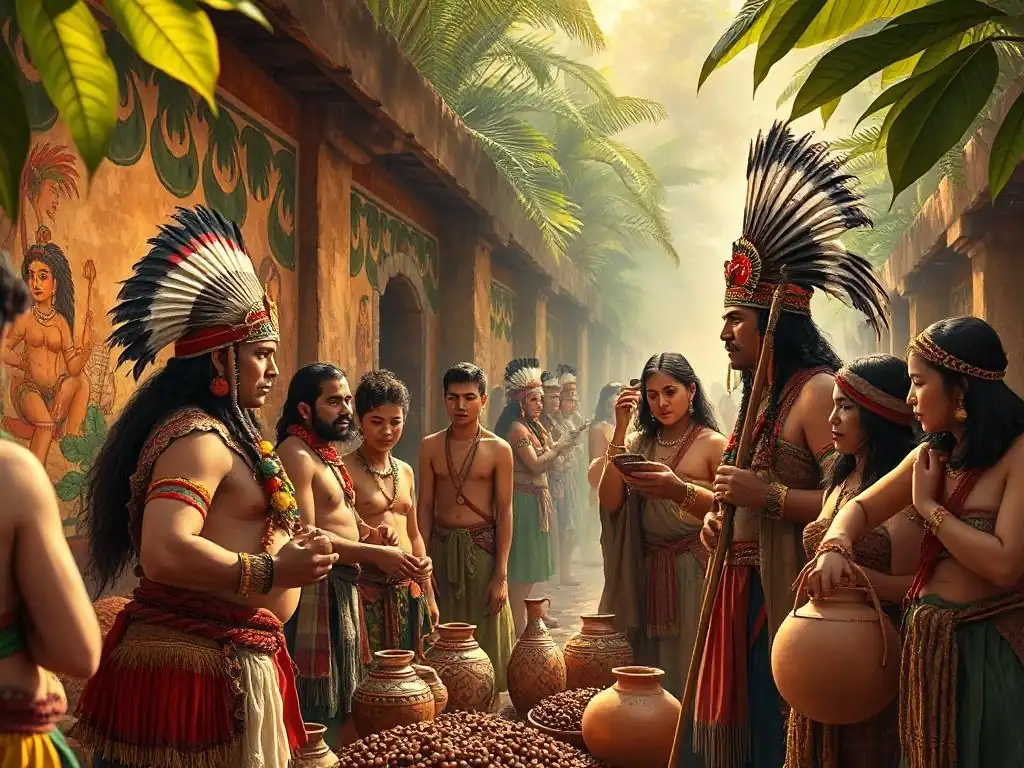
In the context of Mayan civilization, tribute refers to the compulsory payments made by subordinate polities or communities to a ruling authority. This system was not merely a form of taxation; it was a critical component of the Mayan economic systems and trade that helped sustain and reinforce political structures. Tribute served a dual purpose: it provided the ruling elites with necessary resources to maintain power and it reinforced the social hierarchy of Mayan society.
Tribute was significant for several reasons:
- Resource Redistribution: It allowed the elites to redistribute resources among their followers, ensuring loyalty and support.
- Wealth Accumulation: By collecting tribute, the ruling class accumulated wealth, which was essential for funding religious ceremonies, public works, and military campaigns.
- Political Legitimacy: The ability to extract tribute from subject communities reinforced the political authority of the rulers, as it demonstrated their control over resources and people.
Types of Tribute Collected
The Mayans collected a variety of tributes, which can be categorized into tangible goods and services. Common types of tribute included:
- Agricultural Products: This included staples such as maize, beans, and squash, which were essential for sustaining both the ruling class and the broader population.
- Crafts and Artifacts: Skilled artisans produced goods such as textiles, pottery, and jewelry that were often collected as tribute, showcasing the artistic achievements of the region.
- Labor: In addition to goods, tribute could also take the form of labor, where subjects were required to work on construction projects, agriculture, or serve in military campaigns.
- Luxury Items: High-status items such as cacao, obsidian, and jade were also collected. These items not only held economic value but also symbolized power and prestige.
| Type of Tribute | Description |
|---|---|
| Agricultural Products | Staples like maize, beans, and squash |
| Crafts and Artifacts | Textiles, pottery, and jewelry |
| Labor | Required work for construction and military service |
| Luxury Items | Cacao, obsidian, and jade |
Tribute as a Tool for Political Control
The collection and management of tribute were essential strategies for maintaining political control within the Mayan states. Rulers utilized tribute to strengthen their influence over both conquered and allied territories. Here are some ways tribute functioned as a tool for political control:
- Subjugation of Rival States: By imposing tribute on neighboring polities, Mayan rulers could assert dominance and discourage rebellion. The economic burden of tribute could weaken rival states, making them more susceptible to control.
- Cultivation of Alliances: Tribute relationships often fostered alliances among different city-states. Rulers could negotiate tribute terms that benefited both parties, thus fostering economic interdependence and mutual support.
- Public Displays of Power: The systematic collection and display of tribute goods allowed rulers to showcase their wealth and power during public ceremonies. This visibility reinforced their authority and deterred potential challengers.
- Social Cohesion: The shared obligation of tribute created a sense of unity among subjects, as they participated in a collective duty that reinforced their identity within the broader political structure.
Tribute was a fundamental aspect of Mayan economic systems and trade, serving not only to enrich the elite but also to maintain the intricate political networks that defined Mayan civilization. The interplay between tribute and political authority highlights the complexity of Mayan governance and the sophisticated nature of their economic practices.
Trade Networks in the Mayan Civilization
Overview of Mayan Trade Routes
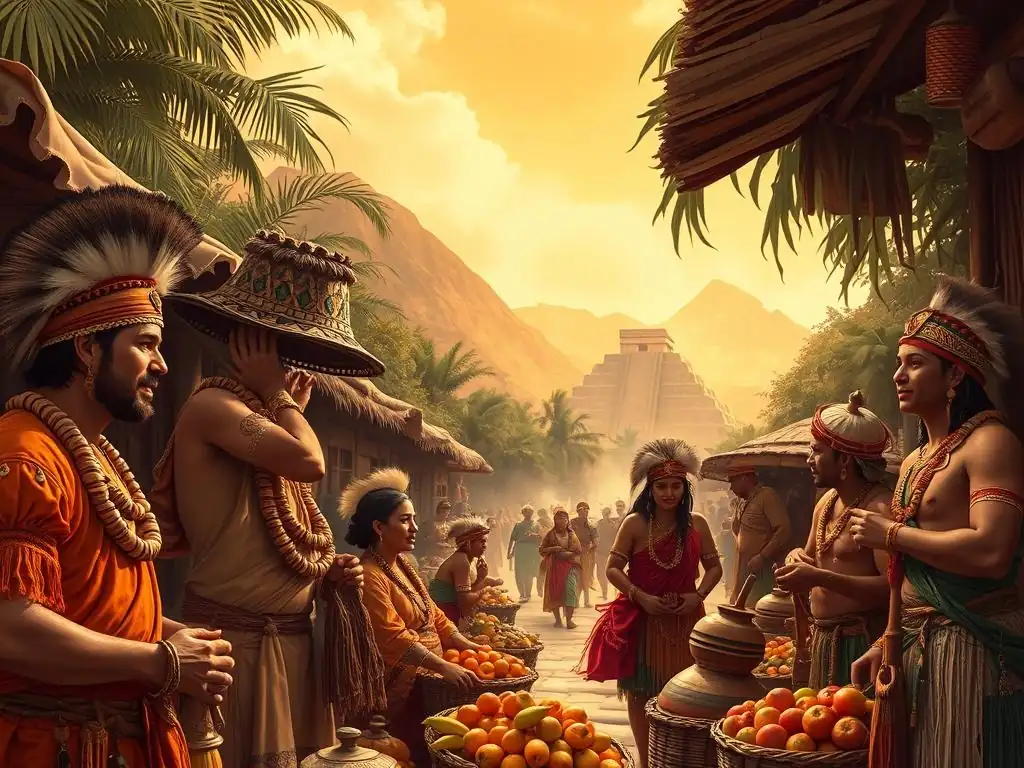
The Mayan civilization, which flourished in Mesoamerica from approximately 2000 BCE to the Spanish conquest in the 16th century, developed an extensive network of trade routes that facilitated economic interactions across vast distances. These trade routes connected various city-states, each of which had its own unique contributions to the regional economy.
Mayan trade routes can be categorized into two main types: land and sea routes.
- Land Routes: These were primarily used for transporting goods overland between the highlands and lowlands. Notable trade paths linked cities such as Tikal, Palenque, and Copán. These routes often followed natural topography, utilizing rivers, valleys, and existing trails to ease transportation.
- Sea Routes: The coastal areas, especially the Caribbean Sea and the Gulf of Mexico, were integral for maritime trade. Coastal cities like Tulum and Xcaret acted as hubs for exchanging goods with other civilizations, including those in Central America and the Caribbean.
The efficiency of these trade networks was crucial for the distribution of goods, ideas, and cultural practices, significantly influencing the political and economic landscape of the Mayan civilization.
Key Trade Goods in Mayan Economic Systems
Mayan economic systems were diverse and sophisticated, with a wide array of goods traded both locally and over long distances. Some of the most prominent trade goods included:
- Cacao: Often used as currency, cacao beans were highly valued in Mayan society. They were consumed as a beverage and played a critical role in rituals and social gatherings.
- Textiles: The Mayans were skilled weavers, producing intricate textiles that were traded extensively. These textiles were often dyed with natural pigments and adorned with designs that reflected cultural significance.
- Obsidian: A crucial material for tools and weapons, obsidian was mined in specific regions and traded widely. It was particularly important for its sharpness and durability.
- Salt: Essential for preservation and flavoring, salt was a valuable commodity. Coastal communities would trade salt for agricultural products from inland cities.
- Ceramics: Mayan pottery, known for its artistic quality and utility, was traded among various regions. These ceramics often featured distinct styles and were used for both everyday and ceremonial purposes.
The trade of these goods not only facilitated economic prosperity but also reinforced social hierarchies and cultural exchanges among different Mayan city-states.
The Role of Trade in Political Alliances
Trade was not merely an economic activity in the Mayan civilization; it was also a critical component of political alliances. The establishment of trade relationships often led to strategic partnerships between city-states, influencing their governance and authority.
- Economic Dependence: City-states that specialized in certain goods would become economically reliant on their trading partners. This interdependence could strengthen political ties, as leaders sought to maintain favorable trade arrangements.
- Diplomatic Marriages: Trade alliances were sometimes solidified through marriages between ruling families. Such unions helped secure economic benefits and fostered loyalty among different political factions.
- Tributary Systems: Trade was often intertwined with tribute systems, where subordinate city-states would pay tribute in the form of goods to more powerful ones. This practice reinforced the political hierarchy and ensured the flow of valuable resources to the elite.
The intricate web of trade networks and the exchange of goods played a pivotal role in shaping the political dynamics of the Mayan civilization, highlighting the interconnectedness of economic systems and governance.
The Interconnection Between Tribute and Trade
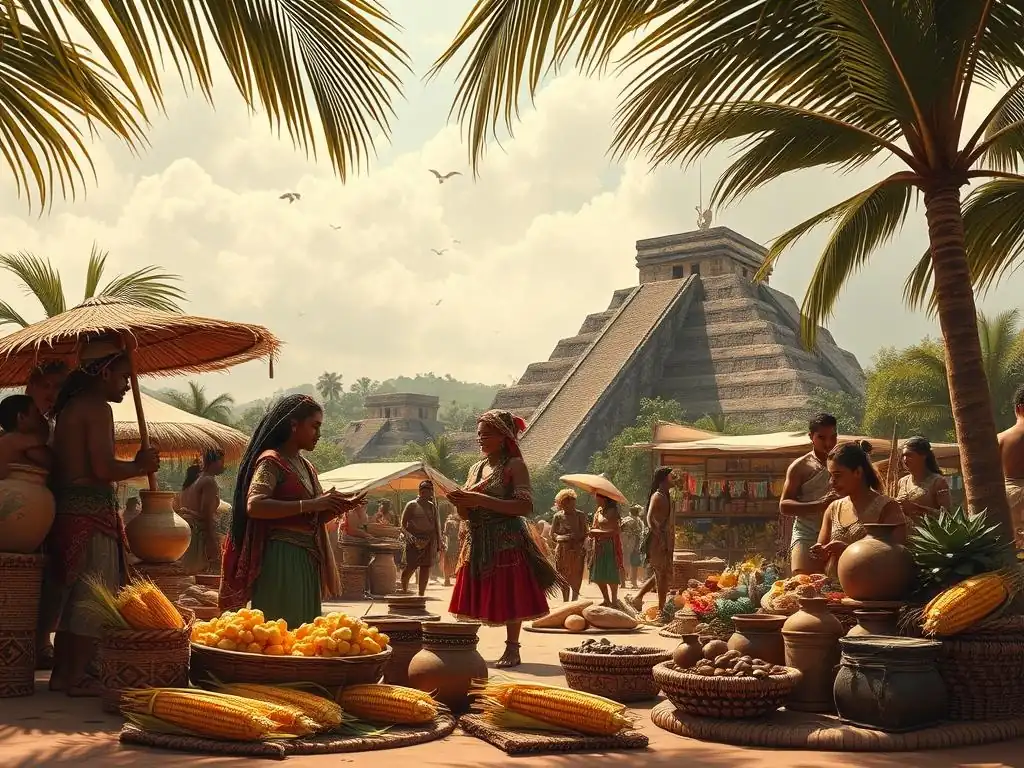
The economic foundations of the Mayan civilization were intricately woven together through systems of tribute and trade. These two elements not only facilitated the flow of goods but also reinforced political authority and social hierarchies within the various city-states of the Maya. Understanding the interrelationship between tribute and trade is crucial for comprehending the broader context of Mayan economic systems and trade.
The tribute system was a formalized method in which subordinate polities were required to pay a certain amount of goods or services to their ruling elite. This practice provided the elites with resources that were essential for maintaining their power, funding state activities, and supporting public works. In turn, trade networks allowed for the exchange of goods that were not locally available, enhancing the overall wealth and status of the ruling class.
Thus, tribute and trade operated in tandem, creating a complex economic landscape that was vital for the sustainability of Mayan political structures. The flow of tribute supported trade activities, while the integration of trade routes allowed for the circulation of tribute items, making it essential to understand how these systems interlinked to maintain the political and economic fabric of Mayan society.
How Tribute Influenced Trade Practices
The tribute system significantly influenced trade practices within the Mayan civilization in several ways.
- Resource Allocation:
- Tribute often included valuable commodities such as cocoa, textiles, and jade, which were not only used for local consumption but also for trade. The collection of these goods allowed for the establishment of trade relationships with neighboring city-states.
- Market Regulation:
- The ruling class used tribute as a means to regulate markets and control trade practices. By determining which goods were collected as tribute, they could influence market supply and demand, effectively controlling prices and trade dynamics.
- Cultural Exchange:
- Tribute items often reflected cultural significance, which in turn affected trade. The desire for unique tribute goods led to increased interactions between different Mayan regions, fostering cultural exchange and the spread of ideas.
- Political Alliances:
- The tribute system served as a mechanism for forming and maintaining political alliances. City-states that engaged in mutual tribute exchanges often established trade agreements, further solidifying their economic ties and political influence.
Through these mechanisms, tribute not only served as a means of sustaining political power but also shaped the landscape of trade practices throughout the Mayan civilization.
Trade as a Means of Enhancing Political Power
Trade was a crucial tool for enhancing political power among the Mayan elites. The ability to control trade routes and the flow of goods contributed significantly to the authority of rulers. Here are several ways in which trade enhanced political power:
- Economic Leverage:
- Control over trade routes allowed city-states to impose tariffs and taxes on merchants, generating revenue that could be used to fund military campaigns or public projects.
- Access to Luxury Goods:
- The acquisition of luxury items through trade—such as obsidian, cacao, and exotic feathers—allowed elites to display their wealth and power, reinforcing their status within society.
- Military Alliances:
- Trade was often linked to military alliances, where city-states would cooperate to safeguard trade routes. This cooperation could lead to increased political influence and control over larger territories.
- Diplomatic Relations:
- Engaging in trade with foreign city-states helped establish diplomatic relations, which could be leveraged for political advantage. The exchange of goods often accompanied treaties and agreements, strengthening the political landscape.
By strategically harnessing the benefits of trade, Mayan leaders could solidify their political authority, enabling them to maintain control over their realms and influence surrounding regions.
Case Studies of Tribute and Trade in Specific City-States
To better understand the dynamics of tribute and trade within the Mayan civilization, it is essential to examine specific case studies of notable city-states where these economic systems were prominently displayed.
| City-State | Tribute System | Trade Practices | Notable Outcomes |
|---|---|---|---|
| Tikal | Collected tribute in the form of textiles and cacao from surrounding areas. | Established trade routes that connected to the Pacific coast, facilitating access to obsidian and salt. | Enhanced political power through military campaigns funded by tribute revenues and trade profits. |
| Calakmul | Required tribute from subordinate city-states, often in jade and luxury goods. | Engaged in active trade with regions as far as central Mexico, exchanging goods like cacao and exotic feathers. | Developed a reputation as a major political power through wealth accumulation from tribute and trade. |
| Copán | Implemented a tribute system that included agricultural products and crafts. | Flourished as a trade hub for ceramics and jade, attracting merchants from various regions. | Strengthened political alliances through trade, which led to increased influence in the region. |
These case studies illustrate how different city-states utilized tribute and trade to reinforce their political authority and economic stability. The unique approaches taken by each city-state exemplify the versatility and adaptability of the Mayan economic systems and trade throughout the civilization's history.
The Impact of Economic Systems on Governance
The Mayan civilization's political authority was deeply intertwined with its economic systems. The economy was predominantly agrarian, supported by advanced agricultural practices such as slash-and-burn agriculture and the development of terraced farming. These practices not only ensured food security but also facilitated population growth, which in turn strengthened political structures.
The Mayan economic systems were characterized by a dual structure—comprising both tribute-based and market-based economies. Tribute from conquered territories not only filled the coffers of city-states but also served as a means of political control. Leaders often relied on tribute to assert their power over their subjects and maintain their status. For instance, during the Classic period, major city-states like Tikal and Calakmul thrived on tribute from surrounding communities, which provided the resources necessary for monumental architecture and the sustenance of elite lifestyles.
In addition to tribute, local markets played a crucial role in the economic framework. Goods such as textiles, pottery, and food items were exchanged, fostering local economies that contributed to the overall wealth of the city-states. The interaction between these economic systems allowed for a dynamic governance structure where political leaders could leverage economic power to consolidate their authority.
How Economic Control Shaped Political Structures
Economic control was a cornerstone of the political hierarchy within Mayan society. The elite class, composed of nobles, priests, and rulers, maintained their dominance through strategic management of resources and trade routes. By controlling agricultural production and trade, these elites dictated the flow of goods and wealth, reinforcing their political power.
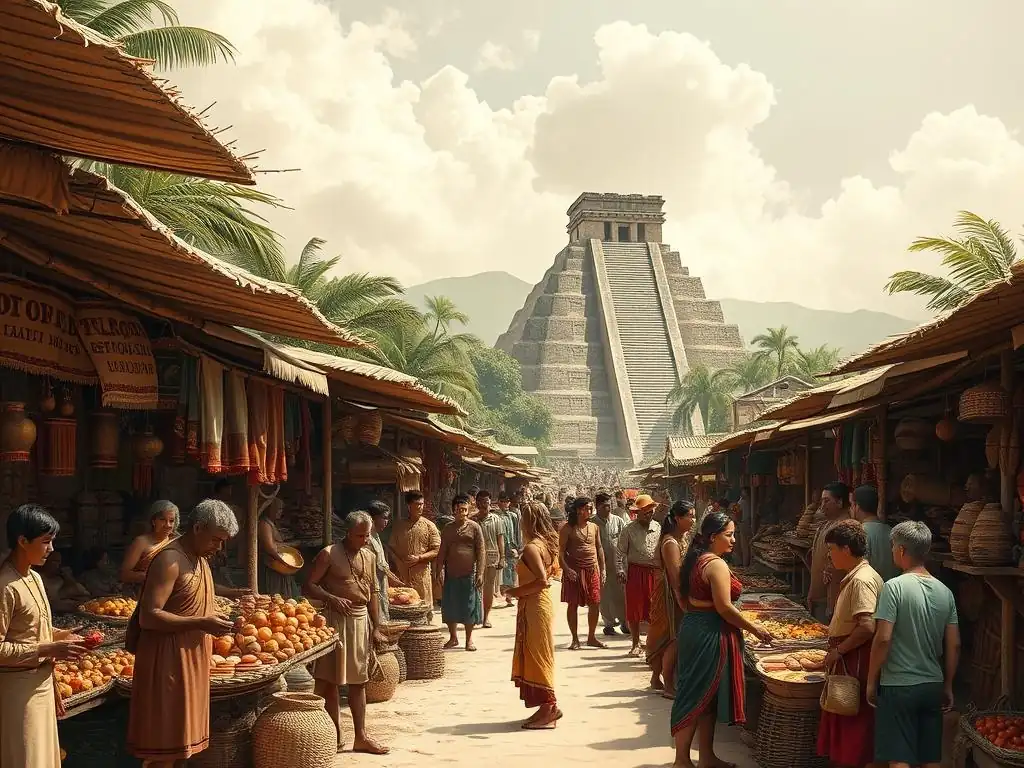
The establishment of marketplaces served not only as centers for trade but also as venues for political discourse. Leaders often positioned themselves in these marketplaces to engage with the populace, thereby establishing a direct relationship between economic activities and governance. This interaction was vital for maintaining social order and reinforcing the legitimacy of rulers.
Taxation and tribute systems were also pivotal in shaping political structures. Rulers imposed taxes on agricultural yields and trade, which were essential for funding public works, religious ceremonies, and military campaigns. The redistribution of these resources was critical for maintaining loyalty among the populace and ensuring stability within the political system.
The Influence of Trade Wealth on Leadership
Trade wealth was a significant factor that influenced leadership dynamics in Mayan civilization. The flourishing trade routes, both terrestrial and maritime, allowed for the exchange of essential goods, including jade, cacao, and textiles. The accumulation of wealth through trade not only enhanced the status of rulers but also attracted artisans and traders, contributing to the economic and cultural vibrancy of city-states.
Leaders who successfully controlled trade routes were able to amass substantial wealth, which they utilized to fund military exploits and expand their territories. For example, the trade of cacao was not only a lucrative business but also served as a form of currency and a symbol of elite status among the Maya. Rulers who monopolized cacao trade often established themselves as powerful figures within their societies.
Moreover, the influence of trade wealth extended beyond mere economic prosperity; it shaped the cultural and political landscape as well. The wealth generated from trade allowed for the patronage of arts and architecture, resulting in impressive temple complexes and ceremonial centers that reinforced the power of the ruling elite. This interplay between economic prowess and political authority underscored the importance of trade in the Mayan economic systems and trade, highlighting its role as a foundation of Mayan governance.
Conclusion: Legacy of Mayan Economic Systems and Trade
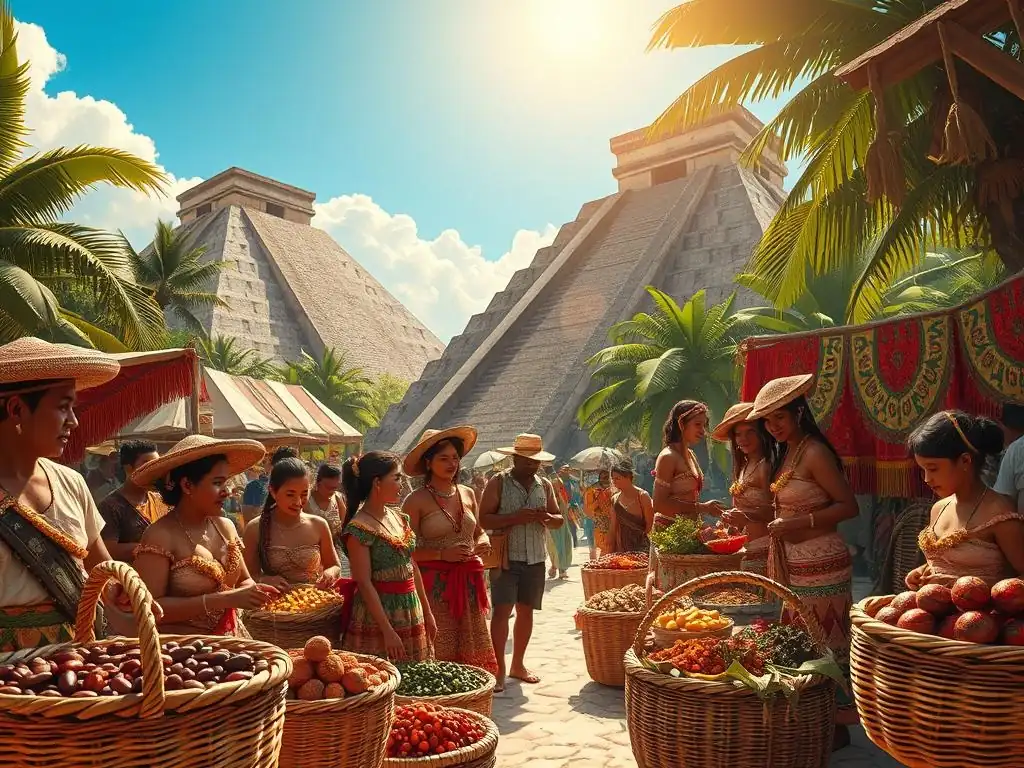
The legacy of Mayan economic systems and trade is a testament to the ingenuity and adaptability of the Maya civilization. These systems not only facilitated the day-to-day survival of the communities but also played a crucial role in establishing and reinforcing political authority. Through intricate networks of tribute and trade, the Maya were able to create a robust economy that supported their cultural achievements and governance structures.
Lasting Impacts on Indigenous Governance
The economic systems of the Maya had profound effects on their governance, establishing a framework that influenced subsequent indigenous governance models in the Americas.
- Tribute Systems: The tribute system allowed for the accumulation of resources, which were essential for the maintenance of power. Rulers could leverage these resources to ensure loyalty among their subjects and to fund public works, military campaigns, and religious ceremonies, reinforcing their authority.
- Trade Networks: The extensive trade networks established by the Maya facilitated not only economic prosperity but also cultural exchanges. These networks allowed for the distribution of goods such as textiles, ceramics, and cacao, which were not only commodities but also status symbols. As a result, trade became a means of political negotiation and alliance-building among various city-states.
- Administrative Complexity: The management of tribute and trade necessitated a sophisticated bureaucratic system. This complexity laid the groundwork for more organized forms of governance, where elites played critical roles in resource management and administrative oversight, influencing indigenous political structures in later periods.
Through these mechanisms, the economic foundations of the Maya civilization had lasting impacts on indigenous governance, shaping political dynamics long after the decline of the Maya.
The Evolution of Mayan Economic Practices Post-Colonization
Following European colonization, Mayan economic practices underwent significant transformations, adapting to new realities while retaining elements of their indigenous heritage.
- Integration into Colonial Economies: The Spanish colonizers imposed new economic systems that disrupted traditional Mayan practices. The introduction of European goods and the demand for agricultural products like sugar and indigo reshaped trade patterns. The Maya were often coerced into labor systems, such as encomienda and repartimiento, which extracted resources for European benefit.
- Resistance and Adaptation: Despite these disruptions, many Maya communities found ways to resist and adapt their economic practices. They continued to engage in traditional agriculture, craft production, and local trade, often blending these with new colonial demands. This adaptability allowed for the persistence of Mayan cultural identity even in the face of economic exploitation.
- Revival of Traditional Practices: In contemporary times, there has been a revival of traditional Mayan economic practices as communities seek to reclaim their cultural heritage. Initiatives aimed at sustainable agriculture, artisanal crafts, and local trade networks are being revitalized, allowing modern Maya to build resilience against external economic pressures.
The evolution of Mayan economic practices post-colonization illustrates the resilience of indigenous cultures and their ability to adapt to changing circumstances while maintaining their unique identity. This legacy continues to influence contemporary indigenous governance and economic systems throughout the Americas.
Further Reading on Mayan Political Structure and Economic Systems
Recommended Resources and Literature
For those looking to deepen their understanding of Mayan economic systems and trade, there are several key resources that provide comprehensive insights into the political structures and the economic foundations that sustained the Mayan civilization. Here are some recommended texts and studies:
-
"The Maya: Ancient Peoples and Places" by Arthur Demarest
This book offers an extensive overview of Mayan history, including their economic practices and political organization. It highlights how trade routes and tribute systems were integral to their societal structure.
-
"Maya Economic History: The Political Economy of the Ancient Maya" by Geoffrey E. Braswell
Braswell's work delves into the economic aspects of the Mayan civilization, exploring the relationship between economic practices and political authority.
-
"The Rise and Fall of Maya Civilization" by David Webster
This text examines the socio-economic dynamics of the Maya, focusing on how trade influenced their political hierarchy and governance.
-
"Trade and Tribute in the Maya World" by Elizabeth Graham
Graham's research offers a detailed analysis of the tribute systems and trade networks that were essential to the Mayan economy, providing insights into their political implications.
-
"Mayan Civilization: A Captivating Guide to the History of the Mayans" by Captivating History
This accessible guide presents an engaging narrative of Mayan civilization, touching on economic systems and their impact on governance.
Understanding Mayan economic systems and trade is crucial for grasping the broader context of their civilization. Here are some related topics that further illuminate the intricate relationship between economics and political authority in the Mayan world:
-
Mayan Social Hierarchy
The stratified nature of Mayan society was heavily influenced by economic power. Nobles and elite classes often controlled trade routes and resources, reinforcing their political authority.
-
Tribute Systems
The tribute system was a significant aspect of the Mayan economy. It involved the collection of goods and services from lower classes and other city-states, which played a vital role in maintaining political control and stability.
-
Trade Networks
The extensive trade networks established by the Maya not only facilitated the exchange of goods but also cultural interactions among various Mesoamerican civilizations, shaping their political landscapes.
-
Agricultural Practices
Agriculture was the backbone of the Mayan economy. Understanding their agricultural techniques, including milpa (swidden agriculture), can provide insights into their trade dynamics and political governance.
-
Cultural Exchanges
The interactions between the Maya and neighboring cultures through trade influenced not just economic systems but also political alliances, technological advancements, and cultural exchanges.
By exploring these related topics, readers can gain a more nuanced understanding of how Mayan economic systems and trade were intricately woven into the fabric of their political authority and governance.
Frequently Asked Questions
What are the main components of Mayan economic systems?
The Mayan economic systems were primarily based on agriculture, trade, and tribute. They cultivated crops like maize and engaged in commerce with neighboring regions, strengthening their political authority.
How did trade influence Mayan society?
Trade was a critical factor in Mayan society, facilitating the exchange of goods, cultural ideas, and technologies. It helped establish strong political ties and economic networks among various city-states.
Tribute served as a means of asserting political dominance and ensuring the loyalty of conquered regions. It provided resources that supported the ruling elite and maintained their power over the populace.
How did the Mayan economy compare to other indigenous cultures in the Americas?
The Mayan economy was notably complex, with a sophisticated agricultural base and extensive trade networks. This complexity often surpassed other indigenous cultures, contributing to their cultural achievements and political sophistication.
What impact did European colonization have on Mayan trade?
European colonization significantly disrupted Mayan trade networks, leading to economic decline and loss of political power. Many traditional practices and economic systems were altered or destroyed during this period.
Final Reflection: The Enduring Legacy of Mayan Economic Systems and Trade
The intricate relationship between tribute and trade in Mayan economic systems underscores the profound influence of these practices on political authority and societal structure. Today, as we navigate our own complex economic landscapes, the lessons from the Mayan civilization remind us that economic systems are not merely transactional; they are foundational to governance and community cohesion. The way the Mayans intertwined their economic practices with their political authority offers a striking reminder of how economic decisions can shape societal hierarchies and power dynamics.
Mayan economic systems and trade have left an indelible mark on our understanding of cultural and social organization. The legacy of these systems continues to resonate, influencing contemporary discussions about economic equity and governance. As we reflect on the past, we are reminded of the words of historian David Graeber: Debt is the pivot around which the whole economy turns.
This observation invites us to consider how the economic frameworks we adopt today can either empower or disenfranchise communities, echoing the complexities faced by the Mayans in their time.
As we look to the future, let us take a moment to reflect on the lessons embedded in the Mayan economic systems and trade. How can we apply these insights to foster more equitable and sustainable economic practices in our own communities?
I encourage you to engage with the principles of trade and tribute in your daily life—consider the impact of your economic choices and how they contribute to the larger societal fabric. By doing so, we honor the legacy of the Mayans and work towards a future where economic systems serve as a foundation for inclusive and just societies.
Unveil the Mysteries of Mayan Trade and Tribute!
Thank you for diving into the fascinating world of Mayan political authority and its economic foundations! Your curiosity opens the door to understanding how tribute and trade shaped a civilization like no other. Now, let's take that knowledge further and explore the rich tapestry of the Mayan world together!
Here are some clear actions you can take to deepen your understanding and engage with this captivating topic:
- Dive Deeper: Read additional articles on our website to discover more about the intricate trade routes and tribute systems that supported Mayan society.
- Share Your Insights: Discuss what you've learned with friends or on social media. Use the hashtag **#MayanTrade** to connect and see other perspectives!
- Join the Community: Participate in local or online forums focused on Indigenous civilizations. Engage with fellow history enthusiasts and exchange ideas!
How do you think the balance of trade and tribute in Mayan society influenced their political landscape? Share your thoughts below!