
Aztec Codices: Ancient Books That Reveal a Civilization's Soul

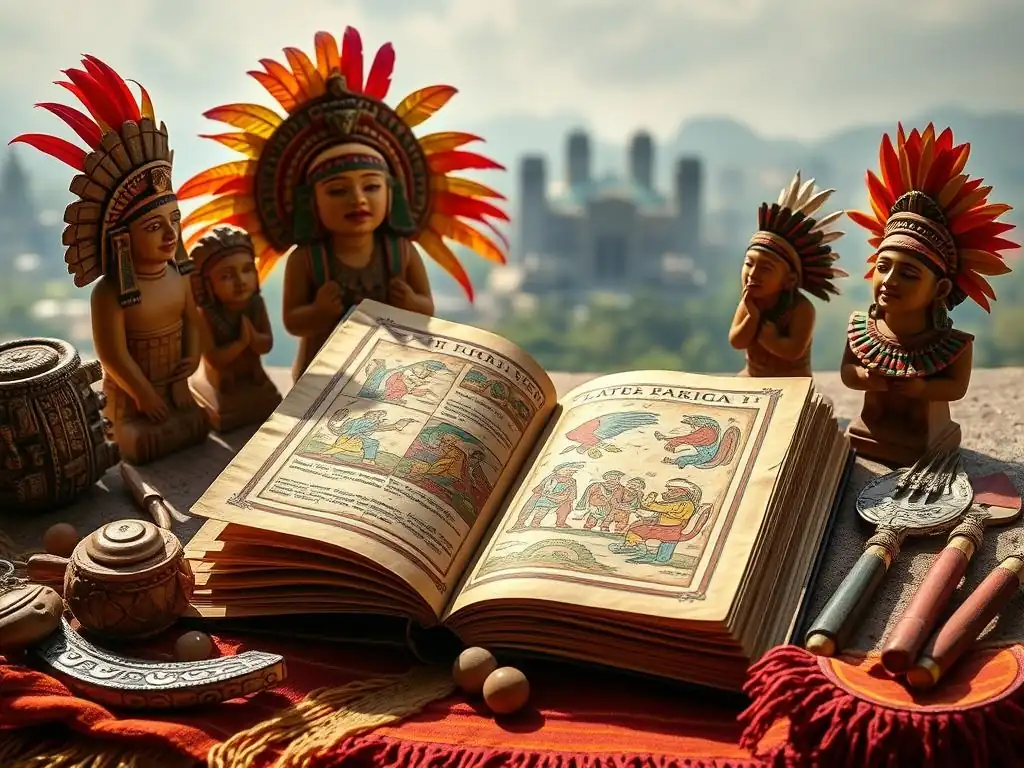
Welcome to Indigenous Civilizations of the Americas, where we invite you to journey through the rich tapestry of cultures that flourished long before European contact. Here, you will uncover the incredible achievements and enduring legacies of indigenous societies. Dive into our featured article on Aztec codices and their cultural significance, where ancient books serve as windows into the soul of a civilization. What secrets do these remarkable texts hold? Join us as we unravel the mysteries of the past and illuminate the vibrant histories that have shaped our world. Explore further to discover the stories that await!
Introduction to Aztec Codices
The Aztec codices stand as remarkable testaments to the sophisticated civilization that flourished in Mesoamerica prior to European colonization. These ancient books, meticulously crafted by skilled scribes, encapsulate the rich tapestry of Aztec culture, preserving their history, religious beliefs, social structures, and knowledge systems.
The cultural significance of Aztec codices extends beyond mere documentation; they serve as vital links to understanding the Aztecs' worldview, their interactions with the environment, and the complexities of their society. As we delve into the world of these codices, we unveil not just artifacts of the past, but living narratives that continue to inform our understanding of one of the most influential civilizations in history.
Definition of Aztec Codices
Aztec codices are folded books made from materials like amatl paper or animal skin, adorned with colorful illustrations, glyphs, and symbols. Each codex is a unique artifact that reflects the cultural and historical context of its time. Crafted primarily in the 15th and early 16th centuries, these codices served various purposes, including religious, political, and historical documentation. The intricate designs and textual elements employed in these works reveal a sophisticated system of recording information, making them invaluable resources for historians and archaeologists alike.
Importance of Codices in Aztec Culture
The significance of codices in Aztec culture cannot be overstated. They were not merely books; they were essential tools for communication, education, and governance. Codices played a crucial role in:
- Religious Practices: Many codices contained rituals, prayers, and cosmological narratives that were central to Aztec spirituality.
- Historical Record-Keeping: They documented important events, lineage, and conquests, preserving the Aztec legacy for future generations.
- Education and Training: Codices were used to teach young scribes and priests, ensuring the continuity of knowledge and cultural traditions.
Overview of Aztec Civilization
To fully appreciate the significance of Aztec codices, it is essential to understand the broader context of Aztec civilization. This civilization, which thrived in central Mexico from the 14th to the 16th century, was characterized by its impressive urban centers, complex social hierarchies, and rich cultural traditions.
Brief History of the Aztec Empire
The Aztec Empire emerged in the early 14th century, with the founding of Tenochtitlán in 1325. Through a combination of military prowess, strategic alliances, and economic control, the Aztecs expanded their territory to dominate much of Mesoamerica. At its height, the empire was a vibrant hub of trade, culture, and innovation, boasting a population estimated to be in the millions. The arrival of Spanish conquistadors in the early 16th century marked a tragic turning point, leading to the eventual fall of the empire in 1521.
Key Achievements of the Aztecs
The Aztecs made remarkable contributions across various fields, including:
- Architecture: The construction of monumental temples and pyramids, such as the Templo Mayor, showcased their engineering skills and religious devotion.
- Agriculture: Advanced agricultural techniques, including chinampas (floating gardens), allowed the Aztecs to sustain a large population.
- Art and Craftsmanship: The production of intricate jewelry, pottery, and textiles reflected the Aztecs' aesthetic sensibilities and cultural values.
The Role of Written Language in Aztec Society
Written language played a pivotal role in Aztec society, facilitating communication, governance, and cultural transmission. The use of pictographs and ideograms in codices allowed the Aztecs to convey complex ideas and narratives. This method of record-keeping was essential for:
- Documenting Events: Codices were used to record tributes, treaties, and significant historical occurrences.
- Religious Texts: Rituals and religious ceremonies were documented, ensuring their proper execution and preservation.
- Legal and Administrative Purposes: Codices served as legal records, outlining laws, agreements, and civic duties within the empire.
Through the exploration of Aztec codices, we gain insight not only into the cultural significance of these artifacts but also into the very soul of a civilization that has left a lasting impact on the Americas.
The Cultural Significance of Aztec Codices
Aztec codices are more than mere books; they are a bridge to understanding the cultural, social, and political intricacies of the Aztec civilization. These ancient manuscripts served a crucial role in documenting the vast knowledge and traditions of the Aztecs. Their significance lies in how they encapsulate the worldview of a society that thrived in central Mexico from the 14th to the 16th centuries. Through intricate illustrations and glyphs, codices reveal the values, beliefs, and practices of the Aztec people.
The cultural significance of Aztec codices extends to their function as educational tools. They were used to train scribes and priests in various fields, including history, astronomy, and medicine. The codices not only preserved the past but also shaped the future of Aztec society by ensuring continuity in knowledge transmission across generations. Furthermore, they reflect the artistic expression of the Aztecs, showcasing their rich visual culture and the importance of symbolism in their communication.
Understanding the Content of Aztec Codices
Aztec codices contain a wealth of information, ranging from historical narratives to religious ceremonies, all expressed through a combination of pictorial imagery and written glyphs. Each codex is unique, with its own focus and style, but they collectively serve as a testament to the sophistication of Aztec literacy and documentation practices.
The content of these codices can be categorized into several thematic areas, including mythology, prophecy, genealogy, and tribute systems. By analyzing these texts, scholars can glean insights into the social hierarchy, economic structures, and spiritual beliefs that defined the Aztec way of life. Specific codices, such as the Codex Mendoza, provide detailed accounts of the tributes paid by various provinces to the Aztec Empire, illustrating the extensive trade networks and political relationships that existed at the time.
The Codices as Historical Documents

The historical value of Aztec codices cannot be overstated. They serve as primary sources for understanding the pre-Columbian history of Mesoamerica. Through these documents, historians can reconstruct events, analyze the political landscape, and understand the socio-economic conditions of the Aztec Empire before the arrival of European colonizers.
Many codices, such as the Codex Tovar and the Codex Boturini, detail the migration stories of the Mexica people, providing context for their eventual rise to power. These historical narratives not only chronicle significant events but also highlight the worldview of the Aztecs, emphasizing their connection to the land and the divine. By studying these documents, researchers gain a clearer picture of the complexity and richness of Aztec civilization.
The Spiritual and Religious Insights from Codices
Spirituality and religion were at the core of Aztec life, and the codices offer profound insights into their cosmology and rituals. Many codices depict gods, goddesses, and various religious ceremonies, illuminating the intricacies of their belief systems. The rituals often involved elaborate ceremonies, sacrifices, and the cyclical nature of life and death, which are vividly illustrated in these manuscripts.
For instance, the Codex Borgia is renowned for its rich depictions of the Aztec calendar and the rituals associated with it. It includes representations of deities, cosmological symbols, and the interrelationship between the divine and human realms. By studying such codices, scholars can better understand the spiritual practices that guided the daily lives of the Aztecs and how these practices influenced their societal norms.
The Role of Codices in Preserving Indigenous Knowledge
Aztec codices functioned as vital repositories of knowledge, preserving indigenous wisdom across various domains, including medicine, agriculture, and astronomy. The codices played a critical role in maintaining the cultural identity of the Aztecs, especially during times of upheaval and colonization.
The preservation of indigenous knowledge through these texts is particularly evident in the area of herbal medicine. Codices often included detailed illustrations of plants, their uses, and the healing properties attributed to them. This information not only served practical purposes but also reinforced the deep connection the Aztecs had with their environment. By documenting and passing down this knowledge, the codices ensured that essential cultural practices were not lost, even as the Aztec civilization faced significant challenges.
Types of Aztec Codices
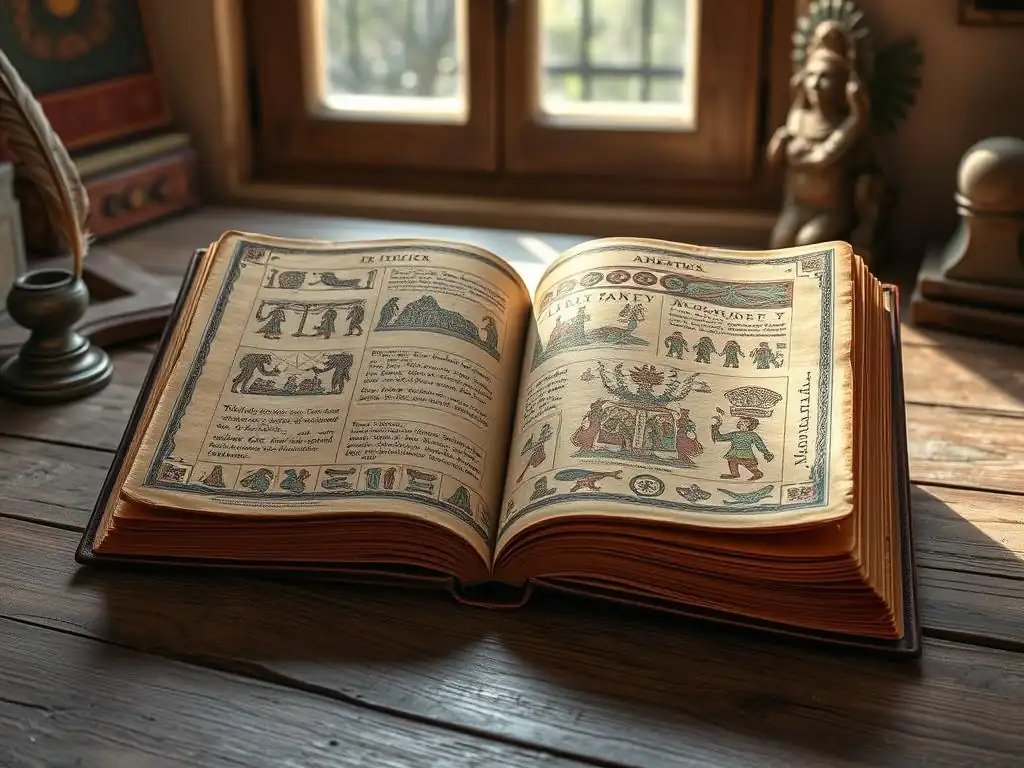
Aztec codices are categorized into different types based on their content and purpose. Each type serves a distinct function within Aztec society, reflecting the diverse aspects of their culture.
Ritual Codices
Ritual codices are primarily focused on the religious and ceremonial practices of the Aztecs. They detail various rituals, festivals, and the associated deities, providing insights into the spiritual life of the civilization. These codices often include illustrations of ceremonies, offering descriptions of the rites performed and the significance behind them. Notable examples include the Codex Borgia, which portrays important rituals related to the agricultural calendar and priestly duties.
Historical Codices
Historical codices document significant events and narratives from Aztec history, including the expansion of the empire and the lineage of rulers. These texts serve as chronologies, preserving the achievements and challenges faced by the society. The Codex Mendoza, for instance, is an important historical document that records the tribute system and the conquests of the Aztec Empire, providing valuable insights into its political structure and societal organization.
Legal and Administrative Codices
Legal and administrative codices focus on the governance and legal systems of the Aztecs. They outline laws, regulations, and the organization of the political hierarchy. These codices were crucial for maintaining order within the empire and ensuring the proper functioning of society. The Codex of the Council is an example that showcases the administrative processes and legal practices that governed daily life in the Aztec civilization.
Herbal and Medicinal Codices
Herbal and medicinal codices are dedicated to the documentation of plants, their medicinal properties, and the healing practices of the Aztecs. These texts reflect the sophisticated understanding the Aztecs had of their natural environment and the importance of herbal remedies in their healthcare practices. The Codex de la Cruz-Badiano is a prime example, containing illustrations and descriptions of various herbs, their uses, and the rituals associated with healing.
The Artistic Elements of Aztec Codices
The Aztec codices are not merely written documents; they are vibrant artistic creations that reflect the culture, beliefs, and societal structure of the Aztec civilization. These ancient books integrate various artistic elements that serve both decorative and communicative purposes. Through the use of iconography, color, and intricate designs, Aztec codices provide valuable insights into the civilization's worldview, rituals, and daily life.
Iconography and Symbols in Codices
The iconography found in Aztec codices is rich with meaning and significance. Each symbol represents specific concepts, deities, or historical events, allowing the codices to convey complex narratives succinctly. For instance, the depiction of the sun god Tonatiuh is often used to signify power and divinity, while other symbols represent elements like water, agriculture, and warfare.
The use of pictographs and glyphs is prevalent in these codices, with each figure carefully crafted to embody cultural meanings. For example, a feather could denote nobility or divinity, while a serpent might symbolize earth and its connection to the underworld. The choices of symbols are deliberate, reflecting the Aztec belief system and their understanding of the cosmos.
The Use of Color and Design
Color plays a crucial role in the artistic expression of Aztec codices. The vibrant hues are not merely for aesthetic purposes; they often carry symbolic meanings. For instance, red can signify blood and sacrifice, while blue might represent water and life. The combination of colors helps to enhance the narrative, guiding the viewer’s emotions and interpretations of the codex.
Design-wise, the layout of codices is often meticulous, with scenes arranged in a manner that reflects the importance of hierarchies within the Aztec society. The use of borders, backgrounds, and repetitive patterns contributes to a cohesive visual language, making it easier for readers to navigate the stories and information presented.
The Craftsmanship Behind Codex Creation
Creating an Aztec codex was a labor-intensive process that required skilled artisans. The materials used, such as bark paper or animal skins, were carefully selected based on their durability and texture, allowing for intricate illustrations. The artisans employed techniques like painting, drawing, and even embossing to create multi-dimensional effects.
These codices were often made in workshops where artists collaborated closely with scribes, combining artistic vision with textual precision. The craftsmanship evident in the codices underscores the significance of these documents within Aztec society—not only as records but as revered art forms that conveyed the essence of their civilization.
Notable Aztec Codices
Several codices stand out due to their cultural significance, historical insights, and artistic merit. These notable examples offer a glimpse into the richness of Aztec life and beliefs, showcasing the civilization's complexity and sophistication.
The Codex Mendoza
The Codex Mendoza is one of the most famous Aztec codices, created shortly after the Spanish conquest. Commissioned by the first viceroy of New Spain, it serves as a comprehensive record of Aztec society, including tributes paid to the emperor, daily life, and the history of the Aztec rulers. The codex is renowned for its elaborate illustrations, which vividly depict various aspects of Aztec culture, from warfare to religious rituals.
The Codex Borbonicus
Regarded as one of the most important pre-Columbian documents, the Codex Borbonicus is a ritual calendar that details the ceremonies and festivals of the Aztec year. Created in the early 16th century, it is a remarkable example of the intricate artistry of Aztec codices, featuring vibrant colors and detailed depictions of gods and rituals. This codex provides invaluable insights into the religious practices and cosmological beliefs of the Aztecs.
The Codex Fejervary-Mayer
The Codex Fejervary-Mayer is another significant artifact that highlights the cultural practices of the Aztecs. This codex contains a series of images that relate to the gods, rituals, and the calendar system of the Aztec civilization. Its unique combination of pictorial and numerical systems reveals the complexity of Aztec cosmology and the importance of timekeeping in their society.
The Codex Rios
The Codex Rios is an essential source for understanding Aztec mythology and history. This codex is notable for its detailed illustrations that depict various gods and mythical creatures, alongside narratives that illustrate the Aztec creation story. The vibrant artwork and use of symbols within the Codex Rios provide rich insights into the spiritual life of the Aztecs and their understanding of the universe.
The Impact of European Colonization on Aztec Codices
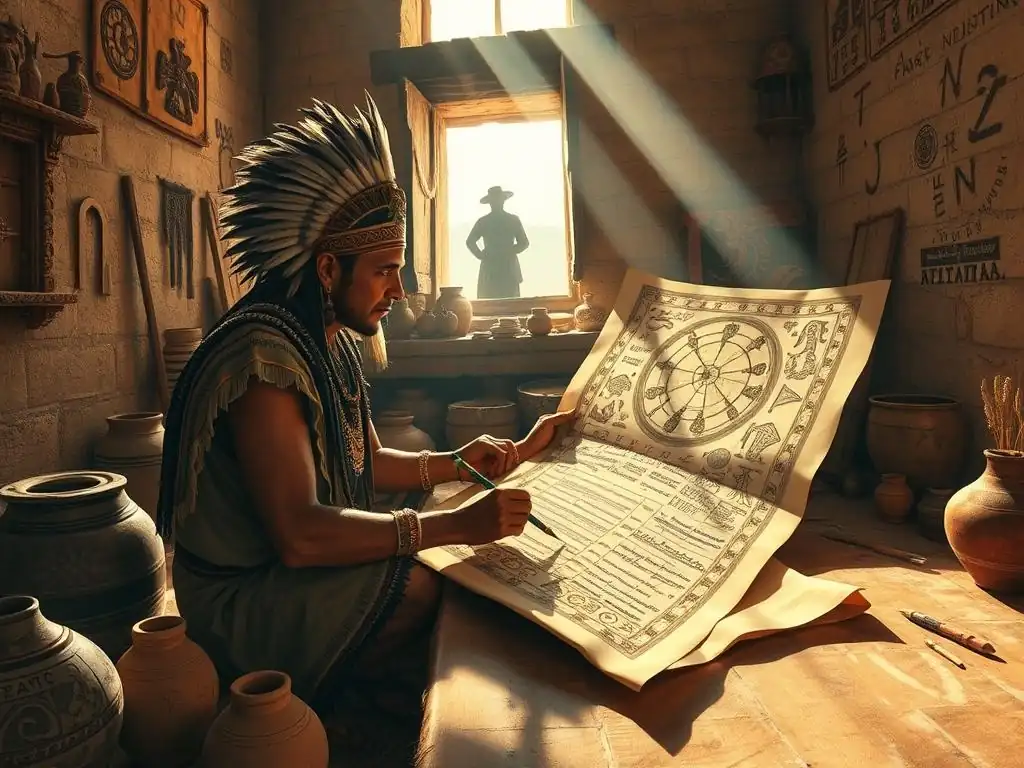
The arrival of European colonizers in the early 16th century had a profound impact on the Aztec civilization, particularly on their codices. These ancient texts, which were not only rich in historical narratives but also served as vital records of culture, religion, and governance, faced unprecedented threats during and after the conquest. The dynamics of power shifted dramatically, and with this shift came a systematic effort to erase indigenous knowledge and traditions.
Destruction and Loss of Codices
The destruction of Aztec codices began almost immediately after the Spanish conquest in 1521. The Spanish, led by figures like Hernán Cortés, were intent on dismantling the religious and cultural structures of the Aztecs. Many codices were seen as symbols of idolatry and paganism, leading to their systematic destruction.
- Key factors contributing to the loss:
- Religious Suppression: Spanish missionaries actively sought to suppress indigenous beliefs, viewing codices as tools of heresy.
- Cultural Erasure: The imposition of European culture led to the rejection of Aztec traditions, resulting in the intentional destruction of artifacts.
- Political Control: The Spanish aimed to consolidate power by eliminating records that documented Aztec governance and social structures.
It is estimated that hundreds of codices were destroyed during this period, leading to a significant loss of knowledge about the Aztec civilization.
The Survival of Codices Post-Conquest
Despite the widespread destruction, some Aztec codices managed to survive the tumultuous times following the conquest. A combination of factors contributed to their preservation:
- Adaptation of the Codices: Some indigenous scribes began to incorporate European themes and languages into their codices to ensure their survival. This blending created hybrid texts that maintained some aspects of Aztec culture while appealing to the new colonial powers.
- Underground Preservation: Many indigenous communities continued to create and hide codices, safeguarding them from the Spanish authorities. These texts often contained essential cultural knowledge and traditions.
- Interest from Scholars: Some early scholars and collectors recognized the value of these codices. They sought to preserve and study them, laying the groundwork for future research.
This resilience has allowed modern scholars to gain insights into Aztec life, despite the significant losses incurred during colonization.
Modern Discoveries and Their Implications
In recent decades, modern archaeological findings and the rediscovery of previously neglected codices have significantly enhanced our understanding of Aztec culture.
- Technological Advances: Modern imaging techniques have allowed researchers to analyze codices that were previously damaged or unreadable. These technologies can reveal hidden texts and details.
- Interdisciplinary Research: Collaboration among historians, archaeologists, and anthropologists has led to a more comprehensive understanding of the context surrounding these artifacts.
- Cultural Revitalization: The resurgence of interest in indigenous cultures has prompted efforts to repatriate codices and other artifacts, allowing indigenous communities to reclaim their heritage.
These discoveries have profound implications, not just for understanding the Aztecs but also for appreciating the broader narrative of indigenous resilience and adaptation in the face of colonization.
Conclusion: The Legacy of Aztec Codices
The legacy of Aztec codices extends far beyond their physical existence; they encapsulate the rich cultural tapestry of an advanced civilization. These artifacts serve as crucial links to the past, offering insights into the social structures, religious beliefs, and daily lives of the Aztec people.
The Importance of Preserving Aztec Codices Today
Preserving Aztec codices is essential for several reasons:
- Cultural Heritage: Codices represent an invaluable part of indigenous history and identity. Their preservation aids in the cultural revitalization of indigenous communities.
- Educational Resources: They provide scholars and the public with critical information about the Aztec civilization, fostering a greater understanding of pre-Columbian history.
- Encouraging Respect for Diversity: The existence of these texts promotes respect for the diversity of human cultures and the importance of safeguarding indigenous knowledge.
Future Research and Exploration of Aztec Artifacts
The future of research into Aztec artifacts, particularly codices, is promising. As interest in indigenous cultures grows, more resources are dedicated to studying and preserving these invaluable texts.
- Innovative Techniques: Continued advancements in technology will likely unveil new information from existing codices.
- Community Engagement: Collaborative efforts with indigenous communities can enhance research relevance and ensure that cultural perspectives are honored.
- Global Awareness: Increased global interest in indigenous rights and history can foster support for preservation efforts, ensuring that the stories of the Aztecs and other civilizations continue to be told.
The Aztec codices remain a testament to the resilience and richness of indigenous cultures, and their preservation and study are vital for understanding the complexities of history and cultural identity in the Americas.
Call to Action: Engaging with Aztec Culture
Engaging with Aztec culture is not only a way to appreciate a rich historical legacy but also a means to support the ongoing preservation of indigenous traditions and knowledge. By immersing ourselves in the stories, art, and artifacts that define the Aztec civilization, we can foster a deeper understanding of their contributions to humanity and the struggles they faced throughout history. Here are ways you can actively participate in this cultural journey.
Visiting Museums and Exhibitions
One of the most impactful ways to engage with Aztec culture is by visiting museums and exhibitions that showcase Aztec codices and other artifacts. Museums often host special exhibitions featuring authentic Aztec codices, allowing visitors to explore the intricacies of these ancient texts firsthand.
- Local Museums: Many local and regional museums offer collections that include Aztec artifacts. Look for exhibitions that focus on pre-Columbian civilizations or indigenous cultures.
- Traveling Exhibitions: Keep an eye out for traveling exhibitions that feature Aztec culture. These can provide unique opportunities to see artifacts that may not be available in your local area.
- Virtual Exhibitions: In light of recent events, many institutions have developed virtual tours and online exhibitions. This allows you to explore Aztec artifacts and learn about their cultural significance from the comfort of your home.
By engaging with these resources, you not only gain insight into the artistic and historical significance of the Aztec codices but also support institutions dedicated to preserving and educating about indigenous cultures.
Supporting Indigenous Cultural Preservation Initiatives
Supporting indigenous cultural preservation initiatives is crucial in honoring and maintaining the legacy of the Aztec civilization. There are numerous organizations and projects dedicated to safeguarding indigenous knowledge, languages, and traditions that are vital to the cultural heritage of the Aztec people.
- Donations to Organizations: Consider donating to organizations focused on the preservation of indigenous cultures. Many of these groups work tirelessly to protect artifacts, promote education, and support indigenous artists and scholars.
- Participating in Cultural Events: Attend local events celebrating indigenous cultures, such as festivals, workshops, or lectures. These events often highlight the ongoing traditions and contemporary expressions of Aztec culture.
- Advocacy and Awareness: Actively advocate for policies that support indigenous rights and cultural preservation. This can include sharing information on social media, participating in community discussions, or supporting legislation that benefits indigenous communities.
By engaging in these actions, you contribute to the ongoing narrative of the Aztec civilization and help ensure that their rich cultural heritage continues to thrive for future generations.
- Introduction to Aztec Codices
- Overview of Aztec Civilization
- The Cultural Significance of Aztec Codices
- Understanding the Content of Aztec Codices
- The Codices as Historical Documents
- The Spiritual and Religious Insights from Codices
- The Role of Codices in Preserving Indigenous Knowledge
- Types of Aztec Codices
- The Artistic Elements of Aztec Codices
- Notable Aztec Codices
- The Impact of European Colonization on Aztec Codices
- Conclusion: The Legacy of Aztec Codices
- Call to Action: Engaging with Aztec Culture
Frequently Asked Questions
What are Aztec codices?
Aztec codices are ancient books created by the Aztec civilization, composed of pictorial symbols and glyphs that convey historical, religious, and cultural narratives.
Why are Aztec codices significant to understanding their culture?
The cultural significance of Aztec codices lies in their ability to provide insights into the belief systems, social structures, and daily life of the Aztec people, serving as vital historical records.
How did Aztec codices influence modern understanding of Mesoamerican societies?
These codices have been instrumental in uncovering the achievements and complexities of Mesoamerican societies, shedding light on their art, astronomy, and governance.
What types of information do Aztec codices typically contain?
Aztec codices contain a variety of information, including religious rituals, genealogies, historical events, and economic transactions, reflecting the multifaceted nature of their civilization.
Where can one find Aztec codices today?
Many Aztec codices are housed in museums and libraries around the world, with some preserved in their original form in Mexico, allowing scholars and the public to explore their cultural significance.
Final Reflection: Unveiling the Cultural Significance of Aztec Codices
The exploration of Aztec codices reveals not just the intricate artistry of a civilization but also its profound cultural significance that resonates even today. These ancient texts serve as a bridge to understanding the values, beliefs, and practices of the Aztec people, reminding us that history is not merely a collection of dates and events but a tapestry woven with the threads of human experience.
As we delve into these codices, we uncover the layers of a society that thrived on knowledge, spirituality, and connection to the natural world, which are themes that remain relevant in our fast-paced modern lives.
The impact of Aztec codices extends beyond their historical context, influencing contemporary discussions around identity, heritage, and the preservation of indigenous cultures. These texts are not just relics of the past; they are living documents that continue to inspire and educate.
Their intricate illustrations and narratives invite us to reflect on our own cultural narratives and the importance of preserving them for future generations. As the renowned historian Miguel León-Portilla once said, “The codices are the voice of the people who lived in the past, and they speak to us still.” > This quote encapsulates the ongoing dialogue between the past and present, emphasizing the need to honor and learn from these ancient voices.
As we conclude our journey through the world of Aztec codices, I invite you to reflect on your own cultural heritage and the stories that shape your identity. Consider how you can engage with and preserve the narratives that matter to you, whether through storytelling, art, or community involvement.
Let the lessons of the Aztecs inspire you to seek deeper connections with your own history and to recognize the significance of cultural preservation in our ever-evolving world. Embrace the call to action: become a steward of your own cultural legacy, ensuring that the voices of the past continue to resonate in the future.
Unveil the Secrets of the Aztec Codices!
Thank you for taking the time to dive into the fascinating world of Aztec codices with us! Your curiosity about these ancient books not only honors the legacy of a remarkable civilization but also enriches your understanding of their culture and history. Now, it’s time to take that knowledge further and explore the depths of their wisdom.
Here's how you can continue your journey:
- Delve Deeper: Consider visiting a local library or museum that features exhibits on Mesoamerican history. You may discover rare artifacts or insightful displays about the Aztecs!
- Join a Discussion: Share your newfound knowledge with friends or on social media. Start conversations about the significance of these codices and invite others to learn alongside you!
- Experience it Yourself: Participate in workshops or online courses dedicated to Mesoamerican studies. Engaging directly with these topics will deepen your appreciation and understanding!
What aspect of the Aztec civilization intrigues you the most, and how do you plan to explore it further?