
Ritual Masks of the Aztecs: Windows into Spiritual Beliefs and Practices

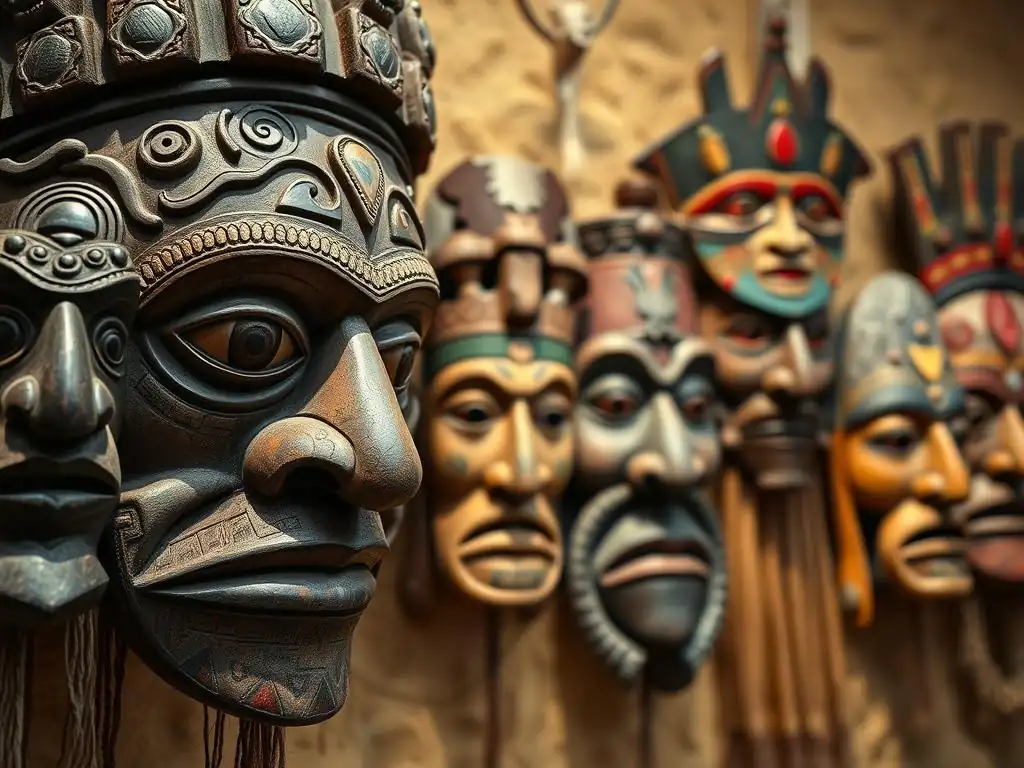
Welcome to Indigenous Civilizations of the Americas, where we embark on a journey through the rich tapestry of cultures that once flourished across this vast continent. Today, we delve into the fascinating world of Aztec ritual masks significance, uncovering how these intricate artifacts serve as windows into the spiritual beliefs and practices of one of history's most remarkable civilizations.
As you explore the depths of our articles, prepare to uncover the profound meanings behind these masks, and discover how they illuminate the lives, traditions, and legacies of the Indigenous peoples long before European contact. Dive in and let your curiosity guide you through this remarkable exploration!
- Introduction to Aztec Ritual Masks
- Historical Context of Aztec Ritual Masks
- Aztec Ritual Masks Significance
- Types of Aztec Ritual Masks
- Rituals and Ceremonies Involving Aztec Masks
- Preservation and Discovery of Aztec Ritual Masks
- Conclusion: The Lasting Impact of Aztec Ritual Masks
- Further Reading on Aztec Artifacts
- Frequently Asked Questions
- Final Reflection: The Enduring Significance of Aztec Ritual Masks
- Unveil the Mysteries of Aztec Ritual Masks!
Introduction to Aztec Ritual Masks
The artistry and cultural significance of Aztec ritual masks offer a fascinating glimpse into the spiritual and societal dynamics of one of the most advanced civilizations in pre-Columbian America. Crafted from various materials such as jade, obsidian, and wood, these masks were not merely decorative items but vital elements in the intricate tapestry of Aztec religious rituals and ceremonies.
They served as conduits for connecting the physical and spiritual worlds, embodying the beliefs, values, and traditions of the Aztec people. This article delves into the significance of Aztec ritual masks, exploring their intricate designs and the profound roles they played in religious practices, social hierarchy, and cultural identity.
Overview of Aztec Ritual Masks
Aztec ritual masks were highly stylized creations that reflected the rich mythology and cosmology of the Aztec civilization. Each mask was uniquely designed, often representing deities, ancestors, or mythical creatures, and was used in various ceremonies, including human sacrifices, celebrations, and funerals.
- Materials Used: The choice of materials was significant, as they often symbolized specific attributes or powers:
- Jade: Associated with wealth, fertility, and life.
- Obsidian: Linked to warfare and the underworld.
- Wood: Frequently used for masks intended for less formal ceremonies.
- Design Elements: The intricate designs included vibrant colors, elaborate carvings, and symbolic motifs, each telling a story or conveying a particular message:
- Facial Features: Exaggerated eyes and mouths often indicated a connection to the divine.
- Symbols: Common symbols included feathers, fangs, and elements representing the four cardinal directions.
These masks were not just personal items but were often associated with specific societal roles, including priests, warriors, and leaders, reinforcing their importance within the structure of Aztec society.
Importance of Aztec Masks in Spiritual Practices
The significance of Aztec ritual masks transcended their aesthetic appeal, serving as powerful instruments in spiritual practices. They were integral to ceremonies aimed at appeasing gods, ensuring agricultural fertility, and maintaining cosmic order.
- Ceremonial Roles: Masks were worn during various rituals, each with distinct purposes:
- Sacrificial Ceremonies: Used to invoke the presence of deities, masks played a crucial role in rituals involving sacrifices, believed to nourish the gods.
- Festivals and Celebrations: During major festivals, masks facilitated communal participation, allowing the community to connect with their heritage and beliefs.
- Symbolic Representation: Wearing a mask transformed the individual into a divine or supernatural entity, blurring the lines between the human and the spiritual:
- Identity and Transformation: The act of donning a mask was seen as a form of transformation, allowing the wearer to embody the spirit or essence of the figure represented.
Aztec ritual masks were not merely artifacts of artistic expression; they were essential to understanding the spiritual framework of the Aztec civilization. Their significance lies in their ability to convey deep cultural meanings and their foundational role in the rituals that sustained the community's beliefs and practices.
Historical Context of Aztec Ritual Masks
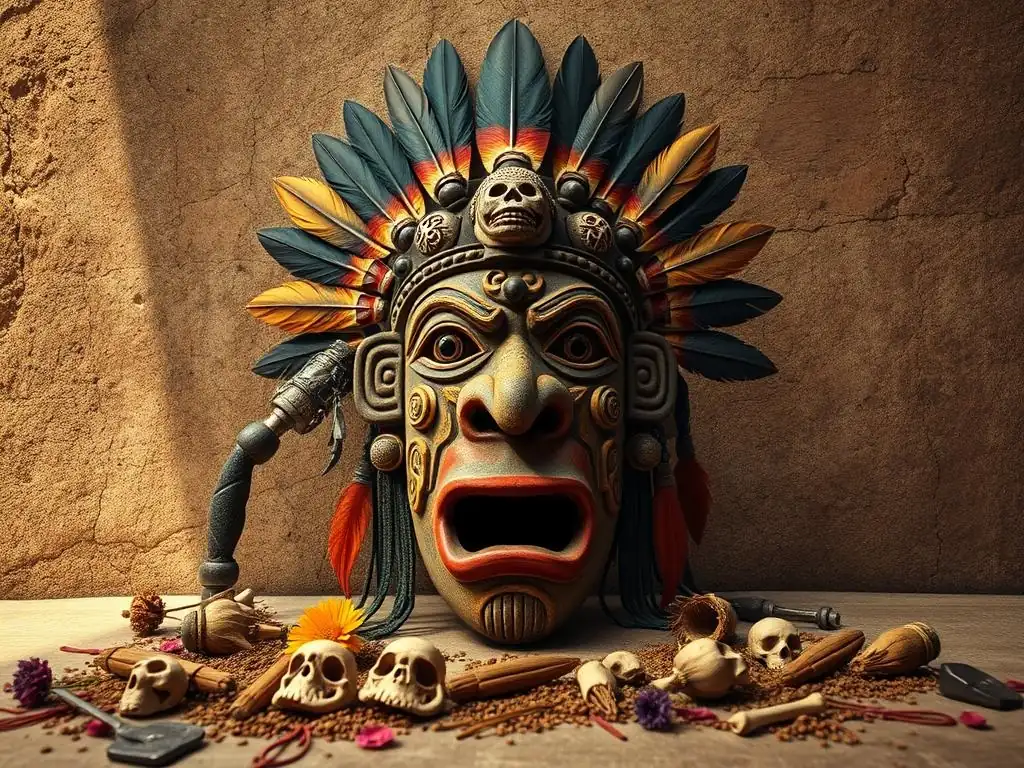
The significance of Aztec ritual masks transcends mere decoration; these artifacts served as vital instruments in the intricate tapestry of Aztec society. Emerging during the Mexica period, the creation and usage of masks were embedded in the cultural and religious practices of the Aztecs. Ritual masks were crafted primarily for ceremonial purposes, often associated with the worship of deities and the performance of sacred rites.
The Role of Masks in Aztec Society
In the Aztec civilization, masks played a multifaceted role, encompassing religious, social, and political dimensions. They were integral to various ceremonies, including:
- Religious Rituals: Masks were often worn by priests and participants during rituals dedicated to gods like Tlaloc, the rain god, and Huitzilopochtli, the god of war. These masks were believed to channel the divine presence, facilitating communication between the spiritual and physical realms.
- Cultural Identity: Masks represented the identity of various social groups within the Aztec society. Different designs, materials, and colors symbolized specific deities or cultural narratives, serving as a visual language that communicated beliefs and values.
- Political Power: Wearing a mask during public ceremonies conferred authority and legitimacy upon leaders. High-ranking individuals donned elaborate masks to demonstrate their divine right to rule and their connection to the gods, reinforcing their power in the eyes of the populace.
- Artistic Expression: The craftsmanship of Aztec masks reflects a remarkable level of artistic skill. Artisans employed a variety of materials, including jade, obsidian, and plaster, to create masks that were not only functional but also aesthetically captivating. The intricate designs often featured symbolic motifs representing various aspects of Aztec cosmology.
Evolution of Mask-Making Techniques in the Aztec Civilization
The evolution of mask-making in the Aztec civilization showcases a blend of practicality and artistry, adapting over time to incorporate new materials and techniques.
- Early Techniques: Initially, masks were predominantly made from available natural materials such as wood and clay. These early masks were simple in design but served essential roles in rituals and community gatherings.
- Material Advancements: As the civilization progressed, artisans began experimenting with more durable materials. The introduction of jade and obsidian allowed for the creation of masks that were not only stronger but also imbued with greater symbolic significance. Jade, revered for its beauty and rarity, symbolized life and fertility, making it a preferred choice for masks associated with important rituals.
- Refinement of Craftsmanship: Over the centuries, the techniques used in mask-making became increasingly sophisticated. Artisans developed methods to mold and paint masks, allowing for greater detail and personalization. The use of vibrant pigments derived from plants and minerals added depth and expression to the masks, making them not just religious artifacts but also works of art.
- Cultural Exchange: The Aztec civilization was known for its interactions with neighboring cultures, leading to an exchange of ideas and techniques. This cultural diffusion contributed to the evolution of mask-making practices, incorporating elements from various indigenous groups, which enriched the artistic repertoire of the Aztecs.
The significance of Aztec ritual masks lies in their profound connection to the spiritual beliefs and practices of the Aztec civilization. They served crucial roles in religious ceremonies, cultural identity, and political power while evolving through innovative techniques and materials that reflected the artistry of their makers.
Aztec Ritual Masks Significance
Spiritual Beliefs Reflected in Aztec Masks
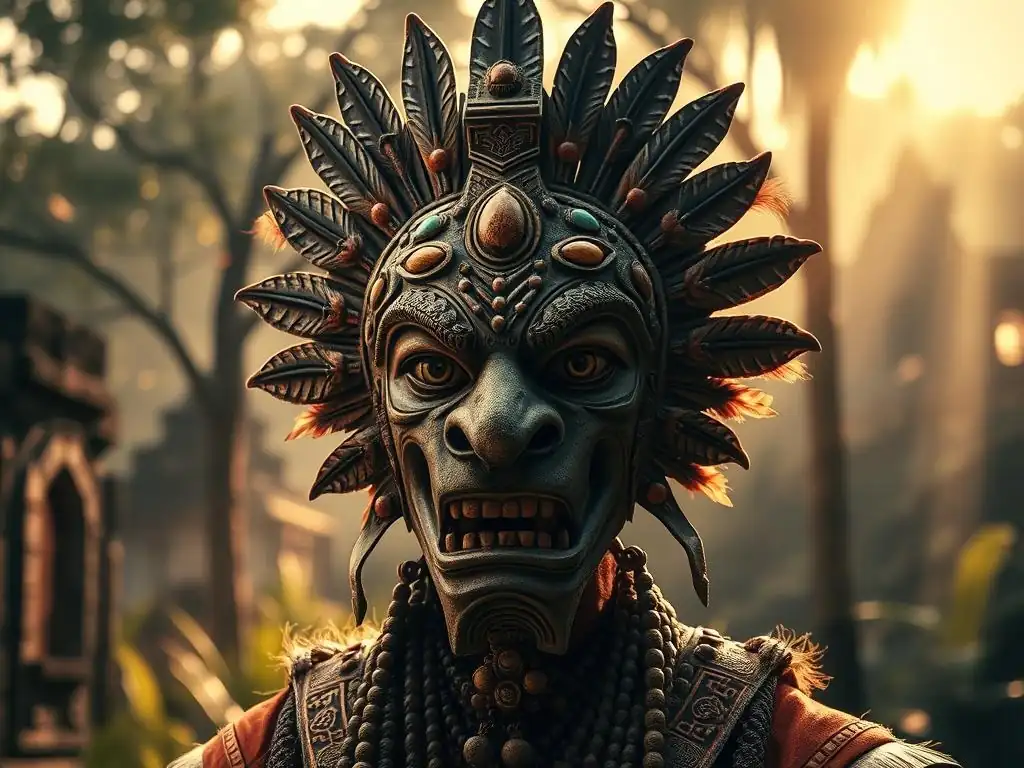
Aztec ritual masks serve as profound representations of the spiritual beliefs that permeated the society. These masks were not merely artistic expressions; they were essential tools in religious ceremonies, symbolizing the connection between the physical and spiritual realms. Each mask was often intricately designed to embody specific gods, ancestral spirits, or significant cultural narratives.
For example, many masks were used during the Toxcatl festival, which celebrated the god Tezcatlipoca, the deity of the night sky, war, and sorcery. Participants donned masks that reflected Tezcatlipoca's attributes, allowing them to channel divine energy and participate in sacred rituals. The use of these masks was believed to facilitate communication with deities, bridging the gap between mortals and the divine.
Furthermore, masks played a critical role in the Mictlantecuhtli ceremonies, honoring the god of the underworld. Here, participants wore masks to represent their connection with ancestors and the afterlife, highlighting the significance of mortality and the spiritual journey after death. The craftsmanship and detailed designs of these masks often included motifs representing the cyclical nature of life, death, and rebirth, underscoring the Aztecs' deep reverence for the spiritual world.
Symbolism of Colors and Materials Used in Masks
The colors and materials used in Aztec ritual masks were meticulously chosen, each imbued with significant meaning. The Aztecs believed that colors possessed spiritual properties and could influence the energies of rituals.
- Red was often associated with the life force, vitality, and warfare, making it a common choice for masks used in battle ceremonies or sacrifices.
- Black symbolized the underworld and was frequently used in masks representing death or mourning.
- White indicated purity and was connected to spirituality; it was often used in masks for ceremonies that honored the gods.
- Green represented fertility and agriculture, emphasizing the importance of natural cycles.
Materials also played a crucial role in the significance of these masks.
- Wood was commonly used for its availability and versatility, while
- Stone masks, often intricately carved, conveyed a sense of permanence and strength.
- Feathers and jewels were added to enhance the mask's beauty and status, often indicating the wealth of the wearer or the importance of the ritual being performed.
The combination of colors and materials not only reflected the aesthetic preferences of the Aztecs but also deepened the masks' spiritual significance, linking the physical attributes of each mask to the ethereal beliefs of the culture.
Connection Between Masks and Aztec Deities
The connection between Aztec ritual masks and their pantheon of deities is profound and multifaceted. Masks were often crafted in the likeness of specific gods, each embodying unique characteristics, powers, and domains. This practice allowed Aztecs to invoke the presence of these deities during rituals and ceremonies.
One notable example is the mask of Quetzalcoatl, the feathered serpent god associated with wind, air, and learning. Masks depicting Quetzalcoatl were used in ceremonies that sought to foster knowledge and wisdom among the people, emphasizing the importance of education and enlightenment in Aztec culture.
Similarly, masks representing Huitzilopochtli, the god of war and the sun, were used during rituals linked to warfare and human sacrifice, reflecting the Aztecs' belief in the necessity of such acts for appeasing the gods and ensuring cosmic balance. The intricate designs and embellishments on Huitzilopochtli masks often included symbols of war, such as eagles and serpents, reinforcing the deity's martial attributes.
In addition to individual deities, masks also represented complex mythological narratives that were integral to Aztec identity. The use of these masks in various ceremonies served as a reminder of the cultural history and the interconnectedness of the Aztec people with their gods, embodying their beliefs, fears, and aspirations.
Aztec ritual masks hold immense significance, representing a complex interplay of spirituality, symbolism, and mythology, revealing the rich tapestry of beliefs that characterized the Aztec civilization.
Types of Aztec Ritual Masks
Overview of Different Mask Types
The Aztecs utilized a variety of ritual masks that played crucial roles in their cultural and spiritual practices. These masks were not merely decorative; they served as conduits for connecting the physical world with the spiritual realm. The primary types of Aztec ritual masks can be categorized into three main groups:
- Ceremonial Masks
- Used during religious rituals and ceremonies, these masks often depicted deities or important mythological figures.
- Typically made from materials such as wood, stone, or precious metals, they were intricately designed and painted.
- Funerary Masks
- Crafted for the deceased, funerary masks were placed over the faces of the dead to honor and protect them in their journey to the afterlife.
- These masks often featured realistic facial features and were adorned with jewels or other symbols of status.
- War Masks
- Worn by warriors during battle or rituals, these masks symbolized strength and ferocity.
- Made from durable materials, they were designed to intimidate opponents and were often decorated with animal motifs or elements representing conquest.
Each type of mask carried profound meanings and was integral to the rituals they were associated with, reflecting the beliefs and values of Aztec society.
Decorative vs. Functional Masks in Aztec Rituals
The distinction between decorative and functional masks in Aztec rituals highlights the multifaceted purposes these artifacts served.
- Decorative Masks
- Primarily intended for display, decorative masks showcased the artistic skills of Aztec craftsmen.
- Often used in festivals and public ceremonies, these masks were vibrant and elaborate, designed to captivate audiences and enhance the visual spectacle of the event.
- Functional Masks
- In contrast, functional masks were designed with specific roles in mind, particularly during sacred rituals.
- These masks were imbued with symbolic power, meant to channel spiritual energy or embody the essence of a particular deity. For example, masks representing Tlaloc, the rain god, were worn during agricultural ceremonies to invoke favorable weather conditions.
The interplay between decorative and functional masks demonstrates the versatility of Aztec artistry and the deep spiritual significance attached to each piece.
Regional Variations in Aztec Mask Designs
Aztec culture was not monolithic; it varied significantly across different regions, and this diversity is evident in the design of ritual masks. Each region had its unique styles and motifs that reflected local traditions and beliefs.
- Central Mexico
- In this region, masks were often characterized by intricate carvings and elaborate designs, representing a blend of various artistic influences.
- The use of vibrant colors and materials such as jade and obsidian was common, reflecting the region's wealth and artistic sophistication.
- Coastal Areas
- Masks from coastal regions frequently incorporated marine motifs, such as fish and shells, highlighting the importance of the sea in their cultural practices.
- These masks often displayed a more naturalistic style, diverging from the geometric patterns prevalent in Central Mexican masks.
- Highland Regions
- In the highlands, masks were typically more simplistic in design but carried deep symbolic meanings.
- The use of earth tones and natural pigments was common, with many masks featuring animal representations that were significant in local mythology.
The regional variations in Aztec mask designs underscore the rich tapestry of beliefs and practices that existed within the Aztec civilization, illustrating how geography influenced artistic expression and spiritual significance.
Rituals and Ceremonies Involving Aztec Masks
Description of Key Ceremonies Using Masks
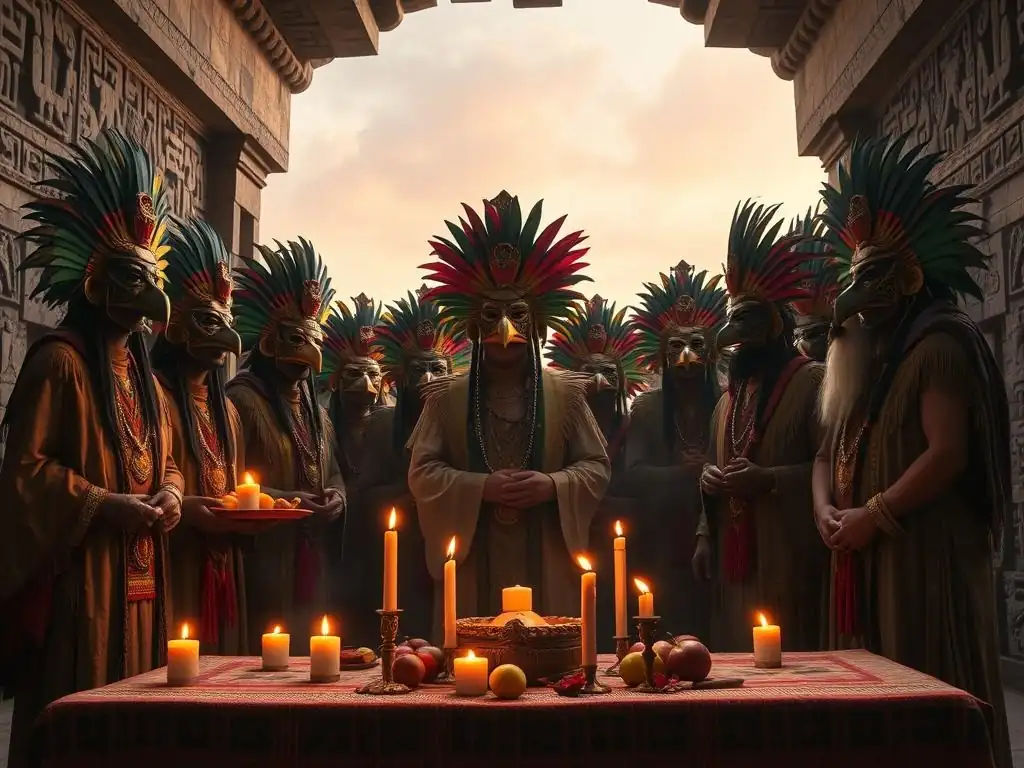
Aztec ritual masks played a crucial role in various ceremonies, serving not only as artistic expressions but also as instruments of spiritual communication. These masks were integral to rituals that sought to honor deities, ensure agricultural productivity, and mark significant life events. Among the prominent ceremonies that utilized masks were:
- Warfare Rituals: Masks symbolized the warrior's transformation into divine avatars, invoking the power of gods like Huitzilopochtli, the god of war. By donning these masks, warriors believed they could channel divine strength in battle.
- Agricultural Festivals: Ceremonies such as the Tlacaxipehualiztli (Festival of the Flaying of Men) featured masks to honor Tlaloc, the rain god. The masks, often depicting agricultural deities, were used to ensure successful harvests and favorable weather.
- Ritual Dances: Masks were essential in dance performances that narrated myths and honored the gods. The dances often depicted creation stories, and the masks worn by dancers helped to embody the characters of these myths.
The use of masks in these contexts underscores their multifaceted roles in Aztec society—serving as spiritual conduits, symbols of power, and means of storytelling.
The Significance of Masks in Aztec Festivals
Masks in Aztec festivals transcended mere decoration; they were imbued with deep symbolic meanings that reflected the spiritual beliefs and societal values of the Aztec civilization. The significance of these masks can be categorized into several key aspects:
- Divine Connection: Masks were believed to allow wearers to transcend their mortal identity, connecting them with the divine. This transformation was crucial during rituals as it facilitated communication with gods and ancestors.
- Cultural Identity: The designs and materials used in masks often reflected the cultural identity of specific regions or social groups within the Aztec Empire. This symbolic representation fostered a sense of belonging and unity among community members.
- Status and Power: Elaborate masks were often reserved for nobility and high-ranking priests, symbolizing their elevated status. These masks not only enhanced the aesthetics of the rituals but also reinforced social hierarchies.
- Educational Tools: Masks served as pedagogical devices, teaching younger generations about their mythology, history, and the importance of rituals. Through participation in mask-related ceremonies, individuals learned about their cultural heritage and spiritual responsibilities.
The rich significance of Aztec masks in festivals illustrates their vital role in maintaining the cultural fabric of Aztec society and their lasting impact on subsequent generations.
Case Study: The Toxcatl Festival and Its Use of Masks
The Toxcatl Festival, a central event in the Aztec calendar, exemplifies the profound significance of masks in Aztec rituals. Held in honor of the god Tezcatlipoca, this festival celebrated the themes of renewal and sacrifice. Key elements of this festival included:
- The Preparation of the "Teotl": A young man, chosen months in advance, embodied Tezcatlipoca during the festival. He was adorned with elaborate masks and garments, symbolizing the god's power and attributes. This transformation was pivotal, representing the connection between the divine and the human realms.
- Ritual Dances and Offerings: During the festival, masked dancers performed intricate rituals to honor Tezcatlipoca. The masks used in these dances were often richly decorated, portraying the god's fierce and protective nature. Offerings, including food and flowers, accompanied the ceremonies as a means to appease the deity.
- The Climactic Sacrifice: The climax of the Toxcatl Festival involved the ritual sacrifice of the young man who represented Tezcatlipoca. This act symbolized the cyclical nature of life and death and the renewal of the earth. His mask was removed during the sacrifice, signifying the return of the spirit to the divine.
The Toxcatl Festival showcases the complex interplay between Aztec ritual masks and their spiritual significance, highlighting how these artifacts served both as objects of reverence and as essential components of cultural identity and religious practice. Through the lens of this festival, one can appreciate the depth of meaning embedded in Aztec ritual masks and their enduring legacy.
Preservation and Discovery of Aztec Ritual Masks
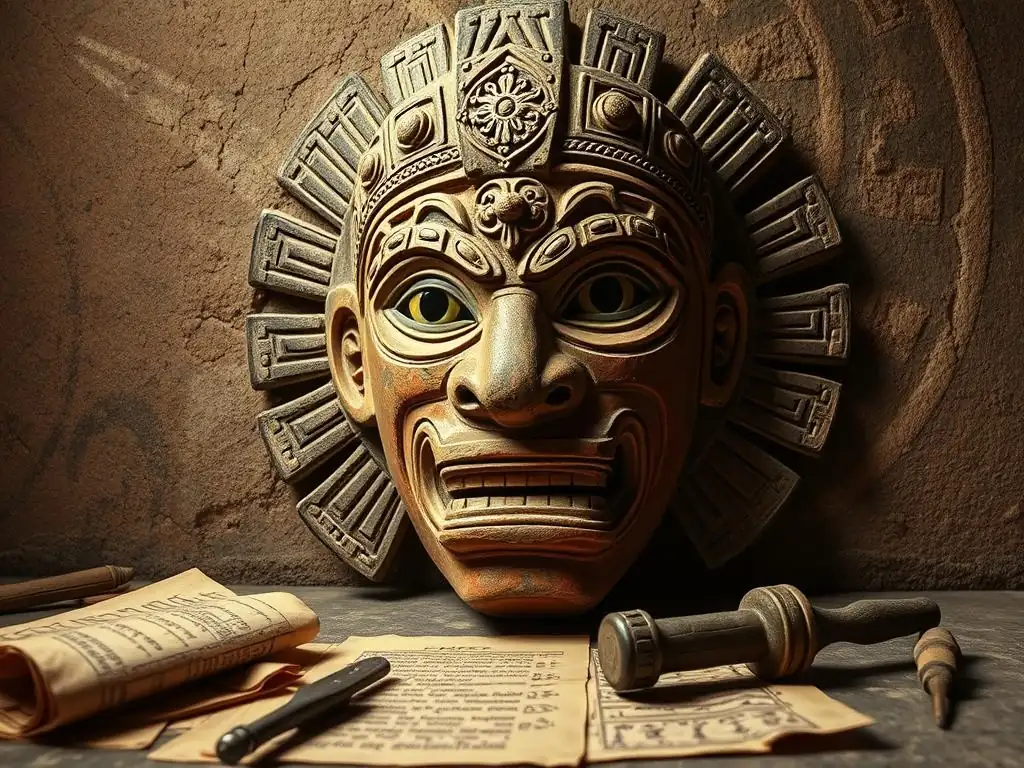
The preservation and discovery of Aztec ritual masks are critical to understanding the significance of these artifacts within the broader context of Aztec culture and spirituality. These masks, often crafted with meticulous detail and symbolic meaning, serve as a reflection of the intricate beliefs and practices of the Aztec civilization. The journey of these artifacts from their creation to their rediscovery in modern times reveals not only their artistic value but also their importance in the preservation of indigenous heritage.
Archaeological Discoveries of Aztec Masks
The archaeological discoveries of Aztec ritual masks have provided invaluable insights into the civilization's spiritual practices and societal structures. Excavations in various regions of Mexico, particularly around the ancient city of Tenochtitlan, have unearthed a wealth of masks that showcase both artistic prowess and cultural significance.
- Notable Finds:
- The Tlatelolco Mask, discovered in 1977, is a prime example, featuring intricate carvings that represent the Aztec god Tezcatlipoca.
- The Mask of the Jaguar, found at the Temple of the Moon, is another significant artifact that highlights the importance of jaguar symbolism in Aztec ritual practices.
The masks were typically made from materials such as jade, obsidian, and clay, crafted by skilled artisans who imbued each piece with spiritual significance. The masks were often used during ceremonies, serving as a connection between the physical and spiritual realms.
Current Challenges in Preserving Aztec Artifacts
Despite the wealth of information that Aztec ritual masks provide, there are significant challenges in their preservation.
- Environmental Factors:
- Humidity, temperature fluctuations, and light exposure can severely affect the integrity of organic materials used in the masks.
- Human Impact:
- Looting and illegal trafficking of artifacts pose a grave threat to the preservation of Aztec cultural heritage. Many masks have been lost to the black market, depriving future generations of their historical context.
- Funding and Resources:
- Many archaeological sites lack adequate funding for conservation efforts. This limitation hinders the ability to properly restore and maintain these essential artifacts.
Efforts are underway by various cultural institutions and governments to address these challenges, including the implementation of stricter laws against artifact trafficking and increased funding for preservation projects.
Impact of Discoveries on Understanding Aztec Culture
The discoveries of Aztec ritual masks have significantly impacted our understanding of Aztec culture, particularly in the realms of spirituality and social organization.
- Cultural Insights:
- Each mask not only served a ceremonial purpose but also reflected the social hierarchy and the interconnectedness of various deities. For instance, masks depicting war deities suggest a society that placed great importance on warfare and conquest.
- Ritual Practices:
- The intricate designs and symbols on the masks provide clues about the rituals performed, highlighting the importance of ceremonies in daily life and the role of the priesthood in mediating between the gods and the people.
- Symbolic Representation:
- Masks often embodied dualities, such as life and death, and were used in rituals that emphasized the cyclical nature of existence. This understanding challenges the simplistic view of the Aztecs as merely a warrior civilization, revealing their complex philosophical and spiritual beliefs.
The preservation and discovery of Aztec ritual masks are paramount in uncovering the rich tapestry of Aztec culture. These artifacts not only serve as windows into spiritual beliefs and practices but also emphasize the need for continued efforts in their preservation for future generations.
Conclusion: The Lasting Impact of Aztec Ritual Masks
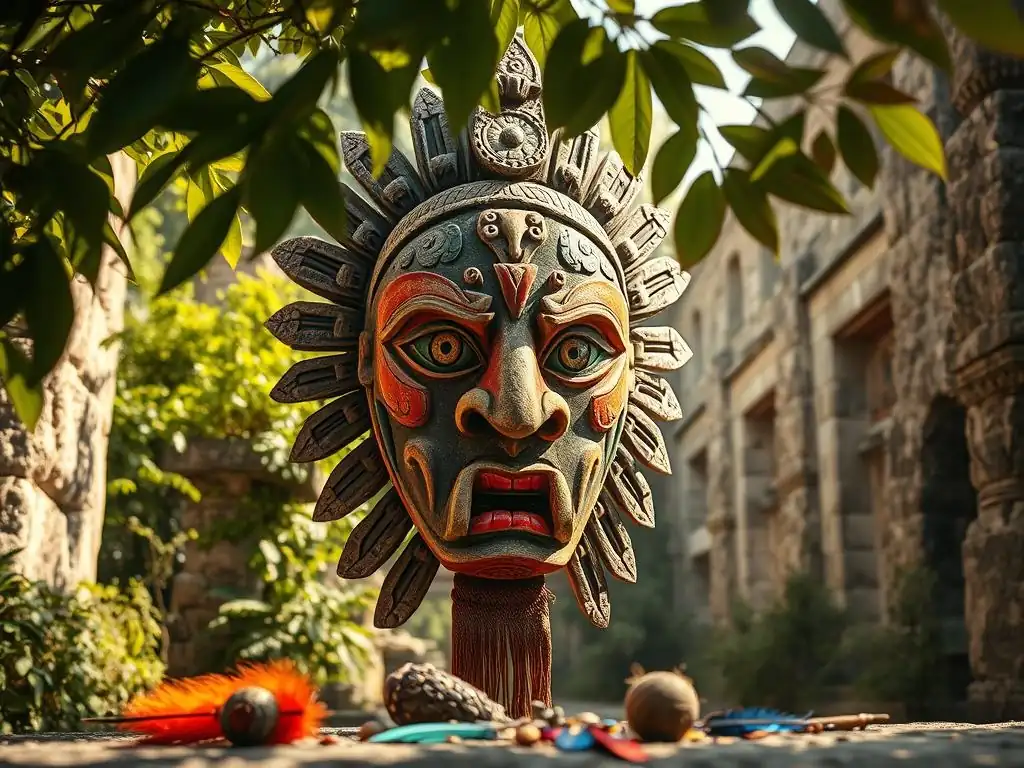
The legacy of Aztec ritual masks extends far beyond their original context, offering rich insights into the spiritual and cultural practices of the Aztec civilization. These masks were not merely artistic expressions; they served as vital tools in rituals, embodying the beliefs and values of a society deeply intertwined with the cosmos and the divine. Today, they stand as powerful symbols of identity, resilience, and continuity for many Indigenous communities across the Americas.
Reflection on the Significance of Aztec Ritual Masks Today
Aztec ritual masks hold profound significance in contemporary society, transcending their historical roles. They are viewed as:
- Cultural Heritage: Masks are emblematic of the rich history and traditions of the Aztec civilization. Their intricate designs and materials reflect a sophisticated understanding of artistry and symbolism, which continue to inspire admiration and respect.
- Spiritual Connections: For many Indigenous peoples, these masks symbolize a connection to ancestral beliefs and practices. Modern ceremonies often incorporate traditional elements, including the use of replica masks, to honor and revive ancient spiritual connections.
- Educational Tools: Museums and cultural institutions utilize Aztec masks to educate the public about Indigenous cultures, fostering appreciation and awareness of their historical significance. Through exhibitions and workshops, these artifacts become a bridge linking past and present.
The enduring relevance of these masks illustrates a broader narrative about the survival and adaptation of Indigenous cultures in the face of colonization and cultural assimilation.
How Aztec Masks Influence Modern Indigenous Art and Culture
The influence of Aztec ritual masks can be seen vividly in contemporary Indigenous art and culture. Artists today draw inspiration from the rich iconography and techniques of their ancestors, creating works that resonate with both traditional and modern themes. Here are some notable aspects of this influence:
- Revival of Traditional Techniques:
- Many artisans are reclaiming ancient methods of mask-making, using materials like wood, clay, and natural pigments. This revival not only preserves traditional craftsmanship but also empowers artists to express their cultural identity.
- Integration into Modern Art Forms:
- Aztec masks are often reinterpreted in various artistic mediums, including painting, sculpture, and digital art. This integration allows artists to explore contemporary issues while honoring their ancestral roots.
- Cultural Festivals and Performances:
- Modern celebrations often feature traditional masks, which are worn during dances and rituals. These performances serve as a living testament to the vibrancy of Indigenous cultures, showcasing their resilience and creativity.
- Symbol of Resistance:
- For many Indigenous artists, Aztec masks symbolize resistance against cultural erasure. By incorporating these elements into their work, they assert their identity and challenge ongoing stereotypes and misconceptions.
The significance of Aztec ritual masks extends beyond their historical context, influencing modern Indigenous art and culture in profound ways. They continue to serve as vital expressions of identity, spirituality, and resistance, ensuring that the voices of the Aztec civilization resonate through the ages.
Further Reading on Aztec Artifacts
Recommended Resources for Learning More About Aztec Ritual Masks
To delve deeper into the significance of Aztec ritual masks and their role in the spiritual and cultural life of the Aztec civilization, consider exploring the following resources:
- Books:
- Aztec Ritual Masks by Elizabeth M. Brumfiel: This comprehensive book provides a detailed analysis of the various types of masks used in Aztec rituals, their materials, and the symbolism behind their designs.
- The Aztecs: A Very Short Introduction by David Carrasco: A concise overview of Aztec culture, including insights into their religious practices and the importance of ritual masks.
- Scholarly Articles:
- "The Masks of the Gods: A Study on Aztec Rituals" published in the Journal of Mesoamerican Studies: This article examines the theological implications of the masks and their connection to Aztec deities.
- "Symbolism and Significance of Aztec Masks" in the Archaeological Review: Focused on the cultural meanings imbued in the masks, this piece analyzes specific artifacts from archaeological sites.
- Online Resources:
- The Metropolitan Museum of Art website offers a virtual collection of Aztec artifacts, including masks, with descriptions of their historical context and significance.
- The Smithsonian National Museum of the American Indian features educational materials and articles about Aztec culture, including the role of masks in ceremonies.
- Documentaries and Videos:
- "Aztec: The Lost World of the Mexica" is a documentary that explores the daily life, culture, and spiritual practices of the Aztecs, including their use of ritual masks.
- YouTube channels like National Geographic and PBS often feature short documentaries or segments on Aztec artifacts and their meanings.
Understanding the significance of Aztec ritual masks also involves exploring several interconnected aspects of Aztec culture and spirituality. Here are some related topics to consider:
- Aztec Religion and Deities:
- The Aztecs worshipped a pantheon of gods, each associated with different aspects of life and nature. Ritual masks often depicted these deities, serving as a bridge between the physical and spiritual worlds.
- Rituals were performed to honor these gods, with masks being integral to ceremonies such as the Toxcatl festival dedicated to the god Tezcatlipoca.
- Ceremonial Practices:
- The use of masks in ceremonies extended beyond mere decoration; they transformed the wearers into the deities themselves, allowing participants to embody spiritual forces during rituals.
- Understanding the various ceremonies in which these masks were used provides insight into the social and religious fabric of Aztec society.
- Artistic Techniques and Materials:
- Aztec masks were crafted from diverse materials, including wood, stone, and textiles, each chosen for its symbolic significance.
- Techniques such as carving, painting, and inlay work highlight the advanced artistic skills of Aztec artisans and their ability to convey complex spiritual messages through art.
- Cultural Legacy:
- The legacy of Aztec ritual masks continues to influence contemporary indigenous art and spirituality. Modern artists often draw inspiration from the rich iconography and meanings embedded in traditional masks.
- Exploring the impact of pre-Columbian art on today's indigenous movements can provide a broader understanding of how these artifacts resonate with current cultural expressions.
By engaging with these topics, readers can gain a more nuanced understanding of the Aztec ritual masks significance and their profound connection to the beliefs and practices of the Aztec civilization.
Frequently Asked Questions
What is the significance of Aztec ritual masks?
Aztec ritual masks held deep spiritual significance, serving as tools for communication with the gods and ancestors during important ceremonies.
How were Aztec masks used in ceremonies?
These masks were integral to rituals, often worn by priests or dancers to embody deities, enhance the spiritual atmosphere, and convey mythical narratives.
What materials were commonly used to create Aztec ritual masks?
Aztec masks were typically crafted from materials such as wood, stone, ceramics, and sometimes adorned with feathers and jewels to signify their importance.
How do Aztec masks reflect their culture?
The designs and symbols on the masks reveal insights into the belief systems, social structures, and artistic expressions of the Aztec civilization, showcasing their rich cultural heritage.
Where can we find Aztec ritual masks today?
Many Aztec masks are preserved in museums around the world, offering valuable opportunities to study their cultural significance and the artistic skills of the Aztec people.
Final Reflection: The Enduring Significance of Aztec Ritual Masks
The exploration of Aztec ritual masks and their significance reveals a profound connection between art, spirituality, and cultural identity that resonates strongly in today's world. As we navigate an era marked by globalization and cultural exchange, the rich symbolism and intricate craftsmanship of these masks remind us of the importance of understanding and preserving our heritage. The masks serve not only as artifacts of the past but as powerful reminders of the beliefs and practices that shaped the Aztec civilization, urging us to reflect on our own cultural narratives.
The influence of Aztec ritual masks extends beyond their historical context; they continue to inspire contemporary artists, scholars, and spiritual seekers alike. These masks are not merely relics but living symbols that challenge us to engage with our own spiritual beliefs and practices. As artist and anthropologist Dr. Elizabeth H. Boone once said, Art is a window into the soul of a culture, revealing its deepest values and beliefs.
This sentiment underscores the ongoing relevance of Aztec masks in our cultural landscape, inviting us to explore the ways in which art can bridge the past and present.
As we conclude our journey through the significance of Aztec ritual masks, I invite you to reflect on your own relationship with cultural symbols and practices. Consider how these artifacts can inspire you to delve deeper into your own beliefs and traditions, fostering a greater appreciation for the diversity of human expression. Let the legacy of the Aztec masks encourage you to seek out the stories behind the symbols in your life, and to honor the rich tapestry of cultural heritage that shapes our world today.
Unveil the Mysteries of Aztec Ritual Masks!
Thank you for diving into the fascinating world of Aztec ritual masks; your curiosity brings these ancient artifacts to life! You've explored the significance of these masks in understanding spiritual beliefs and practices, and now it’s time to transform that knowledge into action.
Here’s how you can deepen your connection to these cultural treasures:
- Explore local museums or exhibitions that showcase Indigenous artifacts to witness the beauty of these ritual masks firsthand.
- Share this article with friends and family to inspire conversations about Indigenous cultures and their art.
- Join an online community focused on discussing Indigenous history and spirituality—your insights and questions could spark meaningful dialogue!
What aspect of Aztec spiritual practices or artifacts intrigues you the most, and how do you believe it shapes our understanding of their culture today?