
Ancient Inca Road Systems: Engineering Wonders That Shaped Civilization

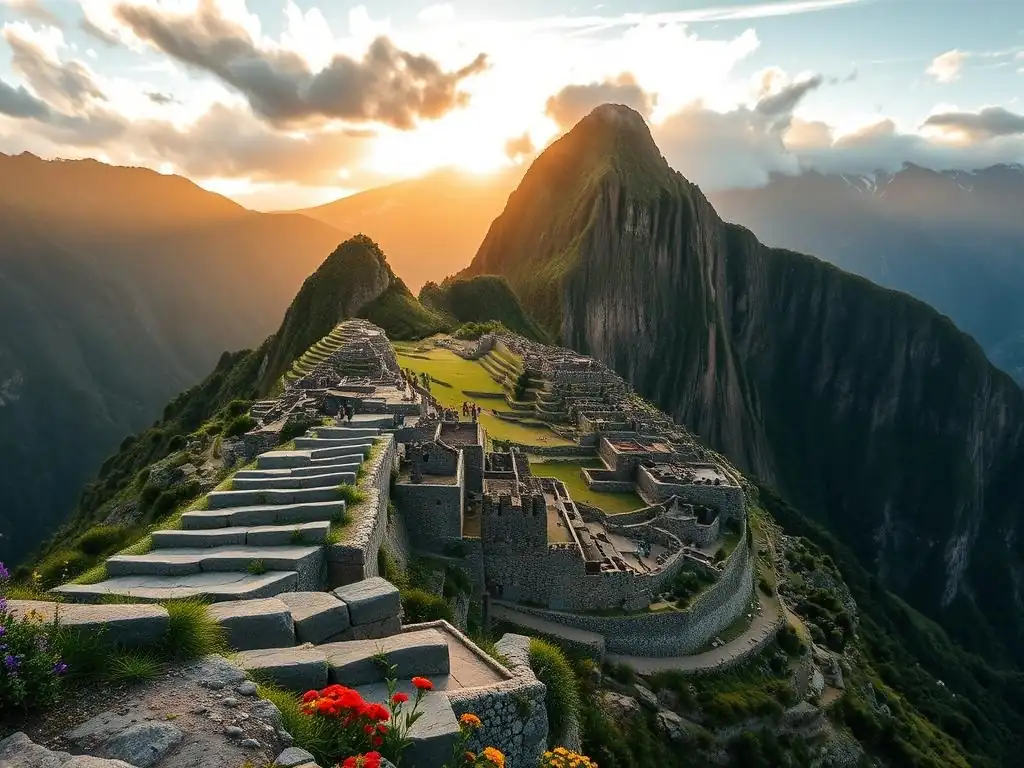
Welcome to Indigenous Civilizations of the Americas, where we invite you to embark on a fascinating journey through the rich tapestry of cultures that flourished long before European contact. Here, you will discover the remarkable achievements and enduring legacies of these vibrant societies.
Dive into our featured article, “Ancient Inca Road Systems: Engineering Wonders That Shaped Civilization,” and uncover the intricate history of the Inca road systems—an extraordinary feat of engineering that not only connected vast territories but also transformed the very fabric of their civilization. Prepare to be captivated as we unravel the stories that shaped the Americas, encouraging you to explore further into the depths of indigenous ingenuity and resilience.
Introduction to Inca Road Systems History
The ancient Inca road systems are a testament to the remarkable engineering skills and organizational capabilities of one of the most sophisticated civilizations in pre-Columbian America. Stretching over 25,000 miles across diverse terrains, these roads were not merely pathways; they were vital arteries that connected the vast Inca Empire, facilitating trade, communication, and military movement. Understanding the Inca road systems history provides valuable insights into the social, political, and economic dynamics of the Inca civilization, as well as the innovative techniques that enabled the construction of such a monumental network in challenging environments.
Overview of Inca Civilization and Its Achievements
The Inca civilization, which flourished from the early 15th century until the Spanish conquest in the 16th century, was one of the largest empires in the Americas. Centered in present-day Peru, the Inca Empire extended across parts of Ecuador, Bolivia, Chile, and Argentina. The Incas are renowned for their impressive achievements in various fields, including agriculture, architecture, and engineering.
- Key Achievements:
- Terraced Agriculture: Maximizing arable land in mountainous regions.
- Architectural Masterpieces: Construction of cities like Cusco and Machu Picchu.
- Complex Social Structure: A well-organized society with a centralized government.
The Inca road systems played a crucial role in these achievements, serving as a backbone for the empire's infrastructure.
Importance of Road Systems in Inca Society
The Inca road systems were vital for maintaining control over the vast territories of the empire. They facilitated:
- Trade: Enabling the exchange of goods, such as textiles, pottery, and agricultural products, across different regions.
- Communication: Allowing messages and information to travel swiftly between distant locations.
- Military Movement: Providing quick access for troops to respond to threats or maintain order within the empire.
Thus, the road systems were not just functional; they were integral to the cohesion and stability of Inca society.
The Engineering Marvels of the Inca Road Systems
Inca road systems stand out not only for their scale but also for their intricate engineering. The construction techniques employed by the Incas have been studied extensively and admired for their ingenuity.
Construction Techniques Used in Inca Roads
The Inca engineers demonstrated exceptional skill in surveying and constructing roads that could withstand the test of time and the elements. Notable techniques included:
- Stone Paving: Using large stones to create durable surfaces.
- Grading and Drainage: Ensuring proper drainage to prevent erosion and damage.
- Adaptive Design: Modifying routes to fit the topography, including switchbacks on steep slopes.
These methods showcase the Incas' advanced understanding of engineering principles.
Materials and Resources for Road Building
The Incas utilized locally sourced materials, which varied by region. Common materials included:
- Granite and Limestone: For paving and structural integrity.
- Earth and Gravel: For creating stable roadbeds.
- Vegetation: Utilizing local flora for erosion control and stabilization.
The effective use of resources reflects the Incas' sustainable practices and their ability to adapt to local conditions.
Geographic Challenges Overcome by Inca Engineers
Constructing a vast network of roads in the Andean region presented numerous challenges, including:
- Mountainous Terrain: Roads had to navigate steep inclines and declines.
- Rivers and Ravines: Bridges were constructed or routes were designed to bypass these natural barriers.
- Climate Variability: Adjustments were made for different weather conditions, such as heavy rainfall or dry spells.
The ability of Inca engineers to overcome these geographical obstacles is a remarkable aspect of their road systems, demonstrating their resilience and ingenuity.
Through the exploration of the Inca road systems, we can appreciate not only the engineering prowess of the Incas but also their profound influence on the cultural and economic landscape of pre-Columbian America.
Key Features of the Inca Road Systems
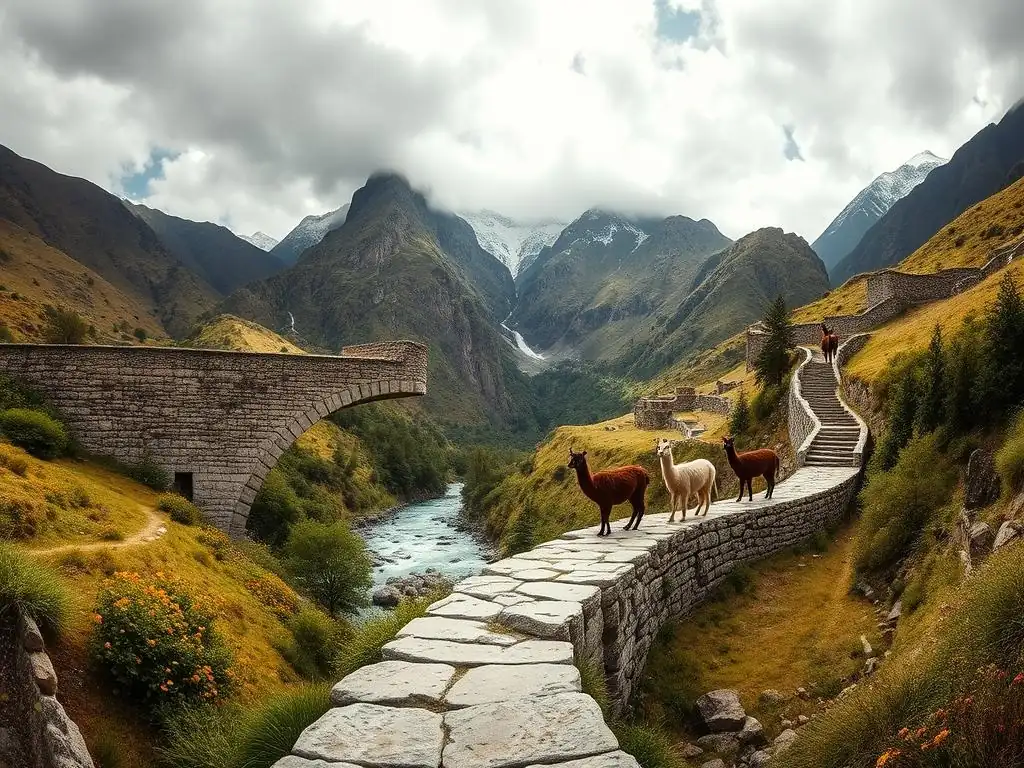
The Inca road systems stand as a monumental achievement of engineering and logistics that facilitated the unification of the vast Inca Empire, stretching over 2,500 miles. One of the key features of these road systems is their adaptability to the diverse landscapes of the Andes mountains. The roads were built using local materials, and their construction took advantage of the natural contours of the terrain, ensuring stability and longevity.
The roads were often paved with stones, and the Incas employed sophisticated techniques to prevent erosion and maintain the integrity of the paths. The system included a variety of road types, from wide highways suitable for the movement of large groups to narrow paths that meandered through challenging mountainous areas. Additionally, the Inca road system included drainage ditches to manage rainwater effectively, a crucial feature for maintaining road usability in the wet climate of the Andes.
The roadways were also adorned with waystations known as "tambos," which provided rest and resupply for travelers, soldiers, and merchants. This intricate network was not merely for transport; it was a vital component for the administration and integration of the diverse peoples within the empire.
Major Roads and Their Routes in the Inca Empire
The most significant road in the Inca Empire was the Qhapaq Ñan, which served as the main artery connecting various regions. This expansive road network linked major cities such as Cusco, the capital, with the coastal areas, highlands, and the Amazon rainforest. The Qhapaq Ñan branched into numerous routes that facilitated local trade and communication, effectively knitting together the vast empire.
Key routes included:
- Cusco to Quito: This road traversed through diverse environments, showcasing the Incas' ability to adapt their engineering to various climates.
- Cusco to the coast (Lima): A crucial trade route for transporting goods such as fish, which were vital to the Andean diet.
- Cusco to the Amazon: This route enabled the Incas to exploit the rich resources of the rainforest, including valuable plants and materials.
The precision of the road placements facilitated swift travel across the empire, allowing for efficient governance and control over distant territories.
Innovative Designs: Bridges, Tunnels, and Causeways
The ingenuity of the Inca road system extended beyond mere pathways; it incorporated innovative designs that addressed the challenges posed by the rugged Andean geography. The Incas constructed remarkable suspension bridges using natural fibers, allowing for safe passage over deep ravines and swift rivers. These bridges were not only functional but also exemplified the Incas' advanced understanding of materials and structural engineering.
In addition to bridges, the Incas built tunnels through mountains, significantly reducing travel time and making it easier to navigate challenging terrains. These tunnels often featured ventilation shafts and were meticulously carved to enhance the safety of travelers.
Causeways were also a critical aspect of the road systems, particularly in marshy areas. Constructed of stone and earth, these causeways elevated the roads above waterlogged sections, ensuring that travel remained feasible during the rainy season. This level of engineering excellence illustrates the Incas' profound understanding of their environment and their ability to manipulate it for their needs.
The Role of Waystations and Resting Points
Waystations, or tambos, played an essential role in the Inca road systems. Strategically located along major routes, these stations served as rest and resupply points for travelers, including messengers, traders, and military units. Each tambo was equipped with storage facilities for food and supplies, ensuring that those journeying along the roads could rest and replenish their resources.
The presence of tambos also facilitated the chaski system, a relay system of runners who delivered messages and goods across vast distances. This network relied on waystations to provide food and rest, allowing for rapid communication throughout the empire. The efficient organization of tambos contributed to the Inca's ability to control their territory and respond rapidly to challenges.
Moreover, these waystations fostered social interaction and cultural exchange among diverse groups, reinforcing the sense of unity within the empire. The tambos became hubs of commerce and communication, further integrating the various cultures that made up the Inca civilization.
The Impact of Inca Road Systems on Civilization
The Inca road systems had a profound impact on the civilization, influencing various aspects of life within the empire. Their design and implementation facilitated not only transportation but also economic growth, social connectivity, and military efficiency.
Economic Impact: Trade and Resource Distribution
The Inca road systems significantly enhanced trade and the distribution of resources across the empire. By providing reliable routes for transportation, the roads allowed for the movement of goods, including agricultural products, textiles, and metals. This facilitated regional trade, where different areas could specialize in certain goods and exchange them with others, leading to economic interdependence.
Trade routes often connected highland agricultural communities with coastal and forest regions, enabling the Incas to acquire diverse resources. The road systems also allowed for the efficient taxation of goods, as officials could easily travel to collect tribute from various regions. This system of resource distribution contributed to the overall prosperity of the Inca Empire.
Social Connectivity: Enhancing Communication and Travel
The Inca road systems fostered social connectivity by enhancing communication and travel among diverse populations. The ease of travel along these roads encouraged the mingling of different cultures, facilitating the exchange of ideas, traditions, and practices.
Moreover, the chaski system leveraged the road networks to maintain swift communication across the empire. Runners could relay messages between distant regions in record time, ensuring that the central government remained informed about local affairs and could respond to issues as they arose. This system of communication helped unify the empire and reinforce the authority of the Inca rulers.
The roads also enabled the movement of people for religious and ceremonial purposes, strengthening cultural ties and the sharing of spiritual practices across the empire.
Military Advantages: Strategic Movement and Defense
The Inca road systems provided significant military advantages by allowing for rapid movement of troops and supplies. The roads facilitated the swift deployment of forces to quell rebellions or defend against invasions, making it easier for the Inca rulers to maintain control over their vast territory.
The strategic layout of the roads ensured that key military locations were easily accessible, enabling quick responses to threats. The ability to move armies efficiently across challenging terrains was a crucial factor in the Inca's success in expanding and defending their empire.
Additionally, the road systems allowed for the efficient transport of goods necessary to sustain military campaigns, such as food and weapons. This logistical support was vital for the Incas, who faced various challenges in maintaining their empire's security against both internal and external threats.
Preservation and Legacy of Inca Road Systems
The Inca road systems are not only remarkable engineering feats, but they also represent a significant aspect of the cultural and historical heritage of the Andean region. These ancient roads, known as the Qhapaq Ñan, stretched over 25,000 miles across diverse terrains, including mountains, forests, and deserts. Their preservation is crucial as they offer insights into the Inca civilization's organizational skills, trade networks, and social structure.
Efforts to preserve these roads are ongoing, with many segments recognized as UNESCO World Heritage Sites. The preservation efforts include maintenance of the physical structures and documentation of the road's historical significance. Additionally, local communities are often involved in these initiatives, promoting cultural pride and sustainable tourism that can benefit local economies.
Archaeological Discoveries Related to Inca Roads
Numerous archaeological discoveries have highlighted the importance of the Inca road systems in understanding the civilization's extensive network. Excavations along key routes have uncovered ancient resting places called tambos, way stations that provided food and shelter for travelers and messengers. These tambos reveal the logistical planning of the Inca and their ability to support large movements of people and goods.
Artifacts found along the roads, such as pottery, tools, and textiles, offer further evidence of the vibrant culture that thrived along these routes. Additionally, the discovery of ceremonial sites and agricultural terraces along the roads underscores the multifaceted role these pathways played in Inca society, facilitating not only trade but also religious and agricultural practices.
Modern Recognition and Preservation Efforts
In recent years, there has been a growing recognition of the importance of the Inca road systems in both historical and cultural contexts. Governments and international organizations have initiated various preservation efforts to protect these ancient pathways from natural degradation and modern encroachment.
Programs aimed at revitalizing local communities often focus on sustainable tourism, where visitors can learn about the Inca road systems while contributing to the local economy. Additionally, partnerships between archaeologists, historians, and indigenous groups have led to a more holistic approach to preservation, ensuring that the cultural significance of these roads is acknowledged and maintained.
The Influence of Inca Road Systems on Contemporary Infrastructure
The engineering principles and strategies employed in the Inca road systems have had a lasting impact on contemporary infrastructure in the Andean region and beyond. The Inca's innovative techniques in road construction, such as the use of cambered surfaces and drainage systems, have informed modern road-building practices.
Furthermore, the concept of a networked transportation system can be traced back to the Inca roads. Their ability to connect remote communities and facilitate trade and communication laid the groundwork for the development of modern transport systems. Today, many roads in Peru and surrounding countries still follow the original paths set by the Inca, illustrating the enduring legacy of their engineering prowess.
Conclusion: Lasting Significance of Inca Road Systems in History
The Inca road systems represent a monumental achievement in engineering and an essential element of the Inca civilization's legacy. Their historical significance extends beyond mere transportation; they were vital for cultural exchange, trade, and the integration of diverse communities across the empire.
Summary of Key Points on Inca Road Systems History
- The Inca road systems, or Qhapaq Ñan, spanned over 25,000 miles and connected various regions of the Inca Empire.
- Archaeological findings, including tambos and artifacts, highlight the logistical and cultural importance of these roads.
- Modern preservation efforts incorporate community involvement and sustainable tourism, ensuring the road systems' cultural heritage is preserved.
- The engineering techniques of the Inca have influenced contemporary infrastructure, showcasing the roads' lasting impact on modern society.
Reflection on the Inca Legacy in Engineering and Culture
The legacy of the Inca road systems is profound, reflecting the civilization's advanced understanding of engineering, logistics, and community organization. These roads not only facilitated trade and communication but also served as conduits for cultural exchange and integration among diverse groups. As we continue to explore and preserve these ancient pathways, we gain valuable insights into the rich history of the Inca civilization and its enduring influence on contemporary society. The Inca road systems are a testament to human ingenuity and resilience, reminding us of the intricate connections that bind cultures and civilizations across time.
- Introduction to Inca Road Systems History
- Overview of Inca Civilization and Its Achievements
- Importance of Road Systems in Inca Society
- The Engineering Marvels of the Inca Road Systems
- Key Features of the Inca Road Systems
- The Impact of Inca Road Systems on Civilization
- Preservation and Legacy of Inca Road Systems
- Conclusion: Lasting Significance of Inca Road Systems in History
Frequently Asked Questions
What were the Inca road systems?
The Inca road systems were a vast network of roads that connected the Inca Empire across the rugged terrain of the Andes Mountains, facilitating trade, communication, and military movement.
How did the Inca road systems impact trade?
The Inca road systems significantly enhanced trade by enabling efficient transport of goods, allowing for the exchange of resources between distant regions, and fostering economic integration.
What engineering techniques were used in the construction of the Inca road systems?
The Inca road systems featured advanced engineering techniques, including the use of stone paving, drainage systems, and terracing to adapt to the challenging mountainous landscape.
How did the Inca road systems influence modern infrastructure?
The Inca road systems laid the groundwork for modern infrastructure by demonstrating effective road construction methods and the importance of connectivity in enhancing regional development.
What is the historical significance of the Inca road systems?
The Inca road systems played a crucial role in shaping the civilization by fostering cultural exchange, maintaining political control, and facilitating the spread of Inca influence throughout South America.
Final Reflection: The Enduring Legacy of Inca Road Systems
The intricate design and vast network of the Inca road systems are not just remnants of a bygone era; they are a testament to the ingenuity and resilience of a civilization that thrived in the face of adversity. Today, as we navigate our own complex infrastructures and grapple with the challenges of modern transportation, the lessons learned from the Inca road systems history resonate more than ever. Their ability to connect diverse communities and facilitate trade and communication serves as a powerful reminder of the importance of connectivity in shaping societies.
The influence of the Inca road systems extends far beyond their physical presence; they have become a symbol of cultural identity and innovation. The roads not only enabled the movement of goods and people but also fostered the exchange of ideas and traditions that enriched the Inca civilization. As we reflect on this legacy, we can appreciate how these ancient pathways continue to inspire contemporary engineering and urban planning. The road is a symbol of the journey, not just the destination.
This quote encapsulates the essence of the Inca road systems, reminding us that the connections we forge today can lead to a more unified and prosperous future.
As we conclude our exploration of the Inca road systems, I invite you to reflect on the significance of connectivity in your own life. Consider how the relationships you build and the paths you choose can shape not only your journey but also the journeys of those around you. Let the legacy of the Inca serve as a guiding principle: embrace the spirit of innovation and collaboration, and strive to create pathways that lead to understanding and unity in our increasingly interconnected world.
Uncover the Secrets of the Inca Road Systems!
Thank you for taking the time to delve into the remarkable world of the Ancient Inca road systems! We hope you discovered the incredible ingenuity behind these engineering wonders that helped shape civilizations across the Americas. Now, it’s time to put that inspiration into action!
Here are a few powerful steps you can take to further explore and appreciate the legacy of the Inca:
- Visit a local museum or cultural event dedicated to Indigenous history to deepen your understanding of the Inca Empire's engineering marvels.
- Share your newfound knowledge with friends or family—start a conversation or host a mini-exhibition at home showcasing the significance of Indigenous advancements in road systems.
- Join a community group or forum focused on Indigenous histories to connect with like-minded individuals who share your passion for cultural heritage.
What aspect of the Inca road systems fascinates you the most, and how do you envision applying that knowledge in today’s context? Let's discuss!