
Learning from the Past: Indigenous Innovations That Shaped Sustainable Practices

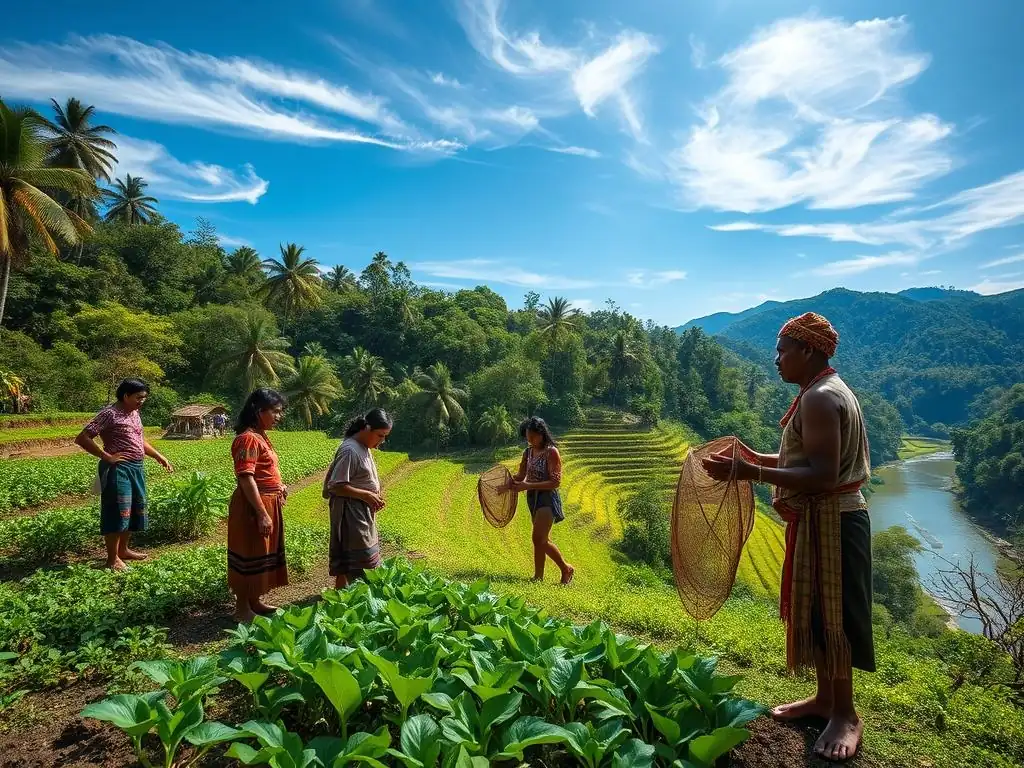
Welcome to Indigenous Civilizations of the Americas, where we invite you to embark on a captivating journey through the rich tapestry of indigenous cultures that flourished long before European contact. Here, we delve into the astonishing indigenous innovations for sustainability that not only shaped their societies but continue to inspire modern practices today. Get ready to explore how these ancient techniques and philosophies can guide us towards a more sustainable future. Curious about the profound wisdom hidden in their histories? Let’s uncover these lessons together.
- Introduction to Indigenous Innovations for Sustainability
- Historical Context of Indigenous Innovations
- Case Studies of Indigenous Innovations for Sustainability
- Lessons from Indigenous Innovations for Sustainable Practices
- Conclusion: Embracing Indigenous Innovations for Future Sustainability
- Call to Action: Supporting Indigenous Innovations for Sustainability
-
Frequently Asked Questions
- What are some examples of indigenous innovations for sustainability?
- How did indigenous cultures contribute to environmental stewardship?
- Why is studying indigenous innovations important today?
- How did indigenous societies thrive before European colonization?
- What impact do indigenous innovations have on current sustainability practices?
- Final Reflection: Embracing Indigenous Innovations for a Sustainable Future
- Embrace Indigenous Wisdom for a Sustainable Future!
Introduction to Indigenous Innovations for Sustainability
Indigenous innovations for sustainability represent a treasure trove of knowledge and practices that have been refined and passed down through generations of Indigenous peoples across the Americas. These innovations encompass a wide array of agricultural techniques, resource management strategies, and community governance models that not only sustained their societies but also harmonized with the natural environment.
As we confront the pressing challenges of climate change, resource depletion, and ecological degradation, there is much to learn from the sustainable practices of Indigenous civilizations that thrived long before European colonization. This article explores the invaluable contributions of Indigenous innovations, shedding light on how these time-tested practices can inform contemporary sustainability efforts.
Understanding the Importance of Indigenous Knowledge
Indigenous knowledge is a holistic understanding of the environment, encompassing not just ecological insights but also cultural, spiritual, and social dimensions. This knowledge reflects a deep relationship with the land and resources, developed over millennia through observation, experimentation, and adaptation. Here are some key elements highlighting its importance:
- Ecological Wisdom: Indigenous peoples possess intricate knowledge of local ecosystems, including plant species, animal behavior, and seasonal changes. This understanding allows for sustainable harvesting and conservation of biodiversity.
- Land Stewardship: Many Indigenous cultures view the land as a living entity, fostering a sense of responsibility for its care. Practices such as controlled burns, crop rotation, and polyculture farming exemplify their commitment to maintaining ecological balance.
- Cultural Resilience: Indigenous knowledge is deeply intertwined with cultural identity. The preservation of these practices not only sustains the environment but also strengthens community bonds and cultural heritage.
- Adaptive Management: Indigenous innovations often involve adaptive strategies that respond to environmental changes, showcasing resilience and flexibility in resource management.
The Role of Indigenous Practices in Modern Sustainability
In an era where modern sustainability practices often overlook traditional wisdom, Indigenous innovations provide critical insights into creating resilient and sustainable systems. Here are a few ways in which these practices are influencing contemporary sustainability efforts:
- Agroecology and Permaculture: Indigenous agricultural methods, such as companion planting and agroforestry, are being integrated into modern practices to enhance food security and resilience. For instance, the Three Sisters planting method—combining corn, beans, and squash—demonstrates how diverse crops can benefit each other and improve soil health.
- Water Management: Traditional water conservation techniques, such as the use of check dams and terracing, are being revisited to combat water scarcity and soil erosion, particularly in arid regions.
- Biodiversity Conservation: Indigenous land management practices have proven effective in preserving biodiversity. By implementing traditional ecological knowledge, conservation efforts can be more attuned to local ecosystems and cultural values.
- Community-Led Initiatives: Indigenous communities often lead the way in sustainable practices, promoting self-governance and collective decision-making. These initiatives empower local populations and reinforce the importance of community in sustainability efforts.
The innovations of Indigenous cultures not only offer practical solutions to contemporary sustainability challenges but also remind us of the profound interconnectedness of humans and nature. By learning from these practices, we can forge a path toward a more sustainable future that honors the wisdom of the past.
Historical Context of Indigenous Innovations
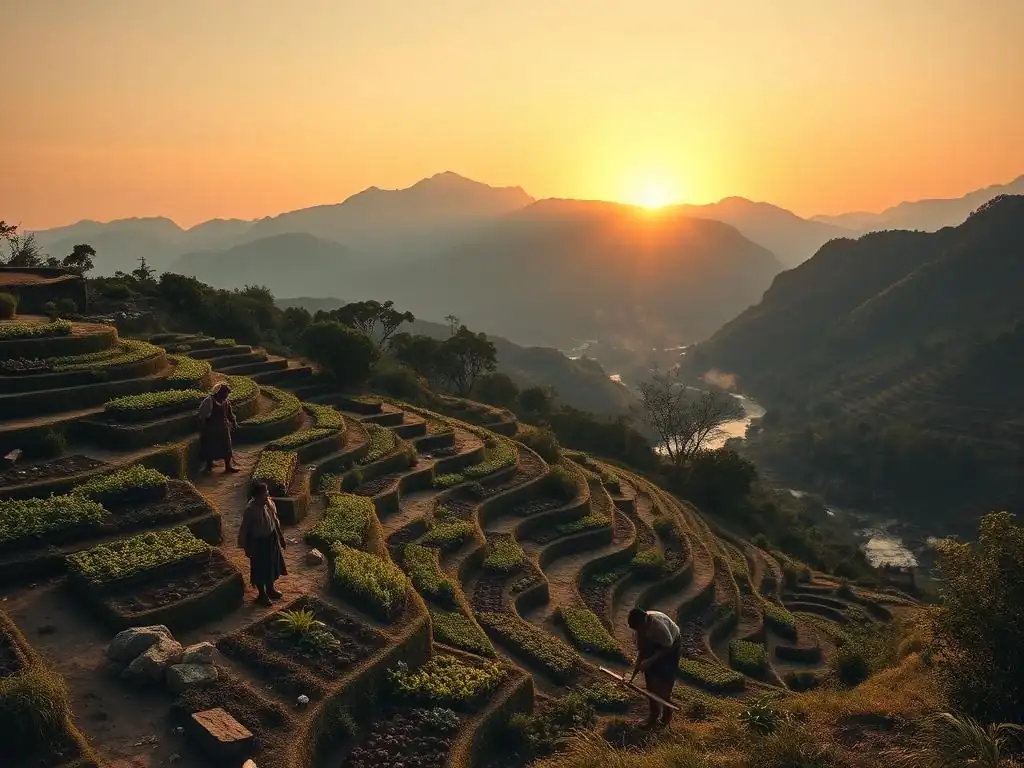
Indigenous cultures in the Americas have developed a rich tapestry of innovations that not only highlight their ingenuity but also their deep connection to the environment. These innovations, often born from necessity, reflect a profound understanding of sustainable practices long before modern concepts of sustainability were widely recognized. This historical context reveals how Indigenous innovations for sustainability have shaped agricultural practices, resource management, and ecological balance, illustrating the importance of these practices in contemporary discussions on sustainability.
Ancient Agricultural Techniques and Their Impact on Sustainability
The agricultural practices of Indigenous peoples were characterized by a holistic understanding of ecosystems, which allowed them to cultivate the land without depleting its resources. These ancient techniques were not only efficient but also sustainable, ensuring food security for generations.
Three Sisters Farming: Corn, Beans, and Squash
One of the most notable examples of Indigenous agricultural innovation is the Three Sisters farming technique. This method involves the intercropping of corn, beans, and squash, which are known as the "Three Sisters" in many Native American cultures.
- Corn provides a natural pole for the beans to climb, freeing the ground of weeds.
- Beans enrich the soil with nitrogen, which benefits all three plants.
- Squash spreads across the ground, blocking sunlight to weeds and retaining moisture in the soil.
This symbiotic relationship not only maximizes land use but also enhances soil fertility, demonstrating a sustainable farming approach that has been practiced for centuries. The Three Sisters method exemplifies how Indigenous innovations for sustainability can inform modern agricultural practices.
Terracing and Agroecology in Andean Civilizations
In the Andean regions, Indigenous civilizations such as the Incas developed sophisticated terracing systems that transformed steep mountainous terrain into fertile agricultural land.
- Terraces minimize soil erosion and water runoff, creating microenvironments that enhance crop growth.
- The use of agroecological practices—such as crop rotation and polyculture—further enhanced biodiversity and resilience against pests and diseases.
These practices illustrate a deep understanding of local ecosystems and climate, allowing Indigenous peoples to cultivate diverse crops in regions that would otherwise be inhospitable for agriculture. The lessons from Andean agricultural innovations continue to inspire sustainable farming methods today.
Traditional Ecological Knowledge (TEK) and Resource Management
Traditional Ecological Knowledge (TEK) encompasses the insights and practices developed over generations by Indigenous peoples regarding their local environments. This knowledge is crucial in managing natural resources sustainably and is characterized by a holistic view of nature that emphasizes interconnections.
Fire Management Practices of Indigenous Peoples
Many Indigenous communities employed fire management as a tool for landscape stewardship. Controlled burns were used to:
- Promote new growth of food plants.
- Manage wildlife habitats.
- Reduce the risk of catastrophic wildfires by minimizing underbrush.
These practices not only enhanced biodiversity but also created healthier ecosystems. The use of fire as a sustainable resource management tool showcases Indigenous innovations for sustainability that are increasingly relevant in contemporary land management discussions.
Water Conservation Techniques in Arid Regions
In arid regions, Indigenous peoples developed ingenious water conservation techniques to address the challenges posed by limited water resources. Techniques such as:
- Check dams and earthworks helped to slow runoff and promote groundwater recharge.
- The use of traditional irrigation systems, such as the qanat—an underground channel—allowed for the efficient transport of water over long distances.
These innovations reflect a sophisticated understanding of hydrology and sustainable practices that ensured the survival of communities in challenging environments. By studying these techniques, modern societies can glean valuable insights into effective water management strategies.
The historical context of Indigenous innovations reveals a rich legacy of sustainable practices that not only served their communities but also contributed to the health of the environment. By learning from these ancient practices, we can find inspiration for addressing contemporary challenges in sustainability.
Case Studies of Indigenous Innovations for Sustainability

The Role of Indigenous Innovations in Biodiversity Conservation
Indigenous innovations for sustainability have played a crucial role in biodiversity conservation throughout the Americas. These innovations reflect a deep understanding of local ecosystems and a commitment to maintaining ecological balance. Indigenous peoples have historically practiced land and resource management techniques that not only sustain their communities but also protect the rich biodiversity found in their homelands.
One key aspect of this relationship is the concept of interconnectedness. Indigenous cultures often view the natural world as a web of relationships, where all elements—plants, animals, and humans—are interdependent. This perspective fosters a sense of stewardship, leading to practices that promote ecological health. For instance, many Indigenous groups employ agroecological practices, such as polyculture and crop rotation, which enhance soil fertility and reduce pest outbreaks, thereby conserving biodiversity.
Indigenous Land Stewardship in the Amazon Rainforest
The Amazon Rainforest, often referred to as the "lungs of the planet," is home to an incredible array of species and Indigenous cultures. The Indigenous peoples of the Amazon have developed sophisticated land stewardship practices that sustain both biodiversity and their way of life.
One notable practice is shifting cultivation, where communities rotate their agricultural plots over time. This method allows the land to recover and regenerate, preventing soil depletion and promoting a diverse plant community. Additionally, Indigenous groups engage in selective harvesting of forest products, ensuring that only a portion of the ecosystem is utilized at any given time. This practice not only preserves species diversity but also maintains the overall health of the rainforest.
Furthermore, many Indigenous communities use sacred groves—areas designated for conservation due to their cultural and spiritual significance. These groves serve as refuges for various species and play a critical role in maintaining the ecosystem's integrity.
The Wetlands of the Great Lakes: Indigenous Management Practices
The Great Lakes region is another prime example of Indigenous innovations for sustainability. Indigenous tribes, such as the Ojibwe and Potawatomi, have long recognized the importance of wetlands for biodiversity and water quality. They developed management practices that focus on protecting these vital ecosystems.
One traditional practice involves controlled burning, where Indigenous peoples intentionally set fires to manage vegetation. This technique helps to maintain wetland ecosystems by preventing the encroachment of invasive species and promoting the growth of native plants. The restoration of habitats through these methods not only supports wildlife but also enhances water filtration.
Additionally, Indigenous knowledge includes seasonal harvesting of plants and fish, ensuring that these resources are utilized sustainably. By adhering to traditional harvesting calendars, communities can avoid overexploitation and allow populations to recover.
Modern Applications of Indigenous Innovations
As contemporary society faces increasing environmental challenges, there is a growing recognition of the value of Indigenous innovations for sustainability. The integration of traditional ecological knowledge with modern practices can lead to more effective solutions for addressing issues such as climate change, habitat destruction, and food insecurity.
Integrating Indigenous Practices in Contemporary Agriculture
In modern agriculture, there is a significant shift towards integrating Indigenous practices that prioritize sustainability. Techniques such as permaculture, which emphasizes working with natural ecosystems rather than against them, are gaining traction. This approach mirrors many Indigenous farming methods that promote biodiversity and soil health.
Farmers are increasingly adopting strategies inspired by Indigenous innovations, such as:
- Crop Diversity: Growing multiple crop species together to enhance resilience and reduce the risk of crop failure.
- Agroforestry: Combining trees and shrubs with crops to create diverse ecosystems that improve soil quality and provide additional habitats for wildlife.
- Organic Practices: Utilizing natural fertilizers and pest control methods, reducing reliance on synthetic chemicals.
These methods not only enhance food production but also contribute to the restoration of degraded landscapes, showcasing the enduring relevance of Indigenous innovations.
Case Study: The Haida Nation and Sustainable Fishing Practices
The Haida Nation, located in the Pacific Northwest, serves as an exemplary case of Indigenous innovations for sustainability in fishing practices. The Haida have long utilized sustainable fishing methods that reflect their deep connection to the marine environment.
Key aspects of their approach include:
- Traditional Ecological Knowledge: The Haida employ centuries of knowledge about fish populations and their habitats, allowing for informed decision-making regarding fishing quotas and seasons.
- Community-Based Management: The Haida implemented community-led fishing regulations to ensure that fishing practices remain sustainable and equitable. This includes limiting catch sizes and monitoring fish populations to prevent overfishing.
- Restoration Efforts: In recent years, the Haida have initiated programs to restore vital salmon habitats, including reforestation projects and the removal of barriers to fish passage.
These sustainable fishing practices not only support the Haida's cultural heritage but also contribute to the overall health of the marine ecosystem, demonstrating the potential for Indigenous innovations to inspire sustainable practices in contemporary resource management.
By exploring these case studies, we can see how Indigenous innovations for sustainability offer valuable lessons for contemporary environmental practices and policies. The integration of traditional knowledge with modern approaches can lead to more resilient and sustainable communities, aligning with the pressing needs of our changing world.
Lessons from Indigenous Innovations for Sustainable Practices
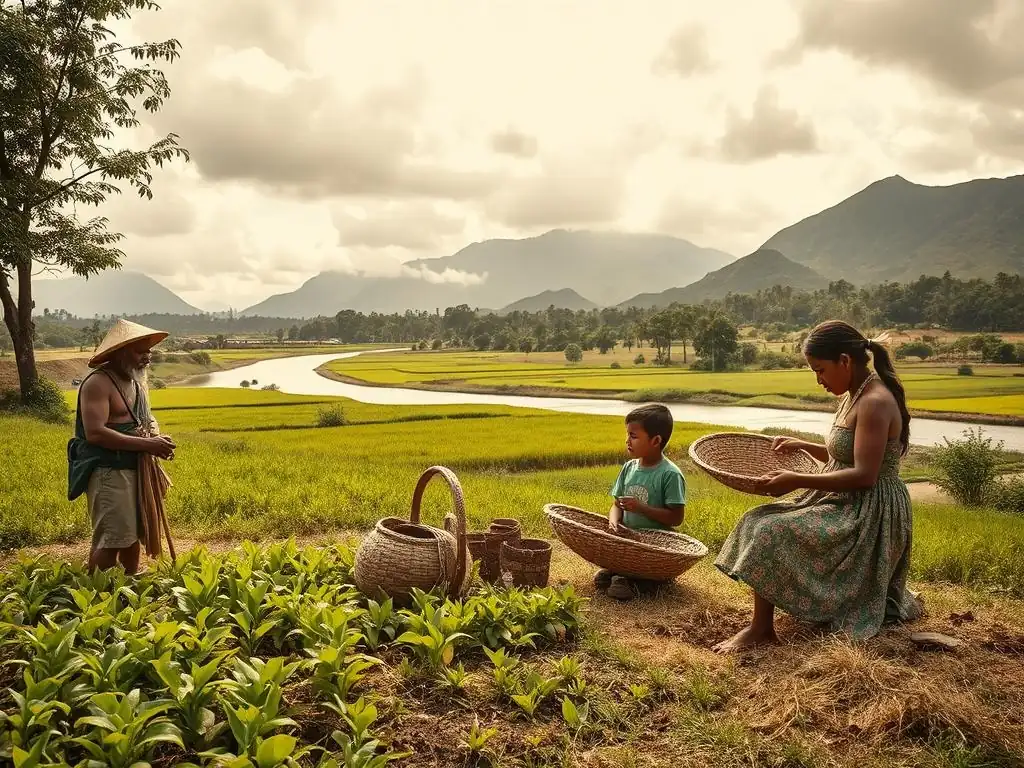
Principles of Sustainability Derived from Indigenous Knowledge
Indigenous innovations for sustainability are deeply rooted in the traditional knowledge and practices of various indigenous cultures across the Americas. These principles offer valuable insights into sustainable living that can be adapted to modern contexts. Here are some key principles derived from indigenous knowledge:
- Interconnectedness: Indigenous cultures often emphasize the interconnectedness of all living beings and the environment. This holistic perspective encourages practices that respect and maintain the balance of ecosystems.
- Biodiversity Conservation: Many indigenous communities practice agriculture and resource management techniques that support biodiversity. For instance, the milpa system used by Mesoamerican cultures promotes crop rotation and polyculture, enhancing soil fertility and reducing pests naturally.
- Cyclic Resource Use: The concept of cyclical use of resources, as opposed to linear exploitation, is prevalent in indigenous practices. Techniques such as controlled burns in forest management not only reduce wildfire risks but also rejuvenate the land for future use.
- Cultural Respect and Responsibility: There is a profound respect for nature that influences how resources are utilized. Indigenous innovations often include ceremonial practices that acknowledge the spiritual significance of the land, fostering a sense of responsibility towards environmental stewardship.
Holistic Approaches to Environmental Stewardship
Indigenous innovations for sustainability are characterized by holistic approaches that integrate environmental, social, and economic aspects. These strategies encompass a wide range of practices that have been fine-tuned over centuries:
- Agroecology: Indigenous peoples have developed agroecological practices that align agricultural production with ecological principles. For example, the use of companion planting helps to naturally repel pests and enrich the soil, reducing dependency on chemical fertilizers.
- Water Management Systems: Many indigenous communities have engineered sophisticated water management systems. The ancient Hohokam civilization in present-day Arizona created extensive irrigation networks, which allowed them to cultivate crops in arid environments sustainably.
- Wildlife Conservation: Indigenous hunting and fishing practices often include methods that ensure the sustainability of these species. For example, traditional ecological knowledge guides seasonal hunting practices that align with animal breeding cycles, promoting population stability.
- Restoration Ecology: Indigenous practices also inform contemporary restoration projects. The revitalization of native plant species, as practiced by various tribes, not only restores ecosystems but also enhances food security and cultural practices.
Community-Led Initiatives and Their Global Relevance
Community-led initiatives rooted in indigenous innovations for sustainability are increasingly recognized for their global relevance. These initiatives exemplify collective action that can inspire broader sustainability efforts:
- Land Management Practices: Indigenous land management systems are being studied and adapted globally. For instance, the fire management techniques practiced by Australian Aboriginal peoples have been integrated into wildfire management strategies in California, illustrating how traditional knowledge can inform contemporary practices.
- Food Sovereignty Movements: Indigenous communities around the world are leading food sovereignty movements that advocate for local food production and the preservation of traditional food systems. These movements not only promote health and nutrition but also empower communities economically.
- Cultural Revitalization: The resurgence of indigenous languages and practices helps strengthen community identity and resilience. This revitalization often includes sustainable practices that are integral to cultural heritage, fostering a sense of pride and belonging.
- Global Partnerships: Collaborations between indigenous communities and international organizations have led to successful sustainable development projects that respect indigenous rights and knowledge. These partnerships highlight the importance of indigenous voices in global discussions on sustainability.
Challenges and Opportunities in Revitalizing Indigenous Innovations
While the revitalization of indigenous innovations for sustainability presents significant opportunities, it is not without challenges. Understanding these dynamics is crucial for fostering effective collaborations.
Overcoming Misunderstandings and Misrepresentation
One of the key challenges faced by indigenous communities is the ongoing misrepresentation of their practices and beliefs. This can manifest in various ways:
- Cultural Appropriation: Indigenous knowledge is often appropriated without proper acknowledgment or understanding. This can undermine the authenticity of practices and can lead to the exploitation of cultural resources.
- Stereotyping: Stereotypes about indigenous peoples can create barriers to meaningful engagement. Efforts must be made to present a nuanced understanding of the diversity and complexity of indigenous cultures.
- Ignoring Traditional Governance: Many modern sustainability initiatives fail to recognize the governance systems that indigenous communities have in place. Effective collaboration requires respecting these structures and ensuring indigenous leadership in decision-making processes.
Collaborations between Indigenous Communities and Modern Scientists
Despite the challenges, there are significant opportunities for collaboration between indigenous communities and modern scientists. These partnerships can lead to innovative solutions for sustainability:
- Co-Research Initiatives: Joint research projects that combine indigenous knowledge and scientific methods can yield valuable insights. For instance, studying traditional fishing methods alongside contemporary fisheries science can enhance understanding of sustainable practices.
- Capacity Building: Empowering indigenous communities through education and resources can foster the development of sustainable practices. Initiatives that focus on skill-sharing and knowledge transfer can enhance community resilience.
- Policy Advocacy: Collaborating with scientists can strengthen advocacy efforts for policies that recognize and support indigenous rights and practices. This can help ensure that indigenous innovations for sustainability are integrated into broader environmental strategies.
- Shared Learning Experiences: Workshops and exchanges between indigenous practitioners and scientists can facilitate mutual learning. By sharing experiences and knowledge, both parties can develop a deeper understanding of the interconnectedness of their approaches.
By recognizing and incorporating indigenous innovations for sustainability, societies can move toward a more sustainable future that respects and values the wisdom of indigenous cultures.
Conclusion: Embracing Indigenous Innovations for Future Sustainability
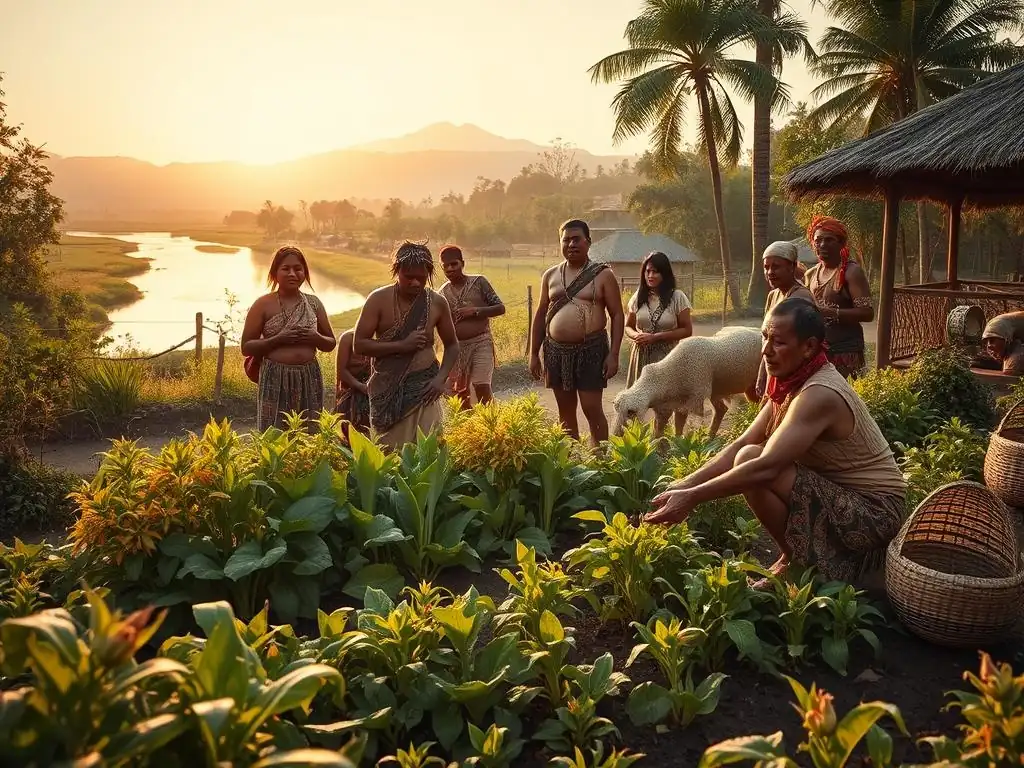
Indigenous innovations for sustainability hold invaluable lessons that can guide contemporary societies in addressing pressing environmental challenges. These innovations, rooted in centuries of observation and interaction with the natural world, reflect a profound understanding of ecosystems and sustainable living. By embracing these practices, we can foster a more balanced relationship with our environment and promote resilience in the face of climate change.
The Importance of Learning from Indigenous Practices
Learning from Indigenous practices is essential for several reasons:
- Holistic Worldviews: Indigenous cultures often view themselves as part of a larger ecological system, understanding that their wellbeing is intertwined with that of the land and its resources. This holistic perspective encourages sustainable practices that prioritize long-term ecological health over short-term gains.
- Biodiversity Conservation: Many Indigenous communities have developed sophisticated methods for managing local biodiversity, which include traditional agricultural practices, selective harvesting, and the maintenance of sacred natural sites. These methods have been shown to enhance ecosystem resilience and preserve genetic diversity.
- Water Management: Indigenous innovations in water management, such as the use of traditional irrigation techniques and watershed stewardship, demonstrate effective ways to conserve water and promote sustainable agriculture. For instance, the ancient aqueducts of the Hohokam in present-day Arizona illustrate how Indigenous peoples effectively managed water resources in arid landscapes.
- Resource Management: Indigenous land management practices often include controlled burns and rotational harvesting, which can prevent wildfires and promote healthier ecosystems. These practices highlight the importance of adaptive management strategies that respond to changing environmental conditions.
- Community Engagement: Indigenous knowledge systems emphasize community involvement and collective decision-making, fostering social cohesion and shared responsibility for environmental stewardship. This approach can enhance the effectiveness of sustainability initiatives by ensuring that local voices are heard and valued.
Moving Forward: Integrating Indigenous Knowledge into Global Sustainability Efforts
Integrating Indigenous knowledge into global sustainability efforts involves several key strategies:
- Collaborative Partnerships: Establishing partnerships between Indigenous communities and government agencies, NGOs, and academic institutions can facilitate knowledge exchange and empower Indigenous voices in policymaking. Collaborative projects can help bridge traditional ecological knowledge with modern scientific practices.
- Education and Awareness: Incorporating Indigenous perspectives into educational curricula can raise awareness of sustainable practices and foster respect for Indigenous cultures. This education should emphasize the importance of Indigenous innovations for sustainability and how they can inform contemporary environmental solutions.
- Support for Indigenous Rights: Recognizing and upholding the rights of Indigenous peoples to their lands, resources, and cultural practices is crucial for the preservation of their knowledge systems. Supporting Indigenous land rights can lead to more effective conservation efforts, as Indigenous communities often act as stewards of their territories.
- Research and Documentation: Conducting research that prioritizes Indigenous knowledge and practices can help document effective sustainability strategies. This research should be conducted collaboratively, ensuring that Indigenous communities are active participants in the documentation and dissemination of their knowledge.
- Policy Integration: Policymakers should consider integrating Indigenous innovations into environmental regulations and sustainability frameworks. This can be achieved by recognizing traditional ecological knowledge as a valid source of information in environmental assessments and planning processes.
Embracing Indigenous innovations for sustainability not only honors the rich cultural heritage of Indigenous peoples but also provides practical solutions for contemporary environmental challenges. By learning from and integrating these practices, we can pave the way for a more sustainable and equitable future.
Call to Action: Supporting Indigenous Innovations for Sustainability
Indigenous innovations for sustainability are not only vital to the preservation of cultural heritage but also provide essential lessons for contemporary environmental challenges. As we face issues such as climate change, biodiversity loss, and resource depletion, it is crucial to recognize and support the practices and knowledge of Indigenous communities that have thrived sustainably for centuries.
Taking action involves actively engaging with these communities and advocating for their rights and practices to be recognized and integrated into modern sustainability efforts. By amplifying Indigenous voices and supporting their initiatives, we can foster a more holistic approach to sustainability that respects traditional ecological knowledge and promotes biodiversity.
How to Get Involved with Indigenous Communities
There are several ways individuals and organizations can contribute to supporting Indigenous innovations for sustainability:
- Educate Yourself and Others
- Learn about the specific Indigenous cultures and their sustainable practices.
- Share knowledge within your community to raise awareness about the importance of Indigenous innovations.
- Support Indigenous Businesses and Products
- Purchase products from Indigenous artisans and sustainable businesses.
- Promote fair trade practices that ensure Indigenous communities benefit from their crafts and knowledge.
- Volunteer and Collaborate
- Engage with local Indigenous organizations to volunteer your time and skills.
- Participate in collaborative projects that seek to integrate Indigenous knowledge into sustainability initiatives.
- Advocate for Policy Changes
- Support policies that recognize Indigenous land rights and sovereignty.
- Engage in activism that promotes the inclusion of Indigenous perspectives in environmental decision-making.
- Attend Workshops and Events
- Participate in Indigenous-led workshops or cultural events that focus on sustainability and environmental stewardship.
- Connect with community members to learn directly from their experiences and practices.
By taking these steps, individuals can play an active role in supporting Indigenous innovations that contribute to sustainable practices and foster a deeper understanding of the interconnectedness of all cultures and the environment.
Resources for Further Learning about Indigenous Innovations
To deepen your understanding of Indigenous innovations for sustainability, consider the following resources:
| Resource Type | Description | Example/Link |
|---|---|---|
| Books | In-depth analysis and case studies on Indigenous practices. | "Braiding Sweetgrass" by Robin Wall Kimmerer |
| Documentaries | Visual storytelling that highlights Indigenous perspectives. | "The True Cost of Food" |
| Websites | Platforms dedicated to Indigenous rights and sustainability. | Indigenous Environmental Network |
| Podcasts | Discussions with Indigenous leaders and activists. | "All My Relations" |
| Workshops | Interactive learning experiences led by Indigenous experts. | Local community centers or universities |
These resources provide valuable insights into the rich tapestry of Indigenous innovations and how they can inform sustainable practices today. Engaging with this material not only enriches personal knowledge but also helps to honor and uplift Indigenous voices in the ongoing conversation about sustainability.
By supporting Indigenous innovations for sustainability, we not only recognize the invaluable contributions of these cultures but also pave the way for a more sustainable future. Let us work together to learn from the past and create a more equitable and environmentally sound world.
Frequently Asked Questions
What are some examples of indigenous innovations for sustainability?
Indigenous peoples developed sustainable agricultural practices, such as the Three Sisters planting method (corn, beans, and squash), which promotes soil health and crop efficiency.
How did indigenous cultures contribute to environmental stewardship?
Indigenous cultures practiced land management techniques that respected natural ecosystems, such as controlled burning and the use of traditional ecological knowledge to maintain biodiversity.
Why is studying indigenous innovations important today?
Understanding indigenous innovations can provide valuable insights into sustainable practices that are relevant to modern environmental challenges, helping to foster a more sustainable future.
How did indigenous societies thrive before European colonization?
Indigenous societies thrived through complex social structures, advanced agricultural techniques, and deep connections to their natural environments, enabling them to adapt and flourish sustainably.
What impact do indigenous innovations have on current sustainability practices?
Indigenous innovations inform contemporary sustainability practices by integrating traditional knowledge with modern science, promoting holistic approaches to environmental management and conservation.
Final Reflection: Embracing Indigenous Innovations for a Sustainable Future
The lessons drawn from Indigenous innovations for sustainability are not just echoes of the past; they are vital blueprints for our present and future. As we grapple with the pressing challenges of climate change and environmental degradation, the wisdom embedded in Indigenous practices offers us a pathway to a more sustainable existence. It is a striking reminder that the solutions we seek may already exist within the rich tapestry of Indigenous knowledge and traditions.
The ongoing influence of Indigenous innovations is profound, shaping not only environmental practices but also cultural narratives and social movements. As we witness a growing recognition of the importance of these practices, we are reminded of the words of Chief Seattle: We do not inherit the earth from our ancestors; we borrow it from our children.
This perspective urges us to honor the sustainable practices of Indigenous peoples, recognizing their role as stewards of the land and champions of ecological balance. Their innovations challenge us to rethink our relationship with nature and inspire a collective commitment to sustainability.
As we reflect on the insights gained from Indigenous innovations, I invite you to consider how these lessons can be woven into your own life. What sustainable practices can you adopt that honor the wisdom of Indigenous cultures? Whether it's through supporting local ecosystems, engaging with Indigenous communities, or simply being more mindful of your consumption habits, every action counts. Let us carry forward the legacy of Indigenous innovations for sustainability, ensuring that we not only learn from the past but actively shape a future that respects and nurtures our planet.
Embrace Indigenous Wisdom for a Sustainable Future!
Thank you for taking the time to explore the profound innovations of Indigenous cultures that have shaped sustainable practices throughout history. By reflecting on these lessons, you are now equipped with valuable insights into sustainable living that can be applied today.
Now, let’s take action together! Here are a few steps you can take to further engage with this vital knowledge:
- Dive Deeper: Research an Indigenous innovation and consider how it can be adapted to modern practices. Share your findings with your community on social media.
- Get Involved: Join local initiatives or organizations that promote sustainability inspired by Indigenous practices. Your participation can create a ripple effect in your area.
- Spread the Word: Discuss these innovations with friends and family to spark conversations about sustainability that honor Indigenous contributions to our world.
What aspect of Indigenous innovations do you find most inspiring, and how do you envision incorporating it into your own life?