
Legends of the Land: Mythology as a Form of Indigenous Resistance

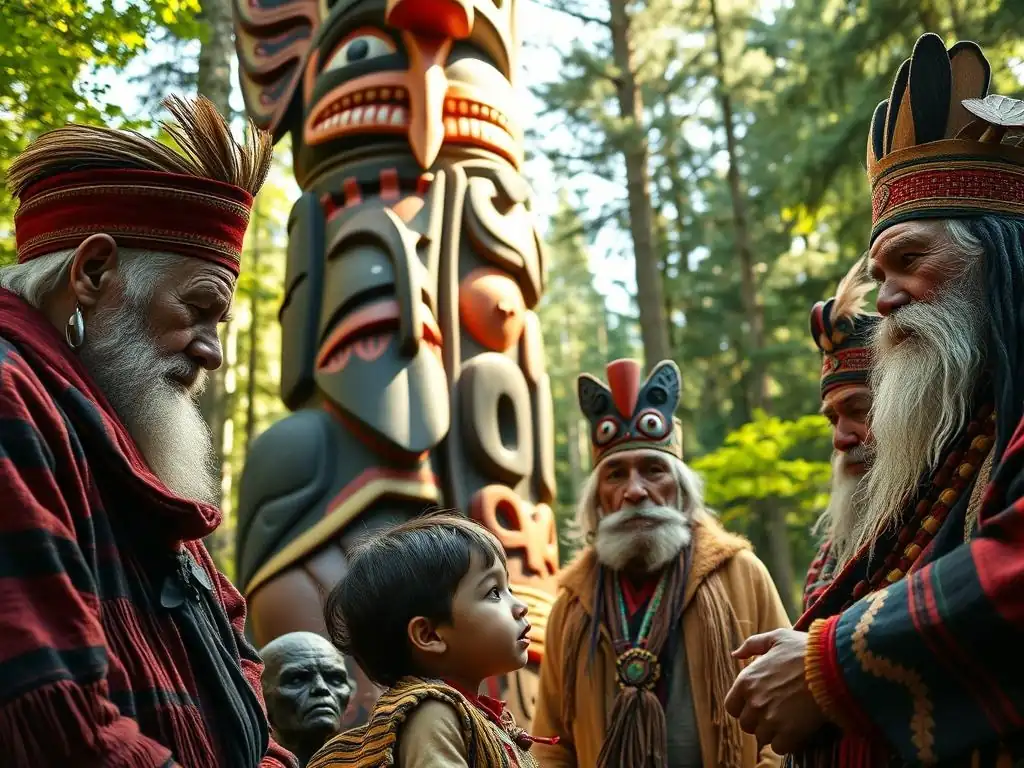
Welcome to Indigenous Civilizations of the Americas, where we invite you to journey through the rich tapestry of pre-colonial cultures that once flourished across this vast continent. In our featured article, Legends of the Land: Mythology as a Form of Indigenous Resistance, we delve into the profound and intricate world of indigenous mythology and resistance, revealing how these timeless stories not only reflect the values and beliefs of diverse tribes but also served as powerful tools for resilience against European conquest.
As you explore the legacies of these ancient civilizations, prepare to uncover the hidden narratives that continue to shape their identities today, sparking curiosity and inspiring a deeper understanding of their enduring impact.
Introduction to Indigenous Mythology and Resistance
Indigenous mythology serves as a profound reflection of the beliefs, values, and histories of the diverse cultures that inhabited the Americas long before the arrival of European colonizers. These myths are not merely stories; they encapsulate the essence of indigenous identity and cultural heritage.
In the face of colonization, indigenous mythology has emerged as a crucial form of resistance, enabling communities to preserve their narratives, assert their identities, and challenge the dominant Eurocentric perspectives that sought to erase their existence. This article delves into the intricate relationship between indigenous mythology and resistance movements, exploring how these myths have been employed as tools for rejuvenation, empowerment, and resilience against the backdrop of colonization.
Definition of Indigenous Mythology
Indigenous mythology encompasses the traditional stories, beliefs, and cosmologies that have been passed down through generations among indigenous peoples. These narratives often explain the origins of the world, the relationships between humans and nature, and the moral frameworks that govern community life. Myths are deeply interwoven with cultural practices, rituals, and the spiritual lives of indigenous peoples, providing them with a sense of identity and belonging.
Key aspects of indigenous mythology include:
- Creation Stories: Explaining how the world and its inhabitants came to be.
- Trickster Figures: Characters who challenge societal norms and offer wisdom through their mischief.
- Cultural Heroes: Individuals who embody the values and virtues of the community, serving as role models.
Overview of Indigenous Resistance Movements
Indigenous resistance movements have taken various forms throughout history, often emerging in response to the encroachments and oppressions brought about by colonial powers. These movements are driven by a desire to reclaim autonomy, protect land and resources, and preserve cultural heritage. Indigenous mythology plays a vital role in these movements, providing a framework for understanding the past and envisioning a future rooted in tradition and self-determination.
Notable elements of indigenous resistance movements include:
- Land Reclamation: Efforts to restore ancestral lands taken during colonization.
- Cultural Revitalization: Initiatives aimed at revitalizing languages, traditions, and belief systems.
- Political Advocacy: Mobilizing communities to assert their rights and sovereignty on local, national, and international stages.
Historical Context of Indigenous Cultures
The Rich Tapestry of Indigenous Civilizations
Before European colonization, the Americas were home to a myriad of indigenous civilizations, each with its own unique cultural practices, social structures, and belief systems. From the intricate societies of the Maya and Aztec in Mesoamerica to the diverse tribes of North America, indigenous cultures thrived, creating complex networks of trade, governance, and spiritual life.
Some of the notable civilizations include:
- The Maya: Renowned for their advancements in mathematics, astronomy, and writing.
- The Inca: Known for their vast empire and sophisticated agricultural practices.
- The Iroquois Confederacy: A political union that influenced democratic principles in contemporary governance.
Impact of European Colonization on Indigenous Societies
The arrival of Europeans marked a dramatic turning point for indigenous cultures, leading to widespread disruption and transformation. Colonization brought about severe consequences, including the loss of land, the imposition of foreign governance systems, and the introduction of diseases that decimated populations. In this tumultuous environment, indigenous mythology became a beacon of hope and resilience, helping communities navigate the challenges of colonization while preserving their identities.
Key impacts of European colonization include:
- Displacement: Forced removal from ancestral lands, leading to loss of traditional ways of life.
- Cultural Suppression: Efforts to eradicate indigenous languages and practices.
- Resistance and Adaptation: The emergence of new forms of expression and resilience rooted in traditional beliefs and mythologies.
This exploration of mythology as a form of indigenous resistance not only illuminates the past but also highlights the ongoing struggles and triumphs of indigenous peoples today, as they continue to draw strength from their rich cultural heritage.
The Role of Mythology in Indigenous Cultures
Mythology serves as a vital pillar in the foundation of indigenous cultures across the Americas. It encompasses a rich tapestry of stories, beliefs, and traditions that not only explain the origins of the world but also articulate the values, moral lessons, and social norms of various communities. Indigenous mythology is deeply intertwined with the natural environment, illustrating the interconnectedness of people, the land, and spiritual beliefs.
Understanding Mythology as a Cultural Framework
Indigenous mythology provides a robust cultural framework that shapes identity and community practices. Myths often convey the creation stories that reflect the worldview of a culture, detailing the origins of people, animals, and the earth itself. They serve as a reservoir of wisdom, passed down through generations, that encapsulates historical events, moral teachings, and cultural values.
By engaging with these narratives, individuals learn about their roles within their communities and the responsibilities they have towards their ancestors, nature, and future generations. This framework not only reinforces cultural continuity but also empowers individuals to navigate their realities through a shared understanding of their heritage.
Mythology's Function in Community Identity and Cohesion
The profound impact of mythology on community identity cannot be overstated. Myths foster a sense of belonging and solidarity among members of indigenous cultures. Rituals, ceremonies, and storytelling sessions centered around these myths strengthen communal ties and enhance cultural pride. For example, the recitation of creation myths during community gatherings reinforces a shared identity, reminding individuals of their collective history and values. Moreover, these narratives often include heroic figures and ancestral spirits that embody the ideals and aspirations of the community, further solidifying a unique cultural identity that resists homogenization in the face of external pressures.
Indigenous Mythology as a Tool for Resistance
Indigenous mythology has historically acted as a powerful tool for resistance against colonial oppression and cultural erasure. By preserving and revitalizing their mythological narratives, indigenous peoples assert their existence and reinforce their rights to land, resources, and sovereignty. These stories often serve to challenge dominant narratives imposed by colonizers, offering alternative perspectives on history and identity.
Mythological Narratives in the Face of Oppression
In times of struggle, mythological narratives have been instrumental in articulating resistance against oppression. For instance, tales of trickster figures—like Coyote among the Native American tribes—embody resilience and clever defiance against authority. These stories not only provide a means of coping with adversity but also inspire collective action against unjust circumstances. They remind communities of their ancestral strength and cunning, encouraging them to reclaim their narratives and resist cultural assimilation. By invoking these powerful stories, indigenous peoples can mobilize around common symbols and values that resonate deeply within their cultural psyche.
The Symbolism of Resistance in Indigenous Myths
The symbolism inherent in indigenous myths often encapsulates themes of resistance, resilience, and renewal. Many myths feature elements that symbolize the struggle against oppressive forces, such as the earth, sacred animals, or celestial bodies. These symbols serve as reminders of the enduring spirit of indigenous cultures, representing not only the historical struggle but also the hope for future generations.
For example, the stories of the Earth Mother in various indigenous traditions highlight the importance of land as a source of life and identity, reinforcing the belief that the fight for land rights is fundamentally a fight for cultural survival. In this way, indigenous mythology becomes a living expression of resistance, anchoring communities in their past while guiding their efforts toward a just future.
Case Studies of Indigenous Mythology in Resistance
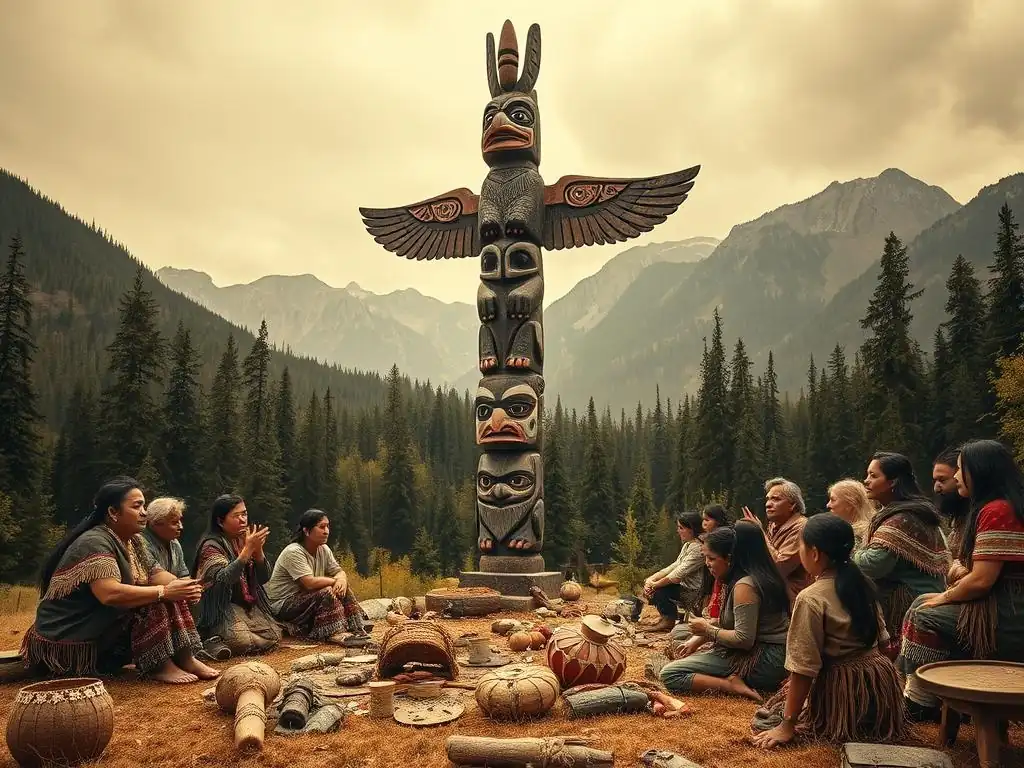
Indigenous mythology serves not only as a narrative tradition but also as a powerful tool of resistance against colonial forces. Throughout history, various Indigenous cultures have utilized their mythological stories to assert their identity, preserve their heritage, and oppose oppression. This section explores notable case studies that highlight how mythology has played a critical role in Indigenous resistance movements.
Lakota Sioux: Myths and Resistance
The Lakota Sioux possess a rich tapestry of myths that reflect their worldview and cultural values. Central to their mythology is the figure of Wakan Tanka, the Great Spirit, who embodies the interconnectedness of all life. Myths such as the Story of the White Buffalo Calf Woman serve as crucial narratives that reinforce the Lakota's spiritual beliefs and cultural practices.
During the period of European colonization, these myths were revived as symbols of resistance. The Ghost Dance movement in the late 19th century is a poignant example where Lakota people believed that through ritual and song, they could summon the spirits of their ancestors and bring about a restoration of their way of life. These narratives not only provided hope but also served as a rallying point for unity among the Lakota, emphasizing their resilience and commitment to sovereignty.
Māori: Mythological Narratives
For the Māori of New Zealand, mythology is intricately woven into their identity and social structure. Myths such as the creation stories of Rangi and Papa illustrate the foundational beliefs of the Māori, depicting the cosmos and their relationship with the land. These stories are not merely historical accounts; they are living narratives that inform the Māori's connection to their environment and community.
In the face of colonization, Māori activists have drawn upon these mythological narratives to assert their rights and reclaim their identity. The Haka, a traditional war dance, embodies the spirit of their ancestors and is often performed in protests and significant cultural events. By invoking these stories, Māori people reinforce their cultural legitimacy and challenge colonial narratives, showcasing how deeply embedded mythology is in their ongoing resistance.
Contemporary Relevance of Indigenous Mythology
The relevance of Indigenous mythology transcends historical contexts and continues to resonate in contemporary movements for Indigenous rights and sovereignty. This section delves into how these mythological narratives are revitalized and utilized in modern Indigenous activism.
Revitalization of Myths in Modern Indigenous Movements
In recent years, many Indigenous groups have embarked on a journey to revitalize their mythological narratives as a means of cultural renaissance. This revitalization process often involves storytelling, art, and education, emphasizing the importance of traditional knowledge systems.
For instance, the resurgence of story circles and cultural workshops facilitates the passing down of these myths to younger generations, ensuring that the narratives are not lost. This practice empowers Indigenous youth by connecting them to their heritage and fostering a sense of pride in their identity. Furthermore, contemporary Indigenous artists utilize traditional stories in their work, blending modern expressions with ancient wisdom, thereby creating a dialogue between past and present.
The Role of Indigenous Mythology in Social Justice
Indigenous mythology plays a significant role in social justice movements, providing frameworks for understanding past injustices and envisioning future possibilities. By invoking myths, activists articulate their struggles against systemic oppression and advocate for policy changes that respect their rights and sovereignty.
For example, the use of mythological references in speeches and protests helps to contextualize current issues within a broader historical narrative. This approach not only raises awareness but also fosters solidarity among diverse Indigenous groups who share similar experiences of resistance. Additionally, by emphasizing their spiritual and cultural connections to the land through these narratives, Indigenous peoples assert their rightful place in discussions about environmental justice, land rights, and cultural preservation.
Indigenous mythology continues to serve as a vital instrument of resistance, linking past struggles to contemporary activism and shaping the ongoing fight for justice and recognition in the modern world.
Conclusion: The Enduring Legacy of Indigenous Mythology and Resistance
The rich tapestry of indigenous mythology serves not only as a source of cultural identity but also as a robust form of resistance against colonization and cultural erasure. These stories, deeply embedded in the spiritual and everyday lives of indigenous peoples, reflect their values, beliefs, and connections to the land.
Through mythology, indigenous communities have been able to articulate their experiences, convey their histories, and assert their rights in the face of oppression. The enduring legacy of these narratives is evident in the ongoing revival of indigenous languages and traditions, as well as in the contemporary movements advocating for the rights and recognition of indigenous peoples worldwide.
Summary of Key Insights
Throughout history, indigenous mythology has played a crucial role in resistance movements. Key insights into this relationship include:
- Cultural Resilience: Indigenous myths often embody themes of survival and resilience, reinforcing community bonds and encouraging collective action against oppression.
- Narratives of Place: Many myths are tied to specific landscapes, emphasizing the deep connection between indigenous peoples and their territories. This relationship underlines the importance of land rights in contemporary resistance movements.
- Education and Awareness: Sharing these stories helps educate broader audiences about indigenous histories and perspectives, fostering empathy and understanding.
- Identity and Activism: Myths serve as a source of pride and identity, inspiring activists to reclaim their narratives and fight against cultural appropriation and historical inaccuracies.
The Importance of Preserving Indigenous Narratives
Preserving indigenous narratives is vital for several reasons:
- Cultural Heritage: These stories are integral to cultural heritage, helping to sustain languages, traditions, and practices that are at risk of disappearing.
- Historical Record: Indigenous myths often provide alternative historical accounts that challenge dominant narratives imposed by colonial perspectives.
- Empowerment: The act of preserving and sharing these narratives empowers indigenous communities, allowing them to assert their rights and claim their place in history.
- Intergenerational Knowledge: These stories help transmit knowledge across generations, ensuring that younger members of the community remain connected to their roots and cultural identity.
Call to Action: Engaging with Indigenous Mythology and Culture
Engaging with indigenous mythology and culture is essential for fostering understanding and support for indigenous rights. Here are ways to get involved:
Ways to Support Indigenous Cultures
- Educate Yourself and Others: Learn about the diverse indigenous cultures and their mythologies. Attend workshops, lectures, and community events.
- Support Indigenous Artists and Authors: Purchase works from indigenous creators who share their stories through art, literature, and performance.
- Advocate for Indigenous Rights: Engage in advocacy efforts aimed at protecting indigenous land rights, cultural heritage, and political sovereignty.
- Participate in Cultural Events: Join indigenous celebrations, powwows, and festivals to experience their culture firsthand and show solidarity.
Resources for Further Exploration of Indigenous Mythology and Resistance
- Books:
- "Mythology of the Americas" by David Leeming
- "The Sacred Stories of the Sweetgrass Basket" by Susan F. Beekman
- Documentaries:
- "Rumble: The Indians Who Rocked the World"
- "In the Light of Reverence"
- Online Platforms:
- Indigenous storytelling websites and platforms that share oral histories and myths.
- Social media accounts of indigenous activists and organizations focusing on cultural preservation.
- Local Organizations:
- Connect with local indigenous groups that offer workshops, storytelling sessions, and educational resources.
By actively engaging with and supporting indigenous mythology and culture, we contribute to the preservation of these vital narratives and the empowerment of indigenous peoples in their ongoing struggle for recognition and justice.
- Introduction to Indigenous Mythology and Resistance
- Historical Context of Indigenous Cultures
- The Role of Mythology in Indigenous Cultures
- Indigenous Mythology as a Tool for Resistance
- Case Studies of Indigenous Mythology in Resistance
- Contemporary Relevance of Indigenous Mythology
- Conclusion: The Enduring Legacy of Indigenous Mythology and Resistance
- Call to Action: Engaging with Indigenous Mythology and Culture
- What is the main focus of the article "Legends of the Land: Mythology as a Form of Indigenous Resistance"?
- How did indigenous mythologies contribute to the cultures in the Americas?
- In what ways did indigenous peoples use mythology in their resistance against colonization?
- Can you give an example of a prominent theme in indigenous mythology related to resistance?
- How does the website "Indigenous Civilizations of the Americas" enhance understanding of these topics?
Frequently Asked Questions
What is the main focus of the article "Legends of the Land: Mythology as a Form of Indigenous Resistance"?
The article explores how indigenous mythology serves as a powerful tool for resistance against colonization, preserving cultural identity and heritage.
How did indigenous mythologies contribute to the cultures in the Americas?
Indigenous mythologies provided frameworks for understanding the world, reinforcing social structures, and nurturing a sense of community among diverse cultures.
In what ways did indigenous peoples use mythology in their resistance against colonization?
Mythology was employed as a means to assert identity, challenge colonial narratives, and inspire movements for sovereignty and cultural revival.
A common theme is the connection to land, which symbolizes both spiritual and political ties, fostering resilience against external pressures.
How does the website "Indigenous Civilizations of the Americas" enhance understanding of these topics?
The website offers a comprehensive exploration of diverse cultures, their achievements, and the lasting impact of their mythologies on contemporary society and identity.
Final Reflection: The Power of Indigenous Mythology as Resistance
Indigenous mythology and resistance are not merely historical artifacts; they are vibrant, living narratives that continue to shape the identities and struggles of Indigenous peoples today. As we navigate a world increasingly marked by globalization and cultural homogenization, these myths serve as powerful tools of resilience, reminding us of the deep connections between culture, land, and identity. The stories passed down through generations are not just tales of the past; they are blueprints for survival and resistance in the face of ongoing challenges.
The influence of Indigenous mythology extends far beyond the realm of storytelling; it permeates the cultural and social fabric of communities, fostering a sense of belonging and purpose. The narratives encapsulate the wisdom of ancestors, offering guidance and strength to those who face adversity. As noted by Indigenous scholar Vine Deloria Jr., “The great challenge of the future is to find ways to live in harmony with the earth and with each other.” This sentiment underscores the ongoing relevance of these myths as they inspire contemporary movements for justice, environmental stewardship, and cultural revitalization.
As you reflect on the themes presented in this article, consider how the lessons embedded in Indigenous mythology can resonate in your own life. Embrace the stories that shape your identity and recognize the power they hold in fostering resilience and resistance.
Whether through advocacy, education, or personal reflection, each of us has the opportunity to honor these narratives and contribute to a future where diverse cultures and their wisdom are celebrated and preserved. Let us carry forward the legacy of Indigenous mythology as a beacon of hope and a call to action in our shared journey toward justice and understanding.
Unveil the Power of Indigenous Mythology
Thank you for diving into the rich tapestry of Indigenous mythology and its role in cultural resistance. You’ve explored how these powerful stories not only preserve traditions but also empower communities. Now, it’s time to take action and engage more deeply with this vital heritage.
- Join a local event or workshop focused on Indigenous culture to connect with storytellers and activists in your area.
- Share your insights from this article on social media to spark conversations about the significance of mythology in shaping cultural identity.
- Explore further by reading literature or listening to podcasts that highlight Indigenous voices and narratives.
Which aspects of Indigenous mythology resonate with you the most, and how can they inspire your personal journey toward greater cultural understanding and advocacy?