
Celebrating Survival: Indigenous Festivals and Traditions PostConquest

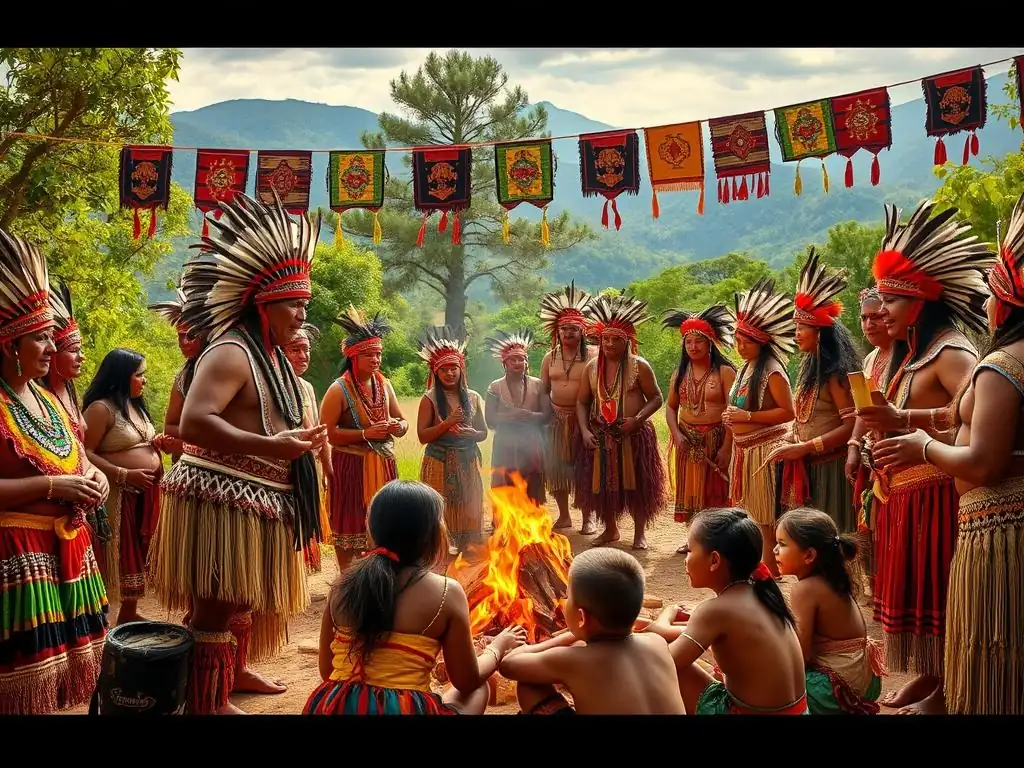
Welcome to Indigenous Civilizations of the Americas, where we invite you to embark on a captivating journey through the rich tapestry of pre-colonial cultures that flourished across the continent. In our featured article, “Celebrating Survival: Indigenous Festivals and Traditions PostConquest,” we delve into the vibrant festivals and enduring traditions that have not only survived the trials of conquest but continue to resonate within indigenous communities today.
Discover how these celebrations reflect resilience, cultural identity, and the profound connections that bind people to their ancestral heritage. Prepare to be inspired as you uncover stories that echo through time, inviting you to explore the dynamic legacies of indigenous civilizations.
- Introduction to Indigenous Festivals and Traditions Post-Conquest
- The Historical Context of Indigenous Festivals After European Conquest
- Key Indigenous Festivals Celebrated Today
- The Role of Indigenous Traditions in Community Identity
- Modern Celebrations and Their Socio-Cultural Impact
- Challenges Facing Indigenous Festivals Today
- Conclusion: The Significance of Indigenous Festivals and Traditions
-
Frequently Asked Questions
- What are Indigenous festivals and why are they important?
- How have Indigenous festivals changed since colonization?
- Can you provide examples of notable Indigenous festivals?
- How do Indigenous traditions influence contemporary society?
- Where can I learn more about Indigenous festivals and their significance?
- Final Reflection: Honoring Resilience Through Indigenous Festivals and Traditions
- Embrace Your Roots: Celebrate and Share Indigenous Traditions!
Introduction to Indigenous Festivals and Traditions Post-Conquest
Indigenous festivals and traditions have long served as vital expressions of cultural identity and resilience among the diverse societies of the Americas. This article delves into the rich tapestry of Indigenous festivals and traditions that emerged and adapted after the European conquest, showcasing the profound ways in which these communities preserved their heritage while navigating new realities. By focusing on the vibrant celebrations that continue to thrive, we gain valuable insight into the enduring spirit of Indigenous peoples and their ability to weave past and present into a shared narrative of survival and resistance.
Overview of Indigenous Resilience and Cultural Continuity
The arrival of European colonizers profoundly impacted Indigenous civilizations, leading to significant challenges such as displacement, cultural assimilation, and loss of land. Despite these adversities, many Indigenous communities demonstrated remarkable resilience, adapting their traditions and practices to maintain their cultural identities.
- Cultural Adaptation: Indigenous groups often blended traditional customs with new influences, resulting in unique festivals that reflect both historical roots and contemporary realities. This syncretism is evident in various celebrations, where ancient rituals are infused with elements introduced by colonizers.
- Preservation of Language and Art: Festivals often serve as platforms for the revival and preservation of languages, music, and art forms that might otherwise face extinction. Through storytelling, dance, and crafts, these traditions are passed down through generations, reinforcing cultural continuity.
- Community and Identity: The resilience shown through festivals fosters a sense of community and belonging among Indigenous peoples. These gatherings not only celebrate heritage but also strengthen social bonds, allowing individuals to connect with their roots and with each other.
Importance of Festivals in Indigenous Cultures
Festivals hold immense significance within Indigenous cultures, functioning as more than mere celebrations; they are vital expressions of worldviews, spirituality, and social cohesion.
- Spiritual Significance: Many festivals are deeply rooted in spiritual beliefs and practices, honoring ancestral spirits, natural elements, and cycles of life. These events often coincide with agricultural seasons, marking important moments in the life of the community.
- Cultural Education: Festivals act as educational opportunities for younger generations to learn about their heritage. Through participation, they gain knowledge of traditional practices, stories, and the values that underpin their community.
- Political and Social Statement: In the face of historical injustices, Indigenous festivals often serve as acts of resistance and resilience. They assert cultural identity and sovereignty, reminding both participants and observers of the ongoing presence and strength of Indigenous peoples.
The celebration of Indigenous festivals and traditions in the post-conquest era exemplifies a profound commitment to cultural survival and adaptation. These vibrant gatherings not only honor the past but also pave the way for future generations to embrace their identities with pride.
The Historical Context of Indigenous Festivals After European Conquest
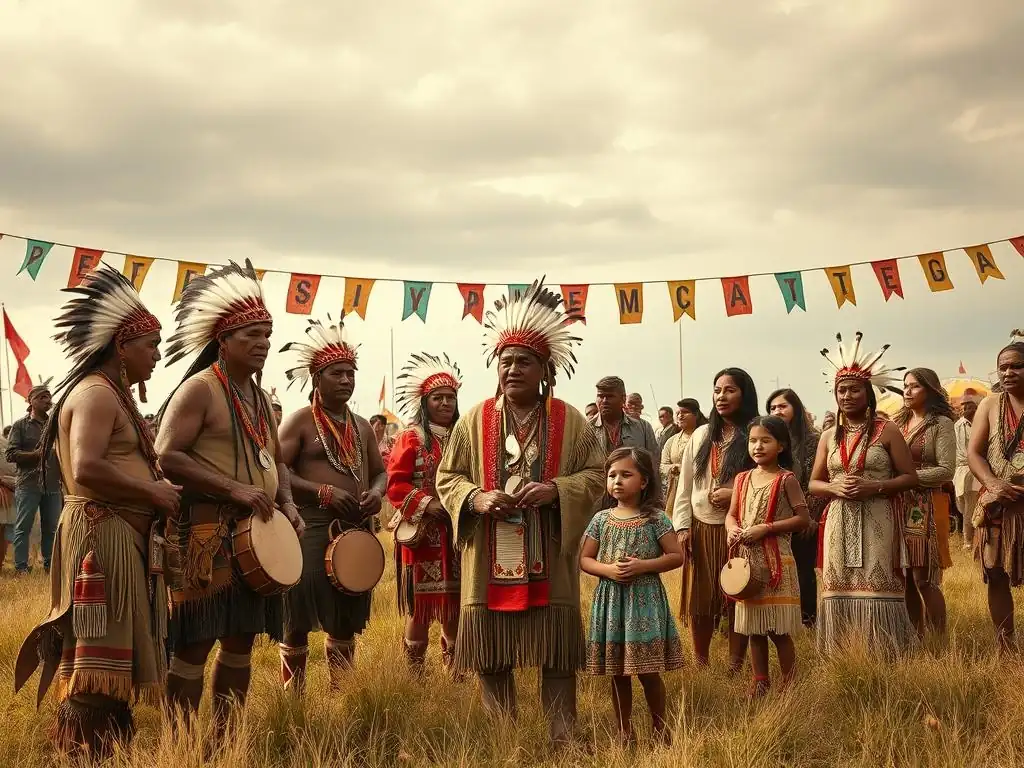
Impact of Colonization on Indigenous Societies
The arrival of European colonizers in the Americas brought profound changes to indigenous societies, affecting their social structures, economies, and cultural practices. The impact of colonization on indigenous festivals and traditions was particularly significant, leading to both the disruption of traditional practices and the emergence of new forms of cultural expression.
Disruption of Traditional Practices
- Suppression of Festivals: Many indigenous festivals were deemed pagan or idolatrous by European settlers and were actively suppressed. This led to the decline of certain rituals and celebrations that had been central to indigenous identities.
- Alteration of Social Structures: The introduction of European governance systems fractured traditional leadership roles, often undermining the authority of indigenous leaders who had presided over festivals and communal gatherings.
- Loss of Land and Resources: Displacement from ancestral lands disrupted the agricultural practices that sustained many festivals, affecting the seasonal cycles of planting and harvesting that were integral to these celebrations.
Resilience and Resistance
Despite these challenges, indigenous communities demonstrated remarkable resilience. Festivals became a means of resistance against colonial oppression. For instance:
- Cultural Preservation: Many communities adapted their traditional festivals to incorporate elements of European culture while retaining core indigenous practices. This blending allowed them to preserve aspects of their identity amidst colonial pressures.
- Symbol of Resistance: Festivals often served as a platform for expressing dissent against colonial rule, where indigenous peoples could reaffirm their cultural identity and communal solidarity.
Adaptation of Traditions in Response to Change
The post-conquest era saw indigenous festivals evolve in response to the new realities imposed by colonization. This adaptation reflected not only survival but also a dynamic interplay between old and new cultural influences.
Hybrid Festivals
- Syncretism: Many indigenous festivals incorporated elements of European traditions, leading to the emergence of hybrid celebrations. For example, the Día de los Muertos (Day of the Dead) combines indigenous beliefs about death with Catholic elements introduced by Spanish colonizers.
- New Rituals: Communities created new rituals and celebrations that reflected their experiences under colonial rule, often emphasizing themes of resilience, community, and remembrance.
Community Building
- Strengthening Identity: Festivals became critical in fostering a sense of community and belonging among indigenous peoples. They provided spaces for sharing stories, music, and dance that reinforced cultural heritage.
- Intergenerational Transmission: These celebrations played a vital role in passing down knowledge and traditions to younger generations, ensuring that indigenous practices continued to thrive despite ongoing challenges.
The historical context of indigenous festivals post-conquest reveals a complex narrative of disruption, adaptation, and resilience. Through the transformation of their traditions, indigenous peoples not only survived but also found ways to celebrate their unique identities in the face of adversity.
Key Indigenous Festivals Celebrated Today
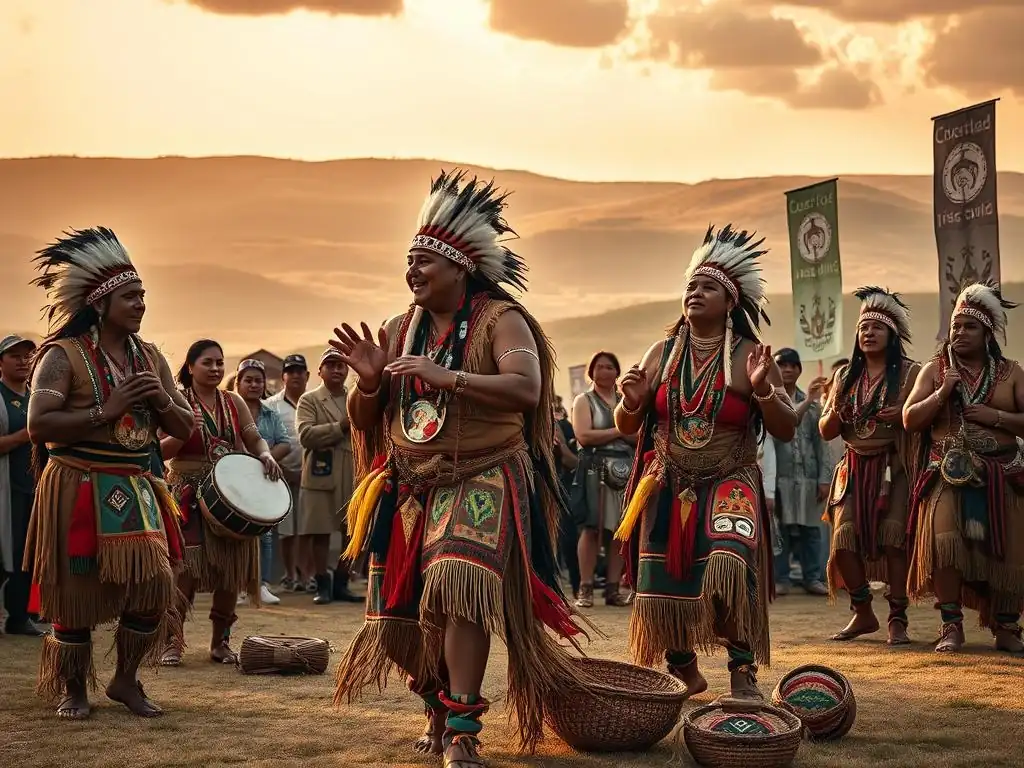
Indigenous festivals and traditions serve as vital expressions of cultural identity and resilience, particularly in the aftermath of European conquest. These celebrations are not merely remnants of the past; they are dynamic practices that have evolved and adapted over time, reflecting the ongoing strength and creativity of Indigenous communities across the Americas. Below, we explore some of the key festivals that continue to hold significance in contemporary Indigenous life.
Powwow: Origins and Significance
The Powwow is a vibrant gathering that celebrates Indigenous culture through music, dance, art, and community. Its origins can be traced back to the 19th century when various tribes began to come together to participate in traditional ceremonies, share stories, and showcase their cultural heritage.
- Historical Context: The term "powwow" originates from the Narragansett word "pau-waw," referring to a spiritual leader. Originally, these gatherings were held to honor the dead, seek healing, or celebrate significant events. Over time, the powwow transformed into a more social event where tribes could unite in a spirit of friendship and cultural exchange.
- Cultural Exchange: Powwows now serve as a platform for various tribes to share their unique traditions while also fostering a sense of community. They feature competitive dance categories, artisan markets, and traditional foods, drawing participants and spectators from diverse backgrounds.
Traditional Practices and Modern Adaptations
Modern powwows have adapted traditional practices to reflect contemporary life while preserving their core cultural significance.
- Dance Categories: Traditional dance styles such as the Grass Dance, Fancy Dance, and Jingle Dress Dance showcase the rich diversity of Indigenous cultures. Each dance carries its own meaning and is often performed in elaborate regalia that reflects the dancer's heritage.
- Inclusivity: Many powwows now emphasize inclusivity, welcoming not only Indigenous participants but also non-Indigenous people who wish to learn about and appreciate Indigenous cultures. This openness fosters respect and understanding, bridging cultural gaps.
- Environmental Awareness: Recent powwows have begun to incorporate themes of environmental stewardship, highlighting the Indigenous connection to the land and advocating for sustainable practices. This adaptation reflects a growing awareness of global issues while staying rooted in cultural traditions.
Día de los Muertos: Cultural Importance and Meaning
Día de los Muertos, or the Day of the Dead, is a deeply significant celebration that honors deceased loved ones and celebrates the continuity of life. Though often associated with Mexican culture, this tradition has Indigenous roots that resonate throughout various communities in the Americas.
- Historical Significance: The origins of Día de los Muertos can be traced back to pre-Columbian rituals that honored ancestors. By blending these ancient practices with Catholic traditions after European colonization, Indigenous peoples created a unique celebration that reflects both their spiritual beliefs and cultural resilience.
- Symbolism: The festival is characterized by vibrant altars (ofrendas) adorned with photographs, favorite foods, and marigolds, which are believed to guide spirits back to the living world. This practice emphasizes the cyclical nature of life and death, reflecting a worldview that honors ancestors as integral to the community's identity.
Rituals and Community Involvement
Día de los Muertos involves various rituals that engage the community in remembrance and celebration.
- Community Altars: Families often create communal altars in public spaces, inviting participation from the broader community. This collective effort fosters unity and collective memory, allowing diverse voices to contribute to the narrative.
- Parades and Processions: Celebrations may include colorful parades featuring traditional music, dance, and artistry. These events not only honor the deceased but also celebrate the living, reinforcing community bonds and cultural pride.
- Culinary Traditions: Traditional foods such as pan de muerto (bread of the dead) and sugar skulls are integral to the celebration. Preparing and sharing these foods is a communal activity that strengthens relationships and cultural ties, ensuring that traditions are passed down through generations.
Indigenous festivals and traditions like Powwow and Día de los Muertos exemplify the resilience and adaptability of Indigenous cultures in the Americas. These celebrations not only honor the past but also create a vibrant tapestry of contemporary cultural expression that continues to thrive in today's world.
Inti Raymi: Unique Features and Celebrations
Inti Raymi, often referred to as the Festival of the Sun, is one of the most significant and vibrant festivals celebrated by the Indigenous peoples of the Andes, particularly the Quechua of Peru. This ancient festival, which takes place on June 24th, honors Inti, the sun god, who is revered for providing life and sustenance. The festival's roots can be traced back to the Inca Empire, where it was celebrated as a way to ensure agricultural fertility and invoke the sun's blessings for a bountiful harvest.
The celebration is marked by colorful processions, elaborate costumes, traditional music, and dances that reflect the rich cultural heritage of the Andean communities. One of the most iconic aspects of Inti Raymi is the reenactment of the Inca ceremony at the ruins of Sacsayhuamán in Cusco, where thousands gather to witness the rituals performed by local actors portraying figures from Inca history. The ceremony begins with the arrival of the Inca and his entourage, who present offerings to the sun and engage in various rituals that symbolize the connection between the earth and the cosmos.
Throughout the festivities, traditional foods are prepared and shared among participants, showcasing local ingredients such as potatoes, corn, and meats. The community aspect of Inti Raymi is vital, as families and friends come together to celebrate their heritage, share stories, and reinforce their cultural identity. In recent years, the festival has also attracted international tourists, which has led to a blending of traditional practices with modern influences, yet the core of the celebration remains deeply rooted in Indigenous traditions.
Influence of Historical Events on Current Practices
The evolution of Inti Raymi and its current practices have been significantly shaped by historical events, particularly the Spanish conquest of the Inca Empire in the 16th century. Following the conquest, many Indigenous traditions faced suppression as colonizers sought to impose their own religious practices and cultural norms. However, the resilience of Indigenous peoples allowed for a syncretism of traditions, where elements of both pre-Columbian and colonial cultures merged.
For instance, while the original festival emphasized the worship of Inti, the introduction of Catholicism led to the integration of Christian elements. The celebration of Inti Raymi now includes references to the Christian calendar, as it coincides with the feast of St. John the Baptist. This blending illustrates how Indigenous communities have preserved core aspects of their identity while adapting to external influences.
Moreover, the historical struggle for recognition and rights among Indigenous groups has revitalized the celebration of Inti Raymi as a means of asserting cultural pride and sovereignty. In recent decades, there has been a resurgence in the celebration of traditional festivals, as Indigenous communities reclaim their heritage and educate younger generations about their history and customs. This revival is not only a form of cultural expression but also a political statement, emphasizing the importance of Indigenous identity in contemporary society.
Overall, the practices surrounding Inti Raymi today are a testament to the resilience and adaptability of Indigenous cultures in the face of historical challenges, demonstrating the enduring significance of festivals as a means of cultural survival and expression.
The Role of Indigenous Traditions in Community Identity
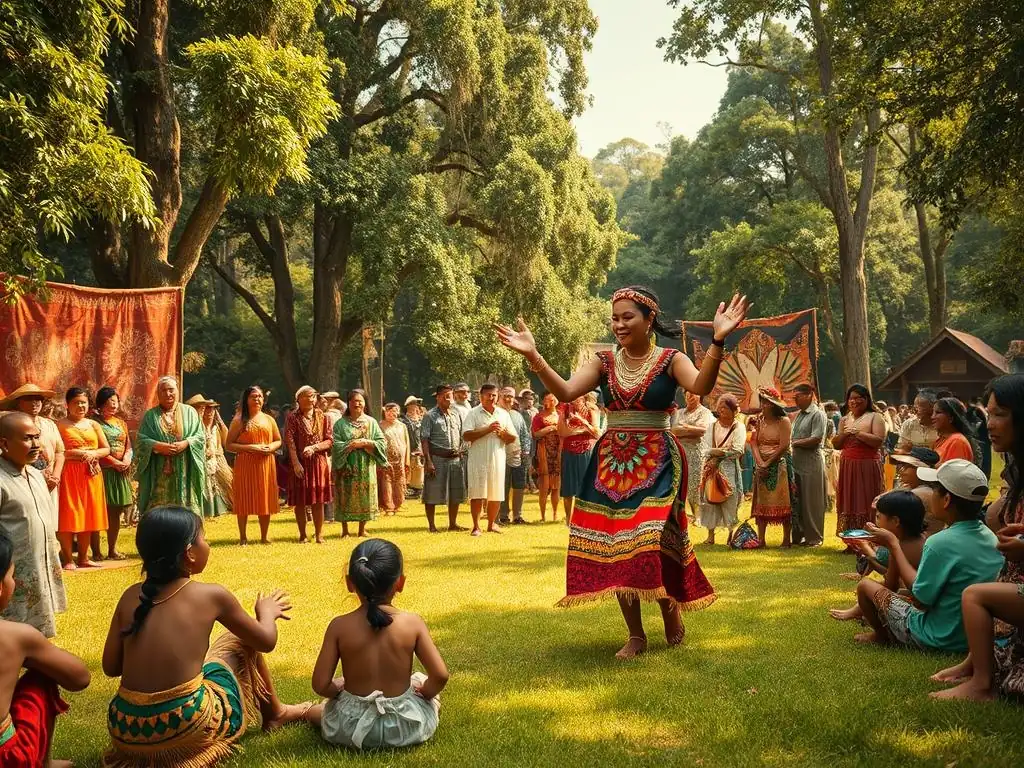
Preservation of Language and Cultural Heritage
Indigenous festivals and traditions serve as vital expressions of community identity, particularly in the context of preserving language and cultural heritage. These celebrations often incorporate traditional languages, which are integral to storytelling, rituals, and songs passed down through generations. For many indigenous groups, the use of their native tongue during festivals helps maintain linguistic diversity and fosters a sense of belonging among community members.
For example, the Day of the Dead (Día de los Muertos) celebrations in Mexico not only honor deceased ancestors but also employ various indigenous languages. This practice reinforces community ties and enhances the understanding of cultural narratives surrounding death and remembrance. Similarly, languages like Quechua and Nahuatl are often spoken during festivals, ensuring that these languages remain vibrant and relevant.
Moreover, festivals frequently involve traditional crafts, music, and dance that embody the history and values of the community. These practices are not merely artistic expressions but are deeply rooted in the cultural identity of the people, evoking a sense of pride and continuity. By participating in these events, community members actively engage in the preservation of their heritage, reinforcing their collective identity and connection to their ancestors.
In addition, many indigenous groups have established initiatives aimed at revitalizing their languages through educational programs and community gatherings. These efforts often coincide with festivals, creating an immersive environment where language and culture can flourish together. The integration of language into these celebrations is a powerful reminder of the resilience of indigenous identities in the face of historical challenges.
Intergenerational Transmission of Knowledge and Practices
Indigenous festivals play a crucial role in the intergenerational transmission of knowledge and practices, ensuring that cultural traditions are passed down and adapted over time. During these events, elders often share stories, songs, and teachings that encapsulate the history and values of their people. This oral tradition not only preserves knowledge but also strengthens the bond between generations, fostering a mutual respect for the wisdom of elders and the curiosity of youth.
One significant aspect of this transmission is the hands-on involvement of younger community members in festival activities. For instance, during the Pahoehoe Festival in Hawaii, children learn traditional hula dances and crafts from their elders. This participatory approach allows them to experience their culture firsthand, deepening their understanding and appreciation for their heritage.
Furthermore, festivals often include workshops and demonstrations that highlight traditional skills such as weaving, pottery, and cooking. These practical experiences empower younger generations to take an active role in maintaining their cultural practices. By learning these skills, they not only preserve their community’s heritage but also adapt it to contemporary contexts, ensuring its relevance in today's world.
The significance of intergenerational transmission is further emphasized by the communal nature of these festivals. They serve as gathering spaces where knowledge flows freely, and cultural practices are reinforced through collective participation. This dynamic not only strengthens community ties but also instills a sense of responsibility among younger members to carry forward the traditions of their ancestors.
Indigenous festivals and traditions are instrumental in shaping and preserving community identity. Through the preservation of language and the intergenerational transmission of knowledge, these celebrations ensure that cultural legacies endure, providing a foundation for resilience and adaptability in the face of ongoing challenges.
Modern Celebrations and Their Socio-Cultural Impact
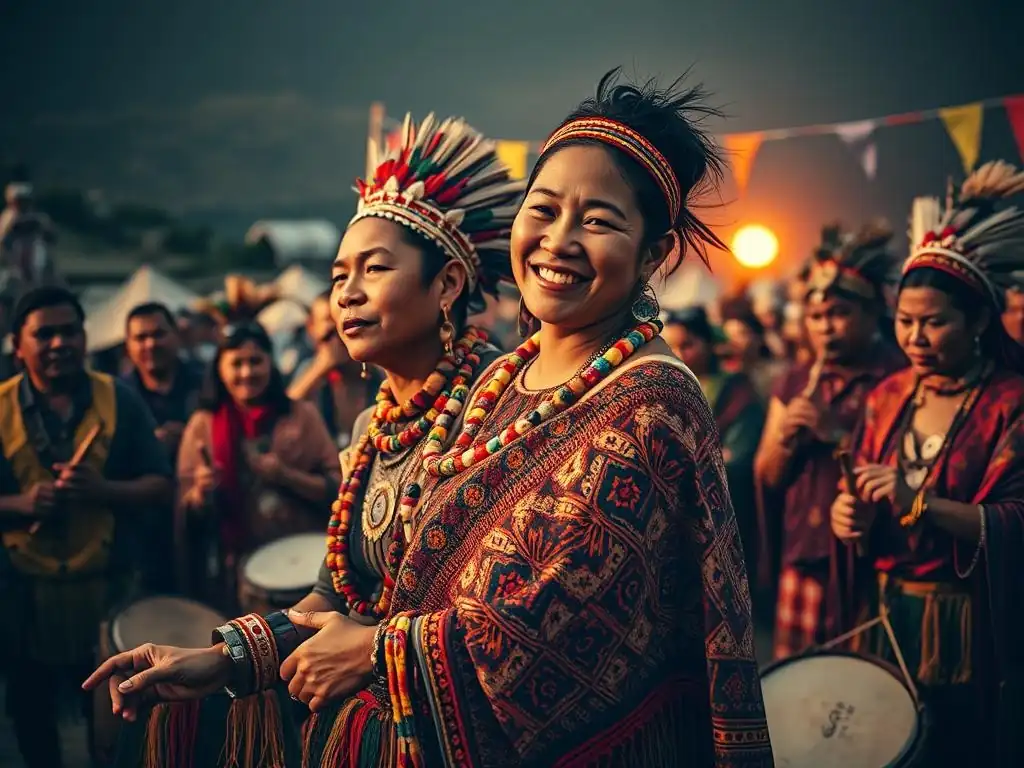
Revitalization of Indigenous Festivals in Contemporary Society
In the wake of European colonization, many Indigenous festivals and traditions faced suppression and transformation. However, recent decades have seen a remarkable revitalization of these cultural expressions across the Americas. This resurgence is not merely a nostalgic return to the past; it serves as a powerful statement of identity, resilience, and cultural pride among Indigenous communities.
Cultural Significance
Modern celebrations often blend traditional practices with contemporary elements, creating a unique tapestry that reflects both heritage and current realities. For example, festivals such as the Powwow in North America showcase traditional dances, music, and dress while also incorporating modern influences, attracting diverse audiences and fostering intercultural dialogue.
- Examples of Revitalized Festivals:
- Powwows: These gatherings bring together various tribes, reinforcing community bonds and sharing cultural practices.
- Día de los Muertos (Day of the Dead): With roots in Indigenous traditions, this celebration has evolved to become a significant cultural event that honors ancestors while promoting awareness of Indigenous heritage.
Economic and Social Benefits
The revitalization of Indigenous festivals has also led to economic opportunities for communities. By drawing tourism, these events generate income and provide a platform for local artisans and performers to showcase their work. Additionally, they foster social cohesion, bringing together community members and creating networks that support cultural preservation.
- Economic Impact:
- Increased tourism and local business support.
- Opportunities for artisans and vendors to sell traditional crafts and foods.
Festivals as a Means of Advocacy and Awareness
Indigenous festivals have emerged as vital platforms for advocacy and raising awareness about Indigenous rights, environmental issues, and cultural heritage. They serve as a unifying force, where community members can rally for social justice and recognition of their historical and contemporary struggles.
Advocacy Through Celebration
Many contemporary Indigenous festivals incorporate themes of advocacy, using the celebration as a backdrop to address pressing issues such as land rights, environmental protection, and cultural preservation. For instance, the National Indigenous Peoples Day in Canada not only highlights cultural diversity but also emphasizes the ongoing fight for Indigenous rights and recognition.
- Key Themes in Festivals:
- Land Rights: Festivals often feature discussions and workshops focused on land reclamation and Indigenous sovereignty.
- Environmental Awareness: Events may include activities aimed at educating participants about sustainable practices and the environmental challenges faced by Indigenous communities.
Creating Awareness and Educating Others
Through performances, storytelling, and art, Indigenous festivals cultivate a deeper understanding of Indigenous histories and contemporary issues among non-Indigenous audiences. These gatherings provide opportunities for education and dialogue, fostering respect and appreciation for Indigenous cultures.
- Educational Components:
- Workshops on traditional practices and languages.
- Panels discussing the impacts of colonialism and the importance of Indigenous knowledge systems.
The modern celebration of Indigenous festivals and traditions is a dynamic expression of cultural identity and resilience. By revitalizing these practices, Indigenous communities not only preserve their heritage but also advocate for their rights, educate others, and foster a sense of belonging within an increasingly diverse society. The ongoing evolution of these festivals underscores their relevance and importance in both local and global contexts.
Challenges Facing Indigenous Festivals Today
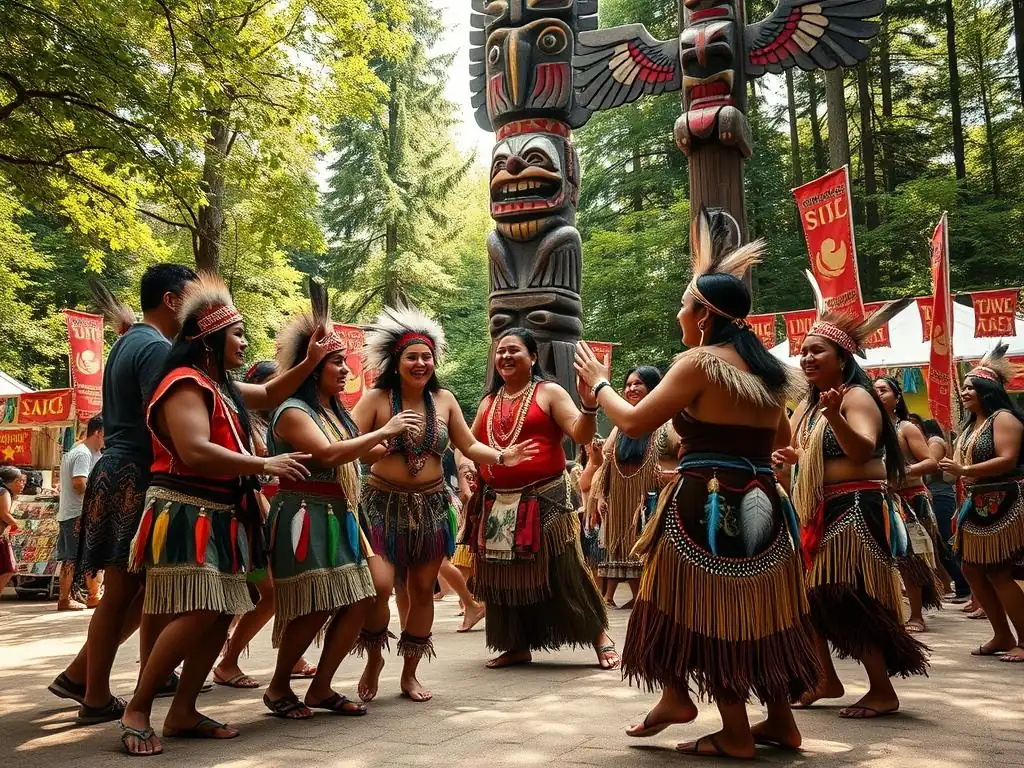
Indigenous festivals and traditions are vital expressions of cultural identity, yet they face numerous challenges in the contemporary world. Understanding these challenges is crucial for appreciating the resilience of indigenous communities as they strive to maintain their cultural heritage in a rapidly changing environment.
Effects of Modernization and Globalization
Modernization and globalization have significantly impacted indigenous festivals and traditions. These influences often lead to:
- Cultural Dilution: As global cultures infiltrate local practices, unique aspects of indigenous festivals can diminish. Traditional music, dance, and attire may be replaced or overshadowed by mainstream influences, leading to a loss of authenticity.
- Commercialization: The commodification of indigenous festivals can result in the prioritization of profit over cultural significance. Events that once served spiritual or communal purposes may be transformed into tourist attractions, risking the integrity of the original celebrations. For example, local artisans might shift from traditional craftsmanship to mass-produced items to cater to tourists, undermining the cultural value of their work.
- Displacement: Urbanization and land development can displace indigenous communities, making it difficult to hold traditional festivals in their historical locations. This physical separation can erode the cultural ties that festivals have to the land, leading to a disconnect between the community and its heritage.
- Intergenerational Disconnect: Modern lifestyles often create a gap between generations. Younger community members may struggle to engage with traditional practices, leading to a loss of knowledge and participation in festivals. The influence of digital media can also draw attention away from local traditions, as youth may favor global pop culture over their heritage.
These challenges illustrate the complex landscape in which indigenous communities navigate their cultural expressions. Despite these difficulties, many communities actively seek ways to revitalize and sustain their traditions.
Strategies for Sustaining Indigenous Cultural Practices
In response to the challenges posed by modernization and globalization, indigenous communities have developed various strategies to sustain their cultural practices and ensure that indigenous festivals remain vibrant. Some effective strategies include:
- Cultural Education and Awareness: Initiatives that promote cultural education within communities and schools can enhance understanding and appreciation of indigenous traditions. Workshops, storytelling sessions, and traditional arts programs can empower younger generations to engage with their heritage actively.
- Community Involvement: Encouraging participation from the entire community in organizing and celebrating festivals can foster a sense of ownership and pride. This collective effort often reinforces cultural significance and ensures that traditions are passed down through generations.
- Collaboration with Allies: Building partnerships with non-indigenous organizations, scholars, and cultural institutions can provide resources and visibility for indigenous festivals. Such collaborations can help raise awareness about the importance of preserving these traditions while also attracting a broader audience.
- Use of Technology: Leveraging technology can aid in the documentation and promotion of indigenous festivals. Social media and websites can reach wider audiences, allowing communities to share their traditions with the world while also attracting participants to local events.
- Revitalization of Traditional Languages: Strengthening the use of indigenous languages during festivals can enhance cultural authenticity. Language revival programs that incorporate traditional songs, stories, and ceremonies can enrich the festival experience and encourage participation.
By implementing these strategies, indigenous communities not only combat the pressures of modernization and globalization but also celebrate their resilience and commitment to preserving their cultural heritage. The survival of indigenous festivals and traditions is a testament to the strength and adaptability of these communities in the face of ongoing challenges.
Conclusion: The Significance of Indigenous Festivals and Traditions
Indigenous festivals and traditions serve as vital expressions of resilience and cultural identity among indigenous peoples in the Americas. Despite the challenges posed by European conquest and colonization, these festivals have adapted, evolved, and continued to thrive, maintaining a connection to ancestral practices and beliefs. This section explores the profound significance of these celebrations, emphasizing their role in preserving heritage and promoting unity within indigenous communities.
Celebrating Resilience and Cultural Identity
Indigenous festivals are more than mere celebrations; they are powerful demonstrations of cultural survival and adaptation. These events often incorporate traditional rituals, music, dance, and art forms that reflect the history and values of indigenous peoples. Through these activities, communities reaffirm their identities and foster intergenerational knowledge transfer.
- Rituals and Ceremonies: Many indigenous festivals include sacred rituals that honor the earth, ancestors, and spirits. These practices not only highlight the spiritual dimensions of indigenous cultures but also reinforce communal bonds as members participate collectively in the observances.
- Artistic Expressions: Festivals often showcase traditional arts and crafts, such as pottery, weaving, and beadwork. These artistic expressions serve as a means of storytelling, conveying historical narratives and cultural significance through visual mediums.
- Culinary Traditions: Food plays a central role in many indigenous festivals. Traditional dishes prepared for these events often utilize locally sourced ingredients, honoring ancestral agricultural practices and fostering a sense of place and identity.
The resilience exhibited through these festivals is a testament to the strength and determination of indigenous communities. By celebrating their cultural legacies, they challenge narratives of erasure and marginalization, asserting their rightful place in history.
The Future of Indigenous Festivals in a Global Context
As globalization continues to influence cultural expressions worldwide, indigenous festivals face both challenges and opportunities. The preservation of these traditions becomes increasingly crucial as communities navigate the complexities of modern society.
- Cultural Exchange and Collaboration: Indigenous festivals often attract attention from diverse audiences, providing opportunities for cultural exchange. By sharing their traditions with non-indigenous communities, indigenous peoples can foster understanding and respect for their heritage.
- Economic Impact: Many festivals have evolved into significant cultural events that attract tourism, creating economic opportunities for indigenous communities. This influx of visitors can help sustain local economies, but it also raises concerns about cultural commodification and the need to balance tradition with commercial interests.
- Digital Preservation: The rise of digital media presents a unique opportunity for indigenous communities to document and share their festivals with a global audience. Online platforms can serve as tools for preserving cultural practices, allowing for greater visibility and engagement while also providing a space for dialogue and education.
Indigenous festivals and traditions are essential to the cultural fabric of the Americas. They embody resilience, adaptability, and continuity, asserting the importance of indigenous identities in a rapidly changing world. As these celebrations evolve, it is crucial to support and honor their significance, ensuring that future generations can continue to partake in and celebrate their rich heritage.
Frequently Asked Questions
What are Indigenous festivals and why are they important?
Indigenous festivals are celebrations that honor cultural heritage, traditions, and community values. They play a crucial role in preserving identity and fostering unity among Indigenous peoples.
How have Indigenous festivals changed since colonization?
Since colonization, Indigenous festivals have adapted to include modern influences while still honoring traditional practices. These changes reflect a resilience and a commitment to maintaining cultural authenticity.
Can you provide examples of notable Indigenous festivals?
Yes, notable Indigenous festivals include the Powwow in North America, Inti Raymi in Peru, and the Gela in the Arctic region. Each festival showcases unique traditions, music, and dance that reflect the culture of the community.
How do Indigenous traditions influence contemporary society?
Indigenous traditions offer valuable perspectives on sustainability, community living, and spirituality. Contemporary society can learn from these traditions to promote cultural diversity and enhance social cohesion.
Where can I learn more about Indigenous festivals and their significance?
You can explore various resources online, including the website "Indigenous Civilizations of the Americas," which provides a comprehensive exploration of the diverse Indigenous cultures, their festivals, and the impact they have on society today.
Final Reflection: Honoring Resilience Through Indigenous Festivals and Traditions
The enduring spirit of Indigenous festivals and traditions serves as a powerful reminder of cultural resilience and identity in today's world. As we navigate a global landscape increasingly defined by rapid change and cultural homogenization, the celebration of these rich traditions is more relevant than ever. The vibrant expressions of Indigenous heritage not only preserve history but also inspire a deeper understanding of the diverse narratives that shape our collective human experience.
The impact of Indigenous festivals and traditions extends far beyond mere celebration; they are vital threads in the fabric of cultural identity and social cohesion. These events foster community, educate the public, and promote healing in societies still grappling with the legacies of conquest and colonization. As we witness a resurgence of interest in these practices, we are reminded of the words of Indigenous activist Winona LaDuke: The future will be about the stories we tell, and the stories we tell will be about the land.
This sentiment encapsulates the importance of honoring and sharing these narratives, as they are essential to understanding our past and envisioning a more inclusive future.
Now, I invite you to reflect on your own relationship with culture and tradition. Consider how you can engage with and support Indigenous festivals and traditions in your community. Whether through participation, education, or advocacy, each of us has a role to play in celebrating and preserving these vital expressions of identity. Let us commit to honoring the resilience of Indigenous peoples by actively participating in the rich tapestry of their traditions, ensuring that their stories continue to be told and celebrated for generations to come.
Thank you for taking the time to explore the rich tapestry of Indigenous festivals and traditions that have endured through history. Your engagement highlights the importance of honoring survival and resilience. Now that you're inspired, here are some actions you can take to further connect with these vibrant cultures:
- Join a local Indigenous festival to experience the traditions firsthand and support the community.
- Share your favorite Indigenous stories or recipes on social media, encouraging others to learn about and respect these unique cultures.
- Start a conversation with friends or family about Indigenous history and its impact on contemporary society. Consider planning a cultural night where everyone brings food or art from various Indigenous cultures.
How will you celebrate and honor the rich traditions that continue to shape Indigenous communities today?