
Terracing Techniques: How Incas Transformed Steep Mountains into Fertile Land

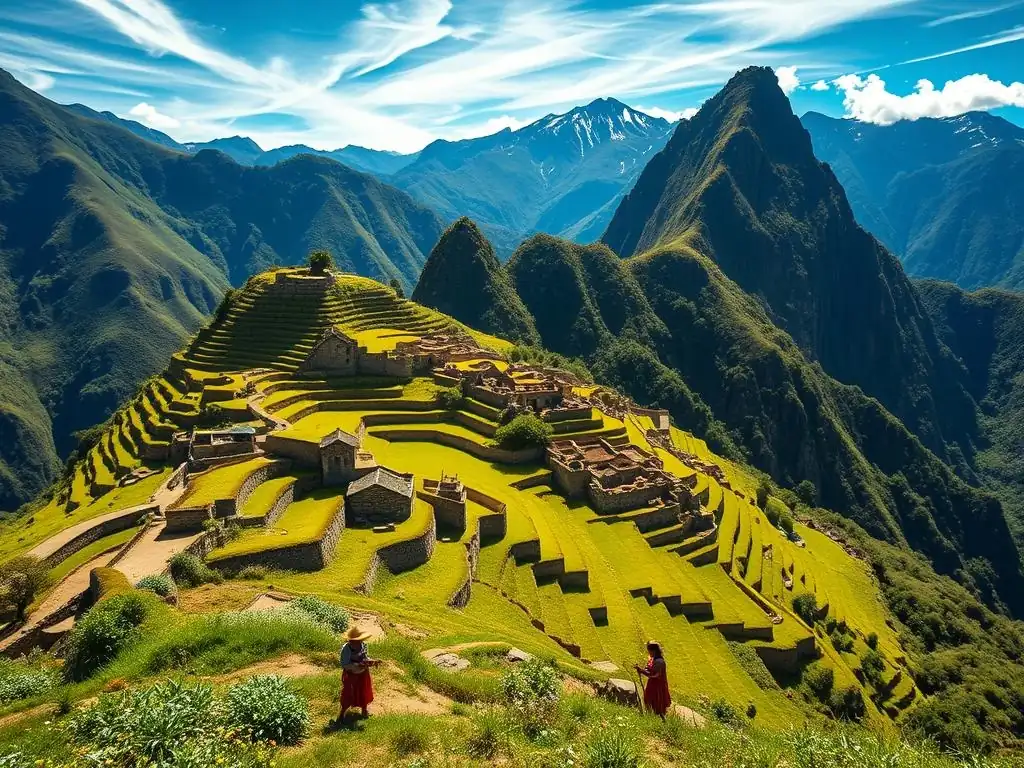
Welcome to Indigenous Civilizations of the Americas, where we invite you to embark on a fascinating journey through the rich tapestry of cultures that flourished long before European influence. In our exploration of the Inca terracing agricultural techniques, you'll uncover how the ingenious Incas transformed steep mountain landscapes into lush, fertile fields, revolutionizing agriculture in the Andes. What secrets lie behind these remarkable advancements? As you delve deeper, you’ll find answers that reveal not just their innovations but the enduring legacy of these incredible civilizations. Join us to discover the stories and achievements that shaped the Americas!
- Introduction to Inca Terracing Agricultural Techniques
- The Need for Terracing in Steep Mountain Regions
- Inca Terracing Techniques: An Overview
- Historical Development of Inca Terracing
- Types of Terraces Used by the Incas
- Construction of Inca Terraces
- Benefits of Inca Terracing Agricultural Techniques
- Case Studies of Inca Terracing Sites
- The Legacy of Inca Terracing Techniques
- Conclusion: The Significance of Inca Terracing Agricultural Techniques
- Frequently Asked Questions
- Final Reflection: The Enduring Legacy of Inca Terracing Techniques
- Embrace the Wisdom of the Incas: Transform Your Landscape Today!
Introduction to Inca Terracing Agricultural Techniques
The Inca civilization, renowned for its remarkable engineering feats and agricultural innovations, developed sophisticated terracing techniques that transformed the rugged Andean mountains into lush, arable landscapes. These techniques played a crucial role in their ability to sustain large populations and cultivate a variety of crops in an environment that posed significant challenges.
This article delves into the intricacies of Inca terracing agricultural techniques, exploring how these methods not only enhanced agricultural productivity but also fostered a deep connection between the Incas and their environment. By examining the historical context, cultural significance, and lasting impact of these techniques, we can appreciate the ingenuity of the Inca civilization and its contributions to agricultural practices that resonate even today.
Overview of Inca Civilization and Agriculture
The Inca Empire, which flourished in the 15th and 16th centuries, was the largest empire in pre-Columbian America, spanning a vast territory across modern-day Peru, Ecuador, Bolivia, and parts of Chile and Argentina. The Incas were adept at adapting their agricultural practices to the diverse climatic and geographical conditions of the Andes. Central to their agricultural success were several key practices:
- Crop Diversity: The Incas cultivated a wide range of crops, including potatoes, maize, quinoa, and various legumes. This diversity not only ensured food security but also provided essential nutrients to their diet.
- Irrigation Systems: Ingenious irrigation systems, including canals and aqueducts, were developed to transport water from rivers and streams to terraced fields, optimizing the limited water supply in the arid highlands.
- Soil Enrichment: The Incas practiced crop rotation and the use of organic fertilizers, such as guano, to enhance soil fertility, ensuring sustainable agricultural practices over generations.
These agricultural techniques were not merely functional; they were deeply intertwined with the social and religious fabric of Inca society, reflecting their understanding of the environment and their reverence for nature.
Importance of Terracing in Andean Culture
Terracing was a transformative method that allowed the Incas to maximize agricultural output on steep mountain slopes. This technique involved constructing step-like platforms along the contours of the land, which offered several benefits:
- Soil Conservation: Terraces reduced soil erosion by slowing down water runoff, allowing water to seep into the soil and maintain moisture levels.
- Microclimates: The stepped design created varied microclimates, enabling the cultivation of different crops at various altitudes, thus expanding agricultural diversity.
- Cultural Significance: Terracing was not only an agricultural necessity but also a reflection of the Inca worldview. The terraces symbolized harmony between humans and nature, a principle deeply rooted in Andean spiritual beliefs.
The sophistication of Inca terracing techniques illustrates their profound understanding of agricultural practices and their ability to manipulate the landscape to their advantage. This ingenuity continues to inspire modern agricultural methods in similar terrains around the world.
The Need for Terracing in Steep Mountain Regions
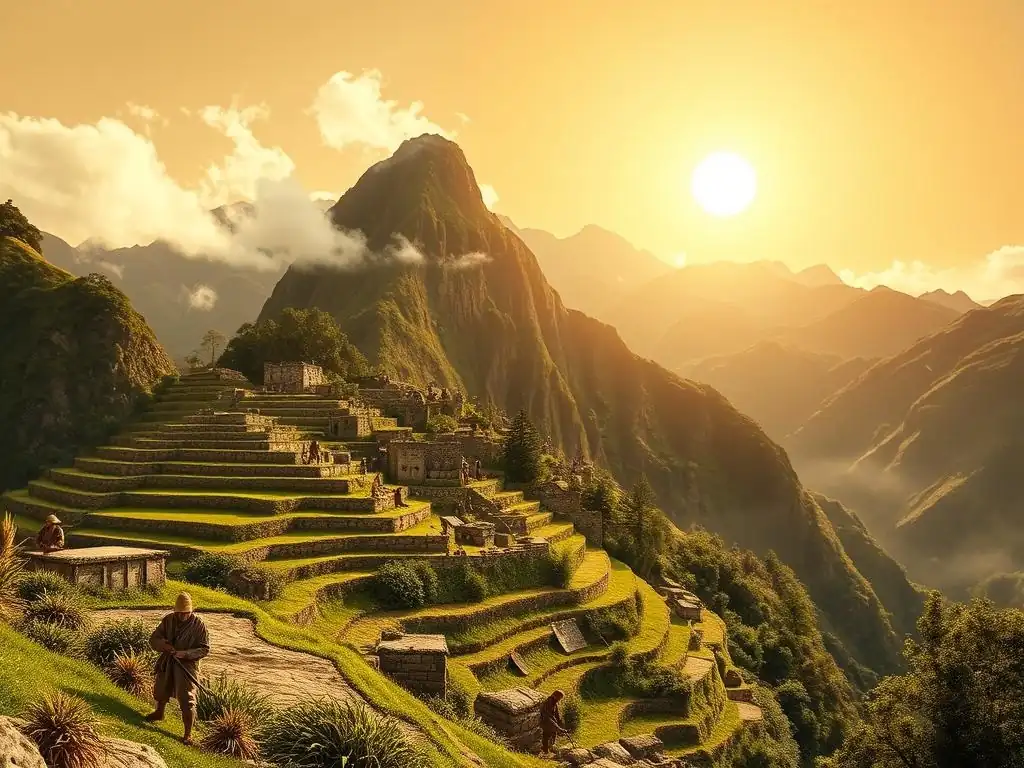
The rugged terrain of the Andean mountains posed significant challenges for agricultural practices among the Inca civilization. The steep slopes, prone to erosion and water runoff, made traditional farming methods ineffective. In response to these challenges, the Incas developed innovative terracing agricultural techniques that transformed the mountainous landscape into arable land. This adaptation not only allowed for increased agricultural productivity but also helped preserve the ecosystem.
Challenges of Farming on Slopes
Farming on steep slopes presents a unique set of challenges that can severely limit agricultural productivity:
- Soil Erosion:
- Gravity's Impact: The natural force of gravity causes soil to wash away during heavy rains, leading to loss of fertile topsoil.
- Water Runoff: On sloped land, water tends to flow rapidly downhill, carrying away nutrients crucial for plant growth.
- Inadequate Water Retention:
- Limited Moisture: Steep inclines often cannot retain sufficient moisture, making it difficult for crops to thrive.
- Drought Vulnerability: Areas prone to drought are exacerbated on slopes, where water quickly drains away.
- Limited Accessibility:
- Difficult Terrain: The steepness of the land makes it challenging to cultivate, harvest, and transport crops.
- Labor Intensive: Farming on slopes requires more effort and resources, as tools and supplies must be carried over difficult terrain.
Role of Terracing in Soil Conservation
In response to the challenges of farming on slopes, the Incas implemented a system of terraces that significantly improved soil conservation and agricultural productivity:
-
Construction of Terraces:
The Incas carved flat platforms into the mountainside, creating stepped levels that reduced the slope's gradient. This design minimized soil erosion and allowed for more manageable farming conditions. The terraces were often reinforced with stone walls, which helped to retain soil and moisture.
-
Enhanced Water Management:
- Irrigation Channels: The terraced fields were equipped with intricate irrigation systems, including channels and canals that diverted water from streams to the crops. This ensured that plants received adequate moisture, even in dry conditions.
- Retention of Rainwater: The flat surfaces of the terraces allowed for better absorption of rainwater, reducing runoff and promoting soil fertility.
-
Biodiversity and Crop Diversity:
The terraced environment allowed for the cultivation of multiple crop varieties at different altitudes, promoting biodiversity. This adaptive strategy ensured that the Incas could grow a range of crops suited to various microclimates, further enhancing food security.
The innovative Inca terracing agricultural techniques not only addressed the challenges of farming on steep mountains but also fostered sustainable agricultural practices that have left a lasting impact on the region's landscape and ecology. The successful integration of terracing into their agricultural system exemplifies the Incas' advanced understanding of their environment and their ability to innovate in the face of adversity.
Inca Terracing Techniques: An Overview
The Inca civilization is renowned for its remarkable agricultural innovations, particularly the terracing techniques that transformed steep, mountainous regions into arable land. This sophisticated method allowed the Incas to cultivate crops in otherwise inhospitable environments, significantly enhancing food production and supporting their vast empire. Terracing not only maximized land use but also played a crucial role in water management, soil conservation, and sustainable agriculture.
Definition of Inca Terracing Agricultural Techniques
Inca terracing agricultural techniques refer to the construction of stepped platforms, or terraces, on mountainous terrain to create flat land suitable for farming. These terraces were built using a combination of stone walls and earthen embankments, which helped to stabilize the soil and prevent erosion. The Inca farmers would then cultivate various crops on these terraces, taking advantage of the microclimates created by the elevation changes.
The primary goal of this technique was to increase agricultural yield while conserving soil and water. By creating a series of flat surfaces, the Incas were able to manage irrigation effectively, channeling water from higher elevations down to the crops. This method not only supported local food production but also contributed to the overall sustainability of the agricultural system.
Key Features of Inca Terracing
Inca terracing techniques are characterized by several key features that highlight their ingenuity and adaptability to the challenging Andean landscape:
- Stone Construction:
- Stability: The use of stones in terrace walls provided stability and durability, allowing terraces to withstand heavy rains and erosion.
- Materials: Local materials were often utilized, showcasing the Incas' understanding of their environment.
- Irrigation Systems:
- Water Management: The terraces included complex irrigation channels that transported water from nearby rivers and streams directly to the fields.
- Microclimates: By adjusting the elevation and orientation of terraces, the Incas created various microclimates, optimizing conditions for different types of crops.
- Soil Conservation:
- Erosion Control: The terrace walls reduced soil erosion by slowing down water runoff, allowing more water to soak into the soil.
- Fertility: Soil fertility was enhanced through crop rotation and the use of organic materials, which were often incorporated into the planting beds.
- Crop Diversity:
- Varied Agriculture: The Incas cultivated a wide range of crops, including potatoes, maize, and quinoa, each suited to specific terrace conditions.
- Sustainable Practices: The use of diverse crops helped maintain soil health and reduced the risk of crop failure.
- Cultural Integration:
- Community Involvement: The construction and maintenance of terraces involved communal labor, fostering a sense of community among Andean peoples.
- Cultural Significance: Terracing was not just an agricultural technique; it also held cultural importance, reflecting the Inca’s relationship with the land and their agricultural heritage.
Through these advanced terracing techniques, the Incas not only transformed their environment but also laid the foundation for sustainable agricultural practices that have influenced farming in the Andes for generations. Their innovations continue to be studied and admired, illustrating the remarkable achievements of indigenous civilizations in adapting to and thriving in challenging landscapes.
Historical Development of Inca Terracing
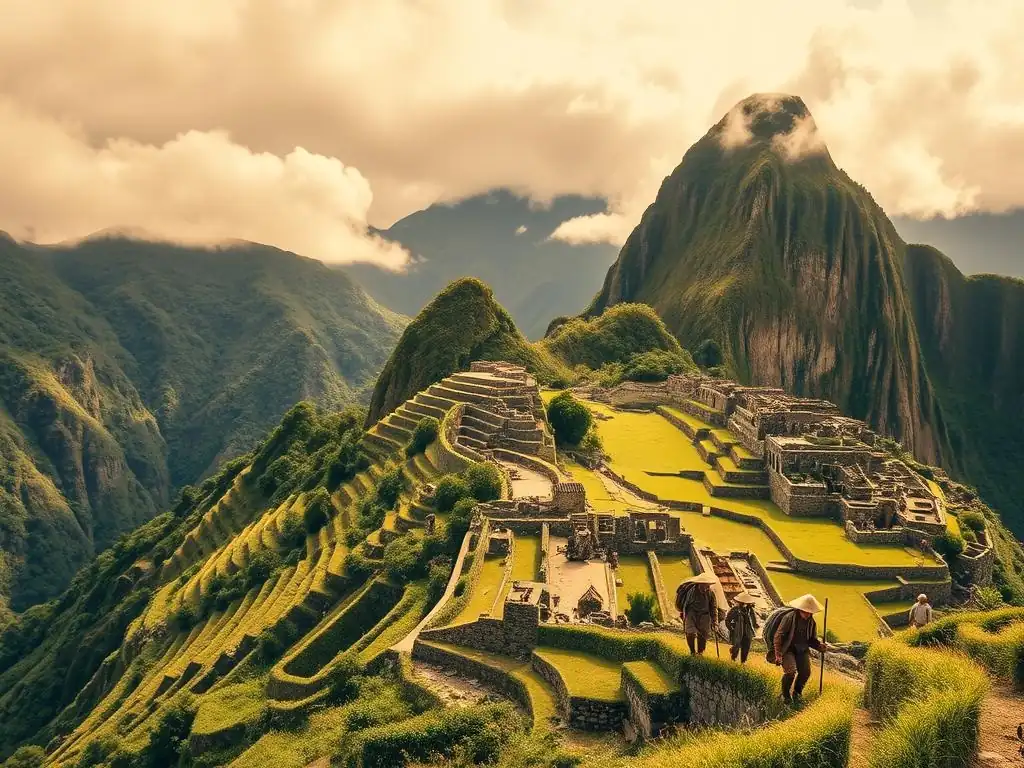
The historical development of Inca terracing agricultural techniques is a testament to the ingenuity and adaptability of the Inca civilization in the face of challenging geographical conditions. The Incas inhabited a diverse landscape characterized by steep mountains and valleys, particularly in the Andean region. This unique topography posed significant challenges for traditional farming practices, necessitating innovative solutions to cultivate crops effectively.
Early Innovations in Terracing
The origins of Inca terracing can be traced back to earlier Andean cultures, such as the Tiwanaku and Wari civilizations, who also utilized similar techniques. However, the Incas took these early innovations to new heights, refining and expanding upon them.
- Construction Methods: The Incas constructed terraces by creating flat, leveled platforms on the sides of mountains. These platforms were often supported by stone walls, which helped prevent soil erosion and retained moisture. The walls were typically built using locally sourced materials, demonstrating the Incas' resourcefulness.
- Soil Management: The Inca farmers understood the importance of soil fertility. They developed methods for enhancing soil quality by incorporating organic matter, such as crop residues and animal manure, into the terraces. This practice not only improved soil fertility but also promoted sustainable farming over generations.
- Water Management: Effective irrigation was crucial for the success of terraced agriculture. The Incas engineered sophisticated irrigation systems, including channels and aqueducts, to divert water from nearby rivers and streams to their terraces. This smart management of water resources ensured that crops received adequate hydration, even in arid conditions.
Evolution of Techniques Over Time
As the Inca civilization expanded and their agricultural needs grew, their terracing techniques evolved significantly.
- Adaptation to Diverse Climates: The Incas cultivated a wide variety of crops, including potatoes, maize, and quinoa, which required different growing conditions. They adapted their terracing methods to suit various microclimates, allowing them to maximize agricultural productivity across different regions. For instance, higher terraces were often used for crops that thrived in cooler temperatures, while lower terraces supported those that preferred warmer climates.
- Expansion of Terraced Areas: The construction of terraces was not a one-time effort; it was an ongoing process. As the population grew, the Incas continued to expand their terraced areas. Archaeological evidence suggests that the Incas built extensive networks of terraces that spanned thousands of kilometers, demonstrating their commitment to agricultural innovation.
- Integration of Diverse Cultures: The Inca Empire was marked by the integration of various indigenous cultures. As they conquered new territories, the Incas adopted and adapted agricultural techniques from the peoples they encountered. This cultural exchange led to the incorporation of new crops and farming practices, further enriching their terracing methods.
The historical development of Inca terracing agricultural techniques showcases the remarkable ability of the Incas to transform steep mountain landscapes into productive agricultural zones. Their innovations in construction, soil and water management, and adaptation to diverse climates not only ensured their survival but also laid the groundwork for sustainable agricultural practices that resonate even today.
Types of Terraces Used by the Incas
The Incas developed several terracing techniques that allowed them to cultivate crops in the challenging mountainous terrain of the Andes. These methods not only maximized agricultural productivity but also played a crucial role in soil conservation and water management. The main types of terraces used by the Incas include platform terraces, step terraces, and contour terraces, each with unique structures and functions tailored to specific environmental conditions.
Platform Terraces: Structure and Function
Platform terraces are characterized by their flat, level surfaces that create distinct farming areas on steep slopes. This design involved significant engineering, as the Incas had to construct retaining walls to hold the soil in place and prevent erosion.
- Structure: The terraces were built with stone walls, sometimes several feet high, which provided stability and support for the soil. The flat platforms allowed for easy access and facilitated farming activities.
- Function: These terraces not only provided a stable area for planting but also helped to manage water flow. The flat surfaces allowed for more even irrigation, reducing the risk of water runoff and soil erosion.
The effectiveness of platform terraces was evident in their ability to support the growth of key crops such as maize, potatoes, and quinoa, which were staples in the Inca diet.
Step Terraces: Design and Benefits
Step terraces, often referred to as "stair-step" terraces, are another innovative terracing technique used by the Incas. These terraces resemble a series of steps or staircases that ascend the mountainside.
- Design: Each step is built lower than the one above it, creating a sequence of flat farming areas. This design is particularly effective in controlling water flow and minimizing erosion.
- Benefits: Step terraces offer several advantages:
- Water Management: The stepped design helps to capture and retain water, allowing it to percolate down through the soil layers, which is particularly beneficial in areas with heavy rainfall.
- Microclimates: Each step can create its own microclimate, allowing for a diverse range of crops to be cultivated at different elevations, optimizing agricultural output.
The Incas utilized step terraces extensively in regions with steep slopes, demonstrating their adaptability and ingenuity in agricultural practices.
Contour Terraces: Enhancing Water Retention
Contour terraces are designed to follow the natural contours of the land, creating a series of level areas that are aligned with the slope of the hillside.
- Enhancement of Water Retention: By building terraces along the contours, the Incas effectively reduced water runoff and enhanced the retention of moisture in the soil. This technique is particularly useful in arid regions where water conservation is essential.
- Soil Conservation: Contour terraces also play a critical role in preventing soil erosion. The design helps to trap sediment and organic matter, enriching the soil and increasing its fertility over time.
This method of terracing is a testament to the Incas' deep understanding of their environment and their ability to adapt agricultural practices to the unique challenges posed by the Andean landscape. By employing contour terraces, the Incas were able to cultivate crops efficiently while preserving the integrity of the land.
Construction of Inca Terraces
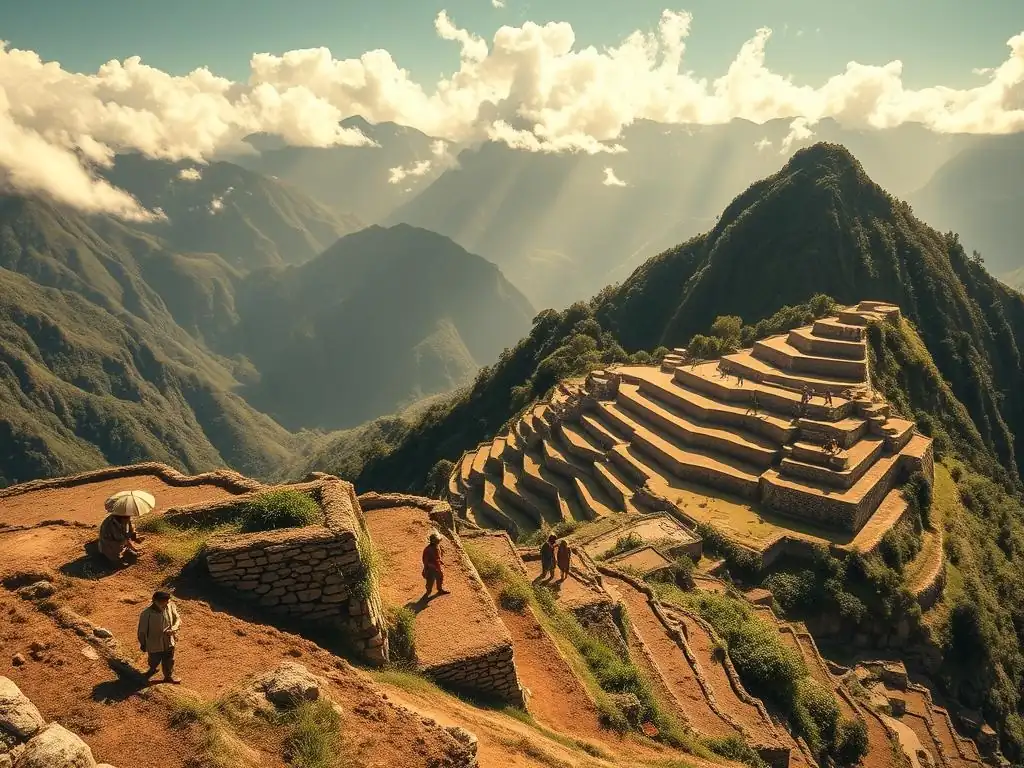
The Inca civilization, known for its remarkable engineering skills, developed sophisticated terracing techniques that transformed the steep Andean mountains into arable land. This method not only increased agricultural production but also played a crucial role in managing water resources and preventing soil erosion. The terraces, or andenes, were carefully constructed to adapt to the mountainous terrain, allowing the Incas to cultivate a variety of crops, including maize, potatoes, and quinoa, which were essential to their diet and economy.
Materials and Tools Used
The construction of Inca terraces involved the use of locally sourced materials and simple yet effective tools. The key components included:
- Stones: The primary building material for the terraces. Large stones were used to create the retaining walls, while smaller stones filled the space within the terraces.
- Soil: A mixture of topsoil and organic matter was essential for planting. The Incas often transported soil from lower elevations to enrich the terraces.
- Water Channels: The incorporation of stone or earthen channels facilitated water distribution across the terraces, ensuring adequate irrigation.
Tools Employed:
- Simple Hand Tools: Tools such as digging sticks, hoes, and wooden spades were utilized for excavation and soil preparation.
- Leveraging Techniques: The Incas employed basic principles of leverage and pulleys to move heavy stones into place, showcasing their understanding of physics and engineering.
Step-by-Step Process of Building Terraces
The construction of terraces was a meticulous process that involved several key steps:
- Site Selection: Choosing a suitable location was crucial. The Incas assessed factors such as sunlight exposure, slope steepness, and proximity to water sources.
- Land Clearing: Vegetation and debris were removed to prepare the site for construction.
- Excavation and Leveling: Workers dug into the mountainside to create flat areas, ensuring each terrace was level to prevent water runoff.
- Building Retaining Walls: Large stones were stacked to form strong retaining walls, which helped hold back the soil and prevent erosion.
- Filling with Soil: The terraces were filled with nutrient-rich soil, often supplemented with organic materials to enhance fertility.
- Irrigation Installation: Water channels were constructed to direct water flow to each terrace, utilizing gravity to optimize irrigation.
- Planting: Once the terraces were ready, the Incas planted crops, optimizing space and water usage through careful planning.
Labor and Community Involvement in Construction
The construction of terraces was a communal effort, reflecting the Inca values of cooperation and mutual support. Inca society operated on a system known as mita, which required community members to contribute labor for public works, including terrace construction. This system not only fostered a sense of community but also ensured that agricultural needs were met across the empire.
- Roles in Construction: Various roles were established within the community, from skilled laborers who understood engineering principles to those who provided logistical support by transporting materials.
- Cultural Significance: The act of building terraces was imbued with cultural importance. It represented the Inca's relationship with the land and their commitment to sustainable agricultural practices.
- Training and Knowledge Transfer: Experienced builders often trained younger community members, ensuring that knowledge of terracing techniques was passed down through generations.
The Inca terracing agricultural techniques exemplify how indigenous civilizations adapted to their environment, demonstrating ingenuity and resilience in the face of geographical challenges. Through this meticulous construction process, the Incas not only enhanced their agricultural productivity but also established a sustainable model for future generations.
Benefits of Inca Terracing Agricultural Techniques
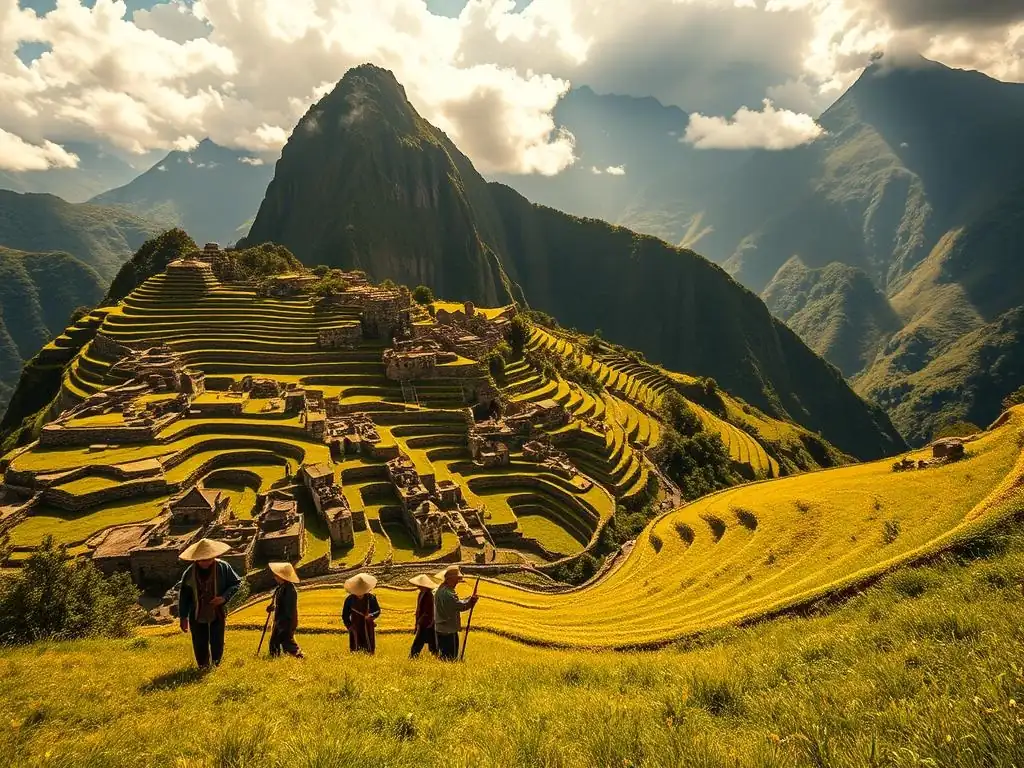
The Inca civilization is renowned for its extraordinary agricultural innovations, particularly the terracing techniques that allowed them to cultivate steep mountain slopes effectively. These methods not only transformed the landscape but also provided significant benefits to the Inca society. Below are some of the key advantages of Inca terracing agricultural techniques.
Increased Arable Land in Mountainous Regions
Terracing allowed the Incas to convert otherwise unworkable mountain terrain into arable land. By constructing steps or platforms along the hillside, they created flat areas where crops could be planted. This technique effectively increased the amount of usable land in the Andean mountains, where the natural landscape posed challenges for agriculture.
- Land Utilization: Terraces reduced soil erosion and retained moisture, ensuring that rainwater could infiltrate the soil rather than running off.
- Slope Management: By managing steep slopes, the Incas were able to cultivate diverse crops without the risk of landslides that could occur in unaltered landscapes.
The impact of these practices can be observed in the extensive terraced fields still visible today, such as those found in the Sacred Valley of Peru.
Improved Irrigation and Water Management
Inca terracing techniques also included sophisticated irrigation systems that were crucial for effective water management. The Incas ingeniously diverted water from rivers and streams to their terraced fields, ensuring crops received sufficient moisture.
- Water Control: Channels were constructed to direct water precisely where it was needed, allowing for better management of water resources.
- Moisture Retention: The terraces themselves acted as a barrier to water runoff, creating a microenvironment that retained moisture and facilitated the growth of crops even in dry seasons.
By implementing these advanced irrigation techniques, the Incas were able to sustain high yields in challenging environments.
Enhanced Crop Diversity and Yield
The terracing system not only expanded the area available for agriculture but also encouraged the cultivation of a variety of crops, leading to enhanced biodiversity and increased overall yield.
- Crop Rotation: The Incas practiced crop rotation, which helped maintain soil fertility and reduce pest populations. This practice was facilitated by the diverse microclimates created by the terraces.
- Varietal Selection: The ability to cultivate different crops at various altitudes allowed the Incas to grow staples such as potatoes, maize, and quinoa, which were crucial for their diet and economy.
This focus on crop diversity not only ensured food security for the Inca population but also contributed to the rich agricultural heritage of the Andes that continues to this day.
The Inca terracing agricultural techniques played a vital role in transforming the Andes into a productive agricultural landscape. Their innovative approaches to increasing arable land, improving irrigation, and enhancing crop diversity have had a lasting impact on agricultural practices in mountainous regions.
Case Studies of Inca Terracing Sites
The Inca civilization is renowned for its innovative agricultural practices, particularly its terracing techniques that transformed steep Andean mountains into productive agricultural lands. This section explores specific case studies of Inca terracing sites, illustrating how these techniques were applied in various regions to optimize crop production and manage water resources.
The Sacred Valley: A Model of Inca Terracing
The Sacred Valley of the Incas, located near Cusco in Peru, is one of the most celebrated examples of Inca terracing agricultural techniques. This fertile valley was strategically chosen for its moderate climate and abundant water resources, making it ideal for agricultural development.
- Terrace Construction: The Incas built extensive terraces using a combination of stone walls and earthen fills. These terraces not only reduced soil erosion but also created microclimates that enhanced crop growth. The use of retaining walls allowed for the cultivation of various crops at different altitudes.
- Irrigation Systems: An intricate network of irrigation channels was developed to distribute water throughout the terraces. The Incas ingeniously utilized the natural contours of the landscape to capture and redirect water from mountain streams, ensuring that the terraces received adequate moisture.
- Crop Diversity: The Sacred Valley was home to a variety of crops, including maize, potatoes, and quinoa. The terracing technique allowed for the cultivation of these crops at different elevations, maximizing agricultural output.
Moray Agricultural Terraces: A Unique Example
Moray, located about 50 kilometers northwest of Cusco, presents a unique and fascinating example of Inca terracing. Unlike the typical horizontal terraces found in the Sacred Valley, Moray features a series of circular terraces that descend into a large depression.
- Microclimate Experimentation: The circular terraces of Moray are believed to have been used as an agricultural laboratory. Each terrace experiences a slightly different microclimate due to variations in altitude, temperature, and humidity. This allowed the Incas to experiment with different crops and agricultural techniques.
- Engineering Marvel: The terraces at Moray are carefully constructed with a sophisticated drainage system, preventing waterlogging and soil erosion. The design reflects the Incas' advanced understanding of hydraulic engineering and landscape management.
- Crops Cultivated: Archaeological evidence suggests that the Incas successfully cultivated a variety of crops at Moray, including maize, squash, and various tubers. This experimentation likely contributed to the agricultural diversity of the region and informed their broader agricultural practices.
Other Notable Inca Terracing Sites
In addition to the Sacred Valley and Moray, several other notable Inca terracing sites exemplify the ingenuity of Inca terracing agricultural techniques.
- Pisac Terraces: Located in the Sacred Valley, the Pisac terraces are a remarkable example of terracing techniques that facilitated the cultivation of crops at different altitudes. These terraces are characterized by their steep slopes and sophisticated irrigation systems.
- Chinchero Terraces: Near the town of Chinchero, these terraces showcase the Incas’ ability to adapt to diverse environmental conditions. The terraces are still used for agricultural production today, highlighting the enduring legacy of Inca agricultural practices.
- Sacsayhuamán: While primarily known for its impressive stone structures, Sacsayhuamán also features terraced agricultural fields. The site demonstrates the combination of military and agricultural strategies employed by the Incas to sustain their population.
The case studies of Inca terracing sites highlight the advanced agricultural techniques employed by the Incas. Through careful engineering and an understanding of environmental conditions, they transformed challenging landscapes into productive agricultural areas, leaving a lasting impact on Andean agriculture.
The Legacy of Inca Terracing Techniques
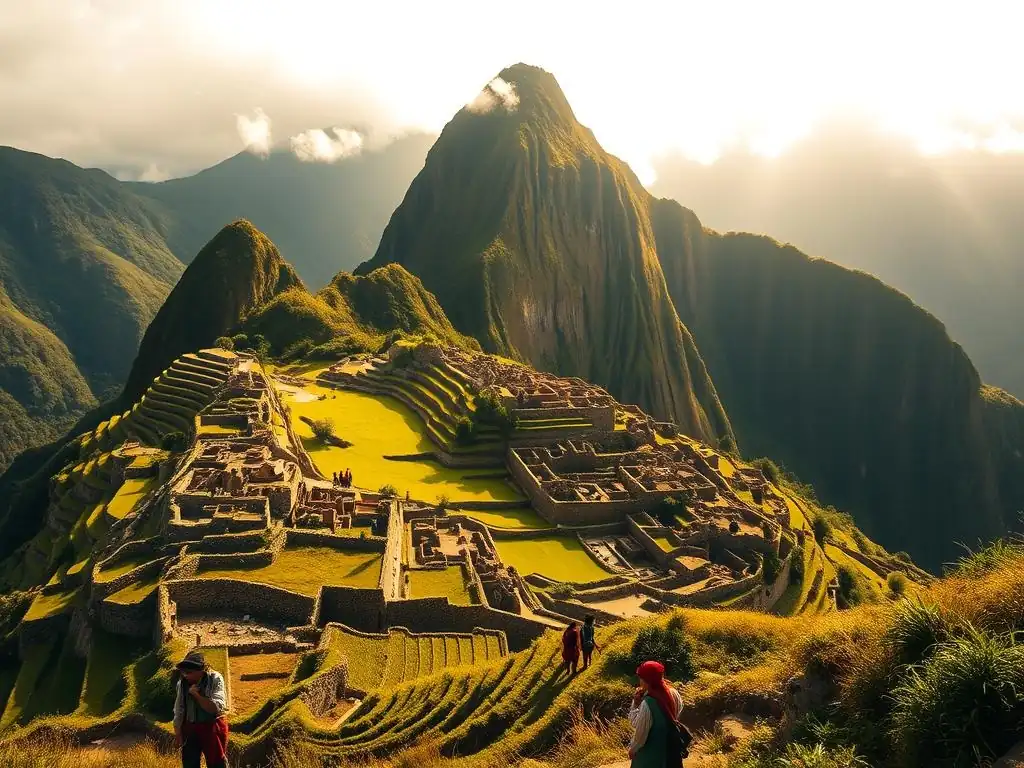
The Inca civilization, known for its remarkable engineering and agricultural prowess, developed innovative terracing techniques that transformed the steep Andean mountains into fertile landscapes. These techniques not only enabled the Incas to maximize agricultural output in challenging terrains but also left a lasting legacy that continues to influence modern agricultural practices.
Impact on Modern Agricultural Practices
The principles of Inca terracing agricultural techniques have been adopted and adapted in various parts of the world, particularly in regions facing similar topographical challenges. The terracing methods employed by the Incas involved constructing stepped platforms along hill slopes, which helped to:
- Reduce Soil Erosion: By breaking the slope into smaller, level areas, terracing minimizes the velocity of water runoff, significantly reducing soil erosion. This principle is now utilized in modern sustainable farming to maintain soil health.
- Enhance Water Retention: The terraced fields were designed to capture and retain moisture, allowing crops to thrive in arid conditions. This technique is crucial today, especially in areas suffering from water scarcity, where efficient water management is essential.
- Optimize Microclimates: The Incas created various microclimates through terracing, allowing different crops to flourish based on sunlight exposure and altitude. Modern agricultural systems employ similar strategies, utilizing diverse planting methods to optimize yields across varying climates.
- Support Biodiversity: The terraced landscapes of the Incas fostered a rich diversity of crops, which is a key principle in contemporary permaculture practices. The emphasis on biodiversity helps enhance resilience against pests and diseases, ensuring sustainable agricultural systems.
The adaptation of these ancient techniques reflects a growing awareness of sustainable practices that honor traditional knowledge while addressing contemporary agricultural challenges.
Preservation of Terracing Techniques Today
Today, the preservation of Inca terracing techniques is not only a matter of agricultural practice but also a cultural heritage initiative. Several efforts are underway to maintain and restore these ancient terraces, which serve as a testament to the ingenuity of the Inca civilization. Key aspects of these preservation efforts include:
- Cultural Heritage Conservation: Organizations and local governments are working to protect these sites as part of the cultural heritage of the Andes. This includes recognizing the terraces as UNESCO World Heritage Sites, which raises awareness and promotes conservation efforts.
- Community Involvement: Many indigenous communities are engaged in the restoration and maintenance of the terraces, utilizing traditional knowledge and methods passed down through generations. This community involvement is crucial for ensuring the sustainability of these practices.
- Research and Education: Academic institutions and agricultural organizations are studying Inca terracing techniques to glean insights that can inform modern sustainable agriculture. Workshops and educational programs are being developed to teach these techniques to new generations of farmers.
- Ecotourism: The terraces attract tourists interested in both the beauty of the landscapes and the agricultural heritage of the Incas. Ecotourism initiatives promote the economic viability of preserving these agricultural systems while providing education about their historical significance.
The legacy of Inca terracing agricultural techniques continues to inspire contemporary agricultural practices, emphasizing sustainability, community involvement, and cultural preservation. Embracing these ancient methods not only honors the past but also paves the way for a more resilient agricultural future.
Conclusion: The Significance of Inca Terracing Agricultural Techniques
Summary of Key Points
Inca terracing agricultural techniques were a remarkable response to the challenging mountainous terrain of the Andes. This innovative method not only maximized arable land but also played a crucial role in water management and soil conservation. The key aspects of these techniques include:
- Construction of Terraces: The Incas carved steps into mountain slopes, creating flat surfaces that reduced erosion and allowed for effective farming.
- Irrigation Systems: Ingenious irrigation channels were developed to ensure a steady water supply, utilizing gravity to transport water from higher elevations to the terraces below.
- Diverse Crop Cultivation: Terraces enabled the Incas to cultivate a variety of crops, including maize, potatoes, and quinoa, which were crucial for their diet and economy.
- Microclimates Creation: The elevation differences between terraces allowed for the cultivation of crops suited to varying climatic conditions, enhancing agricultural diversity.
These techniques not only sustained the Inca population but also contributed to their economic success, enabling them to support large urban centers and extensive trade networks.
Reflection on Inca Innovation and Sustainability
The Inca civilization exemplified a profound understanding of their environment, showcasing innovation that transcended mere agricultural practices. Their terracing techniques reflect a holistic approach to land use that prioritized sustainability and ecological balance.
- Adaptation to Environment: The Incas demonstrated an exceptional ability to adapt agricultural practices to the harsh conditions of the Andes. Their terracing reduced soil erosion and retained moisture, which was vital in a region characterized by irregular rainfall and steep slopes.
- Community Collaboration: Inca agriculture was not just a personal endeavor; it involved communal efforts. The maintenance and cultivation of terraces required collaboration, fostering social cohesion and shared responsibility among community members.
- Legacy of Sustainable Practices: The lessons learned from Inca terracing techniques remain relevant today. Modern agricultural practices increasingly recognize the importance of sustainable farming methods that respect natural landscapes and promote biodiversity.
The Inca terracing agricultural techniques stand as a testament to the ingenuity of indigenous societies. Their ability to transform challenging landscapes into productive agricultural systems not only sustained their civilization but also laid the groundwork for sustainable agricultural practices that resonate in contemporary discussions of food security and environmental stewardship. The legacy of the Incas continues to inspire and inform modern approaches to agriculture in mountainous regions around the world.
Frequently Asked Questions
What are the Inca terracing agricultural techniques?
The Inca terracing agricultural techniques involved creating flat platforms on steep mountain slopes to maximize arable land. This innovative method helped the Incas grow crops in challenging terrains.
How did the Incas benefit from their terracing methods?
The terracing methods allowed the Incas to enhance soil fertility and manage water runoff, resulting in increased agricultural productivity. This significantly supported their large population and complex society.
What crops were primarily grown using Inca terraces?
Using Inca terraces, the Incas primarily cultivated crops such as potatoes, maize, and quinoa. These staples were crucial for their diet and contributed to their economic stability.
How did Inca terracing impact the environment?
Inca terracing helped to prevent soil erosion and promoted sustainable land management. This method maintained the ecological balance in mountainous regions, showcasing their advanced understanding of agriculture.
Are there any modern applications of Inca agricultural techniques?
Yes, Inca agricultural techniques, like terracing, are still used today in some regions to address modern issues like erosion control and sustainable farming practices. These techniques offer valuable insights for contemporary agricultural challenges.
Final Reflection: The Enduring Legacy of Inca Terracing Techniques
The ingenuity of Inca terracing agricultural techniques continues to resonate in today's world, showcasing how ancient practices can offer solutions to modern challenges. As we face the pressing issues of climate change and food security, the wisdom of the Incas in transforming steep mountains into fertile land serves as a powerful reminder of our ability to adapt and innovate in harmony with our environment. Their methods not only optimized agricultural productivity but also exemplified sustainable practices that are more relevant now than ever.
Cultural and social landscapes are profoundly shaped by the agricultural techniques we adopt. The Inca civilization's terracing methods not only allowed for the cultivation of diverse crops in challenging terrains but also fostered a sense of community and cooperation among the people. As we reflect on their achievements, we recognize the importance of sustainable practices in our own agricultural systems. We do not inherit the earth from our ancestors; we borrow it from our children.
This quote encapsulates the responsibility we have to learn from the past and apply those lessons to ensure a sustainable future.
As we conclude this exploration of Inca terracing techniques, I invite you to reflect on how these ancient practices can inspire your own actions today. Consider how you can implement sustainable practices in your life or community, whether through gardening, supporting local agriculture, or advocating for environmental stewardship. By embracing the lessons of the Incas, we can cultivate not only our land but also a more sustainable and equitable future for generations to come.
Embrace the Wisdom of the Incas: Transform Your Landscape Today!
Thank you for exploring the fascinating world of Inca terracing techniques with us! You’ve discovered how these ancient civilizations ingeniously transformed steep mountains into flourishing farmland, and now it’s your turn to apply this knowledge in your own life. Let’s take that inspiration and turn it into action!
Here are some steps you can take to get started:
- Begin your own terracing project: Identify a small area in your yard or community where you can implement these techniques to create a more sustainable and fertile environment.
- Explore local workshops or community groups: Connect with local agricultural societies or gardening clubs that focus on sustainable practices. Sharing ideas fosters collective growth!
- Share your journey on social media: Document your progress, discoveries, and challenges on social platforms. Join the global conversation by using relevant hashtags!
How might applying ancient wisdom to your modern landscape transform not only your garden but also enhance your understanding of our relationship with nature?