
The Decline of Cahokia: Theories and Evidence Behind the Fall of a Great Civilization

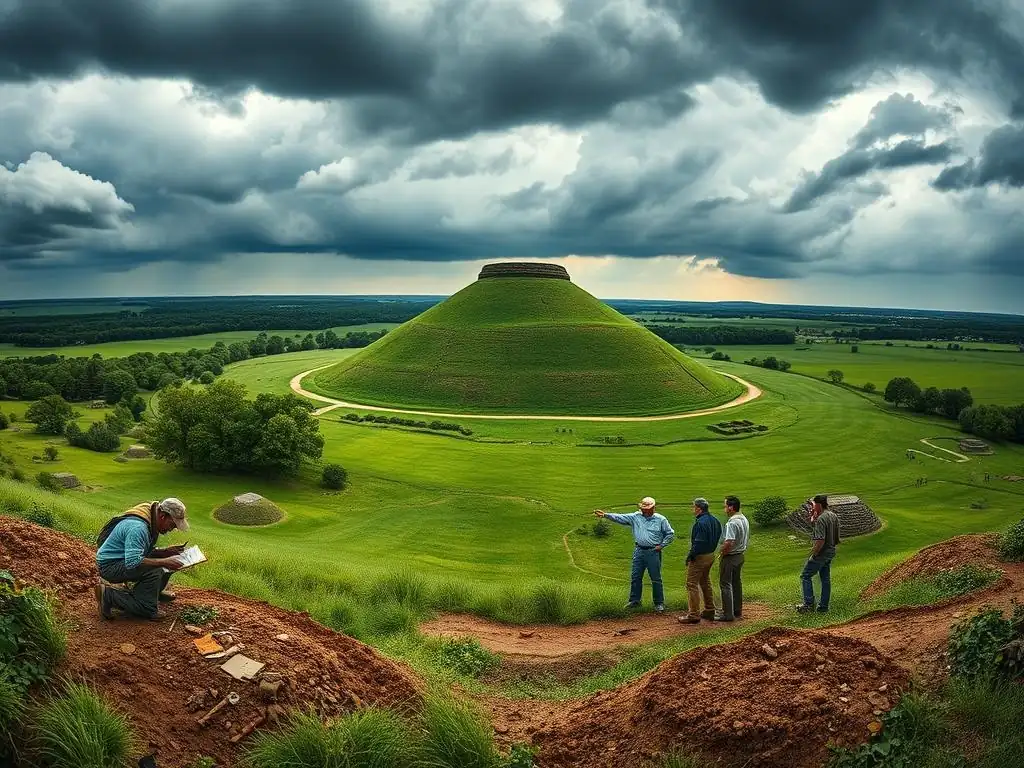
Welcome to Indigenous Civilizations of the Americas, where we embark on a captivating journey through the rich tapestry of pre-colonial cultures that flourished across the continent. Today, we invite you to delve into the intriguing world of the Cahokia civilization, exploring the theories and evidence surrounding its dramatic decline. What factors led to the fall of this once-mighty society? As you navigate through our detailed insights, prepare to uncover the mysteries that shaped their legacy and discover the profound impact they left on the Americas. Your exploration begins now—are you ready to unlock the secrets of Cahokia?
Introduction to the Cahokia Civilization
The Cahokia civilization, once a bustling metropolis located near present-day St. Louis, Missouri, stands as a testament to the ingenuity and complexity of indigenous cultures in pre-Columbian North America. This ancient city, peaking around 1050 to 1200 CE, was home to tens of thousands of inhabitants and featured an intricate network of earthen mounds, urban planning, and a vibrant social structure.
However, the eventual decline of Cahokia raises critical questions about the factors that contributed to its fall. Understanding the theories and evidence surrounding the Cahokia civilization decline theories not only sheds light on the fate of this remarkable society but also offers insights into the broader patterns of indigenous civilizations in the Americas.
Overview of Cahokia Culture and Society
Cahokia emerged as a powerful center of trade and culture, characterized by its impressive architecture and sophisticated societal organization. The city was known for its massive earthen mounds, such as the iconic Monk's Mound, which served as ceremonial and political hubs. Cahokia's society was marked by:
- Social Stratification: A hierarchical structure with leaders, priests, and commoners.
- Economic Systems: A vibrant trade network that extended across vast distances, exchanging goods such as shells, copper, and agricultural products.
- Cultural Practices: Rituals and ceremonies that played a significant role in community life, integrating spirituality with daily activities.
The Cahokia culture exemplified the complexity of indigenous societies, showcasing their ability to adapt and thrive in diverse environments.
Significance of Cahokia in Indigenous History
Cahokia holds a crucial place in the narrative of indigenous history in North America. It was not just a cultural epicenter but also a model of urban development and social organization. The civilization's impact can be traced through:
- Influence on Neighboring Societies: Cahokia served as a model for other tribes, influencing their social structures and trade practices.
- Archaeological Legacy: The remnants of Cahokia continue to provide insights into pre-Columbian life, offering archaeologists and historians a rich field of study.
- Cultural Memory: The legacy of Cahokia is evident in the traditions and stories of contemporary Native American tribes, maintaining a connection to their ancestral heritage.
The Rise of Cahokia: Context for Its Decline
Understanding the decline of Cahokia necessitates an exploration of the factors that contributed to its rise. The city's flourishing was a result of various interrelated elements that established it as a dominant force in the region.
Factors Leading to the Flourishing of Cahokia
Several key factors contributed to the rise of Cahokia as a prominent civilization:
- Geographic Advantages: Located at the confluence of major rivers, Cahokia benefited from fertile land, facilitating agriculture and trade.
- Agricultural Innovations: The cultivation of maize, beans, and squash, alongside advanced farming techniques, supported a growing population.
- Trade Networks: Cahokia's strategic position allowed it to become a hub for trade, connecting various indigenous cultures and enabling the exchange of goods and ideas.
These factors collectively fostered an environment where Cahokia could thrive, laying the groundwork for its eventual decline.
Cahokia's Influence on Surrounding Tribes
The influence of Cahokia extended far beyond its borders, shaping the cultural and social dynamics of surrounding tribes. Key aspects of this influence included:
- Cultural Exchange: The city acted as a melting pot for diverse indigenous cultures, facilitating the sharing of technologies, practices, and beliefs.
- Political Alliances: Cahokia's leaders often engaged in diplomatic relations with neighboring tribes, establishing alliances that affected regional politics and trade.
- Religious Practices: The rituals and ceremonies of Cahokia had a profound impact on the spiritual lives of surrounding tribes, many of whom adopted similar practices.
As we delve deeper into the theories and evidence surrounding the decline of the Cahokia civilization, it becomes essential to consider these foundational elements that contributed to its rise and the subsequent challenges that led to its fall.
Theories Surrounding the Decline of Cahokia Civilization
The decline of the Cahokia civilization, once a thriving urban center near present-day St. Louis, Missouri, has sparked considerable debate among historians and archaeologists. Various theories have emerged to explain the multifaceted causes behind this significant cultural collapse. Scholars generally point to a combination of environmental, socio-political, and health-related factors that contributed to the decline of this once-great civilization. Understanding these theories is essential in piecing together the complex narrative of Cahokia's rise and fall.
Environmental Factors Contributing to Decline
One prominent theory regarding the decline of the Cahokia civilization involves environmental degradation. As the population grew, the demand for resources escalated, leading to deforestation and soil depletion. Agricultural practices, particularly the reliance on maize cultivation, may have strained the local ecosystem. This environmental stress could have resulted in reduced agricultural yields, leading to food shortages.
Additionally, climate change is believed to have played a crucial role. Evidence suggests that Cahokia experienced periods of drought, which could have exacerbated agricultural failures. Shifts in weather patterns would have had a profound impact on the community's ability to sustain its population, ultimately contributing to societal instability.
Socio-Political Factors in Cahokia's Fall
Cahokia's decline can also be attributed to internal socio-political dynamics. As the civilization expanded, it is likely that wealth and power became increasingly concentrated among a few elite leaders. This concentration of power may have led to social strife and conflict among different factions within the society.
Moreover, the potential for increased warfare with neighboring tribes could have destabilized the region. These conflicts would not only drain resources but could also incite fear and discontent among the populace. The resulting social fragmentation may have weakened communal bonds, further contributing to the decline of Cahokia.
Health and Disease: A Hidden Factor
Another theory that has gained traction in recent years concerns the impact of health and disease on the Cahokia civilization. As the population density increased, so did the risk of infectious diseases. Outbreaks of illness could have decimated the population, leading to labor shortages and disruptions in agriculture.
Archaeological evidence of mass burials suggests that disease may have played a significant role in population decline. This factor, often overshadowed by environmental and socio-political theories, highlights the complex interplay of health crises in the decline of Cahokia. The cumulative effects of these health challenges could have compounded existing vulnerabilities, hastening the civilization's fall.
Archaeological Evidence of Cahokia's Decline
Archaeological research has provided critical insights into the decline of the Cahokia civilization. Key excavations have unearthed artifacts and structures that reflect the societal changes occurring during this period of decline. These findings not only illuminate the daily lives of Cahokians but also offer tangible evidence of the broader factors at play in their eventual collapse.
Key Excavations and Findings
Numerous archaeological sites around Cahokia have yielded artifacts that illustrate the civilization's decline. Excavations at sites such as Monk's Mound and various residential areas have uncovered evidence of reduced building activity, suggesting a waning population. Additionally, the presence of smaller and less complex structures indicates a shift away from the monumental architecture that characterized Cahokia at its height.
Artifacts related to trade and economic activity also reveal a significant decline. The scarcity of luxury goods and a decrease in trade networks point to the diminishing influence of Cahokia on the regional economy. These findings collectively underscore the deterioration of social and economic structures that once supported this great civilization.
Artifacts Reflecting Social Change
Artifacts excavated from Cahokia sites further reflect the social changes experienced during its decline. Items such as pottery, tools, and ornaments show a marked simplification in design and craftsmanship. This decline in artistic expression could indicate a loss of cultural cohesion and identity among the Cahokian people.
Moreover, the discovery of burial practices that differ from previous norms suggests shifts in social hierarchies. The lack of elaborate grave goods in later burials may indicate a democratization of burial practices, reflecting a society grappling with change and uncertainty. Such evidence illuminates the profound social transformations that accompanied the decline of the Cahokia civilization, revealing insights into the challenges faced by its inhabitants as they navigated a tumultuous period in their history.
Comparative Analysis: Cahokia and Other Indigenous Civilizations
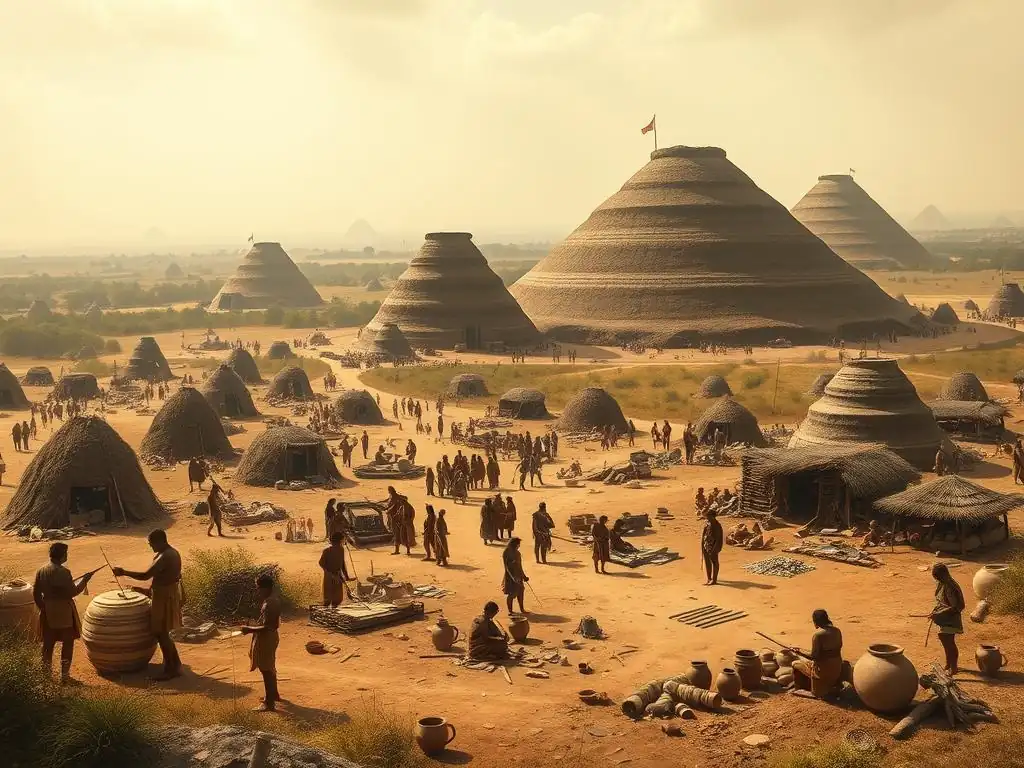
The decline of the Cahokia civilization, located near modern-day St. Louis, Missouri, prompts a fascinating comparative analysis with other indigenous civilizations across the Americas. This examination reveals both shared patterns and unique characteristics that can deepen our understanding of the factors leading to sociopolitical and economic transformations in these societies.
Similarities with Other Declining Civilizations
Many indigenous civilizations experienced declines due to a combination of environmental, social, and political factors. For instance, the Maya civilization faced significant challenges from resource depletion, climate change, and internal strife. Similarly, Cahokia's decline may be attributed to:
- Environmental Changes: Just as the Maya encountered prolonged droughts, Cahokia likely faced shifts in climate that impacted agricultural yields. This would have placed immense pressure on their complex society, which relied heavily on maize agriculture.
- Social Stratification and Conflict: As seen in the decline of the Inca Empire, increasing social inequality can lead to internal conflict. Cahokia, with its large population and hierarchical structure, may have experienced similar tensions that contributed to its downfall.
- Trade Disruptions: The decline of the Hohokam civilization in the Southwest was linked to disruptions in trade networks and water management systems. Cahokia was a major trade hub, and any disruptions in trade routes could have had catastrophic effects on its economy and social stability.
These similarities highlight the broader patterns of decline experienced by complex societies in the Americas, emphasizing that Cahokia's challenges were not unique but part of a larger narrative of indigenous civilizations.
Unique Aspects of Cahokia's Decline
While Cahokia shares similarities with other declining civilizations, its decline also presents unique aspects that warrant further exploration:
- Urbanization and Overpopulation: Cahokia was one of the largest urban centers in pre-Columbian North America, with a population that may have peaked at over 20,000. The strain on resources from such high population density may have been more acute than in other civilizations, leading to rapid depletion of natural resources.
- Monumental Architecture and Ritual Practices: The construction of massive earthworks, including the iconic Monk's Mound, reflects a society deeply invested in religious and political structures. The decline of these monumental practices may have signaled a shift in societal values or a loss of political cohesion, which is less commonly documented in the histories of other civilizations.
- Geopolitical Factors: The Cahokia civilization existed within a complex network of neighboring cultures. Changes in political alliances or conflicts with neighboring tribes could have accelerated its decline, a factor that is often less emphasized in analyses of other civilizations.
These unique aspects suggest that while Cahokia's decline may align with broader patterns of indigenous societal collapse, it also embodies specific conditions that shaped its trajectory.
Conclusion: Understanding the Fall of Cahokia
The fall of Cahokia serves as a poignant reminder of the complexities that define the histories of indigenous civilizations in the Americas. Understanding its decline requires a nuanced examination of the interwoven factors that contributed to its eventual collapse.
Summary of Key Theories and Evidence
A variety of theories have emerged to explain the decline of the Cahokia civilization, including:
- Environmental Degradation: Evidence indicates that over-farming and deforestation may have led to soil depletion, significantly impacting agricultural productivity.
- Climate Change: Paleoclimatic data suggests that periods of drought coincided with Cahokia's decline, creating additional stress on an already struggling society.
- Social Unrest: Archaeological findings point to signs of conflict and social upheaval, indicating that internal strife may have played a crucial role in weakening the societal fabric of Cahokia.
These theories, supported by archaeological evidence and environmental studies, paint a multifaceted picture of how and why Cahokia fell.
Implications for Understanding Indigenous Civilizations
The decline of Cahokia offers critical insights into the resilience and vulnerabilities of indigenous civilizations. It underscores the importance of:
- Interconnectedness of Societies: The interactions between different groups across the Americas reveal a complex tapestry of cultural exchange, trade, and conflict that shaped their histories.
- Environmental Stewardship: Understanding how environmental factors influenced Cahokia’s decline highlights the importance of sustainable practices among civilizations, a lesson that resonates today as contemporary societies grapple with climate change.
- Historical Contextualization: Analyzing the decline of Cahokia within the broader context of indigenous history fosters a more comprehensive understanding of the diverse experiences and legacies of Native American cultures.
While the decline of Cahokia reflects common themes seen across the Americas, its unique characteristics and the lessons derived from its fall offer valuable perspectives on the resilience and adaptability of indigenous civilizations.
Further Research and Exploration
The decline of the Cahokia civilization remains a topic of significant interest among historians, archaeologists, and anthropologists. Ongoing research continues to shed light on the multifaceted reasons behind this great civilization's fall. Scholars are increasingly utilizing interdisciplinary approaches, combining archaeological evidence with ecological studies, historical records, and ethnographic comparisons to understand the complexities surrounding Cahokia's decline.
Research findings suggest that environmental factors, such as climate change and resource depletion, played crucial roles in the challenges faced by the Cahokians. Additionally, the study of social structures and inter-community relationships provides insights into how internal conflicts may have contributed to the civilization's downfall. Scholars are also exploring the impact of European contact and the subsequent changes in trade networks which may have further exacerbated existing vulnerabilities within Cahokia.
To gain a more comprehensive understanding, researchers advocate for deeper exploration into lesser-known sites associated with Cahokia, as well as a comparative analysis of other contemporaneous cultures across the Americas. This exploration may reveal shared traits or divergent paths that could help clarify the factors leading to the decline of Cahokia.
Recommended Reading on Cahokia Civilization Decline
For those interested in delving deeper into the theories and evidence surrounding the decline of the Cahokia civilization, the following texts are highly recommended:
- "Cahokia: Ancient America's Great City on the Mississippi" by Timothy R. Pauketat
- This book provides an in-depth exploration of Cahokia's rise and fall, analyzing the socio-political and environmental factors at play.
- "The Cahokia Atlas: A Historical Atlas of the Cahokia Culture" by Charles E. Orser Jr.
- A comprehensive atlas that offers maps, illustrations, and discussions on the archaeological findings related to Cahokia.
- "The Archaeology of the Native American Experience" by Robert F. Heizer
- This work places Cahokia within the broader context of Native American history, offering insights into its significance and decline.
- "Collapse: How Societies Choose to Fail or Succeed" by Jared Diamond
- Although not solely focused on Cahokia, Diamond's analysis of societal collapses includes valuable lessons applicable to understanding the factors leading to Cahokia's decline.
- "Cahokia and the Hinterlands: Middle Mississippian Cultures of the Midwest" by Thomas E. Emerson and R. Barry Lewis
- This book examines the cultural context of Cahokia, exploring how interconnected communities influenced its decline.
These texts collectively offer a rich foundation for understanding the complexities surrounding the Cahokia civilization decline theories.
Ongoing Archaeological Projects Related to Cahokia
Current archaeological projects are crucial in uncovering more about the Cahokia civilization and its decline. Some noteworthy endeavors include:
-
Cahokia Mounds State Historic Site Research:
Archaeologists are conducting extensive excavations at the Cahokia Mounds site to gather more evidence on the urban planning, social structures, and economic activities of the Cahokians. These excavations aim to identify patterns that may indicate reasons for societal stress or collapse.
-
Remote Sensing Surveys:
Utilizing modern technology such as LiDAR (Light Detection and Ranging), researchers are mapping the landscape around Cahokia to identify previously unknown structures and settlement patterns. This method allows for a better understanding of how the environment was utilized and modified over time.
-
Paleoenvironmental Studies:
Projects focusing on sediment analysis and pollen studies help reconstruct past climates and ecological conditions. Understanding how environmental changes impacted agricultural practices can provide insights into the sustainability of Cahokia and its eventual decline.
-
Cultural Resource Management (CRM) Initiatives:
Ongoing CRM initiatives aim to protect and study archaeological sites throughout the Mississippi River Valley. These projects often involve collaboration with local Indigenous communities, emphasizing the importance of cultural heritage and historical context in understanding the decline of Cahokia.
-
Interdisciplinary Collaborations:
Researchers from various fields are collaborating to analyze data from archaeological digs, historical records, and environmental studies. This holistic approach aims to piece together a more comprehensive narrative of Cahokia's decline, considering both human and environmental factors.
These ongoing projects are vital for increasing our understanding of the Cahokia civilization and contribute significantly to the discourse surrounding its decline, ultimately refining the theories associated with this once-great society.
- Introduction to the Cahokia Civilization
- The Rise of Cahokia: Context for Its Decline
- Theories Surrounding the Decline of Cahokia Civilization
- Archaeological Evidence of Cahokia's Decline
- Comparative Analysis: Cahokia and Other Indigenous Civilizations
- Conclusion: Understanding the Fall of Cahokia
- Further Research and Exploration
Frequently Asked Questions
What is the Cahokia civilization known for?
The Cahokia civilization was a prominent pre-Columbian society located in present-day Illinois, renowned for its large earthen mounds, complex social structures, and extensive trade networks.
What are some theories regarding the decline of Cahokia?
Several theories have been proposed, including environmental degradation, resource depletion, social upheaval, and political conflict, which may have contributed to the civilization's decline.
How did European colonization affect indigenous cultures like Cahokia?
European colonization introduced new diseases, disrupted trade, and led to territorial conflicts, significantly impacting the survival and culture of indigenous peoples, including those from the Cahokia civilization.
What evidence supports the theories of Cahokia's decline?
Archaeological findings, such as changes in settlement patterns, population decline, and signs of resource scarcity, provide evidence that supports various theories about the collapse of the Cahokia civilization.
Why is studying the Cahokia civilization important today?
Understanding the Cahokia civilization helps to illuminate the rich history of indigenous cultures in the Americas and their resilience, which informs current discussions about cultural heritage and sustainability.
Final Reflection: Understanding the Lessons from the Decline of Cahokia
The decline of the Cahokia civilization serves as a poignant reminder of the fragility of even the most advanced societies. As we delve into the various theories and evidence surrounding their fall, we uncover not only the historical intricacies but also the pressing relevance of these lessons in our contemporary world. The rise and fall of such a remarkable civilization compel us to reflect on our own societal structures and the sustainability of our modern advancements.
Cahokia's legacy continues to resonate in our cultural and social landscapes, urging us to recognize the interconnectedness of human actions and environmental consequences. The theories surrounding its decline—be it climate change, resource depletion, or social upheaval—highlight the importance of adaptability and foresight in governance and community planning. Those who cannot remember the past are condemned to repeat it.
This quote encapsulates the essence of understanding Cahokia's story; it is not merely a historical account but a cautionary tale that echoes through time.
As we conclude our exploration of the Cahokia civilization's decline, I invite you to reflect on your own role within the broader tapestry of society. Consider how the lessons learned from Cahokia can inspire you to advocate for sustainable practices and community resilience in your own life. By embracing the wisdom of the past, we can work towards a future where civilizations thrive, not merely survive, ensuring that the mistakes of history do not repeat themselves.
Unveil the Mysteries of Cahokia’s Decline!
Thank you for exploring the fascinating journey of Cahokia with us! By diving into the theories and evidence surrounding its fall, you’ve gained valuable insights into one of the great civilizations of the Americas. Now, let’s turn this knowledge into action!
Here’s how you can continue your exploration and make an impact:
- Dive deeper into the topic: Explore scholarly articles and books about prehistoric civilizations to gain broader perspectives on societal shifts.
- Join the conversation: Share this article along with your thoughts on social media to spark discussions about the lessons we can learn from ancient civilizations.
- Visit a local museum or explore virtual exhibits that feature Indigenous history, allowing you to connect with the rich culture and heritage of the Americas.
What do you believe are the most essential lessons we can learn from the rise and fall of civilizations like Cahokia? We’d love to hear your thoughts!