
Earth, Stone, and Wood: Diverse Building Materials in Indigenous Architecture

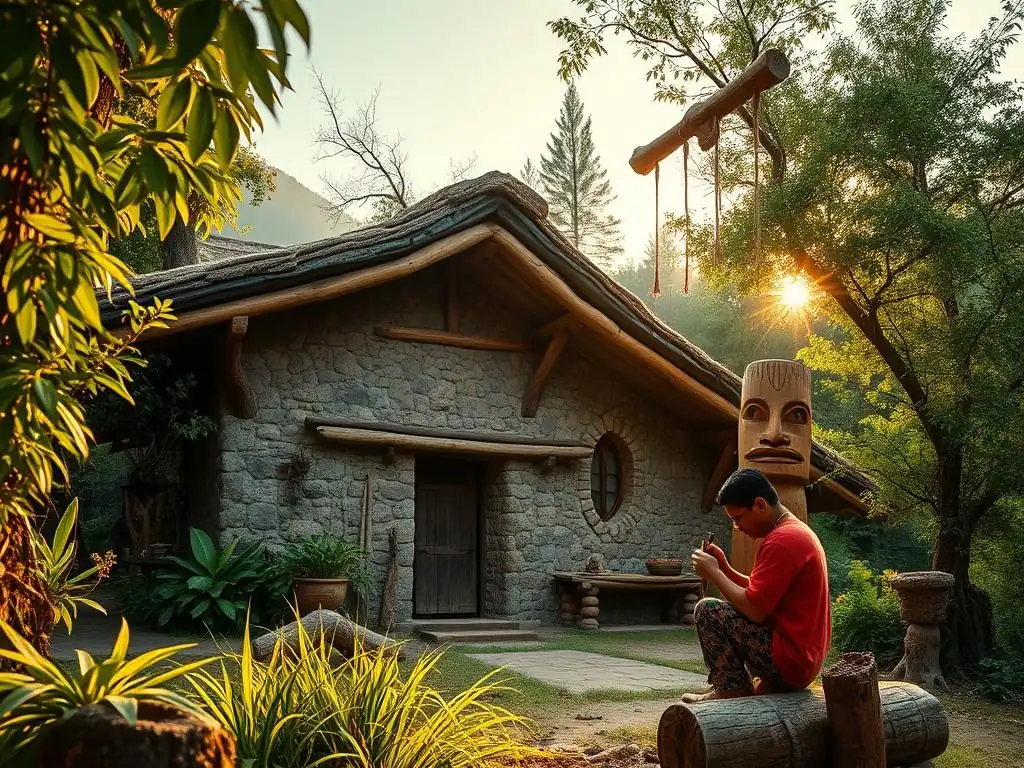
Welcome to Indigenous Civilizations of the Americas, where we invite you to embark on a captivating journey through the rich tapestry of pre-colonial cultures. This exploration highlights the remarkable achievements of indigenous peoples, shedding light on their innovative contributions to architecture, particularly through the lens of indigenous architecture building materials. In our featured article, "Earth, Stone, and Wood: Diverse Building Materials in Indigenous Architecture," you'll uncover how these natural resources shaped not only their structures but also their societies and environments. Prepare to be inspired as you delve deeper into the fascinating legacies of these vibrant civilizations!
- Introduction to Indigenous Architecture Building Materials
- Earth as a Building Material in Indigenous Architecture
- Stone as a Key Material in Indigenous Architecture
- Wood in Indigenous Architecture: An Essential Resource
- Comparative Analysis of Earth, Stone, and Wood in Indigenous Architecture
- Conclusion: The Legacy of Indigenous Architecture Building Materials
- References and Further Reading on Indigenous Architecture Building Materials
-
Frequently Asked Questions
- What are the primary building materials used in indigenous architecture?
- How did the choice of materials reflect the indigenous cultures?
- What are some examples of indigenous architectural styles?
- How did climate influence indigenous building materials?
- What is the significance of indigenous architecture today?
- Final Reflection: Embracing the Wisdom of Indigenous Architecture
- Embrace Indigenous Wisdom and Innovate Today!
Introduction to Indigenous Architecture Building Materials
Indigenous architecture in the Americas is a rich tapestry woven from the diverse cultures, environments, and resources available to various communities before European colonization. The construction techniques and materials used by these civilizations not only reflect their ingenuity but also their deep connection to the land.
In this article, we will explore the primary building materials—earth, stone, and wood—employed in indigenous architecture, examining how these elements were utilized to create structures that met the needs of their societies while harmonizing with their surroundings. By understanding the significance of indigenous architecture building materials, we can appreciate the innovative practices that have shaped the built environment across the Americas and their lasting legacy.
Importance of Building Materials in Indigenous Architecture
Building materials are crucial in defining the architectural identity of indigenous cultures. They not only determine the aesthetic and functional aspects of structures but also reveal the values and practices of the societies that create them. Here are some key points regarding the importance of building materials:
- Cultural Significance: Different materials carry unique meanings and are often linked to cultural traditions, spiritual beliefs, and historical narratives.
- Environmental Adaptation: Indigenous peoples have adapted their architectural practices to the specific climates and landscapes in which they live, utilizing local resources efficiently.
- Sustainability: Many indigenous building materials are renewable and environmentally friendly, showcasing a sustainable approach to construction that respects the earth's resources.
- Technological Innovation: The methods of sourcing and working with these materials highlight the ingenuity and engineering skills of indigenous cultures, reflecting advanced knowledge of their environments.
Overview of Earth, Stone, and Wood in Indigenous Cultures
The use of earth, stone, and wood as primary building materials showcases the diversity of indigenous architectural practices across the Americas. Each material has its own unique properties and applications:
- Earth:
- Adobe: Mixtures of clay and straw were used to create adobe bricks, which provided excellent insulation and durability, particularly in arid regions.
- Rammed Earth: This technique involved compacting soil in forms to create solid walls, commonly seen in structures like the Pueblo homes in the Southwestern United States.
- Stone:
- Masonry: Indigenous cultures, such as the Inca in the Andes, masterfully shaped and positioned stones without mortar, resulting in earthquake-resistant structures that have stood the test of time.
- Carved Stone: Many societies, including the Maya, utilized carved stone in their temples and monuments, reflecting both religious significance and artistic expression.
- Wood:
- Log Construction: Many tribes in the Pacific Northwest used large timber logs to construct longhouses and canoes, showcasing their understanding of wood's properties and versatility.
- Bark and Thatch: In forested regions, materials like tree bark and thatch were used for roofing and wall coverings, providing excellent weather resistance and insulation.
Through these materials, indigenous architecture not only fulfilled practical needs but also served as a canvas for cultural expression and community identity, leaving a profound impact on the architectural landscape of the Americas.
Earth as a Building Material in Indigenous Architecture
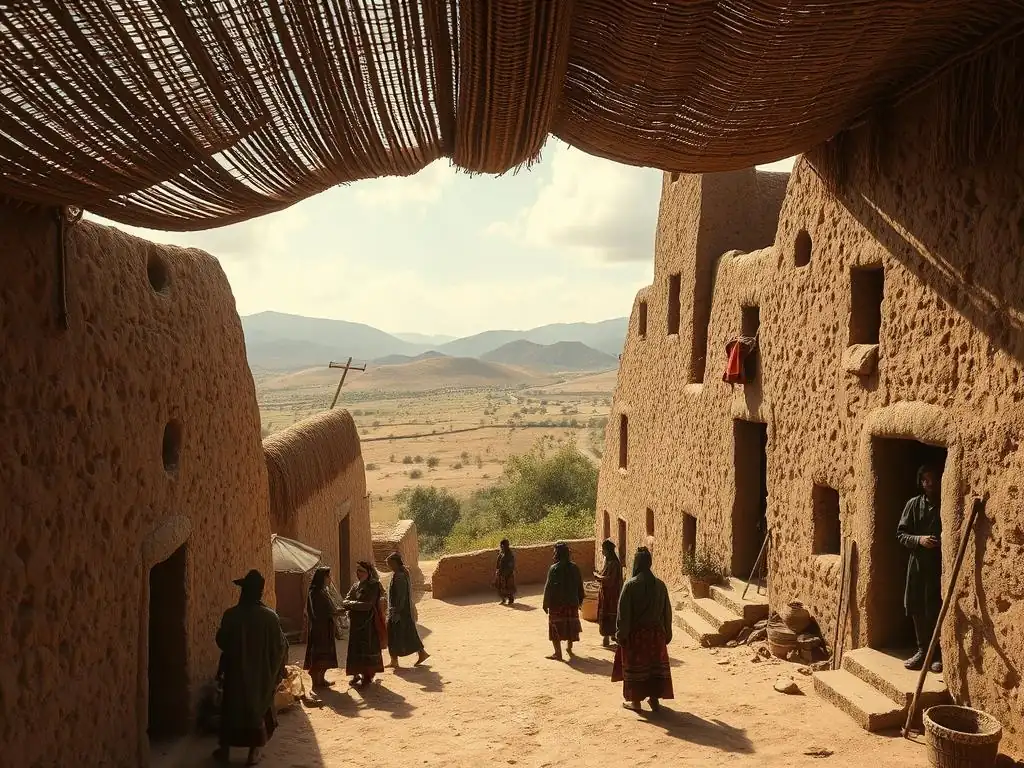
Types of Earth Materials Used
Indigenous architecture has a rich history of utilizing earth as a primary building material, reflecting the environment and culture of various communities. The following types of earth materials are commonly found in indigenous construction:
- Adobe: A mixture of clay, sand, and straw, adobe is formed into bricks and dried in the sun. This material is prevalent in arid regions, providing excellent insulation against heat and cold.
- Cob: Made from a mixture of clay, sand, straw, and water, cob is molded by hand and used to create thick, monolithic walls. Its durability and flexibility make it suitable for various climates.
- Rammed Earth: This technique involves compacting a mixture of soil, gravel, and sand into forms to create solid walls. It is known for its strength and thermal mass, helping to regulate indoor temperatures.
- Clay: Utilized in various forms, clay can be shaped into bricks or used in plasters. Its plasticity allows for intricate designs and finishes, reflecting the artistic heritage of indigenous cultures.
The choice of earth materials often depends on local availability and the specific environmental conditions of each community, showcasing the ingenuity and adaptability of indigenous peoples.
Techniques for Earth Construction
Indigenous communities employed various techniques for constructing with earth, each tailored to their unique needs and environmental contexts. Key techniques include:
- Adobe Construction: This method involves creating sun-dried bricks and stacking them to form walls. The bricks are often covered with a natural plaster for additional protection against the elements.
- Cob Building: In this technique, builders mix earth materials and mold them directly into forms or walls. Cob structures can take on organic shapes, allowing for creative expression in design.
- Rammed Earth Walls: Specialized forms are used to compress layers of earth, creating thick, sturdy walls. This technique is often combined with other materials, such as wood or straw, for structural support.
- Earth Plaster: A finishing technique that involves applying a mixture of clay and sand over walls to protect and insulate. It can also be treated with natural dyes to enhance aesthetic appeal.
- Pise: Similar to rammed earth, this technique involves compacting a clay-sand mixture into forms, but typically uses a slightly wetter mix. Pise structures are often found in regions with high rainfall.
These techniques not only highlight the architectural prowess of indigenous peoples but also their deep connection to the land and sustainable building practices.
Examples of Earth Structures in Indigenous Communities
Numerous indigenous communities have crafted remarkable earth structures that exemplify the diversity and ingenuity of their architecture. Some notable examples include:
- Taos Pueblo (New Mexico): This UNESCO World Heritage site features adobe buildings constructed over a thousand years ago. The multi-storied homes are made from adobe bricks and demonstrate the effectiveness of this material in desert climates.
- The Great Wall of China (Indigenous Contributions): While primarily recognized as a Chinese structure, contributions from various indigenous groups involved the use of rammed earth techniques to fortify sections of the wall, showcasing the blending of indigenous architecture with larger architectural endeavors.
- Kiva Structures (Southwestern United States): These circular, subterranean rooms are constructed using adobe and earth materials. Kivas serve as ceremonial spaces and are indicative of the spiritual and communal practices of indigenous peoples.
- The Qhapaq Ñan (Incan Road System): This extensive network included structures built with rammed earth, showcasing the engineering skills of the Inca civilization. The roads facilitated trade and communication across diverse terrains.
- Mound Builders (Mississippi River Valley): Ancient indigenous communities constructed large earth mounds for ceremonial purposes. These mounds, made from compacted earth, served as platforms for temples and other significant structures.
These examples highlight the enduring legacy of earth as a building material in indigenous architecture, illustrating how communities have adapted their constructions to suit their environment while also reflecting their cultural values and practices.
Advantages of Using Earth in Indigenous Architecture
The use of earth as a building material in indigenous architecture offers numerous benefits that have been recognized and utilized by various cultures across the Americas. These advantages encompass sustainability, thermal performance, availability, and cultural significance.
One of the most prominent advantages of earth as a building material is its sustainability. Earth is a natural resource that is abundant and often locally sourced, reducing the need for transportation and the associated carbon footprint. This local sourcing not only supports the environment but also strengthens community ties as the materials are harvested and used within the same geographical area.
Thermal performance is another significant benefit. Earth has excellent insulating properties, which help in regulating indoor temperatures. Structures made of earth material can stay cool during hot days and warm during cold nights, creating comfortable living environments without the need for additional heating or cooling systems. This natural thermal mass is particularly advantageous in regions with extreme temperature variations.
Furthermore, earth is versatile and can be used in several forms, such as adobe, rammed earth, or cob, allowing for a variety of architectural expressions and styles. Each form can be adapted to suit specific environmental conditions and cultural needs, showcasing the creativity and resourcefulness of indigenous architects.
In addition, the use of earth in construction holds cultural significance for many indigenous communities. Building techniques and styles passed down through generations often reflect the identity and heritage of these cultures, encapsulating their history and traditions. Structures made from earth materials, such as earthen mounds and adobe homes, are not just functional; they symbolize a connection to the land and the ancestors who inhabited it.
Finally, earth as a building material can contribute to affordability. The low cost of raw earth materials makes it an accessible option for many communities, allowing for the construction of homes and communal buildings without the financial burden associated with more modern, industrial materials. This affordability enables indigenous peoples to maintain their architectural traditions while adapting to contemporary needs.
The advantages of using earth in indigenous architecture are multifaceted, encompassing sustainability, thermal efficiency, versatility, cultural significance, and affordability. These qualities have ensured that earth remains a foundational element in the architectural practices of indigenous communities throughout the Americas.
Stone as a Key Material in Indigenous Architecture
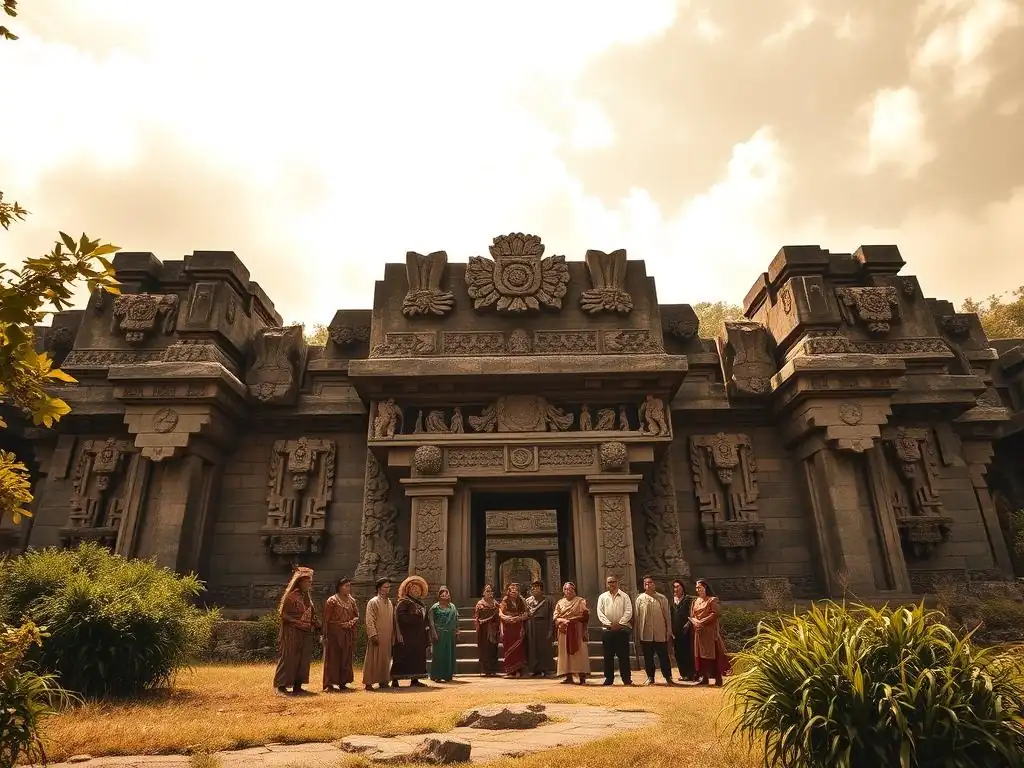
Stone has long served as a fundamental building material for many indigenous cultures across the Americas, prized for its durability, availability, and aesthetic qualities. Its significance is particularly evident in regions where trees were scarce or where the geological landscape offered an abundance of stone resources. The use of stone in indigenous architecture not only reflects practical considerations but also conveys cultural values and beliefs, often embedded within the very structures themselves.
Varieties of Stone Utilized in Indigenous Building
Indigenous architects employed a diverse range of stone types, each chosen for its unique properties and local availability. Commonly utilized stones include:
- Granite: Known for its hardness and durability, granite was often used in monumental structures and ceremonial sites. Its resistance to weathering made it ideal for enduring constructions.
- Limestone: Soft and easier to work with than granite, limestone was popular in regions like the Maya lowlands. It could be carved into intricate designs, making it suitable for decorative purposes.
- Sandstone: This sedimentary rock was favored for its versatility and ease of manipulation. Indigenous peoples often used sandstone for residential and public buildings, particularly in the Southwest United States.
- Volcanic Rock: In areas with volcanic activity, such as parts of Mesoamerica, indigenous architects utilized materials like basalt for constructing solid walls and foundations. Its thermal properties also offered insulation.
The choice of stone often varied not only by region but also by the intended purpose of the structure, reflecting the cultural significance of the building within its community.
Methods of Stone Construction
The techniques employed in stone construction varied widely among indigenous cultures, influenced by local materials and environmental conditions. Key methods included:
- Dry Stone Construction: This ancient technique involved stacking stones without the use of mortar. The precision of fitting stones together allowed for the creation of stable walls and structures. This method was particularly prevalent among the Inca, who constructed extensive networks of walls, terraces, and fortifications.
- Mortared Stone Techniques: In some regions, such as the Maya civilization, builders used mortar made from lime to bond stones together. This technique allowed for greater structural integrity and enabled the construction of more elaborate designs, including arched doorways.
- Carving and Shaping: Indigenous architects often shaped stones to fit specific architectural needs. For instance, the intricate carvings found on temples and monuments demonstrate advanced skills in stoneworking, allowing for both functional and artistic purposes.
- Earth Anchoring: Some indigenous peoples combined stone construction with earthen materials for stability. By embedding stone foundations into the earth, they ensured greater resistance to seismic activity and erosion.
These methods highlight the ingenuity and adaptability of indigenous cultures in utilizing stone as a reliable building material.
Notable Stone Structures in Indigenous Architecture
Several remarkable stone structures exemplify the sophisticated use of indigenous architecture across the Americas:
- Machu Picchu (Peru): This iconic Inca site showcases the masterful use of granite blocks, cut to fit together without mortar. Its terraced layout and agricultural innovations reflect the integration of architecture with the surrounding environment.
- Chichen Itza (Mexico): The Pyramid of Kukulcán exemplifies the use of limestone and showcases intricate carvings that reflect the astronomical knowledge of the Maya. This structure served both ceremonial and astronomical purposes.
- Mesa Verde Cliff Dwellings (Colorado, USA): These structures, built into the cliffs, highlight the use of sandstone and illustrate the Ancestral Puebloans' adaptation to their environment, providing protection from the elements.
- Tikal (Guatemala): The impressive temples and palaces at Tikal demonstrate the Maya's advanced stoneworking techniques, characterized by their monumental scale and detailed carvings.
These structures not only highlight the architectural prowess of indigenous cultures but also their deep connection to the land and their ability to create lasting legacies that continue to inspire awe today.
Benefits of Stone as a Building Material
Stone has been a fundamental building material for many indigenous cultures across the Americas, providing numerous advantages that have contributed to the durability and aesthetic appeal of their architectural works. Here are some key benefits of using stone in indigenous architecture:
-
Durability and Longevity
Stone structures are known for their impressive durability, often lasting for hundreds or even thousands of years. Indigenous communities utilized local stone types, which were well-suited to withstand the elements, ensuring that their buildings remained intact through harsh weather conditions and seismic activities. For instance, the stone edifices of the Inca civilization, such as those found in Machu Picchu, exemplify the lasting nature of this material.
-
Thermal Mass
One of the remarkable properties of stone is its ability to absorb and retain heat. This thermal mass helps regulate indoor temperatures, keeping structures warm during cold nights and cool during hot days. Indigenous builders often took advantage of this property, ensuring comfort within their homes. In regions like the Southwest, the Pueblo people constructed their adobe and stone homes in a manner that maximized the benefits of thermal mass.
-
Natural Aesthetic
Stone offers a unique aesthetic appeal that varies with each type, including colors, textures, and patterns. This natural beauty allowed indigenous architects to create visually stunning structures that harmonized with their surroundings. The use of locally sourced stones enabled these cultures to reflect their environment in their architecture, enhancing the cultural significance of their buildings.
-
Fire Resistance
Stone is inherently fire-resistant, making it an ideal choice for construction in areas prone to wildfires or for structures requiring protection from flames. This characteristic provided safety and security for indigenous peoples, as they often built communal spaces, ceremonial centers, and homes that needed to withstand potential fire hazards.
-
Cultural Significance
The choice of stone was often tied to cultural beliefs and practices. Many indigenous communities revered specific types of stone for their spiritual significance or their association with ancestral traditions. For example, the use of granite or sandstone in specific ceremonial sites can reflect the community's connection to the land and their heritage.
-
Accessibility and Sustainability
Stone was often abundant and locally available, reducing the need for long-distance transportation of materials. This accessibility made it a sustainable choice for indigenous architects, allowing them to minimize their ecological footprint. Additionally, using local stone promoted a strong connection to the community and its resources.
The benefits of stone as a building material in indigenous architecture are multifaceted, enhancing the functionality, sustainability, and cultural resonance of the structures built by these civilizations. From providing durability and fire resistance to facilitating thermal comfort, stone has played a critical role in shaping the architectural legacy of indigenous peoples throughout the Americas.
Wood in Indigenous Architecture: An Essential Resource

Wood has played a crucial role in the architectural practices of many indigenous cultures across the Americas. Its availability, versatility, and workability made it an essential resource for constructing homes, ceremonial structures, and community buildings. Indigenous peoples utilized wood not only for its practical applications but also for its cultural significance, often imbued with spiritual meanings and traditions.
The use of wood in indigenous architecture varied widely depending on local environments, available resources, and cultural practices. For instance, coastal communities often had access to a variety of timber species, while those in forested regions might have relied on specific trees that were abundant in their area. The selection of wood types was often informed by the intended use of the structure, as well as the symbolic meanings attributed to different types of trees.
Types of Wood Commonly Used in Indigenous Cultures
Indigenous cultures across the Americas employed several types of wood, each chosen for its unique characteristics and availability:
- Cedar:
- Highly valued for its resistance to decay and aromatic properties.
- Commonly used by the Pacific Northwest tribes for constructing longhouses, totem poles, and canoes.
- Redwood:
- Known for its durability and strength, this wood was used by tribes in California for various structures.
- Its impressive height and size allowed the construction of large communal buildings.
- Pine:
- Frequently utilized for its abundance in many regions, particularly by tribes in the eastern United States.
- Often used for framing and roofing in longhouses and wigwams.
- Oak:
- Valued for its density and strength, allowing for sturdy construction.
- Used in various applications, including furniture and structural beams.
- Aspen:
- Commonly used for lighter constructions, particularly in the Great Plains.
- Its availability in these regions made it a practical choice for dwellings.
Each type of wood not only contributed to the structural integrity of buildings but also reflected the cultural identity and environmental adaptability of the indigenous peoples.
Wood Construction Techniques and Styles
Indigenous architectural styles utilizing wood are characterized by specific construction techniques that showcase the ingenuity and resourcefulness of these cultures. Some notable techniques include:
- Joinery:
- Many indigenous builders employed sophisticated joinery techniques, such as mortise and tenon joints, to create strong connections between wooden elements without the need for nails.
- This method allowed for flexibility and durability, accommodating the movement of timber due to temperature changes.
- Post-and-Beam Construction:
- This technique involves erecting a framework of vertical posts and horizontal beams, allowing for large open spaces within structures.
- Widely used in longhouses and community centers, this method facilitated communal living and gatherings.
- Thatching and Shingling:
- In areas where wood was plentiful, roofs were often constructed using wooden shingles or thatched with materials like grasses and reeds, providing insulation and protection from the elements.
- The unique patterns and arrangements of shingles often reflected the aesthetic values of the culture.
- Carving and Decoration:
- Indigenous architecture often incorporated intricate carvings and decorations into wooden structures, telling stories or representing cultural symbols.
- These artistic elements not only enhanced the visual appeal of buildings but also served to convey important cultural narratives.
Iconic Wooden Structures in Indigenous Architecture
Several iconic wooden structures exemplify the diverse applications of wood in indigenous architecture throughout the Americas:
- Longhouses:
- Prominent among the Iroquois, these elongated structures housed multiple families and were constructed using a framework of wooden poles covered with bark.
- Longhouses served as centers of community life, reflecting the social organization of the tribes.
- Totem Poles:
- Created by the indigenous peoples of the Pacific Northwest, totem poles are intricately carved wooden structures that convey clan lineages, stories, and spiritual beliefs.
- These poles are often placed at the entrances of villages or significant sites, serving both decorative and communicative purposes.
- Wigwams:
- Used by various tribes in the northeastern United States, wigwams are dome-shaped structures made from a framework of wooden poles covered with bark or mats.
- The design allowed for efficient heating and cooling, adapting well to seasonal changes.
- Chinampas:
- In Mesoamerica, the Aztecs built floating gardens using wooden stakes to support plants, showcasing an innovative use of wood in agricultural architecture.
- This technique not only maximized space but also highlighted the interconnection between architecture and sustainable practices.
Through these structures, indigenous peoples demonstrated their profound understanding of local resources and their ability to create functional, aesthetically pleasing, and culturally meaningful architecture. The legacy of wooden architecture continues to influence contemporary practices and serves as a testament to the ingenuity of indigenous cultures.
Advantages of Wood as a Building Material
Wood has long been a favored building material among various indigenous cultures across the Americas. Its unique properties and availability made it an essential resource for constructing shelters, communal spaces, and ceremonial structures. Here are some of the key advantages of wood in indigenous architecture:
- Sustainability: Wood is a renewable resource, especially when harvested responsibly. Indigenous communities often practiced sustainable forestry techniques, ensuring that trees were cut only when necessary and that new growth was encouraged. This practice allowed them to maintain a balance with nature and minimize their ecological footprint.
- Insulation Properties: Wood is an excellent insulator, providing warmth in colder climates and keeping interiors cool during hot weather. This thermal regulation was crucial for indigenous peoples who relied heavily on their natural environments to create comfortable living conditions.
- Workability: Wood is relatively easy to work with compared to other building materials. Indigenous architects and builders could carve, shape, and join wood using simple tools. This adaptability allowed for a wide variety of designs and structures, from intricately carved totem poles to simple, sturdy longhouses.
- Aesthetic Appeal: The natural beauty of wood, with its diverse colors, textures, and grain patterns, allowed indigenous builders to create visually stunning structures. The incorporation of local wood types added cultural significance to buildings, making them not only functional but also a reflection of the community's identity and heritage.
- Lightweight: Compared to stone or brick, wood is significantly lighter, making it easier to transport and assemble. This characteristic was especially advantageous for mobile tribes or those who needed to construct temporary shelters, such as the nomadic Plains tribes.
- Cultural Significance: Wood often held spiritual and cultural importance in many indigenous societies. Certain trees were considered sacred, and their wood was used in the construction of temples, ceremonial objects, and other culturally significant structures. This connection to the material added layers of meaning to architectural practices.
- Versatile Applications: Wood was utilized for various architectural elements, including framing, roofing, and flooring. It could also be employed for decorative purposes, such as carvings and inlays, enhancing the overall design of the structures.
The advantages of wood as a building material not only facilitated the creation of functional and adaptable living spaces but also played a significant role in the cultural expression and sustainability of indigenous communities. The legacy of these practices continues to influence contemporary architecture and conservation efforts today.
Comparative Analysis of Earth, Stone, and Wood in Indigenous Architecture
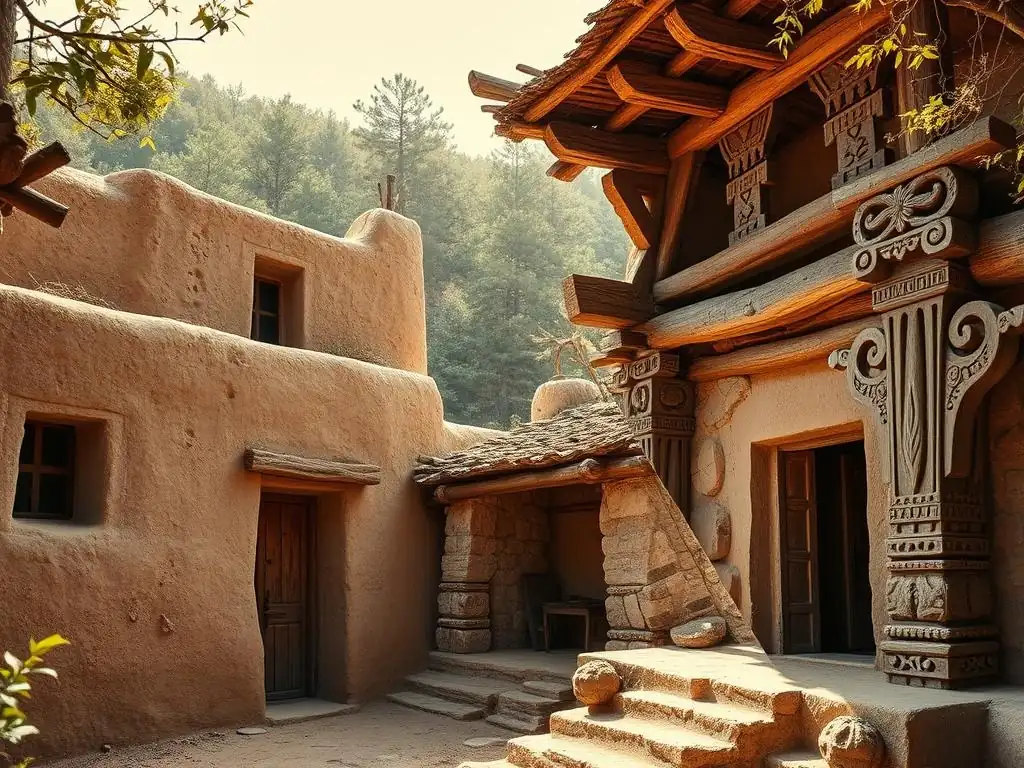
Strengths and Weaknesses of Each Material
Indigenous architecture across the Americas showcases a rich tapestry of building materials, primarily earth, stone, and wood. Each material possesses unique strengths and weaknesses that influenced its use in different cultures and environments.
- Earth:
- Strengths:
- Thermal Mass: Earth structures, such as adobe, regulate indoor temperatures effectively, providing warmth in cold climates and coolness in hot areas.
- Availability: Earth is abundant and can be sourced locally, reducing transportation costs and effort.
- Plasticity: When wet, earth can be easily molded into various shapes, allowing for intricate designs.
- Weaknesses:
- Durability: Earth structures can be susceptible to erosion and require maintenance to withstand heavy rains or floods.
- Insulation: While effective in some climates, earth may not provide adequate insulation in extremely cold environments without additional materials.
- Strengths:
- Stone:
- Strengths:
- Durability: Stone buildings are incredibly robust and have withstood the test of time, exemplified by structures like the Inca's Machu Picchu.
- Fire Resistance: Stone is non-combustible, making it a safe choice in areas prone to wildfires.
- Weaknesses:
- Weight: The heaviness of stone requires a strong foundation, which can complicate construction and increase labor costs.
- Transportation: Quarrying and moving large stone blocks can be labor-intensive and costly, particularly in remote areas.
- Strengths:
- Wood:
- Strengths:
- Flexibility: Wood is a versatile material that can be easily cut and shaped, allowing for creative architectural solutions, such as the longhouses of the Haudenosaunee.
- Sustainability: When sourced responsibly, wood can be a renewable resource, making it an environmentally friendly option.
- Weaknesses:
- Pest Vulnerability: Wood is prone to decay and insect infestation, which can compromise the structural integrity over time.
- Fire Risk: In regions prone to wildfires, wooden structures can be at risk unless treated with fire-retardant materials.
- Strengths:
Cultural Significance of Each Building Material
The choice of building materials in indigenous architecture is deeply intertwined with cultural identity and traditions. Each material not only serves a functional purpose but also carries spiritual and symbolic meanings.
- Earth:
- In many cultures, earth represents fertility and the cycle of life. The use of adobe in Pueblo communities reflects the connection to the land and the importance of agriculture.
- Earth building techniques are often passed down through generations, signifying a cultural legacy tied to ancestral practices.
- Stone:
- Stone structures often symbolize permanence and strength. For civilizations like the Maya and the Inca, temples and pyramids constructed from stone not only served religious purposes but also asserted the power and endurance of their societies.
- The specific types of stone used can also carry cultural significance, with certain stones being revered in spiritual rituals.
- Wood:
- Wood is often associated with life and growth, reflecting the natural world. For example, the totem poles of the Pacific Northwest illustrate stories and lineage, intertwining the material with cultural narratives.
- The craftsmanship involved in creating wooden structures, such as intricate carvings, showcases the artistic expression and identity of the community.
Sustainability and Environmental Considerations
The use of indigenous architecture building materials is also closely linked to sustainability and environmental stewardship, demonstrating a profound respect for the earth.
- Earth:
- Earth construction is inherently sustainable, as it utilizes local materials that have minimal environmental impact. This aligns with the principles of reducing carbon footprints and promoting ecological balance.
- The low energy requirements for creating earth structures further enhance their sustainability profile, as they often need little to no energy-intensive processing.
- Stone:
- Although stone extraction can have environmental consequences, the longevity of stone structures often offsets the initial impact. The energy invested in quarrying is repaid through centuries of use.
- Sustainable practices, such as reusing stone from older structures for new builds, can mitigate negative environmental effects.
- Wood:
- Sustainable forestry practices, including selective logging and replanting, ensure that wood remains a viable building material. Many indigenous cultures have long understood the importance of maintaining forest ecosystems.
- The use of wood in construction also supports biodiversity, as properly managed forests can provide habitats for various species.
Indigenous architecture exemplifies a harmonious relationship with the environment, demonstrating how earth, stone, and wood serve not only as building materials but also as integral components of cultural heritage and sustainability practices.
Conclusion: The Legacy of Indigenous Architecture Building Materials
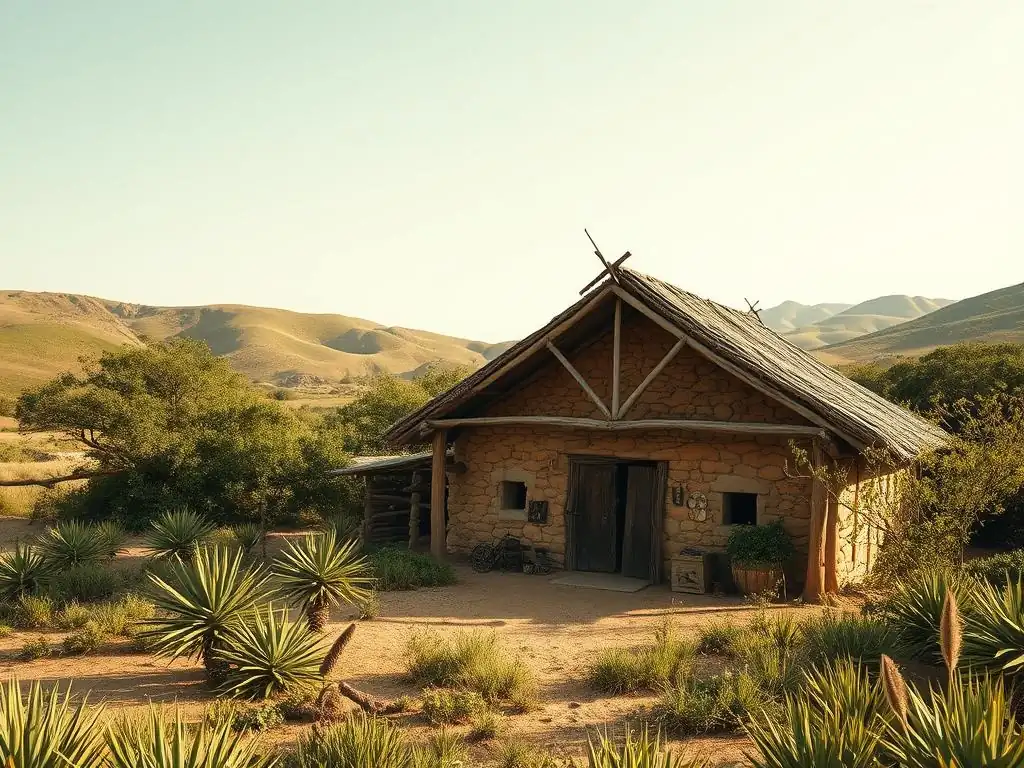
Indigenous architecture building materials, namely earth, stone, and wood, reflect the ingenuity and adaptability of various indigenous cultures throughout the Americas. The legacy of these materials extends beyond their initial use; they symbolize a profound understanding of environmental stewardship, sustainability, and cultural identity. When we analyze the architectural practices of indigenous peoples, we uncover not only their technical skills but also a deep-rooted philosophy that emphasizes harmony with nature.
The use of these materials can be traced back to ancient civilizations, where structures were designed not just for functionality but also to resonate with spiritual beliefs and community values. For instance, the earthen mounds of the Mississippian culture and the stone complexes of the Inca civilization illustrate how indigenous peoples utilized locally available resources to create enduring monuments that reflected their societal structures and cosmologies.
As we move forward, the principles encapsulated in indigenous architecture building materials challenge modern architects to rethink their approach to construction and design. The sustainable methods and ecological considerations inherent in these age-old practices offer valuable lessons for contemporary architecture, encouraging a shift towards more responsible building practices.
Lasting Impact of Earth, Stone, and Wood in Contemporary Architecture
The principles of using earth, stone, and wood in indigenous architecture have had a lasting impact on contemporary design, promoting a return to sustainable building practices. Modern architects are increasingly recognizing the importance of these materials, not only for their environmental benefits but also for their aesthetic and cultural significance.
- Sustainability:
- Indigenous architecture emphasizes the use of locally sourced materials, which reduces the carbon footprint associated with transportation.
- Techniques such as rammed earth construction and adobe building are re-emerging in modern sustainable architecture, showcasing the durability and thermal efficiency of these materials.
- Cultural Relevance:
- Contemporary architects often draw inspiration from indigenous designs, integrating traditional motifs and methods into modern buildings.
- Projects like the National Museum of the American Indian in Washington, D.C., exemplify how indigenous architectural principles can inform contemporary aesthetics while respecting cultural narratives.
- Resilience:
- Structures built with stone and earth have proven to withstand the test of time and natural elements.
- Modern buildings that incorporate these materials often exhibit enhanced resilience in the face of climate change, highlighting the relevance of traditional practices in today’s context.
Future of Indigenous Building Materials in Modern Design
The future of indigenous building materials in modern design is bright, as architects and designers continue to explore ways to integrate these materials into contemporary projects. This trend is driven by a growing recognition of the environmental and cultural significance of indigenous methods.
- Innovative Applications:
- Architects are experimenting with hybrid designs that fuse indigenous building techniques with modern materials, creating unique structures that pay homage to their cultural roots while meeting contemporary needs.
- For example, using bamboo—as practiced by various indigenous groups—alongside modern composites can yield lightweight, yet strong, structures suitable for diverse climates.
- Educational Initiatives:
- Increasingly, architectural programs are incorporating indigenous knowledge into their curricula, fostering a new generation of architects who are aware of and respect these traditions.
- Workshops and collaborative projects with indigenous communities can encourage the sharing of knowledge and techniques, ensuring that these practices are preserved and adapted for future use.
- Policy and Advocacy:
- As conversations around sustainability and cultural preservation grow, there is a call for policies that support the use of indigenous materials and construction methods in public architecture.
- Advocacy for integrating indigenous building materials into government contracts and community projects could lead to broader recognition and use of these sustainable practices.
The legacy of indigenous architecture building materials not only enriches our understanding of historical architectural practices but also offers pathways towards a more sustainable and culturally attuned future in design. By valuing and incorporating these materials, contemporary architecture can create spaces that resonate with both environmental responsibility and cultural identity.
References and Further Reading on Indigenous Architecture Building Materials
Suggested Books and Articles
-
"Indigenous Architecture: A Cultural History" by Robert T. C. McDonald
This book provides an in-depth examination of various indigenous architecture styles across the Americas, focusing on building materials, techniques, and cultural significance. It highlights how local environments influenced architectural choices.
-
"Earth, Wood, and Stone: The Building Materials of Indigenous Peoples" by Linda J. Smith
A comprehensive study that details the specific materials used in indigenous architecture, including clay, timber, and stone. This work explores the sustainability and functionality of these materials in different regions.
-
"The Architecture of the Indigenous Peoples of North America" edited by David G. Campbell
This anthology offers a collection of essays that discuss the diversity of building materials used by various indigenous groups. It emphasizes the connection between material choice and cultural identity.
-
"Constructing the Past: Indigenous Building Materials and Techniques" by Patricia A. Phillips
This article explores various construction methods employed by indigenous cultures, emphasizing how traditional practices have been preserved and adapted over time.
-
"The Significance of Earth in Indigenous Architecture" by T. Ellen White
A scholarly article that focuses on the use of earth as a primary building material in many indigenous cultures, examining its cultural, environmental, and practical implications.
Online Resources for Indigenous Architectural Studies
-
National Park Service: Native American Heritage
A valuable resource that provides access to information regarding indigenous architecture, including case studies on building materials and their historical significance.
-
The Smithsonian Institution: Indigenous Peoples' Architecture
This site offers an extensive digital collection featuring photographs, articles, and videos that showcase various indigenous architectural styles and materials.
-
Native American Architectures: A Cultural Perspective
An online database that catalogs different indigenous architectural forms across North America, including detailed descriptions of the materials used in each style.
-
Indigenous Architecture in the Americas: A Digital Archive
This archive compiles various resources, including journal articles, research papers, and architectural plans that focus on indigenous building practices and the materials integral to them.
-
U.S. Forest Service: Traditional Ecological Knowledge
This site includes insights into the sustainable practices of indigenous peoples, particularly regarding the sourcing and use of building materials from natural resources.
These resources collectively enhance the understanding of indigenous architecture building materials, highlighting the rich diversity and cultural significance of the choices made by indigenous peoples in their architectural practices.
Frequently Asked Questions
What are the primary building materials used in indigenous architecture?
Indigenous architecture commonly utilized earth, stone, and wood as primary building materials. These resources were abundant and suited to the local environments where different cultures thrived.
How did the choice of materials reflect the indigenous cultures?
The choice of materials in indigenous architecture often reflected cultural values and beliefs. For example, using natural resources from the surrounding environment underscored a deep connection to land and sustainability.
What are some examples of indigenous architectural styles?
Examples include the Adobe structures of the Southwest, the longhouses of the Northeastern tribes, and the wigwams of the Great Lakes region. Each style showcases unique adaptations to both climate and available materials.
How did climate influence indigenous building materials?
Climate played a crucial role in determining the appropriate building materials. In cold regions, communities often used stone and wood, while in warmer areas, earth-based materials like adobe were more prevalent for insulation.
What is the significance of indigenous architecture today?
Indigenous architecture is significant today as it represents cultural heritage and innovation. It serves as a source of inspiration for sustainable building practices and helps preserve the history and identity of indigenous peoples.
Final Reflection: Embracing the Wisdom of Indigenous Architecture
The exploration of indigenous architecture building materials—earth, stone, and wood—reminds us of the profound connection between culture and environment. Today, as we face unprecedented challenges related to climate change and sustainability, the wisdom embedded in these traditional practices is more relevant than ever. The use of local materials not only reflects a deep understanding of the land but also promotes a harmonious relationship with nature. We must recognize that these ancient techniques hold the key to a more sustainable future.
The influence of indigenous architecture extends far beyond its physical structures; it shapes our cultural identity and informs our approach to modern design. These materials are not just components of buildings; they are stories, histories, and legacies that connect communities to their heritage. As we continue to see a resurgence in interest towards sustainable practices, we must honor and learn from these traditions. Indigenous knowledge is a treasure that can guide us towards a more sustainable future.
As you reflect on the lessons of indigenous architecture, consider how you can incorporate these principles into your own life. What materials do you choose in your daily life? How can you foster a deeper connection with your environment? By embracing the wisdom of the past, we can create a future that respects both our cultural heritage and the planet. Let this be an invitation to explore, learn, and act—because every choice we make today shapes the world of tomorrow.
Embrace Indigenous Wisdom and Innovate Today!
Thank you for exploring the rich world of Indigenous architecture with us! You've gained valuable insights into how Earth, stone, and wood come together to create sustainable living spaces that honor tradition and nature. Now, it's time to take action and integrate this wisdom into your own life and community.
Here are a few ways you can get involved:
- Reconnect with Nature: Spend a day exploring local natural materials and envision how they can inspire your own building or restoration projects.
- Share Your Knowledge: Engage in conversations with friends and community members about the value of Indigenous architectural practices—consider hosting a workshop or gathering to facilitate this exchange.
- Support Indigenous Artisans: Seek out local Indigenous craftspeople and support their work by purchasing handmade items that reflect traditional materials and techniques.
How can you incorporate ancient architectural practices into modern designs in your own community? We invite you to share your thoughts in the comments!