
Mapping the Heavens: The Role of Astronomy in the Layout of Ancient Indigenous Cities

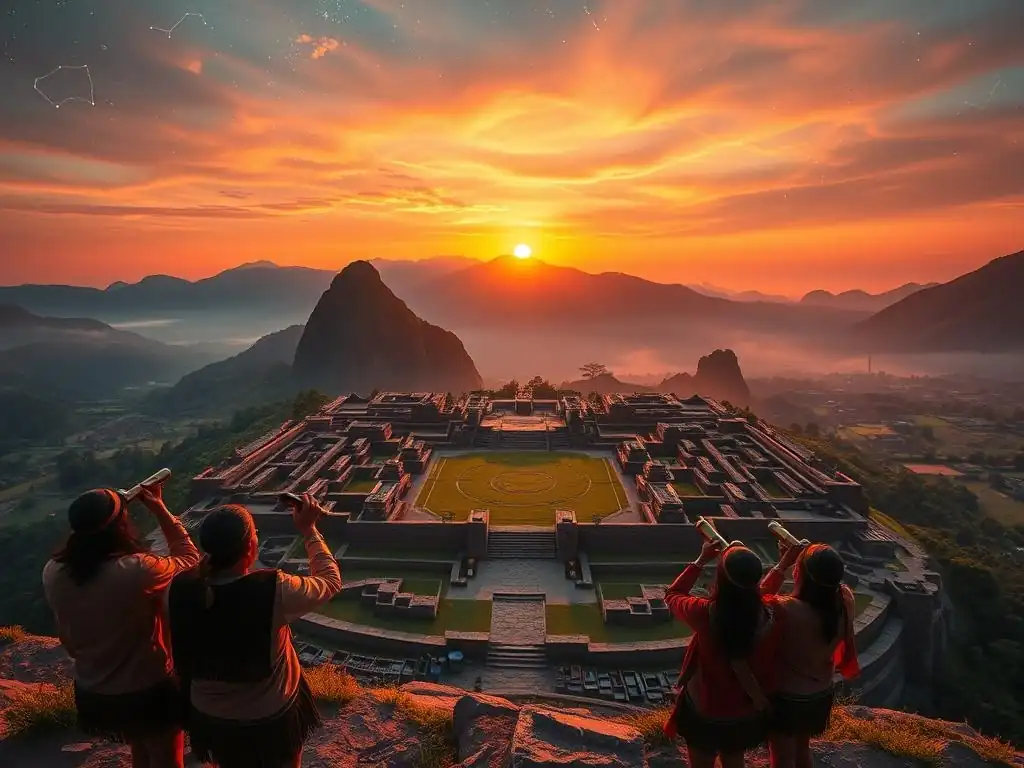
Welcome to Indigenous Civilizations of the Americas, where we embark on a fascinating journey through the rich tapestry of indigenous cultures that flourished long before European contact. Here, we uncover the remarkable achievements and sophisticated societies that shaped the continent. Dive into our featured article, “Mapping the Heavens: The Role of Astronomy in the Layout of Ancient Indigenous Cities,” and discover how ancient indigenous astronomy practices influenced urban design and community life.
What celestial secrets did these civilizations uncover, and how did they intertwine the cosmos with daily existence? Join us as we explore the stars and their significance in the lives of our ancestors, igniting your curiosity to learn more about the profound legacy of these cultures.
The intricate relationship between astronomy and the layout of ancient indigenous cities reveals a profound understanding of celestial patterns and their significance to various cultures across the Americas. This exploration delves into how ancient indigenous astronomy practices shaped not only architectural designs but also societal structures, rituals, and agricultural cycles. By examining the astronomical alignments in their urban planning, we gain insight into the sophisticated knowledge systems and cultural values that defined these civilizations long before European contact. The legacy of these practices continues to resonate, highlighting the enduring connection between humanity and the cosmos.
Introduction to Ancient Indigenous Astronomy Practices
Ancient indigenous astronomy practices were not merely scientific endeavors; they were deeply interwoven with the cultural, spiritual, and everyday lives of numerous societies. From the Maya and Aztecs to the Ancestral Puebloans, these civilizations developed complex frameworks of astronomical knowledge that guided their understanding of the world around them.
Through careful observation of the stars, planets, and seasonal changes, indigenous peoples crafted calendars that dictated agricultural activities, religious ceremonies, and social organization. These practices underscore the significance of celestial phenomena in shaping indigenous identities and worldviews.
Historical Context of Indigenous Astronomical Knowledge
The Development of Astronomy Among Indigenous Cultures
The development of astronomy among indigenous cultures was a cumulative process that spanned centuries. Various groups independently observed and recorded celestial events, leading to the creation of sophisticated systems for tracking time and navigation.
- Maya Civilization: The Maya are renowned for their advanced astronomical knowledge, reflected in their intricate calendar systems, such as the Tzolk'in and the Haab'. They constructed observatories like El Caracol to monitor celestial movements, enabling them to predict solar and lunar eclipses with remarkable accuracy.
- Inca Empire: The Incas utilized the stars to coordinate agricultural activities, aligning their agricultural cycles with celestial events. They revered Inti, the sun god, and constructed temples such as Coricancha that aligned with solar events, emphasizing the divine connection between astronomy and agriculture.
- Mississippian Culture: In North America, the Mississippian culture crafted monumental earthworks that often aligned with celestial bodies. Their chiefdoms, such as Cahokia, featured structures like Woodhenge, which served as solar calendars, marking the solstices and equinoxes.
The Influence of Celestial Bodies on Indigenous Societies
Celestial bodies played a pivotal role in shaping indigenous societies, influencing everything from cosmology to social hierarchies.
- Spiritual Significance: Many indigenous groups viewed celestial bodies as deities or ancestral spirits. The stars served as a guide for rituals, agricultural practices, and navigation. For instance, the Dogon people of Mali, although not in the Americas, exemplify how celestial knowledge can influence cultural practices, highlighting a universal theme among indigenous societies.
- Agricultural Practices: The timing of planting and harvesting was often determined by the positions of celestial bodies. The farming calendars of various cultures were intimately linked to the solar year, ensuring sustainable agricultural practices that were essential for survival.
- Social Organization: The observation of celestial events often resulted in the establishment of social structures. Leaders and priests who possessed astronomical knowledge held significant power, guiding their communities through both practical agricultural cycles and spiritual rituals.
Ancient indigenous astronomy practices were foundational to the way these societies understood their environment and organized their lives, providing a glimpse into the sophisticated worldview that existed long before the arrival of Europeans. The architectural alignments found in their cities stand as testament to this rich legacy, illustrating how closely intertwined their civilizations were with the cosmos.
Architectural Alignments and Celestial Events
Indigenous civilizations across the Americas exhibited remarkable knowledge of astronomy, which profoundly influenced their architectural designs. The alignment of structures with celestial events such as solstices, equinoxes, and lunar cycles was not merely for aesthetic purposes; it held spiritual significance and was integral to agricultural practices, religious ceremonies, and social organization. Ancient Indigenous astronomy practices allowed these cultures to create cities that were not only functional but also resonant with the cosmos, reflecting their understanding of the universe.
The careful consideration of celestial events in urban design can be seen in the orientation of temples, plazas, and residential areas. For instance, many structures were deliberately placed to capture the first light of dawn or mark the setting sun during solstices. This alignment demonstrates a sophisticated comprehension of astronomical cycles and their implications for life on Earth.
Key Features of Astronomical Alignments in Indigenous Architecture
The architectural alignments in Indigenous cultures often incorporated several key features:
- Orientation Towards Celestial Bodies: Structures were frequently aligned with significant celestial events, such as the sun's position at dawn during solstices. For example, the Sun Temple at Tiwanaku is oriented to capture the sun's rays at a specific time of year.
- Use of Shadows: Many Indigenous architects utilized shadows cast by structures to mark important seasonal changes. The shadow of a pillar during equinoxes could indicate farming cycles or ceremonial dates.
- Integration of Natural Landscapes: Indigenous architects often harmonized their constructions with surrounding landscapes, using mountains, rivers, and other natural features to enhance the celestial alignments.
- Symbolism and Rituals: The alignment of buildings also served symbolic purposes, connecting the community with the divine and reinforcing cultural beliefs tied to the cosmos.
These features reveal not only the technical skill of ancient builders but also their deep spiritual relationship with the universe.
Case Studies of Indigenous Cities with Astronomical Layouts
Several ancient Indigenous cities exemplify the integration of astronomical knowledge into urban layouts:
- Teotihuacan: Located in present-day Mexico, Teotihuacan is renowned for its Pyramid of the Sun and Pyramid of the Moon, both of which are aligned with celestial events. The city's layout reflects a grid pattern, possibly designed to correspond with astronomical principles, with major avenues directed toward significant celestial points.
- Chichen Itza: The famous El Castillo (the Temple of Kukulcan) features a staircase that creates a shadow resembling a serpent during the equinoxes, symbolizing the descent of the deity Kukulcan. This alignment illustrates the sophistication of Mayan astronomical practices.
- Cahokia: In the heart of present-day Illinois, Cahokia's Monk's Mound was aligned with the cardinal directions and significant solar events. This city was a hub of trade and culture, with its layout reflecting advanced knowledge of both astronomy and urban planning.
These case studies highlight the diverse ways ancient Indigenous civilizations utilized astronomy in their architectural designs, showcasing their rich cultural heritages.
The Practical Applications of Astronomy in Urban Design
Ancient Indigenous societies did not merely observe celestial events; they actively incorporated this knowledge into their urban design and societal organization. This application of astronomy had practical implications, facilitating agricultural productivity, enhancing community cohesion, and guiding daily activities.
How Astronomy Influenced Urban Planning
Astronomical practices shaped the urban planning of Indigenous cities in several ways:
- Agricultural Cycles: Knowledge of celestial movements allowed Indigenous farmers to time their planting and harvesting with precision. Urban layouts often included communal spaces for agricultural activities aligned with seasonal cycles dictated by the stars.
- Spatial Organization: Cities were designed to reflect cosmological beliefs, with significant structures placed to align with celestial bodies. This organization facilitated navigation and established a clear sense of direction for inhabitants.
- Ceremonial Spaces: The incorporation of astronomical knowledge into ceremonial architecture emphasized the importance of celestial events in social life. These spaces often served as gathering points for rituals that celebrated astronomical phenomena, reinforcing community ties.
The integration of astronomy into urban planning underscores the practical significance of celestial knowledge in shaping the cultural and social dynamics of Indigenous societies.
The Impact of Astronomy on Daily Life in Indigenous Cities
The influence of astronomy permeated daily life in ancient Indigenous cities, affecting various aspects of culture and society:
- Timely Activities: Daily routines, such as agricultural work, ceremonies, and community gatherings, often aligned with celestial events. For instance, the rising or setting of the sun dictated the timing of important activities, ensuring that life was synchronized with the natural world.
- Cultural Identity: Astronomy provided a framework for cultural identity, as celestial events were woven into myths, legends, and rituals. These connections reinforced community bonds and a shared understanding of the universe.
- Navigation and Trade: Knowledge of the stars aided in navigation, particularly for trade routes and seasonal migrations. Indigenous peoples utilized celestial markers, enabling them to traverse vast distances with confidence.
In essence, ancient Indigenous astronomy practices were not isolated disciplines but were intricately woven into the fabric of daily life, influencing everything from agriculture to spiritual beliefs. This profound connection with the cosmos highlights the remarkable achievements of these civilizations and their enduring legacy.
Legacy of Ancient Indigenous Astronomy Practices
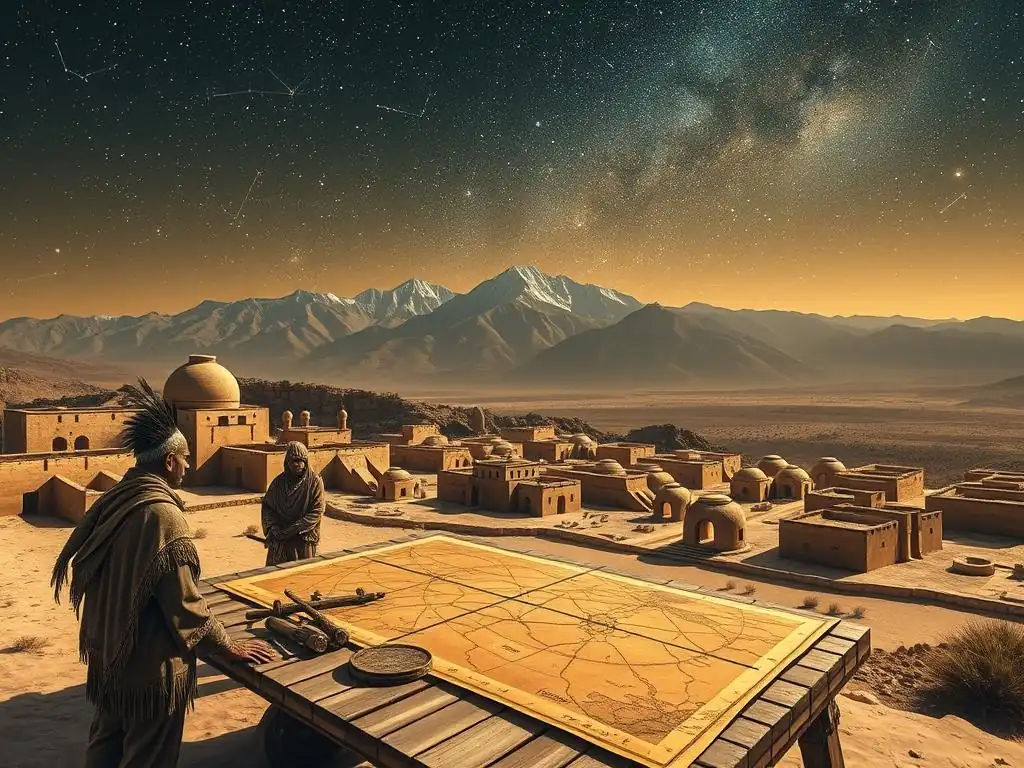
The legacy of ancient indigenous astronomy practices is profound, shaping not only the physical layouts of their cities but also the cultural and spiritual frameworks of their societies. Many civilizations, such as the Maya, Inca, and various North American tribes, intricately wove astronomical observations into their daily lives. They built structures aligned with celestial events, which were both utilitarian and sacred. For instance, the Mayan pyramids were often oriented towards the rising and setting of significant celestial bodies like the sun and Venus. These alignments facilitated agricultural planning and religious practices, showcasing a deep understanding of the cosmos.
Moreover, indigenous astronomical practices were not merely observational; they were also predictive. Many cultures developed calendars based on celestial cycles, which were crucial for determining planting and harvesting times. This integration of astronomy into agriculture reflects a sophisticated grasp of environmental patterns and celestial mechanics. The enduring nature of these practices is evident today, as many indigenous communities continue to honor these astronomical traditions, blending them with modern knowledge and practices.
The Lasting Impact of Indigenous Astronomy on Modern Society
The impact of ancient indigenous astronomy extends into modern society, influencing various fields such as architecture, environmental science, and cultural heritage preservation. Contemporary architects and urban planners often draw inspiration from indigenous practices, recognizing the importance of aligning structures with natural and celestial phenomena. These practices promote sustainability and harmony with the environment, concepts that are increasingly relevant in today’s climate-conscious world.
Furthermore, the revival of indigenous astronomical knowledge has led to a broader appreciation of indigenous cultures and their contributions to science. Educational initiatives that incorporate indigenous perspectives on astronomy foster cross-cultural understanding and respect. For example, planetariums and observatories are beginning to include indigenous star lore in their programming, highlighting the significance of celestial narratives from various cultural viewpoints. This integration helps to bridge the gap between modern scientific understanding and ancient wisdom, enriching the educational landscape.
Reviving Ancient Knowledge in Modern Contexts
Reviving ancient indigenous astronomy in modern contexts involves not only academic inquiry but also community engagement and cultural revitalization. Indigenous scholars and elders play a crucial role in this revival, sharing traditional knowledge that has been passed down through generations. This process often includes the reconstruction of ancient calendars and cosmologies, allowing indigenous youth to reconnect with their heritage.
Programs aimed at teaching indigenous astronomy in schools are becoming more common, helping to instill pride in cultural identity among indigenous students. Workshops, lectures, and cultural events centered around astronomy invite broader communities to learn from indigenous perspectives, fostering respect and appreciation. The revival of these practices also emphasizes the importance of stewardship of the land and sky, encouraging sustainable practices that honor ancestral wisdom.
Conclusion: Reflecting on the Role of Astronomy in Indigenous Civilization
The role of astronomy in indigenous civilization is a testament to the ingenuity and depth of understanding that these cultures possessed. The ancient indigenous astronomy practices not only facilitated survival through agricultural cycles but also enriched their spiritual and cultural landscapes. As we reflect on this legacy, it becomes clear that the insights gained from these practices continue to resonate today.
The ongoing revival of ancient astronomical knowledge serves as a bridge between past and present, offering valuable lessons for contemporary society. By recognizing and honoring these contributions, we can foster a greater appreciation for the diverse ways in which humanity relates to the cosmos. Ultimately, the study of ancient indigenous astronomy practices not only enriches our understanding of history but also inspires a more holistic approach to living in harmony with the natural world.
- Introduction to Ancient Indigenous Astronomy Practices
- Historical Context of Indigenous Astronomical Knowledge
- Architectural Alignments and Celestial Events
- The Practical Applications of Astronomy in Urban Design
- Legacy of Ancient Indigenous Astronomy Practices
- The Lasting Impact of Indigenous Astronomy on Modern Society
- Reviving Ancient Knowledge in Modern Contexts
- Conclusion: Reflecting on the Role of Astronomy in Indigenous Civilization
- What is the significance of ancient indigenous astronomy practices in city planning?
- How did ancient indigenous cultures utilize astronomy for agricultural purposes?
- What tools or methods did ancient civilizations use for astronomical observations?
- Are there any notable ancient indigenous sites linked to astronomy?
- How do modern interpretations of ancient indigenous astronomy practices impact our understanding of their cultures?
Frequently Asked Questions
What is the significance of ancient indigenous astronomy practices in city planning?
Ancient indigenous astronomy practices played a crucial role in the layout and orientation of cities, aligning structures with celestial bodies to enhance spirituality and agriculture.
How did ancient indigenous cultures utilize astronomy for agricultural purposes?
Many ancient indigenous cultures relied on celestial events to determine the timing of planting and harvesting, ensuring optimal crop yields through their deep understanding of seasonal changes.
What tools or methods did ancient civilizations use for astronomical observations?
Ancient indigenous peoples employed a variety of instruments, such as observational mounds and stone structures, to track celestial movements and create calendars based on their findings.
Are there any notable ancient indigenous sites linked to astronomy?
Yes, sites like Chichen Itza and Mesa Verde showcase impressive architectural alignments with celestial events, reflecting the importance of astronomy in their cultural practices.
How do modern interpretations of ancient indigenous astronomy practices impact our understanding of their cultures?
Modern studies of ancient astronomy reveal the sophistication of these civilizations, challenging misconceptions and highlighting their intellectual achievements in science and engineering.
Final Reflection: The Celestial Blueprint of Ancient Indigenous Wisdom
The intricate relationship between ancient indigenous astronomy practices and urban planning reveals a profound understanding of the cosmos that resonates with our current quest for harmony with nature. As we navigate an increasingly complex world, the wisdom embedded in these ancient practices serves as a reminder of the potential for alignment between human habitation and the celestial rhythms that govern our existence. The stars were not merely points of light to ancient civilizations; they were guides, shaping not only their cities but also their cultures and spiritual beliefs.
Cultural landscapes are continually influenced by the legacies of those who came before us, and the astronomical knowledge of ancient indigenous peoples is a testament to their sophisticated understanding of the universe. The alignment of cities with celestial bodies speaks to a deep-rooted connection to the earth and sky, fostering a sense of community and purpose. As noted by renowned anthropologist Dr. John M. Collins, The stars were the first maps, guiding not just the wayfarers but the very foundations of society.
This enduring influence invites us to reflect on how we can integrate these ancient insights into our modern lives, fostering a renewed respect for the environment and our place within it.
As we contemplate the lessons of ancient indigenous astronomy practices, I invite you to consider how you might apply these insights in your own life. Reflect on the ways in which you can cultivate a deeper connection to the natural world and the cosmos, whether through mindfulness, sustainable living, or simply taking a moment to gaze at the stars. Let the celestial wisdom of the past inspire you to create a future that honors both our heritage and the environment, reminding us that we are all part of a grand, interconnected universe.
Unveil the Secrets of the Cosmos in Indigenous City Planning!
Thank you for diving into the fascinating world of astronomy and its pivotal role in shaping ancient indigenous cities. By exploring how celestial observations influenced architecture and urban layouts, you’ve taken a significant step in appreciating the rich heritage of indigenous civilizations. Now it's time to take that knowledge further!
Here are a few ways you can deepen your understanding and engage with this incredible intersection of culture and science:
- Explore local indigenous history: Visit a nearby museum or cultural center to learn how astronomy shaped indigenous architecture in your region.
- Join a community discussion: Share your insights and discoveries in local or online forums that focus on indigenous cultures and their astronomical practices.
- Put your knowledge to the test: Create a mini-project by designing a layout inspired by your findings, incorporating celestial markers.
As you continue your journey of discovery, we’d love to hear from you: How do you believe the ancient understanding of astronomy can inspire modern city planning today?