
From Palaces to Pyramids: The Diversity of Mesoamerican Structures

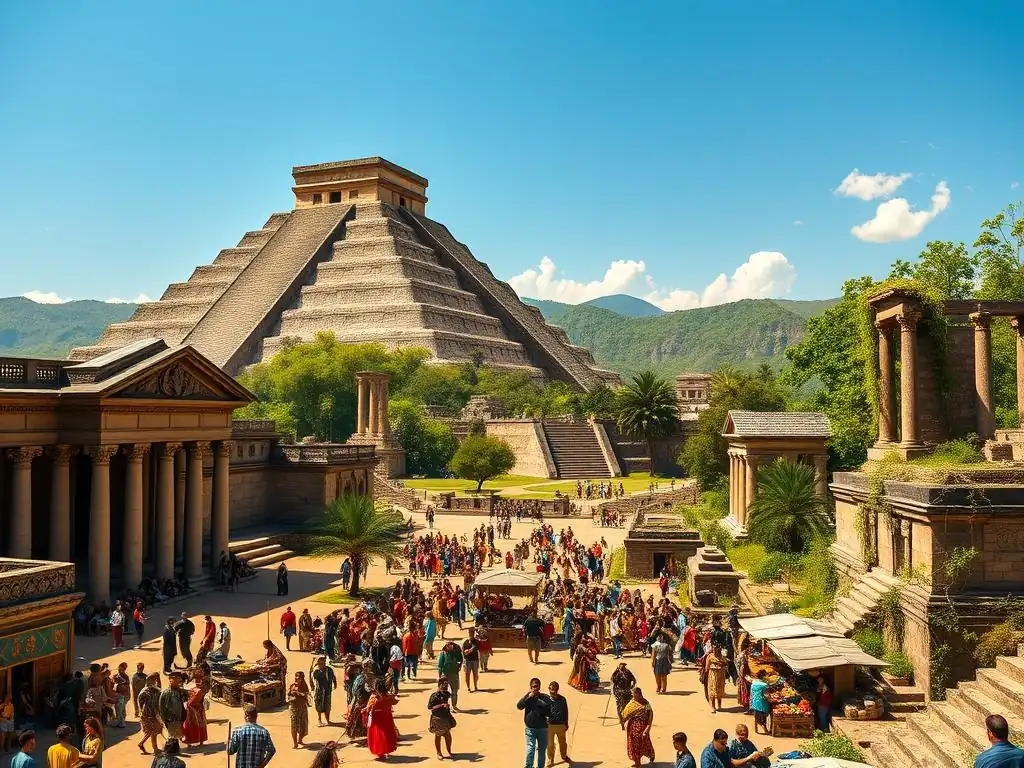
Welcome to Indigenous Civilizations of the Americas, where we embark on a captivating journey through the rich tapestry of pre-colonial cultures that flourished across the continent. In our featured article, “From Palaces to Pyramids: The Diversity of Mesoamerican Structures,” we delve into the remarkable Mesoamerican architectural diversity that showcases the ingenuity and artistry of these ancient civilizations.
Discover how these monumental creations not only reflect their societies' values and beliefs but also laid the groundwork for the cultural legacies that continue to inspire us today. Join us as we unveil the stories behind these architectural marvels and invite you to explore the profound impact of indigenous achievements on our world.
- Introduction to Mesoamerican Architectural Diversity
- Historical Context of Mesoamerican Structures
- Key Features of Mesoamerican Architectural Diversity
- Case Studies of Prominent Mesoamerican Structures
- Regional Variations in Mesoamerican Architecture
- The Lasting Impact of Mesoamerican Architectural Diversity
- Conclusion: Celebrating the Richness of Mesoamerican Architectural Diversity
- Frequently Asked Questions
- Final Reflection: Embracing the Rich Tapestry of Mesoamerican Architectural Diversity
- Unveil the Wonders of Mesoamerican Architecture!
Introduction to Mesoamerican Architectural Diversity
Mesoamerican architectural diversity is a testament to the ingenuity and creativity of the indigenous cultures that flourished in this vibrant region of the Americas. Before the arrival of European colonizers, civilizations such as the Maya, Aztec, and Olmec developed a rich tapestry of architectural styles, reflecting their unique social structures, beliefs, and environmental adaptations.
This article aims to delve into the remarkable variety of structures that define Mesoamerican architecture, from grand palaces to awe-inspiring pyramids, showcasing not only the aesthetic appeal but also the sophisticated engineering and cultural significance behind these edifices. By exploring this diversity, we can gain a deeper understanding of how these ancient societies interacted with their environment and each other, and how their architectural legacies continue to influence contemporary culture.
Overview of Mesoamerican Architecture
Mesoamerican architecture encompasses a wide range of structures, including temples, palaces, ball courts, and plazas, each serving different purposes within these societies. The architectural styles varied significantly across regions and time periods, yet common themes can be identified:
- Materials and Techniques: Indigenous builders primarily utilized locally sourced materials such as limestone, adobe, and volcanic rock. They employed advanced techniques, including corbel arches and intricate stone carving, to create durable and aesthetically pleasing buildings.
- Religious and Ceremonial Significance: Many structures were designed with religious practices in mind. For instance, pyramids often served as temples for worship and ritualistic ceremonies, reflecting the importance of spirituality in Mesoamerican life.
- Civic and Social Structures: The layout of cities often mirrored the social hierarchy, with elite residences and administrative buildings positioned near central plazas, emphasizing the power dynamics within these civilizations.
A comparison of notable Mesoamerican structures reveals the diversity of architectural styles:
| Culture | Notable Structures | Characteristics |
|---|---|---|
| Maya | Tikal Temple I | Stepped pyramids, intricate carvings |
| Aztec | Templo Mayor | Dual temples, extensive use of talud-tablero style |
| Olmec | La Venta | Earthen mounds, colossal head sculptures |
Importance of Architectural Diversity in Indigenous Cultures
The architectural diversity of Mesoamerican cultures holds significant importance for understanding their historical and cultural contexts. Here are some key points that highlight this significance:
- Cultural Identity: Architecture served as a powerful symbol of cultural identity, allowing different groups to express their unique customs, beliefs, and histories. The distinct styles of construction fostered a sense of belonging among community members.
- Technological Innovation: The variety in architectural designs reflects the innovative spirit of Mesoamerican peoples. Their ability to adapt to their environment and utilize available resources led to the development of unique building techniques that have influenced architecture beyond their time.
- Legacy and Influence: The architectural achievements of Mesoamerican civilizations continue to inspire contemporary architecture and cultural practices. Modern designers often draw from the rich heritage of these ancient structures, ensuring their influence persists in current architectural discourse.
Mesoamerican architectural diversity is not merely a reflection of aesthetic preferences but also a crucial element that encapsulates the complexities of indigenous cultures, their achievements, and their enduring legacy. Understanding this diversity allows us to appreciate the rich tapestry of human creativity and innovation that characterized the ancient Americas.
Historical Context of Mesoamerican Structures
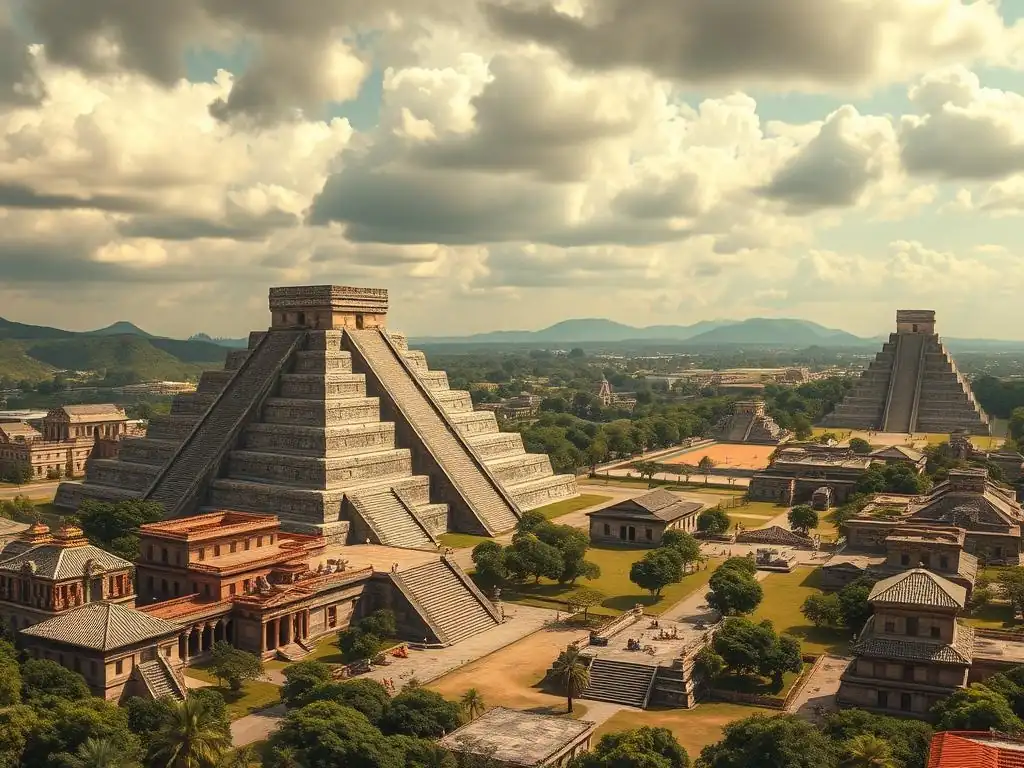
Mesoamerican architectural diversity is a fascinating testament to the ingenuity and adaptability of indigenous cultures. Before the arrival of Europeans, civilizations in this region developed a wide variety of structures that not only served functional purposes but also reflected their rich cultural and spiritual beliefs. Understanding the historical context surrounding these structures is essential to appreciate the complexity and significance of Mesoamerican architecture.
Early Civilizations and Their Architectural Innovations
The early civilizations of Mesoamerica, including the Olmec, Maya, and Aztec, laid the groundwork for architectural advancements that would influence subsequent generations.
-
Olmec Civilization (c. 1200–400 BCE)
Often regarded as the "mother culture" of Mesoamerica, the Olmecs are known for their colossal stone heads and ceremonial centers, such as La Venta. Their use of basalt and the development of platforms and pyramids marked significant architectural innovations. The Olmecs pioneered the construction of complexes that integrated religious, political, and social functions.
-
Maya Civilization (c. 2000 BCE–1500 CE)
The Maya are renowned for their stepped pyramids, such as those at Tikal and Chichén Itzá. They perfected the use of corbel arch techniques, allowing for expansive interior spaces in structures like palaces and temples. The Maya also created elaborate ball courts, showcasing their unique cultural practices. Their architectural achievements included:
- Stelae and Altars: Monumental stone carvings that commemorated rulers and significant events.
- Observatories: Structures like the Caracol at Chichén Itzá, which were used for astronomical observations.
-
Aztec Civilization (c. 1345–1521 CE)
The Aztecs, inheriting and adapting elements from earlier cultures, constructed the grand city of Tenochtitlán, featuring the Templo Mayor, a massive pyramid dedicated to their deities. Their use of adobe and stone enabled the creation of expansive marketplaces and residential structures. The Aztec architectural style was characterized by:
- Massive Temples: Built to honor their gods, often adorned with intricate carvings and sculptures.
- Canals and Causeways: Ingenious urban planning that allowed for efficient transportation and agriculture.
These early civilizations demonstrated an exceptional understanding of engineering and aesthetics, creating structures that not only fulfilled practical needs but also conveyed their cultural values and beliefs.
Influence of Geography on Architectural Styles
Geography played a crucial role in shaping the architectural diversity of Mesoamerican civilizations. The varied landscapes, ranging from highland plateaus to coastal plains, influenced the materials used and the types of structures built.
-
Highland Regions
In areas like the Mexican Plateau, civilizations such as the Mexica (Aztecs) utilized local volcanic stone to construct their monumental architecture. The availability of sturdy materials allowed for the construction of large temples and pyramids. Additionally, the cooler climate in highlands facilitated the development of intricate irrigation systems for agriculture, which supported larger populations.
-
Lowland Regions
The Maya flourished in the tropical rainforests of the Yucatán Peninsula. This environment influenced their construction techniques, leading to the use of limestone and wood. The Maya also developed raised platforms to protect their structures from flooding during the rainy season. Their architectural innovations included:
- Open-Air Spaces: To accommodate the humid climate, many buildings featured open designs, allowing for ventilation.
- Complex Urban Planning: Cities like Palenque and Copán were designed with specific orientations to align with celestial bodies, reflecting their cosmological beliefs.
-
Access to Resources
The proximity to water sources, such as rivers and lakes, allowed for the construction of canals and systems for transportation. This facilitated trade and communication between different regions, leading to the exchange of architectural ideas and styles.
The interplay between geography and architecture in Mesoamerica highlights the adaptability of indigenous peoples and their ability to create structures that harmonized with their environment. Mesoamerican architectural diversity is not merely a reflection of aesthetic choices but an intricate dance between culture, resource availability, and environmental conditions.
Key Features of Mesoamerican Architectural Diversity
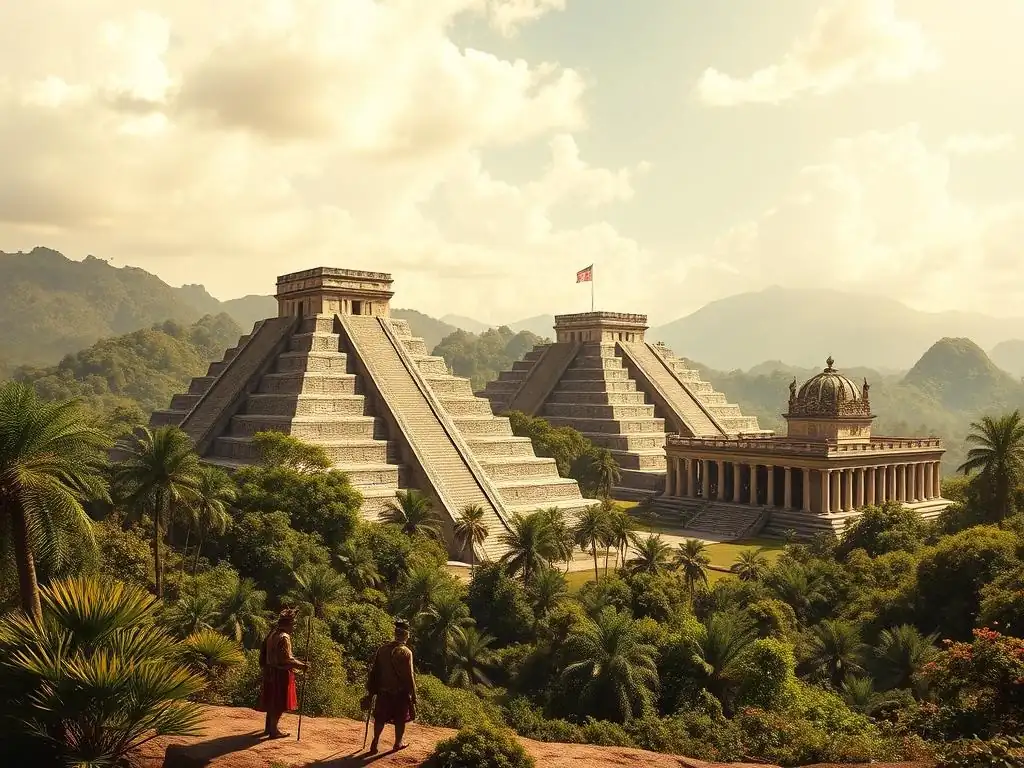
Mesoamerican architectural diversity is characterized by a rich tapestry of structures that reflect the unique cultural, social, and religious practices of various indigenous civilizations. This diversity is evident not only in the types of buildings constructed but also in their spatial organization, artistic expression, and functional purposes. The architectural styles evolved over centuries and were influenced by factors such as geography, available resources, and interactions between different cultures.
Types of Structures: Palaces, Pyramids, and Temples
Mesoamerican architecture showcases a variety of structures, each serving distinct purposes and representing different aspects of the societies that built them. Some of the most prominent types include:
- Palaces:
- Function: Typically served as the residences of rulers and elite classes. They often included administrative areas, ceremonial spaces, and living quarters.
- Examples: The Palace of the Governor in Uxmal features expansive rooms arranged around a central courtyard, showcasing intricate stone masonry and decorative elements.
- Pyramids:
- Function: Often served as monumental platforms for temples and were used for religious ceremonies and rituals.
- Examples: The Pyramid of the Sun in Teotihuacan is one of the largest structures in Mesoamerica, with a base measuring 225 meters (738 feet) on each side, symbolizing the central role of the sun in Mesoamerican cosmology.
- Temples:
- Function: These structures were primarily used for worship and were often located atop pyramids to signify their importance.
- Examples: The Temple of Kukulkan at Chichen Itza, also known as El Castillo, features a stepped design with 91 steps on each of its four sides, symbolizing the 365 days of the year.
Each type of structure embodies specific cultural values and beliefs, showcasing the ingenuity and artistic expression of Mesoamerican civilizations.
Materials and Construction Techniques Used in Mesoamerican Architecture
The construction of Mesoamerican structures relied on locally available materials and advanced techniques that evolved over time. Key materials and methods include:
- Materials:
- Stone: Limestone was the primary building material for many monumental structures, prized for its durability and ease of carving.
- Adobe: Used in residential areas, adobe bricks were made from clay and straw, providing insulation and stability.
- Construction Techniques:
- Corbel Arch: This technique involves stacking stones in a way that creates an arch-like effect, allowing for the construction of larger openings without the use of true arches.
- Platform Construction: Many Mesoamerican buildings were constructed on raised platforms to elevate them above their surroundings, often for ceremonial purposes and to signify their importance.
The selection of materials and construction methods not only affected the durability and appearance of structures but also reflected the technological advancements of the cultures that built them.
Symbolism in Mesoamerican Architectural Designs
Symbolism played a crucial role in the design and layout of Mesoamerican architecture, with many structures embodying religious and cosmological beliefs:
- Orientation and Layout:
- Structures were often aligned with astronomical phenomena, such as solstices and equinoxes, reflecting the importance of celestial events in agricultural and religious calendars.
- Decorative Elements:
- Carvings and murals often depicted deities, mythological scenes, and significant historical events. For instance, the intricate stone carvings at the Temple of the Inscriptions in Palenque tell the story of the ruler Pakal and his divine ancestry.
- Use of Numbers:
- The significance of numbers, particularly the number 4, which represents cardinal directions and the cosmos, influenced the layout of buildings and the number of steps on pyramids.
The layered meanings behind architectural choices illustrate the deep connection between Mesoamerican societies and their environment, beliefs, and social structure. This architectural diversity not only served practical purposes but also acted as a canvas for expressing the rich cultural heritage of indigenous peoples in the Americas.
Case Studies of Prominent Mesoamerican Structures
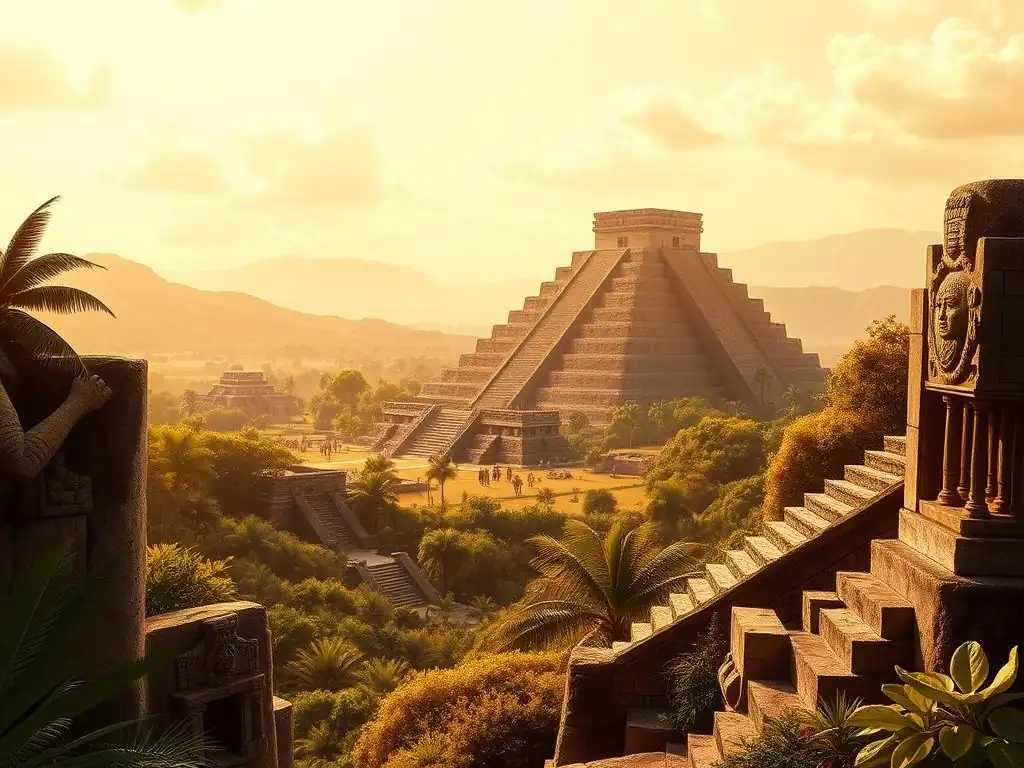
The Great Pyramid of Cholula: A Testament to Scale and Complexity
The Great Pyramid of Cholula, known as Tlachihualtepetl, stands as the largest pyramid by volume in the world, surpassing even the Great Pyramid of Giza. This monumental structure, located in the Puebla Valley of Mexico, exemplifies Mesoamerican architectural diversity through its sheer scale and intricate construction techniques.
- Dimensions and Structure: The pyramid measures approximately 400 meters on each side and is over 66 meters tall. Its construction involved the use of adobe bricks, which were layered and shaped meticulously. The pyramid consists of several layers, each representing different stages of construction, starting around the 3rd century BCE and continuing through the 9th century CE.
- Cultural Significance: Beyond its physical size, the Great Pyramid served as a crucial religious and ceremonial center for the region's inhabitants. It was dedicated to the god Quetzalcoatl and was used for various rituals, including offerings and possibly human sacrifices. The presence of over 400 tombs and numerous artifacts discovered at the site underscores its significance in Mesoamerican spirituality.
- Architectural Techniques: The construction of Cholula involved sophisticated engineering practices, such as the use of multiple platforms, terracing, and retaining walls. These techniques allowed for the pyramid's gradual expansion over centuries, showcasing the builders' advanced understanding of structural integrity and aesthetics.
Teotihuacan: Urban Planning and Architectural Mastery
Teotihuacan, often referred to as the "City of the Gods," is one of the most influential urban centers in Mesoamerican history. Established around 200 CE, its architectural diversity is evident in its urban planning and monumental structures.
- City Layout: The layout of Teotihuacan reflects a meticulously planned urban environment. The city is organized along a central avenue known as the Avenue of the Dead, which stretches for nearly 5 kilometers and is flanked by impressive structures, including the Pyramid of the Sun and the Pyramid of the Moon. This design illustrates a clear understanding of spatial organization and accessibility.
- Monumental Architecture: The city is famous for its massive pyramids and temples, which were constructed using a combination of volcanic stone and clay. The Pyramid of the Sun, one of the largest in the world, rises to about 230 meters and is estimated to contain around 1.1 million cubic meters of material. The precision in alignment and orientation of these structures with astronomical events further demonstrates the architectural mastery of Teotihuacan's builders.
- Cultural Impact: Teotihuacan's architectural achievements influenced numerous cultures across Mesoamerica. The city's decline around the 7th century CE did not diminish its legacy; instead, many subsequent civilizations, including the Aztecs, revered Teotihuacan as a sacred site, further cementing its importance in Mesoamerican architectural history.
Palaces of Monte Albán: Power and Prestige in Architecture
Monte Albán, located in the Oaxaca Valley, serves as a prime example of how architecture reflected power and prestige within Mesoamerican societies. Established around 500 BCE, this ancient Zapotec city showcases a variety of architectural styles and functions.
- Palatial Structures: The palaces of Monte Albán are characterized by their grandiose structures and intricate stone masonry. The North Platform, one of the most significant areas of the site, features several large buildings that served as administrative and residential spaces for the elite. These structures were designed with both practicality and aesthetics in mind, incorporating expansive plazas and terraces.
- Symbolism and Status: The architecture of Monte Albán is imbued with symbolism reflecting the social hierarchy of the Zapotecs. The use of large stone blocks, elaborate carvings, and strategic placement of buildings emphasizes the status of the rulers and their connection to the divine. The Danzantes, carved figures representing dancers and possibly captives, indicate the palace's role in political and ritualistic activities.
- Innovative Techniques: The construction techniques employed at Monte Albán highlight the architectural diversity of Mesoamerica. Builders utilized a unique method of creating terraces on the mountainous terrain, allowing for stability and expansion of the city. The integration of natural elements with architectural design, such as utilizing local stone for construction, showcases the builders' deep understanding of their environment.
The case studies of these prominent Mesoamerican structures illustrate the rich architectural diversity present in the region. Each site reflects distinct cultural values, technological innovations, and social hierarchies, contributing to a broader understanding of Mesoamerican architectural diversity.
Regional Variations in Mesoamerican Architecture
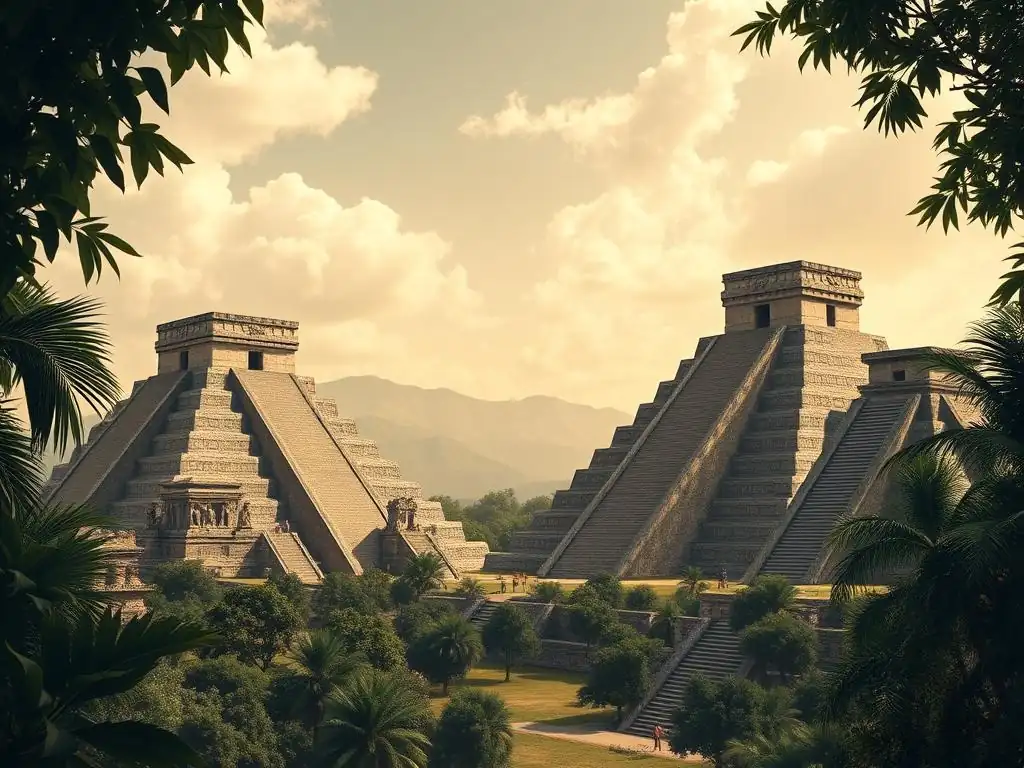
Mesoamerican architectural diversity is an intricate tapestry woven from the unique cultural expressions of various civilizations. Each region showcased distinct building styles, materials, and purposes, reflecting their societal values and environmental contexts. Understanding these regional variations helps to appreciate the complexity and innovation inherent in Mesoamerican architecture.
The Maya: Sophisticated City-States and Monumental Architecture
The Maya civilization, known for its advanced knowledge in mathematics, astronomy, and writing, also excelled in architectural design. Their cities, such as Tikal, Palenque, and Copán, featured monumental structures that served various functions, from administrative centers to religious temples.
- Urban Planning: Maya cities were meticulously planned, with a central plaza surrounded by key structures like pyramids, palaces, and ball courts. This arrangement facilitated both ceremonial activities and civic functions.
- Pyramids: The iconic step pyramids, such as the Temple of the Inscriptions in Palenque, were not only religious centers but also served as burial sites for elite rulers. These structures often featured intricate carvings and hieroglyphics detailing historical events.
- Materials and Techniques: The Maya primarily used limestone for construction, demonstrating advanced techniques in quarrying and masonry. Roofs were often thatched, while walls were adorned with stucco and colorful murals, showcasing their artistic prowess.
The architectural achievements of the Maya reflect their complex social hierarchy and deep spiritual beliefs, making them a significant contributor to Mesoamerican architectural diversity.
The Aztecs: Integration of Religion and Politics in Architecture
The Aztecs, flourishing in the central highlands of Mexico, developed an architectural style that was as much about power and control as it was about spirituality. Their capital, Tenochtitlan, exemplified this integration of religion and politics.
- Temples and Pyramids: The Templo Mayor, a massive double pyramid, was dedicated to the gods Tlaloc and Huitzilopochtli. Its design not only served religious purposes but also symbolized the duality of Aztec life—earthly and divine.
- Public Spaces: Aztec architecture included grand plazas that were central to public life. These spaces hosted ceremonies, marketplaces, and gatherings, reinforcing the community's social structure.
- Innovative Construction: Aztecs utilized a variety of materials, including volcanic stone, to create robust structures. They employed advanced engineering techniques, such as the construction of chinampas (floating gardens) that expanded arable land and contributed to the city’s sustenance.
The architectural style of the Aztecs was a powerful statement of their religious beliefs and political authority, making significant contributions to the overall architectural diversity of Mesoamerica.
The Olmecs: The Foundations of Mesoamerican Architectural Tradition
Often regarded as the "mother culture" of Mesoamerica, the Olmecs set the stage for future civilizations through their architectural innovations. Their works laid the groundwork for the monumental architecture that would later flourish in the region.
- Colossal Heads: The most famous Olmec structures are the colossal stone heads, which are believed to represent rulers. These massive sculptures, carved from basalt, showcase the Olmec's artistry and their emphasis on leadership.
- Ceremonial Centers: Olmec ceremonial sites, such as La Venta and San Lorenzo, featured platforms, mounds, and plazas that were integral to their ritual practices. These sites were often aligned with astronomical events, indicating a sophisticated understanding of celestial movements.
- Influence on Successors: The architectural techniques and styles developed by the Olmecs influenced later Mesoamerican cultures, including the Maya and Aztecs. Their use of stone construction and monumental layout can be seen echoed in the subsequent architectural achievements throughout Mesoamerica.
The Olmecs' early contributions are crucial in understanding the evolution of Mesoamerican architectural diversity, setting a precedent for the grandeur and complexity that would characterize later civilizations.
The Lasting Impact of Mesoamerican Architectural Diversity
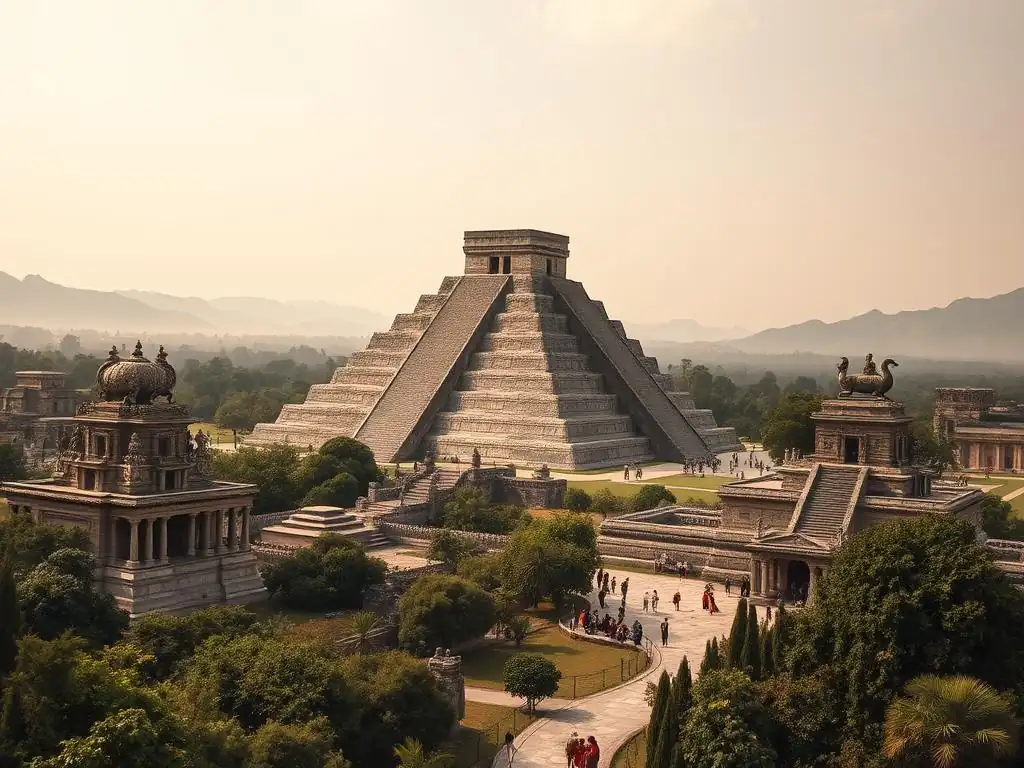
Influence on Later Civilizations and Modern Architecture
Mesoamerican architectural diversity has significantly influenced subsequent civilizations and continues to shape modern architecture. The intricate designs, use of local materials, and innovative construction techniques developed by Mesoamerican cultures like the Maya, Aztec, and Olmec laid foundational principles that resonate through time.
- Cultural Syncretism: The architectural styles of Mesoamerica blended with European influences after the arrival of colonizers. This fusion resulted in unique structures, such as colonial churches that incorporated indigenous motifs and construction methods. For example, the use of adobe in church construction often reflects local traditions, demonstrating a blend of Mesoamerican and European architectural styles.
- Innovative Techniques: The engineering feats achieved in Mesoamerican architecture, such as the construction of large-scale pyramids and palaces, showcased advanced knowledge of geometry and astronomy. These techniques have inspired modern architects who seek to integrate sustainable practices and culturally relevant designs into contemporary buildings. Many modern structures draw inspiration from the spatial organization and aesthetic values evident in ancient Mesoamerican sites.
- Symbolism and Identity: The rich symbolic meanings embedded in Mesoamerican architecture, such as the use of specific geometric shapes and orientations, continue to inform cultural identity and expression in modern societies. Communities often reference these symbols in their architectural designs to honor their heritage and convey their values.
Preservation Efforts for Mesoamerican Structures
Preservation of Mesoamerican architectural diversity is crucial for maintaining cultural heritage and understanding historical significance. Various efforts are underway to protect and restore these structures, ensuring that future generations can appreciate their legacy.
- International Cooperation: Organizations such as UNESCO play a vital role in the preservation of Mesoamerican sites. For instance, the ancient city of Teotihuacan and the ruins of Palenque have been designated as World Heritage Sites, receiving international support for conservation efforts. These initiatives focus on sustainable tourism and community involvement, allowing local populations to benefit from their cultural heritage while preserving it.
- Community Engagement: Local communities are increasingly involved in preservation efforts, recognizing the importance of their history. Educational programs and workshops aim to instill a sense of pride and responsibility among younger generations. By engaging local stakeholders, these initiatives foster stewardship of Mesoamerican sites.
- Research and Technology: Modern technology has enhanced preservation efforts. Techniques such as 3D scanning, drone mapping, and non-invasive excavation methods allow archaeologists and conservators to document and study Mesoamerican structures with unprecedented accuracy. This research not only aids in preservation but also provides valuable insights into ancient construction practices and cultural significance.
Mesoamerican architectural diversity has left an indelible mark on both historical and modern contexts. The influence on later civilizations and contemporary architecture, coupled with ongoing preservation efforts, ensures that the achievements of these ancient cultures will continue to inspire and educate future generations.
Conclusion: Celebrating the Richness of Mesoamerican Architectural Diversity
Mesoamerican architectural diversity is not just a reflection of the various cultures that inhabited this region; it is also a testament to their ingenuity, adaptability, and deep connection to the environment. From the monumental pyramids of the Maya to the intricate palaces of the Aztecs, each structure tells a story of social organization, religious beliefs, and artistic expression that has shaped the identity of indigenous peoples in the Americas.
The architectural achievements of these civilizations were driven by a complex interplay of factors, including geography, culture, and technological innovation. The use of local materials, such as limestone, adobe, and volcanic stone, allowed for the construction of durable and impressive structures that have withstood the test of time. Moreover, the planning of urban centers like Tikal, Teotihuacan, and Tenochtitlan demonstrates advanced knowledge of urban design, with considerations for trade, defense, and community life.
Reflecting on this rich heritage, it is crucial to recognize that these structures are not merely relics of the past; they embody the cultural and spiritual lives of the people who built them. Preserving and studying these sites is essential for understanding the historical context and contributions of indigenous cultures to the broader narrative of human civilization.
Reflection on the Legacy of Indigenous Architecture in the Americas
The legacy of Mesoamerican architecture is profound and multifaceted. It offers insights into the socio-political structures, religious practices, and daily lives of indigenous peoples. For instance, the grandiosity of pyramid structures like the Pyramid of the Sun at Teotihuacan illustrates the power dynamics and religious significance that these sites held within their societies.
Additionally, the artistic elements incorporated into these structures, such as intricate carvings and murals, reveal a rich symbolic language that was foundational to these cultures' identities. The integration of nature into architectural design, seen in many Mesoamerican cities, reflects an understanding of the environment that is increasingly relevant today in discussions about sustainability and ecological design.
As we reflect on this architectural legacy, it is vital to acknowledge the ongoing influence of indigenous practices on contemporary architecture and urban planning. Many modern architects draw inspiration from these ancient designs, emphasizing harmony with nature and community-centered spaces.
Future Directions for Research and Preservation of Mesoamerican Structures
The future of Mesoamerican architectural research and preservation is critical in ensuring that the rich history of these civilizations is not lost to time. Several key areas warrant attention:
- Innovative Preservation Techniques: As climate change poses new threats to archaeological sites, the development of innovative preservation techniques will be essential. For example, the use of advanced materials and methods can help protect structures from erosion and weathering.
- Interdisciplinary Approaches: Collaborations between archaeologists, historians, and indigenous communities can enhance our understanding of these sites. Engaging with the descendants of these civilizations allows for a more nuanced interpretation of architectural significance and cultural practices.
- Digital Documentation: The advent of digital technology provides new opportunities for documenting and preserving Mesoamerican structures. Techniques such as 3D scanning and virtual reality can create accessible records of sites, allowing broader audiences to engage with and learn about these architectural wonders.
- Educational Programs: Increasing awareness and appreciation of Mesoamerican architectural diversity through educational programs can foster a sense of stewardship among younger generations. By emphasizing the cultural significance of these sites, future research and preservation efforts can be better supported.
Celebrating the richness of Mesoamerican architectural diversity not only honors the past but also lays the groundwork for a deeper understanding of present and future cultural landscapes. By investing in research and preservation, we can ensure that the architectural marvels of these ancient civilizations continue to inspire and educate for generations to come.
Frequently Asked Questions
What are Mesoamerican architectural structures?
Mesoamerican architectural structures include a variety of buildings and monuments such as pyramids, palaces, and temples that reflect the diverse cultures of the region.
How did Mesoamerican architecture influence modern design?
Mesoamerican architecture has influenced modern design through its innovative techniques and aesthetic principles, which continue to inspire contemporary architects.
What are some examples of famous Mesoamerican structures?
Famous Mesoamerican structures include the pyramids of Teotihuacan, the temple of Kukulcan at Chichen Itza, and the palaces of Palenque, showcasing extensive architectural diversity.
How did the climate affect Mesoamerican architecture?
The varied climate across Mesoamerica influenced architectural choices, with structures built to withstand heavy rains and tropical conditions, utilizing local materials like stone and adobe.
What role did religion play in Mesoamerican architecture?
Religion played a crucial role, as many structures were built as temples for worship and ceremonial purposes, reflecting the civilization's spiritual beliefs and societal hierarchy.
Final Reflection: Embracing the Rich Tapestry of Mesoamerican Architectural Diversity
In exploring the vast spectrum of Mesoamerican architectural diversity, we uncover not just the ingenuity of ancient civilizations but also their profound connection to the environment and cultural identity. Today, as we navigate a world increasingly defined by globalization, the lessons from these structures remind us of the importance of preserving our unique heritage. The architectural marvels of the past stand as a testament to human creativity and resilience, urging us to celebrate diversity in all its forms.
The influence of Mesoamerican architecture extends far beyond historical significance; it shapes our cultural and social landscapes today. These structures embody stories of innovation, spirituality, and community that resonate with contemporary society. As we admire the intricate designs of palaces and the monumental presence of pyramids, we are reminded of the interconnectedness of cultures and the shared human experience. Architecture is the thoughtful making of space,
a sentiment that echoes the essence of Mesoamerican structures and their enduring impact on our understanding of place and identity.
As we conclude this exploration, I invite you to reflect on the lessons embedded within these ancient edifices. Consider how the principles of adaptability, sustainability, and cultural pride illustrated by Mesoamerican architectural diversity can inspire your own life. Let us honor the past by fostering a future where diversity is celebrated, and every structure—be it a home, a community center, or a monument—reflects the rich tapestry of our shared human experience. Embrace the call to action: seek out and appreciate the diverse narratives that shape our world today.
Unveil the Wonders of Mesoamerican Architecture!
Thank you for exploring the rich tapestry of Mesoamerican structures with us! You've just uncovered fascinating insights into the incredible diversity that these ancient civilizations offered. Now, it's time to take that knowledge further and engage with it actively!
Here’s how you can deepen your exploration:
- Join a local history group to discuss what you've learned and connect with fellow enthusiasts.
- Visit a nearby museum featuring Mesoamerican artifacts or structures—immerse yourself in the culture firsthand!
- Share this article with friends and family to spark conversations about the remarkable architecture that shaped these civilizations.
Which aspect of Mesoamerican architecture intrigues you the most, and in what ways do you think it has influenced modern society? We invite you to share your thoughts in the comments!