
The Aztec Religion: Origins and Evolution of Beliefs and Practices

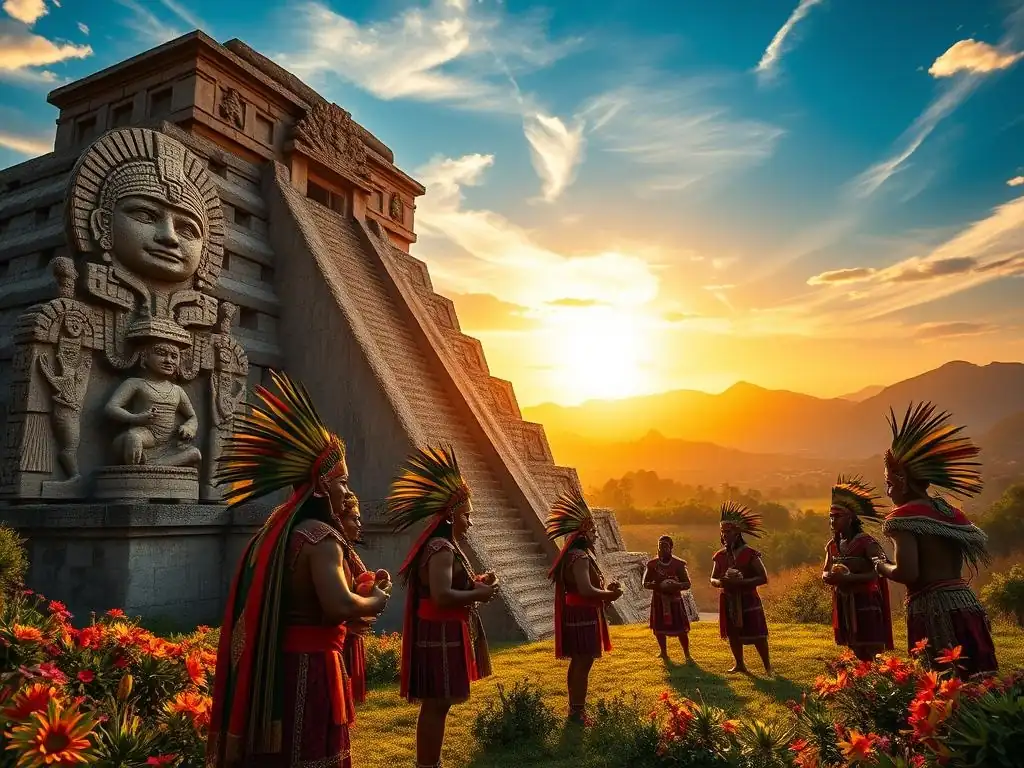
Welcome to Indigenous Civilizations of the Americas, where we invite you to embark on a fascinating journey through the rich tapestry of pre-colonial cultures. Here, you will uncover the profound achievements and vibrant societies that flourished across the continent.
Dive into our featured article, "The Aztec Religion: Origins and Evolution of Beliefs and Practices," and explore the intricate web of Aztec religion beliefs and practices that shaped a civilization renowned for its artistry, architecture, and spirituality. Prepare to be captivated by the depth of knowledge and the legacy of these remarkable indigenous peoples, and let your curiosity guide you as you delve deeper into their world.
Introduction to Aztec Religion
The Aztec religion is a complex system of beliefs and practices that played a pivotal role in the daily lives of the Aztec civilization, which flourished in central Mexico from the 14th to the 16th centuries. This intricate tapestry of mythology, rituals, and deities provided a framework through which the Aztecs understood their world, governed their societies, and interacted with the cosmos. Understanding the Aztec religion beliefs and practices is crucial not only for comprehending the spiritual life of this remarkable civilization but also for recognizing its impact on the cultural heritage of the Americas.
Overview of Aztec Religion and Its Significance
At the heart of the Aztec religion lies a pantheon of gods, each representing various aspects of life, nature, and the universe. Major deities, such as Huitzilopochtli (the god of war and the sun) and Quetzalcoatl (the feathered serpent), held significant influence over the Aztecs' agricultural cycles, military endeavors, and social structure. Rituals, including sacrifices, festivals, and ceremonies, were essential for appeasing these gods and ensuring the continuity of life and prosperity.
The significance of Aztec religion extended beyond mere worship; it was interwoven with the identity and cultural practices of the Aztec people. The religion provided a sense of community and belonging, as individuals participated in shared beliefs and rituals that reinforced societal norms and values.
Importance of Studying Aztec Religion Beliefs and Practices
Studying the beliefs and practices of the Aztec religion allows us to explore the intricate relationship between spirituality and daily life in ancient Mesoamerica. Furthermore, it reveals how these beliefs shaped political power structures and social hierarchies. By examining this aspect of Aztec civilization, we can gain insights into their worldview, including concepts of life, death, and the cosmos, which continue to influence modern interpretations of indigenous cultures.
Moreover, understanding the nuances of Aztec religion can foster greater appreciation for the resilience and adaptability of indigenous cultures in the face of colonization and cultural assimilation. The legacies of these practices are still evident in contemporary indigenous communities throughout the Americas.
Historical Context of Aztec Religion
To fully grasp the depth of the Aztec religion, it is essential to consider its historical context, including its origins and the influences that shaped its development over time.
Origins of Aztec Religion in Mesoamerica
The roots of Aztec religion can be traced back to the earlier cultures of Mesoamerica, with elements of polytheism and ritualistic practices evident in the art and artifacts from civilizations such as the Olmecs, Teotihuacan, and Toltecs. These ancient societies laid the groundwork for the religious beliefs that would later be adopted and adapted by the Aztecs.
The Aztecs emerged as a dominant power in the region during the 14th century, and their religion evolved to include unique elements that reflected their own experiences and societal needs. Key practices, such as human sacrifice, became integral to their religious expression, believed to nourish the gods and maintain the balance of the universe.
Influence of Earlier Civilizations on Aztec Beliefs
The Aztecs were not isolated in their religious practices; rather, they were part of a dynamic cultural landscape influenced by previous civilizations. For example, the gods and myths of the Olmecs and other cultures were woven into the fabric of Aztec mythology, creating a rich narrative tapestry that defined their religious identity.
Additionally, the architectural and artistic traditions inherited from these earlier peoples are evident in Aztec temples and iconography. The influence of earlier civilizations highlights the continuity and transformation of religious beliefs in Mesoamerica, exemplifying how the Aztecs built upon the foundations laid by those before them.
In this exploration of the Aztec religion, we will delve deeper into its beliefs, practices, and the profound impact they had on the civilization as a whole. By understanding these elements, we can appreciate the complexity and richness of Aztec spirituality and its enduring legacy in the cultural history of the Americas.
Core Beliefs of the Aztec Religion
The Aztec religion was deeply intertwined with every aspect of their daily lives, shaping their understanding of the universe, human existence, and the forces of nature. Central to their belief system was the idea of a cosmic balance and the interdependence between gods and humans. The Aztecs believed that the gods required sustenance in the form of offerings, prayers, and rituals to maintain the natural order and ensure the continuation of life.
Another fundamental belief was the concept of reciprocity. The Aztecs thought that the gods bestowed blessings such as rain, fertility, and harvests, which in return required human offerings and devotion. This mutual relationship fostered a sense of responsibility among the people to uphold their end of the divine bargain, leading to a complex web of rituals and practices aimed at appeasing their deities.
Additionally, the Aztecs held a cyclical view of time, believing that history was marked by cycles of creation and destruction. This belief led to the notion that the world had been created multiple times and would eventually face a cataclysmic end. Such a perspective influenced their religious practices, as they sought to honor the gods to prevent disasters and ensure the prosperity of their civilization.
Polytheism in Aztec Culture
Polytheism was a defining characteristic of the Aztec religion, with a pantheon of gods representing various aspects of life, nature, and human experience. Each deity held specific powers and domains, and their worship was integral to the Aztec worldview.
The Aztecs believed that these gods were not only powerful but also temperamental, requiring constant attention and offerings to maintain their favor. This led to a rich tapestry of myths and legends that explained the origins, personalities, and relationships between the deities.
The complexity of their polytheistic beliefs was reflected in their daily practices, where rituals were tailored to honor different gods according to the season, agricultural cycle, and societal needs. This diversity of worship highlighted the interconnectedness of the Aztec religion with the natural and social worlds.
Major Deities and Their Roles in Aztec Society
The Aztec pantheon consisted of numerous deities, each playing a crucial role in the lives of the people. Among the most significant were:
- Huitzilopochtli: The god of war and the sun, he was considered the patron deity of the Aztec people. His worship involved elaborate rituals aimed at ensuring victory in battle and the sun's daily journey across the sky.
- Tlaloc: The rain god, associated with agriculture and fertility. Tlaloc was revered for his ability to provide the essential water for crops, and rituals often included offerings of food and flowers to appease him.
- Quetzalcoatl: The feathered serpent god, representing knowledge, wind, and life. Quetzalcoatl was seen as a creator deity and was associated with culture and civilization.
- Tezcatlipoca: The god of the night sky, fate, and conflict. He was often depicted as the rival of Quetzalcoatl, embodying the duality of existence and the balance of good and evil.
These deities were not merely abstract entities; they were integrated into the social structure, influencing politics, warfare, and agriculture, thereby reinforcing the unity and identity of the Aztec civilization.
The Concept of Duality in Aztec Beliefs
Duality was a central theme in Aztec thought, permeating their religion, mythology, and understanding of the universe. The Aztecs viewed existence as a balance between opposites, such as life and death, creation and destruction, and light and darkness. This duality was exemplified in the relationships between their gods, such as the contrasting figures of Quetzalcoatl and Tezcatlipoca.
This belief in duality extended to the human experience as well. The Aztecs understood that individuals possessed both noble and base qualities, and thus, their spiritual journey involved navigating these opposing forces. The rituals and ceremonies often reflected this duality, emphasizing the need for harmony and balance in the universe.
The dual nature of existence also manifested in their cosmology, where the world was divided into different realms inhabited by various deities and spirits. This intricate belief system underscored the complexities of life and the importance of maintaining equilibrium through religious practices.
Rituals and Practices in Aztec Religion
Rituals and practices were the lifeblood of Aztec religion, serving as a means to communicate with the gods, seek their favor, and ensure the well-being of the community. These rituals varied in scale and significance, from daily offerings to grand public ceremonies, all designed to reinforce the bond between the divine and the mundane.
Daily Rituals and Offerings to the Gods
Everyday life in the Aztec world was punctuated by rituals aimed at honoring the gods. Households would often maintain small altars where offerings such as food, incense, and flowers were presented. These daily rituals served as acts of devotion and gratitude, reinforcing the connection between the family and the divine.
Public rituals also played a significant role, with priests leading ceremonies that involved singing, dancing, and the recitation of prayers. These events often coincided with agricultural cycles, ensuring that the gods were appeased during crucial times for planting and harvesting. The Aztecs believed that such offerings were vital for receiving blessings and avoiding misfortune.
Significance of Festivals in Aztec Religious Life
Festivals were a highlight of the Aztec religious calendar, each dedicated to specific deities and commemorating significant events in their mythology. These celebrations were marked by elaborate processions, music, dance, and feasting, creating a sense of community and shared identity.
One of the most important festivals was Tlacaxipehualiztli, dedicated to the god Xipe Totec, which involved rituals of renewal and regeneration. Another notable festival was Toxcatl, honoring Tezcatlipoca, where the Aztecs would celebrate with athletic competitions and rituals involving a sacrificial victim representing the god.
These festivals served not only as a means of worship but also as opportunities for social cohesion, reinforcing the values and beliefs of the Aztec people.
Human Sacrifice: Purpose and Rituals
Human sacrifice was perhaps one of the most controversial aspects of Aztec religion, rooted deeply in their cosmological beliefs. The Aztecs believed that the gods required human blood to sustain the universe, particularly to ensure the sun's continued rise and the fertility of the earth.
The rituals surrounding human sacrifice were highly ceremonial and involved intricate preparations. Victims, often captured warriors or individuals chosen for their perceived purity, were honored through a series of rites before the actual sacrifice took place. The act itself was seen as a gift to the gods, an essential contribution to the cosmic order.
This practice, while brutal by modern standards, was integral to the Aztecs' understanding of their relationship with the divine. It reflected their beliefs in reciprocity and the need to maintain balance within the universe, illustrating the depth and complexity of Aztec religious life.
Evolution of Aztec Religion Over Time
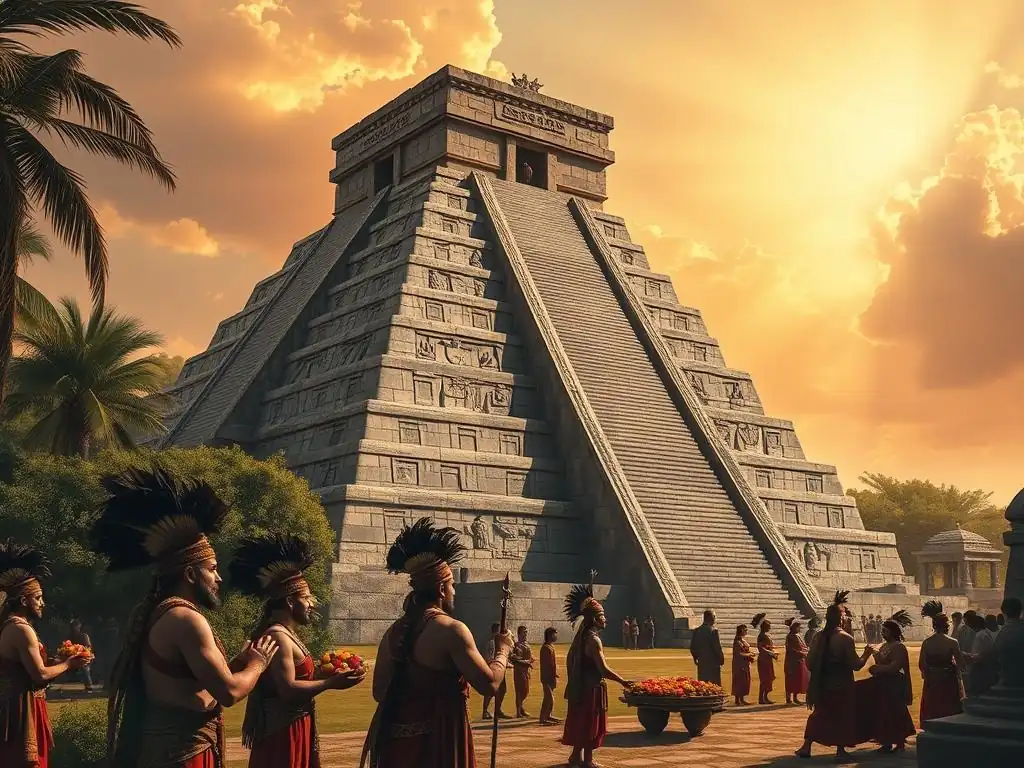
The Aztec religion was not static; it evolved significantly over time, influenced by various factors including political changes, cultural exchange, and social dynamics. Initially, the religious practices of the Mexica people, who would later form the Aztec Empire, were rooted in local animistic beliefs and nature worship. As they expanded their territory, the Aztecs encountered other Mesoamerican cultures, leading to a synthesis of beliefs and practices.
Key to the evolution of the Aztec religion was the incorporation of deities from conquered peoples, which not only enriched their pantheon but also helped legitimize their rule. For example, the worship of the rain god Tlaloc became more prominent as the empire expanded into areas where agricultural practices depended heavily on rainfall. Over time, the Aztec religion integrated elements from the Toltecs, Olmecs, and other cultures, creating a rich tapestry of spiritual beliefs that reflected both local traditions and the empire's vast geographic reach.
Changes in Beliefs During the Expansion of the Aztec Empire
As the Aztec Empire grew, the complexity of its religious beliefs also deepened. Originally, the Mexica practiced a form of animism, where natural elements were revered as sacred. However, with the expansion of the empire, there was a notable shift towards the worship of a more organized pantheon of gods, each associated with specific aspects of life, such as agriculture, war, and fertility.
The introduction of new gods and the elevation of existing ones occurred as the Aztecs sought to unify their diverse subjects under a common religious framework. This period saw the rise of deities like Huitzilopochtli, the god of war and the sun, who became central to Aztec identity and statecraft. Rituals, including human sacrifice, became more elaborate, serving both religious and political purposes. The connection between state power and religion solidified, with rulers often acting as high priests to reinforce their divine right to govern.
The Role of Conquest and Integration of Other Beliefs
Conquest played a pivotal role in shaping the Aztec religion, as each new territory brought with it distinct spiritual practices and deities. The Aztecs did not merely impose their beliefs on conquered peoples; rather, they adopted and integrated local gods into their religious system. This strategy was instrumental in maintaining control over a vast and diverse empire.
For instance, when the Aztecs conquered the city-state of Tenochtitlan, they incorporated elements of the local religious practices into their own. The city’s principal deity, Tlaloc, known for his powers over rain and fertility, was embraced and worshiped alongside Aztec gods. This fusion of beliefs was not only a means of appeasing the newly subjugated populations but also helped legitimize the Aztec’s rule. The resulting syncretism enriched the Aztec religion, creating a more complex and multifaceted belief system that reflected the empire's diversity.
The Impact of Spanish Colonization on Aztec Religion
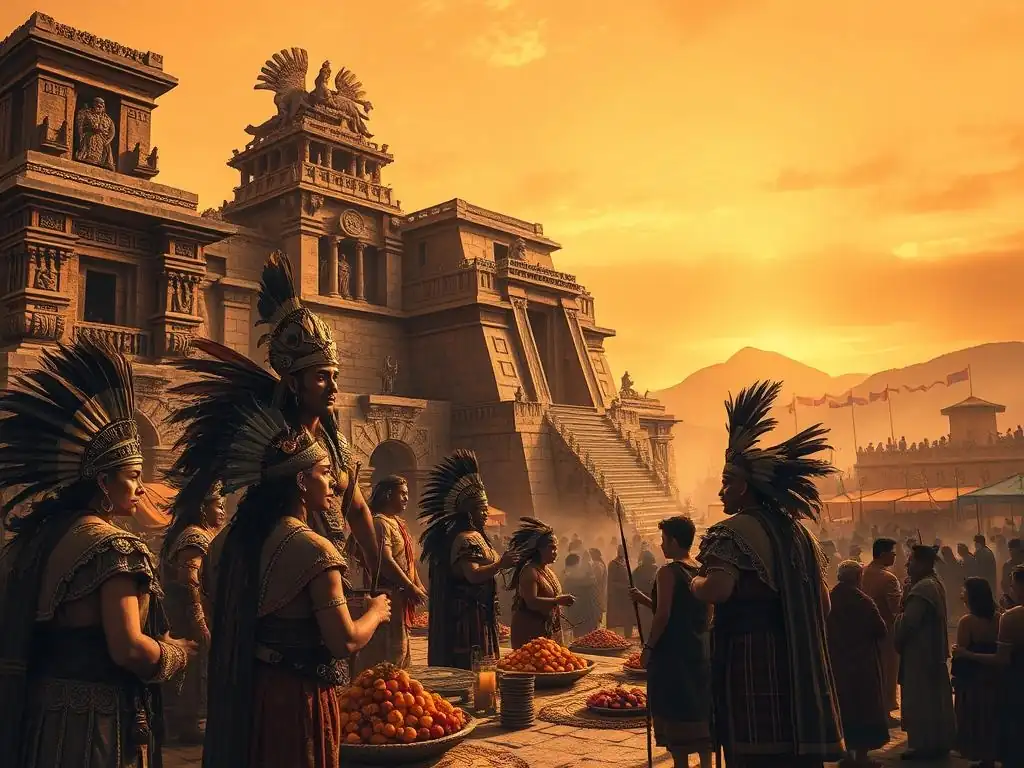
The arrival of Spanish colonizers in the early 16th century marked a dramatic turning point for the Aztec religion. The Spanish, led by Hernán Cortés, sought to eradicate indigenous practices, viewing them as pagan and barbaric. This led to widespread destruction of temples, icons, and religious texts, fundamentally altering the spiritual landscape of the Aztec civilization.
Despite these aggressive efforts, many elements of the Aztec religion persisted, often blending with Catholicism to form unique hybrid practices. For example, the veneration of certain saints was intertwined with the worship of indigenous deities, creating a new religious syncretism that continues to influence modern Mexican culture. The resilience of Aztec beliefs in the face of colonization highlights the complexity of cultural exchange and adaptation during this tumultuous period.
Legacy of Aztec Religion
The legacy of Aztec religion is profound, leaving a lasting imprint on contemporary indigenous cultures and spiritual practices throughout the Americas. The rituals, mythology, and cosmology of the Aztec civilization continue to resonate, influencing modern beliefs and traditions among various indigenous groups.
Lasting Influences on Modern Indigenous Beliefs
Many elements of Aztec religion have survived, particularly in the spiritual practices of contemporary Indigenous peoples in Mexico and Central America. Rituals that honor the earth, the cycles of nature, and ancestral spirits draw directly from ancient Aztec traditions. For instance, the Day of the Dead (Día de los Muertos) is a celebration that reflects the Aztec view of death and the afterlife, blending pre-Columbian and Catholic elements. This celebration, rich with symbolism and significance, serves as a poignant reminder of the enduring legacy of Aztec beliefs.
Preservation of Aztec Spiritual Practices in Contemporary Culture
In modern times, there has been a resurgence of interest in indigenous practices, including those of the Aztecs. Many communities actively work to preserve and revitalize traditional ceremonies, languages, and customs. This revival is often seen as a form of resistance against colonial narratives and an affirmation of indigenous identity.
Cultural festivals, workshops, and education programs play a crucial role in keeping Aztec traditions alive. These efforts not only honor the past but also empower future generations to connect with their heritage, ensuring that the spiritual practices of the Aztecs remain vibrant and relevant.
The Role of Aztec Religion in Understanding Indigenous Identity
Aztec religion serves as a cornerstone for understanding the identity of many indigenous communities today. It provides a framework for cultural expression, community cohesion, and spiritual connection. The narratives and symbols rooted in Aztec mythology continue to shape contemporary indigenous identities, fostering a sense of belonging and continuity.
By studying the Aztec religion, one gains insight into the values, beliefs, and worldviews that underpin modern indigenous cultures. The spiritual legacy of the Aztecs is not just a relic of the past; it is a dynamic force that informs the identity, resilience, and cultural practices of indigenous peoples in the Americas today.
Conclusion
The exploration of the Aztec religion beliefs and practices reveals a rich tapestry of spirituality, rituals, and cosmology that played a fundamental role in shaping the Aztec civilization. From their pantheon of gods to their complex rituals, the Aztecs demonstrated a profound understanding of the world around them, integrating their religious beliefs into every aspect of life. The vibrant traditions and ceremonies, such as human sacrifices and festivals, not only reflected their devotion but also served practical purposes in maintaining societal order and agricultural cycles.
Summary of Aztec Religion Beliefs and Practices
The Aztec religion was characterized by:
- Polytheism: The worship of multiple deities, each governing different aspects of life and nature. Key gods included:
- Huitzilopochtli: The god of war and the sun.
- Tlaloc: The god of rain and fertility.
- Quetzalcoatl: The feathered serpent god associated with wind, air, and learning.
- Rituals and Sacrifices: Central to Aztec worship were elaborate rituals, including:
- Human Sacrifice: Often seen as necessary to appease the gods and ensure the continuation of the world.
- Festivals: Celebrations such as the Toxcatl festival, dedicated to the god Tezcatlipoca, which involved a series of ceremonies, songs, and dances.
- Cosmology: The Aztecs believed in a cyclical universe where deities created and destroyed worlds, leading to a focus on maintaining balance through rituals.
- Priestly Class: A specialized group of priests who were responsible for conducting rituals, interpreting omens, and maintaining religious knowledge.
These elements collectively underscore the intricate nature of Aztec spirituality, demonstrating how deeply intertwined religion was with daily life, governance, and the natural world.
Final Thoughts on the Importance of Aztec Religious Studies
Studying the Aztec religion is not merely an academic pursuit; it offers invaluable insights into the values, beliefs, and societal structures of one of the most advanced civilizations in pre-Columbian America. Understanding their religion enhances our appreciation of their achievements in art, architecture, and agriculture, as these were often influenced by religious beliefs.
Moreover, the examination of Aztec religious beliefs and practices fosters a deeper respect for indigenous cultures and their contributions to human history. It encourages contemporary perspectives on spirituality, community, and the relationship between humanity and nature. As we delve into the complexities of the Aztec faith, we also reflect on the broader implications of how religion shapes cultures and societies, both past and present. This understanding is crucial for fostering intercultural dialogue and recognizing the importance of preserving indigenous heritage in today’s world.
- Introduction to Aztec Religion
- Historical Context of Aztec Religion
- Core Beliefs of the Aztec Religion
- Rituals and Practices in Aztec Religion
- Evolution of Aztec Religion Over Time
- Changes in Beliefs During the Expansion of the Aztec Empire
- The Role of Conquest and Integration of Other Beliefs
- The Impact of Spanish Colonization on Aztec Religion
- Legacy of Aztec Religion
- Conclusion
Frequently Asked Questions
What were the main beliefs of the Aztec religion?
The Aztec religion was characterized by a polytheistic belief system, where they worshipped numerous gods associated with nature, agriculture, and life cycles. Key deities included Huitzilopochtli and Quetzalcoatl.
How did the Aztecs practice their religion?
The Aztecs engaged in various rituals and ceremonies, including offerings and human sacrifices, to appease their gods and ensure the continuation of life. These practices were integral to their societal structure.
What role did mythology play in Aztec beliefs?
Mythology was central to Aztec religion, providing narratives that explained the creation of the world, the origins of their gods, and the significance of their rituals. These stories reinforced cultural values and social norms.
How did the Aztec religion influence their society?
The Aztec religion was deeply intertwined with their politics and economy. Religious leaders often held significant power, and the calendar was structured around religious observances, influencing agricultural practices and social events.
What is the legacy of Aztec religious practices today?
The legacy of Aztec religious practices is evident in modern Mexican culture, where many traditions, festivals, and beliefs still reflect indigenous influences. The study of their religion provides insights into their societal structures and cultural identity.
Final Reflection: The Enduring Legacy of Aztec Religion
The exploration of Aztec religion, its beliefs, and practices reveals a rich tapestry of spirituality that continues to resonate in contemporary society. The intricate relationship between the Aztecs and their deities underscores the profound impact of religious beliefs on cultural identity and social structure. As we navigate our modern world, understanding these ancient practices offers valuable insights into the human experience and the quest for meaning.
The Aztec religion has not only shaped the historical narrative of Mesoamerica but also continues to influence contemporary cultural expressions and spiritual practices. From art to literature, the echoes of Aztec beliefs can be found in various forms, reminding us of the interconnectedness of past and present. The past is never dead. It's not even past.
— William Faulkner. This quote encapsulates the idea that the legacies of ancient civilizations, such as the Aztecs, remain alive, informing our current cultural landscape and inviting us to reflect on our own beliefs.
As we conclude our exploration of the Aztec religion, I invite you to reflect on how these ancient practices can inspire your own spiritual journey. Consider the ways in which understanding diverse belief systems can enrich your perspective and foster a deeper connection to the world around you. Embrace the lessons of the past, and let them guide you in your quest for meaning and understanding in today's complex society.
Embrace the Wisdom of the Aztecs Today!
Thank you for taking the time to explore the fascinating world of Aztec religion and its rich, evolving traditions. Your interest not only deepens your understanding but also honors the diverse heritage that continues to influence communities today. Now, let's take that knowledge further and transform it into action!
- Dive Deeper: Explore the intricacies of Aztec rituals and the significance of various deities through our in-depth articles.
- Share Your Insights: Engage in discussions about the most intriguing aspects of Aztec beliefs with friends or on online platforms dedicated to indigenous cultures.
- Engage with the Community: Participate in local cultural events or join online groups that celebrate indigenous heritage and learn directly from those who carry these traditions forward.
Which aspect of Aztec religion resonates most with you, and how do you think it could inspire us in our modern lives?