
PostConquest Society: The Transformation of Aztec Culture in Colonial Mexico

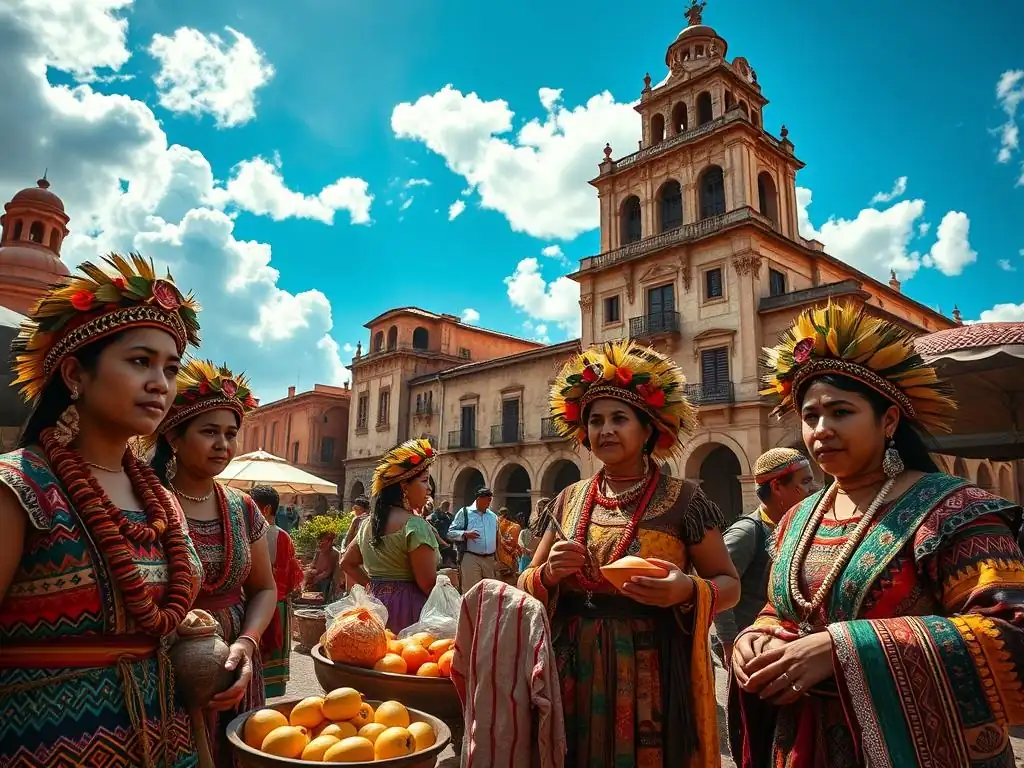
Welcome to Indigenous Civilizations of the Americas, where we delve into the rich tapestry of cultures that flourished across the continent long before European arrival. This journey invites you to uncover the profound transformation of Aztec culture in colonial Mexico, a pivotal chapter that reshaped societal structures, beliefs, and traditions. As you explore our insights, you'll encounter the remarkable resilience and adaptability of the Aztecs, whose legacy continues to echo through time.
Prepare to be captivated as we unravel the complexities of a civilization that not only survived but thrived amidst change. Join us as we embark on this enlightening exploration!
The Transformation of Aztec culture following the European conquest represents a pivotal moment in the history of Mexico, marked by profound changes that reshaped the identity and societal structures of the indigenous peoples. This transformation was not merely a result of conquest, but a complex interplay of cultural exchanges, adaptations, and conflicts that defined the post-conquest landscape.
Understanding this transformation is essential to grasping the legacy of the Aztec civilization and the subsequent cultural evolution in colonial Mexico. By examining the multifaceted aspects of this transformation, we can appreciate the resilience of Aztec culture amidst the overwhelming forces of European colonization.
Introduction to the Transformation of Aztec Culture
Overview of Aztec Civilization Before Conquest
Before the arrival of Spanish conquistadors in the early 16th century, the Aztec civilization was one of the most advanced and influential cultures in Mesoamerica. The Aztecs, known for their impressive architectural achievements, complex societal structures, and rich religious traditions, established a vast empire centered around the Valley of Mexico. Their capital, Tenochtitlan, was a marvel of engineering and urban planning, featuring grand temples, vibrant marketplaces, and intricate canals. At its height, the Aztec society was characterized by a hierarchical structure with nobles, priests, and merchants playing significant roles, while commoners engaged in agriculture and crafts.
The Aztecs also had a profound understanding of astronomy, mathematics, and art, evidenced by their calendrical systems and vibrant artistic expressions. Their religious life revolved around the worship of a pantheon of gods, with rituals that often involved elaborate ceremonies and offerings. This rich cultural tapestry laid the foundation for the resilience and adaptability of the Aztec people, which would be tested in the face of conquest.
Significance of Cultural Transformation in Colonial Mexico
The cultural transformation that occurred during the colonial period is significant not only for its immediate impact on the Aztec populace but also for its long-lasting effects on Mexican identity. As European powers sought to impose their own cultural norms and religious beliefs, indigenous customs began to blend with European influences, resulting in a unique syncretism that characterizes modern Mexican culture. This transformation involved the loss of many traditional practices, but it also fostered the emergence of new cultural forms, illustrating the dynamic nature of cultural identity.
Understanding the significance of this transformation is crucial for comprehending the complexities of post-conquest society. It highlights how the Aztecs, despite facing colonization, managed to retain elements of their cultural heritage while simultaneously adapting to new realities. This duality is essential for recognizing the resilience of indigenous cultures in the aftermath of European contact.
The Impact of European Contact on Aztec Society
Initial Encounters: Cultural Exchange and Conflict
The initial encounters between the Aztecs and the Spanish were marked by a mixture of cultural exchange and conflict. When Hernán Cortés arrived in 1519, he was met with both curiosity and hostility. The Aztecs, initially intrigued by the newcomers, soon found themselves embroiled in violent confrontations as the Spanish sought to conquer and colonize. This period saw the imposition of European political and military structures, leading to significant disruptions in Aztec social order.
Despite the violence, these encounters also facilitated an exchange of ideas, goods, and technologies. The introduction of European crops, livestock, and tools altered agricultural practices and economic systems, while the Aztecs influenced Spanish culture through their rich traditions, art, and knowledge of the land. This complex interplay of exchange and conflict was a defining feature of the transformation of Aztec culture during the colonial period.
The Role of Religion in the Transformation of Aztec Culture
Religion played a crucial role in the transformation of Aztec culture during the colonial era. The Spanish colonizers sought to convert the indigenous population to Christianity, often through coercive means. This led to the suppression of traditional Aztec religious practices and the destruction of sacred sites. However, many indigenous people adapted their beliefs, merging Catholicism with native traditions in a process known as syncretism.
The blending of religious practices resulted in a unique spiritual landscape where indigenous deities were often associated with Catholic saints, creating a dual religious identity among the Aztecs. This transformation in religious practice not only illustrates the resilience of the Aztec culture but also highlights the ongoing negotiation of identity within colonial contexts.
Economic Changes: Trade and Agriculture Post-Conquest
The economic landscape of Aztec society underwent significant changes following the conquest. The introduction of European agricultural techniques and crops transformed traditional farming practices, leading to shifts in dietary staples and trade dynamics. The Spanish imposed new trade regulations that favored European goods, disrupting the established networks that had supported the Aztec economy.
Additionally, the encomienda system forced indigenous people into labor, fundamentally altering economic relationships and social structures. Despite these challenges, the Aztecs demonstrated adaptability, incorporating new agricultural practices while attempting to maintain their traditional ways of life. This transformation of the economic system is a critical aspect of the broader narrative of cultural change in post-conquest Mexico.
Political Shifts in Aztec Society Following Conquest
The conquest of the Aztec Empire by Spanish conquistadors in the early 16th century led to profound political shifts that reshaped the governance and societal structure of the region. The imposition of Spanish rule not only dismantled the existing political systems but also led to the establishment of new forms of governance that sought to integrate or replace the indigenous political framework.
The Collapse of the Aztec Empire
The collapse of the Aztec Empire, culminating in the fall of Tenochtitlán in 1521, marked a significant turning point in Mesoamerican history. This downfall was precipitated by a combination of factors, including military tactics employed by Hernán Cortés, alliances with rival indigenous groups, and the devastating impact of diseases such as smallpox, which decimated the population.
The defeat of the Aztecs resulted in the disbandment of their centralized authority, leading to a power vacuum that the Spanish quickly filled. This collapse not only erased the political structures of the Aztec Empire but also led to the loss of cultural autonomy, as the indigenous people were forced to adapt to a new regime that prioritized Spanish governance and culture.
Establishment of Colonial Governance and Its Effects
Following the conquest, the Spanish established a colonial governance system that was fundamentally different from the Aztec political structure. The introduction of the encomienda system allowed Spanish colonizers to control land and indigenous labor, effectively reducing the native population to a subordinate status. Spanish officials governed vast territories, relying on a bureaucracy that often disregarded indigenous customs and governance practices.
This shift fostered resentment among the remaining indigenous nobility, who found themselves stripped of their traditional powers and relegated to a position of servitude. The new governance also led to the imposition of Spanish laws and customs, contributing to a gradual erosion of the Aztec political identity.
Adaptation of Aztec Nobility in the New Political Landscape
In the face of these sweeping changes, many members of the Aztec nobility sought ways to navigate the new political landscape. Some adapted by aligning themselves with the Spanish authorities, becoming intermediaries who facilitated the colonization process. This adaptation often involved converting to Christianity and adopting Spanish customs to gain favor and maintain a degree of influence. Others resisted the changes, leading to various uprisings and attempts to reclaim their lost power. This duality in response reflected the complex dynamics of survival and adaptation within the indigenous elite during the colonial period.
The post-conquest era also brought about significant social changes within Aztec society. These changes were driven by demographic shifts, transformations in social hierarchies, and the evolving role of indigenous people within the colonial framework.
Demographic Changes and Population Decline
The arrival of Europeans initiated drastic demographic changes among the indigenous populations. The introduction of foreign diseases, for which the Aztecs had no immunity, resulted in catastrophic population declines. Estimates suggest that up to 90% of the indigenous population perished in the decades following the conquest due to epidemics, warfare, and harsh labor conditions. This dramatic decrease not only altered the social fabric of the region but also disrupted traditional kinship systems and community structures that had defined Aztec society.
The Transformation of Social Hierarchies and Classes
As the Spanish established their rule, the social hierarchies within Aztec society underwent a profound transformation. The previously dominant Aztec nobility faced a decline in status as Spanish settlers and colonial officials ascended to power.
The new social order was characterized by a racial caste system, where Spanish-born individuals (peninsulares) held the highest status, followed by Creoles (Spanish descendants born in the Americas), mestizos (mixed indigenous and Spanish ancestry), and finally the indigenous peoples, who occupied the lowest rungs of the social ladder. This shift not only marginalized the indigenous population but also led to tensions and conflicts among the various social classes within colonial society.
The Role of Indigenous People in Colonial Society
Despite their diminished status, indigenous people played a crucial role in the colonial economy and society. Many were compelled to work on Spanish plantations and in mines, providing essential labor that fueled the colonial economy. Additionally, some indigenous individuals retained positions of local authority, serving as alcaldes or community leaders under the new regime.
Their knowledge of local customs and languages often made them invaluable to the Spanish, who relied on them for guidance in navigating the complexities of indigenous life. This dual role of subjugation and agency illustrates the complexity of indigenous experiences in colonial Mexico, as they adapted to the challenges posed by the post-conquest society.
Cultural Syncretism: Blending of Aztec and European Traditions
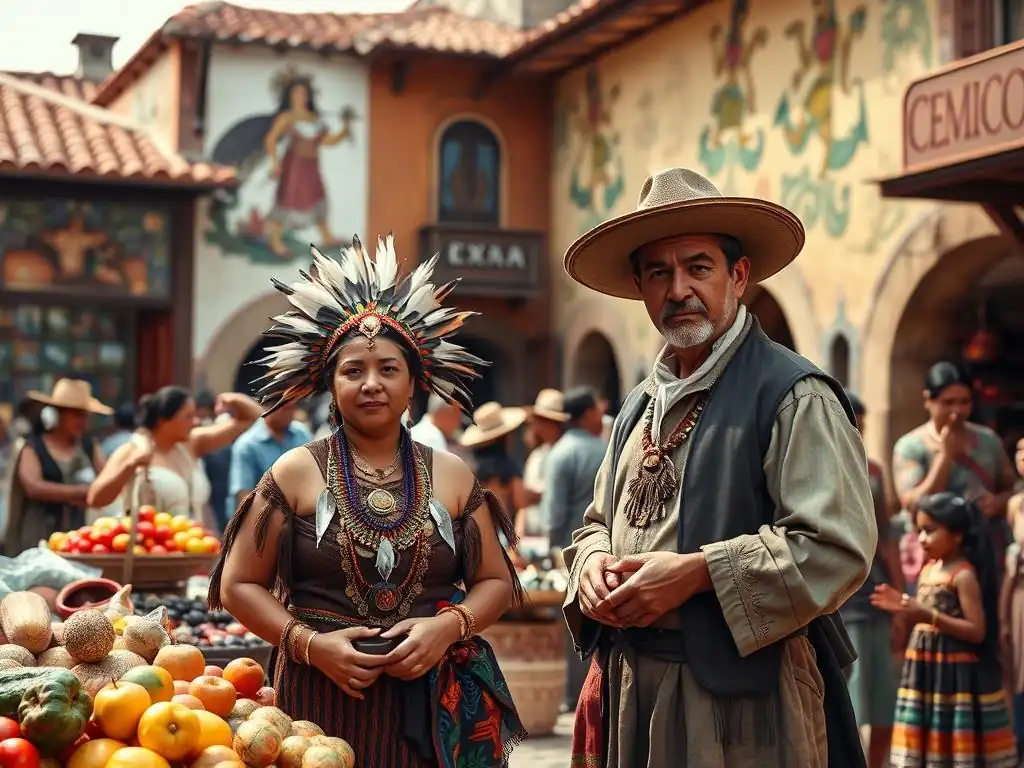
The period following the conquest of the Aztec Empire marked a significant transformation in cultural practices as indigenous traditions began to merge with European influences. This cultural syncretism was evident in various aspects of daily life, including cuisine, clothing, and social customs. The introduction of European crops such as wheat and sugarcane transformed traditional Aztec agriculture and food preparation methods, leading to a fusion of culinary practices.
In addition to food, the blending of music and dance styles became prevalent as European instruments were integrated into indigenous performances. The traditional Aztec rituals often incorporated Catholic elements, creating new forms of expression that reflected a combination of both cultures. This syncretism not only facilitated the survival of certain Aztec traditions but also allowed for the emergence of unique cultural expressions that characterized colonial Mexican society.
Language and Literature: The Evolution of Aztec Identity
The colonization of Mexico brought about profound changes in language and literature, impacting the way Aztec identity was expressed and preserved. The imposition of Spanish as the dominant language led to a decline in the use of Nahuatl, the language of the Aztecs. However, many indigenous writers began to adapt their literary forms, incorporating Spanish and creating a hybrid literary tradition.
This evolution allowed for the preservation of Aztec oral traditions, myths, and histories while also engaging with European literary styles. Works such as the "Huehuehtlahtolli," a collection of proverbs and teachings, exemplified the continuity of indigenous wisdom amidst the challenges posed by colonial rule. Through this blending of languages and literary forms, the Aztec identity continued to evolve, reflecting both resilience and adaptation in the face of transformation.
Art and Architecture: Influences of European Styles on Aztec Crafts
The transformation of Aztec culture in colonial Mexico is vividly illustrated in the realm of art and architecture. Following the Spanish conquest, many indigenous artisans began to incorporate European styles and techniques into their traditional crafts. This fusion is evident in the use of European motifs in textiles, pottery, and mural painting, which often depicted both indigenous and Christian themes.
Colonial architecture also showcased this blending, as churches and public buildings were constructed using European architectural styles while still incorporating indigenous elements. The use of local materials and labor allowed for a unique architectural style that reflected the cultural dialogue between the indigenous populace and the Spanish colonizers. This artistic transformation not only served as a means of cultural survival but also created a new, hybrid aesthetic that characterized the colonial period.
Religious Practices: The Merging of Indigenous and Catholic Beliefs
The introduction of Catholicism to the indigenous populations led to a significant transformation in religious practices, as many Aztecs began to merge their traditional beliefs with Christian teachings. This syncretism can be observed in the adoption of saints, whose attributes were often aligned with Aztec deities. For example, the Virgin of Guadalupe emerged as a pivotal figure, embodying both indigenous and Catholic elements that resonated with the local populace.
Ceremonies and rituals also adapted, combining Catholic celebrations with indigenous practices. Festivals such as Día de Muertos (Day of the Dead) reflect this blending, as they honor deceased ancestors while incorporating Catholic rituals. This synthesis of beliefs not only facilitated the acceptance of Christianity among the Aztecs but also allowed for the preservation of essential aspects of their spiritual identity.
Resistance and Resilience: Maintaining Aztec Cultural Identity
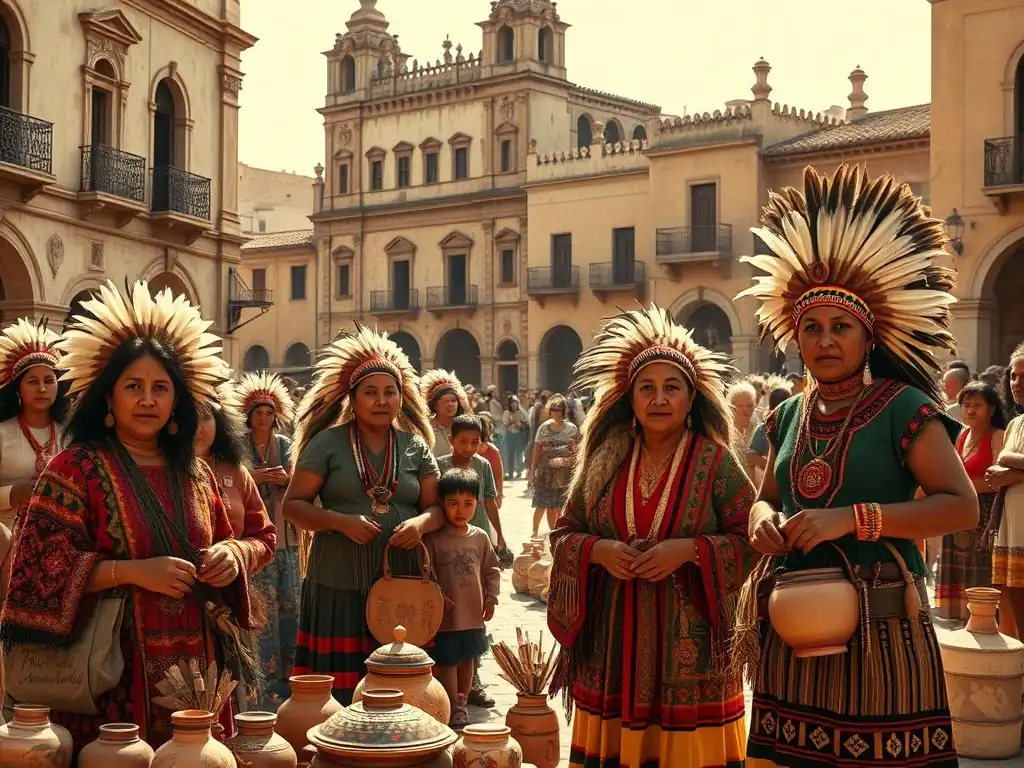
Despite the profound changes brought about by colonization, the Aztec people exhibited remarkable resilience in maintaining their cultural identity. This resistance took various forms, from subtle adaptations of traditional practices to overt acts of defiance against colonial authorities. Community gatherings, traditional celebrations, and the practice of indigenous languages served as crucial means of preserving cultural heritage in the face of external pressures.
The ability of the Aztec descendants to retain elements of their identity is a testament to their strength and determination. Even as they navigated the complexities of colonial rule, they forged a cultural continuity that would influence future generations. The resilience of Aztec culture remains evident in contemporary Mexican society, where many traditions continue to thrive.
Forms of Resistance Against Colonial Rule
Forms of resistance against colonial rule varied from passive to active, as indigenous communities sought to preserve their cultural identity. Many Aztecs engaged in subtle acts of defiance, such as maintaining traditional agricultural practices or continuing to celebrate indigenous festivals despite colonial restrictions.
Active resistance also emerged through uprisings, most notably the Pueblo Revolt in 1680, which exemplified the collective struggle against oppression. These movements were fueled by a desire to reclaim autonomy and preserve cultural practices that were under threat. The resilience demonstrated in these forms of resistance underscores the enduring spirit of the Aztec people in the face of colonial domination.
Preservation of Indigenous Traditions in a Colonial Context
The preservation of indigenous traditions during the colonial period involved both adaptation and innovation. While some practices were altered to fit within the new colonial framework, others were consciously maintained as a form of cultural identity.
Community elders played a vital role in passing down stories, songs, and rituals that were integral to Aztec heritage. The establishment of secret societies allowed for the preservation of traditional knowledge while providing a safe space for cultural expression. This dynamic interplay of adaptation and preservation ensured that despite the challenges of colonialism, the essence of Aztec culture remained vibrant and influential.
The Legacy of Aztec Culture in Modern Mexico
The legacy of Aztec culture continues to resonate in modern Mexico, shaping the national identity and cultural landscape. Elements of Aztec heritage can be seen in contemporary art, music, and culinary traditions that reflect the fusion of indigenous and European influences.
Festivals such as Día de Muertos not only honor ancestral traditions but also serve as a reminder of the rich cultural tapestry that defines Mexican society. The resurgence of interest in indigenous languages and practices highlights the ongoing journey of cultural reclamation and pride among indigenous communities. The transformation of Aztec culture, therefore, is not merely a historical account but a living narrative that continues to evolve and thrive in the heart of Mexico.
Conclusion: The Lasting Impact of Cultural Transformation
The Transformation of Aztec culture in colonial Mexico is a profound narrative that highlights resilience amidst adversity. After the Spanish conquest, the Aztec civilization underwent significant changes, but its essence persisted in various forms. The blending of indigenous and European elements created a unique cultural tapestry that continues to influence Mexican identity today. This transformation was not merely a loss but rather an adaptation that allowed elements of Aztec spirituality, traditions, and social structures to endure, albeit in altered forms.
As contemporary society reflects on this historical transformation, it becomes evident that the legacy of the Aztecs is not confined to the past. Instead, it manifests in modern practices, art, and social structures, indicating a dynamic cultural evolution. The transformation is a reminder of the resilience of indigenous civilizations and their ability to influence and shape the narrative of their descendants.
Summary of Key Changes in Aztec Society
The transformation of Aztec culture post-conquest can be summarized through several key changes:
- Religious Syncretism: The imposition of Catholicism led to a fusion of indigenous beliefs with Christian practices. This resulted in unique celebrations and religious observances that blended both traditions, such as the Day of the Dead, which incorporates elements of Aztec spirituality with Catholic customs.
- Language and Literature: The Spanish colonization introduced the Spanish language, but Nahuatl, the language of the Aztecs, persisted. It evolved alongside Spanish, influencing modern Mexican Spanish and retaining its place in cultural expressions.
- Social Structure: Traditional Aztec social hierarchies were disrupted, but many indigenous leaders adapted to the new colonial system, allowing them to retain some degree of influence within the colonial framework.
- Agricultural Practices: The introduction of European crops and farming techniques transformed traditional Aztec agricultural systems. However, indigenous practices such as milpas (swidden agriculture) continued, demonstrating adaptability and innovation.
- Art and Craftsmanship: The fusion of European and indigenous artistic styles resulted in a distinct colonial art form, evident in religious iconography and architectural styles that blended Mesoamerican and European aesthetics.
Reflection on the Transformation of Aztec Culture Today
Today, the transformation of Aztec culture is an ongoing dialogue that highlights both the losses and the adaptations that occurred through colonization. The persistence of indigenous languages, customs, and traditions showcases a rich cultural heritage that has survived centuries of change.
Modern Mexican society is a testament to this transformation, where indigenous identity is prominently featured in national narratives. Festivals, traditional clothing, and local cuisines reflect a blend of pre-Columbian and colonial influences. Moreover, contemporary indigenous movements advocate for the recognition of indigenous rights and cultural heritage, emphasizing the importance of preserving and celebrating their ancestral legacies.
The transformation of Aztec culture serves as a lens through which we can understand broader themes of resilience, identity, and cultural continuity in the face of colonial pressures. This reflection is vital for recognizing the contributions of indigenous peoples to contemporary society and appreciating the complexities of their historical journeys.
References and Further Reading on Aztec Culture Transformation
- Books:
- "The Aztecs: A Very Short Introduction" by David Carrasco
- "Empire of the Sun: The Rise of the Aztecs" by Peter G. Knight
- "Colonial Encounters in New World Writing: An Anthology" edited by Peter Hulme and William B. Cohen
- Articles:
- "Cultural Syncretism in Colonial Mexico: The Case of the Aztecs" in the Journal of Latin American Studies
- "The Persistence of Nahuatl: Language and Identity in Post-Conquest Mexico" in the Journal of Indigenous Languages
- Online Resources:
- The Mexican National Institute of Anthropology and History's website on Aztec heritage
- The Smithsonian National Museum of the American Indian's resources on indigenous cultures of the Americas
These references provide further insights into the transformation of Aztec culture and its lasting impact on contemporary Mexican society.
- Introduction to the Transformation of Aztec Culture
- The Impact of European Contact on Aztec Society
- Political Shifts in Aztec Society Following Conquest
- Social Changes in Post-Conquest Aztec Society
- Cultural Syncretism: Blending of Aztec and European Traditions
- Language and Literature: The Evolution of Aztec Identity
- Art and Architecture: Influences of European Styles on Aztec Crafts
- Religious Practices: The Merging of Indigenous and Catholic Beliefs
- Resistance and Resilience: Maintaining Aztec Cultural Identity
- Conclusion: The Lasting Impact of Cultural Transformation
- References and Further Reading on Aztec Culture Transformation
- What is the main focus of the article "PostConquest Society: The Transformation of Aztec Culture in Colonial Mexico"?
- How did European colonization impact Aztec society?
- What are some key achievements of the Aztecs highlighted in the article?
- How does the article address the lasting impact of Aztec culture?
- What resources does the website provide for further exploration of indigenous cultures?
Frequently Asked Questions
What is the main focus of the article "PostConquest Society: The Transformation of Aztec Culture in Colonial Mexico"?
The article centers on the profound changes that occurred in Aztec culture following European colonization, highlighting social, political, and religious transformations.
How did European colonization impact Aztec society?
European colonization led to significant disruption of Aztec societal structures, resulting in cultural assimilation, the spread of Christianity, and the decline of traditional practices.
What are some key achievements of the Aztecs highlighted in the article?
The article emphasizes the advanced agricultural techniques, sophisticated social hierarchy, and impressive architectural accomplishments that characterized the pre-colonial Aztec civilization.
How does the article address the lasting impact of Aztec culture?
It discusses how elements of Aztec culture persisted despite colonial challenges, influencing contemporary Mexican identity and cultural practices that are still evident today.
What resources does the website provide for further exploration of indigenous cultures?
The website offers a variety of scholarly articles, interactive maps, and multimedia resources to deepen understanding of the diverse indigenous civilizations throughout the Americas.
Final Reflection: Embracing the Transformation of Aztec Culture
The transformation of Aztec culture in colonial Mexico is not merely a historical event but a profound narrative that resonates with our contemporary society. As we delve into the complexities of cultural adaptation and resilience, we recognize that the echoes of this transformation continue to shape our understanding of identity and heritage today. The ability of cultures to evolve amidst adversity serves as a striking reminder of the strength inherent in diversity and the human spirit.
The impact of this transformation is evident in the rich tapestry of modern Mexican culture, where indigenous traditions intertwine with colonial influences, creating a unique cultural identity. This ongoing dialogue between past and present highlights the importance of acknowledging and celebrating our roots. As noted by historian Octavio Paz, “The past is not a dead weight; it is a living force.” > This quote encapsulates the essence of how historical transformations inform our current cultural landscape, urging us to appreciate the layers of our identity shaped by both triumphs and struggles.
As we reflect on the lessons from the transformation of Aztec culture, let us embrace the invitation to explore our own identities and the influences that have shaped us. Consider how the resilience and adaptability of cultures can inspire us to foster inclusivity and understanding in our communities. Take a moment to reflect on your own cultural heritage and the ways it has transformed over time. By doing so, we can honor the past while actively participating in the creation of a future that celebrates diversity and interconnectedness.
Unveil the Legacy of Aztec Transformation!
Thank you for diving into the fascinating history of the post-conquest Aztec culture! You’ve uncovered the rich tapestry of resilience, adaptation, and profound transformation that shaped Colonial Mexico. Now, it’s time to take action and deepen your connection with this vibrant legacy.
- Explore further: Delve into more articles on our site about the Indigenous civilizations of the Americas and their remarkable evolution over time.
- Share your insights: Connect with others and share what you've learned on social media. Use your voice to promote understanding and awareness of this incredible history.
- Participate in discussions: Join or initiate conversations in your local community about the ongoing impact of these cultures in today’s society.
As you reflect on the strength and creativity of the post-conquest Aztec society, consider this: How can the lessons from their transformation inspire you to adapt and thrive in your own life today?