
The Benefits of Participating in Indigenousled Cultural Programs and Workshops

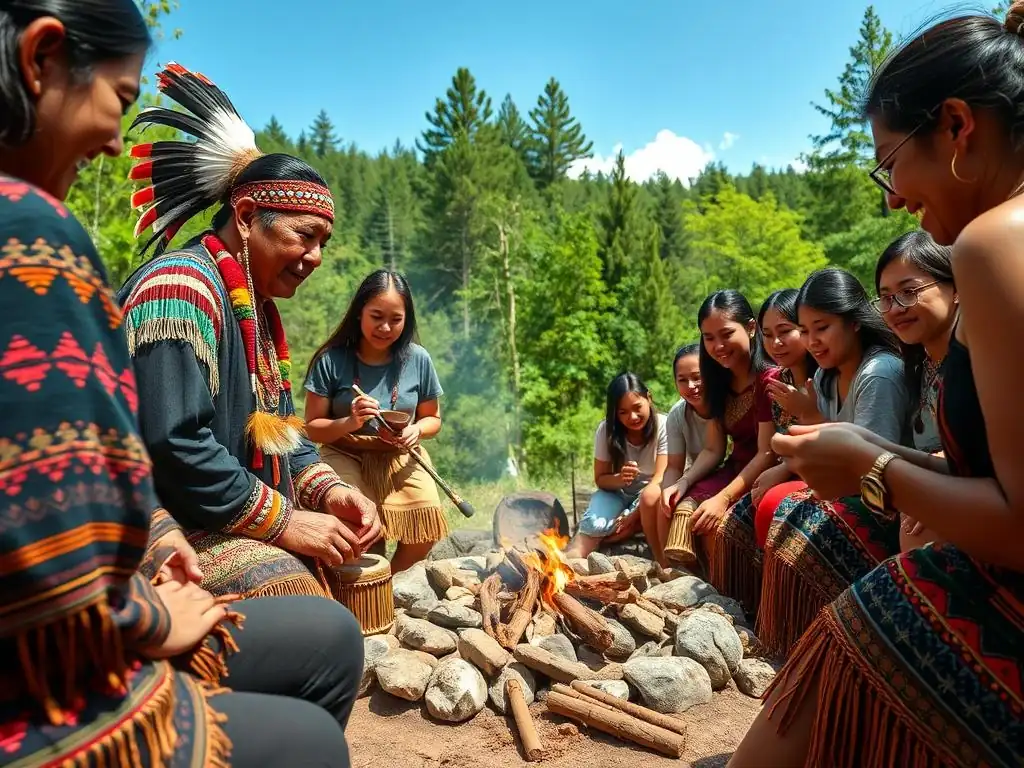
Welcome to Indigenous Civilizations of the Americas! Here, we invite you to embark on a captivating journey through the rich tapestry of the diverse indigenous cultures that flourished long before European colonization. Our featured article, "The Benefits of Participating in Indigenous-led Cultural Programs and Workshops," delves into the profound advantages these programs offer, not just for individuals but for communities as a whole.
Discover how engaging with indigenous cultural programs can foster deeper connections, enhance understanding, and celebrate the enduring legacy of these remarkable societies. Are you ready to uncover the transformative power of cultural heritage? Explore further and let the stories of resilience and innovation inspire you!
- Introduction to Indigenous Cultural Programs Benefits
- Enhancing Cultural Awareness through Indigenous Programs
- Economic Benefits of Participating in Indigenous Cultural Workshops
- Educational Benefits of Engaging in Indigenous Cultural Programs
- Personal Growth and Development through Indigenous Cultural Experiences
- Community and Relationship Building in Cultural Programs
- Environmental Awareness and Indigenous Knowledge Systems
- Conclusion: The Lasting Impact of Participating in Indigenous Cultural Programs
- Frequently Asked Questions
- Final Reflection: Embracing Indigenous Wisdom for a Brighter Future
- Embrace Culture: Join Indigenous-Led Workshops Today!
Introduction to Indigenous Cultural Programs Benefits
Participating in indigenous cultural programs and workshops offers a wealth of benefits that extend beyond mere education; these experiences foster a deeper understanding of the rich histories, traditions, and contemporary realities of indigenous communities across the Americas. As we delve into the diverse cultures that flourished long before European colonization, we uncover the profound impact these programs have not only on participants but also on the communities themselves.
By engaging in these authentic cultural experiences, individuals can gain valuable insights into indigenous lifestyles, promote cultural preservation, and contribute to the economic sustainability of these communities. In this article, we will explore the multifaceted benefits of participating in indigenous-led cultural programs and workshops, emphasizing their significance in fostering mutual respect and understanding.
Understanding Indigenous Cultural Programs
Indigenous cultural programs are designed to immerse participants in the traditional practices, beliefs, and stories of indigenous peoples. These programs can take many forms, including workshops, storytelling sessions, art classes, and guided tours of historical sites. Some key elements of these programs include:
- Cultural Education: Participants learn about the history, languages, and customs of indigenous groups, gaining a deeper appreciation for their contributions to society.
- Traditional Skills: Workshops often teach traditional crafts, such as weaving, pottery, or beadwork, allowing participants to connect with the craftsmanship and artistry inherent in indigenous cultures.
- Storytelling: Engaging with indigenous storytellers helps preserve oral traditions and fosters a greater understanding of the cultural values and philosophies that shape these communities.
By immersing oneself in these programs, participants can experience the living culture of indigenous peoples, which is not only informative but also enriching on a personal level.
Importance of Cultural Workshops in Indigenous Communities
Cultural workshops play a pivotal role in preserving and revitalizing indigenous cultures. They serve multiple purposes that benefit both the participants and the host communities:
- Cultural Preservation: Workshops ensure that traditional knowledge, languages, and practices are passed down to future generations, helping to keep indigenous identities alive.
- Economic Empowerment: By attracting visitors and participants, these programs can generate income for indigenous communities, creating jobs and supporting local economies.
- Community Building: Cultural workshops foster connections within communities, as they often involve collaboration among members, strengthening social ties and collective identity.
- Awareness and Advocacy: By educating participants about indigenous issues, these programs raise awareness and promote advocacy for the rights and recognition of indigenous peoples.
Through these workshops, indigenous communities not only share their heritage but also empower themselves, ensuring their cultures thrive in a modern context. As participants engage in these enriching experiences, they contribute to a more inclusive understanding of cultural diversity.
Enhancing Cultural Awareness through Indigenous Programs
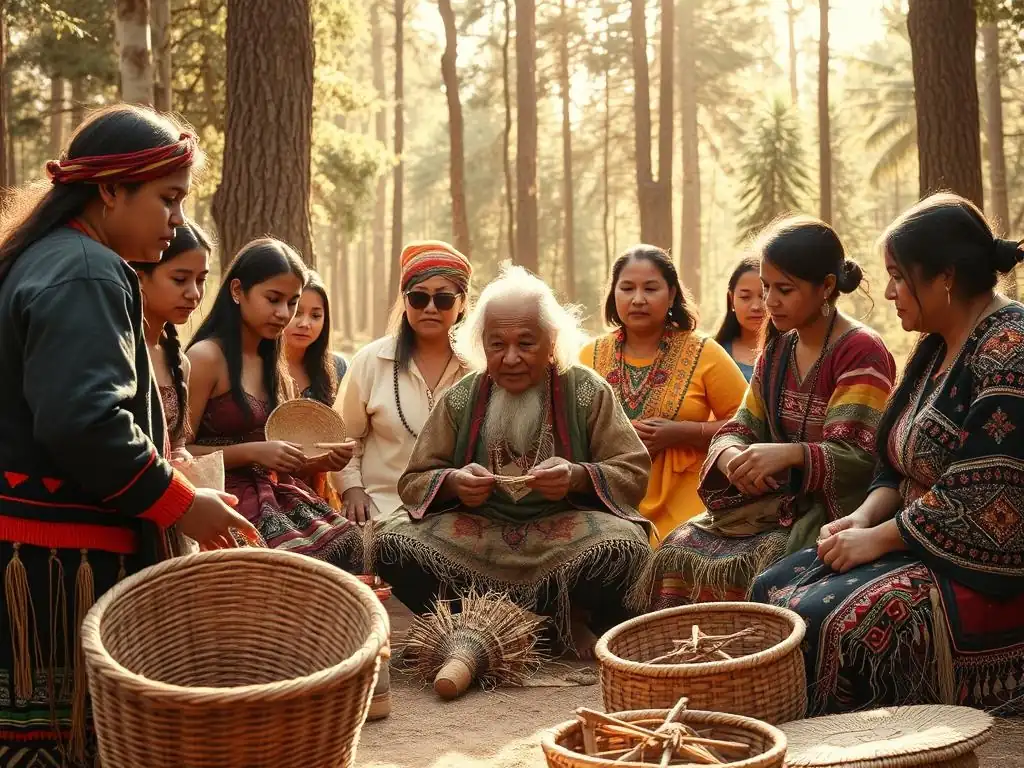
Indigenous cultural programs offer invaluable opportunities for participants to deepen their understanding of the rich histories, traditions, and values of diverse indigenous communities. Engaging in these programs can significantly enhance cultural awareness, fostering mutual respect and appreciation for the unique perspectives that indigenous cultures contribute to the broader societal tapestry.
Immersive Experiences and Authentic Learning
One of the most profound benefits of participating in indigenous cultural programs is the immersive experience they provide. These programs often involve hands-on activities, storytelling, traditional art forms, and participation in ceremonies that help individuals connect with indigenous cultures on a deeper level.
- Active Participation: Rather than merely observing, participants engage directly with indigenous peoples, often learning traditional skills such as weaving, pottery, or traditional cooking. This active involvement creates a memorable learning experience that is both educational and transformative.
- Community Engagement: Many programs are designed to foster relationships between participants and local indigenous communities. This interaction not only enriches the participants' understanding but also supports the local economy and reinforces cultural pride within the community.
- Cultural Exchange: Through workshops and collaborative projects, participants can share their own backgrounds and cultures, leading to a meaningful exchange of ideas and practices. This dialogue helps break down stereotypes and builds bridges of understanding.
- Local Knowledge: Many programs include guided excursions to significant cultural or historical sites, where participants learn about the land's history, the significance of various locations, and traditional ecological knowledge. This contextual learning enhances appreciation for the intricacies of indigenous cultures.
Connection with Indigenous Values and Traditions
Participating in indigenous cultural programs allows individuals to connect with fundamental values and traditions that define indigenous identities. These experiences highlight the importance of community, spirituality, and respect for the environment, providing participants with insights that can reshape their worldviews.
- Holistic Understanding: Indigenous cultures often emphasize a holistic approach to life, viewing the interconnectedness of people, nature, and spirituality. Programs that incorporate these values help participants appreciate the depth of indigenous philosophies and their relevance to contemporary issues such as sustainability and social justice.
- Respect and Reciprocity: Many indigenous teachings center around principles of respect, reciprocity, and gratitude. Participants learn the importance of giving back to the communities they engage with and understanding their role within larger ecosystems. This perspective encourages responsible tourism practices and fosters a sense of stewardship.
- Cultural Resilience: Through workshops and discussions, participants often gain insights into the resilience of indigenous cultures in the face of colonialism and modern challenges. This understanding fosters respect for indigenous peoples' struggles and triumphs, inspiring participants to advocate for indigenous rights and representation.
- Spiritual Connections: Programs may include spiritual practices such as traditional ceremonies or meditative practices rooted in indigenous beliefs. These experiences can be transformative, allowing participants to reflect on their own values and beliefs while fostering a deeper respect for indigenous spirituality.
The benefits of engaging in indigenous cultural programs extend beyond mere participation; they offer profound insights into the values, traditions, and resilience of indigenous peoples. By embracing these experiences, individuals not only enhance their cultural awareness but also contribute to the preservation and appreciation of indigenous cultures for future generations.
Economic Benefits of Participating in Indigenous Cultural Workshops
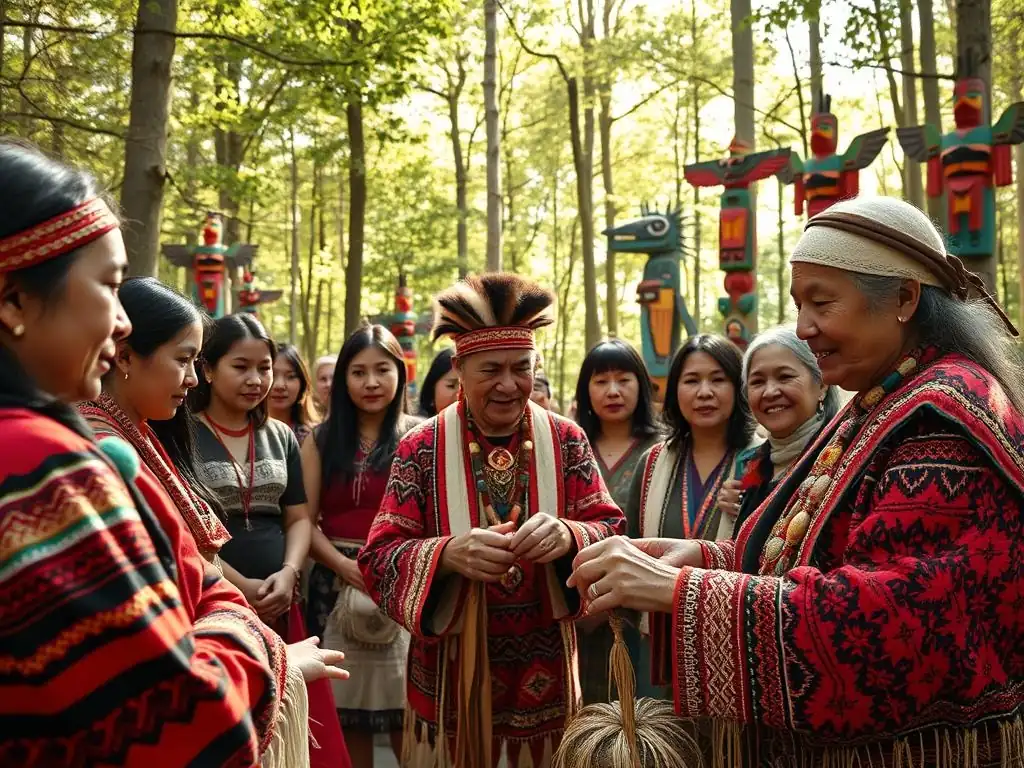
Engaging in indigenous cultural programs and workshops offers a variety of economic benefits that extend beyond the immediate participants. These cultural initiatives not only foster a deeper appreciation for indigenous heritage but also stimulate local economies through tourism and entrepreneurship. By participating in these workshops, individuals can contribute to the sustainability of indigenous communities, allowing them to maintain their cultural practices while enhancing their economic resilience.
Supporting Indigenous Economies through Cultural Tourism
Cultural tourism is a powerful tool for economic development within indigenous communities. By showcasing their unique traditions, art, and knowledge, indigenous peoples can attract visitors who are eager to learn and experience authentic cultural expressions. This influx of tourism revenue can lead to:
- Job Creation: Cultural programs often require local guides, artisans, and hospitality staff, creating employment opportunities within the community.
- Skill Development: Workshops provide training in various crafts, storytelling, and culinary skills, empowering community members to share their expertise and develop new businesses.
- Investment in Infrastructure: Increased tourism can lead to improvements in local infrastructure, including roads, accommodations, and facilities, benefiting both residents and visitors.
For instance, a local community may create a series of workshops that highlight traditional weaving techniques. This initiative not only preserves cultural heritage but also provides jobs for artisans and stimulates demand for their products, ultimately leading to a thriving local economy.
Examples of Successful Indigenous-Led Enterprises
Many indigenous communities have successfully harnessed the benefits of cultural programs to create sustainable enterprises. Here are two notable examples:
Indigenous Artisans Program
One prominent example is the Indigenous Artisans Program, which connects skilled artisans with tourists interested in learning about traditional crafts. Participants may engage in hands-on workshops where they can create their own pieces, such as pottery, beadwork, or textiles.
- Economic Impact: This program has been shown to significantly boost the income of artisans by providing direct sales opportunities and expanding their market reach.
- Cultural Preservation: The workshops also play a crucial role in preserving traditional techniques and passing them on to future generations.
Local Food Tours
Another successful initiative is the Local Food Tours, where visitors are invited to explore indigenous cuisines and culinary practices. These tours often include:
- Cooking Classes: Participants learn to prepare traditional dishes using local ingredients, promoting food sovereignty and biodiversity.
- Farm-to-Table Experiences: Tours may include visits to indigenous farms, where guests can see how food is cultivated and harvested.
The economic benefits of these culinary programs extend to local farmers and food producers, creating a network of support that enhances food security and cultural pride.
Indigenous cultural programs not only enrich the experiences of participants but also provide vital economic benefits to indigenous communities. Through cultural tourism, communities can thrive while preserving their heritage, making these programs invaluable for both the present and future generations.
Educational Benefits of Engaging in Indigenous Cultural Programs
Engaging in indigenous cultural programs offers a multitude of educational benefits that deepen understanding and appreciation of indigenous histories, traditions, and contemporary issues. These programs provide participants with unique insights into the complexities of indigenous societies, fostering respect and empathy towards different cultural perspectives.
Learning History and Heritage from Indigenous Perspectives
One of the primary advantages of participating in indigenous cultural programs is the opportunity to learn history and heritage directly from the source. Traditional narratives often differ significantly from mainstream historical accounts, offering rich and nuanced perspectives. Here are some key points regarding this benefit:
- Authentic Storytelling: Indigenous cultures have a strong oral tradition. By participating in cultural programs, individuals can experience storytelling sessions that convey historical events, legends, and the spiritual significance of places directly from indigenous elders and community leaders.
- Cultural Context: These programs often include discussions on how historical events have shaped indigenous identities and contemporary issues. Participants gain a more comprehensive understanding of subjects such as colonialism, land rights, and cultural preservation.
- Interdisciplinary Learning: Engaging in such programs often incorporates various fields, including anthropology, sociology, and environmental studies, enabling participants to appreciate the interconnectedness of knowledge within indigenous cultures.
- Interactive Learning: Many programs offer hands-on activities, allowing participants to engage physically and emotionally with the subject matter, such as participating in traditional ceremonies, crafts, or dances.
Workshops that Promote Language Revitalization
Language is a pivotal aspect of culture and identity. Indigenous cultural programs often feature workshops aimed at revitalizing and teaching indigenous languages, which are crucial for preserving cultural heritage. These workshops serve several educational purposes:
- Cultural Connection: Learning indigenous languages fosters a deeper connection to the culture and its people. Language is imbued with meanings, idioms, and expressions that encapsulate the worldview of the speakers.
- Community Engagement: Participants often work alongside community members, strengthening ties and promoting mutual understanding. This collaborative environment encourages a shared commitment to language preservation.
- Practical Application: Workshops often emphasize conversational skills and practical usage, making it easier for participants to use the language in everyday situations, thus enhancing retention and relevance.
Traditional Language Classes
Traditional language classes are a central feature of many indigenous cultural programs, providing structured learning opportunities. These classes vary in design and focus but generally include the following components:
- Curriculum Development: Classes are often tailored to the specific needs and interests of the community and participants. They may cover basic vocabulary, grammar, and cultural expressions unique to the language.
- Cultural Immersion: Language classes frequently incorporate elements of cultural practice, such as songs, stories, and traditional practices, allowing learners to appreciate the language within its cultural context.
- Experienced Instructors: Classes are typically led by fluent speakers and cultural practitioners, ensuring that learners receive authentic instruction and insights into the cultural significance of the language.
- Utilization of Resources: Many programs utilize multimedia resources, including videos, music, and digital platforms, to enhance the learning experience and accessibility of the language.
Engaging in indigenous cultural programs not only enriches participants' understanding of the diverse histories and practices of indigenous peoples but also plays a crucial role in promoting the revitalization of languages and cultures that have faced significant challenges. These educational benefits contribute to a broader appreciation and respect for indigenous perspectives, fostering a more inclusive understanding of the rich tapestry of human culture.
Personal Growth and Development through Indigenous Cultural Experiences
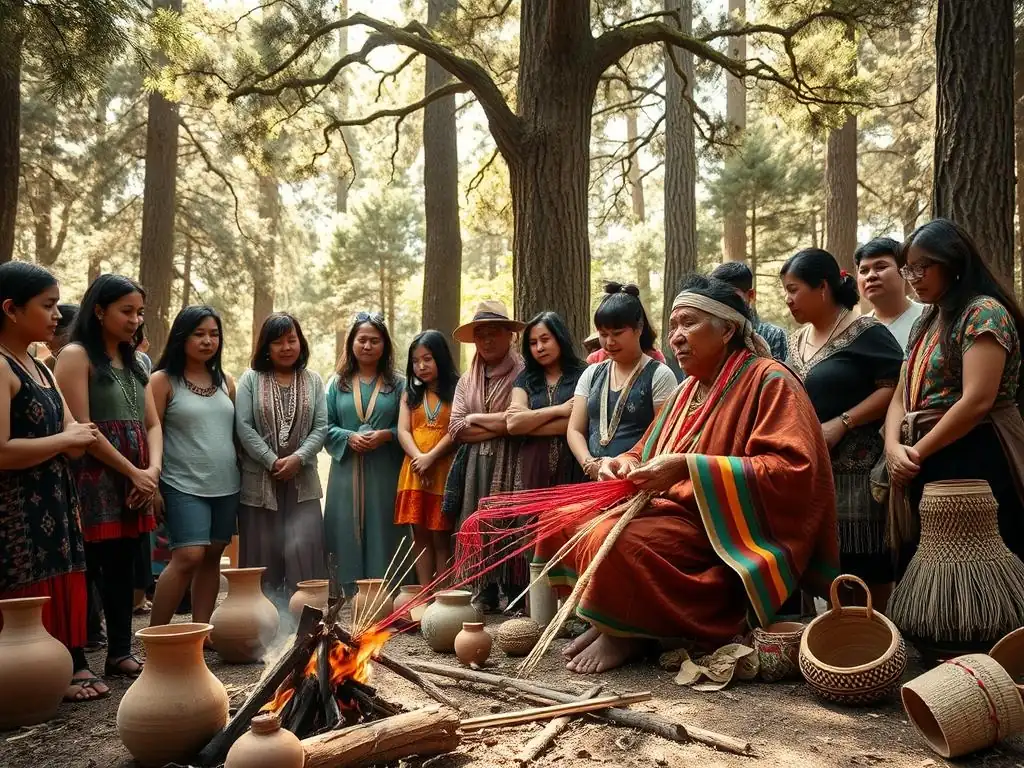
Participating in indigenous cultural programs can significantly enhance personal growth and development. These experiences offer individuals a unique opportunity to engage deeply with the rich heritage and traditions of indigenous communities. Here’s how these programs contribute to personal enrichment:
- Cultural Immersion: Engaging directly with indigenous peoples allows participants to immerse themselves in different worldviews, traditions, and lifestyles. This immersion fosters a greater appreciation of cultural diversity.
- Empathy and Perspective: By learning about the histories and contemporary challenges faced by indigenous communities, participants cultivate empathy. This newfound understanding can reshape their perspectives on social justice and cultural preservation.
These benefits extend beyond mere knowledge; they inspire participants to become ambassadors for indigenous rights and advocacy, promoting respect for cultural heritage in their own communities.
Building Respect and Understanding for Indigenous Cultures
Respect and understanding are foundational elements cultivated through participation in indigenous cultural programs. Such initiatives provide a platform for participants to learn about the complexities and nuances of indigenous identities, traditions, and histories.
- Educational Workshops:
- Many programs include workshops that cover topics like indigenous governance, traditional ecological knowledge, and storytelling.
- These workshops often feature indigenous leaders and elders who share their insights and experiences, allowing participants to gain a deeper understanding of cultural values.
- Cross-Cultural Dialogue:
- Facilitated discussions between indigenous community members and participants create a safe space for sharing experiences and perspectives.
- This dialogue encourages participants to reflect on their biases and assumptions, fostering a more respectful approach toward different cultures.
By building respect and understanding, participants not only enrich their own lives but also contribute to the broader movement of reconciliation and cultural preservation.
Developing Skills through Hands-On Workshops
Hands-on workshops are a hallmark of indigenous cultural programs, providing participants with tangible skills that connect them to the traditions of indigenous peoples. These skills often encompass various aspects of cultural practices, from art to sustainable living.
- Culinary Arts:
- Participants may learn to cook traditional indigenous dishes, incorporating native ingredients and techniques. This not only supports indigenous culinary heritage but also promotes healthy eating practices.
- Language Learning:
- Many programs offer language immersion, where participants can learn indigenous languages. Language is a powerful tool for cultural preservation, and acquiring basic conversational skills can enhance participants’ connection to indigenous cultures.
Traditional Craft Making
One of the most engaging aspects of indigenous cultural programs is traditional craft-making workshops. These sessions allow participants to learn from skilled artisans, preserving age-old practices that have been passed down through generations.
- Artisan Techniques:
- Participants often explore various crafts such as weaving, pottery, and beadwork. For instance, learning traditional weaving techniques can provide insights into the social and spiritual significance behind the patterns and materials used.
- Cultural Significance:
- Each craft carries its own cultural narrative, reflecting the values and beliefs of the community. By creating these crafts, participants not only learn a new skill but also gain a deeper appreciation for the stories and traditions they represent.
Engaging in traditional craft-making within indigenous cultural programs not only fosters creativity and skill development but also strengthens participants' connections to the heritage and identity of indigenous peoples. These workshops serve as a bridge between the past and present, ensuring that these valuable cultural practices continue to thrive.
Community and Relationship Building in Cultural Programs
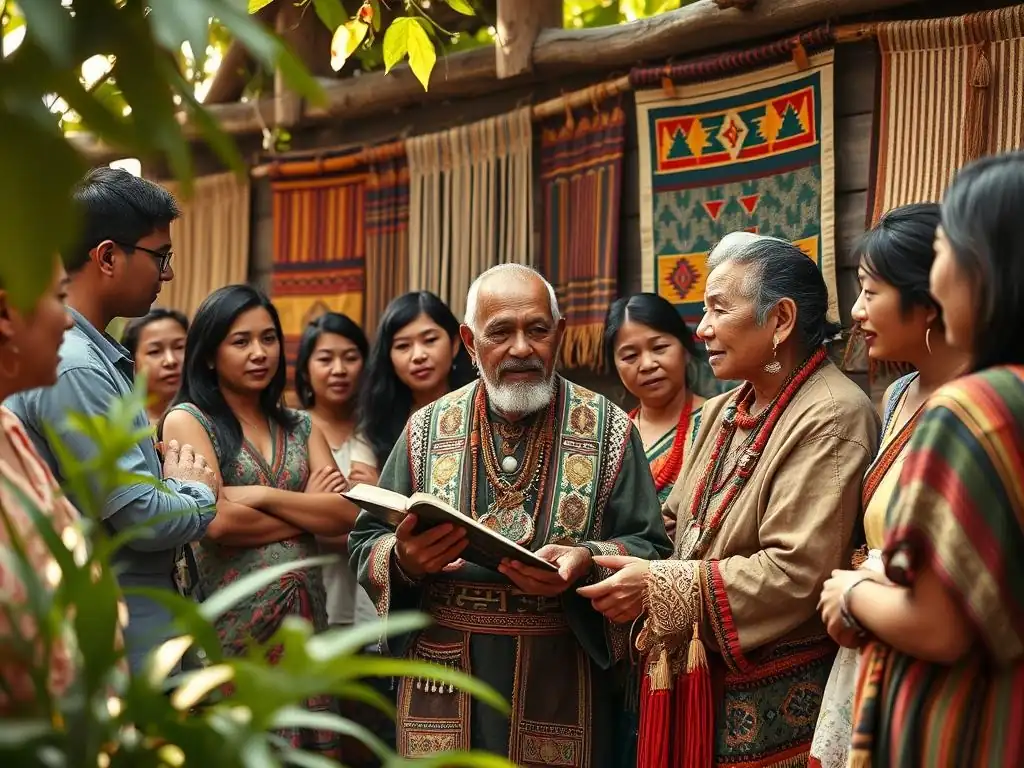
Participating in indigenous cultural programs benefits not only the individuals involved but also the communities that host these experiences. These programs create a unique environment where dialogue, understanding, and relationships can flourish. By bringing together participants from various backgrounds and indigenous community members, cultural programs foster connections that go beyond mere tourism, encouraging a deeper appreciation for indigenous cultures.
Fostering Connections between Participants and Indigenous Communities
Indigenous cultural programs offer a platform for meaningful interactions between participants and local communities. These connections are often built through shared experiences, storytelling, and hands-on activities, such as traditional crafts, cooking classes, or dance workshops. Here are some key aspects of how these connections are fostered:
- Cultural Exchange: Participants engage directly with indigenous community members, learning about their traditions, beliefs, and practices. This exchange promotes mutual respect and understanding, allowing for a richer cultural experience.
- Collaborative Learning: Workshops often involve collaborative learning, where participants contribute their own knowledge or skills while receiving insights from indigenous elders or artisans. This two-way learning enhances the experience for all involved.
- Long-lasting Relationships: Many participants find themselves forming lasting friendships with community members, which can lead to future collaborations or continued support for indigenous initiatives. These relationships can help bridge cultural gaps and promote ongoing dialogue.
The benefits of these connections extend beyond the immediate experience. Participants often leave with a newfound commitment to advocacy for indigenous rights and culture, leading to a ripple effect of awareness and support in their own communities.
The Role of Cultural Programs in Promoting Reconciliation
Indigenous cultural programs play a critical role in promoting reconciliation between indigenous and non-indigenous peoples. These programs not only educate participants about the historical injustices faced by indigenous communities but also encourage active participation in the healing process. Key aspects of this role include:
- Education and Awareness: Cultural programs provide crucial education on the history and contemporary issues faced by indigenous peoples. Through workshops and discussions, participants gain insights into the impact of colonization and the ongoing struggles for rights and recognition.
- Healing through Cultural Practices: Many programs incorporate traditional healing practices, ceremonies, or rituals, which can be transformative for both participants and community members. These practices help restore balance and foster a sense of unity and respect.
- Empowerment of Indigenous Voices: By prioritizing indigenous-led initiatives, cultural programs empower community members to share their stories and perspectives. This empowerment is essential for fostering a sense of agency and ownership over their cultural heritage.
The indigenous cultural programs benefits are multifaceted, contributing to community building and reconciliation efforts. As participants engage with indigenous cultures, they not only enrich their own lives but also support the revitalization and preservation of these cultures for future generations. By embracing these programs, individuals can become catalysts for change and understanding, promoting a more inclusive and respectful society.
Environmental Awareness and Indigenous Knowledge Systems
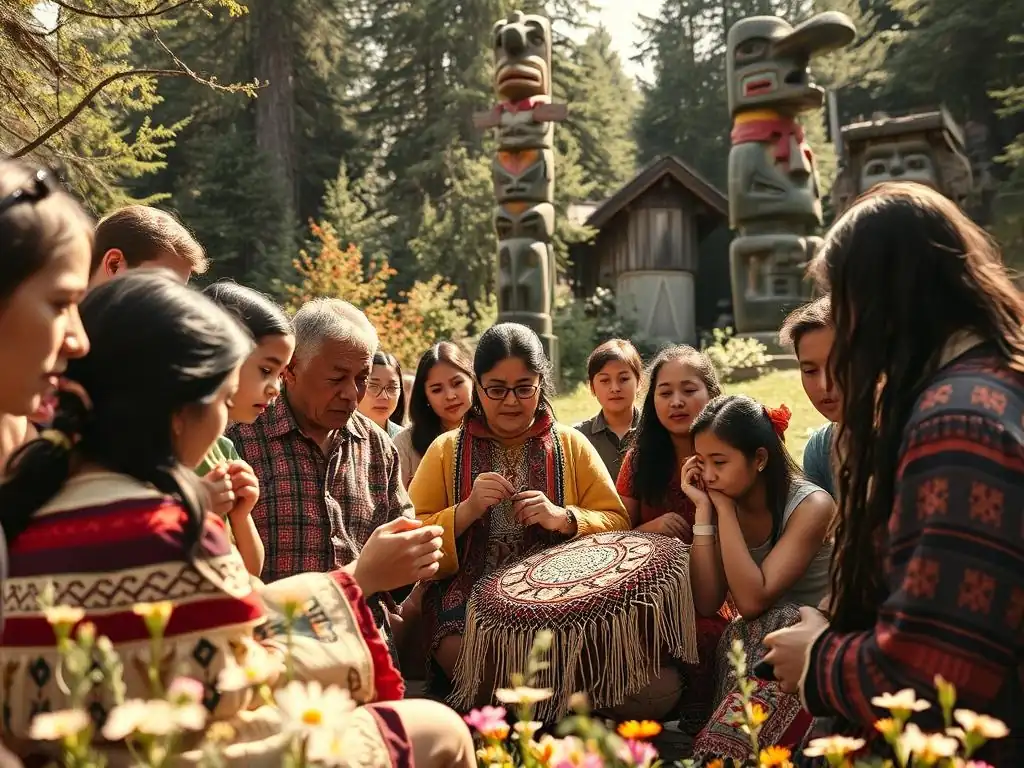
Indigenous cultures possess a profound understanding of their environments, developed over thousands of years of interaction with the land. This extensive knowledge encompasses a range of practices, beliefs, and values that promote sustainability and respect for nature. By participating in indigenous cultural programs, individuals can gain valuable insights into these knowledge systems, fostering greater environmental awareness.
The integration of indigenous knowledge systems into contemporary environmental practices is crucial for addressing global challenges such as climate change and biodiversity loss. Many indigenous communities have cultivated sustainable agricultural practices, forest management techniques, and water conservation methods that can serve as models for modern society. By learning from these practices, participants in indigenous-led workshops can enhance their understanding of ecological balance and resource management.
Learning Sustainable Practices from Indigenous Cultures
Indigenous cultures have a wealth of sustainable practices that can be shared through cultural programs. These practices often emphasize harmony with nature, cyclical use of resources, and deep respect for all living entities.
- Traditional Agricultural Techniques:
- Milpa Farming: A sustainable farming method practiced in Mesoamerica that utilizes a rotating system of crops, including maize, beans, and squash, promoting soil health and biodiversity.
- Terracing: Utilized by Andean cultures, this technique minimizes erosion and maximizes arable land, showcasing a deep understanding of topography and environmental conditions.
- Wildlife Management:
- Indigenous communities often engage in practices that foster biodiversity, such as controlled burns to manage landscapes, which helps maintain healthy ecosystems and reduces the risk of catastrophic wildfires.
- Water Conservation:
- Techniques such as rainwater harvesting and the construction of traditional irrigation systems demonstrate how indigenous peoples have adapted to their environments, ensuring water availability for both human and ecological needs.
By learning about these practices, participants not only gain skills but also develop a deeper appreciation for the land and its resources, leading to increased environmental stewardship.
Benefits of Ecotourism and Traditional Ecological Knowledge
Engaging with indigenous cultural programs through ecotourism offers numerous benefits, both for participants and the indigenous communities involved. This form of tourism emphasizes responsible travel to natural areas, conserving the environment, and improving the well-being of local people.
- Cultural Exchange:
- Participants gain firsthand experience of indigenous cultures, fostering mutual respect and understanding. This cultural exchange enriches the travel experience, allowing participants to learn about traditions, languages, and worldviews.
- Economic Support:
- Ecotourism provides a source of income for indigenous communities, enabling them to sustain their cultural practices and support local economies. This financial support can empower communities to maintain their traditional lifestyles and protect their lands.
- Awareness and Advocacy:
- By participating in indigenous-led programs, individuals can become advocates for environmental conservation and indigenous rights. Increased awareness helps to combat stereotypes and misconceptions about indigenous peoples, promoting social justice and equity.
Indigenous Land Stewardship Workshops
Indigenous land stewardship workshops are a key component of many indigenous cultural programs. These workshops provide participants with hands-on experiences in land management practices that have been honed over generations.
- Key Topics Covered:
- Cultural Significance of Land: Understanding the spiritual connections indigenous peoples have with their land and the implications for stewardship.
- Practical Skills: Learning techniques such as planting native species, restoring habitats, and managing invasive species.
- Community Involvement: Emphasizing the importance of community-led initiatives and collective decision-making in land management.
These workshops not only educate participants about sustainable practices but also empower indigenous communities by validating their traditional knowledge systems. As participants engage in these programs, they cultivate a sense of responsibility towards the environment, fostering a generation of advocates for sustainability and indigenous rights.
The benefits of participating in indigenous cultural programs extend beyond personal enrichment; they contribute to a broader movement towards environmental awareness and sustainable practices that honor indigenous knowledge systems. By embracing these opportunities, individuals can play a part in preserving cultural heritage and promoting ecological balance.
Conclusion: The Lasting Impact of Participating in Indigenous Cultural Programs
Participating in indigenous cultural programs offers a profound opportunity for personal growth and a deeper understanding of diverse cultural heritages. These programs not only celebrate the rich traditions and histories of indigenous communities but also foster connections between participants and the cultural narratives that have shaped these societies. Engaging in these experiences can lead to a greater appreciation for the resilience and creativity of indigenous cultures, providing insights that challenge preconceived notions and promote mutual respect.
Recap of Indigenous Cultural Programs Benefits
Indigenous cultural programs provide a myriad of benefits that extend beyond mere participation. Here’s a summary of the key advantages:
- Cultural Awareness and Education: Participants gain a comprehensive understanding of indigenous histories, languages, and belief systems, which can help dismantle stereotypes and promote inclusivity.
- Community Engagement: By joining these programs, individuals support local economies and contribute positively to the sustainability of indigenous communities. This engagement fosters a sense of solidarity and shared responsibility.
- Personal Transformation: Immersive experiences often lead to personal growth. Participants report increased empathy, a redefined sense of identity, and a deeper connection to nature and community.
- Skill Development: Many workshops offer hands-on learning opportunities that teach traditional crafts, storytelling, and survival skills, thus preserving valuable knowledge for future generations.
- Holistic Well-being: Engaging with indigenous practices can lead to improved mental and emotional well-being, as participants embrace mindfulness, connection to nature, and community values.
Call to Action: Join Indigenous Cultural Workshops for a Transformative Experience
Ready to embark on a journey that enriches your understanding of indigenous cultures? Participating in indigenous cultural workshops is not just an educational opportunity; it’s a chance to transform your perspective and connect with communities on a meaningful level.
- Explore Available Workshops: Research local and online programs that resonate with your interests. Many indigenous communities offer workshops in arts, language, and traditional practices.
- Get Involved: Consider committing time to volunteer or partake in community-led initiatives that emphasize cultural preservation and education.
- Spread the Word: Share your experiences and insights with friends and family. Encourage others to appreciate the beauty and resilience of indigenous cultures.
By engaging with indigenous cultural programs, you not only enrich your own life but also contribute to the preservation and celebration of these vibrant cultures. Start your transformative journey today! 🌍✨
Frequently Asked Questions
What are indigenous cultural programs?
Indigenous cultural programs are community-led initiatives that focus on the preservation and promotion of traditional practices, languages, and art forms of Indigenous peoples.
How do these programs benefit participants?
Participants in indigenous cultural programs gain a deeper understanding of cultural heritage, develop a sense of community, and often experience personal growth and healing through connection with their roots.
Can anyone join indigenous-led workshops?
Yes, many indigenous-led workshops are open to all individuals, regardless of their background. They aim to foster cultural exchange and promote understanding of Indigenous traditions.
What impact do these programs have on the community?
These programs strengthen community ties by promoting cultural pride, increasing awareness of Indigenous issues, and encouraging the intergenerational transmission of knowledge and traditions.
How can I find indigenous cultural programs near me?
You can find local indigenous cultural programs through community centers, tribal organizations, and online directories that showcase cultural events and workshops in your area.
Final Reflection: Embracing Indigenous Wisdom for a Brighter Future
The benefits of participating in Indigenous-led cultural programs and workshops are more relevant today than ever, as they offer a unique opportunity to connect with rich traditions and foster mutual respect. In a world increasingly divided by cultural misunderstandings, these programs serve as bridges that unite communities, promote healing, and celebrate the diversity of human experience. By engaging with Indigenous knowledge and practices, we not only honor the past but also pave the way for a more inclusive future.
The ongoing influence of Indigenous cultural programs is evident in the way they shape our social landscape, encouraging dialogue and understanding among different cultures. These workshops empower participants to reflect on their own identities while appreciating the profound wisdom embedded in Indigenous traditions. As we navigate the complexities of modern life, we can draw inspiration from the words of Indigenous leader Winona LaDuke: The future will be about the stories we tell, and the stories we tell will be about the land.
This highlights the importance of storytelling and cultural exchange in fostering a sense of belonging and responsibility towards our shared environment.
As we conclude this exploration of Indigenous cultural programs, I invite you to reflect on your own journey and consider how you can engage with these enriching experiences. Take the first step towards understanding and appreciation by seeking out local Indigenous-led initiatives, participating in workshops, or simply listening to the stories of Indigenous peoples. By doing so, you contribute to a collective movement that honors diversity and nurtures a more harmonious world, one where every voice is valued and celebrated.
Embrace Culture: Join Indigenous-Led Workshops Today!
Thank you for taking the time to explore the transformative value of Indigenous-led cultural programs. Your interest highlights a commitment to understanding and appreciating the rich heritage of Indigenous communities. Now, it’s time to take that enthusiasm and put it into action!
Here’s how you can deepen your connection and engagement:
- Participate in a local Indigenous workshop: Find one near you and sign up to experience the culture firsthand!
- Share your experiences: After attending, discuss your experience with friends or share on social media to raise awareness and encourage others to participate.
- Connect with your community: Seek out Indigenous cultural events in your area and engage with individuals and organizations committed to preservation and education.
What cultural insights or experiences have you gained that you’d like to share with others? Let’s spark a conversation!