
Revitalization Movements: How Indigenous Cultures are Overcoming Historical Population Declines

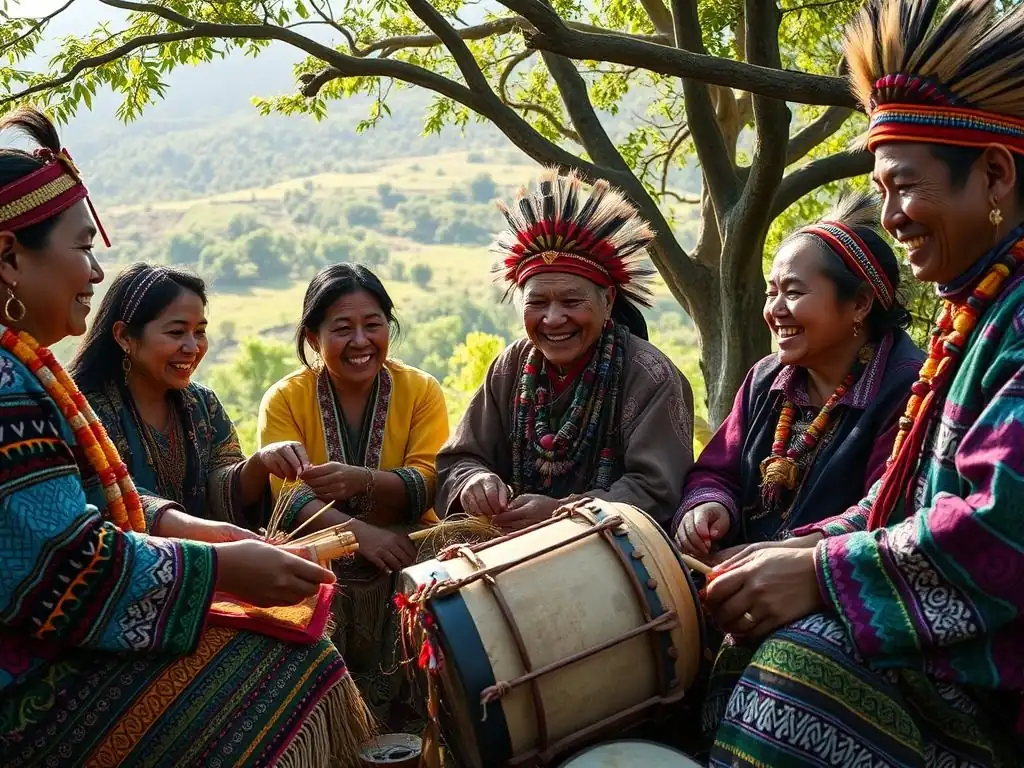
Welcome to Indigenous Civilizations of the Americas, where we invite you to delve into the rich tapestry of the diverse indigenous cultures that flourished long before European colonization. In our featured article, “Revitalization Movements: How Indigenous Cultures are Overcoming Historical Population Declines,” we explore the inspiring resurgence of indigenous identities and traditions in contemporary society.
Discover how these revitalization movements are not just a form of cultural reclamation, but a powerful testament to resilience and renewal. Join us on this enlightening journey, and uncover the profound stories of survival and strength that continue to shape the identity of the Americas today.
- Introduction to Indigenous Cultures Revitalization Movements
- Understanding the Causes of Population Decline
- The Emergence of Revitalization Movements
- Case Studies of Successful Revitalization Movements
- Challenges Faced by Revitalization Movements
- The Role of Education in Revitalization Movements
- Future Perspectives on Indigenous Cultures Revitalization
- Conclusion
-
Frequently Asked Questions
- What are revitalization movements in the context of indigenous cultures?
- How do revitalization movements help in preserving indigenous cultures?
- What role does language play in indigenous cultures revitalization movements?
- Can you provide examples of successful revitalization movements?
- How do external factors influence these revitalization efforts?
- Final Reflection: Revitalization Movements as a Beacon of Hope for Indigenous Cultures
- Ignite Change: Support Indigenous Revitalization Today!
Introduction to Indigenous Cultures Revitalization Movements
The history of Indigenous cultures in the Americas is rich and multifaceted, marked by profound achievements, intricate societies, and a deep connection to the land. However, the arrival of European colonizers brought about significant disruptions, leading to historical population declines among many Indigenous communities. In response to these challenges, revitalization movements have emerged as powerful forces fostering cultural resilience and renewal.
This article delves into the dynamics of these movements, exploring how Indigenous cultures are reclaiming their identities, traditions, and social structures, while addressing the lasting impacts of colonization. By examining these revitalization efforts, we not only acknowledge the struggles faced by Indigenous peoples but also celebrate their resilience and determination to thrive in contemporary society.
Overview of Historical Population Declines
The arrival of Europeans in the Americas resulted in catastrophic population declines for many Indigenous groups. Factors contributing to this decline included:
- Diseases: Infectious diseases such as smallpox, influenza, and measles decimated populations, as Indigenous peoples had no immunity to these foreign illnesses.
- Violence and Conflict: Armed conflicts, forced removals, and massacres led to significant loss of life and destabilization of communities.
- Displacement: Colonization often resulted in the forced relocation of Indigenous communities, disrupting traditional ways of life and causing cultural disintegration.
As a result, many Indigenous cultures faced existential threats, with populations dwindling dramatically over the centuries. For example, it is estimated that the population of Indigenous peoples in what is now the United States fell from approximately 12 million in 1492 to just under 250,000 by the 1900s. This decline not only affected demographic structures but also had profound implications for cultural practices, languages, and social systems.
Importance of Revitalization in Indigenous Cultures
Revitalization movements play a critical role in the survival and flourishing of Indigenous cultures. These movements aim to restore and invigorate cultural practices, languages, and social structures that have been eroded over time. The importance of these movements can be highlighted through several key aspects:
- Cultural Identity: Revitalization efforts help individuals reconnect with their heritage, fostering a sense of belonging and identity within their communities.
- Language Preservation: Many Indigenous groups are working tirelessly to revive their languages, which are vital carriers of cultural knowledge and traditions. Language revitalization programs aim to teach younger generations and promote the use of native tongues in daily life.
- Community Empowerment: Revitalization movements often encourage collective action and community engagement, allowing Indigenous peoples to reclaim agency over their cultural narratives and social structures.
- Intergenerational Knowledge Transfer: These movements emphasize the importance of passing down traditional knowledge, ceremonies, and practices to younger generations, ensuring the continuity of cultural traditions.
Through these revitalization movements, Indigenous cultures are not only overcoming the historical challenges posed by colonization but are also affirming their existence, resilience, and contributions to the broader tapestry of human history. The journey of revitalization is a testament to the strength and determination of Indigenous peoples to thrive and flourish in today's world.
Understanding the Causes of Population Decline
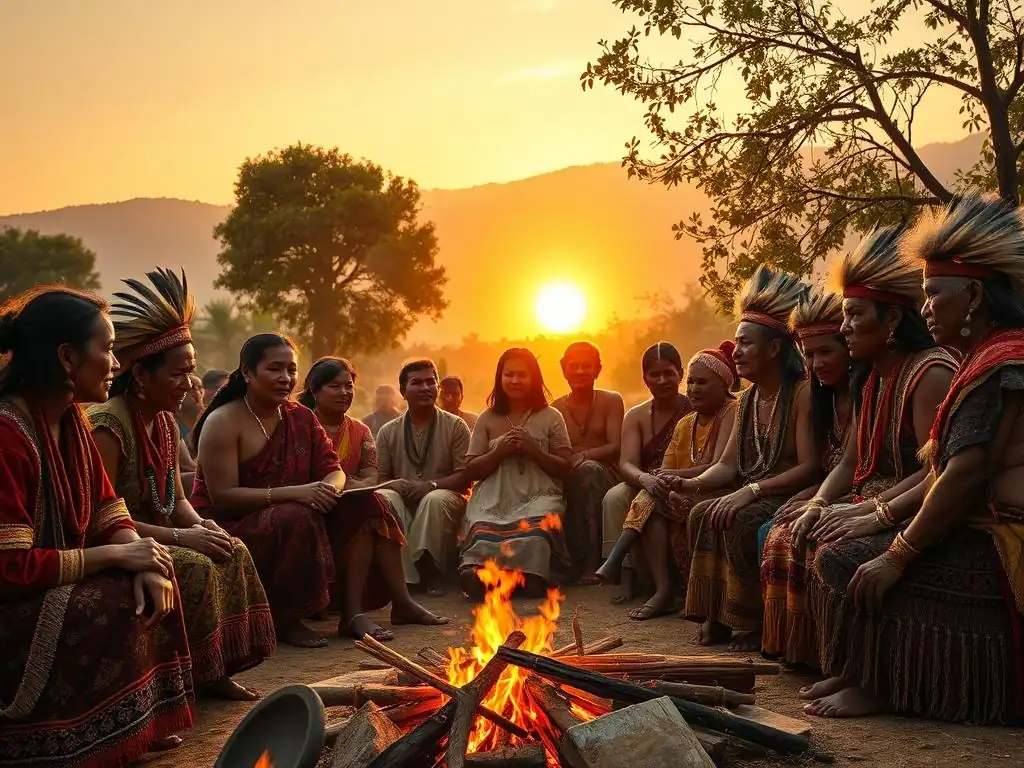
The decline of indigenous populations in the Americas is a multifaceted issue deeply rooted in historical events, particularly the European conquest, the introduction of diseases, and cultural suppression. This section aims to delve into these causes, providing a nuanced understanding of how they contributed to the significant demographic shifts experienced by indigenous cultures.
European Conquest and Its Impact on Indigenous Peoples
The arrival of European colonizers in the Americas marked a dramatic turning point for indigenous populations. The Spanish, Portuguese, French, and British conquests were characterized by violence, land dispossession, and forced labor systems, such as the encomienda and plantation economies, which had devastating effects on native communities.
- Violence and Warfare: Many indigenous groups faced outright warfare as European powers sought to expand their territories. Conflicts such as the Pueblo Revolt of 1680 and King Philip's War in 1675-1676 led to significant loss of life and territory, fundamentally altering the demographic landscape.
- Land Dispossession: The appropriation of land for agriculture and settlement disrupted traditional ways of life. Indigenous peoples were often forcibly removed from their ancestral lands, which not only diminished their population but also eroded their cultural practices tied to the land.
- Legal Systems and Treaties: Many treaties made with indigenous nations were often disregarded, leading to increased displacement and further population decline. The legal frameworks established by colonial powers tended to favor European settlers, sidelining indigenous rights and sovereignty.
Disease and Displacement: The Dual Threat
The arrival of Europeans also brought diseases to the Americas, many of which were foreign to indigenous peoples. This led to catastrophic population declines due to the lack of immunity among native communities.
- Epidemics: Diseases such as smallpox, influenza, and measles spread rapidly, decimating populations. Historians estimate that some regions experienced mortality rates as high as 90% in certain indigenous communities. For example, the 1633-1634 smallpox epidemic in New England had a profound impact on the local tribes.
- Displacement and Migration: As populations dwindled due to disease, social structures began to collapse. Communities were forced to migrate in search of resources, leading to further fragmentation of indigenous cultures. Displacement often resulted in the loss of traditional knowledge and practices, as communities were uprooted from their historical contexts.
Cultural Suppression and Its Long-Term Effects
Cultural suppression was another critical factor contributing to population decline. European colonizers not only aimed to control lands but also sought to eradicate indigenous identities and practices.
- Missionary Activities: Christian missionaries played a significant role in the cultural suppression of indigenous peoples. Through conversion efforts, many indigenous individuals were coerced into abandoning their spiritual beliefs and practices. This process often involved the destruction of sacred sites and the prohibition of traditional ceremonies.
- Education and Assimilation Policies: The establishment of residential schools aimed to assimilate indigenous children into European culture and erase their native languages and identities. These policies led to generational trauma and a disconnection from cultural heritage, which has contributed to ongoing issues of identity and community cohesion.
- Impact on Languages: The suppression of indigenous languages has had lasting effects on cultural transmission. Language is a vital component of cultural identity, and the decline of native languages often correlates with a decline in cultural practices and community bonds.
The population decline of indigenous cultures in the Americas can be traced back to the combined effects of European conquest, disease, and cultural suppression. Understanding these causes is essential to grasp the contemporary revitalization movements that seek to reclaim and celebrate indigenous identities and cultures. The resilience of these communities in the face of such historical challenges highlights their ongoing contributions to the cultural fabric of the Americas.
The Emergence of Revitalization Movements
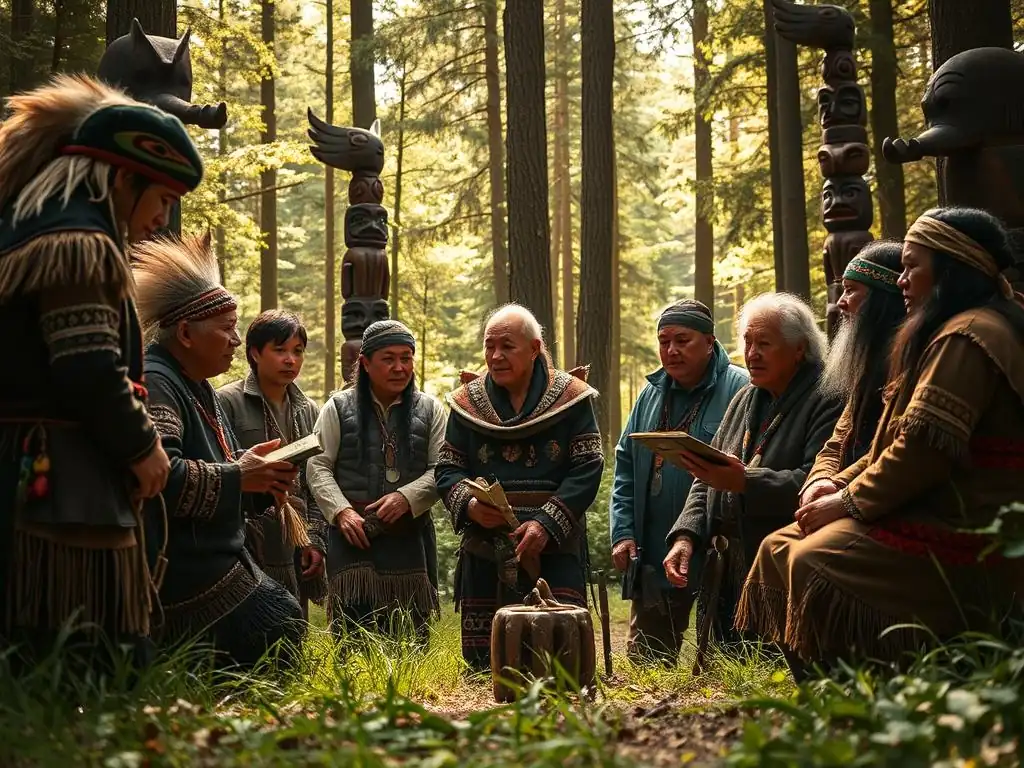
Revitalization movements among Indigenous cultures represent a response to historical trauma, ongoing marginalization, and cultural erosion due to colonization and assimilation policies. These movements aim to restore and reinvigorate cultural practices, languages, and identities that have been threatened or diminished over centuries. They encompass a wide range of activities, from language revival initiatives to the reclamation of traditional ceremonies, art forms, and governance systems.
The significance of revitalization movements lies not only in the preservation of cultural heritage but also in promoting social cohesion, political empowerment, and community resilience. By fostering a renewed sense of identity, these movements enable Indigenous peoples to reclaim their narratives and assert their rights in contemporary society.
Definition and Goals of Revitalization Movements
Revitalization movements can be defined as organized efforts by a group to create a new culture or to restore an old one that has been lost or diminished. These movements often arise in response to the socio-political and economic challenges faced by Indigenous communities. The primary goals of revitalization movements include:
- Cultural Preservation: Ensuring that traditional practices, languages, and beliefs are passed down through generations.
- Community Empowerment: Building a sense of agency and self-determination among community members.
- Political Advocacy: Asserting Indigenous rights and sovereignty in local, national, and international arenas.
- Social Cohesion: Strengthening community bonds through shared cultural practices and collective identity.
For instance, many Indigenous cultures prioritize oral traditions, so revitalization efforts might focus on storytelling and the teaching of Indigenous languages, which are vital to the cultural landscape.
Historical Context: First Waves of Revitalization
The first waves of revitalization movements can be traced back to the late 19th and early 20th centuries, a time when Indigenous populations faced severe challenges from colonial policies and forced assimilation. One notable example is the Ghost Dance movement, which originated among the Plains tribes in the United States in the 1880s. This spiritual movement aimed to restore the Indigenous way of life and bring about the return of the buffalo, a central component of their sustenance and cultural practices.
Similarly, the Native American Church, which emerged in the early 20th century, combined traditional Indigenous beliefs with Christian elements and emphasized the use of peyote as a sacrament. This movement not only promoted spiritual healing but also fostered a sense of unity among diverse tribes.
These early revitalization movements laid the groundwork for contemporary initiatives, highlighting the resilience and adaptability of Indigenous cultures in the face of adversity.
Key Figures and Leaders in Indigenous Revitalization
The success of revitalization movements often hinges on influential leaders who serve as catalysts for change. These figures may include traditional elders, activists, and scholars who advocate for cultural renewal.
Notable leaders in Indigenous revitalization include:
- Vine Deloria Jr.: An influential author and activist whose works emphasized the importance of Indigenous identity and spirituality.
- Winona LaDuke: A prominent environmentalist and advocate for Indigenous rights, LaDuke has played a key role in promoting sustainable practices among Indigenous communities.
- Ruth H. Wilson: A respected elder in the Ojibwe community, Wilson has been instrumental in language revitalization efforts, emphasizing the importance of teaching Indigenous languages to younger generations.
These leaders exemplify the diverse approaches taken within revitalization movements, ranging from cultural education to advocacy for environmental justice. Their efforts contribute significantly to the ongoing resurgence of Indigenous cultures, showcasing the determination and strength of communities as they navigate the complexities of modern society.
Case Studies of Successful Revitalization Movements
Revitalization movements within Indigenous cultures have emerged as powerful responses to the historical population declines stemming from European colonization. These movements aim to restore cultural practices, values, and languages that were suppressed or diminished over generations. By examining specific case studies, we can better understand the strategies employed and the outcomes achieved in these revitalization efforts.
Language Revitalization Initiatives
Language is a core component of cultural identity, serving not only as a means of communication but also as a vessel for tradition, history, and worldview. Indigenous languages often encapsulate unique ways of understanding the natural world and social relations, making their preservation vital for cultural continuity.
Importance of Language in Cultural Identity
The link between language and identity cannot be overstated. Many Indigenous communities view their languages as essential to their heritage and self-concept. When a language is lost, it often results in the erosion of traditional knowledge systems and cultural practices. Research has shown that language revitalization can lead to increased community cohesion and pride. For example, a study of the Māori language revival in New Zealand found that participants reported a stronger sense of identity and belonging as a result of engaging with their native tongue.
Notable Language Revitalization Projects
Several successful language revitalization projects have emerged across the Americas:
- The Ojibwe Language Project: This initiative focuses on the preservation and teaching of the Ojibwe language through community classes, online resources, and immersion programs for youth. It incorporates traditional storytelling and cultural teachings to deepen understanding.
- Kichwa Language Revitalization in Ecuador: In Ecuador, various organizations have collaborated to promote Kichwa language education in schools. The program includes bilingual education, where students learn in both Kichwa and Spanish, thus fostering a sense of pride in their Indigenous heritage.
- The Cherokee Language Program: The Cherokee Nation has invested in language immersion schools and online courses to teach the Cherokee language to younger generations. Their efforts have resulted in a notable increase in the number of fluent speakers, thus preserving their culture for future generations.
Cultural Practices and Traditions Reclamation
Beyond language, Indigenous cultures are reclaiming their traditional practices and ceremonies, fostering resilience and community solidarity. These efforts contribute to a broader understanding of Indigenous identity and heritage.
Celebrating Traditional Ceremonies and Festivals
Traditional ceremonies and festivals play a crucial role in reinforcing community bonds and cultural identity. Many Indigenous groups are revitalizing these important events, which were historically suppressed or altered due to colonial influences.
- The Powwow Movement: Powwows have become a significant cultural phenomenon among various Indigenous tribes across North America. These gatherings celebrate music, dance, and traditional dress, serving as a space for cultural exchange and reaffirmation of identity.
- Day of the Dead in Mexico: Although originally a pre-Columbian ritual, the Day of the Dead has been embraced by many Indigenous groups in Mexico as a way to honor ancestors and preserve traditional practices. This celebration incorporates unique regional customs, showcasing the diversity of Indigenous cultures.
Reviving Indigenous Art Forms and Crafts
Art is another avenue through which Indigenous cultures express their identity and history. Revitalization movements often include the revival of traditional art forms, which can have both cultural and economic benefits.
- Traditional Weaving and Textiles: In many Indigenous communities, the revival of traditional weaving techniques has become a means of preserving cultural heritage while also generating income. For instance, the revival of backstrap weaving among the Quechua people of Peru has led to both the preservation of this ancient technique and increased economic opportunities for artisans.
- Contemporary Indigenous Art: Artists like Kent Monkman and Jaune Quick-to-See Smith are using contemporary platforms to express Indigenous perspectives, merging traditional techniques with modern themes. Their work not only challenges stereotypes but also educates broader audiences about Indigenous histories and issues.
These case studies illustrate the dynamic and multifaceted nature of Indigenous cultures revitalization movements. By focusing on language, cultural practices, and artistic expressions, Indigenous communities are reclaiming their identities and ensuring the transmission of their rich heritage to future generations.
Land and Resource Management Restoration
Land and resource management restoration is a crucial component of revitalization movements within indigenous cultures. These initiatives focus on restoring traditional land stewardship practices that were often disrupted or destroyed during the European colonization of the Americas. By reclaiming control over their ancestral lands, indigenous communities can revitalize their cultural practices, languages, and social structures, which have been adversely affected by historical population declines. Effective land management not only enhances ecological sustainability but also strengthens community identity and resilience.
Indigenous peoples have a deep-rooted understanding of their ecosystems, cultivated over millennia. This knowledge is vital for sustainable practices that can adapt to modern environmental challenges. Through restoration efforts, indigenous communities are not just fighting for land rights; they are also advocating for a holistic approach to resource management that respects both nature and cultural heritage. As these movements gain momentum, they showcase how indigenous cultures are reclaiming their narrative and agency in the face of ongoing challenges.
Indigenous Land Rights and Their Significance
Indigenous land rights are fundamental in the context of revitalization movements, serving as a legal and moral framework that recognizes the historical connection between indigenous peoples and their lands. These rights are essential for restoring cultural practices, languages, and traditional governance systems that have been marginalized or erased. The significance of land rights extends beyond mere ownership; it encompasses the spiritual, cultural, and social dimensions of indigenous life.
When indigenous communities assert their land rights, they often face legal and political hurdles. Nevertheless, successful advocacy for these rights can lead to meaningful changes in policy and practice. For example, treaties, land claims, and self-governance agreements have enabled many indigenous groups to regain control over their territories. This reclaiming of land fosters a sense of pride and identity, allowing indigenous peoples to pass down their traditions and teachings to future generations. Moreover, land rights are increasingly recognized as critical to broader environmental justice and biodiversity conservation efforts, highlighting the interconnectedness of cultural and ecological sustainability.
Successful Land Restoration Projects
Several successful land restoration projects exemplify the effectiveness of revitalization movements among indigenous cultures. These projects not only restore physical landscapes but also rekindle cultural practices and community cohesion. Below are some notable examples:
- The Blackfeet Nation's Land Restoration Program: This initiative focuses on restoring bison populations and habitats on the Blackfeet Reservation in Montana. By reintroducing bison, the program aims to revitalize traditional hunting practices and enhance food sovereignty, which is central to Blackfeet culture.
- The Yaqui Tribe's Water Rights Efforts: In Arizona, the Yaqui Tribe has been instrumental in reclaiming water rights to restore traditional agricultural practices. This project emphasizes the importance of water management in cultural revitalization, enabling the tribe to grow native crops and reestablish their agricultural heritage.
- The Kānaka Maoli Land Trust: In Hawaii, this trust works to restore native ecosystems and promote traditional land practices. By focusing on the restoration of taro farming and other indigenous agricultural methods, the project supports not only environmental sustainability but also the revival of Hawaiian cultural identity.
- The Indigenous Forest Restoration Project in British Columbia: This initiative involves various indigenous groups collaborating to restore degraded forest lands. The project highlights traditional ecological knowledge and practices, aiming to enhance biodiversity and resilience in the face of climate change.
Through these examples, it is evident that land restoration projects are critical not only for environmental health but also for the revitalization of indigenous cultures. By reclaiming and managing their lands, indigenous communities are forging a path toward sustainable futures that honor their heritage and strengthen their social fabric.
Challenges Faced by Revitalization Movements
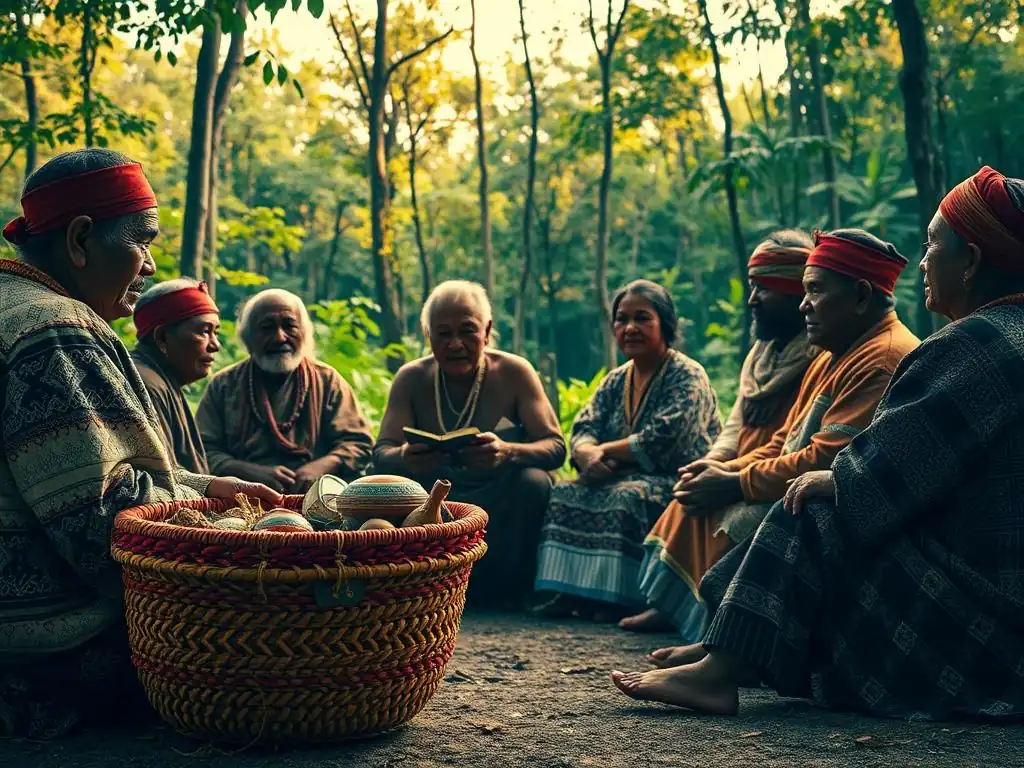
Revitalization movements among Indigenous cultures are critical for preserving cultural heritage and fostering community strength. However, these movements encounter a variety of challenges that can hinder their effectiveness and sustainability. Understanding these challenges is essential for creating supportive environments that allow for meaningful revitalization.
Internal Challenges Within Indigenous Communities
Revitalization movements often face significant internal challenges, including:
- Fragmentation of Identity: Many Indigenous communities have experienced fragmentation due to historical trauma, leading to a loss of shared identity. This fragmentation can create divisions within communities, making it difficult to unify efforts towards revitalization.
- Resource Constraints: Limited access to financial resources, educational opportunities, and infrastructure can stifle revitalization efforts. Many communities lack the funding necessary to support cultural programs, language classes, or community events that are vital for revitalization.
- Generational Gaps: The disconnect between older community members who possess traditional knowledge and younger generations seeking to reclaim their heritage can create tension. Bridging this gap is essential for effective revitalization, yet it requires concerted effort and dialogue.
- Leadership Challenges: Effective leadership is crucial for guiding revitalization efforts. However, varying opinions and leadership styles within communities can complicate decision-making processes, leading to conflicts and delays in initiatives.
External Pressures from Government Policies
In addition to internal challenges, Indigenous cultures face numerous external pressures, particularly from government policies:
- Assimilation Policies: Historical and ongoing assimilation policies have sought to erase Indigenous identities and languages. Such policies continue to impact communities, creating an environment where revitalization movements must navigate state-imposed hurdles.
- Land Rights Issues: Struggles for land rights can divert attention and resources away from cultural revitalization efforts. When communities are engaged in legal battles for land recognition or restitution, their capacity to focus on cultural initiatives may be compromised.
- Inconsistent Support: Government support for Indigenous revitalization movements is often inconsistent. While some initiatives may receive funding, others might face bureaucratic red tape, limiting their ability to enact change effectively.
- Cultural Appropriation: The appropriation of Indigenous cultures by non-Indigenous entities can undermine genuine revitalization efforts. It can dilute the meaning of cultural practices, causing frustration among community members striving to reclaim and maintain their heritage.
Balancing Tradition and Modernity
Successfully revitalizing Indigenous cultures requires a nuanced approach to balancing tradition and modernity:
- Cultural Adaptation: Revitalization movements often involve adapting traditional practices to fit contemporary contexts. While this adaptation is necessary for relevance, it raises questions about authenticity and cultural integrity.
- Technology as a Tool: Embracing modern technology can aid revitalization by facilitating communication and education. For instance, digital platforms can be used to teach Indigenous languages and share cultural narratives, reaching wider audiences. However, reliance on technology can also create tensions with traditional practices.
- Community Engagement: To balance tradition and modernity, it is crucial to engage the entire community in revitalization strategies. This ensures that initiatives reflect collective values and aspirations, rather than imposing external ideas of what revitalization should look like.
- Sustainability: Maintaining a sustainable approach to revitalization means finding ways to honor traditions while also integrating contemporary practices that resonate with younger generations. This balance is essential for fostering long-term cultural resilience.
Revitalization movements among Indigenous cultures are shaped by a complex interplay of internal and external challenges. By recognizing and addressing these obstacles, communities can strengthen their efforts to reclaim and celebrate their rich cultural heritage.
The Role of Education in Revitalization Movements
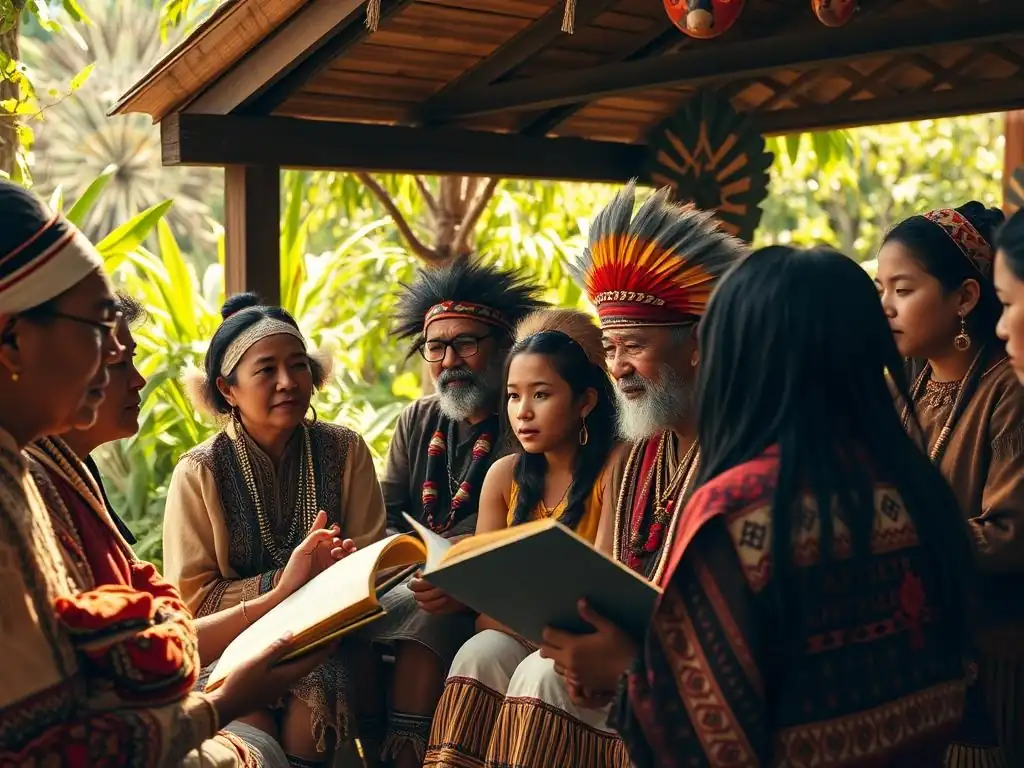
Education plays a crucial role in the revitalization movements of Indigenous cultures, serving as a powerful tool for reclaiming identities, preserving languages, and fostering community cohesion. By integrating Indigenous knowledge systems into educational frameworks, these movements seek not only to combat the effects of historical population declines but also to empower future generations. This section will explore how education facilitates the revitalization of Indigenous cultures, focusing on three pivotal aspects: incorporating Indigenous knowledge in education, building awareness and advocacy through education, and highlighting success stories of educational revitalization.
Incorporating Indigenous Knowledge in Education
Incorporating Indigenous knowledge into educational systems is fundamental for revitalization movements. This approach acknowledges the rich cultural heritage and unique worldviews of Indigenous peoples, creating an inclusive curriculum that respects and celebrates diversity. By integrating traditional ecological knowledge, oral histories, and cultural practices into the classroom, educators can foster a deeper understanding of Indigenous cultures among both Indigenous and non-Indigenous students.
Key elements of incorporating Indigenous knowledge include:
- Curriculum Development: Designing curricula that reflect Indigenous perspectives and histories, ensuring that students learn about the contributions and achievements of Indigenous cultures.
- Language Revitalization: Teaching Indigenous languages as a core subject, enabling students to reconnect with their linguistic heritage and cultural identity.
- Community Involvement: Collaborating with Indigenous elders and community leaders to bring authentic voices into the educational process, enriching the learning experience.
For example, the K-12 Indigenous Education Program in Canada emphasizes the importance of Indigenous knowledge in its curriculum, promoting cultural pride and identity among Indigenous youth.
Building Awareness and Advocacy Through Education
Education is also a powerful vehicle for building awareness and advocacy around Indigenous cultures and issues. By educating students about the historical injustices faced by Indigenous peoples and the ongoing challenges they encounter, schools can foster empathy and support for revitalization movements.
Strategies for building awareness and advocacy include:
- Cultural Exchange Programs: Implementing programs that facilitate interactions between Indigenous and non-Indigenous students, promoting understanding and respect for different cultures.
- Community Projects: Engaging students in community projects that highlight Indigenous traditions, arts, and histories, allowing them to contribute meaningfully to the revitalization efforts.
- Public Awareness Campaigns: Using educational platforms to disseminate information about the importance of preserving Indigenous cultures, thereby mobilizing support for revitalization initiatives.
An exemplary initiative is the Indigenous Peoples' Day movement, which aims to educate the public about Indigenous histories and cultures while advocating for the recognition of Indigenous rights.
Success Stories of Educational Revitalization
Numerous success stories illustrate the powerful impact of educational revitalization movements on Indigenous cultures. These examples demonstrate how education can effectively contribute to cultural renewal and population stabilization.
| Program | Location | Impact |
|---|---|---|
| Navajo Language Immersion | Navajo Nation, USA | Increased fluency among children and community engagement in cultural practices. |
| Kamehameha Schools | Hawaii, USA | Preservation of Hawaiian culture and language through comprehensive educational programs. |
| First Nations University | Saskatchewan, Canada | A unique institution that offers degree programs rooted in Indigenous knowledge, fostering academic success and cultural pride. |
These programs not only highlight the resilience of Indigenous cultures but also serve as models for similar initiatives worldwide. By prioritizing education as a means of revitalization, Indigenous communities can reclaim their narratives and ensure a thriving cultural future for generations to come.
The role of education in revitalization movements is multifaceted and essential. By incorporating Indigenous knowledge, building awareness, and celebrating success stories, educational initiatives can significantly contribute to the revitalization of Indigenous cultures, ultimately overcoming the historical population declines they have faced.
Future Perspectives on Indigenous Cultures Revitalization
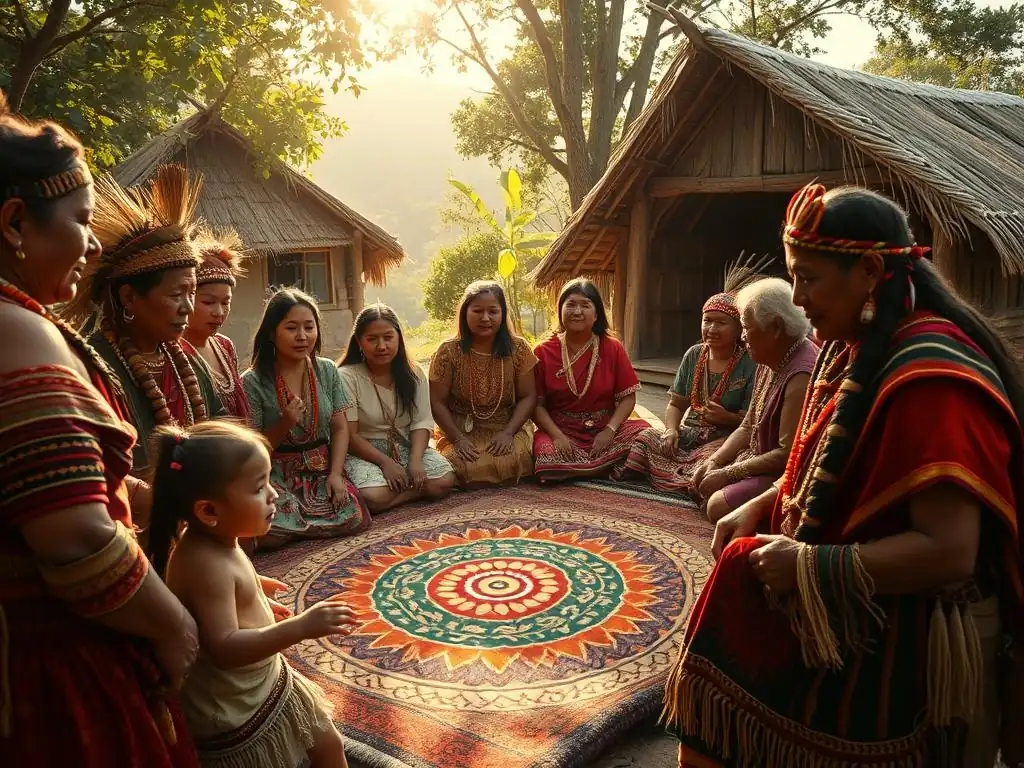
The revitalization of Indigenous cultures is a dynamic process that encompasses various strategies aimed at restoring and strengthening these rich traditions, languages, and identities. As Indigenous communities continue to navigate the challenges posed by historical population declines and the ongoing effects of colonization, several future perspectives emerge that highlight the resilience and adaptability of these cultures.
Trends and Innovations in Revitalization Movements
Indigenous cultures revitalization movements are increasingly characterized by innovative approaches that blend traditional practices with modern methodologies. Some of the notable trends include:
- Cultural Education Programs: Many Indigenous communities are establishing educational initiatives that emphasize the importance of traditional knowledge and practices. These programs often involve community elders and cultural leaders, ensuring that the transmission of knowledge is rooted in authenticity.
- Language Revitalization Efforts: The revival of Indigenous languages is critical to the preservation of cultural identity. Language immersion schools and online resources are becoming more common, allowing younger generations to learn their ancestral languages in engaging ways.
- Art and Creative Expression: Artists within Indigenous communities are utilizing contemporary mediums to express traditional themes and stories. This fusion of past and present not only serves to revitalize cultural narratives but also engages broader audiences.
- Sustainable Practices: Many revitalization movements focus on sustainable practices that honor ancestral ways of living. This includes traditional ecological knowledge (TEK) being integrated into modern environmental stewardship efforts, which highlights the significance of Indigenous contributions to biodiversity conservation.
The Role of Technology in Supporting Indigenous Cultures
Technology plays a crucial role in Indigenous cultures revitalization movements, providing new avenues for engagement and preservation. Some key aspects include:
- Digital Archives and Resources: The creation of online repositories for Indigenous knowledge, languages, and cultural artifacts enables broader access to these resources. This democratization of information empowers community members and researchers alike.
- Social Media Activism: Platforms like Facebook, Instagram, and Twitter are being leveraged to raise awareness about Indigenous issues, showcase cultural events, and connect communities. This digital presence fosters a sense of solidarity and collective identity among Indigenous peoples.
- Mobile Applications: Innovative apps are being developed to teach Indigenous languages and share cultural stories. These tools make learning accessible and engaging for younger audiences, integrating technology into the revitalization process.
- Virtual Reality Experiences: Immersive technologies such as virtual reality (VR) are being used to create experiences that allow users to explore Indigenous history and culture interactively. This cutting-edge approach can foster empathy and understanding among non-Indigenous audiences.
Building Alliances: Collaborations with Non-Indigenous Communities
Collaborative efforts between Indigenous and non-Indigenous communities are essential for the success of revitalization movements. Building alliances can enhance resources, knowledge sharing, and mutual understanding. Key collaboration strategies include:
- Educational Partnerships: Universities and educational institutions are increasingly partnering with Indigenous communities to create curricula that reflect Indigenous perspectives and histories. These collaborations aim to decolonize education and provide a platform for Indigenous voices.
- Cultural Exchange Programs: Initiatives that promote cultural exchanges can enrich both Indigenous and non-Indigenous participants. These programs foster mutual respect and understanding, highlighting the importance of diverse cultural narratives.
- Joint Environmental Stewardship: Collaborations on environmental projects can lead to the integration of Indigenous knowledge with scientific practices. This partnership can enhance conservation efforts and showcase the value of Indigenous ecological wisdom.
- Advocacy and Policy Influence: Working together, Indigenous and non-Indigenous organizations can advocate for policy changes that support Indigenous rights and cultural revitalization. This united front amplifies voices and increases visibility in discussions about land rights, language preservation, and cultural heritage.
The future of Indigenous cultures revitalization movements is bright, driven by innovation, collaboration, and a commitment to preserving the rich tapestry of Indigenous identities. As these movements continue to evolve, they will undoubtedly shape the cultural landscape of the Americas for generations to come.
Conclusion
The Significance of Revitalization for Indigenous Cultures
The revitalization of Indigenous cultures plays a crucial role in the restoration of identity, community cohesion, and cultural heritage. Following centuries of oppression, forced assimilation, and population decline due to European colonization, many Indigenous groups have initiated movements aimed at reclaiming their cultural practices, languages, and traditions. These revitalization movements are not merely acts of nostalgia; they serve as fundamental components in the rebuilding of social structures and the reaffirmation of Indigenous identities.
Key Factors Supporting Revitalization:
-
Language Preservation:
Language is a cornerstone of culture. Revitalization efforts often focus on teaching Indigenous languages to younger generations, ensuring that these languages do not vanish. For example, organizations like the Cherokee Language Revitalization Project have developed educational resources to help children learn the Cherokee language.
-
Cultural Practices and Traditions:
Engaging in traditional practices—such as storytelling, dance, and crafts—helps maintain cultural continuity. Events like powwows and cultural festivals serve as platforms for sharing and celebrating Indigenous heritage, fostering a sense of unity and pride among community members.
-
Community Empowerment:
Revitalization movements empower Indigenous communities by instilling a sense of agency. Through initiatives that promote self-governance and economic development, Indigenous peoples can reclaim their rights and influence their destinies.
-
Intergenerational Knowledge Transfer:
Encouraging elders to share their knowledge and experiences with youth is vital for cultural sustainability. This intergenerational dialogue strengthens community bonds and ensures that valuable traditions and teachings are preserved.
Call to Action: Supporting Indigenous Revitalization Movements
To foster the resurgence of Indigenous cultures and support revitalization movements, individuals and communities can take several actionable steps:
-
Educate Yourself and Others:
Understanding the history and current challenges faced by Indigenous cultures is essential. Share this knowledge through discussions, workshops, or social media platforms.
-
Participate in Local Indigenous Events:
Attend cultural festivals, workshops, and language classes. Engaging with Indigenous communities not only enhances personal understanding but also demonstrates solidarity.
-
Support Indigenous Artists and Businesses:
Purchase art, crafts, and services from Indigenous creators. This not only provides economic support but also promotes the visibility of Indigenous cultures.
-
Advocate for Policy Changes:
Join or support organizations that work towards policy reforms benefiting Indigenous communities. Advocacy can lead to greater recognition of Indigenous rights and resources for revitalization efforts.
-
Volunteer or Donate:
Contributing time or resources to Indigenous-led organizations directly impacts revitalization initiatives. Many groups are actively working on educational programs, cultural preservation, and community development.
-
Amplify Indigenous Voices:
Use platforms to amplify the voices of Indigenous leaders, artists, and activists. Sharing their stories helps raise awareness and fosters a deeper understanding of their struggles and successes.
Supporting Indigenous cultures revitalization movements is not just about recognition; it's about fostering resilience, empowerment, and a celebration of rich heritages that continue to thrive against the odds. By taking action, we can contribute to a more inclusive and respectful dialogue about Indigenous cultures in the Americas.
Frequently Asked Questions
What are revitalization movements in the context of indigenous cultures?
Revitalization movements are efforts by indigenous groups to restore and revive their cultural practices, languages, and traditions that have been negatively impacted by colonization and historical population declines.
How do revitalization movements help in preserving indigenous cultures?
These movements promote cultural awareness, education, and community engagement, allowing indigenous peoples to reclaim their heritage and strengthen their identities in the face of modern challenges.
What role does language play in indigenous cultures revitalization movements?
Language is a fundamental aspect of cultural identity, and revitalization movements often include initiatives to teach and preserve indigenous languages, which are crucial for maintaining cultural knowledge and practices.
Can you provide examples of successful revitalization movements?
Many indigenous groups have successfully implemented language immersion programs, cultural festivals, and traditional arts workshops that have led to a renewed interest in their cultures and increased community participation.
How do external factors influence these revitalization efforts?
External factors, such as government policies, societal attitudes, and economic support, can significantly impact the success of revitalization movements by either providing resources or presenting challenges that indigenous communities must navigate.
Final Reflection: Revitalization Movements as a Beacon of Hope for Indigenous Cultures
The journey of Indigenous cultures revitalization movements is not just a narrative of overcoming historical challenges; it is a testament to resilience and the enduring power of cultural identity. Today, as we witness a resurgence of interest in Indigenous traditions, languages, and practices, it becomes clear that these movements are not merely a response to past injustices but a proactive approach to reclaiming agency and fostering community strength. The revitalization of these cultures serves as a striking reminder that history does not have to dictate the future; instead, it can empower communities to forge new paths forward.
The impact of these revitalization movements extends far beyond the communities directly involved; they resonate throughout the cultural and social landscape, inspiring broader conversations about identity, heritage, and sustainability. As we engage with these movements, we are reminded of the importance of honoring diverse perspectives and the richness they bring to our collective human experience. Cultural revitalization is not just about preserving the past; it's about shaping a future where all voices are heard and valued.
This ongoing influence encourages us to reflect on our own roles in supporting and uplifting Indigenous voices, recognizing that their struggles and triumphs are intertwined with our shared humanity.
As we conclude this exploration of Indigenous cultures revitalization movements, I invite you to reflect on how you can contribute to this vital narrative. Consider ways to engage with and support Indigenous communities, whether through education, advocacy, or simply by listening to their stories. Your actions, no matter how small, can help foster a more inclusive and respectful world where Indigenous cultures not only survive but thrive. Let us carry forward the lessons learned from these movements, embracing the diversity of our world and committing to a future where every culture is celebrated and preserved.
Ignite Change: Support Indigenous Revitalization Today!
Thank you for exploring the inspiring journey of Indigenous cultures overcoming historical challenges. Your interest helps shed light on the resilience and vibrancy of these communities, proving that change is not only possible but already happening. Now, it’s your turn to contribute to this movement!
Here’s how you can make an impact:
- Join a Local Initiative: Get involved with organizations dedicated to supporting Indigenous rights and preserving cultural heritage in your community.
- Share Knowledge: Help raise awareness by sharing this message with your friends and family, and encourage them to learn about Indigenous histories and contemporary movements.
- Attend a Cultural Event: Immerse yourself in the richness of Indigenous cultures by participating in local events, workshops, or festivals.
How will you contribute to the revitalization of Indigenous cultures in your community? Let's start a conversation in the comments!