
The Impact of Geography on Indigenous Housing Designs

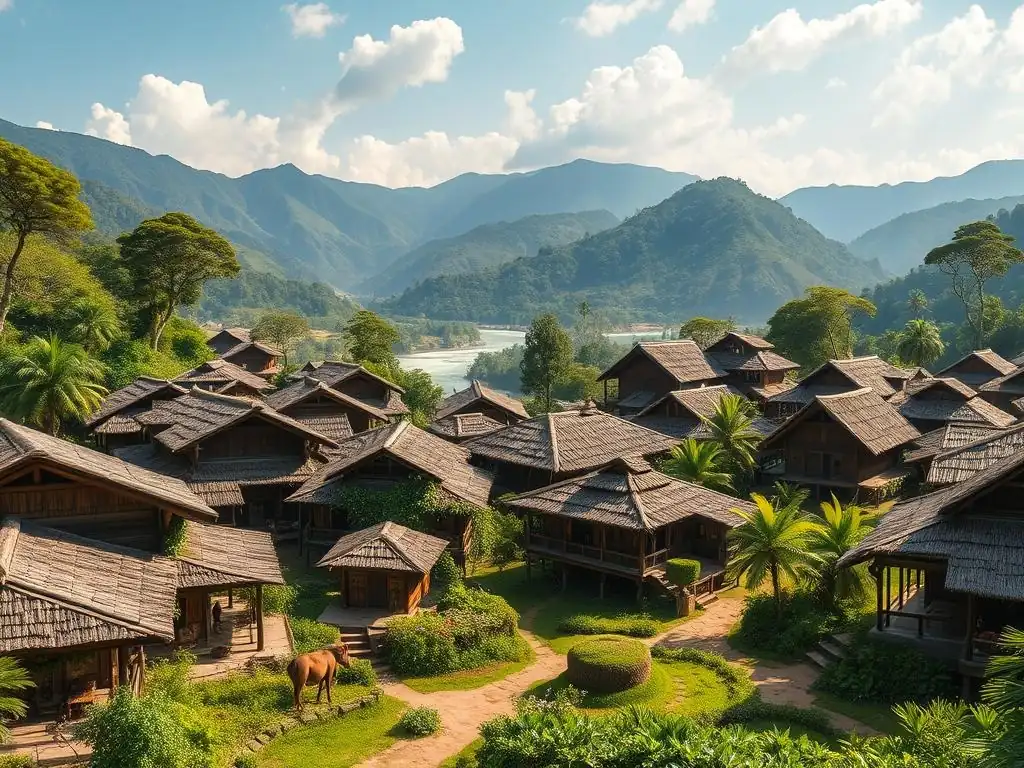
Welcome to Indigenous Civilizations of the Americas, where we invite you to delve into the rich tapestry of cultures that flourished long before European contact. In our featured article, "The Impact of Geography on Indigenous Housing Designs," we explore how the diverse landscapes of the Americas shaped the unique living spaces of indigenous peoples. From the arid deserts to lush forests, discover how geography influenced not only architecture but also the daily lives and social structures of these remarkable civilizations. Join us on this enlightening journey and uncover the profound connection between environment and indigenous ingenuity!
Introduction to Indigenous Housing Designs and Geography
The interplay between geography and indigenous housing designs reveals a profound relationship that shaped the living conditions of diverse cultures across the Americas. Before European colonization, indigenous peoples adapted their architectural styles to the unique environmental challenges and resources available in their regions. This article delves into the intricate ways geography influenced indigenous housing designs, illustrating how these structures were not merely shelters but reflections of the societies that created them. By examining the various regional adaptations, we gain insight into the ingenuity and resilience of indigenous cultures, as well as their enduring legacies.
Understanding Indigenous Housing in the Americas
Indigenous housing in the Americas was diverse and varied, reflecting the rich tapestry of cultures and environments present across the continent. From the icy landscapes of the Arctic to the temperate forests of the Northeast, each community developed unique housing solutions that catered to their specific needs and surroundings.
- Key Elements of Indigenous Housing Designs:
- Use of local materials: Indigenous peoples utilized available resources like wood, stone, animal skins, and earth.
- Environmental considerations: Structures were designed to withstand local weather patterns, from heavy snow to intense heat.
- Cultural significance: Housing often reflected social structures, beliefs, and communal living practices.
The vast array of housing styles showcases the creativity and adaptability of indigenous cultures, shaped by their geographical contexts.
The Role of Geography in Shaping Housing Styles
Geography played a critical role in determining the form, function, and construction materials of indigenous housing. The following factors illustrate how geographical elements influenced housing designs:
- Climate: Different climatic conditions dictated the need for insulation, ventilation, and protection from the elements.
- Topography: The availability of flat land, hills, or water bodies influenced the placement and structure of homes.
- Resource Availability: Proximity to materials like wood, stone, or clay informed the building techniques and styles adopted by different cultures.
Understanding these geographical influences is essential for appreciating the diversity and practicality of indigenous housing designs throughout the Americas.
Regional Variations in Indigenous Housing Designs
Housing Designs in the Arctic: Adapting to Extreme Conditions
In the Arctic, indigenous peoples such as the Inuit constructed unique housing known as igloos and tents made from animal skins. These structures were designed to provide warmth and protection against harsh, frigid temperatures and strong winds.
- Key Features:
- Igloos: Built from compacted snow, igloos utilized the insulating properties of snow to maintain warmth.
- Skin Tents: Made from sealskin, these tents were portable and well-suited for the nomadic lifestyle.
The ingenuity of Arctic housing designs demonstrates a deep understanding of their extreme environment.
Plains Indigenous Housing: Tipis and the Influence of Mobility
The Plains indigenous peoples, including the Lakota and Cheyenne, primarily used tipis as their housing solution. These conical tents were constructed from wooden poles and covered with animal hides, allowing for easy assembly and disassembly.
- Characteristics:
- Mobility: The tipis could be transported easily, reflecting the nomadic lifestyle centered around buffalo hunting.
- Ventilation: The design allowed for smoke to escape while retaining heat, making them practical for cooking and warmth.
This adaptability to their environment and lifestyle showcases the relationship between geography, mobility, and indigenous housing.
Coastal Indigenous Housing: Materials and Environmental Adaptations
Coastal indigenous communities, such as the Kwakwaka'wakw and Haida, crafted homes using abundant local resources. Their housing designs were heavily influenced by the maritime environment.
- Housing Types:
- Longhouses: Constructed from cedar wood, these large, communal structures highlighted social organization and collective living.
- Plank Houses: Built along the coast, these homes featured large wooden planks and were often elaborately decorated.
The use of local materials and construction techniques underscores the connection between geography and housing designs in coastal regions.
Woodland Indigenous Housing: Longhouses and Community Living
In the Woodland regions, indigenous peoples such as the Iroquois constructed longhouses, which served as both residences and community centers.
- Key Aspects:
- Structure: Longhouses were built using a framework of wooden poles and covered with bark, accommodating multiple families.
- Community Focus: These designs fostered communal living and cooperation among families, reflecting the social structure of Woodland tribes.
The longhouse stands as a testament to the interplay between geography, community, and indigenous housing designs in the Americas.
The Influence of Climate on Indigenous Housing Designs
Indigenous housing designs across the Americas were profoundly influenced by regional climates, which dictated not only the materials used in construction but also the overall architectural styles and layout of the structures. For instance, in the arid deserts of the Southwest, indigenous tribes such as the Pueblo people constructed adobe homes that were thick-walled to retain coolness during the hot days and warmth during the cold nights. In contrast, the Inuit in the Arctic regions built igloos from compacted snow, utilizing its insulating properties to create a warm refuge against freezing temperatures.
The climatic variations—from the humid rainforests to the dry plains—led to diverse housing solutions. In tropical areas, stilt houses were common to prevent flooding and allow for ventilation, while in colder regions, the use of tents made from animal skins or wooden frames provided mobility and warmth. These adaptations underscore the ingenuity of indigenous peoples in crafting habitats that harmonized with their environments.
How Climate Shapes Building Materials and Techniques
The choice of building materials was primarily dictated by the availability of natural resources influenced by the local climate. In forested areas, timber became the primary material, while clay and earth were favored in drier regions for their thermal mass and availability. For example, the longhouses of the Iroquois utilized logs and bark, showcasing their connection to the surrounding woodland.
Additionally, construction techniques evolved to suit climate conditions. In colder climates, rounded shapes were favored to minimize wind resistance, as seen in the igloos and semi-subterranean homes of various northern tribes. In warmer areas, open floor plans and high ceilings allowed for better air circulation, which was crucial for comfort in hot weather.
The integration of these local materials and techniques not only satisfied immediate shelter needs but also reflected a deep understanding of the environment, allowing indigenous peoples to thrive in diverse climatic conditions.
Seasonal Changes and Their Impact on Housing Structures
Seasonal shifts significantly influenced indigenous housing designs, prompting adaptations to meet varying environmental challenges. In regions with distinct seasons, temporary or semi-permanent dwellings were often constructed to accommodate the needs of different times of the year.
For example, the Plains tribes, such as the Lakota, utilized tipis, which could be easily assembled and disassembled, allowing them to follow bison migrations. In contrast, in the coastal regions, the Kwakwaka'wakw built longhouses that could house multiple families, suitable for the community-oriented lifestyle during milder months, while providing adequate shelter during the harsher winter months.
These seasonal adaptations highlight the dynamic relationship between indigenous peoples and their environments, showcasing their ability to modify housing structures in response to ecological changes and resource availability.
Natural Resources and Indigenous Housing
Natural resources played a critical role in shaping indigenous housing designs, with availability often determining the types of materials and construction methods employed. Indigenous peoples were adept at utilizing local resources, creating homes that not only met their practical needs but also reflected their cultural values and lifestyles.
The Use of Local Materials in Indigenous Housing Designs
The use of local materials is a hallmark of indigenous housing designs. Tribes across the Americas employed a variety of resources, from stone and clay to reeds and animal hides, depending on their geographic location. For instance, the Ancestral Puebloans in the Southwest used sandstone and adobe to create multi-storied cliff dwellings, while the coastal tribes of the Pacific Northwest utilized cedar wood for longhouses, taking advantage of the abundant timber resources.
This reliance on local materials not only minimized transportation costs but also fostered a sustainable approach to building. Indigenous peoples often practiced a form of environmental stewardship, ensuring that their methods of gathering and utilizing materials did not deplete local resources, thus promoting a harmonious relationship with their surroundings.
Sustainable Practices in Indigenous Architecture
Sustainability was a foundational principle in indigenous architecture, where the design and construction of homes were closely aligned with ecological cycles. Building practices often included features that enhanced energy efficiency and minimized waste. For example, many indigenous houses incorporated passive design principles, such as orientation to maximize natural light and ventilation, which reduced the need for artificial heating and cooling.
Moreover, the practice of using biodegradable materials, such as straw, mud, and wood, ensured that structures would blend back into the environment over time. The concept of sustainability in indigenous housing went beyond materials; it encompassed a broader worldview that valued balance and reciprocity with nature.
The geographical context of indigenous communities, shaped by climate, available resources, and seasonal changes, has led to a rich diversity of housing designs that reflect both their ingenuity and their deep-rooted connection to the land. These designs not only served practical purposes but also embodied the cultural identities and values of the peoples who crafted them.
Cultural Significance of Geography in Housing Designs
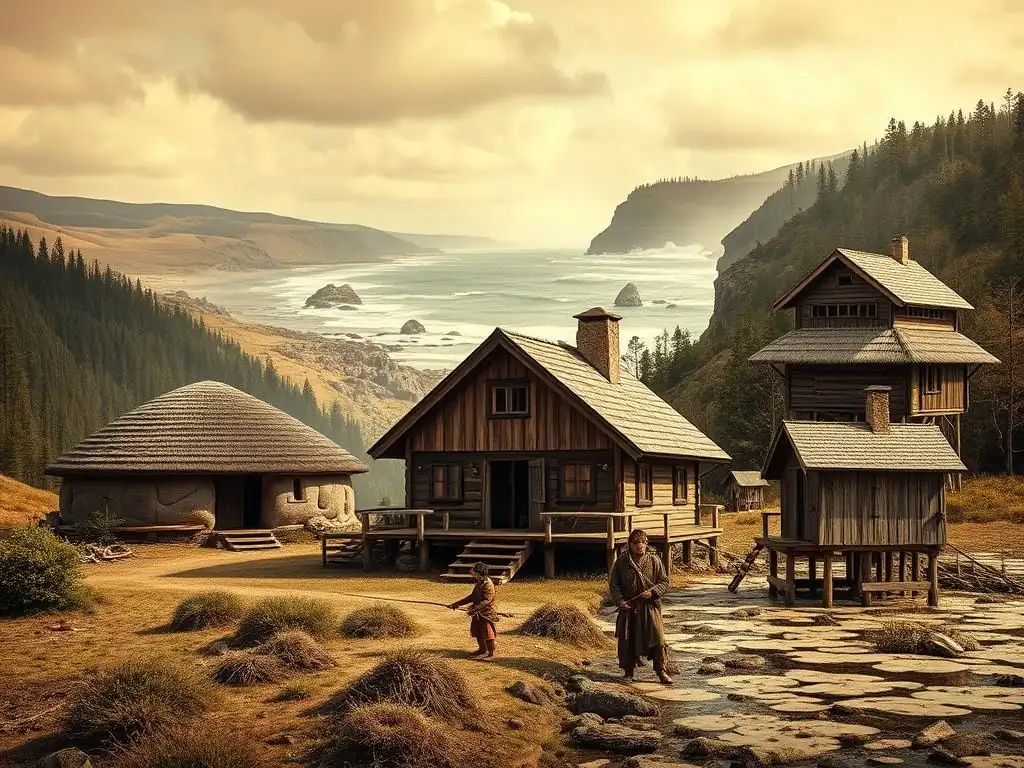
Indigenous housing designs are deeply intertwined with the geography of the regions in which these cultures developed. The availability of natural resources, climate conditions, and geographical features such as mountains, rivers, and plains significantly influenced the construction methods and materials used in indigenous homes. For many indigenous groups, housing is not just a shelter but a reflection of their values, beliefs, and relationship with the land.
The cultural significance of geography is evident in how different tribes adapted their housing to suit their environment. For example, in arid regions, homes were designed to provide shade and retain coolness, while in colder climates, structures were built to withstand harsh weather conditions. The choice of materials also varied based on what was locally available, such as clay, wood, or animal hides, showcasing an intimate understanding of the land and its resources.
Moreover, many indigenous groups view their homes as extensions of their identity and connection to the earth. The layout, orientation, and design often carry symbolic meanings, representing harmony with nature and the spiritual beliefs of the community. This cultural significance serves not only practical needs but also reinforces the social fabric of these societies.
Spiritual Connections to Land and Housing
For many indigenous cultures, there exists a profound spiritual connection to the land that shapes their housing designs. This connection is often rooted in the belief that the land is sacred and imbued with ancestral spirits. As a result, indigenous peoples often design their homes in ways that honor this relationship, incorporating elements that reflect their spirituality and respect for nature.
Housing structures may be oriented towards specific natural landmarks, such as mountains or rivers, which hold cultural significance. This orientation not only provides a sense of place but also serves as a reminder of their connection to the cosmos and the natural world. The use of natural materials in construction is also symbolic, representing a physical and spiritual bond with the earth.
Furthermore, many indigenous communities have rituals associated with building and maintaining homes, emphasizing their belief in the sanctity of the space. These practices can include blessing the site, offering prayers, or using specific symbols to invoke protection and harmony. Through these actions, the homes become more than just physical structures; they transform into living embodiments of cultural identity and spiritual beliefs.
The Role of Geography in Community Layout and Social Structures
Geography plays a crucial role in shaping not only the design of individual homes but also the overall layout of indigenous communities. The spatial organization of these communities often reflects the geographical features and resources available in the area. For instance, the proximity to water sources, fertile land, and transportation routes influences where homes are situated and how communities are structured.
In many cases, community layouts are designed to facilitate social interactions and communal activities. For example, in some tribes, homes may be clustered together to promote collaboration and cooperation among families, while in others, homes may be arranged in a linear fashion to follow the contours of the landscape. This arrangement fosters a sense of community and shared responsibility, reinforcing social bonds.
Additionally, geography can dictate the social hierarchy within a community. Certain geographic features may be associated with leadership or ceremonial roles, influencing the location and design of these homes. As such, the interplay between geography and social structures is evident in how indigenous housing designs reflect both the practical needs of the community and the cultural values that bind them together.
Case Studies of Indigenous Housing Designs Influenced by Geography
Case Study 1: Inuit Igloos and Their Adaptation to Arctic Environments
Inuit igloos are a remarkable example of indigenous housing designs that have adapted to extreme Arctic environments. Constructed from blocks of compacted snow, igloos are engineered to provide insulation and warmth against frigid temperatures. The dome shape of the igloo allows for efficient heat retention, creating a surprisingly comfortable living space even in the harshest conditions.
The choice of snow as a building material highlights the Inuit's deep understanding of their environment. Snow, while seemingly cold, acts as an excellent insulator, trapping heat from body warmth and any small fire used for cooking. This adaptation not only reflects the ingenuity of the Inuit people but also their reliance on the geography of the Arctic, which provides the necessary materials for survival.
Moreover, the igloo serves as a symbol of Inuit culture and resilience, representing their ability to thrive in a challenging landscape. The construction of an igloo is often a communal effort, reinforcing social ties and cultural traditions within Inuit society.
Case Study 2: Lakota Tipis and Nomadic Lifestyle
The Lakota people are known for their distinctive tipis, which are closely tied to their nomadic lifestyle on the Great Plains. Designed for mobility, tipis are made from wooden poles and covered with animal hides, allowing for quick assembly and disassembly as the Lakota followed buffalo herds for sustenance.
The cone shape of the tipi is not only practical for wind resistance but also serves to reflect the Lakota's spiritual beliefs. The design allows smoke from the fire to escape through the top, symbolizing a connection to the heavens. The orientation of the tipi often holds significance, with specific directions associated with different elements of Lakota cosmology.
This housing design illustrates how geography—specifically the vast plains and availability of resources—shaped the Lakota's way of life. Their reliance on mobility and adaptability is reflected in their housing, which embodies both practical needs and cultural identity.
Case Study 3: Pacific Northwest Longhouses and Resource Availability
In the Pacific Northwest, indigenous cultures such as the Haida and Tlingit built longhouses as communal living spaces that exemplified their connection to the abundant natural resources of the region. Constructed from cedar wood, these longhouses were designed to house multiple families, reflecting the social structure of the communities.
The longhouse design is closely tied to the geography of the Pacific Northwest, where large trees are plentiful. The use of cedar not only provided durability but also offered insulation and resistance to decay in the moist climate. The longhouse layout facilitated social interactions, with shared spaces for cooking and gatherings, reinforcing community bonds.
Additionally, the intricate carvings and totem poles adorning these structures showcase the cultural significance of the geography in the artistic expressions of the peoples of the Pacific Northwest. The longhouse is a testament to how indigenous housing designs are deeply influenced by the geography, resource availability, and social structures of the communities they serve.
The Lasting Impact of Geography on Indigenous Housing Today
The geographical context in which Indigenous communities thrived has profoundly influenced their housing designs, and this impact continues to resonate in contemporary times. The natural resources available in various regions—such as wood, stone, clay, and animal hides—shaped the materials and techniques used in traditional construction.
For instance, the wooden longhouses of the Haudenosaunee in the Northeastern United States were not just functional; they were also a reflection of the abundant forests in their region. Similarly, the adobe homes of the Pueblo peoples in the Southwestern United States illustrate the use of local clay and the need for insulation in a climate characterized by extreme temperatures.
Today, the legacy of these housing designs can be seen in modern Indigenous architecture, where many communities strive to incorporate traditional elements while adapting to contemporary needs. This fusion honors historical practices while addressing current environmental and social challenges. The enduring impact of geography is also evident in the ongoing importance of location-specific building methods that enhance sustainability and resilience against climate change.
Contemporary Indigenous Housing: Merging Tradition and Modernity
Contemporary Indigenous housing often represents a harmonious blend of traditional styles and modern amenities. Many Indigenous architects and builders are now focusing on sustainable practices that draw inspiration from their ancestors while utilizing new technologies. For example, the use of renewable materials, energy-efficient designs, and culturally significant aesthetics is becoming commonplace in new constructions.
This merging of tradition and modernity is not merely a design choice; it is also a statement of cultural identity. Indigenous communities are increasingly reclaiming their architectural heritage, integrating elements that reflect their cultural narratives and values. Projects like the "Indigenous Cultural Centre" in Winnipeg showcase how traditional designs can be adapted to modern functions, creating spaces that are both reflective of Indigenous identity and practical for contemporary use.
Moreover, contemporary housing initiatives often prioritize community involvement, ensuring that the designs resonate with the needs and desires of the people who will inhabit them. This participatory approach fosters a sense of ownership and pride, further bridging the gap between historical practices and modern living.
The Importance of Preserving Indigenous Housing Knowledge
The preservation of Indigenous housing knowledge is crucial for maintaining cultural heritage and identity. Traditional building techniques, materials, and designs are often passed down through generations, embodying the unique relationship between Indigenous peoples and their environments. This knowledge not only reflects social practices but also embodies ecological wisdom, fostering sustainable living in harmony with nature.
Efforts to document and preserve these practices are vital, especially in the face of globalization and urbanization that threaten to overshadow them. Programs aimed at educating younger generations about traditional construction methods are essential for keeping this knowledge alive. Workshops, community projects, and partnerships with educational institutions can play a significant role in fostering intergenerational transmission of these skills.
In addition, the revival of interest in traditional housing can contribute to the broader movement for Indigenous rights and recognition. By valuing and preserving their housing designs, Indigenous communities affirm their identities and assert their rightful place in the narrative of contemporary architecture.
Conclusion: The Interconnection of Geography and Indigenous Housing Designs
The relationship between geography and Indigenous housing designs is a complex tapestry woven from the threads of culture, environment, and history. Each geographical setting has inspired distinct architectural styles, reflecting the adaptation of Indigenous peoples to their surroundings. From the igloos of the Arctic to the thatched roofs of tropical regions, these designs illustrate a profound understanding of the local climate and landscape.
As we move forward, recognizing this interconnection is essential for appreciating the values embedded in Indigenous housing. It also underscores the need for inclusive practices that honor Indigenous voices in discussions about housing and development. The lessons learned from traditional designs can inform contemporary practices, promoting environmentally sustainable approaches that respect the land and its original stewards.
Reflection on the Importance of Geography in Cultural Heritage
The significance of geography in shaping Indigenous housing extends beyond mere construction techniques; it is a vital aspect of cultural heritage. The landscape is often intertwined with stories, beliefs, and practices that define a community's identity. Understanding how geography influences housing designs allows us to appreciate the rich cultural narratives that accompany these structures.
By reflecting on the geographical factors that have shaped Indigenous housing, we gain insight into the adaptive strategies that have enabled these communities to thrive for centuries. This reflection also highlights the resilience of Indigenous peoples in the face of external pressures, showcasing their ability to innovate while staying true to their cultural roots.
Future Considerations for Indigenous Housing and Environmental Sustainability
Looking ahead, the future of Indigenous housing must prioritize environmental sustainability while respecting traditional practices. As climate change poses increasing challenges, integrating Indigenous knowledge can offer valuable insights into sustainable living. Many Indigenous cultures have long-standing practices that promote ecological balance, which can be applied to modern housing solutions.
Collaborative efforts between Indigenous communities, architects, and environmentalists can lead to innovative designs that honor traditional knowledge while meeting contemporary needs. This approach not only ensures the preservation of Indigenous housing heritage but also contributes to broader environmental goals, fostering a sustainable future that respects both culture and nature.
The intersection of geography and Indigenous housing designs is a rich field of study that continues to evolve. By valuing and preserving this relationship, we can honor the legacy of past generations and pave the way for a sustainable and culturally vibrant future.
- Introduction to Indigenous Housing Designs and Geography
- Regional Variations in Indigenous Housing Designs
- The Influence of Climate on Indigenous Housing Designs
- Natural Resources and Indigenous Housing
- Cultural Significance of Geography in Housing Designs
- Case Studies of Indigenous Housing Designs Influenced by Geography
- The Lasting Impact of Geography on Indigenous Housing Today
- Conclusion: The Interconnection of Geography and Indigenous Housing Designs
- What is the relationship between geography and indigenous housing designs?
- How did climate affect the types of housing built by indigenous peoples?
- What are some examples of indigenous housing designs that illustrate the impact of geography?
- How do indigenous housing designs reflect the cultural values of different societies?
- Why is it important to study indigenous housing designs in relation to geography?
Frequently Asked Questions
What is the relationship between geography and indigenous housing designs?
Geography significantly influenced indigenous housing designs, as various climates and resources determined the materials and construction methods used by different cultures.
How did climate affect the types of housing built by indigenous peoples?
In warmer regions, indigenous peoples often constructed open-air structures, while in colder climates, they built insulated homes to retain heat, showcasing the adaptability of their housing designs.
What are some examples of indigenous housing designs that illustrate the impact of geography?
Examples include the tipis of the Great Plains, suited for mobility, and the longhouses of the Northeast, which utilized available timber, demonstrating how geography shaped their architectural choices.
How do indigenous housing designs reflect the cultural values of different societies?
Indigenous housing often incorporates spiritual beliefs and social structures, with designs reflecting the community dynamics and environmental harmony valued by each culture.
Why is it important to study indigenous housing designs in relation to geography?
Studying these designs provides insight into how indigenous cultures adapted to their environments, offering lessons on sustainability and the significance of place in shaping human habitats.
Final Reflection: The Interconnection of Geography and Indigenous Housing Designs
The intricate relationship between geography and Indigenous housing designs is not just a historical curiosity; it is a vital aspect of contemporary discussions on sustainability and cultural preservation. As we navigate the complexities of modern living, understanding how geography shapes Indigenous housing offers profound insights into resilience, adaptability, and respect for the environment. The lessons learned from these designs are not merely relics of the past; they are essential blueprints for our future.
The influence of geography on Indigenous housing designs resonates deeply within our cultural and social landscapes today. From the arid deserts to the lush forests, Indigenous communities have crafted homes that reflect their surroundings, embodying a profound respect for nature. This ongoing dialogue between environment and architecture serves as a reminder of the importance of place in our lives. The land is not just a resource; it is our home, our identity, and our future.
This perspective invites us to consider how our own living spaces can be more attuned to the natural world around us.
As we reflect on the insights gained from Indigenous housing designs, I encourage you to think about your own relationship with your environment. How can you incorporate the principles of sustainability and respect for nature into your living space? Whether it's through mindful architecture, sustainable practices, or simply fostering a deeper connection with the land, each of us has the power to create spaces that honor both our heritage and our future. Let us take these lessons to heart and strive to build a world where our homes reflect the beauty and wisdom of the geography that surrounds us.
Embrace Indigenous Innovation Today!
Thank you for exploring the profound connection between geography and indigenous housing designs! Your interest not only deepens your understanding but also honors the rich traditions of communities that have thrived in diverse environments for centuries. Now, it’s time to take action and engage further with this vibrant subject.
Here are some ways you can make a difference:
- Dive Deeper: Research a specific indigenous community’s housing design and its geographical influence. Understanding their unique adaptations can inspire sustainable practices in today’s world.
- Share Your Knowledge: Discuss your findings with friends or on social media. Spreading awareness helps honor and preserve these traditions for future generations.
- Get Involved: Support local indigenous initiatives or organizations focused on preserving native housing and sustainability. Every action counts towards making a lasting impact!
As you reflect on these insights, consider this: How can understanding indigenous housing designs enhance our approach to sustainable living today? Your thoughts could spark an enlightening conversation!