
Tools of the Trade: Traditional Instruments and Their Role in Skill Acquisition

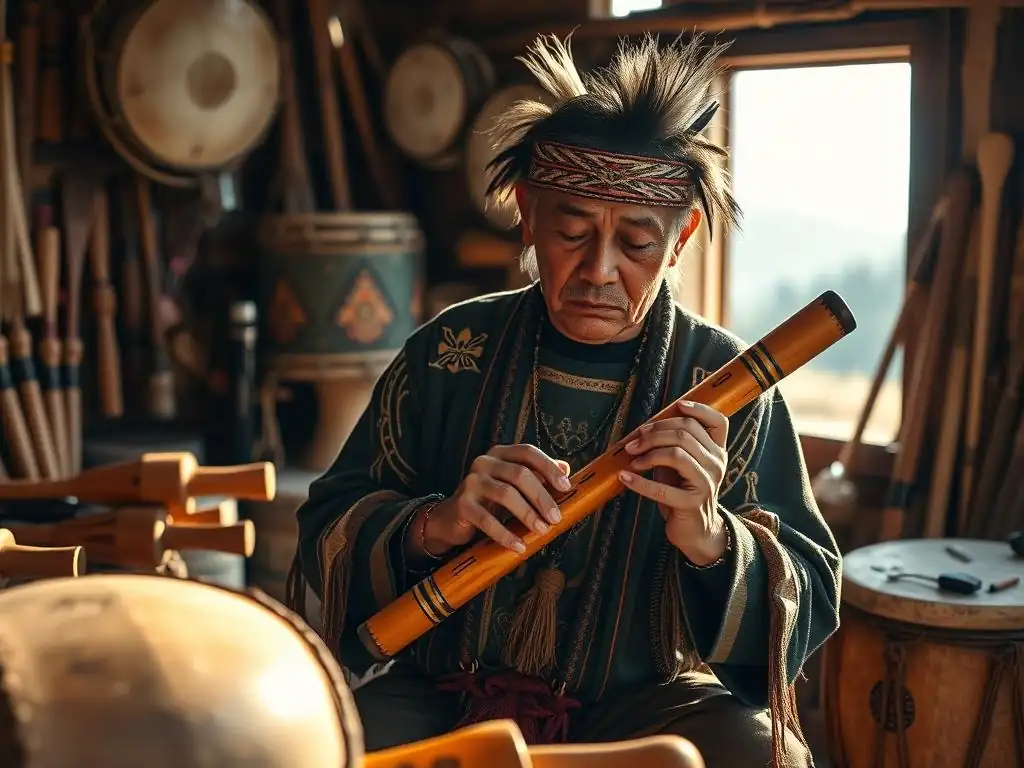
Welcome to Indigenous Civilizations of the Americas, where we embark on a captivating journey through the rich tapestry of indigenous cultures that flourished long before European contact. Here, we delve into the profound achievements and vibrant societies that shaped the Americas, showcasing their enduring legacy. In our featured article, "Tools of the Trade: Traditional Instruments and Their Role in Skill Acquisition," we invite you to explore the fascinating world of traditional Native American instruments.
Discover how these instruments were not merely tools of music but vital components in the transmission of knowledge and skills within communities. Prepare to be intrigued as you uncover the melodies that echo through history and the stories that bring these cultures to life. Happy exploring!
Introduction to Traditional Native American Instruments
The traditional Native American instruments serve as powerful tools of expression, education, and cultural preservation among Indigenous peoples of the Americas. These instruments not only produce music but also embody the history, beliefs, and practices of diverse tribes, acting as a medium for storytelling, spiritual connection, and community bonding. Understanding the role of these instruments in skill acquisition reveals how music and craftsmanship are intertwined in the learning processes of Indigenous cultures. This exploration sheds light on how traditional instruments have facilitated education and the transmission of knowledge across generations, ensuring the survival and continuity of rich cultural heritages.
Overview of Indigenous Musical Traditions
Indigenous musical traditions across the Americas are as varied as the tribes themselves. From the intricate drum patterns of the Plains tribes to the melodic flute sounds of the Southwestern cultures, these traditions reflect the unique environments and experiences of each community. Music is often integrated into rituals, celebrations, and communal gatherings, fostering a shared identity and reinforcing social bonds.
- Key Characteristics:
- Use of natural materials: Instruments are primarily crafted from local resources such as wood, bone, and animal skins.
- Vocal traditions: Many musical practices include powerful vocal elements, emphasizing storytelling and oral history.
- Rhythmic patterns: Percussion instruments play a central role in many Indigenous musical styles, driving the rhythm of dances and ceremonies.
Importance of Instruments in Cultural Expression
Traditional instruments are more than mere tools; they are vital components of cultural expression and identity. They serve various functions within communities, including:
- Ceremonial uses: Instruments accompany rituals and spiritual practices, often believed to connect the physical and spiritual worlds.
- Social cohesion: Music played on these instruments brings people together, fostering community ties and shared experiences.
- Education and learning: Through playing and creating music, younger generations gain important skills, both musical and social, that are essential for their cultural identity.
Historical Context of Traditional Instruments
The history of traditional Native American instruments is deeply intertwined with the evolution of Indigenous societies. As cultures developed and interacted with their environments, the design and use of musical instruments evolved, reflecting changes in technology, resources, and social structures.
Evolution of Musical Instruments in Native American Cultures
Over time, traditional instruments have undergone significant modifications. Early Indigenous peoples developed instruments that were primarily functional, designed for specific purposes such as hunting, rituals, or communication. As societies evolved, so did the complexity and artistry of the instruments:
- Materials and construction: The introduction of metal tools and new materials influenced instrument design, allowing for greater creativity and variety.
- Cultural exchange: Interaction with other tribes and later European settlers introduced new musical styles and instruments, leading to hybrid forms that enrich Indigenous musical traditions today.
Instruments Across Different Indigenous Tribes
Each Indigenous tribe has its unique set of instruments, reflecting its cultural values and environmental context. For example:
- Plains Tribes: The drum, often used in powwow music, symbolizes community and unity.
- Southwestern Tribes: Flutes made from wood or reed are integral to romantic and spiritual music.
- Northeast Tribes: Rattles, made from gourd or wood, are commonly used in ceremonies to invoke spirits.
By understanding these diverse instruments, we gain insight into the rich tapestry of Indigenous cultures and their enduring legacies.
Types of Traditional Native American Instruments
Traditional Native American instruments are a vital part of the cultural heritage of indigenous peoples across North America. These instruments not only serve musical purposes but also play significant roles in rituals, storytelling, and community gatherings. Here, we delve into the three main categories of traditional instruments: percussion, wind, and string.
Percussion Instruments
Percussion instruments form a fundamental part of Native American music, providing rhythm and a strong foundational beat. Common examples include:
- Drums: The drum is perhaps the most iconic percussion instrument, often made from animal skins stretched over wooden frames. Drumming holds ceremonial importance, symbolizing the heartbeat of Mother Earth. Different tribes have their unique styles and drum-making techniques.
- Shakers: Instruments such as rattles, typically made from gourd or animal materials filled with seeds or stones, produce a distinctive shaking sound. They are often used in dances and healing ceremonies.
- Clappers: Made from wood, bone, or other materials, clappers are struck together to create sound. They are frequently used in storytelling, emphasizing important moments in the narrative.
These instruments not only create music but also resonate with spiritual significance, often accompanying rituals and communal celebrations.
Wind Instruments
Wind instruments in Native American cultures are designed to produce sound through the breath, embodying the spirit and connection to the natural world. Notable examples include:
- Flutes: Native American flutes are typically made from wood or bone and are known for their calming, melodic sounds. Each tribe has distinct flute designs and playing styles, often used in romantic or spiritual contexts.
- Horns: Various tribes crafted horns from animal bones or shells, used for signaling or during ceremonies. Their deep, resonant sounds can carry over long distances, making them effective for communication in vast landscapes.
- Whistles: Simple yet expressive, whistles often made from wood or clay, serve both musical and communicative purposes. They can mimic bird calls, enhancing the connection to nature.
Wind instruments connect players to their environment, reflecting the sounds of nature and the world around them.
String Instruments
String instruments, while less common than percussion and wind instruments, also play an essential role in the musical traditions of Native American cultures. They include:
- Lutes: Some tribes created lutes, which are stringed instruments played by plucking or strumming. These instruments often accompany songs that tell stories or convey cultural heritage.
- Bows: While primarily hunting tools, bows also produce sound when strummed, creating a unique musical quality. This dual purpose exemplifies the ingenuity of traditional Native American craftsmanship.
The artistry in crafting string instruments showcases the cultural values and skills of indigenous communities, reinforcing their identity and traditions.
Skill Acquisition Through Traditional Instruments
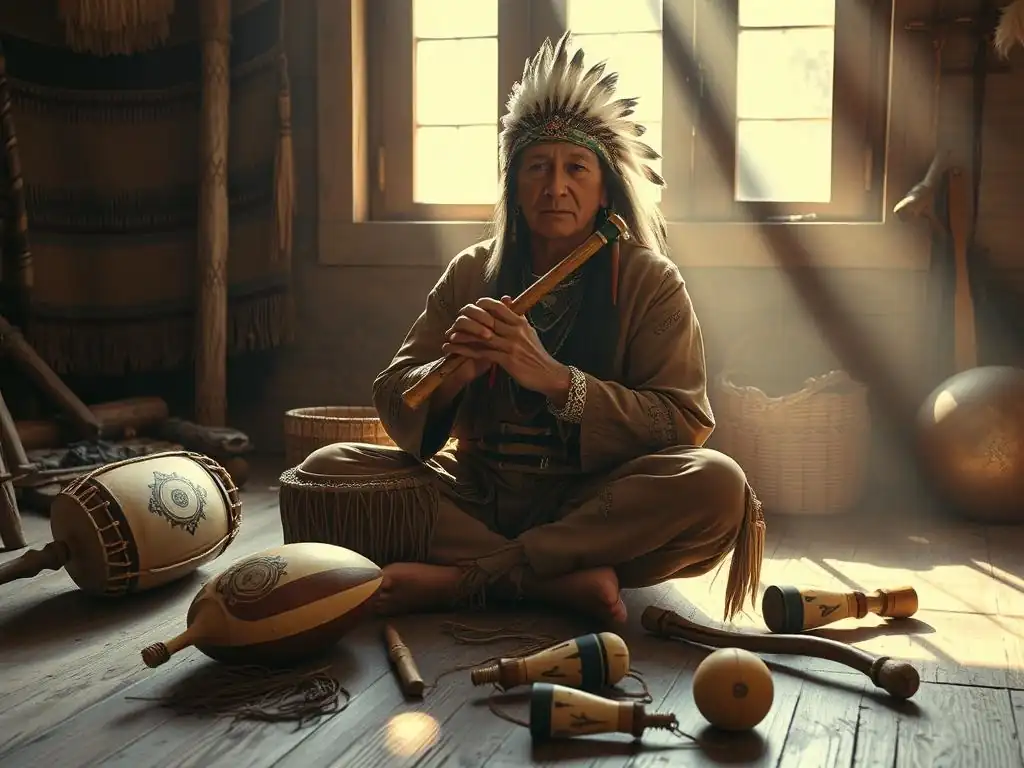
Traditional Native American instruments serve as vital tools for skill acquisition, fostering both individual and communal learning. The integration of music into education emphasizes the importance of cultural heritage and experiential learning.
Learning Methods in Indigenous Cultures
In many indigenous cultures, learning is primarily experiential and communal. Traditional instruments play a key role in this process:
- Mentorship: Elders often pass down knowledge through direct teaching while playing instruments. This mentorship fosters a strong bond between generations and ensures the transmission of cultural practices.
- Storytelling: Instruments accompany storytelling, enriching narratives with sound. This method not only teaches history and morals but also enhances listening and comprehension skills.
- Participation: Community gatherings often involve collective music-making, where individuals learn through participation. This hands-on approach allows for immediate feedback and skill development.
Through these methods, traditional instruments become instrumental in shaping the identity and skills of future generations.
The Role of Instruments in Cognitive and Social Skills
Playing traditional Native American instruments enhances various cognitive and social skills, contributing to holistic development:
- Cognitive Development: Engaging with music fosters creativity, memory, and critical thinking. Learning to play an instrument involves understanding rhythm, melody, and harmony, which are essential cognitive skills.
- Social Connection: Music is inherently social; playing instruments together fosters teamwork and communication. These shared experiences help build strong community ties and promote cultural cohesion.
- Emotional Expression: Instruments provide a medium for emotional expression, allowing individuals to convey feelings and experiences. This aspect is crucial for personal development and emotional intelligence.
Traditional Native American instruments are not merely tools for music but are integral to the educational framework within indigenous cultures, shaping skills that contribute to individual and community growth.
Modern Relevance of Traditional Native American Instruments
Traditional Native American instruments hold significant relevance in contemporary society, serving both as cultural symbols and as educational tools. These instruments, such as drums, flutes, and rattles, continue to play a vital role in the expression of indigenous identity and the preservation of cultural heritage. They are not just artifacts of the past; they are actively used in ceremonies, celebrations, and educational settings, fostering a connection between generations and promoting understanding among diverse audiences.
In recent years, there has been a growing awareness and appreciation for traditional Native American music. This resurgence has led to increased recognition of the importance of these instruments in conveying stories, traditions, and values inherent in indigenous cultures. As a result, many contemporary musicians and educators are incorporating these instruments into their work, bridging the gap between traditional practices and modern contexts.
Revival of Interest in Traditional Music
The revival of interest in traditional Native American music can be traced back to various cultural initiatives aimed at celebrating indigenous heritage. Festivals, workshops, and community events often highlight traditional performances, providing platforms for artists to showcase their skills and share their knowledge. This resurgence is not only about nostalgia; it reflects a genuine desire to reconnect with ancestral roots and promote cultural pride.
Social media and digital platforms have also played a crucial role in this revival. Musicians and educators are utilizing these channels to reach wider audiences, sharing tutorials, performances, and historical context about traditional instruments. This accessibility fosters a new generation of learners who are eager to explore these musical traditions, ensuring their survival and evolution in contemporary settings.
Educational Programs Incorporating Traditional Instruments
Educational programs across North America are increasingly recognizing the value of traditional Native American instruments in their curricula. Schools, universities, and community organizations are integrating these instruments into music education, storytelling, and cultural studies. By doing so, they provide students with hands-on experiences that deepen their understanding of indigenous cultures.
Programs often include workshops where participants can learn to play instruments like the Native American flute or the powwow drum. These experiences not only teach musical skills but also impart knowledge about the cultural significance of the instruments, the history of their usage, and the stories they convey. Such programs foster greater respect and appreciation for indigenous cultures, highlighting the role of music as a medium for knowledge transmission.
Conclusion
The enduring legacy of traditional Native American instruments extends beyond their historical significance; they are vital tools for education and cultural preservation. As interest in these instruments grows, it becomes increasingly important to recognize their role in shaping identity and fostering community connections.
The Lasting Legacy of Traditional Instruments in Indigenous Education
Traditional instruments have left an indelible mark on indigenous education, serving as conduits for cultural knowledge and skill acquisition. They are often central to teaching methods that emphasize experiential learning, where individuals engage directly with their heritage through music. This approach not only cultivates musical talent but also reinforces community values and collective memory.
Moreover, the integration of traditional instruments into educational settings helps to counteract the historical marginalization of indigenous cultures. By legitimizing these practices within academic frameworks, educators contribute to a more inclusive understanding of history and cultural diversity, ensuring that traditional knowledge systems are respected and preserved.
Encouraging Preservation of Indigenous Musical Heritage
Preserving indigenous musical heritage requires a concerted effort from individuals, communities, and educational institutions. By fostering environments where traditional Native American instruments can thrive, we encourage cultural resilience and continuity. This can be achieved through:
- Community Workshops: Engaging community members in the crafting and playing of traditional instruments.
- Cultural Events: Hosting festivals that celebrate traditional music and encourage participation from all age groups.
- Collaborative Projects: Partnering with educational institutions to develop curricula that integrate traditional music.
Through these initiatives, we can ensure that the rich musical traditions of indigenous peoples not only survive but also flourish in the modern world, continuing to inspire future generations.
- Introduction to Traditional Native American Instruments
- Historical Context of Traditional Instruments
- Types of Traditional Native American Instruments
- Skill Acquisition Through Traditional Instruments
- Modern Relevance of Traditional Native American Instruments
- Conclusion
- What are traditional Native American instruments?
- How did traditional instruments contribute to skill acquisition?
- What types of traditional Native American instruments are most common?
- Can traditional Native American instruments be found today?
- How do traditional instruments convey cultural stories?
Frequently Asked Questions
What are traditional Native American instruments?
Traditional Native American instruments are musical tools created and used by Indigenous cultures in the Americas, including drums, flutes, rattles, and more, that play a vital role in their ceremonies and oral traditions.
How did traditional instruments contribute to skill acquisition?
These instruments were essential in teaching community values and cultural identity, as playing them often required collaboration, discipline, and practice, thus fostering important life skills among the youth.
What types of traditional Native American instruments are most common?
Common instruments include the drum, which serves as a heartbeat in many cultures, the flute, known for its melodic sounds, and rattles, which are often used in rituals and celebrations to enhance spiritual experiences.
Can traditional Native American instruments be found today?
Yes, many Indigenous communities still create and use traditional instruments, preserving their cultural heritage and ensuring that these musical forms continue to influence contemporary Native American music.
How do traditional instruments convey cultural stories?
Traditional instruments often accompany storytelling and dance, allowing for the expression of historical narratives, spiritual beliefs, and social values, thereby maintaining a connection to their ancestry and traditions.
Final Reflection: The Enduring Legacy of Traditional Native American Instruments
The exploration of traditional Native American instruments is not merely a journey into the past; it is a vital connection to the present and future of cultural identity and skill acquisition. As we navigate a rapidly changing world, these instruments serve as a reminder of the rich heritage and wisdom embedded in indigenous practices. The revival and appreciation of these tools underscore their significance in fostering community, storytelling, and personal growth.
The influence of traditional Native American instruments extends far beyond music; they are a bridge to understanding cultural narratives and collective memory. The skills acquired through the mastery of these instruments not only honor ancestral traditions but also empower individuals to express their identities in contemporary contexts. As noted by musician and educator R. Carlos Nakai, Music is the language of the spirit, and traditional instruments carry the voices of our ancestors.
This sentiment encapsulates the profound impact these instruments have on both personal and communal levels, reminding us of the importance of preserving and celebrating our cultural heritage.
As you reflect on the themes presented in this article, I invite you to consider how you can incorporate the lessons of traditional Native American instruments into your own life. Whether through learning an instrument, engaging with indigenous communities, or simply appreciating the stories behind these tools, each of us has the power to honor and perpetuate this rich legacy. Let us embrace the wisdom of the past as we forge our paths forward, ensuring that the melodies of our ancestors continue to resonate in our hearts and lives.
Embrace the Legacy: Master Traditional Instruments Today!
Thank you for taking the time to explore the world of traditional instruments and their incredible role in skill acquisition. By delving into this rich topic, you've unlocked insights that can deepen your connection to Indigenous cultures and enhance your understanding of musical heritage. Now, let's put that knowledge into action!
Here are some exciting ways to embrace this legacy:
- Start Learning Today: Choose an instrument, whether it's a drum, flute, or rattle, and begin your journey of discovery through online tutorials or community classes.
- Attend a Workshop: Seek out local or virtual workshops that celebrate traditional music, and invite others to join you for a shared experience.
- Share Your Experience: Document your learning process on social media or in a blog, encouraging friends and family to explore these beautiful instruments alongside you.
Which traditional instrument resonates with you the most, and how do you envision incorporating its sound into your life? Let's spark a conversation in the comments!