
Rediscovering Ancient Flavors: The Impact of Indigenous Ingredients on Chefs Worldwide

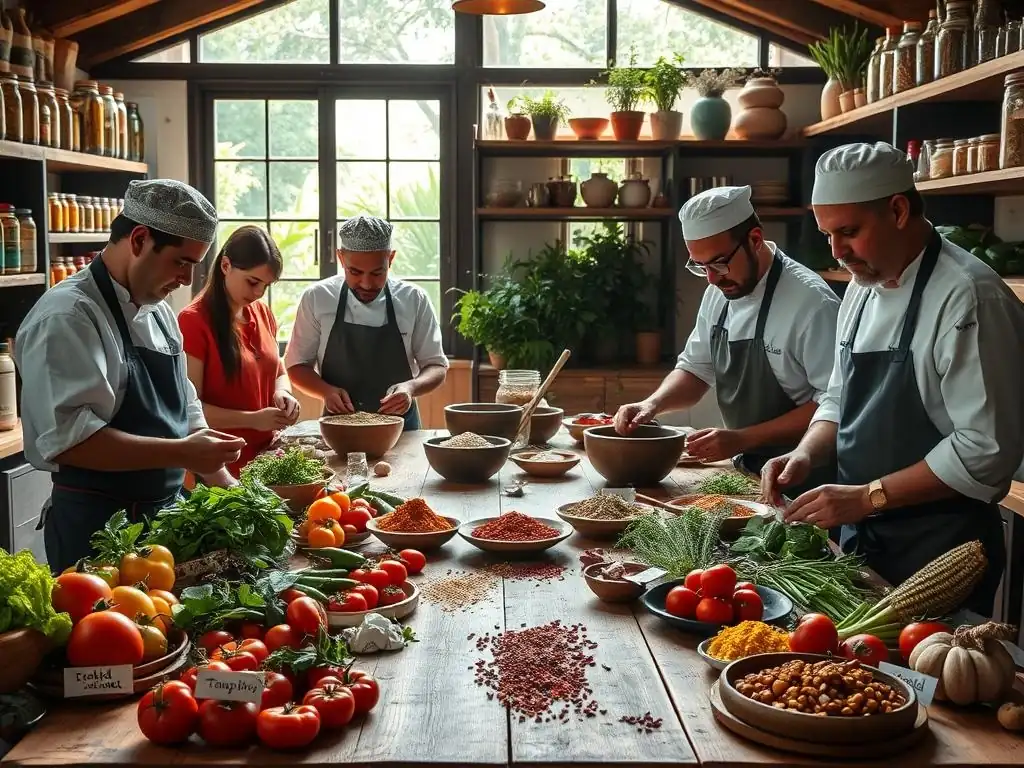
Welcome to Indigenous Civilizations of the Americas, where we invite you on a journey through the rich tapestry of indigenous cultures that flourished long before European colonization. Here, you'll uncover the profound culinary influence of indigenous ingredients, which have not only shaped historical diets but continue to inspire chefs around the globe today. Dive into our featured article, "Rediscovering Ancient Flavors," and discover how these time-honored elements are revitalizing modern cuisine. Prepare to be amazed by the stories of resilience and innovation that await you!
Introduction to Indigenous Ingredients Culinary Influence
The culinary landscape of our world is a rich tapestry woven from diverse cultural influences, yet few threads are as vibrant and significant as those originating from indigenous civilizations of the Americas. Long before European colonization, indigenous peoples cultivated a variety of ingredients that not only formed the foundation of their diets but also shaped their cultural identities and social structures.
Today, these ancient flavors are experiencing a renaissance, as chefs and culinary enthusiasts worldwide increasingly recognize the value of indigenous ingredients. This growing appreciation not only honors the rich heritage of these ingredients but also highlights their unique flavors and health benefits, making them a sought-after component in modern cuisine.
In this article, we will explore the profound culinary influence of indigenous ingredients, tracing their historical roots and examining how they have been rediscovered and integrated into contemporary cooking. From the vibrant colors of achiote to the earthy richness of corn and the refreshing zest of chili peppers, these ingredients are not merely relics of the past; they hold the potential to transform global cuisine, offering new experiences and connections to our culinary traditions.
The Historical Context of Indigenous Ingredients
The Origins of Indigenous Ingredients in the Americas
Indigenous ingredients have a rich history that dates back thousands of years, rooted in the agricultural practices and culinary traditions of the diverse cultures that inhabited the Americas. The domestication of crops such as maize, beans, and squash—often referred to as the "Three Sisters"—illustrates the ingenuity and sustainability of indigenous farming practices. These staple ingredients not only provided nourishment but also played a crucial role in the social and spiritual lives of indigenous peoples.
- Maize (Corn): An essential crop that served as a dietary cornerstone for many tribes, maize was revered in various cultures and was often featured in rituals and ceremonies.
- Beans: A vital source of protein, beans were cultivated alongside maize, enhancing soil fertility through nitrogen fixation, which exemplifies the indigenous understanding of sustainable agriculture.
- Squash: This versatile vegetable not only provided sustenance but also contributed to food preservation methods, showcasing the resourcefulness of indigenous peoples.
As these crops spread across the continent, they influenced not just local diets but also the culinary practices of neighboring regions.
The Rediscovery of Ancient Flavors
In recent years, there has been a remarkable resurgence in the interest surrounding indigenous ingredients, sparked by a growing movement among chefs and food enthusiasts to celebrate and incorporate these flavors into modern dishes. This revival is not merely about nostalgia; it is a recognition of the value and versatility of these ingredients in contemporary cuisine.
Chefs worldwide are experimenting with indigenous ingredients, drawing on their unique flavors and cultural significance. For instance, the use of quinoa, once a staple of the Andean civilizations, has surged in popularity due to its nutritional benefits and culinary adaptability. Similarly, ingredients like cacao, vanilla, and chili peppers have found their way into a variety of dishes, contributing to a broader appreciation for the complexity and richness of indigenous flavors.
The process of rediscovering these ancient flavors not only enriches modern culinary practices but also fosters a deeper understanding and respect for the cultures that cultivated them. As chefs strive to honor the legacy of indigenous ingredients, they are also paving the way for a more inclusive and diverse culinary narrative that celebrates the contributions of indigenous peoples to global cuisine.
The Culinary Influence of Indigenous Ingredients Today
Indigenous ingredients have made a significant resurgence in contemporary culinary practices, influencing chefs globally to explore and incorporate traditional flavors that have been cultivated for centuries. These ingredients, ranging from heirloom grains to unique spices and indigenous fruits, offer a rich palette for culinary creativity. The rediscovery of ancient flavors not only enriches dishes but also embodies a narrative of cultural heritage that resonates with diners seeking authenticity in their meals.
Chefs worldwide are increasingly recognizing the value of indigenous ingredients as they strive to create dishes that honor the origins of their components. This movement is characterized by a commitment to sustainability and biodiversity, as many indigenous ingredients are sourced from traditional farming practices that prioritize ecological balance. The impact of indigenous ingredients extends beyond taste; it represents a deeper appreciation for cultural stories and the people behind these traditional foods.
Global Chefs Embracing Indigenous Ingredients
Across the globe, renowned chefs are actively embracing indigenous ingredients, weaving them into their menus to celebrate diverse culinary traditions. For instance, in the United States, chefs like Sean Sherman, also known as The Sioux Chef, focus on using Native American ingredients such as wild rice, foraged herbs, and game meats. By doing so, they not only create innovative dishes but also educate diners about the historical significance and nutritional benefits of these ingredients.
Similarly, in South America, chefs are turning to indigenous crops like quinoa and açaí, integrating them into modern dishes while emphasizing their cultural roots. This trend highlights a broader movement among chefs to seek out local and indigenous sources that reflect the identities of their regions, fostering a connection between diners and the land.
The Benefits of Indigenous Ingredients in Modern Cuisine
The inclusion of indigenous ingredients in modern cuisine offers several benefits. Firstly, these ingredients are often more nutritious than their industrial counterparts, as they have been cultivated over generations for their specific health benefits. For example, amaranth, a grain used by the Aztecs, is rich in protein and essential amino acids, making it a valuable addition to contemporary diets.
Moreover, indigenous ingredients promote biodiversity by encouraging the use of a wider variety of plants and animals. This can lead to more sustainable agricultural practices, as diverse crops are less prone to disease and can thrive in various conditions. Chefs who prioritize indigenous ingredients also support local economies and preserve traditional farming methods, ensuring that these practices are passed down through generations.
Indigenous Ingredients in Fusion Cuisine
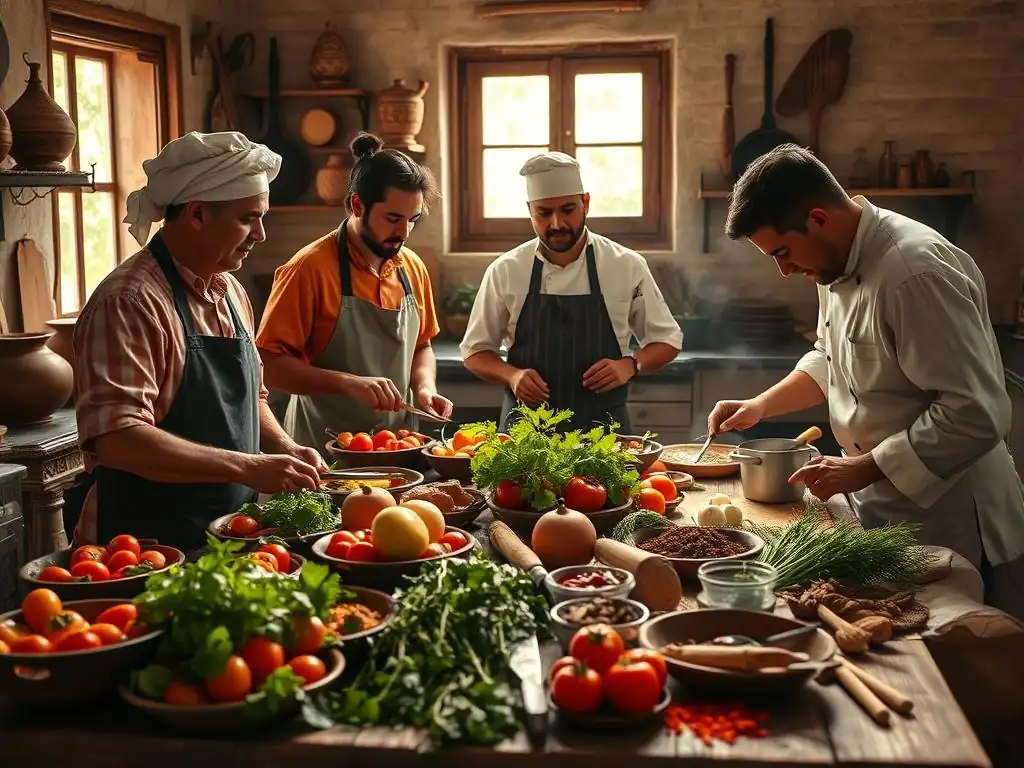
The integration of indigenous ingredients into fusion cuisine highlights the innovative potential of blending different culinary traditions. Chefs are creatively combining indigenous flavors with techniques and styles from around the world, resulting in unique dishes that tell a story of cross-cultural collaboration.
Blending Traditional Techniques with Modern Flavors
Fusion cuisine that incorporates indigenous ingredients often involves marrying traditional cooking techniques with contemporary flavors. For example, a chef might use traditional methods of smoking fish with indigenous herbs while adding modern elements like citrus vinaigrettes or gourmet toppings. This approach not only enhances the dish's complexity but also pays homage to the culinary practices of indigenous cultures.
Additionally, fusion dishes can serve as a platform for storytelling, allowing chefs to convey the history and significance of the indigenous ingredients used. By thoughtfully blending these elements, chefs create a dining experience that is both innovative and respectful of the culinary traditions they draw from.
Case Study: Successful Restaurants Showcasing Indigenous Ingredients
Several restaurants around the world have successfully showcased indigenous ingredients, setting benchmarks for others in the culinary community. For instance, in Mexico, Pujol, led by chef Enrique Olvera, incorporates indigenous ingredients like heirloom corn and various chiles into modern dishes that reflect both tradition and innovation. The restaurant has gained international acclaim for its ability to honor Mexican heritage while presenting it through a contemporary lens.
In Canada, the restaurant Noma, under chef René Redzepi, has explored the indigenous ingredients of the region in its seasonal menus, highlighting items such as seaweed, berries, and local fish. This focus on indigenous ingredients not only enhances the dining experience but also educates patrons about the cultural significance of these foods.
These case studies exemplify the growing trend of chefs leveraging indigenous ingredients to create culinary masterpieces that resonate with both the past and present, paving the way for a more inclusive and diverse culinary landscape.
Overcoming Challenges in Sourcing Indigenous Ingredients
The journey to embrace indigenous ingredients in modern culinary practices is fraught with challenges. Chefs and home cooks alike often face hurdles when attempting to source these unique and culturally significant components. Understanding these obstacles is crucial for fostering a deeper appreciation of indigenous culinary traditions.
Barriers to Accessing Indigenous Ingredients
One of the primary barriers to accessing indigenous ingredients is availability. Many traditional ingredients, such as certain types of heirloom grains or native fruits and vegetables, are not widely cultivated or distributed in mainstream markets. This limited supply makes it difficult for chefs to incorporate them into their menus consistently. Furthermore, seasonality plays a significant role, as many indigenous ingredients are only available during specific times of the year, requiring chefs to plan their menus around these cycles.
Another challenge is the lack of knowledge and education surrounding indigenous ingredients. Many culinary professionals may not be familiar with the historical significance, preparation methods, and flavor profiles of these ingredients. This gap in knowledge can prevent them from fully utilizing the potential of indigenous components in their culinary creations. Additionally, cultural appropriation concerns can hinder chefs from experimenting with these ingredients, as they navigate the fine line between appreciation and exploitation of indigenous cultures.
Resources for Chefs and Home Cooks
Fortunately, there are growing resources available for both chefs and home cooks eager to incorporate indigenous ingredients into their culinary practices. Culinary workshops and classes focusing on indigenous cooking techniques often provide hands-on experience with traditional ingredients, enhancing understanding and appreciation. Organizations dedicated to promoting indigenous food systems also offer educational materials, including cookbooks, online courses, and webinars that explore the cultural significance and culinary applications of native ingredients.
Additionally, local farmers' markets and specialty grocery stores increasingly feature indigenous ingredients, providing access to these unique components. Chefs can also connect with indigenous farmers and suppliers through community networks, allowing for a more direct source of authentic ingredients. Social media platforms and cooking blogs have become valuable tools for sharing recipes, tips, and success stories related to indigenous ingredients, fostering a community of like-minded individuals passionate about preserving and celebrating these culinary traditions.
Future Trends: The Continued Rise of Indigenous Ingredients
As the culinary world evolves, the prominence of indigenous ingredients is set to grow. This trend is fueled by a greater public interest in sustainable and locally-sourced food, as well as a desire to reconnect with cultural roots. Chefs are increasingly recognizing the value of indigenous ingredients not only for their unique flavors but also for their rich histories and connections to the land.
Predictions for Indigenous Ingredients in Culinary Arts
Looking ahead, several predictions can be made regarding the future of indigenous ingredients in culinary arts. Firstly, we can expect a significant increase in demand for these ingredients as consumers become more aware of their benefits, both for health and environmental sustainability. This shift will likely lead to more restaurants and food establishments incorporating indigenous flavors into their offerings, creating dishes that celebrate cultural heritage while appealing to modern palates.
Moreover, as the movement towards localism and sustainability continues to gain traction, indigenous ingredients are poised to play a crucial role. Chefs will increasingly seek out partnerships with indigenous communities and farmers, ensuring that these ingredients are sourced ethically and sustainably. This collaboration can foster a greater respect for indigenous knowledge and practices, enriching both the culinary landscape and the communities involved.
Encouraging Culinary Innovation with Indigenous Ingredients
Culinary innovation is inherently tied to the exploration of new and diverse ingredients. Indigenous ingredients provide an opportunity for chefs to push the boundaries of traditional cuisine while honoring the cultural significance of these components. By experimenting with indigenous flavors, chefs can create unique dishes that tell a story and connect diners to the rich tapestry of indigenous culinary heritage.
To encourage this innovation, it is essential to promote collaboration between chefs, indigenous communities, and researchers. Such partnerships can lead to the development of new techniques and recipes that honor traditional practices while incorporating modern culinary trends. Additionally, food festivals and competitions centered around indigenous ingredients can inspire creativity and showcase the versatility of these components, further embedding them into the global culinary consciousness.
As chefs continue to embrace and elevate indigenous ingredients, the culinary landscape will not only become more diverse but also more reflective of the rich histories and cultures that have shaped it. The integration of these ingredients into modern cuisine is a powerful way to honor indigenous peoples while enriching the culinary experiences of all.
Conclusion: Celebrating Indigenous Ingredients and Their Culinary Influence
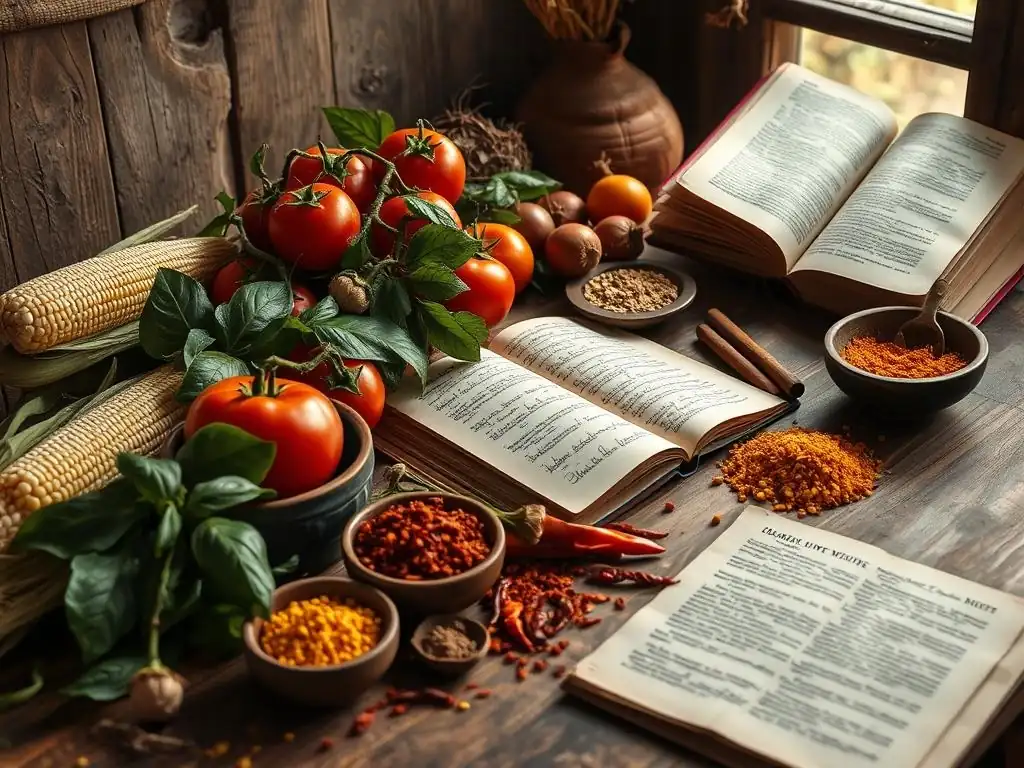
The resurgence of indigenous ingredients in contemporary cuisine represents not only a culinary revolution but also a profound appreciation for the rich heritage and traditions of indigenous cultures. Chefs worldwide are embracing these unique flavors and techniques, which offer a connection to the land and its history. By incorporating ingredients such as quinoa, maize, and a variety of heirloom beans, chefs are able to craft dishes that are not only delicious but also narrate the stories of the indigenous peoples who cultivated them for centuries.
The culinary influence of indigenous ingredients goes beyond mere flavor; it encourages sustainable practices and respects the biodiversity of our food systems. As chefs advocate for the use of these ingredients, they also highlight the importance of preserving indigenous knowledge and farming practices, which have been honed over millennia. This celebration of indigenous ingredients fosters cross-cultural understanding and appreciation, enriching global cuisine and promoting a more inclusive culinary landscape.
The journey of rediscovering ancient flavors is ongoing, and it calls for continued exploration, respect, and recognition of indigenous contributions to the culinary world. By valuing these ingredients and their origins, we can contribute to a greater understanding of the interconnectedness of food, culture, and history.
References and Further Reading
- "The New Native American Cuisine" - A comprehensive guide that explores the integration of traditional indigenous ingredients in modern cooking.
- "Indigenous Food Sovereignty in the United States: Restoring Cultural Knowledge, Protecting Environments, and Regaining Health": - This book discusses the importance of indigenous food systems and the return to traditional diets.
- "The Flavor of the Americas: A Culinary Exploration of Indigenous Ingredients": - An in-depth look at how indigenous ingredients are influencing contemporary culinary practices and chefs.
- Journal of Ethnic Foods - A scholarly publication that frequently features articles on indigenous ingredients and their impact on global cuisines.
- Culinary History of Native American Foods - A resource that provides insights into the historical context and uses of various indigenous ingredients.
Acknowledgments
We extend our heartfelt gratitude to the indigenous communities and chefs who continue to share their culinary traditions and knowledge with the world. Their commitment to preserving and revitalizing indigenous ingredients is invaluable in bridging the past with the present. Special thanks to the culinary historians and researchers whose work sheds light on the significance of these ingredients in both historical and contemporary contexts. Your contributions play a pivotal role in celebrating the rich tapestry of indigenous cultures and their lasting impact on global cuisine.
- Introduction to Indigenous Ingredients Culinary Influence
- The Historical Context of Indigenous Ingredients
- The Culinary Influence of Indigenous Ingredients Today
- Indigenous Ingredients in Fusion Cuisine
- Overcoming Challenges in Sourcing Indigenous Ingredients
- Future Trends: The Continued Rise of Indigenous Ingredients
- Conclusion: Celebrating Indigenous Ingredients and Their Culinary Influence
- References and Further Reading
- Acknowledgments
Frequently Asked Questions
What are indigenous ingredients?
Indigenous ingredients are native plants and foods that were cultivated and utilized by the original inhabitants of a region, contributing significantly to their culinary traditions.
How have indigenous ingredients influenced modern cuisine?
Modern chefs are incorporating indigenous ingredients to enhance flavors, promote sustainability, and honor the cultural heritage of indigenous peoples, creating a unique fusion of traditional and contemporary dishes.
Can you give examples of indigenous ingredients?
Examples include corn, quinoa, chiles, and wild rice, which have all played a crucial role in the diets of various indigenous communities and are now celebrated in global cuisine.
Why is it important to recognize indigenous culinary influences?
Recognizing these influences helps to appreciate the rich history and cultural significance of indigenous foods, fostering a deeper understanding of their contributions to modern gastronomy.
How can chefs incorporate indigenous ingredients in their cooking?
Chefs can experiment with traditional recipes, adapt indigenous ingredients into contemporary dishes, and collaborate with indigenous communities to ensure authenticity and respect for the culture.
Final Reflection: Embracing Indigenous Ingredients for a Culinary Renaissance
The exploration of indigenous ingredients is not just a culinary trend; it is a vital connection to our past that shapes our present and future. As chefs worldwide rediscover these ancient flavors, they are not only enhancing their dishes but also honoring the rich cultural heritage and biodiversity that these ingredients represent. This revival emphasizes the importance of sustainability and respect for the land, reminding us that our culinary choices can have profound implications on both our health and the environment.
Chefs today are increasingly recognizing the power of indigenous ingredients to transform not only their menus but also the cultural narratives surrounding food. The integration of these elements into modern cuisine fosters a deeper appreciation for the traditions and histories that have shaped our culinary landscape. As chef and food activist Sean Sherman once said, We need to reclaim our food and our identity, and indigenous ingredients are a crucial part of that journey.
This sentiment resonates deeply in a world where food can serve as a bridge between cultures and a means of preserving heritage.
As you reflect on the themes presented in this article, consider how you can incorporate indigenous ingredients into your own culinary practices or daily meals. Embrace the opportunity to explore flavors that tell a story, support local farmers, and contribute to the preservation of cultural identities. By doing so, you not only enrich your palate but also participate in a larger movement that honors the wisdom of our ancestors and the diversity of our world. Let us celebrate these ancient flavors and allow them to inspire a more sustainable and inclusive culinary future.
Unleash the Power of Indigenous Ingredients!
Thank you for diving deep into the world of ancient flavors with us. You've explored how enriching indigenous ingredients transform culinary experiences for chefs and food lovers around the globe. Now, it's time to turn your newfound knowledge into action!
Here are a few meaningful steps you can take:
- Start your culinary journey by experimenting with an indigenous ingredient in your next meal. Whether it’s quinoa, amaranth, or prickly pear, let it inspire your cooking!
- Participate in a local workshop or an online class to learn more about traditional cooking methods and authentic recipes. Embrace the culture behind these remarkable ingredients!
- Share your discoveries with friends or on social media. Document your cooking adventures and encourage others to explore these ancient flavors too!
What indigenous ingredient are you most excited to try, and how do you think it will enhance your culinary creations? Let's spark a conversation!