
Myth vs. Reality: Debunking Misconceptions About Indigenous Population Decline

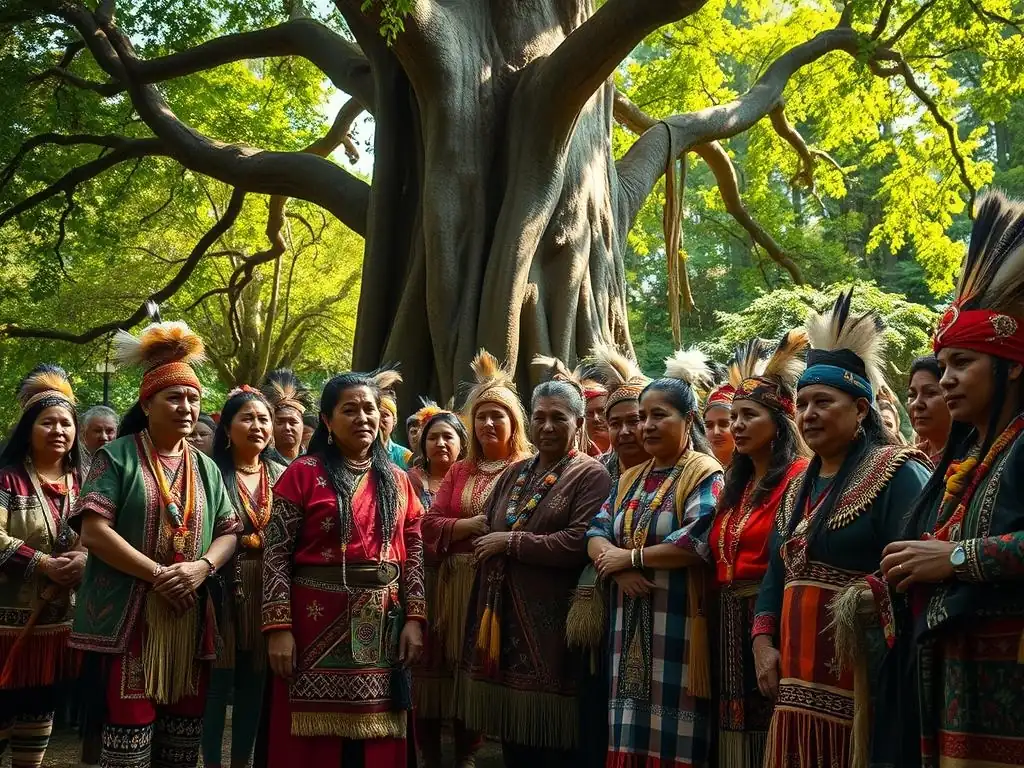
Welcome to Indigenous Civilizations of the Americas, where we invite you to embark on a journey through the rich tapestry of indigenous cultures that flourished long before European contact. In our featured article, "Myth vs. Reality: Debunking Misconceptions About Indigenous Population Decline," we challenge the pervasive myths surrounding the decline of the indigenous population, revealing the truth behind these narratives.
Prepare to discover how these vibrant societies not only endured but also shaped the world around them. Join us as we peel back the layers of history and celebrate the enduring legacy of the Americas' first peoples. Dive in and satisfy your curiosity!
The narrative surrounding the decline of indigenous populations in the Americas has often been clouded by misconceptions and oversimplifications. This article aims to dissect these myths and provide clarity on the complex realities faced by indigenous communities before, during, and after European colonization. By examining the historical context, societal structures, and the multifaceted impacts of colonization, we can better understand the true dynamics of indigenous population changes. It is crucial to address these misconceptions as they not only shape our understanding of history but also influence contemporary discussions about indigenous rights, identity, and resilience.
Introduction to Indigenous Population Decline Myths
Understanding the myths surrounding indigenous population decline is essential for recognizing the vibrancy and resilience of these cultures. Often, narratives focusing solely on population numbers overlook the rich social, political, and economic systems that existed prior to European contact. This section will delve into the realities of indigenous populations before colonization and the importance of understanding their dynamics.
Overview of Indigenous Populations Pre-Colonization
Prior to European arrival, the Americas were home to a diverse array of indigenous cultures, each with its own unique social structures, languages, and practices. Estimates suggest that there were approximately 50 to 100 million indigenous people inhabiting North, Central, and South America. These populations were not only numerous but also densely settled in areas such as the Andes, the Mississippi River valley, and the Great Plains, showcasing advanced agricultural practices, trade networks, and complex political organizations.
- Key Regions of Indigenous Populations:
- Mesoamerica: Home to the Maya and Aztec civilizations, known for their monumental architecture and sophisticated agricultural techniques.
- North America: Diverse tribes and nations, including the Iroquois and the Sioux, each with distinct governance systems and cultural practices.
- South America: The Inca Empire, with its vast network of roads and cities, exemplified advanced engineering and social organization.
Importance of Understanding Indigenous Population Dynamics
Recognizing the dynamics of indigenous populations is crucial for several reasons:
- Historical Accuracy: Understanding the true scale and complexity of indigenous societies before colonization challenges the simplistic narratives often portrayed in mainstream history.
- Cultural Preservation: Acknowledging the rich histories of these communities fosters respect and appreciation for their contributions to global civilization.
- Contemporary Relevance: By debunking myths, we can address ongoing issues related to indigenous rights and sovereignty, ensuring that the voices of these communities are heard and valued.
Common Myths about Indigenous Population Decline
Despite the rich tapestry of indigenous history, several prevalent myths persist in popular discourse. This section will explore some of the most common misconceptions regarding indigenous population decline.
Myth 1: Indigenous Populations Were Always Small and Isolated
One pervasive myth suggests that indigenous populations were consistently low in number and lived in isolation. However, archaeological and historical evidence reveals that many indigenous societies were large, interconnected, and thriving long before European contact. These communities engaged in extensive trade networks, shared agricultural practices, and maintained complex social hierarchies.
Myth 2: European Colonization Was the Sole Cause of Population Decline
While European colonization had a devastating impact on indigenous populations, attributing the entirety of population decline to this factor oversimplifies a complex issue. Factors such as disease, environmental changes, and intertribal conflicts also played significant roles in shaping population dynamics. The introduction of diseases like smallpox, for example, decimated populations that had no immunity, but this was compounded by the stresses of colonization.
Myth 3: All Indigenous Societies Were Disrupted Equally
Another myth posits that all indigenous societies experienced similar levels of disruption due to colonization. In reality, the impacts varied widely depending on geographical location, social organization, and the nature of European interactions. Some communities adapted and resisted, while others faced more severe consequences. Understanding these differences is crucial for a nuanced view of history.
Myth 4: Indigenous Peoples Are Extinct Today
The belief that indigenous peoples are extinct is not only inaccurate but also dismissive of the ongoing existence and resilience of these communities. Many indigenous cultures continue to thrive today, maintaining their languages, traditions, and identities. Recognizing the continuity of indigenous cultures is essential for honoring their histories and contributions to contemporary society.
Unraveling these myths not only enriches our understanding of the past but also honors the resilience and ongoing contributions of indigenous peoples in contemporary society.
The Reality Behind Indigenous Population Decline
The decline of indigenous populations in the Americas following European contact is a complex issue often shrouded in myth and misunderstanding. While it is commonly believed that indigenous peoples faced catastrophic declines solely due to violence from European colonizers, the reality encompasses a broader array of factors, including disease, displacement, and systemic oppression.
Historical records indicate that, prior to European arrival, many indigenous societies were thriving and had sophisticated systems of governance, trade, and culture. The subsequent shifts in population numbers can be attributed not just to direct conflict but also to the introduction of foreign pathogens to which indigenous peoples had no immunity, leading to widespread mortality.
It's crucial to distinguish between the myth of instantaneous population collapse and the reality of gradual demographic changes influenced by a myriad of factors. Historical demographers estimate that the population of indigenous peoples in the Americas plummeted by as much as 90% in some areas. This staggering figure reflects a combination of epidemics, warfare, forced migration, and social disruption, illuminating the multifaceted nature of the decline.
Historical Context of Indigenous Societies Before European Contact
Before the arrival of Europeans, the Americas were home to a vast array of indigenous cultures, each with unique social structures, languages, and traditions. Estimates suggest that the population of indigenous peoples in the Americas was around 50 million in 1492, with complex societies ranging from the agricultural civilizations of Mesoamerica, such as the Maya and Aztecs, to the nomadic tribes of the Great Plains. These societies had established trade networks, agricultural practices, and cultural norms that thrived well before European contact.
The social organization of these groups varied significantly; for example, the Iroquois Confederacy operated under a sophisticated democratic system, while the Inca Empire utilized a centralized governance model. The rich cultural traditions, languages, and practices were deeply interwoven with the land and environment, showcasing the resilience and adaptability of these societies. Understanding this backdrop is essential for comprehending the impact of European colonization and the subsequent population changes.
Factors Contributing to Population Changes
The decline of indigenous populations cannot be attributed to a single cause; rather, it resulted from a confluence of several interrelated factors:
- Diseases: European explorers and settlers brought new diseases such as smallpox, measles, and influenza, which devastated indigenous populations who had no prior exposure or immunity.
- Warfare: Conflicts between indigenous groups and European colonizers often resulted in significant loss of life. Additionally, inter-tribal warfare was exacerbated by European alliances with certain tribes against others.
- Displacement: Colonization led to the forced removal of indigenous peoples from their ancestral lands, disrupting their traditional ways of life and leading to further population declines.
- Social Disruption: The imposition of foreign governance structures and economic systems undermined traditional social cohesion and cultural practices, contributing to population instability.
- Environmental Changes: Colonization often resulted in environmental degradation, including deforestation and the introduction of non-native species, affecting traditional food sources and livelihoods.
These factors illustrate that the decline of indigenous populations was not a singular event but a prolonged process influenced by a multitude of dynamics.
Case Studies of Specific Indigenous Groups
Case Study 1: The Impact of Smallpox on the Aztec Civilization
The arrival of smallpox in the early 16th century had catastrophic effects on the Aztec civilization. The disease spread rapidly through the population, leading to an estimated 50% mortality rate in some areas. In 1520, shortly after Hernán Cortés's arrival, the outbreak decimated the Aztec population, severely undermining their ability to resist Spanish conquest. The loss of leaders and warriors further exacerbated the crisis, facilitating the Spanish takeover. This case exemplifies the devastating impact of disease as a primary factor in indigenous population decline and highlights the interconnectedness of health and power dynamics during colonization.
Case Study 2: The Decline of the Taino Population in the Caribbean
The Taino people, who inhabited the Caribbean islands, faced dramatic population decline following Columbus's arrival in 1492. Within just a few decades, the Taino population diminished from an estimated 1 million to around 200,000 due to a combination of violence, enslavement, and diseases introduced by Europeans. The encomienda system exploited Taino labor, leading to further population loss. This case illustrates how colonial exploitation and disease can rapidly decimate indigenous populations, particularly in island contexts where interactions with Europeans were concentrated.
Case Study 3: Resilience of the Lakota People Post-Colonization
In contrast to the devastating declines experienced by many other indigenous groups, the Lakota people showcased remarkable resilience in the face of colonization. Despite significant population loss due to warfare, forced assimilation, and loss of territory in the 19th century, the Lakota maintained their cultural identity and social structures. The resilience demonstrated by the Lakota in preserving their traditions, language, and governance systems serves as a testament to the enduring strength of indigenous cultures amidst adversity. This case highlights the importance of recognizing survival and adaptation as integral aspects of the indigenous experience following European contact.
Understanding the Lasting Impact on Indigenous Communities
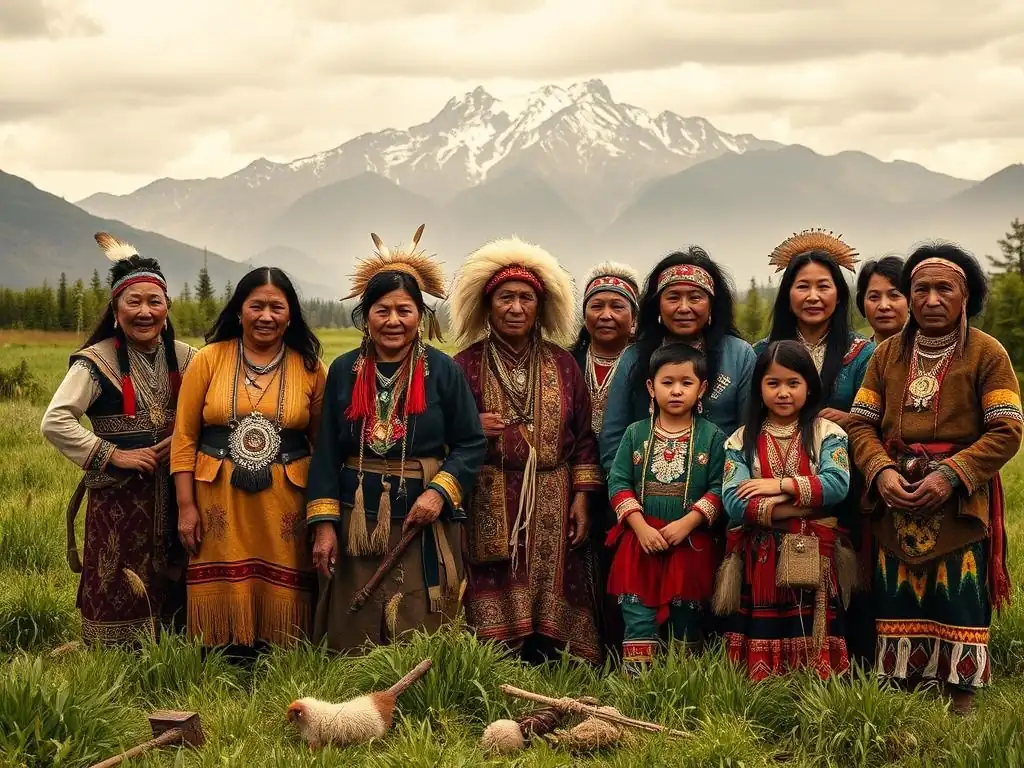
The indigenous population decline following European contact has had profound and lasting effects on indigenous communities across the Americas. Historical events such as disease outbreaks, violent conquests, and forced relocations drastically altered the demographic landscape. However, the repercussions extend beyond mere population numbers; they encompass cultural, social, and economic dimensions that still resonate today.
Many indigenous communities faced not only the loss of lives but also the erosion of their social structures, languages, and traditions. The imposition of colonial systems often dismantled traditional governance and community cohesion, leading to a disconnection from ancestral lands and cultural practices. This disruption has contributed to ongoing challenges such as poverty, marginalization, and a struggle for identity among many indigenous peoples.
Despite these challenges, indigenous communities have shown remarkable resilience. They continue to fight for the recognition of their rights and the restoration of their cultural heritage, emphasizing the importance of understanding their histories beyond the simplistic narrative of decline.
Modern Indigenous Population Trends and Resilience
In recent decades, there has been a notable resurgence in the indigenous population across the Americas. Contrary to the myth of perpetual decline, many communities are experiencing population growth due to various factors, including increased birth rates and a growing awareness of cultural identity.
According to data from the U.S. Census Bureau, the Native American population grew by 86% between 2000 and 2010, showcasing a demographic revival that counters the narrative of ongoing decline. This trend is mirrored in other regions, such as Canada, where the indigenous population also reflects growth due to similar dynamics.
Moreover, modern indigenous communities are actively engaging in resilience strategies, which include revitalizing languages, reclaiming land, and asserting sovereignty. These efforts are critical for cultural preservation and community empowerment, allowing indigenous peoples to navigate contemporary challenges while honoring their rich heritage.
Cultural Revitalization and Preservation Efforts
Cultural revitalization plays a crucial role in combating the myths surrounding indigenous population decline. Many communities have initiated programs aimed at preserving and revitalizing their languages, traditions, and practices. Language immersion schools and cultural workshops are just a few examples of how indigenous peoples are reclaiming their heritage.
Furthermore, the revival of traditional ecological knowledge is gaining prominence, highlighting the sustainable practices indigenous communities have long employed. This knowledge not only strengthens cultural identity but also contributes to global environmental efforts, showcasing the interconnectedness of indigenous rights and environmental stewardship.
Additionally, indigenous arts and crafts have gained recognition as vital expressions of cultural identity. Through storytelling, music, and visual arts, communities are documenting their histories and experiences, challenging stereotypes and misconceptions about their cultures.
The Importance of Accurate Historical Narratives
Accurate historical narratives are essential in reshaping public perception about indigenous populations and their histories. Misconceptions about indigenous population decline often stem from oversimplified accounts that ignore the complexities of their experiences.
By promoting historical accuracy, we can foster a deeper understanding of the resilience and contributions of indigenous peoples throughout history. This includes recognizing the impacts of colonization, the adaptability of communities, and the ongoing struggles they face today.
Educators, historians, and scholars play a key role in this endeavor, as they can help dismantle harmful stereotypes and emphasize the rich and diverse histories of indigenous cultures. The inclusion of indigenous voices in historical narratives is vital for creating a more comprehensive and truthful account of the past.
Conclusion: Bridging Myths and Realities
Addressing the myths surrounding indigenous population decline is vital for fostering respectful and informed relationships between indigenous and non-indigenous communities. By acknowledging the realities of historical trauma and contemporary resilience, we can work towards a more equitable society.
It is crucial to challenge the narratives that perpetuate misconceptions about indigenous peoples. Understanding the complexities of their histories allows for a more nuanced perspective, paving the way for healing and collaboration.
The Role of Education in Correcting Misconceptions
Education serves as a powerful tool in correcting misconceptions about indigenous populations. By incorporating indigenous perspectives into curricula and promoting cultural competency, educators can help dismantle stereotypes and foster a more inclusive learning environment.
Programs that focus on indigenous history, culture, and contributions can illuminate the ongoing impact of colonization while showcasing the resilience and strength of indigenous communities. Collaborative projects between indigenous scholars and educational institutions can further enrich the learning experience, providing students with firsthand knowledge and insights.
Call to Action: Supporting Indigenous Communities Today
To combat the myths surrounding indigenous population decline and support the ongoing resilience of these communities, it is essential to take action. Individuals and organizations can contribute by advocating for indigenous rights, supporting cultural preservation initiatives, and promoting economic development within indigenous communities.
Engaging in respectful dialogue and listening to indigenous voices is crucial in creating meaningful partnerships. By acknowledging the historical injustices faced by indigenous peoples and committing to a shared future built on respect and understanding, we can help bridge the gap between myths and realities, fostering a more inclusive society for all.
References for Further Reading on Indigenous Population Decline Myths
To deepen your understanding of the indigenous population decline myths and the complexities surrounding them, a variety of resources are available. These texts and documentaries not only provide insights into the historical context but also challenge prevalent misconceptions. Here’s a selection of suggested readings and viewing materials.
Suggested Books and Articles
-
"1491: New Revelations of the Americas Before Columbus" by Charles C. Mann
This book presents a comprehensive overview of the Americas prior to European contact, with a focus on the population sizes, cultures, and the impact of European arrival. Mann’s work challenges the idea that indigenous populations were small and primitive.
-
"American Holocaust: The Conquest of the New World" by David E. Stannard
Stannard provides a detailed examination of the catastrophic impact of European colonization on indigenous populations. His analysis covers various factors contributing to population decline, including disease, warfare, and cultural disruption.
-
"The Other Slavery: The Uncovered Story of Indian Enslavement in America" by Andrés Reséndez
This book explores the often-overlooked aspect of indigenous enslavement and its role in population decline. Reséndez discusses the systemic exploitation of indigenous peoples and its long-term effects on their communities.
-
"The Indigenous Peoples of North America: A History" by Robert Warrior
Warrior's work offers insights into the historical narratives of indigenous peoples and addresses the myths surrounding their population decline. This book emphasizes the resilience and adaptation of indigenous cultures over time.
-
"Demography of the Americas: The Impact of Colonization" by various authors
This collection of articles discusses demographic changes in the Americas due to colonization, providing statistical analyses and diverse perspectives on population dynamics.
Documentaries and Online Resources
-
"The Lost History of the Americas" (Documentary)
This documentary explores the rich and complex history of indigenous nations before European contact, highlighting their achievements and the consequences of colonization.
-
"Our Spirits Don't Speak English: Indian Boarding School" (Documentary)
This film addresses the impact of boarding schools on indigenous populations, focusing on cultural erasure and its effects on population decline. It offers personal narratives from survivors, providing a poignant perspective on this dark chapter in history.
-
National Museum of the American Indian - "Indigenous Peoples' History" (Online Resource)
This online portal features articles, essays, and multimedia resources that explore the history and contemporary issues faced by indigenous peoples, shedding light on the myths surrounding their population decline.
-
PBS LearningMedia - "Understanding Indigenous Cultures" (Online Resource)
This educational platform provides access to a variety of videos, lesson plans, and articles that examine indigenous cultures and the historical context of their populations before and after European contact.
-
"Indigenous History in the Americas" (YouTube Channel)
This channel curates a collection of lectures, discussions, and documentaries that focus on various aspects of indigenous history, including population dynamics and the myths surrounding decline.
These resources offer valuable insights and diverse perspectives on the topic of indigenous population decline myths, allowing readers to critically engage with the history and ongoing narratives of indigenous peoples in the Americas.
- Introduction to Indigenous Population Decline Myths
- Common Myths about Indigenous Population Decline
- The Reality Behind Indigenous Population Decline
- Case Studies of Specific Indigenous Groups
- Understanding the Lasting Impact on Indigenous Communities
- Conclusion: Bridging Myths and Realities
- References for Further Reading on Indigenous Population Decline Myths
Frequently Asked Questions
What are some common myths about indigenous population decline?
Many myths suggest that indigenous populations dramatically vanished due to European colonization. In reality, disease and social disruption played significant roles, but many communities adapted and persisted.
How did disease impact indigenous populations?
Diseases brought by Europeans, such as smallpox and influenza, had a devastating effect on indigenous communities, leading to significant population decline, often before direct contact with colonizers.
Were indigenous populations entirely decimated?
No, contrary to popular belief, many indigenous groups survived and continue to thrive today, preserving their cultures and traditions despite the immense challenges faced during colonization.
What role did warfare play in population decline?
While warfare contributed to population declines, the cumulative effects of disease, displacement, and other factors were more significant in determining the fate of many indigenous groups.
How can understanding these myths help today?
Debunking myths about indigenous population decline fosters a better understanding of their resilience and the ongoing impact of colonization, promoting respect for their heritage and cultures.
Final Reflection: Unveiling Truths Behind Indigenous Population Decline Myths
The myths surrounding indigenous population decline are not just historical inaccuracies; they resonate deeply in today's societal narratives. As we navigate a world increasingly aware of the importance of cultural diversity and historical truths, it becomes imperative to confront these misconceptions head-on. The persistence of these myths can perpetuate stereotypes and hinder efforts toward reconciliation and understanding. Recognizing the realities of indigenous populations is crucial for fostering a more inclusive society.
Culture and identity are intricately woven into the fabric of indigenous communities, and the misconceptions surrounding their decline have profound implications on their representation and rights. The ongoing dialogue about indigenous populations challenges us to reconsider our perceptions and the narratives we uphold. As noted by a prominent indigenous leader, Our stories are not just history; they are the foundation of our identity and resilience.
This perspective underscores the importance of amplifying indigenous voices and acknowledging their ongoing contributions to society, despite the historical and contemporary challenges they face.
As we reflect on the insights shared in this article, I invite you to engage with the realities of indigenous populations in your own life. Consider how you can challenge misconceptions and support indigenous communities in your local context. Whether through education, advocacy, or simply by listening to their stories, each of us has a role to play in dismantling the myths that have long overshadowed their rich histories. Let us commit to fostering understanding and respect, paving the way for a future where indigenous voices are celebrated and heard.
Unveil the Truth: Take Action to Support Indigenous Communities!
Thank you for exploring this vital topic regarding the misconceptions surrounding the decline of Indigenous populations. Your curiosity and dedication to understanding these realities are essential for fostering respect and advocacy for Indigenous rights and cultures.
Now, let’s transform your insights into meaningful action:
- Participate in a local or virtual Indigenous cultural event to gain a deeper understanding and connect with the community.
- Share your newfound knowledge on social media, using the hashtag #IndigenousTruth to raise awareness and challenge common misconceptions.
- Support Indigenous-led organizations by donating or volunteering your time to contribute directly to their sustainability and revitalization efforts.
What will your first step be to make a difference in supporting Indigenous communities?