
The Cultural Significance of Crop Diversity in Indigenous Societies

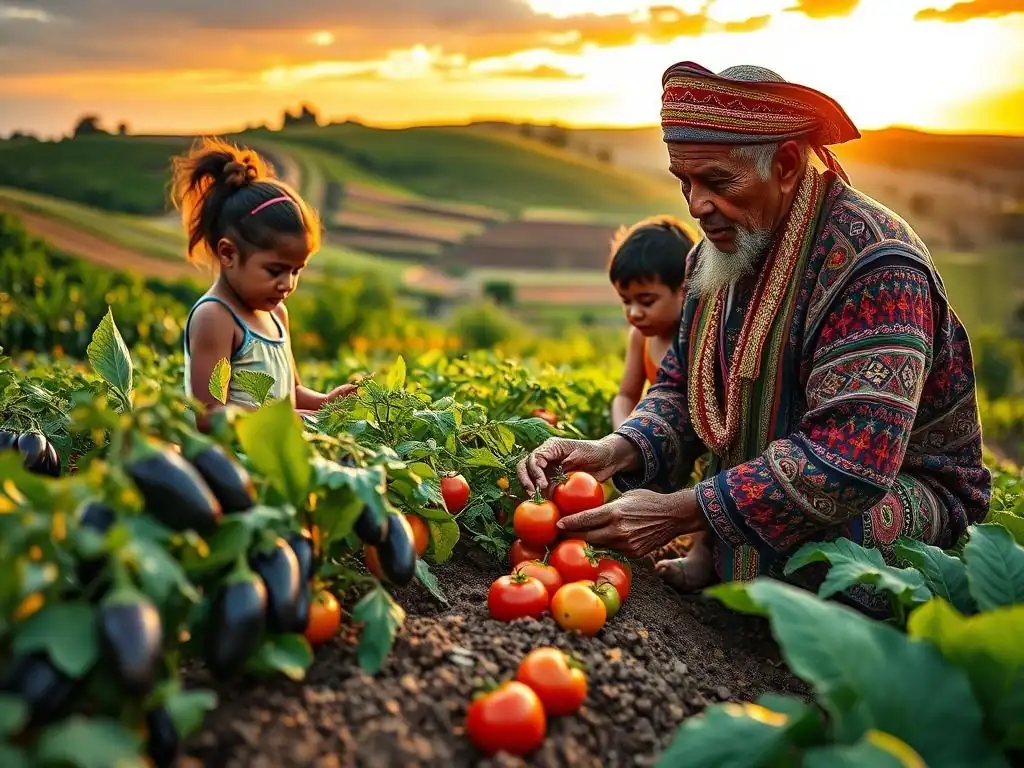
Welcome to Indigenous Civilizations of the Americas, where we invite you to embark on a fascinating journey through the rich tapestry of indigenous cultures that flourished long before European contact. In our featured article, The Cultural Significance of Crop Diversity in Indigenous Societies, we delve into the profound ways in which indigenous peoples cultivated a diverse array of crops, shaping not only their diets but also their identities and ecological practices.
Discover how these agricultural advancements reflect the ingenuity and resilience of societies that have left an indelible mark on our world. Join us as we explore the significance of indigenous crop diversity and the vibrant legacies that continue to inspire today.
- Introduction to Indigenous Crop Diversity Significance
- Historical Context of Crop Domestication
- Cultural Significance of Crop Diversity
- Economic and Nutritional Benefits of Indigenous Crop Diversity
- Contemporary Relevance of Indigenous Crop Diversity
- Conclusion: The Lasting Impact of Crop Diversity on Indigenous Societies
-
Frequently Asked Questions
- What is the main focus of the article "The Cultural Significance of Crop Diversity in Indigenous Societies"?
- How did indigenous societies benefit from crop diversity?
- What are some key crops mentioned in the article that demonstrate indigenous crop diversity?
- Why is understanding indigenous crop diversity significant today?
- How does the article connect crop diversity to cultural identity among indigenous peoples?
- Final Reflection: The Enduring Legacy of Indigenous Crop Diversity
- Embrace and Elevate Crop Diversity Today!
Introduction to Indigenous Crop Diversity Significance
The cultural significance of indigenous crop diversity is a multifaceted topic that reveals the intricate relationship between agriculture, identity, and sustainability in the Americas. Before European colonization, indigenous societies developed a rich tapestry of agricultural practices that not only supported their survival but also shaped their social structures, traditions, and spiritual beliefs.
This article delves into the profound achievements of these cultures, focusing on how diverse crop cultivation served as a cornerstone of their economic and cultural frameworks. By exploring the significance of indigenous crop diversity, we gain insight into the ecological wisdom of these societies and their enduring contributions to agricultural practices today.
Understanding Crop Diversity in Indigenous Societies
Crop diversity among indigenous societies is not merely a matter of agricultural variety; it reflects a deep understanding of local ecosystems, biodiversity, and sustainable practices. Many indigenous cultures cultivated a wide range of crops tailored to their specific environments, including:
- Maize (Corn): A staple in many indigenous diets, maize was not only a food source but also held spiritual and cultural importance.
- Beans: Often grown alongside maize in a technique called intercropping, beans enriched the soil and provided essential nutrients.
- Squash: This versatile crop complemented the other two, forming what is known as the "Three Sisters" agricultural system, symbolizing interdependence and harmony.
These practices highlight a sophisticated knowledge of companion planting and crop rotation, which helped maintain soil health and maximize yields. Moreover, indigenous peoples often selected crops based on their resilience to local conditions, leading to a rich genetic diversity that is crucial for food security and climate adaptation today.
Importance of Crop Diversity in Cultural Identity
The crops cultivated by indigenous societies are deeply intertwined with their cultural identities, histories, and rituals. This connection is evident in various aspects, such as:
- Cultural Practices: Crops often play a central role in traditional ceremonies and festivals. For instance, maize is celebrated in many cultures through harvest festivals and is considered a gift from the earth.
- Spiritual Beliefs: Many indigenous groups view agriculture as a sacred act, with crops symbolizing life, sustenance, and community. This spiritual connection fosters a sense of responsibility toward the land and its resources.
- Social Structures: The cultivation and distribution of diverse crops have historically influenced social organization and trade among indigenous communities, reinforcing bonds and interdependence.
The preservation of crop diversity is thus crucial not only for ecological sustainability but also for the continuation of cultural heritage and identity among indigenous peoples. By recognizing the significance of indigenous crop diversity, we can appreciate the profound relationship between agricultural practices and cultural resilience, ensuring these legacies endure for future generations.
Historical Context of Crop Domestication
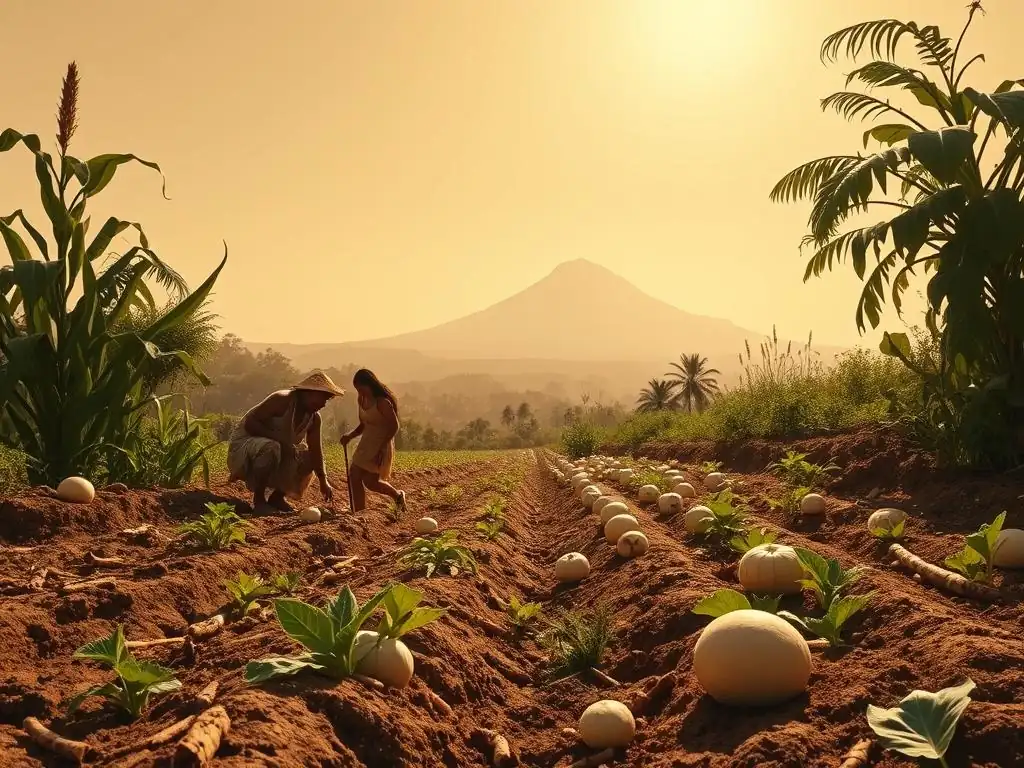
Crop domestication among Indigenous societies in the Americas represents a significant chapter in the history of agriculture, reflecting the ingenuity and adaptability of these cultures. This process began thousands of years ago, allowing Indigenous peoples to transition from nomadic lifestyles to settled communities. The cultivation of diverse crops not only provided sustenance but also played a crucial role in shaping social structures, trade networks, and cultural identities.
The earliest evidence of crop domestication can be traced back to around 7000 BCE in regions like Mesoamerica and the Andean highlands. Indigenous groups experimented with various plants, selecting those that thrived in their local environments, which laid the groundwork for agricultural practices that would endure for millennia. This practice of selective breeding contributed to the development of crop varieties that were better suited to local climates and soil types, showcasing the profound understanding these societies had of their natural surroundings.
Early Agricultural Practices Among Indigenous Peoples
Indigenous peoples utilized a variety of agricultural techniques that reflected their deep connection to the land. These practices included:
- Slash-and-Burn Agriculture: Used primarily in Mesoamerica, this method involved clearing land by cutting down and burning vegetation. The ash enriched the soil, creating nutrient-rich plots for planting crops like maize and beans.
- Terracing: In the Andean regions, Indigenous communities constructed terraces on steep hillsides to prevent soil erosion and maximize arable land. This innovative approach allowed them to cultivate potatoes, quinoa, and other crops at different elevations.
- Crop Rotation: Many Indigenous societies employed crop rotation, alternating different crops to maintain soil fertility and reduce pest infestations. This sustainable practice ensured long-term productivity of their agricultural systems.
- Intercropping: The "Three Sisters" method, which involves planting maize, beans, and squash together, exemplifies intercropping. This technique not only maximized space but also created a symbiotic relationship among the plants, enhancing nutrient availability and crop yield.
These early agricultural practices were foundational in establishing food security, fostering population growth, and supporting the emergence of complex societies.
Major Crops Domesticated by Indigenous Societies
Indigenous peoples of the Americas were responsible for the domestication of several key crops that have had lasting impacts on global agriculture. Some of the most significant include:
| Crop | Region of Domestication | Significance |
|---|---|---|
| Maize | Mesoamerica | Staple food source; central to many cultures and economies. |
| Potatoes | Andean highlands | Highly nutritious and adaptable; became a staple in various global diets. |
| Beans | Mesoamerica | Complementary protein source; enhanced soil nitrogen through root nodules. |
| Quinoa | Andean region | Nutrient-rich grain; important for both local diets and global health trends. |
| Cassava | Amazon basin | Vital carbohydrate source; drought-resistant and adaptable to poor soils. |
| Chili Peppers | Mesoamerica | Essential in culinary practices; contributed to flavor and nutrition. |
These crops not only sustained Indigenous populations but also influenced global agricultural practices following the Columbian Exchange.
The Role of Climate and Geography in Crop Diversity
The diversity of crops cultivated by Indigenous societies was heavily influenced by climate and geography. Different regions presented unique challenges and opportunities that shaped agricultural practices:
- Mesoamerica: The warm climate and varied topography allowed for the cultivation of a wide range of crops, including maize, beans, and squash. The region's biodiversity contributed to the development of complex agricultural systems.
- Andean Highlands: The harsh climate and high altitudes necessitated the domestication of resilient crops like potatoes and quinoa. Indigenous farmers adapted their techniques to the diverse microclimates found in the mountains, leading to a greater variety of crops.
- Amazon Basin: The tropical climate supported the growth of crops like cassava and various fruits. Indigenous peoples practiced agroforestry, integrating crops with the surrounding forest ecosystem to maintain biodiversity and sustainability.
- Northern Regions: In areas with shorter growing seasons, Indigenous groups focused on cultivating hardy crops such as berries and root vegetables, utilizing their knowledge of local flora to maximize food sources.
These geographic and climatic factors played a crucial role in the Indigenous crop diversity significance, enabling the development of complex agricultural systems that not only supported local communities but also contributed to the global agricultural landscape. The knowledge and practices developed by Indigenous societies continue to inform modern agricultural techniques and sustainability efforts today.
Cultural Significance of Crop Diversity
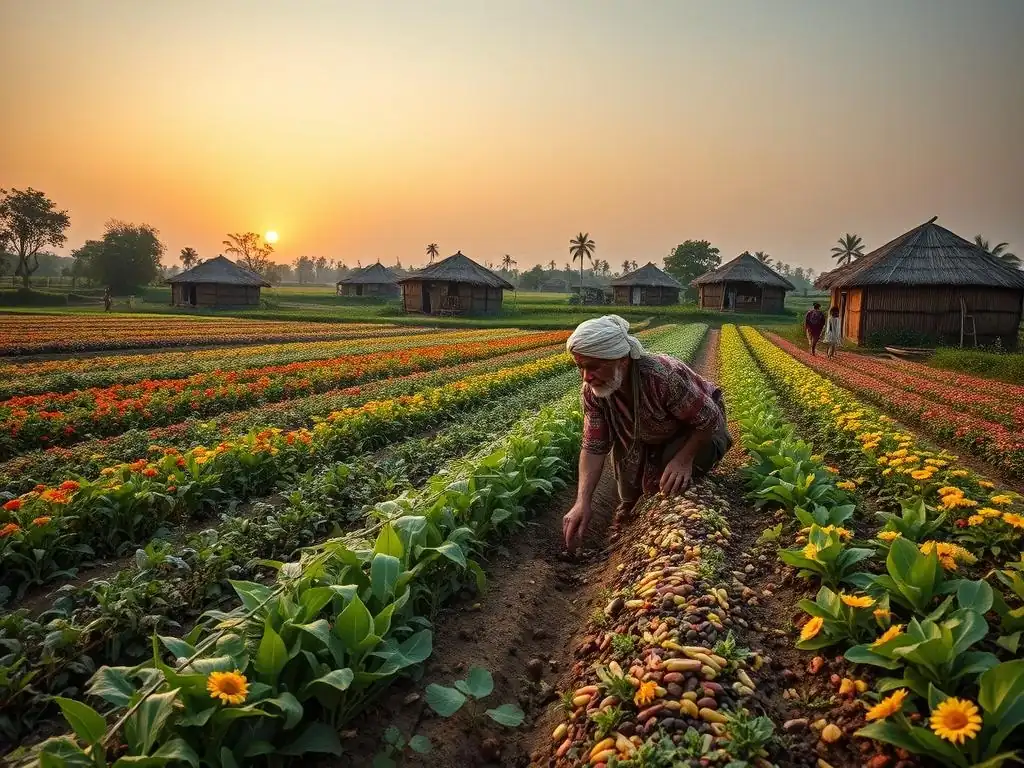
The rich tapestry of indigenous cultures in the Americas is intimately woven with the diversity of crops that these societies cultivated. This diversity was not merely a matter of sustenance; it held profound cultural significance that shaped social structures, spiritual beliefs, and community identities. The indigenous crop diversity significance is reflected in the myriad ways these societies engaged with their environment, creating a symbiotic relationship with the land that continues to resonate today.
Spiritual and Ritualistic Practices Surrounding Crops
Crops in indigenous cultures were often imbued with spiritual meaning, serving as central elements in various ceremonies and rituals. For instance, maize (corn) was not just a food source but a sacred symbol in many Mesoamerican cultures. The Maya and Aztec civilizations held elaborate rituals to honor maize, believing it was a gift from the gods. These ceremonies often included offerings, songs, and dances to ensure good harvests.
- Key Rituals:
- Planting Ceremonies: Rituals performed at the beginning of planting seasons to invoke blessings.
- Harvest Festivals: Celebrations marking the end of the harvest, often involving communal feasting and gratitude to deities.
The spiritual significance of crops extended beyond mere sustenance; they were integral to the identity of the community, reinforcing social ties and cultural continuity. Many tribes also held specific plants as totems or symbols of clan identity, which further emphasized the connection between crop diversity and cultural heritage.
Crop Diversity as a Symbol of Cultural Heritage
The variety of crops cultivated by indigenous societies is a testament to their resilience, adaptability, and deep understanding of local ecosystems. Crop diversity is not only a reflection of agricultural practices but also a symbol of cultural heritage. For many indigenous peoples, the preservation of traditional crops represents the safeguarding of ancestral knowledge and practices.
| Crop | Cultural Significance | Region |
|---|---|---|
| Maize | Sacred to many cultures; central to identity | Mesoamerica |
| Quinoa | Nutritional staple; linked to Incan heritage | Andes |
| Three Sisters | Maize, beans, and squash; symbol of cooperation | North America |
| Amaranth | Resilient crop; associated with rituals | Central and South America |
Each crop carries unique stories and meanings, often tied to specific geographical regions and cultural narratives. The preservation of these diverse crops allows indigenous communities to maintain their cultural identity and pass down traditions to future generations.
Knowledge Transmission: Traditional Ecological Knowledge
Indigenous crop diversity also plays a crucial role in the transmission of traditional ecological knowledge (TEK). This body of knowledge encompasses the skills, practices, and beliefs that indigenous peoples have developed over generations through their interactions with the environment. TEK is particularly significant in understanding sustainable agricultural practices that prioritize biodiversity.
- Components of TEK:
- Crop Selection: Indigenous farmers select crops based on local climate, soil conditions, and ecological interactions, promoting resilience and sustainability.
- Intercropping Techniques: Practices such as the Three Sisters planting method demonstrate an understanding of companion planting, enhancing soil health and pest management.
The significance of indigenous crop diversity is not just historical; it is a vital component of contemporary sustainability efforts. By integrating TEK into modern agricultural practices, there is potential for fostering food security and promoting biodiversity conservation. This knowledge serves as a bridge between past and present, ensuring that indigenous wisdom continues to influence agricultural practices today.
The cultural significance of crop diversity in indigenous societies is multi-faceted, encompassing spiritual beliefs, cultural heritage, and traditional ecological knowledge. Each aspect underscores the essential role that diverse crops play in shaping identities, sustaining communities, and preserving the ecological balance essential for future generations.
Economic and Nutritional Benefits of Indigenous Crop Diversity
Sustainable Farming Practices and Crop Diversity
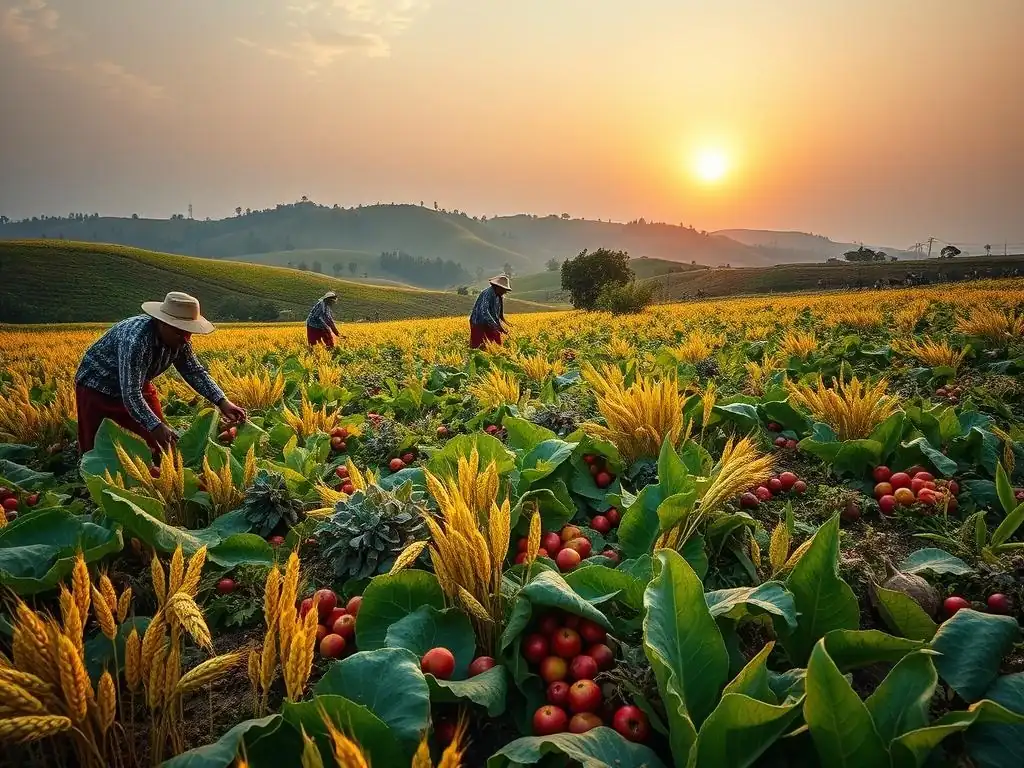
Indigenous societies have long understood the crucial link between sustainable farming practices and crop diversity. By cultivating a wide variety of crops, these communities have fostered agricultural systems that maintain ecological balance and enhance soil health.
- Intercropping: Many indigenous farmers practice intercropping, which involves planting different crops together. This method not only maximizes land use but also reduces the likelihood of pest infestations and diseases. For instance, the combination of maize, beans, and squash—known as the “Three Sisters”—is a classic example of this technique, where each crop supports the others' growth.
- Traditional Ecological Knowledge (TEK): Indigenous people have developed invaluable TEK over generations, allowing them to adapt their farming methods to local environmental conditions. This knowledge includes understanding seasonal changes, soil types, and water management, which are critical for maintaining crop diversity and productivity.
- Crop Rotation: Rotating crops is another sustainable practice that helps prevent soil depletion and promotes biodiversity. By alternating the types of crops planted in a specific area, indigenous farmers can improve soil fertility and reduce the risk of crop failure.
These sustainable farming practices not only preserve the environment but also ensure that indigenous communities can continue to thrive economically and nutritionally through their diverse agricultural outputs.
Nutritional Value of Diverse Crops in Indigenous Diets
The significance of indigenous crop diversity extends beyond agriculture into the realm of nutrition. A variety of crops contributes to a well-rounded diet, enhancing overall health and well-being.
- Rich Nutritional Profiles: Indigenous crops such as quinoa, amaranth, and various beans are packed with essential nutrients. For instance, quinoa is a complete protein, providing all nine essential amino acids, while amaranth is rich in minerals like iron and calcium.
- Seasonal Varieties: Indigenous peoples often cultivate crops that are seasonally available, ensuring that their diets change with the seasons. This practice not only provides nutritional variety but also aligns with natural cycles, promoting a sustainable way of living.
- Medicinal Uses: Many indigenous crops have medicinal properties, which further enhances their importance in traditional diets. For example, certain herbs and plants are used not only for culinary purposes but also for their healing benefits, reflecting a holistic understanding of health.
By prioritizing a diverse array of crops, indigenous societies have historically maintained robust diets that are both nutritious and beneficial for health, illustrating the indigenous crop diversity significance in their cultures.
Economic Resilience Through Crop Diversity
The economic resilience of indigenous societies is deeply intertwined with their cultivation of diverse crops. This resilience is manifested in various ways:
- Market Diversification: By growing multiple crop varieties, indigenous farmers can tap into different markets and reduce their reliance on a single crop. This diversification mitigates risks associated with price fluctuations and crop failures. For instance, if one crop fails due to drought or pest invasion, others may still thrive, ensuring food security and income stability.
- Cultural Heritage and Tourism: Indigenous crops often carry cultural significance and can attract tourism. Cultural festivals celebrating traditional foods and farming practices have emerged, creating economic opportunities for local communities. This not only preserves cultural heritage but also stimulates local economies.
- Sustainable Trade Practices: Indigenous farmers frequently engage in sustainable trade practices, selling their diverse crops both locally and regionally. This helps to maintain economic independence and empowers communities to control their agricultural practices and market access.
The economic resilience offered by indigenous crop diversity underscores its vital role in the survival and flourishing of indigenous societies. By leveraging their agricultural diversity, these communities not only sustain their cultural practices but also enhance their economic standing in a rapidly changing world.
Contemporary Relevance of Indigenous Crop Diversity
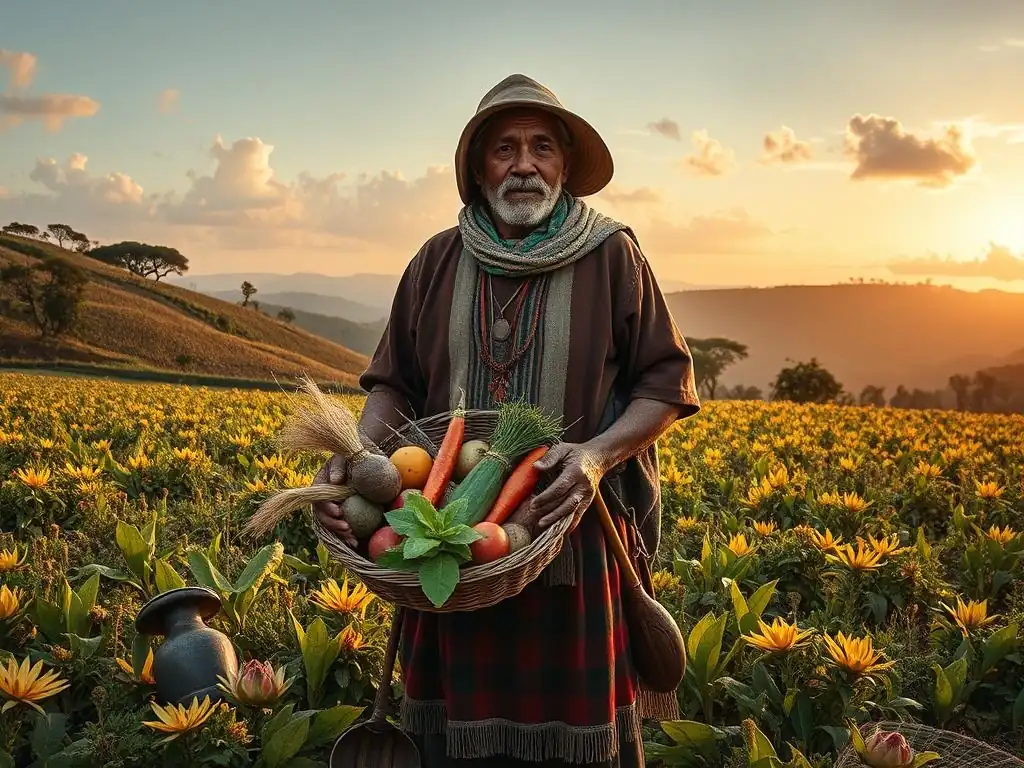
Indigenous crop diversity plays a vital role in contemporary agricultural practices and global food security. This diversity encompasses a wide array of plant species cultivated by indigenous peoples, each adapted to specific environments and cultural preferences. As the world grapples with climate change, biodiversity loss, and food insecurity, the significance of indigenous crop diversity becomes increasingly apparent. Understanding its relevance involves examining the challenges it faces, the revitalization efforts undertaken by indigenous communities, and its potential contributions to global sustainability.
Challenges Facing Indigenous Crop Diversity Today
Despite its importance, indigenous crop diversity is under threat from various challenges. These include:
- Industrial Agriculture: The rise of monoculture farming practices has led to a decline in the cultivation of diverse indigenous crops. As large agribusinesses prioritize high-yielding varieties, traditional crops are often neglected, resulting in a loss of genetic diversity.
- Climate Change: Changing climate patterns affect the growth and survival of indigenous crops. Many traditional varieties are not resilient to the extreme weather conditions brought about by climate change, leading to decreased yields and increased vulnerability.
- Loss of Indigenous Knowledge: The decline of traditional farming practices and the aging population of indigenous farmers contribute to a loss of knowledge about crop cultivation and preservation. This knowledge is crucial for maintaining biodiversity and adapting to changing environmental conditions.
- Economic Pressures: Indigenous communities often face economic challenges that force them to abandon traditional practices in favor of more profitable, but less sustainable, agricultural methods. This shift can exacerbate the loss of indigenous crop diversity.
Revitalization Efforts and Their Impact on Indigenous Communities
In response to the challenges facing indigenous crop diversity, numerous revitalization efforts have emerged. These initiatives not only aim to restore traditional crop varieties but also to empower indigenous communities. Key aspects include:
- Seed Banks and Exchanges: Establishing seed banks allows communities to preserve heirloom varieties and share seeds among farmers. This practice fosters a sense of community and strengthens cultural ties to agriculture.
- Education and Training: Programs designed to educate younger generations about traditional farming techniques ensure the transfer of knowledge. Workshops and community gatherings promote the significance of indigenous crops and sustainable farming practices.
- Policy Advocacy: Indigenous organizations are increasingly advocating for policies that support agricultural diversity. By engaging with local and national governments, these groups push for the recognition and protection of indigenous crop varieties.
- Cultural Revival: Revitalization efforts often emphasize the cultural significance of indigenous crops, linking agricultural practices to identity, heritage, and community resilience. By celebrating traditional foods, communities reinforce their cultural heritage and promote local food sovereignty.
The Role of Indigenous Crop Diversity in Global Sustainability
Indigenous crop diversity is not only significant for local communities but also plays a crucial role in global sustainability. Its contributions include:
- Biodiversity Conservation: Indigenous crops contribute to agricultural biodiversity, which is essential for ecosystem stability. Diverse cropping systems can enhance soil health, reduce pest outbreaks, and improve resilience to climate change.
- Nutrition and Food Security: Many indigenous crops are nutritionally rich and can offer alternatives to conventional crops. Integrating these crops into diets can address food insecurity and improve nutrition, particularly in regions heavily reliant on staple crops.
- Cultural Resilience: Promoting indigenous crop diversity fosters cultural resilience and identity. By valuing traditional practices, societies can combat the homogenization of food systems and preserve cultural heritage.
- Sustainable Practices: Indigenous agricultural methods, often developed over centuries, emphasize sustainability and ecological balance. These practices can inform modern agricultural strategies and contribute to a more sustainable food system globally.
The significance of indigenous crop diversity extends beyond cultural heritage; it is a vital component of sustainable agricultural practices. Addressing the challenges it faces and supporting revitalization efforts can empower indigenous communities while contributing to global sustainability.
Conclusion: The Lasting Impact of Crop Diversity on Indigenous Societies
The cultural significance of crop diversity in Indigenous societies extends far beyond mere sustenance; it represents a crucial component of their identity, spirituality, and ecological knowledge. Indigenous peoples across the Americas cultivated a vast array of crops, adapting their agricultural practices to the diverse environments in which they lived. This rich tapestry of agricultural biodiversity not only facilitated food security but also fostered community cohesion and resilience against environmental changes.
Indigenous crop diversity played a pivotal role in shaping social structures, ceremonial practices, and cultural narratives. For instance, the cultivation of maize, beans, and squash—often referred to as the "Three Sisters"—was not only a nutritional strategy but also a symbol of cooperation and interdependence among these crops, which thrived together in symbiotic relationships. This holistic understanding of agriculture reflects a deep-rooted connection between people and the land.
Moreover, the knowledge systems surrounding Indigenous crop diversity encompass sustainable practices that have been passed down through generations. This includes selective breeding, crop rotation, and the use of traditional ecological knowledge to enhance biodiversity. Such practices ensure not only the preservation of crop varieties but also the health of the ecosystems in which they are grown.
As we consider the lasting impact of crop diversity on Indigenous societies, it's essential to recognize the ongoing relevance of these practices in contemporary discussions about food security, climate change, and biodiversity conservation. The resilience demonstrated by Indigenous communities through their agricultural diversity presents valuable lessons for sustainable food systems in the modern world.
The Future of Indigenous Crop Diversity Significance
The future of Indigenous crop diversity significance hinges on the recognition and revitalization of traditional agricultural practices. With the looming threats of climate change and global agricultural homogenization, Indigenous knowledge systems offer innovative solutions for sustainable farming. For example, agroecological approaches rooted in Indigenous wisdom can enhance crop resilience and yield while preserving biodiversity.
Furthermore, as interest in local and organic food systems grows, there is a renewed appreciation for Indigenous crops that have long been marginalized. Crops like quinoa, amaranth, and various heirloom beans are gaining recognition not only for their nutritional value but also for their cultural heritage. Recognizing the significance of these crops can lead to increased demand, which in turn supports Indigenous farmers and communities.
However, the future also requires advocacy for the rights of Indigenous peoples to protect their land, knowledge, and biodiversity. Collaborative efforts between Indigenous communities, researchers, and policymakers can create frameworks that prioritize Indigenous agricultural practices and promote crop diversity as a vital aspect of global food security.
Call to Action: Preserving Indigenous Agricultural Practices
To truly honor the significance of Indigenous crop diversity, it is imperative to take action aimed at preserving these vital agricultural practices. Here are some actionable steps everyone can take:
- Support Indigenous Farmers: Purchase products from Indigenous-led agricultural initiatives and markets, helping to sustain their livelihoods and promote traditional crops.
- Advocate for Policy Change: Engage in advocacy for policies that protect Indigenous land rights and promote agroecological practices. This includes supporting legislation that acknowledges and incorporates Indigenous knowledge in environmental management.
- Educate Others: Share knowledge about Indigenous crop diversity and its significance within your community. Education fosters appreciation and respect for the cultural heritage and ecological wisdom of Indigenous peoples.
- Participate in Workshops: Join workshops or community events focused on Indigenous agricultural techniques, which can help bridge the gap between traditional knowledge and modern agricultural practices.
By taking these steps, we can collectively contribute to the preservation of Indigenous agricultural practices and ensure that the significance of crop diversity continues to thrive for generations to come. Together, we can honor the rich heritage of Indigenous societies and support a sustainable future for all.
Frequently Asked Questions
What is the main focus of the article "The Cultural Significance of Crop Diversity in Indigenous Societies"?
The article emphasizes the importance of crop diversity in indigenous societies, highlighting how these diverse agricultural practices shaped their cultures and economies prior to European colonization.
How did indigenous societies benefit from crop diversity?
Indigenous societies benefited from crop diversity by enhancing food security, improving nutrition, and fostering sustainable farming practices that adapted to their local environments.
What are some key crops mentioned in the article that demonstrate indigenous crop diversity?
The article discusses several key crops, such as maize, beans, and squash, which are often referred to as the "Three Sisters" and exemplify the interconnectedness of indigenous agricultural practices.
Why is understanding indigenous crop diversity significant today?
Understanding indigenous crop diversity is significant today because it provides insights into sustainable agriculture, offers biodiversity benefits, and can inform contemporary practices aimed at addressing food security challenges.
How does the article connect crop diversity to cultural identity among indigenous peoples?
The article explains that crop diversity is deeply intertwined with cultural identity, as traditional agricultural practices are often linked to spiritual beliefs, community practices, and historical narratives of indigenous peoples.
Final Reflection: The Enduring Legacy of Indigenous Crop Diversity
The significance of indigenous crop diversity transcends mere agricultural practices; it embodies a profound connection between culture, identity, and sustainability. In today's world, where monoculture threatens biodiversity and food security, the wisdom embedded in indigenous farming practices offers invaluable lessons. The resilience of these societies, rooted in their diverse crops, serves as a powerful reminder of the intricate relationship between humans and the environment. As we face global challenges such as climate change and food scarcity, understanding and valuing indigenous crop diversity becomes not just relevant but essential.
The cultural landscape shaped by indigenous crop diversity continues to influence contemporary discussions about sustainability and food sovereignty. The practices and knowledge of indigenous peoples are not relics of the past; they are living traditions that inform modern agricultural methods and ecological stewardship. As we navigate the complexities of our food systems, we must recognize the voices of those who have cultivated this knowledge for generations. In every seed lies the story of a people, their history, and their future.
This quote encapsulates the idea that each crop carries with it a narrative that is crucial for understanding our collective heritage and the path forward.
As we reflect on the importance of indigenous crop diversity, I invite you to consider how these lessons can be integrated into your own life. What steps can you take to support biodiversity in your community? Whether it's advocating for local food systems, learning about indigenous practices, or simply choosing to support diverse agricultural initiatives, each action contributes to a more sustainable future. Let us honor the legacy of indigenous societies by embracing their wisdom and ensuring that the significance of crop diversity is recognized and celebrated for generations to come.
Embrace and Elevate Crop Diversity Today!
Thank you for exploring the rich world of crop diversity and its cultural significance in Indigenous societies! Your commitment to understanding these vital agricultural practices not only enhances your knowledge but also supports the preservation of Indigenous heritage.
Now is the perfect time to take action! Here are some meaningful steps you can take:
- Adopt Diverse Crops: Consider planting a variety of crops in your garden to experience the benefits of biodiversity firsthand.
- Support Indigenous Farmers: Visit local farmers' markets and purchase produce from Indigenous farmers to directly support their practices and communities.
- Share Your Knowledge: Discuss the importance of crop diversity with family and friends, or even organize a community workshop to educate others.
How can you personally contribute to preserving the cultural significance of agricultural diversity in your area?