
Cahokia's Origins: Decoding the Cultural Influences that Shaped a Civilization

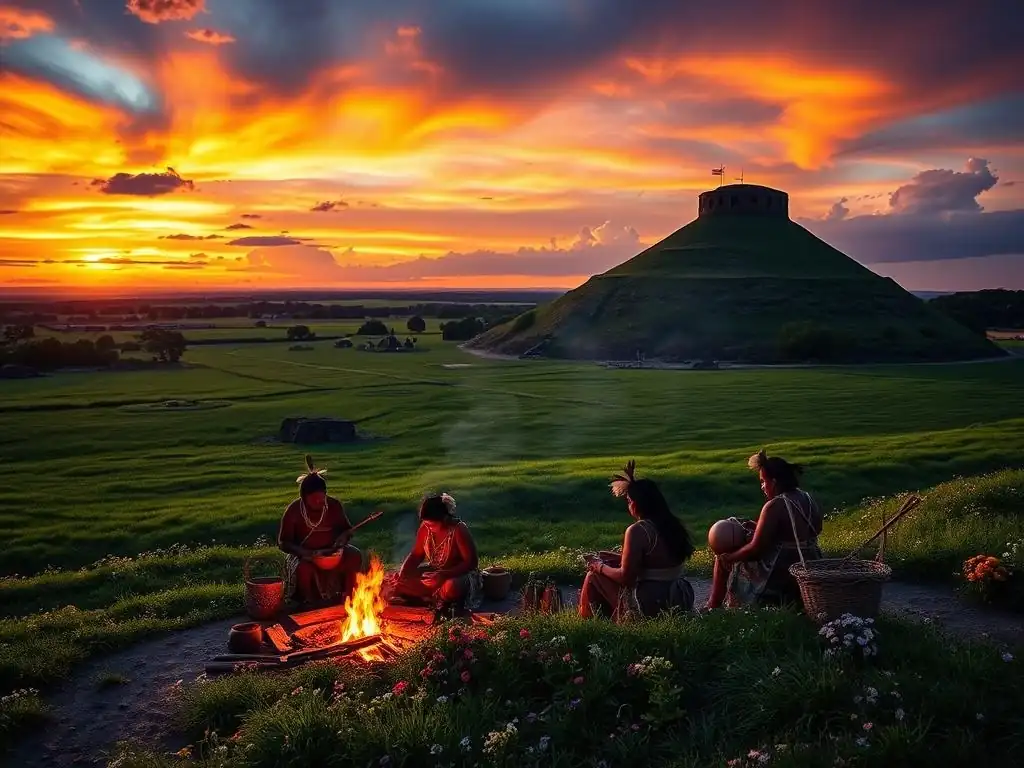
Welcome to Indigenous Civilizations of the Americas, where we invite you to embark on a fascinating journey through the rich tapestry of indigenous cultures that flourished long before European contact. Here, you will uncover the profound cultural influences of Cahokia, a remarkable civilization that left an indelible mark on the American landscape. Delve into our main article, “Cahokia's Origins: Decoding the Cultural Influences that Shaped a Civilization,” and prepare to explore the achievements and legacies of the Cahokia people that continue to resonate today.
What hidden stories and connections will you discover in the echoes of this vibrant society? Join us as we unveil the past and inspire a deeper understanding of these extraordinary cultures.
Introduction to Cahokia Indigenous Cultural Influences
Cahokia, a monumental urban center that flourished from approximately 600 to 1400 CE, stands as a testament to the ingenuity and complexity of indigenous cultures in the Americas. Located just east of modern-day St. Louis, Missouri, this ancient city was the largest pre-Columbian settlement north of Mexico, showcasing an intricate web of social, political, and economic structures. Understanding the indigenous cultural influences that shaped Cahokia is essential, as these influences not only contributed to its rise as a thriving metropolis but also left a lasting legacy that can be traced through various aspects of contemporary Native American cultures.
Overview of Cahokia's Historical Significance
Cahokia's historical significance cannot be overstated. With its impressive earthen mounds, extensive trade networks, and sophisticated agricultural practices, the city serves as a critical focal point for understanding pre-Columbian civilizations in North America. At its peak, Cahokia was home to tens of thousands of residents and featured monumental architecture, including the iconic Monk's Mound, which remains the largest earthen structure in the Americas. The city's strategic location near the confluence of major rivers facilitated commerce and cultural exchange, allowing it to become a melting pot of indigenous traditions and innovations.
Importance of Understanding Cultural Influences
Deciphering the cultural influences that shaped Cahokia provides invaluable insights into the broader narrative of indigenous resilience and adaptability. By exploring the various elements—ranging from spiritual beliefs to agricultural techniques—that contributed to the development of Cahokia, we gain a deeper appreciation for the complexity of these ancient societies. Moreover, recognizing the interconnectedness of different indigenous cultures helps to challenge misconceptions about their homogeneity and underscores the significance of their contributions to global history.
The Geographic Context of Cahokia
Location and Its Impact on Cultural Development
Cahokia's geographic location played a pivotal role in its cultural development. Situated in the fertile floodplain of the Mississippi River, this region offered ideal conditions for agriculture, which was the backbone of Cahokia's economy. The proximity to waterways not only facilitated irrigation but also provided access to diverse trade routes, enabling the exchange of goods, ideas, and cultural practices with neighboring tribes and distant communities. The strategic positioning of Cahokia allowed it to thrive as a central hub of social interaction and commerce, influencing the cultural landscape of the surrounding areas.
Natural Resources Contributing to Cahokia's Growth
The abundance of natural resources in the Cahokia region significantly contributed to the city's growth and sustainability. The fertile soil supported the cultivation of staple crops such as maize, beans, and squash, laying the foundation for a stable food supply that could sustain a large population. Additionally, the area was rich in wildlife and fish, which complemented agricultural practices and provided diverse dietary options. Access to natural resources not only bolstered the economy but also facilitated the development of specialized crafts and trade, further enriching the cultural tapestry of Cahokia.
This comprehensive overview sets the stage for a deeper exploration of the myriad influences that shaped Cahokia, inviting readers to engage with the rich historical narrative of this remarkable civilization.
Key Cultural Influences on Cahokia Civilization
Cahokia, one of the most significant pre-Columbian urban centers, was shaped by a confluence of cultural influences that interplayed to create a rich tapestry of societal achievements. Understanding these influences is essential to appreciate the complexity of Cahokia's development. Among the most notable influences were the indigenous peoples of the region, the overarching Mississippian culture, and spiritual beliefs that permeated daily life. Each of these elements contributed to the distinct identity of Cahokia and its role as a cultural hub.
Indigenous Peoples of the Region
Before the rise of Cahokia, the region was inhabited by various indigenous groups, each contributing to the cultural landscape. The Mound Builders, for instance, were known for constructing earthworks and mounds, which served both ceremonial and practical purposes. These early inhabitants laid the groundwork for Cahokia's future societal structures and religious practices.
Moreover, neighboring tribes such as the Illinois and the Osage played crucial roles in influencing Cahokia's social organization. Their interactions, whether through trade or conflict, helped to shape the political alliances and cultural exchanges that would define Cahokia. The shared knowledge of agriculture, particularly the cultivation of maize, beans, and squash, further united these indigenous groups and contributed to a collective cultural identity that would flourish in Cahokia.
Influence of Mississippian Culture
Cahokia is often regarded as a central figure in the Mississippian culture, which emerged around 800 CE and spread across the southeastern United States. This culture was characterized by platform mounds, complex societies, and extensive trade networks. Cahokia, with its impressive Monks Mound, the largest earthen structure in the Americas, exemplified the architectural prowess of the Mississippian people.
The Mississippian influence on Cahokia also extended to social hierarchies and political organization. Cahokians developed a stratified society with a ruling elite, likely influenced by the social structures of other Mississippian sites. Additionally, the artistic expressions, including pottery and shell jewelry, reflect shared aesthetics and technologies that were emblematic of the Mississippian culture, thereby enriching Cahokia's artistic heritage.
Spiritual and Religious Influences
Religion played a vital role in shaping the culture of Cahokia. The spiritual beliefs of its inhabitants were deeply intertwined with their agricultural practices and societal organization. The worship of deities associated with fertility and agriculture was prevalent, reflecting the community's reliance on the land for sustenance.
Ceremonial mounds, such as those found in Cahokia, were integral to religious practices. They served as platforms for rituals and gatherings, reinforcing the social cohesion of the community. The presence of artifacts associated with rituals—such as ceremonial potteries and figurines—illustrates how spiritual life influenced daily activities and cultural expressions within Cahokia. Moreover, Cahokia's religious practices likely drew from the broader Mississippian culture, which emphasized the connection between the spiritual and natural worlds.
The Role of Trade and Economy in Cultural Shaping
Trade and economy were pivotal in the development of Cahokia, facilitating interaction and integration among diverse cultures. The exchange of goods not only enriched the material life of Cahokians but also fostered cultural exchange, leading to the assimilation of different cultural practices and beliefs.
Economic Systems and Trade Routes
Cahokia became a thriving economic center due to its strategic location along major trade routes. These routes included the Mississippi River and its tributaries, which enabled the flow of goods such as copper, shells, and agricultural products. The economic systems in place allowed Cahokia to develop a complex marketplace where various items were traded, reflecting the diversity of cultures that influenced the city.
The presence of specialized crafts, such as pottery and tool-making, indicates a division of labor that further enhanced Cahokia's economic landscape. This economic specialization not only supported local needs but also positioned Cahokia as a key player in regional trade networks, connecting it with distant cultures and facilitating the exchange of ideas and practices.
Impact of Trade on Cultural Exchange and Integration
The extensive trade networks that converged in Cahokia had a profound impact on cultural exchange and integration. As goods traveled from various regions, so too did cultural practices, technologies, and artistic styles. This intermingling led to the emergence of new cultural forms that blended elements from different indigenous peoples.
For instance, the introduction of new agricultural techniques and crops through trade helped shape Cahokia's agricultural practices. Additionally, the influx of artistic influences led to unique styles of pottery and craftsmanship that became hallmarks of Cahokian culture. Overall, trade served as a conduit for cultural diffusion, fostering a dynamic environment where diverse influences could coalesce and evolve, ultimately shaping the identity of the Cahokia civilization.
Cahokia's Artistic Expressions and Their Cultural Roots
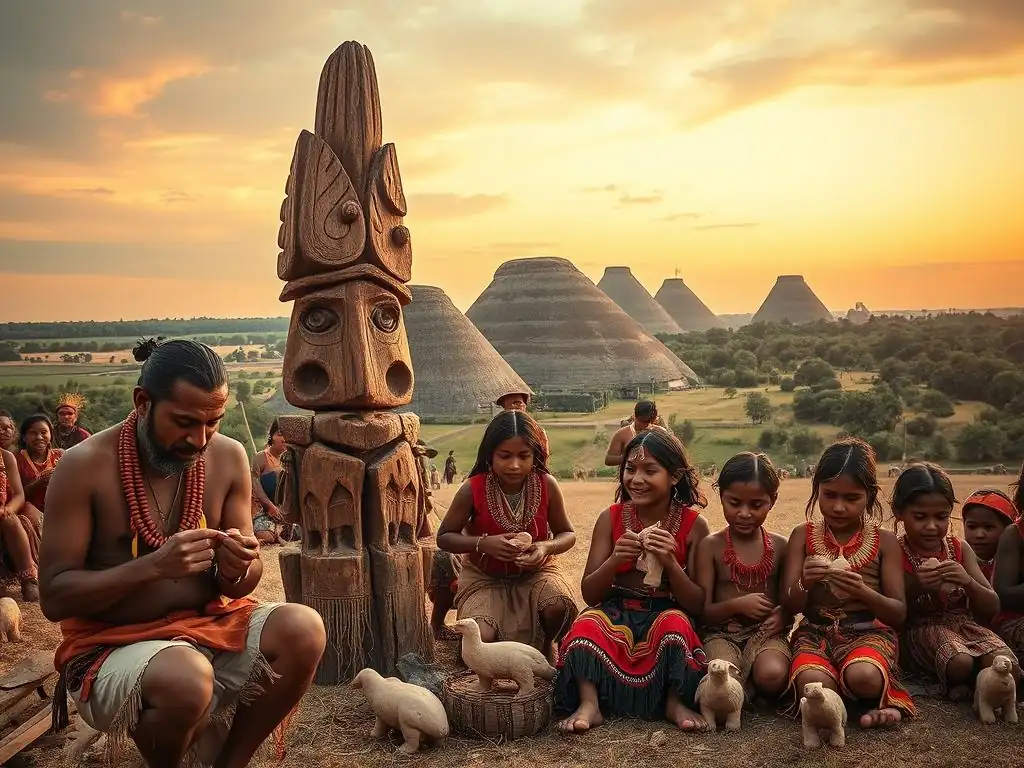
Cahokia, one of the most significant pre-Columbian urban settlements in North America, is renowned for its rich artistic expressions that reflect the diverse cultural influences of indigenous societies. The artistic achievements of Cahokians were not merely aesthetic; they carried profound meanings and demonstrated social status, religious beliefs, and the intricate connections between different cultures. These artistic expressions encompassed various forms, including pottery, sculpture, and ceremonial artifacts, each revealing the sophisticated craftsmanship and cultural narratives of the Cahokian people.
Pottery and Craftsmanship Influenced by Indigenous Traditions
Cahokian pottery is a prominent example of indigenous cultural influences that shaped its civilization. The intricate designs and techniques used in Cahokia's pottery were rooted in the traditions of earlier indigenous cultures, particularly the Mississippian culture, which flourished in the region. Potters utilized locally sourced clay, crafting vessels that varied in size and shape, often adorned with elaborate designs that held symbolic significance.
The craftsmanship of Cahokian pottery exhibits a high level of skill, with many pieces featuring intricate decorations, including incised patterns and painted motifs. These decorative elements often depicted natural forms, such as animals and plants, linking the pottery to the environment and the spiritual beliefs of the Cahokian people. The use of pottery also played a crucial role in daily life, serving as functional items for cooking and storage, while simultaneously functioning as artistic expressions that conveyed cultural identity.
Symbolism and Iconography in Cahokian Art
The art of Cahokia is deeply imbued with symbolism and iconography, serving as a narrative tool that communicated the values, beliefs, and social structures of the civilization. Cahokian art frequently featured motifs that represented deities, celestial bodies, and mythical creatures, reflecting the spiritual worldview of its people. For instance, the depiction of the "birdman" motif in various artifacts suggests a connection to spiritual power and the afterlife, illustrating the importance of religion in Cahokian society.
Additionally, the iconography found in Cahokian art often had a broader significance, promoting unity and cultural identity among different indigenous groups. The shared symbols and artistic styles facilitated communication and interaction among tribes, reinforcing alliances and trade relationships. This rich tapestry of symbolism not only enriched the visual landscape of Cahokia but also served to strengthen the community's cultural cohesion.
The Legacy of Cahokia's Cultural Influences
Cahokia's cultural influences extended far beyond its immediate geographic region, leaving a lasting impact on subsequent indigenous cultures across North America. The combination of artistic expression, social organization, and spiritual beliefs that characterized Cahokia set a precedent for other civilizations to follow, showcasing the complexity and richness of indigenous heritage.
Lasting Impact on Subsequent Indigenous Cultures
The legacy of Cahokia's cultural influences can be seen in the artistic and architectural practices of later indigenous groups. Many tribes adopted Cahokian pottery styles and iconography in their own craftsmanship, illustrating the enduring nature of these cultural exchanges. The monumental earthworks and mounds constructed by Cahokians also inspired similar structures in neighboring communities, reflecting the sharing of knowledge and techniques.
Moreover, the social and political organization evident in Cahokia's society influenced the development of subsequent indigenous cultures. The emphasis on trade networks, ceremonial practices, and communal governance established by the Cahokians served as a model for later civilizations, fostering a sense of identity and continuity among diverse tribes.
Recognition and Preservation of Cahokia's Heritage
Today, the significance of Cahokia's cultural influences is recognized in various forms, including archaeological research, educational programs, and cultural preservation efforts. The Cahokia Mounds State Historic Site, designated as a UNESCO World Heritage Site, serves as a testament to the importance of this ancient civilization and its contributions to indigenous history.
Preservation initiatives aim to protect the remaining mounds and artifacts, ensuring that future generations can appreciate and learn from Cahokia's rich heritage. Additionally, educational outreach programs strive to raise awareness of the cultural influences that shaped not only Cahokia but also the broader tapestry of indigenous civilizations in the Americas. By recognizing and preserving Cahokia's legacy, we honor the enduring spirit of indigenous cultures and their profound impact on the history of the Americas.
Conclusion: Understanding Cahokia's Cultural Influences Today
The exploration of Cahokia’s cultural influences provides profound insights into the complexities of indigenous civilizations in the Americas. Cahokia stands as a testament to the intricate social structures, economic systems, and spiritual beliefs that thrived long before European contact. By decoding these influences, we not only enrich our understanding of Cahokia itself but also appreciate the broader narrative of indigenous resilience and innovation.
In today's context, the lessons drawn from Cahokia's achievements resonate with contemporary issues such as urban planning, environmental sustainability, and community organization. The integration of indigenous perspectives into modern discourses can foster a deeper appreciation for the diverse histories and cultures that shaped the Americas. Recognizing Cahokia's influence encourages a re-evaluation of historical narratives, emphasizing the significance of indigenous contributions to civilization.
Reflection on the Importance of Indigenous Cultural Studies
Studying indigenous cultures, particularly those like Cahokia, is vital for several reasons. Firstly, it helps counteract historical narratives that often marginalize or overlook the accomplishments of indigenous peoples. By elevating the stories of civilizations such as Cahokia, we can foster a more inclusive understanding of history that values diverse perspectives.
Secondly, indigenous cultural studies are crucial for preserving knowledge systems that have been passed down through generations. These studies emphasize the importance of oral traditions, community practices, and ecological wisdom, which are essential for maintaining cultural identity and heritage. Engaging with these studies allows for a richer appreciation of the interconnectedness of culture, environment, and society.
Lastly, recognizing the relevance of indigenous cultural studies in academia, policy-making, and community practices can catalyze a transformation in how we approach contemporary issues. By learning from indigenous ways of knowing, we can address challenges such as climate change, social justice, and cultural preservation more effectively.
The Relevance of Cahokia's Legacy in Modern Context
Cahokia's legacy is profoundly relevant in today's society, particularly as we grapple with urbanization and sustainability. The city’s sophisticated societal organization and monumental architecture offer valuable lessons in community planning and resource management. For instance, Cahokia's construction of earthen mounds and its complex trade networks reflect an understanding of environmental stewardship that modern cities can learn from.
Moreover, the spiritual and cultural practices of Cahokia highlight the importance of place and community in fostering identity. In a rapidly globalizing world, where many individuals feel disconnected from their roots, Cahokia’s emphasis on community bonds and collective identity serves as a reminder of the significance of cultural heritage.
Furthermore, Cahokia's influence extends into contemporary art, literature, and activism, where indigenous voices are increasingly asserting their presence. The recognition of Cahokia in modern narratives contributes to a broader movement of indigenous resurgence, where communities are reclaiming their histories and asserting their rights.
Further Reading and Resources on Cahokia Indigenous Cultural Influences
Exploring further into the rich tapestry of Cahokia’s influences can deepen one’s understanding of this remarkable civilization. Below are recommended readings and online resources that provide valuable insights into Cahokia’s cultural legacy.
Recommended Books and Articles
-
"Cahokia: Ancient America's Great City on the Mississippi" by Timothy R. Pauketat
This comprehensive study delves into the archaeological and historical aspects of Cahokia, offering a detailed look at its societal structures and cultural practices.
-
"The Cahokia Atlas: A Historical Atlas of Cahokia Archaeology" by Charles R. Ewen and others
This atlas presents a visual exploration of Cahokia's archaeological findings, providing context and insights into its cultural significance.
-
"Ancient North America: The Archaeology of a Continent" by Brian M. Fagan
This book contextualizes Cahokia within the broader narrative of North American archaeology, highlighting the interconnectedness of various indigenous cultures.
-
"The Archaeology of Cahokia" by Charles M. Stanish
A focused examination of Cahokia's archaeological record, detailing significant findings and interpretations of cultural influences.
Online Resources for Deeper Exploration
-
Cahokia Mounds State Historic Site
This official site offers educational resources, visitor information, and insights into the archaeological significance of Cahokia.
-
The Cahokia Project
An initiative focusing on the archaeological research of Cahokia, providing access to research findings, publications, and ongoing studies.
-
National Park Service: Cahokia Mounds
The NPS provides valuable historical context, visitor information, and educational resources related to Cahokia and its importance as a UNESCO World Heritage Site.
-
American Antiquity Journal
This peer-reviewed journal frequently publishes articles related to Cahokia and other indigenous cultures, presenting current research and findings from the field of archaeology.
By engaging with these resources, readers can gain a more profound understanding of the cultural influences that shaped Cahokia and its enduring legacy in the Americas.
- Introduction to Cahokia Indigenous Cultural Influences
- The Geographic Context of Cahokia
- Key Cultural Influences on Cahokia Civilization
- The Role of Trade and Economy in Cultural Shaping
- Cahokia's Artistic Expressions and Their Cultural Roots
- The Legacy of Cahokia's Cultural Influences
- Conclusion: Understanding Cahokia's Cultural Influences Today
- Further Reading and Resources on Cahokia Indigenous Cultural Influences
Frequently Asked Questions
What is Cahokia?
Cahokia was a flourishing indigenous civilization located near present-day St. Louis, Missouri, known for its massive earthen mounds and complex societal structures.
What were the main cultural influences on Cahokia?
Cahokia was influenced by various indigenous cultures, including those from the Mississippi River Valley, which contributed to its agricultural practices and trade networks.
How did Cahokia's society function?
Cahokia operated as a highly organized society with a centralized leadership, complex social hierarchies, and extensive trade systems that connected it to other cultures across the continent.
What are some notable achievements of the Cahokia civilization?
The Cahokia civilization is renowned for its architectural feats, especially the construction of Monks Mound, which is one of the largest earthen structures in the Americas, and its sophisticated urban planning.
What is the lasting impact of Cahokia on indigenous cultures?
Cahokia's cultural influences continue to resonate today, particularly in the art, agriculture, and social structures of modern Native American tribes in the region, showcasing the resilience of indigenous heritage.
Final Reflection: Unveiling the Legacy of Cahokia's Indigenous Cultural Influences
Cahokia's origins remind us that the threads of culture and civilization are woven from diverse influences that shape societies in profound ways. Today, as we navigate a world increasingly defined by globalization and cultural exchange, understanding the roots of civilizations like Cahokia becomes crucial. The intricate tapestry of indigenous cultural influences that formed this remarkable society not only enriches our historical narrative but also serves as a powerful reminder of the resilience and ingenuity of human communities.
The legacy of Cahokia continues to resonate in contemporary discussions about cultural identity and heritage. As we reflect on the achievements and complexities of this ancient civilization, we recognize the importance of honoring and preserving the diverse cultural narratives that have shaped our world. Civilizations rise and fall, but the stories of their people endure, reminding us of our shared humanity.
This ongoing dialogue about cultural influences encourages us to appreciate the interconnectedness of societies and the vital role that indigenous voices play in shaping our collective history.
As we close this exploration of Cahokia's origins, I invite you to reflect on the lessons learned from this vibrant civilization. Consider how the cultural influences that shaped Cahokia can inspire you in your own life. Embrace the richness of diversity in your community, seek to understand the histories that have shaped your surroundings, and contribute to a future where all voices are celebrated. By doing so, we honor the legacy of Cahokia and ensure that the wisdom of the past guides us toward a more inclusive and interconnected future.
Unveil the Legacy of Cahokia: Take Action Today!
Thank you for exploring the fascinating origins of Cahokia with us! You've uncovered the rich cultural influences that shaped this incredible civilization. Now, it's time to dive even deeper and engage with this extraordinary history that continues to resonate in our lives today.
Here’s how you can continue your journey:
- Join a local archaeological group or participate in a museum tour to learn more about Cahokia and its impact on Indigenous cultures.
- Engage with others: Share this article with friends and family or on social media to spark discussions about Indigenous civilizations and their legacies.
- Explore further: Check out related articles on our website to broaden your understanding of other influential Indigenous cultures across the Americas.
What aspect of Cahokia's cultural influences intrigued you the most, and in what ways do you see its legacy reflected in contemporary society?