
Iconic Moche Pottery: Exploring the Techniques and Themes of Ancient Artists

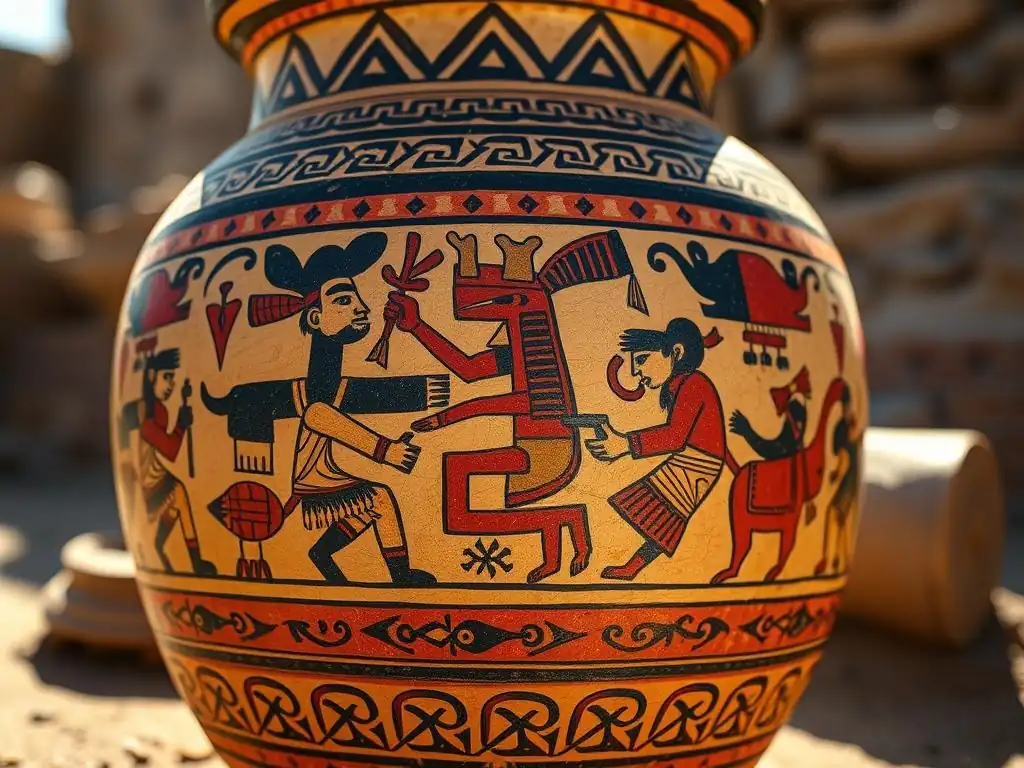
Welcome to Indigenous Civilizations of the Americas—your gateway to the rich tapestry of cultures that flourished long before European contact. Dive into the intriguing world of ancient artistry as we explore Moche pottery techniques and themes. What secrets lie within the intricate designs and masterful craftsmanship of these remarkable artisans? Join us on this captivating journey to uncover the stories and innovations that shaped the Moche civilization, and discover how their legacy continues to resonate today. Your adventure into the depths of archaeological wonders begins here!
- Introduction to Moche Pottery Techniques and Themes
- Historical Context of Moche Pottery
- Key Techniques in Moche Pottery
- Themes Represented in Moche Pottery
- Comparative Analysis of Moche Pottery with Other Pre-Columbian Art
- Preservation and Legacy of Moche Pottery
- Conclusion
- Frequently Asked Questions
- Final Reflection: The Enduring Legacy of Moche Pottery Techniques and Themes
- Unveil the Artistry of Ancient Moche Pottery!
Introduction to Moche Pottery Techniques and Themes
The Moche civilization, which flourished along the northern coast of Peru from approximately 100 to 800 CE, is renowned for its exceptional artistry and sophisticated craftsmanship, particularly in pottery. Moche pottery techniques and themes offer a fascinating glimpse into the rich cultural landscape of this ancient society, revealing not only their artistic prowess but also their beliefs, societal structures, and daily life.
The intricate designs and elaborate forms of Moche pottery serve as both functional objects and artistic expressions, showcasing the skill and creativity of their artisans. This article delves into the various techniques employed by Moche potters and the thematic elements that permeate their works, providing insights into the significance of these artifacts in understanding Moche culture and history.
Overview of Moche Civilization
The Moche civilization was characterized by its complex society, advanced agricultural practices, and monumental architecture. Living in a region marked by arid coastal plains and fertile river valleys, the Moche people developed intricate irrigation systems that allowed them to cultivate crops such as maize, beans, and potatoes. Their society was stratified, with a ruling elite overseeing laborers, artisans, and farmers. The Moche were also known for their impressive architectural feats, including the construction of large adobe pyramids, such as the Huaca del Sol and Huaca de la Luna.
Art was integral to Moche life, serving both religious and social functions. The Moche produced a variety of artistic forms, including textiles, metalwork, and ceramics. Pottery, in particular, became a hallmark of their culture, with pieces often depicting scenes of daily life, mythology, and ritual practices. The Moche used pottery not just for utilitarian purposes but also as a medium to communicate their values and beliefs, making it a vital component of their civilization's identity.
Significance of Moche Pottery in Archaeology
Moche pottery has garnered significant attention within the field of archaeology due to its ability to provide insight into the social and cultural dynamics of the Moche civilization. The distinctive styles and motifs found in Moche ceramics allow archaeologists to trace the development of artistic techniques and to understand the cultural exchanges that occurred within the region and beyond. Iconic elements, such as the use of realistic human and animal figures, elaborate polychrome decorations, and complex iconography, serve as key indicators of Moche society's values and beliefs.
Moreover, Moche pottery plays a crucial role in reconstructing historical narratives. Excavations of burial sites and ceremonial contexts have revealed an array of pottery types, including ceremonial vessels, effigy pots, and utilitarian wares. These findings offer a glimpse into the rituals, social hierarchy, and economic practices of the Moche people, highlighting their sophisticated understanding of art and its role in society. By studying Moche pottery techniques and themes, researchers can gain a deeper appreciation of this ancient civilization's legacy and its enduring impact on the cultural landscape of the Americas.
Historical Context of Moche Pottery
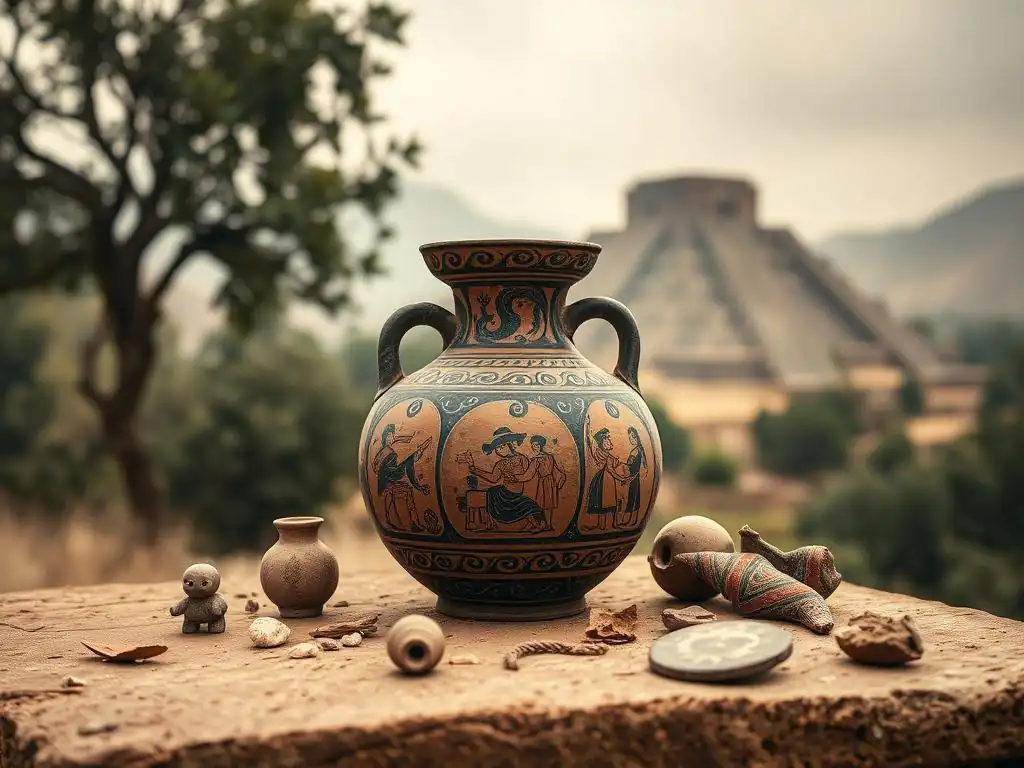
The Moche civilization, which flourished along the northern coast of Peru from approximately 100 to 800 CE, is renowned for its exceptional pottery. These ancient artisans showcased their skills through a variety of pottery forms, including vessels, plates, and figurines, often characterized by intricate designs and vivid imagery. Understanding the historical context of Moche pottery is essential to appreciate the techniques and themes employed by these skilled artists.
The Timeframe of Moche Artistry
The Moche civilization's artistic period spans several centuries, during which time they developed distinctive styles and techniques that reflected their complex society. The pottery from this era can be divided into three primary phases:
- Early Moche (100-300 CE):
- Characterized by simple forms and minimal decoration.
- Pottery often featured monochromatic colors, primarily red and cream.
- Basic utilitarian vessels were common, serving everyday functions.
- Middle Moche (300-600 CE):
- Marked by significant advancements in artistic expression and technique.
- Introduction of molded forms and more elaborate designs, including intricate facial representations and animal motifs.
- Polychrome pottery became prevalent, showcasing a wider palette of colors.
- Late Moche (600-800 CE):
- This period saw the peak of Moche artistic achievement, with highly sophisticated craftsmanship.
- Pottery displayed elaborate iconography, often related to religious and ceremonial themes.
- The use of narrative scenes on vessels became common, depicting deities, rituals, and daily life.
The evolution of Moche pottery reflects not only advancements in artistic techniques but also the changing social and religious dynamics within Moche society. The period's artworks provide insight into the values, beliefs, and daily practices of the Moche people.
Cultural Influences on Moche Pottery Techniques
The Moche civilization was influenced by various cultural elements, which shaped their pottery techniques and themes. These influences can be categorized into several key aspects:
- Geographic Factors:
- The coastal environment provided abundant clay resources, essential for pottery production.
- Proximity to the Andes mountains allowed for the incorporation of diverse materials, such as mineral pigments for coloring.
- Religious Beliefs:
- Moche pottery often depicted deities and mythological themes, showcasing the civilization's spiritual beliefs.
- The incorporation of ceremonial vessels indicates a strong connection between artistry and religious practices.
- Societal Structure:
- The hierarchical nature of Moche society is reflected in the specialized roles of artisans who produced pottery.
- Elite members of society often commissioned elaborate pieces, which served as status symbols and ceremonial objects.
- Technological Innovations:
- Moche artisans developed unique techniques, such as the use of molds, which allowed for consistent and detailed designs.
- Advances in firing techniques resulted in stronger pottery that could withstand the test of time.
The interplay of these cultural influences not only defined Moche pottery techniques but also enriched the themes represented in their works, making them a vital element of their cultural heritage.
Key Techniques in Moche Pottery
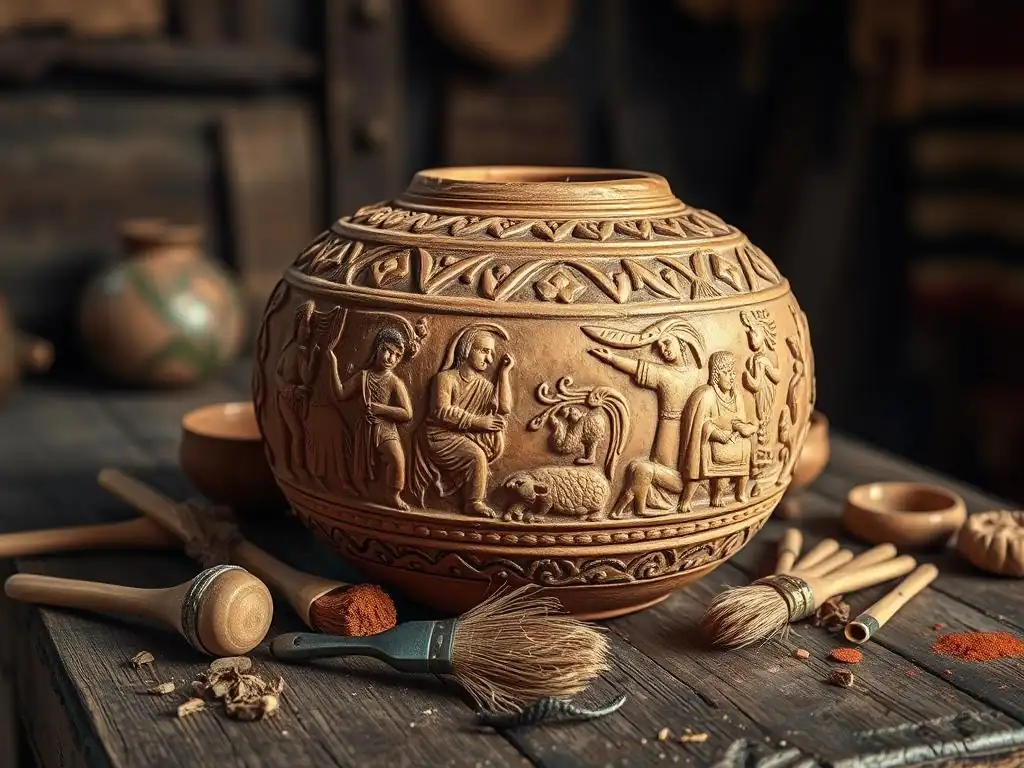
The Moche civilization, flourishing in northern Peru from around 100 to 800 CE, is renowned for its exquisite pottery, which reflects both their artistic prowess and cultural significance. The techniques employed by Moche artists were diverse and intricate, allowing for the creation of highly detailed works that have captivated archaeologists and art enthusiasts alike. Here, we delve into the key techniques that defined Moche pottery.
Hand-Modeling and Its Importance
Hand-modeling was a foundational technique in Moche pottery, emphasizing the skill and creativity of individual artisans. This method involved shaping clay by hand without the use of a potter's wheel, enabling a high degree of artistic expression.
- Individual Expression: Each artisan brought their unique style to the pieces, resulting in variations in form and decoration. This individual expression is evident in the distinct facial features and postures of modeled figures, which often depicted deities, animals, and human figures engaged in various activities.
- Functional and Ritualistic Forms: Moche potters created both functional vessels for daily use and ceremonial pieces. The hand-modeling technique allowed for the incorporation of intricate elements like handles and spouts shaped to resemble animals or mythological figures. These forms not only served practical purposes but also conveyed cultural narratives and beliefs.
- Symbolism and Themes: The figures created through hand-modeling often carried symbolic meanings, representing fertility, agriculture, and social status. For example, pots featuring anthropomorphic designs were sometimes used in rituals, emphasizing the connection between the material culture and Moche spirituality.
Slip-Decorating Techniques in Moche Art
Slip-decorating is another key technique that characterized Moche pottery, allowing for elaborate designs and a wide range of colors. This method involved applying a liquid clay mixture, or slip, to the surface of pottery before firing.
- Color and Contrast: Moche artisans created slips using different clay types and natural pigments, resulting in a vibrant palette. The use of slips not only enhanced the visual appeal of the pottery but also enabled the creation of intricate patterns and images that told stories or depicted daily life.
- Techniques of Application: There were several methods of applying slip, including brushing, pouring, and dipping. Each technique allowed for varying degrees of detail and texture. For instance, brushing techniques could create fine lines and patterns, while pouring could result in more fluid and organic designs.
- Narrative Art: Many Moche pots feature scenes that narrate myths, rituals, and the environment. The slip-decorating technique facilitated the depiction of complex scenes, such as hunting or agricultural practices, which were significant to Moche culture. These visual narratives serve as a crucial link to understanding their societal values and traditions.
Kiln Firing Methods Used by Moche Artists
The firing process was vital in solidifying the artistic creations of the Moche, and their methods were advanced for their time. The Moche employed specific kiln designs that contributed to the durability and aesthetic quality of their pottery.
- Types of Kilns: Moche potters used both open fires and more controlled kilns. The open-fire method, while more primitive, produced unique textures and colors due to the variability in temperature and atmosphere during firing. In contrast, ancient kilns, often built into the earth, allowed for more consistent temperatures, resulting in stronger and more uniform pieces.
- Temperature Control: The temperature at which Moche pottery was fired played a crucial role in achieving specific finishes and colors. Pottery that underwent higher temperatures often exhibited a glossy surface, while lower temperatures could result in more matte finishes. This level of control demonstrated the potters' understanding of material properties and firing techniques.
- Post-Firing Treatments: After firing, some Moche pottery was further enhanced with polishing or additional slip applications, creating a striking contrast that highlighted the intricate designs. This attention to detail not only showcases the craftsmanship of the Moche but also reflects their appreciation for beauty in both form and function.
The techniques of Moche pottery, including hand-modeling, slip-decorating, and advanced kiln firing, collectively illustrate the sophistication of this ancient civilization's artistic practices. Each method contributed to the rich narrative and cultural significance embedded in their artifacts, making Moche pottery a vital aspect of understanding their legacy.
Themes Represented in Moche Pottery
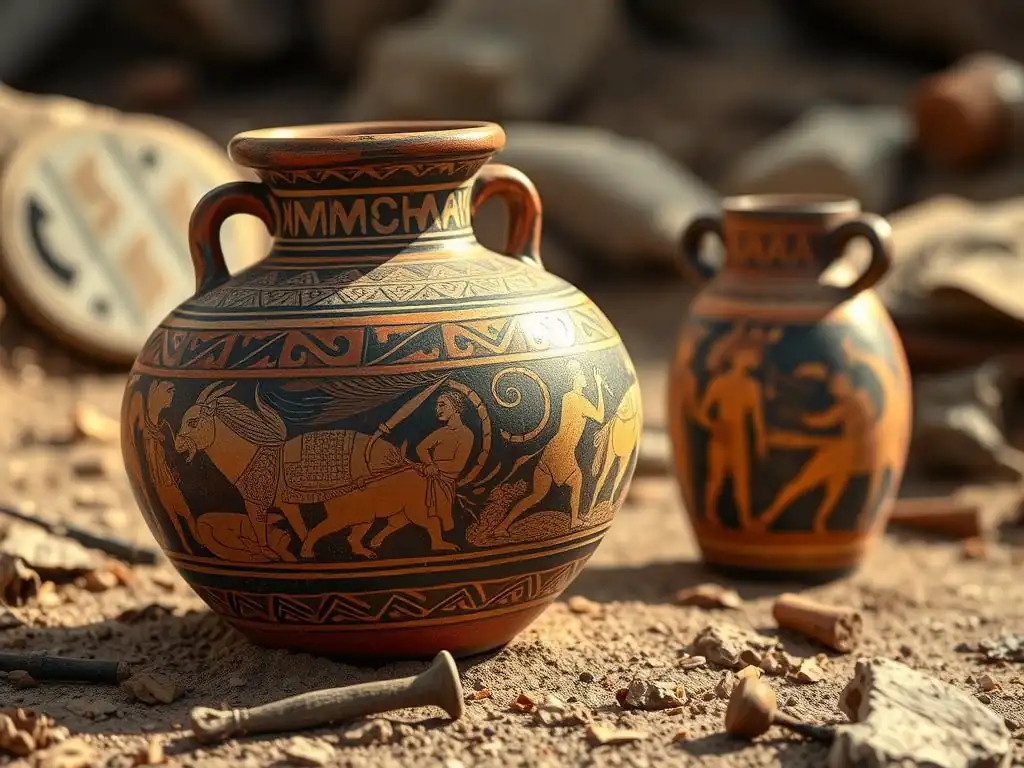
Moche pottery is renowned not only for its intricate craftsmanship but also for the rich themes that it embodies. This ancient art form serves as a window into the cultural, social, and spiritual lives of the Moche civilization, which flourished in present-day Peru from approximately 100 to 800 CE. The themes represented in Moche pottery are diverse, reflecting the complexities of their society and the beliefs that shaped their world.
Mythological and Religious Themes in Moche Pottery
Mythology and religion played a pivotal role in Moche society, and these aspects are vividly illustrated in their pottery. The Moche were polytheistic, worshiping numerous deities, many of whom are depicted in their ceramics.
- Deities and Rituals: Notable figures such as the "Decapitator," a central deity associated with warfare and sacrifice, frequently appear in Moche iconography. Pottery often features scenes of ritualistic decapitation, emphasizing the importance of sacrifice in their religious practices.
- Ceremonial Vessels: Many ceremonial vessels are intricately designed to serve specific religious purposes, showcasing scenes of mythological events or divine interactions. For instance, some vessels are shaped like animals, believed to embody the spirits of these creatures, thus intertwining the natural and spiritual worlds.
The use of vibrant colors and detailed relief work in these pieces highlights the Moche's artistic prowess while providing insight into their spiritual beliefs and practices.
Moche pottery also serves as a narrative medium, depicting scenes from daily life and offering a glimpse into the social structure of their civilization.
- Agricultural Practices: Many pottery pieces illustrate agricultural activities, such as planting and harvesting, emphasizing the Moche's reliance on farming. These representations not only celebrate their agricultural achievements but also highlight the importance of the land and nature in Moche society.
- Social Hierarchies: The pottery often reflects social hierarchies, with depictions of elite individuals engaging in various activities, suggesting a stratified society. For example, scenes showing rulers or priests in ceremonial attire indicate their significant roles and the reverence afforded to them by the community.
- Everyday Activities: In addition to elite representations, Moche pottery also captures everyday life, showcasing scenes of family gatherings, fishing, and communal activities. This diversity in portrayal illustrates the interconnectedness of the Moche community and the various roles individuals played.
Through these depictions, Moche pottery offers a multifaceted view of their daily lives, emphasizing the cultural values and social dynamics that defined their civilization.
Symbolism and Iconography in Moche Pottery Designs
Symbolism in Moche pottery is rich and complex, with various motifs and designs conveying deeper meanings.
- Geometric Patterns: Many Moche vessels feature geometric patterns that may symbolize various aspects of life, such as fertility, the cycles of nature, or the cosmos. These patterns are not merely decorative; they often hold significant cultural connotations.
- Animal Imagery: Animal motifs are prevalent in Moche pottery, with representations of felines, birds, and marine life. Each animal carries its own symbolic weight, often associated with specific traits or spiritual beliefs. For instance, the representation of a jaguar might symbolize strength and power.
- Human Figures: Human figures depicted in various poses and activities serve to illustrate societal roles, rituals, and communal interactions. The positioning and expressions of these figures can indicate emotional states or social contexts, enriching the narrative quality of the pottery.
The intricate symbolism and iconography in Moche pottery not only enhance its aesthetic appeal but also serve as a vital record of the Moche people's beliefs, values, and worldviews, making it an invaluable aspect of their cultural heritage.
Comparative Analysis of Moche Pottery with Other Pre-Columbian Art
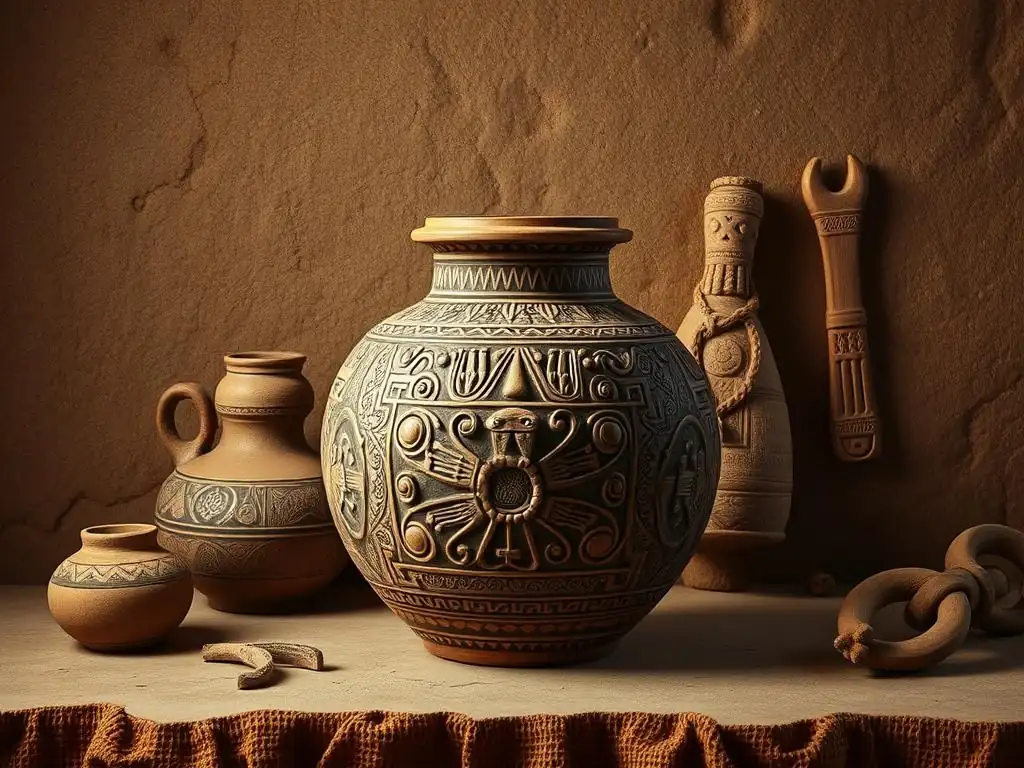
Moche pottery is a remarkable testament to the artistic and cultural achievements of the Moche civilization, known for its intricate designs and innovative techniques. To fully appreciate Moche pottery, it is beneficial to compare it with other notable pre-Columbian art forms, particularly the pottery of the Nazca culture. This analysis will explore both the similarities and differences in aesthetics, functionality, and thematic representation, as well as the influence of surrounding cultures on Moche techniques.
Similarities and Differences with Nazca Pottery
Moche and Nazca pottery, while both originating from ancient Peru, showcase distinct characteristics that reflect their unique cultural identities.
Similarities:
- Functionality: Both Moche and Nazca pottery served practical purposes, often used in rituals and everyday life. They produced utilitarian vessels alongside decorative pieces.
- Use of Color: Each culture employed vibrant colors in their pottery, utilizing natural pigments derived from minerals and plants to create visually striking works.
Differences:
-
Thematic Representation:
Moche pottery is renowned for its detailed narrative scenes, often depicting human figures, animals, and mythological elements. In contrast, Nazca pottery is characterized by its geometric designs and stylized motifs, focusing more on abstract representation rather than storytelling.
-
Form and Structure:
Moche pots often feature elaborate shapes and sculptural elements, including portrait heads and intricate reliefs. Nazca pottery tends to have more standard forms, with a focus on painted surfaces rather than three-dimensional modeling.
-
Cultural Influence:
Moche pottery reflects the civilization's complex social hierarchy and religious beliefs, with many pieces serving ceremonial functions. Nazca pottery, on the other hand, is deeply linked to the Nazca Lines and agricultural practices, emphasizing a connection to their environment.
| Aspect | Moche Pottery | Nazca Pottery |
|---|---|---|
| Themes | Narrative scenes, mythology, social life | Geometric patterns, stylized motifs |
| Form | Sculptural, elaborate shapes | Standardized forms |
| Functionality | Ceremonial and utilitarian | Primarily utilitarian |
| Color Usage | Vibrant, multi-colored | Bold, geometric color schemes |
Influence of Other Cultures on Moche Pottery Techniques
The Moche civilization was not an isolated culture; it thrived in a region where various indigenous groups interacted and exchanged ideas. This cultural exchange significantly influenced Moche pottery techniques.
-
Chavin Influence:
The earlier Chavin culture impacted Moche artistry through shared religious themes and iconography. Elements such as the use of feline motifs and supernatural beings can be traced back to Chavin styles, which Moche artists adapted into their own pottery designs.
-
Tiwanaku Techniques:
The Tiwanaku civilization, located further south, contributed to Moche pottery through techniques like the use of slip painting and burnishing. These methods enhanced the surface quality of Moche pots, making them more visually appealing and durable.
-
Environmental Adaptations:
Moche artisans also adapted their pottery techniques based on local resources. The availability of diverse clay types allowed for experimentation with texture and firing methods, resulting in unique finishes that distinguish Moche pottery from others.
-
Cultural Syncretism:
The Moche were adept at assimilating influences from neighboring cultures, blending styles and techniques to create pottery that reflected their identity while acknowledging external inspirations. This syncretism is evident in the varied motifs and construction methods seen in Moche artifacts.
The comparative analysis of Moche pottery reveals a rich tapestry of artistic expression that not only highlights its unique attributes but also its interconnectedness with other pre-Columbian cultures. Understanding these relationships enhances our appreciation of Moche pottery techniques and themes, underscoring the complexity and diversity of ancient American civilizations.
Preservation and Legacy of Moche Pottery
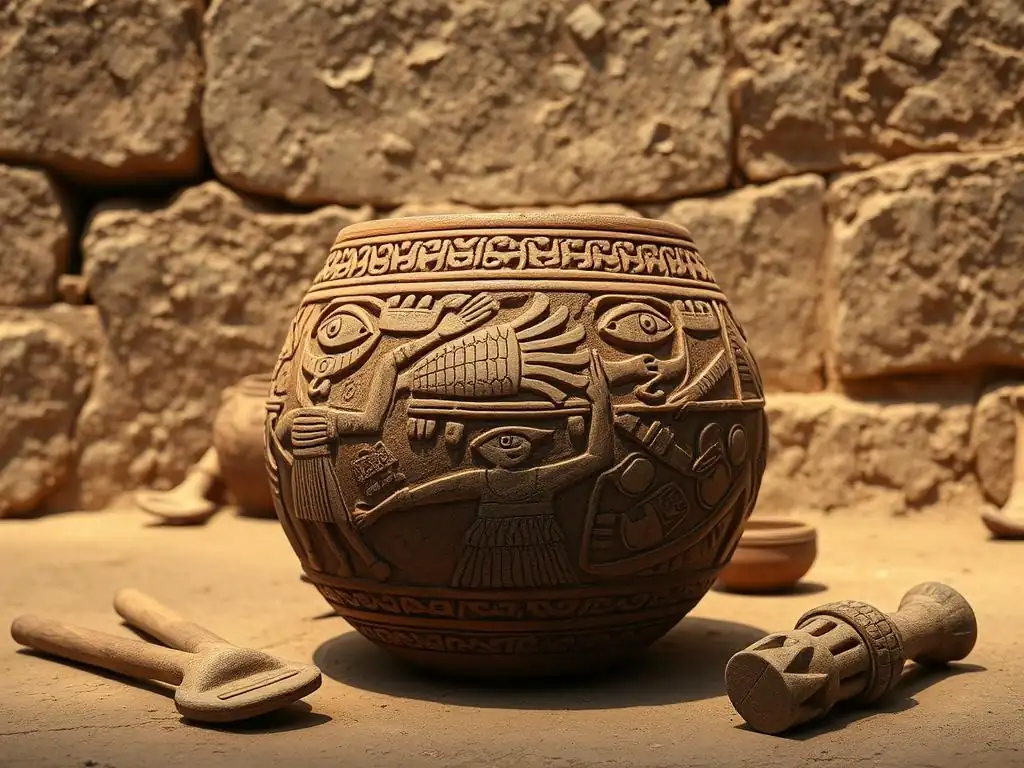
Moche pottery is not merely a relic of the past; it represents a vibrant cultural legacy that continues to influence contemporary art and scholarship. The preservation of these artifacts is crucial for understanding the Moche civilization, known for its sophisticated artistry and complex societal structures. Numerous archaeological discoveries have shed light on the methods and themes employed by Moche artisans, allowing us to appreciate their contributions to art and culture.
Archaeological Discoveries and Their Impact on Understanding Moche Art
The significance of archaeological discoveries in the study of Moche pottery cannot be overstated. Excavations in regions such as the Moche Valley in northern Peru have unearthed a wealth of artifacts, including intricately designed pottery, which have provided invaluable insights into the Moche civilization.
Key Discoveries:
- Huacas del Sol y de la Luna: These ceremonial sites revealed thousands of pottery fragments, showcasing a variety of forms and decorations that reflect religious and social themes.
- Lord of Sipán Tomb: The discovery of this royal tomb in 1987 yielded exquisite Moche artifacts, including finely crafted pottery that illustrated the elite's status and beliefs.
- Pottery Workshops: Investigations of ancient pottery workshops have revealed the techniques and materials used by Moche artisans, including the use of local clay and natural pigments.
These excavations and studies have allowed researchers to understand better the technical prowess of Moche artisans. For example, the use of mold-making techniques enabled the production of uniform shapes, while hand-painted details highlight the individual artist's skill. Additionally, motifs such as anthropomorphic figures, animals, and scenes from daily life provide a glimpse into the cultural and spiritual world of the Moche.
Modern Appreciation and Reproduction of Moche Pottery Techniques
In contemporary times, there is a growing appreciation for Moche pottery, both for its aesthetic qualities and its cultural significance. Artists and scholars are increasingly focused on replicating the techniques used by ancient Moche potters to revive and reinterpret this rich artistic tradition.
Key Aspects of Modern Reproduction:
- Traditional Techniques: Modern artisans are studying ancient methods, such as coiling, slipping, and firing techniques, to create pottery that mirrors the original Moche styles.
- Cultural Workshops: Many workshops in Peru offer courses on Moche pottery techniques, allowing participants to engage directly with the materials and traditions of the Moche civilization.
- Art Exhibitions: Museums worldwide are showcasing Moche pottery, emphasizing its historical context and artistic merits. These exhibitions often include workshops and demonstrations that educate the public about the intricacies of Moche pottery-making.
The revival of these techniques not only honors the legacy of the Moche civilization but also serves as an avenue for cultural expression in modern contexts. This blend of ancient and contemporary practices fosters a deeper appreciation for the artistry and innovation of the Moche potters, ensuring that their legacy continues to thrive in today's artistic landscape.
Conclusion
Summary of Moche Pottery Techniques and Themes
Moche pottery is a remarkable testament to the artistic innovation and cultural expression of the Moche civilization, which flourished along the northern coast of Peru from approximately 100 to 800 AD. The techniques employed by Moche artisans reveal a sophisticated understanding of materials and aesthetics.
Key Techniques:
- Slip Casting: Moche potters often used slip casting, a technique involving liquid clay mixtures, to create intricate shapes and detailed features. This allowed for the mass production of pottery while retaining artistic quality.
- Mold Making: They frequently utilized molds to produce uniform shapes, which were then embellished by hand. This facilitated the creation of complex narrative scenes and anthropomorphic figures on their vessels.
- Polychrome Painting: The vibrant colors of Moche pottery were achieved through the use of natural pigments. Artisans applied these paints in elaborate designs, often depicting gods, animals, and daily life, showcasing their storytelling prowess.
- Burnishing: This finishing technique not only enhanced the visual appeal of the pottery but also improved its durability. The process involves polishing the surface with a smooth tool, resulting in a glossy finish that reflects light beautifully.
Through these techniques, Moche pottery serves as a window into their society, illustrating themes such as mythology, ritual practices, and social hierarchy. The recurring imagery of deities and the portrayal of ceremonies highlight the Moche's deep spiritual beliefs and their connection to the natural world.
The Ongoing Influence of Moche Art on Contemporary Indigenous Cultures
The legacy of Moche pottery extends beyond its archaeological significance; it continues to influence contemporary indigenous cultures in the Andes. Modern indigenous artists draw inspiration from Moche techniques and motifs, integrating them into their own works while adapting to current themes and materials.
Contemporary Connections:
- Cultural Revitalization: Many indigenous communities are engaged in cultural revitalization efforts, where Moche motifs are reinterpreted in textiles, ceramics, and other art forms. This practice not only honors ancestral traditions but also strengthens communal identity.
- Artistic Fusion: Contemporary artists often blend traditional Moche themes with modern techniques, creating unique pieces that resonate with both heritage and innovation. This fusion enhances the visibility of indigenous art in a global context.
- Education and Awareness: Workshops and exhibitions focused on Moche art educate the public about the rich history of the Moche civilization, fostering appreciation for indigenous cultures and their contributions to art and society.
The techniques and themes of Moche pottery not only provide insight into an ancient civilization but also continue to inspire and shape contemporary indigenous artistic expressions. The enduring impact of Moche art serves as a bridge connecting past and present, celebrating the resilience and creativity of indigenous cultures in the Americas.
Frequently Asked Questions
What are Moche pottery techniques?
Moche pottery techniques include coiling, slab building, and molding, which allowed artisans to create intricate forms and detailed designs that are still admired today.
What themes are commonly found in Moche pottery?
Common themes in Moche pottery include mythological figures, daily life, and rituals, often depicted through vivid imagery that reflects their cultural beliefs and values.
How did Moche pottery reflect their society?
Moche pottery served as a reflection of their social structure, with different forms and uses indicating status and function within both domestic and ceremonial contexts.
What materials were used in Moche pottery?
Moche artisans typically used locally sourced clay, which they enriched with natural pigments to create vibrant colors, enhancing the visual appeal of their works.
Why is Moche pottery significant today?
Moche pottery is significant today because it provides valuable insights into the cultural practices and artistic expressions of ancient civilizations, influencing modern understanding of indigenous artistry in the Americas.
Final Reflection: The Enduring Legacy of Moche Pottery Techniques and Themes
The artistry of Moche pottery continues to resonate in today's world, reminding us of the profound connection between culture and creativity. As we explore the intricate techniques and themes employed by ancient Moche artists, we uncover not only their technical prowess but also the narratives that shaped their society. The relevance of these ancient practices is evident in contemporary discussions about cultural identity and artistic expression, highlighting how the past informs our present and future.
Moche pottery serves as a powerful testament to the ingenuity and depth of ancient civilizations, influencing modern art and cultural appreciation. The themes depicted in these vessels, from ritualistic practices to everyday life, offer a glimpse into the values and beliefs of a society long gone. As we reflect on their impact, we are reminded of the words of art historian David Freedberg: Art is a bridge between the past and the present, allowing us to understand ourselves through the lens of history.
This connection enriches our understanding of cultural heritage and inspires us to honor and preserve these artistic legacies.
As we conclude our exploration of Moche pottery, I invite you to reflect on the lessons embedded within these ancient works. Consider how the themes of creativity, identity, and cultural expression resonate in your own life. Let the intricate designs and stories of the Moche artists inspire you to embrace your own creative journey, fostering a deeper appreciation for the art that surrounds us and the histories that shape our world. Together, we can carry forward the legacy of these remarkable artisans, ensuring that their voices continue to be heard through our own expressions of creativity.
Unveil the Artistry of Ancient Moche Pottery!
Thank you for diving into the fascinating world of Moche pottery! We hope you’ve gained insights into the intricate techniques and vibrant themes that define this remarkable art form. Now it's time to take your appreciation a step further and engage with this rich heritage.
Here are some empowering actions you can take:
- Explore local museums or cultural exhibits showcasing Moche pottery to see these stunning pieces in person.
- Join an online workshop focusing on ancient pottery techniques to awaken your creative side.
- Share your newfound knowledge by discussing Moche art with friends or participating in online forums about indigenous civilizations.
What aspect of Moche pottery intrigued you the most? How do you believe it reflects the culture of its time?