
Forgotten Heroes: Indigenous Women in the Fight Against Colonization

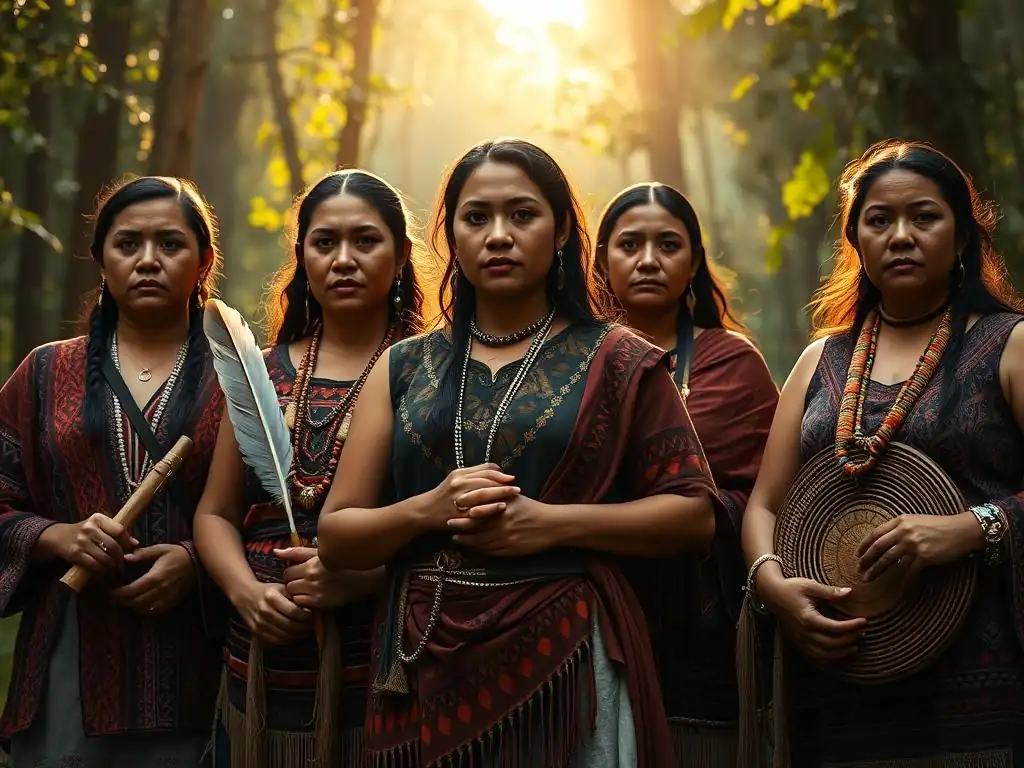
Welcome to Indigenous Civilizations of the Americas, where we embark on a captivating journey through the rich tapestry of cultures that flourished long before European colonization. Here, we delve into the often-overlooked stories of resilience and strength, highlighting the pivotal role of Indigenous women in resistance history. In our featured article, "Forgotten Heroes: Indigenous Women in the Fight Against Colonization," we unveil the powerful narratives of these extraordinary figures who stood against oppression and fought for their communities.
Join us as we uncover the legacies that shaped the Americas and continue to inspire us today. Your exploration begins now—are you ready to discover the heroes of our past?
Introduction to Indigenous Women Resistance History
Indigenous women played a critical yet often overlooked role in the resistance against European colonization across the Americas. Their contributions, which encompassed not only active participation in battles but also the preservation of cultural heritage, diplomacy, and community leadership, formed an integral backbone of resistance movements. This article seeks to illuminate the Indigenous women resistance history, highlighting the resilience, strength, and enduring impact of these women in the face of colonial oppression. By examining their roles, we can better understand the complexities of Indigenous societies and the multifaceted nature of resistance during a time of unprecedented upheaval.
Understanding the Role of Indigenous Women in Resistance Movements
Indigenous women were not merely passive victims of colonization; rather, they emerged as vital agents of change within their communities. Their involvement ranged from organizing and participating in uprisings to utilizing their unique social positions to rally support and maintain cultural continuity. Some notable roles included:
- Warriors: Many Indigenous women took up arms alongside men, challenging colonial forces directly. Figures like Lozen, a warrior and prophet of the Apache, exemplify this courage.
- Diplomats: Women often served as negotiators, leveraging their familial ties to foster alliances or mediate conflicts, ensuring the survival of their communities.
- Cultural Keepers: They played a pivotal role in preserving traditions, languages, and spiritual practices, which were essential in maintaining cultural identity amid colonization.
The diverse experiences of Indigenous women across various tribes and regions showcase their adaptability and strength in resisting colonization.
The Importance of Recognizing Forgotten Heroes
Recognizing the contributions of Indigenous women in resistance movements is essential for several reasons:
- Historical Accuracy: Including women's narratives provides a more comprehensive understanding of history, moving beyond the male-centric perspectives that dominate many historical accounts.
- Inspiration and Empowerment: Highlighting these stories serves as a source of inspiration for contemporary movements advocating for Indigenous rights and gender equality.
- Cultural Preservation: Acknowledging the role of women helps in preserving Indigenous cultures by emphasizing their contributions, ensuring that their legacies are not forgotten.
By shining a light on these forgotten heroes, we deepen our appreciation for the resilience of Indigenous cultures and the vital roles women played in shaping their histories.
Historical Context of Colonization
The arrival of European colonizers in the Americas marked a profound turning point in the history of Indigenous peoples. Understanding this context is crucial to grasp the significance of Indigenous women’s resistance.
Overview of European Colonization in the Americas
From the late 15th century onwards, European powers like Spain, France, and England began their expeditions into the Americas, driven by a desire for wealth, land, and resources. This period was characterized by:
- Exploitation of Resources: Colonizers sought gold, silver, and other resources, leading to the forced labor of Indigenous peoples.
- Land Dispossession: The establishment of colonies resulted in the systematic takeover of Indigenous lands, disrupting traditional ways of life.
- Cultural Erasure: European missionaries aimed to convert Indigenous peoples to Christianity, often leading to the suppression of Indigenous religions and practices.
These actions had devastating impacts on Indigenous societies, setting the stage for resistance movements.
Impact of Colonization on Indigenous Societies
The impacts of colonization were profound and far-reaching, affecting all aspects of Indigenous life:
- Population Decline: Diseases brought by Europeans decimated Indigenous populations, with some communities losing up to 90% of their members.
- Social Disruption: The imposition of foreign governance structures disrupted traditional social systems, leading to conflict and fragmentation within communities.
- Cultural Displacement: The erosion of languages, traditions, and social norms created a cultural vacuum, straining the resilience of many Indigenous groups.
Amidst these challenges, Indigenous women emerged as critical figures in the fight against colonization, demonstrating remarkable strength and ingenuity in their resistance efforts.
Indigenous Women as Leaders in Resistance
Indigenous women have played critical roles in resistance movements against colonization throughout history. Their leadership, bravery, and strategic acumen were instrumental in mobilizing their communities and preserving their cultures in the face of European encroachment. Often overlooked in historical narratives, these women not only fought against oppression but also maintained social cohesion, cultural identity, and the continuity of their peoples' traditions.
These women demonstrated remarkable resilience and ingenuity, utilizing their positions within their societies to influence decisions and inspire collective action. They often served as mediators, strategists, and warriors, showcasing their multifaceted contributions to resistance efforts. From the Iroquois Confederacy to the Apache tribes, Indigenous women emerged as formidable leaders, challenging both colonial powers and traditional gender roles within their communities.
Prominent Indigenous Women Leaders in Resistance Movements
Several Indigenous women have become symbols of resistance and empowerment. Notable figures include:
- Pocahontas: Known for her association with the Jamestown settlement, she played a crucial role in mediating between her people and English settlers.
- Lozen: An Apache warrior and healer, Lozen was a skilled fighter who supported her brother, Chief Victorio, in the struggle against American expansion.
- Wilma Mankiller: The first female chief of the Cherokee Nation, Mankiller advocated for tribal sovereignty and self-determination, paving the way for future generations of Indigenous leaders.
These women exemplified courage and leadership, often at great personal risk, and their legacies continue to inspire Indigenous movements today.
Strategies Employed by Indigenous Women in the Fight Against Colonization
Indigenous women employed various strategies to resist colonization, demonstrating adaptability and resourcefulness. Some of these strategies included:
- Diplomacy and Negotiation: Women like Pocahontas utilized their roles in cultural exchange to negotiate peace and maintain communication between tribes and settlers.
- Military Leadership: Figures such as Lozen took up arms, leading their people in battles against colonizers and employing traditional warfare tactics.
- Cultural Preservation: Many women focused on maintaining and transmitting cultural practices, languages, and traditions to ensure the survival of their communities despite colonial pressures.
- Political Advocacy: Leaders like Wilma Mankiller organized movements for political rights and self-governance, emphasizing the importance of Indigenous voices in contemporary governance.
These strategies not only aided in resistance efforts but also laid the groundwork for future activism within Indigenous communities.
Key Events Highlighting Indigenous Women’s Resistance
Throughout history, several key events have underscored the vital roles of Indigenous women in resistance movements. These events reflect their unwavering spirit and commitment to safeguarding their communities.
The Role of Pocahontas in Early Colonial America
Pocahontas, a member of the Powhatan Confederacy, is often remembered for her association with John Smith and the Jamestown settlement. However, her involvement went beyond romanticized folklore. Pocahontas acted as a liaison between her people and the English settlers, facilitating communication and negotiations during a time of tension. Her efforts were crucial in securing temporary peace and showcasing the potential for coexistence, though ultimately, colonization continued to devastate her community.
The Leadership of Lozen in the Apache Resistance
Lozen, a prominent Apache warrior, emerged as a key figure in the resistance against American expansion in the late 19th century. As a skilled fighter and healer, she fought alongside her brother, Chief Victorio, during the Apache Wars. Lozen was not only a warrior but also a strategic planner; her ability to foresee enemy movements was invaluable to her people's resistance efforts. Her legacy endures as a symbol of Indigenous strength and tenacity in the face of adversity.
The Contributions of Wilma Mankiller in the Cherokee Nation
Wilma Mankiller, who served as the first female chief of the Cherokee Nation from 1985 to 1995, made significant contributions to Indigenous governance and activism. She focused on self-determination, emphasizing the importance of grassroots movements and community involvement. Under her leadership, the Cherokee Nation implemented programs that addressed health, education, and economic development, empowering her people to reclaim their sovereignty and heritage. Mankiller's work continues to inspire future generations of Indigenous leaders, demonstrating the enduring impact of women's leadership in resistance movements.
Cultural Contributions of Indigenous Women in Resistance
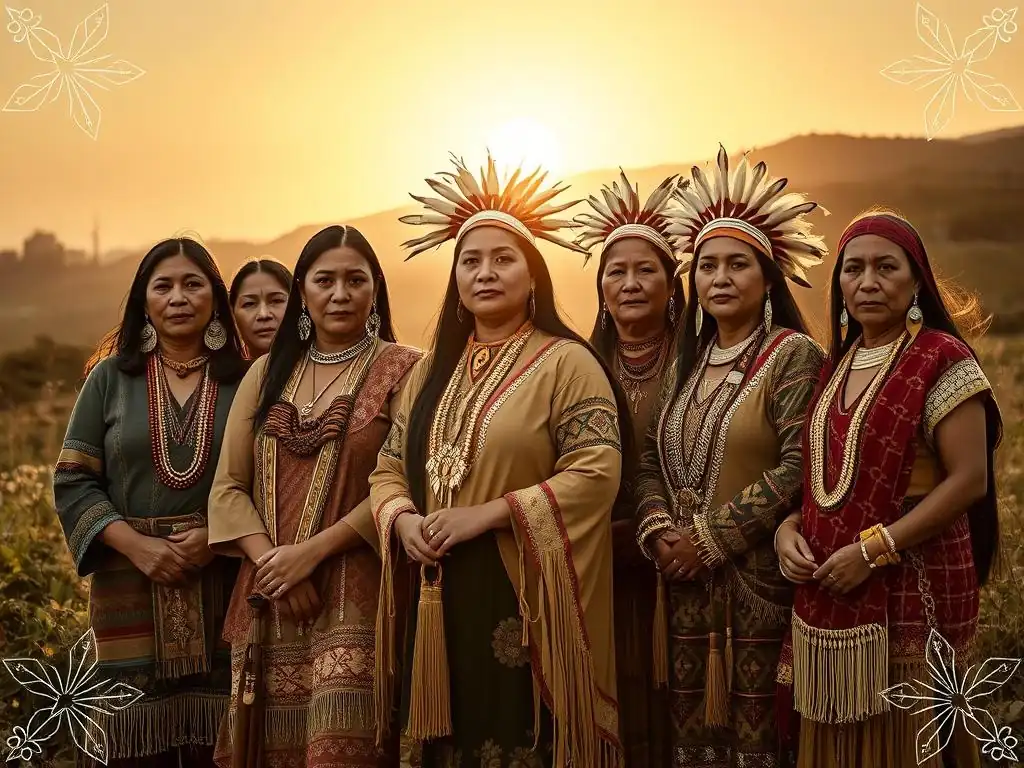
Indigenous women played a pivotal role in the resistance against colonization, not only as warriors and leaders but also as cultural stewards. Their contributions often transcended the battlefield, as they were instrumental in preserving their communities’ cultural identities. Through their deep knowledge of traditional practices, languages, and spiritual beliefs, Indigenous women ensured that the essence of their cultures endured despite the encroachment of colonial forces.
The resilience exhibited by these women was evident in various forms. From agriculture to healing practices, women maintained the cultural fabric of their societies. They were often responsible for cultivating the land and managing resources, which were crucial for sustaining their communities during times of conflict. By safeguarding agricultural knowledge and the biocultural heritage of their peoples, Indigenous women contributed significantly to the resilience and survival of their cultures amid colonial pressures.
Moreover, many Indigenous women emerged as leaders and strategists within their communities, participating actively in resistance movements. Their leadership was characterized by collaboration and consensus-building, emphasizing the importance of community solidarity. As cultural bearers, they not only fought for their rights but also worked to inspire and mobilize others to join the struggle against colonization.
Preservation of Indigenous Knowledge and Traditions
The preservation of Indigenous knowledge and traditions was primarily carried out by women, who acted as the custodians of their cultures. They transmitted essential skills and knowledge through generations, including agricultural practices, medicinal plant usage, and traditional crafts. This transmission was crucial as it maintained the cultural identity of Indigenous peoples in the face of colonial oppression.
Women often gathered and shared stories about their ancestors, the land, and significant historical events, reinforcing a sense of identity and belonging. These stories were not mere entertainment; they served as a means to educate younger generations about their heritage and the importance of resistance. By preserving the languages and traditions of their peoples, Indigenous women played a vital role in maintaining cultural continuity, which was essential for the survival of their communities.
In addition to oral traditions, Indigenous women were also responsible for the creation and preservation of art forms that reflected their cultures and resistance. From weaving to pottery, these artistic expressions became symbols of resilience and defiance against colonial forces. Through their creativity, women not only celebrated their identities but also inspired others to resist the erasure of their cultures.
Role of Storytelling and Oral Histories in Resistance
Storytelling and oral histories were powerful tools in the resistance efforts of Indigenous women. These narratives served multiple purposes: they were a means of preserving history, a method for passing down knowledge, and a way to inspire courage and resilience within communities. By recounting the struggles and triumphs of their ancestors, women instilled a sense of pride and purpose in the younger generations.
Oral histories often included accounts of resistance against colonizers, highlighting the bravery and contributions of women in these efforts. These stories not only documented the realities of colonization but also reinforced communal bonds by reminding people of their shared heritage and struggles. Through storytelling, Indigenous women were able to challenge colonial narratives, asserting their identities and histories in the face of oppression.
Additionally, storytelling facilitated the sharing of strategies and wisdom among resistance leaders. Women would often gather to share experiences, fostering a sense of unity and collective strength. These gatherings became spaces for empowerment, where women could strategize and plan their resistance efforts, ensuring that their voices were heard in the fight against colonization.
Intersection of Gender and Colonial Resistance
The intersection of gender and colonial resistance played a significant role in shaping the strategies employed by Indigenous women. Gender norms and expectations influenced how women participated in resistance movements, often placing them in dual roles that combined caregiving with activism. This unique position allowed women to leverage their societal roles to challenge colonial rule effectively.
How Gender Influenced Resistance Strategies
Gender significantly shaped the resistance strategies undertaken by Indigenous women. As primary caretakers of their families and communities, women often found innovative ways to resist that merged their traditional roles with active opposition to colonial powers. For example, women would orchestrate boycotts of colonial goods or organize community gatherings that served both social and political purposes.
Moreover, the gendered division of labor meant that women had insights into the daily lives and vulnerabilities of both their communities and colonial forces. This knowledge allowed them to devise strategic actions that would disrupt colonial operations while sustaining their own communities. Women often acted as intermediaries, negotiating peace or alliances, leveraging their roles within the community to influence outcomes in favor of resistance.
The impact of gender dynamics extended beyond the individual level; it influenced broader movements as well. Women's involvement often led to more holistic approaches to resistance, considering the well-being of entire communities rather than focusing solely on militaristic strategies. This inclusive perspective was critical in fostering unity and resilience among Indigenous peoples.
The Dual Role of Indigenous Women as Caregivers and Warriors
Indigenous women straddled the roles of caregivers and warriors, embodying a duality that was both powerful and strategic in the context of resistance. As caregivers, women nurtured and educated the next generation, instilling values of resilience and resistance in their children. This role was crucial in ensuring the survival of their cultures and the continuity of their resistance efforts.
Simultaneously, many Indigenous women took up arms or joined resistance movements, stepping into the role of warriors. Their participation in battles and conflicts was often driven by a profound sense of duty to protect their families and communities from colonial threats. Women such as Pocahontas, who played a notable role in relations between Indigenous peoples and colonizers, exemplify this duality.
The synergy of these roles allowed Indigenous women to influence the course of resistance movements significantly. Their ability to navigate both caregiving and combat not only strengthened their communities but also challenged the gender norms imposed by colonial powers. By asserting their agency in both domains, Indigenous women reshaped the narrative around resistance and demonstrated that the fight against colonization was not solely a male endeavor, but one that required the strength and wisdom of women as well.
Contemporary Recognition of Indigenous Women’s Contributions
In recent years, there has been a growing acknowledgment of the significant roles that Indigenous women played in resisting colonization and shaping their communities. This recognition is not only important for historical accuracy but also serves to empower current and future generations of Indigenous women. Museums, educational institutions, and cultural organizations are increasingly showcasing the stories and contributions of these remarkable women, highlighting their leadership, resilience, and agency. This shift in narrative helps to reclaim their rightful place in history and inspires a broader understanding of Indigenous resistance movements.
Furthermore, as part of this contemporary recognition, various initiatives have been implemented to document and preserve the oral histories of Indigenous women. These efforts are crucial for ensuring that their stories are passed down through generations and that the contributions of these women are not forgotten. Collaborative projects between Indigenous communities and academic researchers are also emerging, fostering a more inclusive approach to history that values Indigenous perspectives.
Modern Movements Celebrating Indigenous Women’s Resistance History
Modern movements aimed at celebrating Indigenous women’s resistance history are gaining momentum across the Americas. Organizations such as the Native Women's Association of Canada and the National Indigenous Women's Resource Center in the United States are actively working to elevate the voices and experiences of Indigenous women. These groups often organize events, workshops, and conferences that focus on the historical and contemporary struggles faced by Indigenous women, creating spaces for dialogue and community building.
Additionally, social media platforms have become powerful tools for advocacy, allowing Indigenous women to share their stories, celebrate their heritage, and mobilize support for various causes. Hashtags like #IndigenousWomenLead and #MMIW (Missing and Murdered Indigenous Women) have garnered significant attention, raising awareness about the issues affecting Indigenous women today while honoring their historical contributions to resistance. These movements not only celebrate the past but also inspire ongoing activism for Indigenous rights and social justice.
Ongoing Challenges Faced by Indigenous Women Today
Despite the progress in recognizing their contributions, Indigenous women continue to face numerous challenges in contemporary society. Issues such as systemic discrimination, violence, and economic inequality disproportionately affect Indigenous women, often exacerbated by colonial legacies. The crisis of Missing and Murdered Indigenous Women (MMIW) remains a pressing concern, with many Indigenous communities advocating for justice and accountability in response to this epidemic.
Moreover, Indigenous women often struggle for access to education, healthcare, and employment opportunities, which are critical for their empowerment and community development. The intersection of gender and Indigenous identity creates unique challenges that can hinder their ability to participate fully in social, economic, and political spheres. Addressing these ongoing challenges is essential for fostering a more equitable society and ensuring that Indigenous women can thrive as leaders and advocates within their communities.
Conclusion: The Legacy of Indigenous Women in Resistance Movements
The legacy of Indigenous women in resistance movements is rich and multifaceted, characterized by their unwavering strength and resilience in the face of colonization and oppression. These women have historically played pivotal roles as leaders, warriors, healers, and caretakers, contributing significantly to the survival and revitalization of their cultures. Their stories are not only crucial to understanding the past but also to shaping the future of Indigenous rights movements.
The Lasting Impact of Indigenous Women on Contemporary Indigenous Rights
Indigenous women today continue to influence contemporary Indigenous rights movements, advocating for sovereignty, land rights, and social justice. Their leadership is evident in various spheres, including environmental activism, cultural preservation, and political representation. By drawing on the strength of their ancestors, Indigenous women are at the forefront of efforts to protect their communities and promote their rights on local, national, and international stages.
The impact of Indigenous women extends beyond their communities, as their advocacy resonates with broader movements for gender equality, environmental sustainability, and social justice. Their contributions remind society of the importance of inclusive dialogues that honor diverse perspectives and experiences.
Call to Action: Acknowledging and Supporting Indigenous Women Today
To honor the legacy of Indigenous women in resistance movements, it is crucial for individuals and organizations to recognize their contributions and support their ongoing struggles. This can be achieved through education, advocacy, and allyship. Engaging in conversations about Indigenous rights, amplifying Indigenous voices, and supporting initiatives led by Indigenous women are vital steps towards fostering understanding and solidarity.
Furthermore, it is essential to challenge systemic barriers that hinder the progress of Indigenous women and to advocate for policies that promote their rights and well-being. By acknowledging and supporting Indigenous women today, society can contribute to a more just and equitable future for all.
- Introduction to Indigenous Women Resistance History
- Historical Context of Colonization
- Indigenous Women as Leaders in Resistance
- Key Events Highlighting Indigenous Women’s Resistance
- Cultural Contributions of Indigenous Women in Resistance
- Intersection of Gender and Colonial Resistance
- Contemporary Recognition of Indigenous Women’s Contributions
- Conclusion: The Legacy of Indigenous Women in Resistance Movements
- What is the focus of the article "Forgotten Heroes: Indigenous Women in the Fight Against Colonization"?
- How did Indigenous women contribute to resistance against colonization?
- Why is the history of Indigenous women resistance important?
- What are some examples of Indigenous women leaders mentioned in the article?
- How does the website "Indigenous Civilizations of the Americas" enhance our understanding of these topics?
Frequently Asked Questions
What is the focus of the article "Forgotten Heroes: Indigenous Women in the Fight Against Colonization"?
The article emphasizes the significant roles that Indigenous women played in resisting colonization, highlighting their leadership, strategies, and courage during these tumultuous times.
How did Indigenous women contribute to resistance against colonization?
Indigenous women were pivotal in organizing resistance, maintaining cultural practices, and mobilizing communities, proving to be vital in the fight against European encroachment and oppression.
Why is the history of Indigenous women resistance important?
Understanding this history is crucial as it sheds light on the often overlooked contributions of Indigenous women and their resilience, which have shaped contemporary Indigenous rights movements.
What are some examples of Indigenous women leaders mentioned in the article?
The article discusses notable figures such as Pocahontas and Lozen, who exemplified the strength and strategic capabilities of Indigenous women in their struggles against colonization.
How does the website "Indigenous Civilizations of the Americas" enhance our understanding of these topics?
The website provides a comprehensive exploration of Indigenous cultures, focusing on their achievements and lasting impacts, which includes the essential narratives of Indigenous women in resistance history.
Final Reflection: Honoring the Resilience of Indigenous Women
The stories of Indigenous women in the fight against colonization are not just historical accounts; they are powerful narratives that resonate deeply in today's world. As we navigate through contemporary struggles for justice, equality, and recognition, the resilience and courage of these women serve as a beacon of hope and inspiration. Their contributions, often overshadowed in mainstream narratives, remind us that the fight for rights and recognition is ongoing and requires our collective awareness and action.
The impact of Indigenous women's resistance is woven into the very fabric of our cultural and social landscape. Their strength and determination have paved the way for future generations, inspiring movements that advocate for Indigenous rights and environmental justice. As we reflect on their legacy, we are reminded of the words of Indigenous activist Winona LaDuke: The land is the source of our identity, and we must protect it.
This sentiment encapsulates the essence of their struggle, emphasizing the interconnectedness of identity, land, and resistance.
As we conclude this exploration of Indigenous women's vital role in resistance history, I invite you to reflect on your own connection to these narratives. Consider how you can honor their legacy in your daily life, whether through education, advocacy, or simply by sharing their stories. Each of us has the power to amplify their voices and ensure that their contributions are recognized and celebrated. Let us carry forward the lessons of resilience and courage, committing ourselves to a future where the stories of all heroes, especially those who have been forgotten, are remembered and cherished.
Unveil the Legacy: Honor Indigenous Women's Contributions Today!
Thank you for diving into the powerful narrative of Indigenous women and their vital role in the fight against colonization. Your engagement not only sheds light on their remarkable history but also helps to honor their legacy in our contemporary world. Now, let’s take meaningful steps together to amplify this important story and inspire change.
Here are some impactful actions you can take:
- Explore local initiatives that support Indigenous women and communities: Connect with advocacy groups or cultural organizations to learn how you can contribute or participate.
- Share their stories: Use social media to amplify the voices and achievements of Indigenous women. Consider posting your reflections about this topic to foster discussion among your friends and followers.
- Engage in community workshops or cultural events: Participate in dialogues or educational programs that celebrate and acknowledge Indigenous histories and contributions.
As you reflect on this significant topic, consider this question: What specific steps can you take today to ensure the narratives of Indigenous women are recognized and valued in your community?