
The Importance of Seasonal Cycles: Indigenous Knowledge and Environmental Stewardship

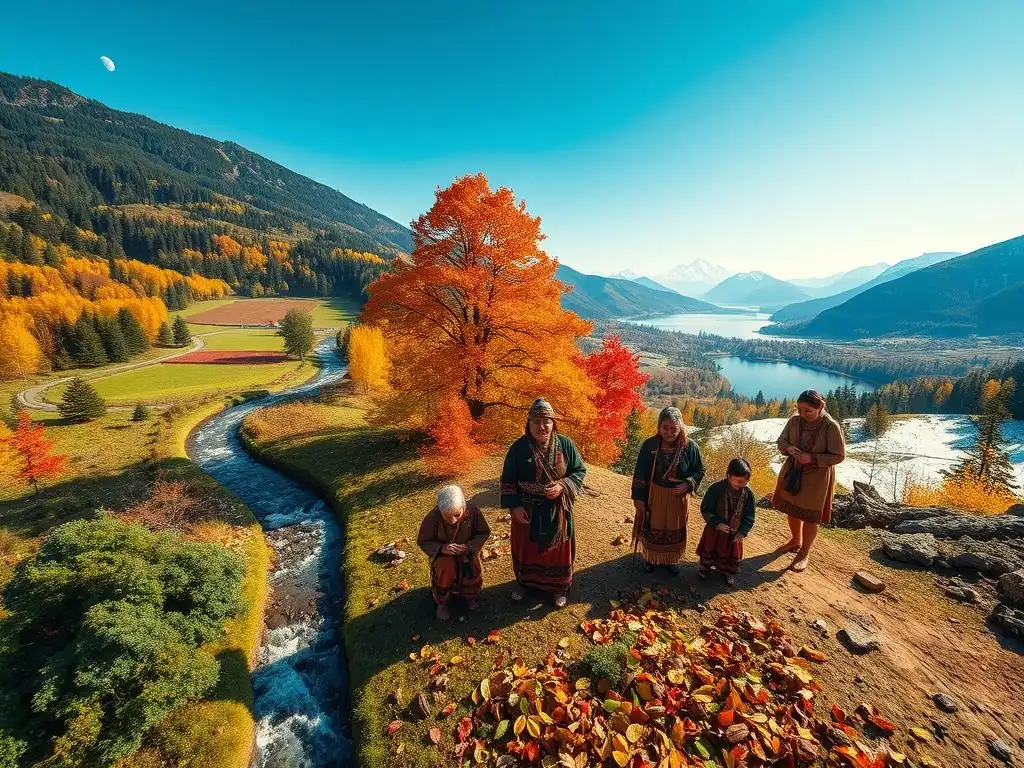
Welcome to Indigenous Civilizations of the Americas, where we embark on a journey through the rich tapestry of indigenous cultures that flourished long before European contact. Here, you will discover the profound wisdom embedded in Indigenous seasonal knowledge practices, a crucial aspect of environmental stewardship that showcases the deep connection these societies had with the land and its cycles.
As you delve into our featured article, "The Importance of Seasonal Cycles: Indigenous Knowledge and Environmental Stewardship," you'll uncover insights that not only highlight their remarkable achievements but also reveal the timeless lessons we can learn from their harmonious relationship with nature. Get ready to explore, reflect, and appreciate the enduring legacies of these extraordinary civilizations!
Indigenous seasonal knowledge practices play a crucial role in shaping the relationship between various indigenous cultures and their environments. This article delves into the profound understanding these communities have developed over generations, centered around the seasonal cycles of their regions. By exploring the intricate connection between seasonal changes and cultural practices, we can appreciate how indigenous peoples have adapted, thrived, and maintained sustainable practices that reflect a deep respect for nature.
The wisdom embedded in these seasonal practices not only contributed to their survival but also fostered a sense of community and identity that continues to resonate today. As we navigate the complexities of contemporary environmental challenges, revisiting these indigenous frameworks offers valuable insights into sustainable stewardship and ecological resilience.
Understanding Indigenous Seasonal Knowledge Practices
Definition of Indigenous Seasonal Knowledge
Indigenous seasonal knowledge refers to the accumulated wisdom and practices that indigenous peoples have developed over centuries in response to environmental changes throughout the year. This knowledge encompasses a variety of aspects, including:
- Observation of Natural Phenomena: Indigenous communities closely observe weather patterns, animal behaviors, and plant cycles to inform their agricultural and hunting practices.
- Cultural Narratives: Stories and teachings passed down through generations that encapsulate seasonal changes and their significance.
- Sustainable Resource Management: Techniques that ensure the responsible use of natural resources, respecting the balance of ecosystems.
Historical Context of Seasonal Practices in Indigenous Cultures
The seasonal practices of indigenous cultures are deeply rooted in their history and adaptation to local environments. For instance, many tribes across North America have developed specific agricultural calendars that align with the timing of seasonal events such as:
- Spring Planting: Recognizing the optimal time for sowing crops based on the last frost date.
- Harvesting: Understanding the maturation cycles of plants and animals to ensure food security.
- Winter Preparation: Knowledge of food preservation techniques and resource management during harsh winter months.
This historical context illustrates how indigenous peoples have evolved their practices to meet the challenges posed by changing seasons.
Key Principles of Indigenous Environmental Stewardship
At the heart of indigenous seasonal knowledge practices lies a commitment to environmental stewardship characterized by several key principles:
- Interconnectedness: Recognizing the relationships among all living things and the environment.
- Sustainability: Prioritizing practices that do not deplete resources, ensuring they remain available for future generations.
- Cultural Respect: Valuing traditional ecological knowledge as a vital part of cultural identity and heritage.
These principles guide indigenous communities in their daily practices and decision-making, fostering a holistic approach to environmental care.
The Role of Seasonal Cycles in Indigenous Cultures
Cultural Significance of Seasonal Changes
Seasonal changes hold profound cultural significance for indigenous peoples. Each season is often marked by specific rituals, practices, and beliefs that reinforce community bonds and cultural identity. For example:
- Spring is often celebrated as a time of renewal and rebirth, with ceremonies focused on planting and fertility.
- Summer may involve gatherings that honor the sun and the growth of crops, emphasizing gratitude and community.
- Autumn often features harvest festivals that celebrate abundance and prepare for the winter ahead.
- Winter is a time for reflection, storytelling, and planning for the upcoming year.
Seasonal Festivals and Ceremonies
Indigenous cultures frequently organize festivals and ceremonies that align with seasonal transitions. These events serve multiple purposes, including:
- Cultural Preservation: Reinforcing traditional practices and teachings through communal participation.
- Spiritual Connection: Offering rituals that honor the spirits of nature and express gratitude for the resources provided by the earth.
- Community Cohesion: Strengthening social ties and collective identity through shared experiences and celebrations.
These festivals highlight the importance of seasonal cycles in maintaining cultural heritage.
Knowledge Transmission Across Generations
The transmission of indigenous seasonal knowledge practices is vital for cultural continuity. This knowledge is often passed down through:
- Storytelling: Elders share stories that convey lessons about seasonal changes and their implications for survival.
- Mentorship: Younger generations learn directly from experienced community members through hands-on experiences.
- Cultural Events: Participation in seasonal festivals and rituals reinforces learning and fosters a sense of belonging.
Through these methods, indigenous knowledge remains dynamic and relevant, adapting to contemporary challenges while honoring traditional wisdom.
Indigenous Seasonal Knowledge Practices and Environmental Sustainability
Indigenous seasonal knowledge practices represent a deep understanding of the natural world and its cycles. These practices are not merely academic; they are cultivated through generations of observation and interaction with the environment. Indigenous peoples across the Americas have developed intricate systems to track seasonal changes, which inform their agricultural practices, hunting and fishing strategies, and community rituals. This knowledge fosters a sustainable approach to resource management, ensuring that ecosystems are maintained in balance.
The alignment of these seasonal practices with environmental stewardship is profound. For instance, many Indigenous communities celebrate seasonal events, such as solstices and equinoxes, which mark critical times for planting and harvesting. This cyclical awareness helps communities adapt their practices to the rhythms of nature, ensuring the sustainability of both their resources and cultural heritage. By valuing and integrating these practices into modern environmental policies, there is potential for a more sustainable future.
Ecological Wisdom Embedded in Seasonal Practices
Ecological wisdom is often deeply ingrained in Indigenous cultural narratives and seasonal practices. This wisdom encompasses an understanding of local flora and fauna, weather patterns, and the interdependencies within ecosystems. For example, many Indigenous groups employ specific planting techniques and crop rotations based on seasonal changes, recognizing the importance of soil health and biodiversity.
Moreover, these practices often include the use of traditional ecological knowledge (TEK), which emphasizes the relationship between humans and the environment. TEK is characterized by a holistic approach that sees humans as part of nature rather than separate from it. This understanding promotes practices such as controlled burns to manage land and prevent larger wildfires, reflecting a sophisticated grasp of ecological balance.
Case Studies of Indigenous Stewardship and Ecosystem Management
Several case studies illustrate the effectiveness of Indigenous stewardship and ecosystem management:
- The Iroquois Confederacy: The Iroquois people practice a system of agriculture based on the "Three Sisters" method, which involves planting corn, beans, and squash together. This method not only maximizes the use of space but also enhances soil fertility and pest management.
- The Quechua of the Andes: The Quechua people utilize high-altitude farming techniques, adapting their planting schedules to the region's unique seasonal cycles. Their knowledge of microclimates allows them to cultivate diverse crops that thrive in varying conditions.
- The Pacific Northwest Tribes: Tribes such as the Coast Salish have implemented sustainable fishing practices that respect seasonal spawning cycles, ensuring fish populations remain robust while allowing for community sustenance.
These examples demonstrate how Indigenous practices are not just culturally significant but are also crucial for maintaining ecological health and resilience.
Benefits of Seasonal Knowledge for Biodiversity Conservation
The integration of Indigenous seasonal knowledge practices into biodiversity conservation strategies offers numerous benefits. Firstly, these practices enhance the resilience of ecosystems against environmental changes. By understanding the local ecology and maintaining traditional practices, Indigenous communities contribute to the preservation of diverse plant and animal species.
Additionally, seasonal knowledge fosters adaptive management strategies that can respond to fluctuating environmental conditions. For instance, Indigenous fire management techniques can help restore habitats and prevent the spread of invasive species, contributing to overall biodiversity.
Finally, recognizing and incorporating Indigenous seasonal knowledge into conservation efforts can lead to more effective and inclusive policies. Collaborative approaches that honor these practices encourage community engagement and foster a sense of ownership over local environments, ultimately promoting long-term sustainability.
Challenges Facing Indigenous Seasonal Knowledge Practices Today
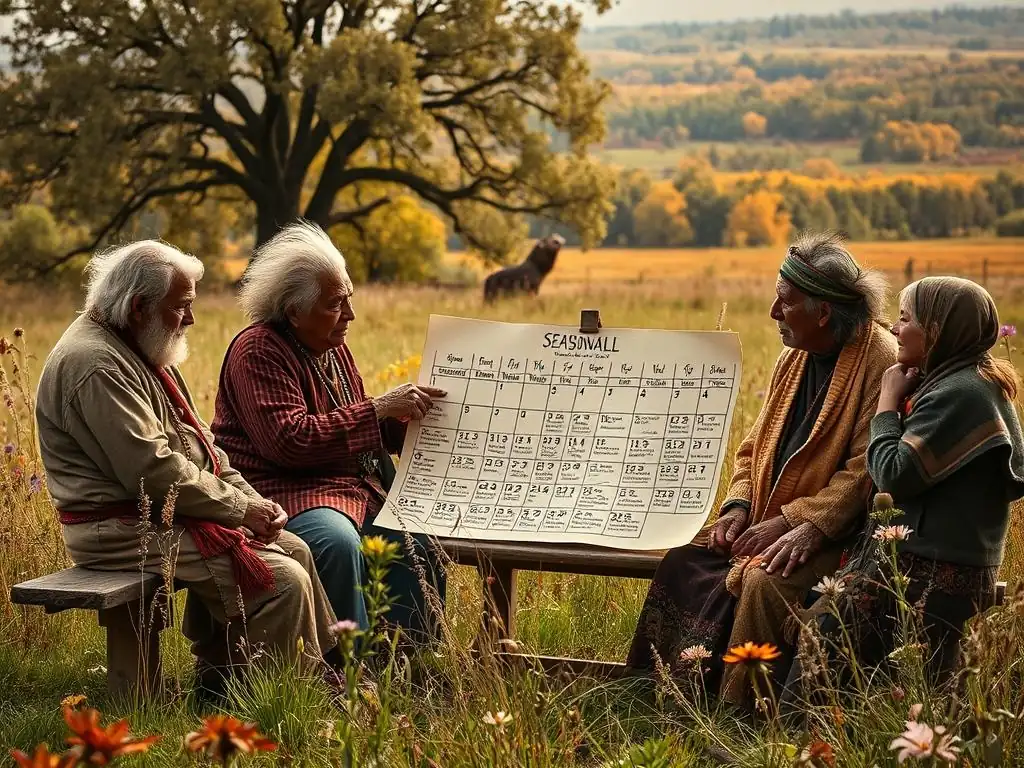
Despite the profound value of Indigenous seasonal knowledge practices, several challenges threaten their continued application and transmission.
Impact of Climate Change on Seasonal Cycles
Climate change poses a significant threat to the seasonal cycles that Indigenous communities have relied upon for centuries. Altered weather patterns, such as warmer temperatures and irregular precipitation, disrupt traditional agricultural schedules and fishing seasons. As these cycles shift, Indigenous peoples may face challenges in adapting their practices, potentially leading to food insecurity and loss of cultural identity.
Moreover, climate change can alter habitats, threatening the species that are integral to Indigenous ways of life. As ecosystems shift, the traditional knowledge that has been passed down for generations may become less applicable, creating a disconnect between cultural practices and the current environmental reality.
Loss of Traditional Knowledge and Cultural Practices
The erosion of traditional knowledge is another critical challenge facing Indigenous seasonal practices. As younger generations move to urban areas or are educated in mainstream systems, there is a risk of disconnection from their cultural roots. This loss not only undermines the transmission of ecological wisdom but also diminishes the rich cultural heritage associated with seasonal practices.
Efforts to revitalize and document these practices are essential, but they often require resources and support that may not be readily available. Without concerted efforts to preserve and promote Indigenous knowledge, these invaluable practices may fade away.
Legal and Political Barriers to Indigenous Rights
Legal and political barriers also impede the recognition and application of Indigenous seasonal knowledge practices. Many Indigenous communities face challenges in asserting land rights and access to traditional territories, which are crucial for practicing their seasonal knowledge. Bureaucratic hurdles can hinder the ability of these communities to manage resources sustainably and maintain traditional practices.
Additionally, policies that do not acknowledge or incorporate Indigenous knowledge can lead to ineffective management strategies that fail to consider the complexities of local ecosystems. Advocacy for legal recognition of Indigenous rights is vital to ensuring that these communities can continue to practice and share their seasonal knowledge for future generations.
Revitalizing Indigenous Seasonal Knowledge Practices
Indigenous seasonal knowledge practices are integral to understanding and managing natural resources sustainably. These practices are deeply rooted in the cultural heritage of Indigenous communities and reflect their profound connection to the land. By observing seasonal changes, Indigenous peoples have developed intricate systems of knowledge that dictate agricultural cycles, hunting practices, and the management of natural resources.
Revitalizing these practices involves a conscious effort to reconnect with traditional ecological knowledge (TEK) and integrate it into contemporary environmental stewardship. This process not only enhances biodiversity conservation but also fosters resilience against climate change. For instance, many Indigenous groups are reviving traditional farming methods that are more adaptive to local conditions, such as crop rotation and polyculture, which can lead to healthier ecosystems. Furthermore, storytelling and cultural ceremonies centered around seasonal changes play a pivotal role in transmitting this knowledge to younger generations, ensuring its survival and relevance.
Community-Led Initiatives for Knowledge Preservation
Community-led initiatives are crucial for the preservation and revitalization of Indigenous seasonal knowledge. These initiatives often involve collaboration among community members to document traditional practices, conduct workshops, and engage youth in hands-on learning experiences. For example, initiatives that focus on traditional harvesting methods, such as berry picking or fishing, teach younger generations not only the techniques involved but also the cultural significance behind these activities.
Moreover, the establishment of community gardens and seed banks has been instrumental in preserving native plant species and traditional agricultural practices. These gardens serve as living classrooms, where community members can gather to share knowledge and experiences while cultivating native crops that have sustained their ancestors for generations. By empowering communities to take the lead in these initiatives, Indigenous seasonal knowledge practices can be effectively preserved and adapted to contemporary environmental challenges.
Collaborations Between Indigenous Communities and Environmental Organizations
Collaborations between Indigenous communities and environmental organizations have shown great promise in enhancing the impact of Indigenous seasonal knowledge practices. These partnerships often focus on integrating traditional ecological knowledge with modern scientific approaches to address pressing environmental issues. For instance, joint projects may involve habitat restoration efforts that respect traditional land management practices while utilizing scientific methodologies.
Such collaborations can also help amplify Indigenous voices in environmental policy discussions, ensuring that their perspectives and traditional practices are acknowledged and respected. A notable example is the collaboration between Indigenous groups and conservation organizations to protect sacred sites, which often have significant ecological value. By leveraging both Indigenous knowledge and scientific research, these collaborations can lead to more effective and culturally sensitive environmental stewardship strategies.
Educational Programs and Their Role in Awareness
Educational programs play a vital role in raising awareness about Indigenous seasonal knowledge practices and their significance in contemporary environmental management. These programs can take various forms, including workshops, lectures, and immersive experiences that highlight the importance of traditional ecological knowledge. Schools and universities are increasingly integrating Indigenous perspectives into their curriculums, which not only helps students understand the value of these practices but also fosters respect for Indigenous cultures.
Additionally, community outreach initiatives aimed at the broader public can promote understanding and appreciation of Indigenous seasonal knowledge. For example, public events such as seasonal festivals, storytelling sessions, and guided nature walks led by Indigenous elders provide opportunities for people to learn about traditional practices firsthand. Such engagements not only benefit the participants but also contribute to the broader recognition and validation of Indigenous knowledge systems.
Conclusion: The Future of Indigenous Seasonal Knowledge and Environmental Stewardship
The future of Indigenous seasonal knowledge and environmental stewardship hinges on the recognition and integration of these practices into contemporary ecological management. As climate change continues to pose significant challenges to ecosystems worldwide, the insights gained from Indigenous seasonal knowledge can provide invaluable strategies for adaptation and resilience.
The Importance of Integrating Indigenous Knowledge in Modern Environmental Practices
Integrating Indigenous knowledge into modern environmental practices is essential for creating sustainable solutions that respect both cultural heritage and ecological integrity. This integration allows for a more holistic understanding of ecosystems, emphasizing the interconnectedness of all living beings. By valuing Indigenous seasonal knowledge practices, policymakers and environmental managers can develop strategies that not only address environmental concerns but also uphold Indigenous rights and traditions.
The mutual benefit of combining Indigenous knowledge with scientific research can lead to innovative approaches in areas such as biodiversity conservation, climate adaptation, and sustainable land management. As Indigenous peoples have long demonstrated, their knowledge systems are deeply attuned to local ecosystems and can inform more effective and culturally relevant environmental policies.
Call to Action for Recognition and Support of Indigenous Rights
A crucial step toward ensuring the future of Indigenous seasonal knowledge practices is the recognition and support of Indigenous rights. Governments, organizations, and individuals must advocate for policies that uphold Indigenous self-determination, land rights, and cultural preservation. This includes supporting Indigenous-led initiatives that seek to revitalize seasonal knowledge practices and integrate them into broader environmental stewardship efforts.
Moreover, public awareness campaigns can help foster respect for Indigenous cultures and promote the understanding that Indigenous knowledge is not merely historical but is a living, evolving practice that holds the key to sustainable environmental management. By actively supporting Indigenous rights and knowledge, society can contribute to a more sustainable and equitable future for all.
- Understanding Indigenous Seasonal Knowledge Practices
- The Role of Seasonal Cycles in Indigenous Cultures
- Indigenous Seasonal Knowledge Practices and Environmental Sustainability
- Challenges Facing Indigenous Seasonal Knowledge Practices Today
- Revitalizing Indigenous Seasonal Knowledge Practices
- Conclusion: The Future of Indigenous Seasonal Knowledge and Environmental Stewardship
- What are Indigenous seasonal knowledge practices?
- How do Indigenous seasonal knowledge practices influence environmental stewardship?
- What role do seasonal cycles play in Indigenous cultures?
- Can Indigenous seasonal knowledge practices help address modern environmental issues?
- How can we learn more about Indigenous seasonal knowledge practices?
Frequently Asked Questions
What are Indigenous seasonal knowledge practices?
Indigenous seasonal knowledge practices refer to the traditional understandings of seasonal cycles that guide agricultural, hunting, and gathering activities. These practices are rooted in a deep connection to the natural environment and vary among different cultures.
How do Indigenous seasonal knowledge practices influence environmental stewardship?
These practices promote sustainable resource management by aligning human activities with natural cycles. This approach helps maintain ecological balance and ensures the health of ecosystems for future generations.
What role do seasonal cycles play in Indigenous cultures?
Seasonal cycles are central to Indigenous cultures as they dictate ceremonies, rituals, and economic activities. They reflect a profound respect for the rhythms of nature, fostering community ties and cultural identity.
Can Indigenous seasonal knowledge practices help address modern environmental issues?
Yes, they offer valuable insights into sustainable practices and biodiversity conservation. Integrating these traditional knowledge systems with modern science can enhance environmental resilience and inform climate change strategies.
How can we learn more about Indigenous seasonal knowledge practices?
Exploring resources from Indigenous communities, participating in workshops, and engaging with local environmental organizations can provide deeper insights into these practices. Educational platforms and literature on Indigenous cultures also offer valuable information.
Final Reflection: Embracing Indigenous Seasonal Knowledge for a Sustainable Future
The importance of understanding and integrating Indigenous seasonal knowledge practices into our modern environmental stewardship cannot be overstated. As we face unprecedented challenges related to climate change and ecological degradation, the wisdom embedded in these practices offers invaluable insights that are not only relevant today but essential for fostering a sustainable future. The interconnectedness of seasonal cycles with ecological health serves as a powerful reminder of our responsibility to honor and learn from these traditions.
The influence of Indigenous seasonal knowledge practices extends far beyond cultural heritage; it shapes our collective approach to environmental management and conservation. By recognizing the profound relationship Indigenous peoples have with the land, we can cultivate a deeper appreciation for biodiversity and sustainability. As noted by environmental activist Winona LaDuke, The land is not just a resource; it is a relationship.
This perspective encourages us to rethink our interactions with nature, fostering a sense of stewardship that transcends generations.
As we reflect on the lessons of this article, I invite you to consider how you can incorporate Indigenous seasonal knowledge practices into your own life. What steps can you take to honor these traditions and contribute to a more sustainable world? Whether through supporting Indigenous-led initiatives, participating in local ecological restoration projects, or simply deepening your understanding of the natural world around you, every action counts. Let us embrace this knowledge and work together towards a future where both people and the planet can thrive harmoniously.
Embrace the Wisdom of the Seasons!
Thank you for diving into the rich landscape of Indigenous knowledge and environmental stewardship! By understanding the importance of seasonal cycles, you’ve taken the first step toward a deeper appreciation of our planet and its caretakers. Now, let’s put this knowledge into action!
- Explore local Indigenous practices: Visit community centers or museums to learn from Indigenous voices about traditional ecological knowledge and their connection to the land.
- Start a seasonal garden: Whether you have a backyard or a small balcony, cultivate plants that are native to your area, aligning your gardening efforts with the natural rhythms of the seasons.
- Share your insights: Discuss what you’ve learned with friends and family or share it on social media to inspire a wider audience to respect and promote ecological stewardship.
How will you incorporate the wisdom of seasonal cycles into your daily life and contribute to environmental sustainability?