
Patterns and Narratives: Understanding the Stories Woven into Indigenous Textiles

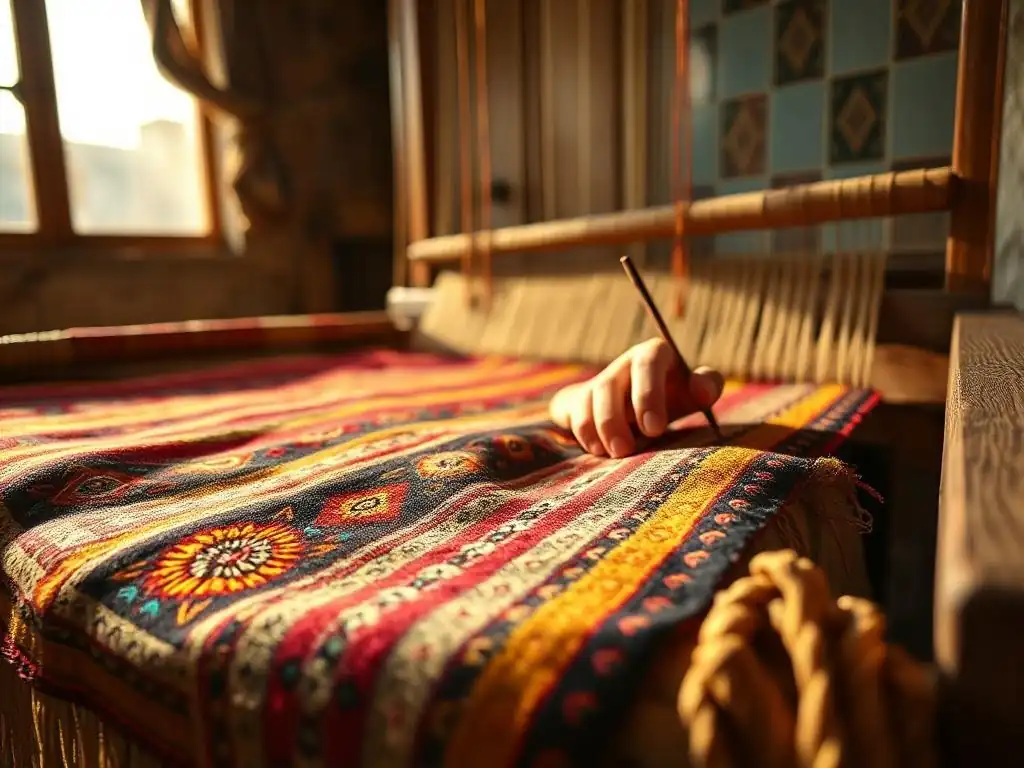
Welcome to Indigenous Civilizations of the Americas, where we invite you to embark on a captivating journey through the rich tapestry of indigenous cultures that flourished long before European colonization. In our featured article, "Patterns and Narratives: Understanding the Stories Woven into Indigenous Textiles," we delve into the cultural significance of indigenous textiles, revealing how each thread tells a story of identity, tradition, and resilience.
Prepare to uncover the profound meanings behind these intricate designs and discover how they continue to shape the societies and cultures of today. Join us as we explore the legacies that are woven into the very fabric of the Americas!
Introduction to Indigenous Textiles Cultural Significance
Indigenous textiles are not merely fabric; they are vibrant expressions of identity, history, and cultural significance woven into every thread. Across the vast landscapes of the Americas, diverse indigenous communities have utilized textiles as a means to communicate their stories, beliefs, and traditions.
From intricate patterns that tell tales of ancestry to the materials chosen reflecting the environment, the art of textile creation is deeply embedded in the social fabric of indigenous societies. This article aims to explore the cultural significance of indigenous textiles, shedding light on their historical context, the evolution of techniques, and the influences that have shaped their art.
Overview of Indigenous Textiles
Indigenous textiles encompass a wide range of techniques and materials, showcasing the creativity and resourcefulness of various cultures. Commonly used materials include:
- Cotton: Cultivated and woven into garments and ceremonial items.
- Wool: Sourced from local animals, used in warmer clothing and blankets.
- Bark: Processed into fibers, often employed in traditional crafts.
Each indigenous group has developed unique styles and methods, reflecting their environment and cultural heritage. Notable examples include the intricate weavings of the Navajo, the vibrant huipils of the Maya, and the colorful ponchos of the Andes.
Importance of Textiles in Indigenous Cultures
Textiles serve multiple roles within indigenous cultures, extending beyond functional clothing to embody social, spiritual, and economic dimensions. They play a crucial part in:
- Cultural Expression: Patterns and colors often carry specific meanings, representing tribal affiliations, beliefs, and stories of the people.
- Rituals and Ceremonies: Textiles are integral to various rituals, marking significant life events such as births, marriages, and funerals.
- Economic Exchange: Handcrafted textiles are not only used within communities but also traded, showcasing artistic skills and fostering economic relationships.
Through these dimensions, textiles become a vital medium for preserving and transmitting cultural knowledge across generations.
Historical Context of Indigenous Textiles
Understanding the historical context of indigenous textiles involves examining how these art forms evolved over time and how they interacted with external influences.
Evolution of Textile Techniques Among Indigenous Peoples
The evolution of textile techniques among indigenous peoples has been shaped by environmental resources and technological advancements. Initially, textiles were created using simple methods, often by hand-spinning and weaving with local materials. Over time, various cultures adopted and adapted techniques, leading to innovations such as:
- Complex Weaving Techniques: Introduction of looms and intricate designs.
- Natural Dyeing: Use of local plants, minerals, and insects for vibrant colors.
- Embellishments: Incorporation of beads, feathers, and other materials to enhance textiles.
This evolution reflects not only artistic growth but also adaptation to changing social and environmental conditions.
Cultural Exchanges and Influences in Textile Art
Cultural exchanges have significantly influenced indigenous textile art, especially with the arrival of Europeans and the subsequent interactions between different indigenous groups. These exchanges led to:
- Hybrid Techniques: Blending of indigenous and European textile methods.
- New Materials: Introduction of wool and cotton from European sources.
- Global Influence: Increased demand for indigenous textiles in international markets, altering traditional practices.
Despite these influences, many indigenous groups have maintained their unique identities through textiles, using them as a canvas to narrate their stories and preserve their heritage. The ongoing significance of indigenous textiles continues to inspire and educate future generations about the rich tapestry of cultural narratives woven into their designs.
Patterns and Symbols in Indigenous Textiles
Indigenous textiles are rich tapestries of meaning, woven with intricate patterns and symbols that reflect the cultures, beliefs, and histories of various communities. These textiles serve not only as clothing or decorative items but as powerful storytelling mediums that capture the essence of the people who create them. Each thread and color has significance, often representing elements of nature, spiritual beliefs, or social status within the community. The patterns can vary widely across different regions and tribes, each telling unique stories and preserving traditions that have been passed down through generations.
Indigenous textiles often incorporate geometric shapes, animal motifs, and natural elements, each carrying specific cultural meanings. For instance, the use of certain colors can symbolize various life concepts such as fertility, health, and the cycles of nature. Moreover, the methods used to create these textiles—whether weaving, dyeing, or embroidery—are often tied to cultural rituals and practices, showcasing the deep connection between artistry and identity within Indigenous communities.
Meaning Behind Common Patterns in Indigenous Textiles
Understanding the meaning behind common patterns in Indigenous textiles requires delving into the cultural contexts from which they arise. For example:
- Geometric Patterns: Often found in the textiles of various Indigenous groups, these patterns may represent the cosmos or the interconnectedness of life. The repetition of shapes can symbolize cycles and continuity.
- Animal Motifs: Animals play a significant role in many Indigenous cultures, and their representation in textiles can signify strength, wisdom, or guidance. For example, the eagle may symbolize freedom and vision, while the bear can represent courage and healing.
- Natural Elements: Patterns inspired by the environment, such as plants and landscapes, reflect the community's relationship with nature. These designs often illustrate respect for the earth and its resources, reinforcing a cultural philosophy of sustainability.
By understanding these symbols, one can appreciate how Indigenous textiles embody the values, beliefs, and narratives of the peoples who create them.
The Role of Symbols in Storytelling Through Textiles
Symbols in Indigenous textiles serve as a form of storytelling, conveying narratives that may not be easily expressed through words. Each piece of textile art can tell a story of creation, mythology, or historical events, encapsulating the essence of community identity and heritage. For example:
- Cultural Narratives: Certain textiles may depict creation stories or significant historical events, serving as a visual record of a community's past. These stories are often shared during rituals or gatherings, reinforcing cultural bonds.
- Personal Stories: Individual artisans may weave personal experiences or family histories into their textiles, creating a narrative that is both personal and communal. This intertwining of personal and collective storytelling helps to maintain a sense of identity and belonging.
- Ritualistic Importance: Textiles are often integral to ceremonies and rituals, where their symbols and patterns play a critical role in the storytelling process. They may be used to convey messages to the spiritual realm or to mark significant life events, such as births, marriages, and deaths.
Through these storytelling practices, Indigenous textiles become living documents that preserve and transmit cultural knowledge across generations.
Regional Variations in Indigenous Textile Practices
The diversity of Indigenous textile practices across the Americas is a testament to the rich cultural tapestry of these societies. Each region has developed unique styles, techniques, and meanings associated with their textiles, influenced by local resources, climates, and cultural interactions.
North American Indigenous Textiles
In North America, Indigenous textiles vary significantly among tribes, reflecting the environmental conditions and cultural practices of each region. For instance:
- Navajo Weaving: The Navajo Nation is renowned for its intricate rugs and blankets, often featuring geometric designs and vibrant colors. These textiles hold cultural significance, representing the harmony between nature and society.
- Plains Indian Beadwork: Tribes such as the Lakota and Cheyenne use beadwork to adorn clothing and accessories. The beads often tell stories or represent social status, with specific colors and patterns denoting different meanings.
- Pacific Northwest Coast Textiles: Tribes in this region utilize cedar bark and wool to create textiles, incorporating animal motifs and clan symbols. These textiles play a critical role in cultural ceremonies and storytelling.
Each of these examples underscores the importance of regional identity and the ways in which environmental resources shape textile practices.
Central and South American Indigenous Textiles
In Central and South America, Indigenous textiles are equally diverse, with each culture contributing unique techniques and designs:
- Mayan Textiles: The Mayans are famous for their vibrant woven garments and intricate patterns, often using natural dyes derived from plants and insects. Their textiles frequently depict traditional stories and cosmological beliefs, serving as a form of cultural expression.
- Andean Weaving: The Andean cultures, particularly the Quechua and Aymara, have a long tradition of weaving, characterized by the use of bright colors and elaborate patterns. These textiles are not only functional but also serve as important cultural symbols, often worn during festivals and ceremonies.
- Chibchan Textiles: In regions such as Colombia and Panama, the Embera and Kuna peoples create textiles adorned with distinctive patterns that reflect their cultural heritage. The use of molas (layered textile art) by the Kuna women is particularly significant, showcasing intricate designs that tell stories of their lives and beliefs.
These regional practices highlight the profound cultural significance of Indigenous textiles in Central and South America, reflecting the values, histories, and identities of the communities that produce them.
Contemporary Indigenous Textiles and Cultural Revival
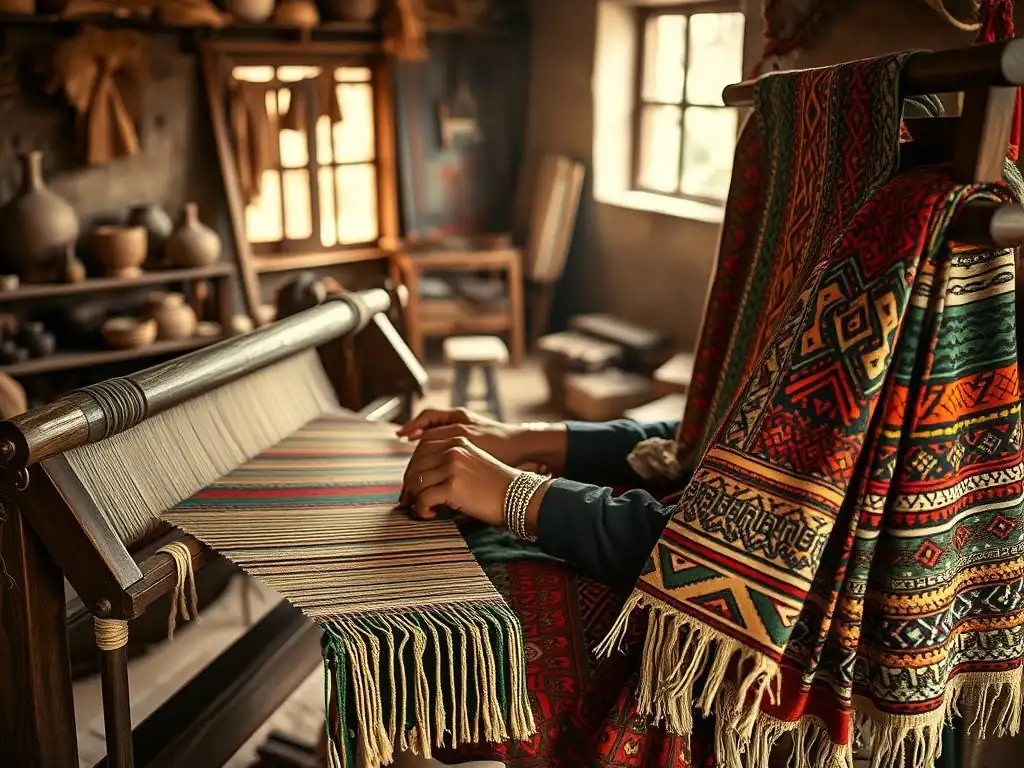
Contemporary Indigenous textiles serve as a vibrant expression of cultural identity and heritage, blending traditional techniques with modern aesthetics. As Indigenous communities navigate the complexities of the modern world, many are engaging in a cultural revival that emphasizes the importance of textiles as a means of storytelling and self-representation. This resurgence not only honors ancestral practices but also addresses contemporary social and political issues, making textiles a powerful medium for advocacy and awareness.
The Impact of Modernization on Traditional Textile Practices
Modernization has brought both challenges and opportunities for Indigenous textile practices. On one hand, industrialization and globalization have led to the commodification of traditional textiles, where mass-produced items often overshadow authentic handmade goods. This can result in the dilution of cultural narratives embedded in textiles, as traditional patterns and meanings risk being lost in the process.
On the other hand, modernization has also facilitated the dissemination of Indigenous textile art on a global scale. Social media platforms and e-commerce have enabled Indigenous artists to reach wider audiences, allowing them to share their stories and reclaim their cultural heritage. This exposure can lead to increased appreciation for Indigenous craftsmanship while fostering connections between artists and consumers who value authenticity and cultural significance.
Reviving Indigenous Techniques: Artists and Initiatives
Numerous artists and initiatives are dedicated to reviving Indigenous textile techniques, ensuring that these practices remain vibrant amidst modern pressures. For example, artists like Martha Redbone, a member of the Cherokee Nation, incorporate traditional weaving methods into contemporary designs, blending ancient storytelling with modern fashion.
Additionally, organizations such as the National Museum of the American Indian and the Indigenous Fashion Week serve as platforms to showcase Indigenous textiles, promoting education and awareness about the cultural significance of these artworks. Workshops and mentorship programs are also being developed to teach younger generations traditional techniques, ensuring the survival and evolution of these practices for the future.
The Role of Indigenous Textiles in Contemporary Identity
Indigenous textiles play a crucial role in shaping contemporary identity among Indigenous peoples. They serve as a means of cultural expression, allowing artisans to communicate their heritage, beliefs, and personal narratives through their work. Textiles often reflect a deep connection to the land, spirituality, and community values, making them an essential part of cultural identity.
Moreover, wearing and showcasing traditional textiles can instill pride among Indigenous individuals, fostering a sense of belonging and continuity with their ancestors. In ceremonies, community events, and everyday life, these textiles become symbols of resilience and cultural perseverance, bridging the past with the present.
Conclusion: The Lasting Legacy of Indigenous Textiles
The legacy of Indigenous textiles is profound, encapsulating centuries of history, artistry, and cultural significance. As Indigenous communities continue to navigate the complexities of modern life, these textiles remain a vital link to their heritage, providing a canvas for storytelling and a means of cultural expression.
Reflection on the Cultural Significance of Indigenous Textiles Today
Today, the cultural significance of Indigenous textiles is recognized not only within Indigenous communities but also by broader society. They are celebrated for their intricate designs and the stories they carry, serving as a reminder of the rich history and diverse cultures that existed long before colonization. This recognition contributes to a broader appreciation for Indigenous voices and perspectives, fostering dialogue and understanding across cultures.
The Future of Indigenous Textiles in Cultural Preservation
The future of Indigenous textiles holds promise for cultural preservation and revitalization. As more Indigenous artists and artisans engage with their heritage and embrace contemporary influences, textiles will continue to evolve while retaining their cultural roots. Increased support for Indigenous-led initiatives and a growing market for authentic handcrafted goods can help sustain these practices, ensuring that the stories woven into Indigenous textiles are passed down to future generations. The ongoing dialogue surrounding the importance of cultural heritage will play a crucial role in safeguarding these artistic traditions for years to come.
Call to Action: Engaging with Indigenous Textiles
Indigenous textiles are more than just fabric; they are vibrant narratives woven into the very essence of cultural identity. Engaging with these textiles invites us to appreciate the stories, traditions, and artistry that have been passed down through generations. As we explore the significance of indigenous textiles, it is essential to remember that our support can have a profound impact on the artisans and their communities. Here are some practical ways to engage and contribute meaningfully to the preservation and promotion of indigenous textile arts.
How to Support Indigenous Textile Artisans
Supporting indigenous textile artisans can take many forms, each contributing to the sustainability of their crafts and communities. Here are some actionable steps you can take:
- Buy Directly from Artisans: Purchasing textiles directly from indigenous artisans ensures they receive fair compensation for their work. Look for local markets, craft fairs, or online platforms dedicated to indigenous crafts.
- Educate Yourself and Others: Understanding the cultural significance of the textiles can foster deeper appreciation. Share your knowledge with friends and family to raise awareness about the importance of indigenous cultures and their art forms.
- Participate in Workshops: Many artisans offer workshops where you can learn about their techniques and traditions. Engaging hands-on not only supports the artisans financially but also allows you to connect with their culture on a personal level.
- Promote Indigenous Businesses: Use social media to share and promote the work of indigenous textile artisans. Highlight their stories and creations to help broaden their audience and support their livelihoods.
- Advocate for Fair Trade Practices: Support organizations that focus on fair trade and ethical practices within the textile industry. This advocacy helps create a sustainable market for indigenous artisans.
Exploring Indigenous Textiles in Local Communities and Online
Exploring indigenous textiles can be both a local and global endeavor. Here are ways to connect with these rich cultural expressions:
- Visit Local Galleries and Museums: Many local galleries and museums feature exhibits on indigenous textiles, showcasing their history, designs, and significance. Attending these exhibits can deepen your understanding of the art form.
- Attend Cultural Festivals: Many indigenous communities hold festivals that celebrate their culture, including textile arts. Participating in these events allows you to experience the richness of indigenous traditions firsthand.
- Engage with Online Platforms: Numerous websites and social media accounts focus on indigenous textile arts. Following these platforms can provide insights into artisans' work, new products, and cultural narratives.
- Join Online Communities: Participate in forums and groups dedicated to indigenous crafts. These communities often share knowledge, resources, and experiences related to indigenous textiles, helping to foster a supportive network.
- Utilize E-commerce Platforms: Many indigenous artisans sell their textiles through e-commerce platforms. Explore these options to find unique items while supporting the artisans directly.
By engaging with indigenous textiles, whether through local interactions or online exploration, you contribute to the preservation of these vital cultural narratives while enriching your understanding of the diverse indigenous civilizations of the Americas.
- Introduction to Indigenous Textiles Cultural Significance
- Historical Context of Indigenous Textiles
- Patterns and Symbols in Indigenous Textiles
- Regional Variations in Indigenous Textile Practices
- Contemporary Indigenous Textiles and Cultural Revival
- Conclusion: The Lasting Legacy of Indigenous Textiles
- Call to Action: Engaging with Indigenous Textiles
Frequently Asked Questions
What are Indigenous textiles?
Indigenous textiles are handcrafted fabrics created by native cultures in the Americas, often featuring unique patterns and symbolic designs that reflect their cultural heritage.
Why is the cultural significance of Indigenous textiles important?
The cultural significance lies in their ability to convey stories, traditions, and identity of Indigenous peoples, serving as a living history and a means of cultural expression.
In many Indigenous cultures, textiles can indicate social status through the use of specific materials, techniques, and designs, showcasing the craftsmanship and heritage of the maker.
What materials are commonly used in Indigenous textiles?
Common materials include cotton, wool, and natural dyes derived from plants, which are integral to creating textiles that are both functional and artistic.
How can we support the preservation of Indigenous textile traditions?
Supporting Indigenous artisans through ethical purchasing, promoting awareness, and participating in cultural exchange initiatives can help sustain and celebrate these important traditions.
Final Reflection: The Cultural Tapestry of Indigenous Textiles
The intricate patterns and narratives woven into Indigenous textiles are not merely decorative; they are vital threads that connect us to the rich cultural significance of Indigenous communities today. In a world increasingly driven by fast fashion and mass production, understanding the stories behind these textiles invites us to appreciate the depth and resilience of Indigenous cultures. The artistry of these textiles serves as a powerful reminder of the importance of preserving cultural heritage in the face of modern challenges.
The impact of Indigenous textiles extends far beyond their aesthetic appeal; they are a testament to the enduring traditions and identities of Indigenous peoples. These textiles encapsulate history, spirituality, and community, influencing contemporary art and fashion while fostering a greater appreciation for cultural diversity. As we engage with these stories, we recognize that "the fabric of a culture is woven with the threads of its history." > This quote encapsulates the essence of how textiles serve as living narratives, bridging past and present, and inviting us to reflect on our own cultural identities.
As we conclude this exploration of Indigenous textiles, I invite you to reflect on the stories that surround you and the cultural artifacts you encounter in your daily life. Consider how you can honor and support Indigenous artisans and their narratives, whether through conscious purchasing, sharing their stories, or simply taking a moment to appreciate the beauty and significance of their work. By engaging with these textiles meaningfully, we can contribute to a broader understanding of cultural significance and promote the preservation of these invaluable traditions for future generations.
Unveil the Stories Behind Indigenous Textiles!
Thank you for exploring the intricate world of Indigenous textiles with us! We hope you've gained valuable insights into how patterns and narratives convey the rich stories of diverse cultures. Now it’s time to deepen your understanding and engage with this vibrant heritage.
- Dive deeper: Select a specific textile pattern to research its cultural significance. Discover what it reveals about the community from which it originates.
- Share your findings: Post your insights on social media and use the hashtag #IndigenousTextiles. Spread awareness and spark conversations about these beautiful stories.
- Join the community: Connect with local Indigenous artisans or attend workshops. Experience firsthand the art of storytelling through textiles and support the preservation of traditional crafts.
Which Indigenous textile story resonates with you the most, and how can you help share its beauty with others?