
Rituals and Ceremonies: The Spiritual Significance of Mesoamerican Art

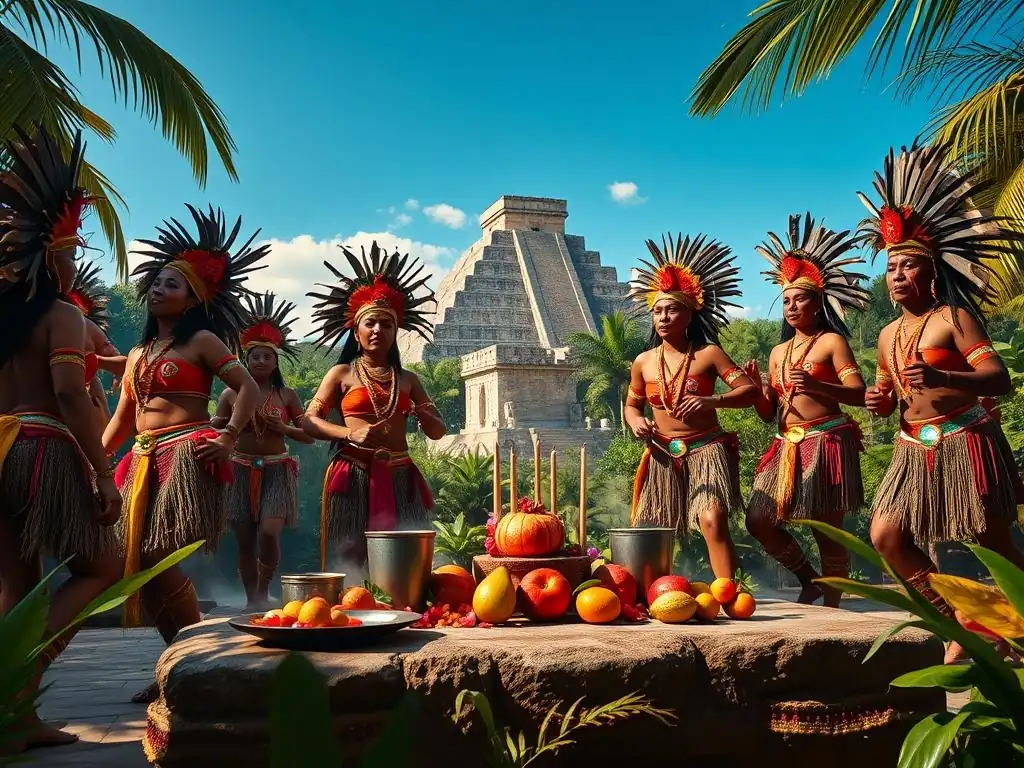
Welcome to Indigenous Civilizations of the Americas, where we invite you to embark on a fascinating journey through the rich tapestry of cultures that flourished long before European footprints graced these lands. In our featured article, “Rituals and Ceremonies: The Spiritual Significance of Mesoamerican Art,” we delve into the profound connection between art and spirituality, uncovering the rituals that shaped the lives of Mesoamerican societies. Prepare to be captivated by the stories of creativity and reverence that continue to resonate today—your exploration begins here!
- Introduction to Mesoamerican Art and Spiritual Rituals
- Historical Context of Mesoamerican Art and Spiritual Practices
- Core Elements of Mesoamerican Art Reflecting Spirituality
- Major Mesoamerican Civilizations and Their Artistic Rituals
- The Role of Art in Mesoamerican Spiritual Rituals
- Contemporary Reflection of Spiritual Rituals in Mesoamerican Art
- Conclusion: The Enduring Legacy of Mesoamerican Art and Spiritual Rituals
- Frequently Asked Questions
- Final Reflection: The Enduring Legacy of Mesoamerican Art and Spiritual Rituals
- Unleash the Spirit of Mesoamerican Art!
Introduction to Mesoamerican Art and Spiritual Rituals
Mesoamerican art serves as a profound reflection of the complex spiritual and cultural landscape of indigenous civilizations prior to European colonization. This art is not merely a collection of aesthetic creations; rather, it embodies the intricate beliefs, rituals, and identities of the peoples who inhabited regions such as present-day Mexico and Central America.
The spiritual rituals associated with Mesoamerican art are deeply intertwined with the cultural practices of these civilizations, revealing their worldviews, religious practices, and social structures. As we delve into the significance of these rituals, we will uncover how art was not just a medium of expression, but a vital component of spiritual life, influencing everything from daily activities to monumental ceremonies.
Overview of Mesoamerican Art
Mesoamerican art encompasses a diverse range of styles and mediums, including sculpture, pottery, painting, and textiles, that emerged from several prominent cultures such as the Olmec, Maya, and Aztec. Each of these cultures contributed uniquely to the artistic landscape, utilizing distinct techniques and materials that reflected their spiritual beliefs and societal structures.
- Artistic Mediums:
- Sculpture: Often carved from stone, depicting gods, ancestors, and mythical creatures.
- Pottery: Functional yet decorated with intricate designs that tell stories or serve ritualistic purposes.
- Textiles: Woven fabrics that often featured symbolic patterns and colors representing different spiritual meanings.
- Cultural Influences: The art of these civilizations was heavily influenced by their environment, cosmology, and historical narratives. For example:
- The Maya often depicted their deities and myths in elaborate murals found in temples.
- The Aztecs used vibrant colors in their codices, which served as historical records and spiritual guides.
In essence, Mesoamerican art is a vibrant tapestry that weaves together the many threads of indigenous life, encapsulating their achievements and the profound spiritual connections that defined their existence.
Significance of Spiritual Rituals in Indigenous Cultures
Spiritual rituals held a central place in the lives of Mesoamerican civilizations, acting as a conduit between the physical and metaphysical realms. These rituals were often enacted through art, where every stroke and symbol carried sacred meaning.
- Purpose of Rituals:
- Communication with Deities: Rituals were a means to honor and communicate with gods, seeking their favor for agriculture, health, and prosperity.
- Community Cohesion: Ceremonies served to strengthen social bonds among community members, reinforcing shared beliefs and cultural identity.
- Artistic Representation:
- Ritual Artifacts: Many artworks were specifically created for use in rituals, such as ceremonial masks, altars, and offerings, underscoring the integral role of art in spiritual practices.
- Symbolism: The imagery found in Mesoamerican art often contained layers of meaning, representing cycles of life, death, and rebirth, which were central to indigenous belief systems.
Through these spiritual rituals, Mesoamerican art not only served aesthetic purposes but also functioned as a vital expression of the societies' connections to their gods, ancestors, and the cosmos, illustrating the profound impact these practices had on their cultural heritage.
Historical Context of Mesoamerican Art and Spiritual Practices
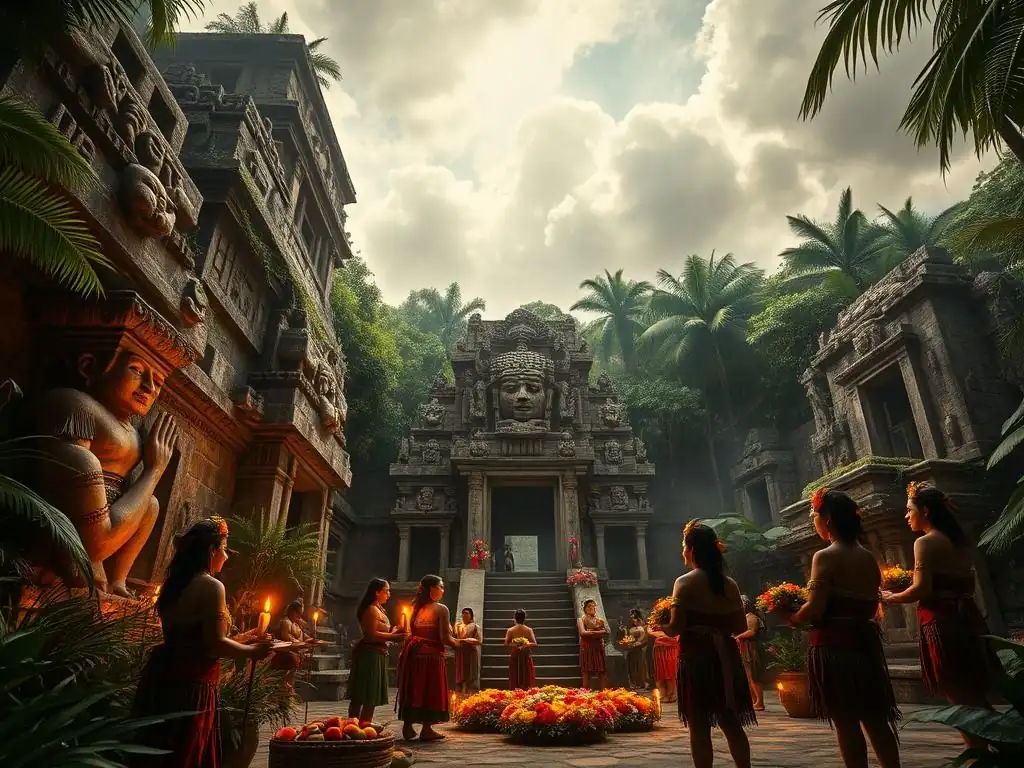
Mesoamerican art serves as a profound reflection of the spiritual and religious practices that were integral to the various civilizations that flourished in this region before European colonization. The intertwining of art and spirituality in Mesoamerica can be traced back thousands of years, revealing a rich tapestry of beliefs, rituals, and artistic expression that significantly shaped the cultural landscape.
Origins of Mesoamerican Art Forms
The origins of Mesoamerican art can be traced to the early civilizations such as the Olmecs, who are often regarded as the "mother culture" of Mesoamerica. Their artistic expressions, characterized by colossal stone heads and intricate jade carvings, laid the groundwork for subsequent cultures. These early forms of art were deeply embedded in the spiritual narratives of the Olmec civilization, often depicting deities, ancestral figures, and symbols of power.
As civilizations evolved, so too did their artistic techniques and materials. The Maya, for instance, excelled in pottery, sculpture, and mural painting, while the Aztecs utilized stone carving and featherwork to create elaborate works that conveyed their religious ideologies. Mesoamerican art forms were not merely decorative; they served as vehicles for spiritual communication and were often used in rituals to honor gods, commemorate events, or mark significant life passages.
- Key Characteristics of Mesoamerican Art:
- Symbolism: Artworks often incorporated symbols representing deities, nature, and the cosmos.
- Materials: Artists utilized locally sourced materials such as obsidian, jade, clay, and feathers.
- Functionalism: Many art forms served ceremonial purposes, including altars, masks, and ritual vessels.
Mesoamerican artistic traditions were not static; they evolved through cultural exchanges and interactions among various societies. For instance, the influence of the Teotihuacan civilization is evident in the artwork of later cultures, highlighting a continuum of shared spiritual beliefs and artistic practices across the region.
Evolution of Spiritual Rituals in Mesoamerican Societies
Spiritual rituals in Mesoamerican societies were complex and multifaceted, evolving alongside their artistic expressions. These rituals often revolved around agricultural cycles, cosmological events, and the veneration of deities. The interplay between art and ritual was crucial, as many artworks served as offerings or were created specifically for ceremonial use.
One of the most significant aspects of Mesoamerican spiritual rituals was the concept of reciprocity between humans and the divine. Rituals were performed to maintain balance and harmony in the universe. For example, the Maya engaged in bloodletting ceremonies, where nobles would offer their own blood to appease the gods, believing that such acts would ensure agricultural fertility and societal prosperity. These rituals were often accompanied by elaborate artistic representations, such as ritual masks and ceremonial attire, which had deep symbolic meanings.
- Types of Rituals:
- Agricultural Ceremonies: Celebrations tied to planting and harvest cycles, often involving offerings to deities.
- Life Cycle Rituals: Rites of passage such as birth, marriage, and death, marked by specific artistic expressions.
- Calendar-Based Rituals: Events aligned with the Mesoamerican calendar, including the famous Aztec New Fire ceremony.
Artworks created for these rituals were imbued with spiritual significance. For example, pottery used in ceremonies often featured iconography that depicted mythological narratives, while stone sculptures served as monumental tributes to gods and ancestors. The spiritual significance of Mesoamerican art is evident in how these creations were integrated into daily life, reinforcing cultural identity and community cohesion.
The historical context of Mesoamerican art and spiritual practices reveals a rich interplay between creativity and belief systems. The evolution of art forms and rituals illustrates how these societies navigated their understanding of the cosmos, the divine, and their place within it. As a result, Mesoamerican art remains a vital testament to the spiritual legacies of these ancient civilizations, echoing their profound connection to the world around them.
Core Elements of Mesoamerican Art Reflecting Spirituality
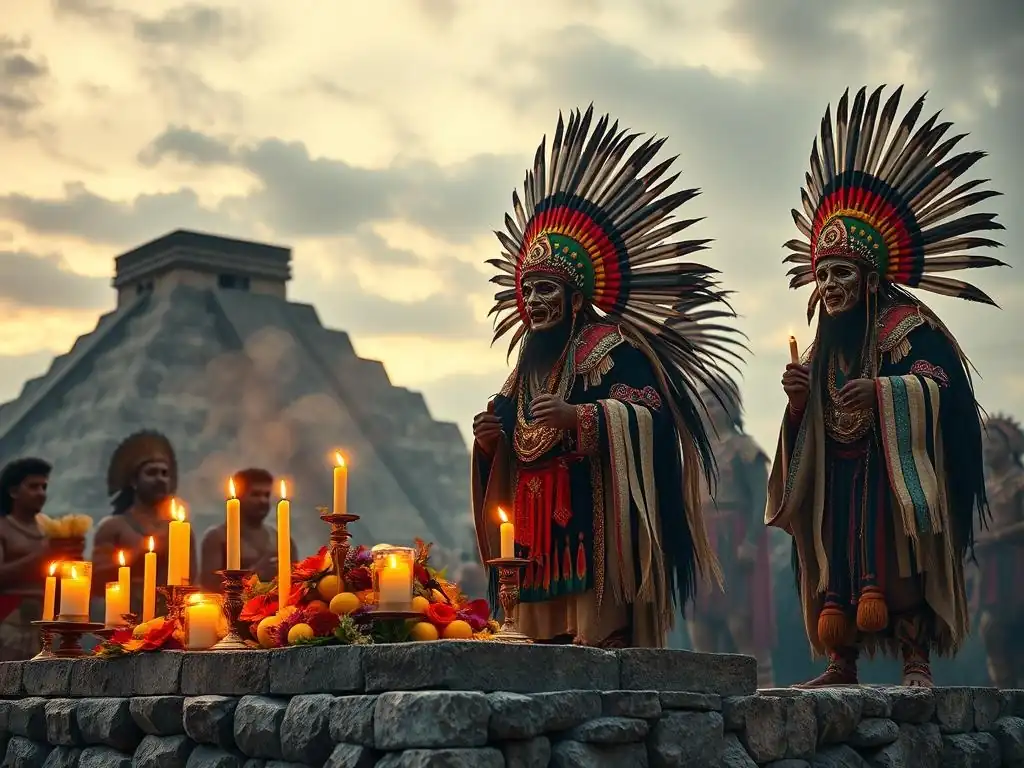
Mesoamerican art is rich in spiritual significance, intricately woven into the fabric of rituals and ceremonies that defined the lives of its indigenous peoples. The art forms from this region—encompassing everything from pottery and sculpture to murals and textiles—serve not only aesthetic purposes but also as conduits of spiritual expression. This section delves into the core elements that highlight the spiritual dimensions of Mesoamerican art, illustrating how these artistic practices are deeply rooted in the beliefs and traditions of ancient civilizations.
Iconography in Mesoamerican Art
Iconography in Mesoamerican art is a crucial aspect that reflects the spiritual beliefs and practices of indigenous cultures. Each symbol and image carries profound meanings, often linked to deities, cosmological concepts, and rituals.
- Deity Representation: Many artworks depict gods and goddesses, such as Quetzalcoatl (the feathered serpent) and Tezcatlipoca (the smoking mirror), each representing different aspects of life and the cosmos. For instance, Quetzalcoatl symbolizes wind, rain, and life, and is often portrayed in various forms across different mediums, including stone carvings and pottery.
- Mythological Narratives: Mesoamerican art frequently illustrates mythological stories that convey moral lessons or explain natural phenomena. For example, the Popol Vuh, the Maya creation myth, is depicted in murals and codices, showcasing the interplay of spirituality and daily life.
- Ritual Scenes: Artworks often capture scenes of rituals, such as bloodletting or offerings, which were believed to appease deities and ensure agricultural fertility. These depictions serve as visual documentation of the rituals' significance, emphasizing the connection between the earthly and the divine.
Use of Color and Materials in Ritualistic Art
The choice of color and materials in Mesoamerican art is not arbitrary; it is deeply rooted in cultural symbolism and spiritual significance.
- Color Symbolism: Each color used in Mesoamerican art carries specific meanings. For instance:
- Red often represents blood and life, closely associated with sacrifice.
- Green symbolizes fertility and growth, linking to agricultural cycles and the earth.
- Black is often associated with the underworld and the unknown, embodying duality in spiritual beliefs.
- Material Significance: The materials used also hold spiritual weight.
- Obsidian was not only a practical material for tools but also symbolized the connection to the divine and was often used in rituals.
- Clay was a canvas for representing the cosmos, with pottery often decorated with symbols that convey spiritual narratives.
- Textiles and Dyes: The use of natural dyes in textiles also reflects a spiritual connection. For example, the cochineal dye produced vibrant reds and was highly valued, symbolizing wealth and status, and often used in ceremonial garments.
Sacred Symbols and their Meanings in Mesoamerican Cultures
Sacred symbols in Mesoamerican cultures serve as powerful representations of beliefs, cosmology, and the relationship between humans and the divine.
- The Cross: Not to be confused with the Christian symbol, the cross in Mesoamerican art often represents the four cardinal directions and the junction of the earthly and celestial realms. It is a symbol of balance and harmony in the universe.
- The Jaguar: This powerful creature symbolizes strength, the underworld, and the night. The jaguar is frequently depicted in art, illustrating its importance in rituals and as a connection to the spiritual world.
- Serpents: Serpent imagery, especially the feathered serpent, conveys themes of transformation and duality. It embodies the connection between the earth and sky, reflecting the belief in a world where the physical and spiritual coexist.
- Calendrical Symbols: Many artworks feature symbols related to the Mesoamerican calendar, which was integral to agricultural and religious practices. These symbols indicate the cyclical nature of time and the importance of rituals aligned with seasonal changes.
Mesoamerican art serves as a profound reflection of the spiritual rituals and beliefs of its indigenous cultures. Through iconography, the thoughtful use of color and materials, and the incorporation of sacred symbols, these artistic expressions provide insight into the deep-rooted spiritual practices that shaped the lives of Mesoamerican peoples.
Major Mesoamerican Civilizations and Their Artistic Rituals
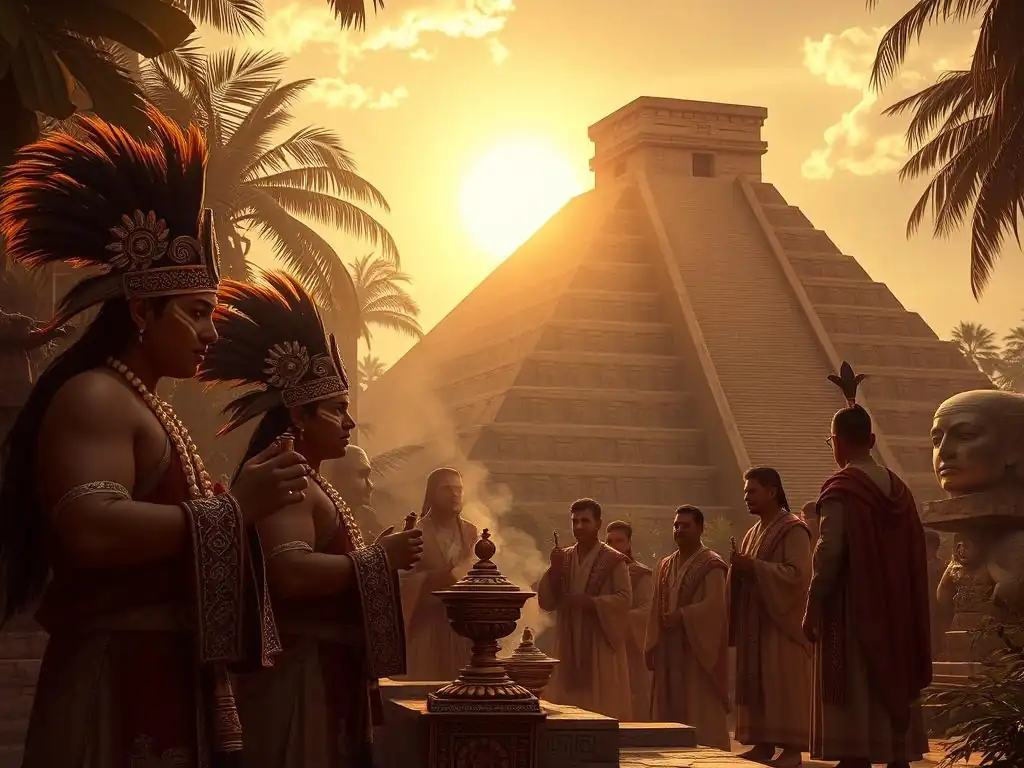
The Olmec: Art and Spiritual Significance
The Olmec civilization, often referred to as the "mother culture" of Mesoamerica, flourished from approximately 1400 to 400 BCE. Renowned for their colossal stone heads and intricate jade carvings, Olmec art serves as a profound reflection of their spiritual beliefs and societal values.
- Colossal Heads: These monumental sculptures, carved from basalt, are thought to represent rulers or significant figures, embodying power and divine authority. The sheer scale of these heads (some weighing over 20 tons) signifies the importance of leadership and its connection to the divine.
- Jade Artifacts: Jade held immense spiritual significance for the Olmec, symbolizing life, fertility, and the cosmos. Artifacts such as masks, figurines, and ceremonial tools crafted from jade were often used in rituals, signifying a connection to the divine and the afterlife.
The integration of art and spirituality in Olmec culture illustrates how artistic expression was not simply aesthetic but embedded within their religious practices, serving as a medium to invoke the gods and connect with the spiritual realm.
The Maya: Rituals and Artistic Expression
The Maya civilization, which thrived from around 2000 BCE to the arrival of Europeans in the 16th century, is well-known for its extraordinary advancements in art, architecture, and astronomy. Their artistic rituals were deeply rooted in their cosmology and religious beliefs.
- Ceremonial Architecture: The construction of pyramids and temples served as both religious centers and artistic statements. Sites like Tikal and Palenque feature intricately carved stelae and altars that depict gods, rulers, and mythological scenes, showcasing the Maya's sophisticated understanding of spirituality and art.
- Codices and Murals: Maya codices, or folding books, often contained painted illustrations of deities and ceremonial life, providing insight into their spiritual practices. Murals found in temples such as Bonampak depict elaborate rituals, emphasizing the connection between art and the cosmic order.
The Maya utilized art as a means to narrate their history and rituals, embedding spiritual significance into their visual culture and affirming their identity within the cosmos.
The Aztec: Ceremonies and Their Artistic Representation
The Aztec civilization, which reached its zenith in the 14th to 16th centuries, is renowned for its vibrant ceremonies and the rich artistic tradition that accompanied them. Mesoamerican art and spiritual rituals were intricately linked in Aztec society, reflecting their worldview and societal structure.
- Templo Mayor: The main temple of the Aztecs in Tenochtitlán, dedicated to the gods Tlaloc and Huitzilopochtli, featured elaborate sculptures and carvings that depicted the significance of their rituals. The temple served as the focal point for ceremonies that reinforced the connection between the rulers, the gods, and the community.
- Feasts and Offerings: The Aztecs held numerous ceremonies, often involving music, dance, and offerings to appease the gods and ensure agricultural fertility. Artistic representations, such as painted ceramics and featherwork, were used to depict these ceremonies, illustrating their importance in the spiritual life of the community.
In Aztec culture, art was not merely decorative; it was a vital component of their spiritual rituals, embodying their beliefs and serving as a conduit between the earthly and divine realms.
Through the lens of Mesoamerican art spiritual rituals, these civilizations demonstrate how art and spirituality were interwoven in their cultures, reflecting their profound understanding of the cosmos and their place within it.
The Role of Art in Mesoamerican Spiritual Rituals
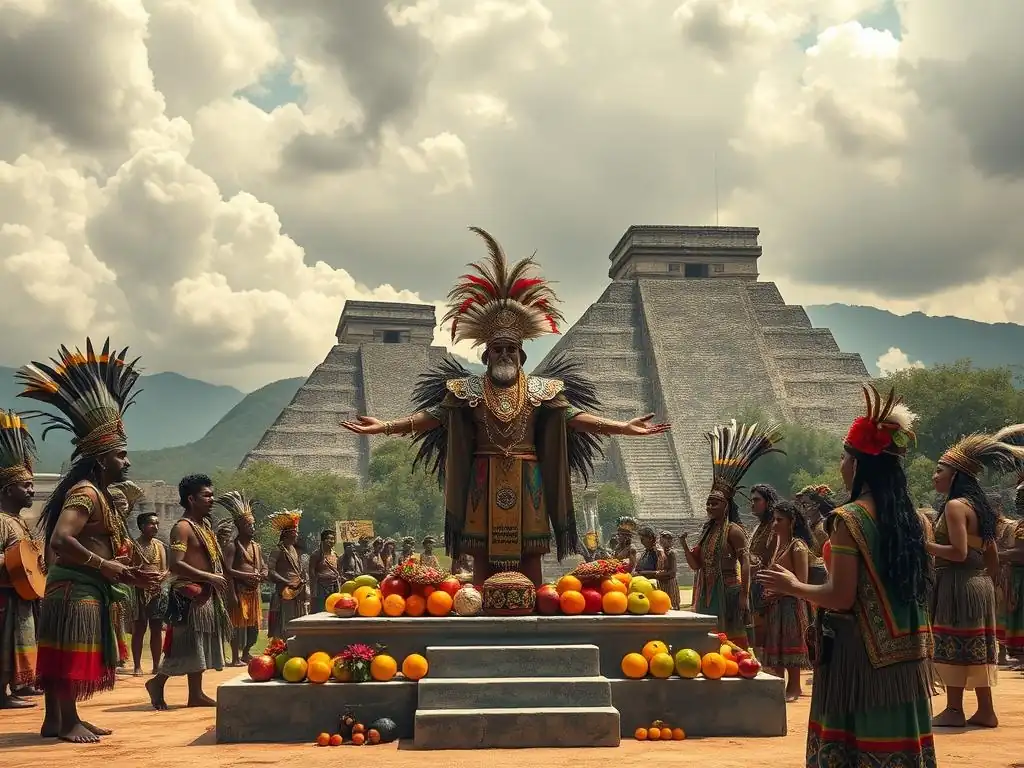
Mesoamerican art played a crucial role in the spiritual rituals of various indigenous civilizations, serving as a bridge between the earthly realm and the divine. The intricate designs, vibrant colors, and symbolic representations found in their art were not merely for aesthetic purposes; they were deeply intertwined with religious beliefs and practices. In this context, art became a powerful medium for expressing spirituality, commemorating significant events, and invoking the presence of deities during rituals.
Art as a Medium for Spiritual Connection
Mesoamerican art was imbued with spiritual significance and was often created with the intention of facilitating a connection between humans and the gods. Artists employed specific materials, techniques, and iconography to enhance the spiritual potency of their works. Commonly used materials included clay, stone, and textiles, each chosen for its symbolic meanings and associations.
- Ceremonial Objects: Many art pieces served as ceremonial objects, such as masks and figurines, which were used in rituals to honor deities or ancestors. These items were often believed to embody the essence of the gods, allowing practitioners to engage with the divine more intimately.
- Symbolic Colors and Patterns: Colors and patterns in Mesoamerican art were not arbitrary; they carried specific meanings tied to spiritual beliefs. For example, the color red was often associated with the earth and fertility, while blue represented the sky and water. The careful selection of colors and designs aimed to evoke particular energies during rituals.
- Ritualistic Spaces: The placement of art within ritualistic spaces, such as temples or altars, was also significant. Artworks were strategically positioned to enhance the spiritual atmosphere and focus the intentions of the rituals performed there.
Artistic Depictions of Deities and Cosmology
Artistic depictions of deities were central to Mesoamerican spiritual rituals, as they provided visual representations of the complex pantheon of gods worshiped by various cultures. These representations were not just artistic expressions; they were integral to understanding the cosmology of Mesoamerican societies.
- Iconography of Deities: Each deity was often depicted with specific attributes, symbols, and motifs that conveyed their powers and domains. For instance, the feathered serpent god Quetzalcoatl was commonly portrayed with feathers and serpentine features, embodying the duality of earth and sky.
- Cosmological Narratives: Mesoamerican art also illustrated cosmological narratives that explained the creation of the world, the cycles of life and death, and the relationship between humans and the divine. These narratives served as a guide for understanding the universe and the spiritual significance of human existence.
- Ritual Contexts: Artistic depictions were integral to rituals, often being included in ceremonial attire, pottery, and murals. These artworks helped create a visual narrative that reinforced the beliefs and values of the community, fostering a deeper connection to their spiritual practices.
The Impact of Art on Community Rituals and Ceremonies
Art not only served individual spiritual needs but also played a vital role in community rituals and ceremonies. The collective experience of creating, displaying, and engaging with art fostered a sense of unity and shared identity among community members.
- Ceremonial Gatherings: Community rituals often involved the participation of artists who crafted specialized art pieces for specific ceremonies, such as harvest festivals, weddings, or rites of passage. These gatherings reinforced social bonds and provided a platform for communal expression of spirituality.
- Art as a Storytelling Medium: Artworks often narrated stories from mythology or local history, enriching the ceremonial experience by connecting participants to their cultural heritage. This storytelling aspect of art helped maintain the continuity of traditions and beliefs across generations.
- Transformative Experiences: Engaging with art during rituals could lead to transformative spiritual experiences for participants. The visual and tactile qualities of art, combined with the communal atmosphere, often induced states of heightened awareness and connection to the divine.
Mesoamerican art was much more than decorative; it was a vital component of spiritual rituals that helped individuals and communities connect with their beliefs, deities, and cosmological understanding. Through its diverse forms and meanings, art served to reinforce the spiritual fabric of Mesoamerican societies, making it an essential element in their cultural legacy.
Contemporary Reflection of Spiritual Rituals in Mesoamerican Art
Preservation of Ancient Practices in Modern Art
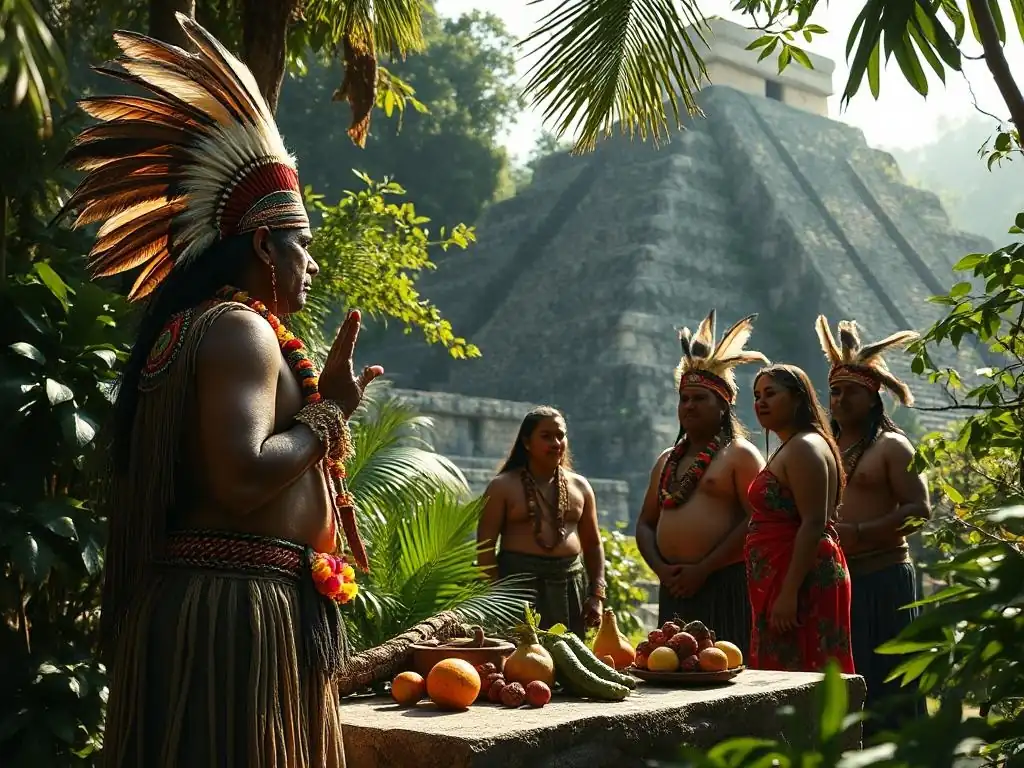
Mesoamerican art serves as a vibrant canvas reflecting the spiritual rituals that have endured through centuries. Many contemporary artists draw inspiration from ancient practices, weaving them into their modern creations. This preservation is crucial not only for maintaining cultural identity but also for educating future generations.
- Artistic Techniques:
- Materials: Modern Mesoamerican artists often use traditional materials such as clay, stone, and natural dyes, which connect their work to ancient practices.
- Methods: Techniques like pottery making, weaving, and mural painting are retained, emulating the styles and motifs found in pre-Columbian artifacts.
- Symbolic Imagery:
- Many contemporary pieces incorporate symbols from ancient rituals, such as the jaguar representing strength or the serpent embodying transformation. These symbols are not merely decorative; they convey deep spiritual meanings that resonate with the community.
- Community Involvement:
- Artists frequently engage with their local communities, involving them in the creative process. This collaboration fosters a collective memory of ancient rituals, ensuring that the spiritual significance remains alive.
“Art is a bridge to the past, allowing us to honor our ancestors while expressing our current identity.”
Influence of Traditional Rituals on Contemporary Indigenous Artists
Traditional Mesoamerican spiritual rituals significantly influence contemporary indigenous artists by shaping their narratives, themes, and artistic expressions. This connection illustrates how ancient traditions continue to inform modern creativity.
- Narrative Themes:
- Many artists explore themes of creation, fertility, and the cycles of life, echoing the spiritual narratives found in ancient myths and rituals. For instance, a common focus on agricultural cycles reflects the importance of corn and other staple crops in Mesoamerican spirituality.
- Ceremonial Practices:
- Artists frequently incorporate elements from traditional ceremonies, such as offerings and rituals associated with the changing seasons. By doing so, they create artworks that serve as both homage to their heritage and commentary on contemporary issues.
- Cultural Resilience:
- The resurgence of interest in Mesoamerican art and rituals among contemporary artists demonstrates cultural resilience. As they navigate modern challenges, these artists utilize their ancestral knowledge to assert their identity and advocate for social justice.
| Aspect | Traditional Influence | Contemporary Expression |
|---|---|---|
| Themes | Creation, fertility, agricultural cycles | Environmental concerns, identity |
| Materials | Natural dyes, clay, stone | Mixed media, sustainable resources |
| Community Engagement | Ritual participation | Collaborative projects |
| Symbolism | Ancestor worship, nature reverence | Social justice, cultural pride |
The intricate relationship between Mesoamerican art and spiritual rituals is not only a testament to the enduring legacy of indigenous cultures but also a vibrant expression of contemporary identity. The ongoing dialogue between ancient practices and modern interpretations ensures that the spiritual significance of these rituals continues to thrive in today's artistic landscape.
Conclusion: The Enduring Legacy of Mesoamerican Art and Spiritual Rituals
Mesoamerican art serves as a profound testament to the spiritual rituals that shaped the lives of indigenous cultures. The intricate designs, vibrant colors, and specific iconography found in Mesoamerican artifacts are not mere aesthetic choices; they are imbued with deep spiritual significance. This art form encapsulates the beliefs, values, and cosmologies of civilizations such as the Maya, Aztec, and Olmec, allowing us to glimpse the complex interplay between art and spirituality.
Through rituals and ceremonies, Mesoamerican societies communicated with the divine, seeking favor, understanding, and balance in their lives. The artworks produced during these rituals often depicted deities, mythological narratives, and significant cosmic events, reinforcing the belief systems that governed their societies. The legacy of these spiritual practices remains tangible today, as contemporary indigenous communities continue to honor and integrate these artistic traditions into their cultural expressions.
Summary of Key Points on Mesoamerican Art and Spirituality
- Art as a Spiritual Expression: Mesoamerican art is fundamentally intertwined with spirituality, serving as a medium for expressing religious beliefs and rituals.
- Ritual Significance: Various art forms, including pottery, sculpture, and murals, played crucial roles in rituals that were central to the cultural fabric of Mesoamerican civilizations.
- Symbolism and Iconography: The use of specific symbols and iconographic elements in Mesoamerican art conveys complex spiritual meanings, often relating to cosmology and the divine.
- Cultural Transmission: The spiritual rituals represented in Mesoamerican art have been passed down through generations, preserving cultural identities and traditions.
- Modern Connections: Contemporary indigenous artists continue to draw inspiration from traditional Mesoamerican art, linking past spiritual practices with present-day expressions.
The Importance of Understanding Mesoamerican Art in Cultural Heritage
Understanding Mesoamerican art is vital for appreciating the rich tapestry of cultural heritage that it represents. This art not only reflects the spiritual beliefs of ancient civilizations but also their societal structures, economic practices, and interactions with the environment. Recognizing the importance of these artworks within their historical context allows for a deeper understanding of the indigenous peoples of the Americas and their lasting influence on modern cultures.
By studying Mesoamerican art, we gain insights into:
- Cultural Identity: How art forms contribute to the construction and preservation of cultural identity among indigenous peoples today.
- Historical Narratives: The narratives told through art that capture historical events, societal changes, and spiritual evolutions.
- Interdisciplinary Perspectives: The integration of anthropology, archaeology, and art history in understanding the multifaceted nature of Mesoamerican civilizations.
Ultimately, Mesoamerican art is not merely a subject of aesthetic appreciation but a vital component of cultural heritage that offers profound insights into the spiritual and social lives of indigenous peoples in the Americas. Embracing this understanding fosters respect and recognition of the enduring legacy of these ancient civilizations.
Frequently Asked Questions
What are the primary themes explored in Mesoamerican art?
Mesoamerican art reflects spiritual beliefs, rituals, and societal values, showcasing the deep connection between art and spirituality in indigenous cultures.
How did rituals influence Mesoamerican art?
Rituals were central to Mesoamerican life, often depicted in art to express religious significance and the interplay between the spiritual and physical worlds.
What role did ceremonies play in Mesoamerican societies?
Ceremonies served as important cultural practices, reinforcing community bonds and spiritual beliefs, while often being represented in various artistic forms.
Can you explain the spiritual significance of Mesoamerican art?
Mesoamerican art was not merely decorative; it held deep spiritual meaning and was often used in rituals to connect the physical realm with the divine.
How did the arrival of Europeans impact Mesoamerican art and rituals?
The arrival of Europeans led to significant changes in Mesoamerican art and rituals, resulting in the suppression of indigenous practices and the blending of cultures.
Final Reflection: The Enduring Legacy of Mesoamerican Art and Spiritual Rituals
Mesoamerican art spiritual rituals resonate deeply in today's world, reminding us of the profound connections between culture, spirituality, and artistic expression. As we navigate a rapidly changing society, the significance of these ancient practices becomes increasingly relevant, illustrating how art can serve as a bridge between the past and present. The vibrant colors, intricate designs, and sacred symbols of Mesoamerican art not only tell stories of ancient civilizations but also invite us to explore our own spiritual journeys.
Culturally, the influence of Mesoamerican art and its associated rituals continues to shape our understanding of identity and community. The rituals captured in these artworks reflect a deep reverence for nature, ancestors, and the cosmos, fostering a sense of belonging and continuity. As the renowned anthropologist Claude Lévi-Strauss once said, “The study of art is the study of the human spirit.” This sentiment underscores the importance of recognizing how these spiritual practices inform our contemporary lives, encouraging us to honor our roots while embracing the diversity of human expression.
As we reflect on the lessons embedded in Mesoamerican art and its spiritual rituals, let us take a moment to consider how we can incorporate these insights into our daily lives. I invite you to explore your own rituals, whether through art, meditation, or community gatherings, and to recognize the sacredness in these practices. By doing so, we not only honor the legacy of those who came before us but also enrich our own spiritual journeys, fostering a deeper connection to ourselves, each other, and the world around us.
Unleash the Spirit of Mesoamerican Art!
Thank you for exploring the profound world of Mesoamerican art and its spiritual significance! We appreciate your interest and hope you now feel inspired by the rich rituals and ceremonies that shape this remarkable cultural legacy.
To deepen your connection and appreciation, consider taking the following steps:
- Dive Deeper: Visit local museums or cultural centers to experience Mesoamerican artifacts firsthand, allowing you to appreciate their artistic beauty and historical context.
- Share Your Inspiration: Discuss your insights with friends and family through conversations, blogs, or social media posts—your reflections could inspire interest and awareness in others!
- Engage with Communities: Join groups or forums focused on indigenous studies, where you can connect with like-minded individuals and deepen your understanding of the ongoing significance of these traditions.
What aspects of Mesoamerican art resonate most with you, and how do you believe they can influence contemporary creative practices?