
From Coast to Coast: The Vast Trade Systems of North America's Indigenous Peoples

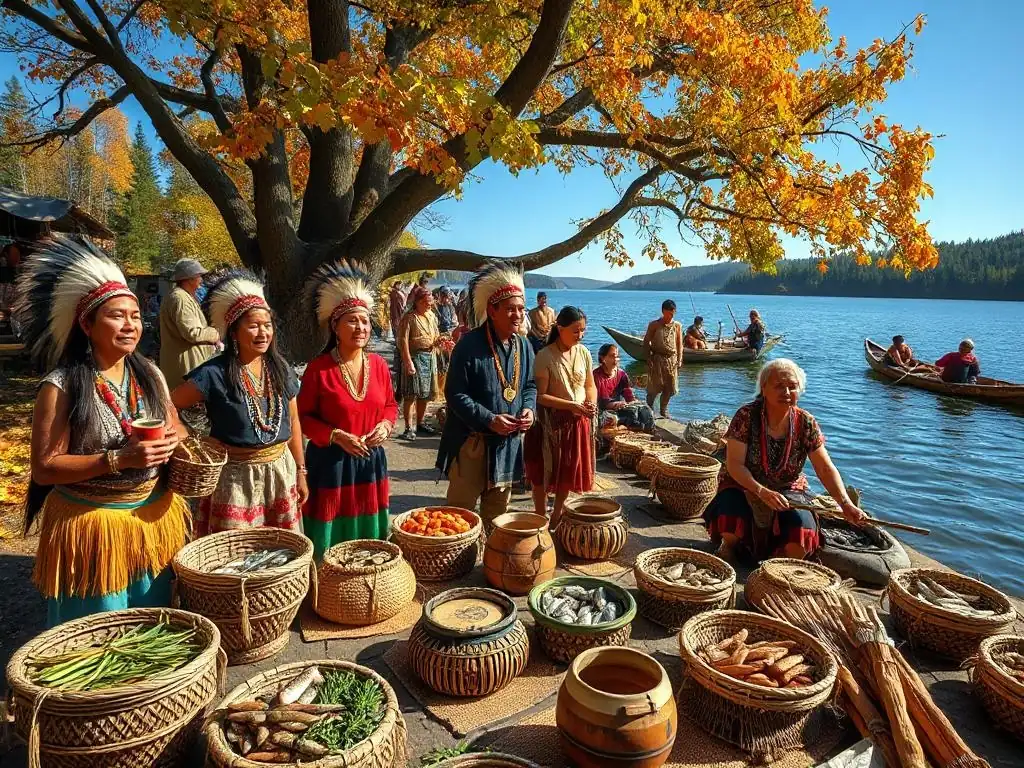
Welcome to Indigenous Civilizations of the Americas, where we invite you to embark on a journey through time to uncover the rich tapestry of cultures that flourished long before European contact. This site is dedicated to illuminating the extraordinary achievements and societal structures of indigenous peoples, highlighting their profound legacies. In our featured article, "From Coast to Coast: The Vast Trade Systems of North America's Indigenous Peoples," you'll discover the intricate networks of commerce that connected diverse communities across the continent.
What secrets did these trade systems hold, and how did they shape the lives of those who participated in them? Join us as we delve deeper into this fascinating aspect of indigenous history and uncover the enduring impact of these vibrant civilizations.
- Introduction to North America's Indigenous Trade Systems
- Historical Context of Trade Among Indigenous Peoples
- Major Indigenous Trade Systems and Their Features
- Goods Traded in North America's Indigenous Trade Systems
- The Role of Trade in Social and Political Structures
- Impact of Geography on Indigenous Trade Networks
- The Transformation of Indigenous Trade Systems Post-Colonization
- Modern Perspectives on Indigenous Trade Systems
- Conclusion: The Significance of North America's Indigenous Trade Systems
-
Frequently Asked Questions
- What were the main trade systems among North America's indigenous peoples?
- How did geography influence trade among indigenous cultures?
- What were some key goods traded in these systems?
- How did indigenous trade systems impact social structures?
- What is the legacy of North America's indigenous trade systems today?
- Final Reflection: The Enduring Legacy of North America's Indigenous Trade Systems
- Embrace the Legacy: Connect and Contribute!
Introduction to North America's Indigenous Trade Systems
Before European colonization, North America's indigenous peoples established complex and extensive trade systems that connected diverse cultures across vast distances. These networks were not merely channels for the exchange of goods; they were integral to social, political, and cultural interactions among various tribes and societies.
From the coastal regions to the interior plains, indigenous trade systems facilitated the movement of not only material goods but also ideas, technologies, and cultural practices. Understanding these trade systems provides valuable insight into the sophisticated societies that existed in North America, highlighting their ingenuity and adaptability in navigating a diverse and often challenging landscape.
Overview of Indigenous Trade Networks in North America
Indigenous trade networks in North America were characterized by their diversity and adaptability, reflecting the unique needs and resources of the various tribes involved. Some of the most notable trade routes included:
- The Great Lakes Trade Network: This network connected tribes around the Great Lakes, facilitating the exchange of fish, furs, and tools. The waterways served as natural highways, allowing for efficient transportation and communication.
- The Mississippi River Trade Route: Serving as a vital artery for trade, the Mississippi River linked numerous indigenous communities. Goods such as pottery, agricultural products, and luxury items like copper and shells traveled along this route.
- The Pacific Northwest Coast Trade Systems: Coastal tribes engaged in trade of marine resources, timber, and crafted goods. The intricate canoe-building techniques allowed for extensive maritime trade.
- The Southwestern Trade Networks: Here, the trade of agricultural products such as maize and beans was prevalent, along with the exchange of pottery and textiles among communities.
These networks were often marked by seasonal patterns, with tribes participating in different markets depending on the time of year, demonstrating an intricate understanding of the environment and available resources.
Importance of Trade in Indigenous Cultures
Trade was not just an economic activity; it played a crucial role in shaping the social and cultural fabric of indigenous societies. The significance of trade can be understood through several key aspects:
- Cultural Exchange: Trade facilitated the sharing of ideas, beliefs, and cultural practices among different tribes. This exchange enriched the cultural landscape of North America, leading to the development of shared traditions and innovations.
- Social Relationships: Trade networks fostered alliances and partnerships among tribes, often leading to intermarriage and the establishment of kinship ties. These relationships were essential for maintaining peace and cooperation among different communities.
- Resource Distribution: Indigenous trade systems allowed for the equitable distribution of resources, ensuring that communities could access items that were not locally available. This interdependence helped create a balance of power among tribes and reduced the likelihood of conflict over resources.
- Economic Resilience: The ability to trade diversified the economies of indigenous societies, making them more resilient to environmental changes and fluctuations in resource availability. This adaptability was vital for their survival and prosperity.
Through these trade systems, indigenous peoples demonstrated remarkable organizational skills and an understanding of geography, economics, and social dynamics, laying the groundwork for the rich tapestry of cultures that existed in North America prior to European contact.
Historical Context of Trade Among Indigenous Peoples
Pre-Columbian Trade Practices
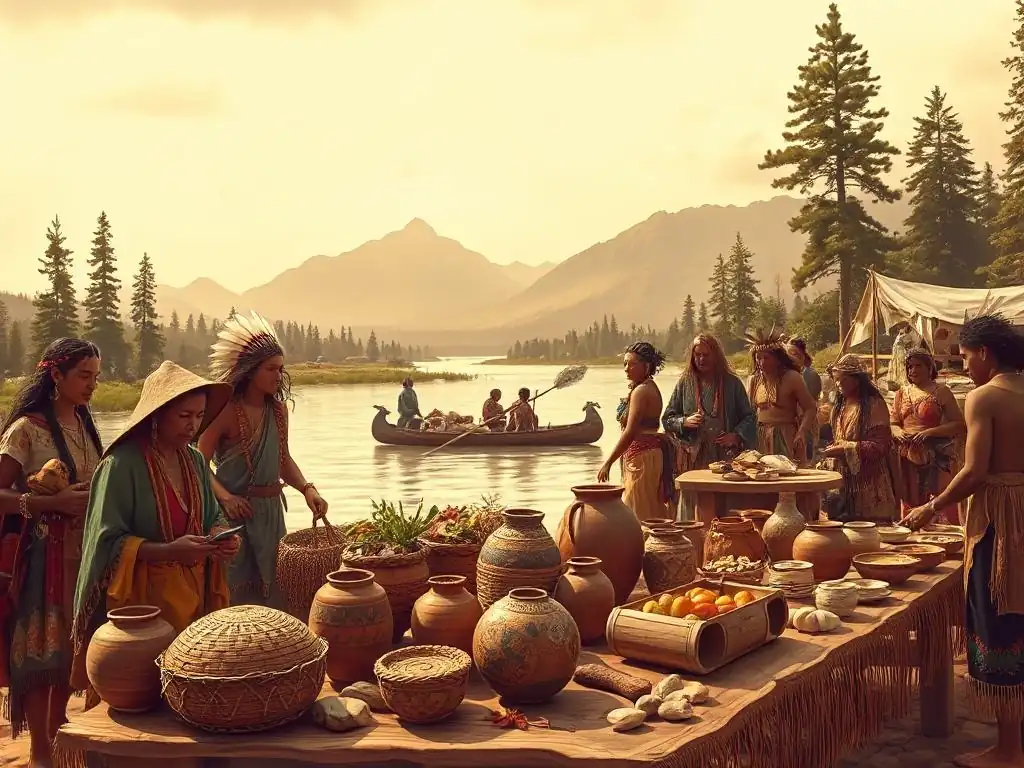
Before the arrival of Europeans, North America's indigenous trade systems were intricate and extensive, facilitating the exchange of goods, ideas, and cultural practices across vast distances. These trade networks were not merely economic in nature; they also played a crucial role in social and political relationships among various tribes and nations.
- Barter System: Trade primarily operated on a barter system, where goods and services were exchanged directly without a standardized currency. Indigenous peoples traded items such as:
- Foodstuffs: Corn, beans, and squash were staples that traveled alongside more exotic foods like fish and game.
- Crafts and Tools: Items like pottery, woven goods, and tools made from bone, stone, and metal were popular trade commodities.
- Medicinal Plants: Knowledge of local flora made herbal remedies a sought-after resource.
- Regional Specializations: Different tribes specialized in the production of certain goods based on their geographical environments. For instance:
- The Pacific Northwest tribes, such as the Haida and Tlingit, were known for their intricate totem poles and fishing practices.
- The Great Plains tribes, including the Lakota and Cheyenne, relied heavily on bison hunting and the manufacturing of hides and tools from the animals.
- Social and Political Dimensions: Trade was a means of forging alliances and maintaining peace among tribes. Ceremonial exchanges often accompanied trade, reinforcing social bonds and cultural practices.
- Long-distance Trade: Some indigenous groups engaged in long-distance trade that connected them to other cultures:
- The Hopewell Culture in the Midwest was known for its extensive trade networks, which facilitated the movement of goods like copper from the Great Lakes and shells from the Gulf Coast to central Ohio.
- The Pueblo peoples of the Southwest engaged in trade with neighboring tribes, exchanging pottery, textiles, and agricultural products.
Key Trade Routes Across North America
The indigenous trade systems of North America were characterized by several key trade routes that facilitated the movement of goods and cultural exchange. These routes were often determined by geographical features, resource availability, and the social dynamics of the tribes involved.
- The Mississippi River Valley: This crucial artery connected various cultures across the central United States. The river facilitated the transport of goods, including:
- Agricultural products from the fertile riverbanks.
- Fish and game from surrounding areas.
- The Great Lakes Region: A vital trading hub, the Great Lakes enabled trade among tribes from the Northeast and Midwest. Key aspects included:
- The exchange of furs, particularly from the Ojibwe and Huron tribes, which were highly valued in trade.
- Movement of copper and other minerals from the northern shores, utilized in tools and ornaments.
- The Pacific Coast Trade Network: From the Tlingit in the north to the Chumash in the south, coastal tribes engaged in:
- Trade of seafood, whale products, and wooden crafts.
- An extensive network that also linked inland tribes through river systems.
- The Southwest Trade Routes: The arid regions of the Southwest saw trade networks that connected the Pueblo peoples with tribes across the continent, exchanging:
- Pottery and textiles with the Plains tribes for buffalo products.
- Access to water sources and agricultural knowledge was particularly valuable.
- The Trade of Ideas: Beyond physical goods, trade routes were conduits for the exchange of knowledge, including agricultural techniques and spiritual beliefs, which enriched the cultures involved.
The richness of North America's indigenous trade systems showcases the complexity and sophistication of pre-Columbian societies, highlighting their achievements and enduring legacies in the fabric of American history.
Major Indigenous Trade Systems and Their Features
The Great Lakes Trade Network
The Great Lakes Trade Network was one of the most significant trade systems among North America's indigenous peoples, serving as a vital conduit for the exchange of goods, culture, and ideas. This network spanned across the Great Lakes region, linking various tribes such as the Anishinaabe, Huron, and Iroquois.
- Geographical Significance: The Great Lakes provided natural highways for transportation, enabling the movement of canoes and other watercraft. The waterways facilitated trade routes that connected the interior of the continent with coastal areas.
- Key Commodities: Items traded included fish, furs, pottery, and tools. Furs, in particular, became a highly sought-after commodity, leading to extensive trading partnerships. The exchange of goods also involved agricultural products like maize, beans, and squash, which were staples of many indigenous diets.
- Cultural Exchange: Beyond material goods, the Great Lakes Trade Network served as a melting pot for cultural interactions. Different tribes shared knowledge, languages, and traditions, enriching their collective heritage.
The Southwest Trade Routes
The Southwest Trade Routes were instrumental in connecting various indigenous communities across the arid landscapes of the American Southwest. Tribes such as the Pueblo, Navajo, and Apache utilized these trade routes to exchange goods, ideas, and cultural practices.
- Desert Adaptations: The harsh environment of the Southwest required innovative solutions for trade. Indigenous peoples developed effective methods for transporting goods over long distances, often using pack animals like llamas and later, horses.
- Trade Goods: Key items traded along these routes included pottery, textiles, turquoise, and agricultural products. The Pueblo peoples, renowned for their pottery, created intricate designs that became highly valued in trade.
- Social Structures: The trade routes fostered complex social structures, as alliances and relationships were built through trade partnerships. Festivals and gatherings were often organized around trading events, reinforcing community ties and cultural identity.
The Pacific Northwest Trade Connections
The Pacific Northwest Trade Connections were characterized by an intricate web of trade among indigenous groups such as the Coast Salish, Tlingit, and Haida. The region's rich natural resources facilitated diverse trading practices.
- Maritime Trade: The coastal waters provided abundant resources, including fish and shellfish, which formed the backbone of the local economy. Canoes were essential for transportation, allowing tribes to navigate the waterways and access various trading partners.
- Key Trade Items: Notable trade goods included salmon, cedar wood, and handcrafted items like totem poles and masks. The value of salmon was particularly pronounced, as it was a staple food source and played a central role in cultural practices.
- Cultural Significance: Trade in the Pacific Northwest was not merely economic; it was deeply woven into the cultural fabric of the communities. Potlatches, ceremonial gatherings where goods were distributed, were an essential aspect of trade, emphasizing status, generosity, and social cohesion.
North America's indigenous trade systems were complex and multifaceted, reflecting the diverse cultures and environments of the continent. The Great Lakes, Southwest, and Pacific Northwest trade networks exemplify the ingenuity and interconnectedness of indigenous peoples long before European contact. By understanding these systems, we gain insight into the rich tapestry of indigenous life and the sophisticated economies that flourished across North America.
The Plains Trade Sphere
The Plains Trade Sphere was a vital network that connected various Indigenous groups across the vast grasslands of North America, primarily encompassing areas that are now known as the Great Plains. This trade system flourished from prehistoric times until the arrival of European settlers, facilitating the exchange of goods, ideas, and cultural practices among diverse tribes.
Geographic Extent and Key Players
The Plains Trade Sphere stretched across a broad geographical area, including the territories of several Indigenous nations such as the Lakota, Cheyenne, Arapaho, and Comanche. These groups engaged in extensive trade with one another and with neighboring cultural spheres, including the Eastern Woodlands and the Southwest. Key trade routes traversed rivers and natural landmarks, enabling the movement of goods across vast distances.
Goods and Resources Traded
The trade within the Plains Trade Sphere was characterized by a wide variety of goods. Some of the primary items exchanged included:
- Bison Products: Bison were central to the Plains economy, and the trade of bison meat, hides, bones, and tools made from these materials was crucial. Hides were often used for clothing, shelter, and trade with other tribes.
- Crafted Items: Indigenous artisans produced a range of goods, including pottery, baskets, and tools. These crafted items were not only practical but also held cultural significance and were often imbued with spiritual meaning.
- Trade Goods from Other Regions: The Plains tribes also traded for items sourced from distant areas, such as shells, copper, and agricultural products. This inter-regional trade enriched the Plains cultures and facilitated cultural exchanges.
Cultural and Social Impacts
The Plains Trade Sphere was not just an economic network; it was also a catalyst for cultural exchange and social interaction. The movement of people along trade routes fostered relationships between tribes, leading to alliances, intermarriage, and the sharing of traditions and knowledge.
Ceremonial events often coincided with trade gatherings, where tribes would come together to exchange goods, share stories, and participate in rituals. This blending of cultures enhanced social cohesion and reinforced communal identities, allowing tribes to maintain a rich tapestry of cultural practices.
Challenges and Changes
Despite its significance, the Plains Trade Sphere faced numerous challenges, particularly with the onset of European colonization. The introduction of new technologies, diseases, and changing political dynamics disrupted established trade routes and relationships. Additionally, the depletion of bison populations due to overhunting and habitat loss significantly impacted the economic foundations of Plains tribes.
As a result, many Indigenous groups had to adapt their trade practices and cultural identities in response to these external pressures. While some aspects of the Plains Trade Sphere evolved or diminished, many of its key features, including the importance of trade and cultural exchange, persisted in various forms throughout the changing landscape of North American Indigenous societies.
The Plains Trade Sphere exemplifies the complexity and dynamism of North America's indigenous trade systems. It highlights how trade not only facilitated economic prosperity but also played a crucial role in shaping the social and cultural dimensions of Indigenous life in the Great Plains.
Goods Traded in North America's Indigenous Trade Systems
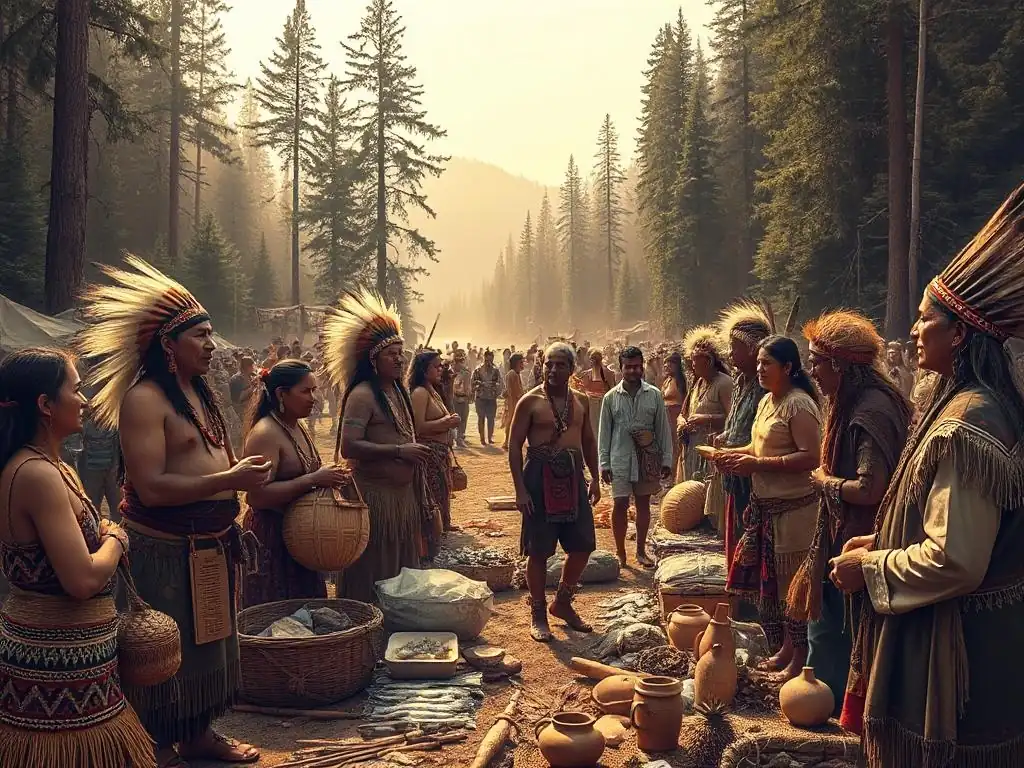
In examining North America's indigenous trade systems, one cannot overlook the vast array of goods that were exchanged among diverse tribes and communities. These goods encompassed not only natural resources and raw materials but also cultural artifacts and crafted items, alongside valuable food and agricultural products. Each category played a significant role in the economic and social fabrics of indigenous societies.
Natural Resources and Raw Materials
Natural resources and raw materials formed the backbone of trade among North America's indigenous peoples. Indigenous communities actively traded essential items that reflected their environmental surroundings and resource availability.
- Furs and Hides: The fur trade was particularly prominent, with tribes in the northern regions, such as the Cree and the Ojibwe, trading beaver, deer, and moose hides. These materials were highly valued for their warmth and durability, used in clothing and shelter.
- Timber and Stone: In forested regions, timber was not only utilized for housing and canoes but also traded with neighboring tribes. Additionally, specific stones like flint were essential for tool-making, leading to their trade among tribes with access to quarries.
- Minerals and Clay: Precious minerals, particularly copper from the Great Lakes region, were crafted into tools and ornaments. Similarly, clay was traded for pottery-making, showcasing the cultural significance of raw materials in daily life.
Cultural Artifacts and Crafts
Cultural artifacts and crafts held profound importance in the trade networks of indigenous peoples, serving as both economic commodities and symbols of identity.
- Pottery and Textiles: Skilled artisans created intricate pottery and woven textiles that represented their cultural heritage. The Pueblo peoples, for example, were renowned for their pottery, which was often traded for other goods, showcasing the blend of functionality and artistry.
- Jewelry and Ornaments: Items such as beadwork, shell jewelry, and copper ornaments were popular trade items. The craftsmanship involved in creating these pieces not only displayed artistic talent but also held spiritual significance within the communities.
- Religious and Ceremonial Objects: Unique items like masks, totems, and ritualistic tools were traded among tribes, serving both a practical purpose and a spiritual connection. These artifacts often reflected the beliefs and traditions of the cultures from which they originated.
Food and Agricultural Products
Food and agricultural products were vital components of North America's indigenous trade systems, facilitating sustenance and cultural exchange among different tribes.
- Crops and Grains: Indigenous agricultural practices led to the cultivation of essential crops such as maize, beans, and squash, often referred to as the "Three Sisters." These staples were not only traded but also shared among tribes, promoting agricultural diversity.
- Game and Fish: Hunting and fishing provided a bounty of resources, with tribes exchanging venison, fish, and fowl. The seasonal migrations of certain species often dictated trade patterns, influencing relationships between different groups.
- Medicinal Plants: The knowledge of medicinal plants was a form of currency in trade, with tribes sharing herbal remedies and plants with healing properties. This exchange of knowledge and resources strengthened intertribal relations and fostered community well-being.
Through these various goods traded within North America's indigenous trade systems, we see a rich tapestry of economic interdependence and cultural exchange that shaped the lives of indigenous peoples long before European contact. Each trade item not only fulfilled practical needs but also carried deeper meanings, reflecting the intricate connections between nature, culture, and community.
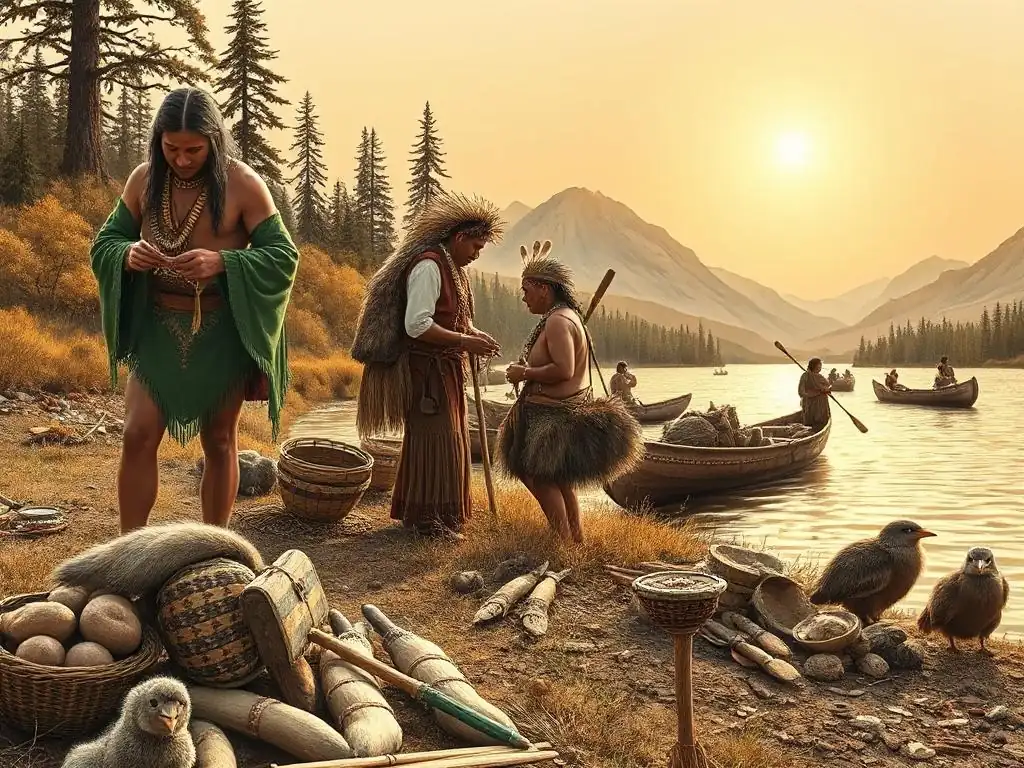
Trade was an essential component of the social and political structures of North America's indigenous peoples. It fostered relationships among tribes, facilitated the exchange of goods and ideas, and shaped alliances. The intricate web of trade networks created a foundation for economic cooperation and mutual dependence, which was crucial for the survival and prosperity of various communities.
Trade as a Means of Diplomacy
Trade served as a powerful diplomatic tool among North America's indigenous tribes. Through the exchange of goods, tribes could establish and maintain peaceful relations, negotiate treaties, and resolve conflicts. For instance, the Iroquois Confederacy exemplified this practice, where trade was integral to their political strategy. The confederacy utilized trade to form alliances with neighboring tribes and European settlers, ensuring stability and mutual benefit.
Tribes often exchanged valuable resources such as furs, salt, and food items, which not only satisfied economic needs but also symbolized trust and reciprocity. This mutual dependence fostered a sense of community and social cohesion. The act of trading was often accompanied by rituals and ceremonies that reinforced these bonds, thus intertwining economic activities with cultural practices.
Additionally, trade routes acted as conduits for information and cultural exchange. As tribes interacted during trade, they shared stories, customs, and technologies, enriching their societies and promoting cultural continuity. This exchange of knowledge allowed tribes to adapt and evolve in response to environmental and social challenges.
Economic Interdependence Among Tribes
The economic interdependence among tribes was a defining characteristic of North America's indigenous trade systems. By engaging in specialized production and trade, tribes maximized their resources and skills, leading to a diversified economy and enhanced resilience.
For example, the Pueblo peoples of the Southwest were known for their pottery and agricultural products, while the Sioux relied on bison hunting. Each tribe specialized in what they did best, and through trade, they could obtain the goods and services they lacked. This specialization not only increased efficiency but also created a robust network of trade that spanned vast distances.
| Tribe | Specialty | Trade Goods |
|---|---|---|
| Iroquois | Agriculture | Corn, beans, and squash |
| Plains Tribes | Bison hunting | Dried meat, hides, and tools |
| Pacific Northwest | Fishing and craftsmanship | Salmon, cedar products |
| Pueblo Peoples | Pottery and textiles | Artifacts, woven goods |
The establishment of trade routes allowed tribes to engage in long-distance trading, connecting different regions and cultures. Notable trade networks included the Mississippi River trade routes, which facilitated the exchange of goods from the Great Lakes to the Gulf of Mexico, and the Great Plains trade routes, where tribes exchanged bison products for agricultural goods.
The economic interdependence fostered by trade among North America's indigenous peoples greatly influenced their social and political structures. This interconnectedness not only enhanced their economies but also strengthened their cultural ties and diplomatic relationships, creating a complex and dynamic society before European colonization.
Impact of Geography on Indigenous Trade Networks
How Geography Shaped Trade Routes
Geography played a crucial role in the development of North America's indigenous trade systems, influencing the routes taken and the goods exchanged. The diverse landscapes, ranging from mountains to plains and coastlines, dictated the accessibility of various regions and the types of trade that could flourish.
- Natural Barriers and Routes:
- Mountain Ranges: The Rocky Mountains and the Sierra Nevada created natural barriers that affected trade routes. Tribes living on either side often developed distinct trade practices, leading to the establishment of intertribal trading networks that navigated these challenges.
- Rivers and Lakes: Many indigenous peoples utilized waterways as vital trade routes. For example, the Mississippi River served as a major artery for trade, connecting numerous tribes and facilitating the exchange of goods over long distances. Canoes and rafts became essential for transporting goods like fish, furs, and agricultural products.
- Geographic Regions:
- Coastal Regions: Tribes along the Pacific Northwest, such as the Tlingit and Coast Salish, relied heavily on the ocean for trade. They exchanged fish, shellfish, and timber, developing intricate networks that spanned vast distances along the coast.
- Plains and Prairies: The Great Plains were home to nomadic tribes like the Lakota, who traded buffalo hides and other goods. The availability of vast grazing lands allowed for the movement of large herds, facilitating trade with neighboring tribes.
The Influence of Climate on Trade Goods
The climate of various regions in North America significantly impacted the types of goods available for trade, shaping the economic exchanges between indigenous peoples.
- Regional Climate Variations:
- Arctic and Subarctic: In regions with extreme cold, such as the Inuit territories, trade goods primarily included items necessary for survival. This included furs, whale bones, and tools made from stone and bone. The harsh climate necessitated efficient trade networks to ensure the availability of essential resources.
- Temperate Regions: In areas with a more moderate climate, such as the Eastern Woodlands, tribes cultivated crops like maize, beans, and squash, known as the "Three Sisters." These agricultural products became vital trade items, leading to extensive trade networks among tribes in the region.
- Seasonal Changes:
- Seasonal Trade Dynamics: The changing seasons influenced trade activities. For instance, during the summer, tribes in the Great Lakes region would engage in fishing and gathering, with surplus goods traded during autumn gatherings. This seasonal variation allowed for a dynamic exchange of resources tailored to the availability of goods throughout the year.
- Cultural Practices and Trade Goods:
- The types of goods traded often reflected cultural practices and spiritual beliefs. For example, tribes in the Southwest, such as the Hopi, traded pottery and woven baskets, which held cultural significance and were sought after by neighboring tribes. This illustrates how climate not only influenced the material goods available but also how those goods were intertwined with cultural identity.
The interplay between geography and climate significantly shaped the trade systems of North America's indigenous peoples. By understanding these factors, we gain insight into the complexity and richness of their trade networks, which were as diverse as the landscapes they inhabited.
The Transformation of Indigenous Trade Systems Post-Colonization

The arrival of Europeans in North America in the late 15th century marked a profound shift in the existing indigenous trade systems. The traditional networks, which were intricately woven through cultural, social, and economic exchanges, faced dramatic changes that often disrupted the established ways of life for many indigenous peoples.
Changes in Trade Dynamics After European Contact
The initial contact with European explorers and settlers introduced new goods and technologies that altered the landscape of indigenous trade. Items such as metal tools, firearms, and textiles quickly integrated into indigenous economies, influencing trade dynamics in several ways:
- Shift in Trade Goods: Indigenous peoples began to adapt their trade networks by incorporating European goods. For instance, the introduction of metal tools facilitated hunting and crafting, leading to changes in production and trade practices.
- New Trade Routes: Europeans often sought direct trade relationships with indigenous nations, which sometimes led to the establishment of new trade routes. This reconfiguration allowed certain tribes to gain power and wealth by acting as intermediaries in the trade between Europeans and other indigenous groups.
- Dependency on European Goods: Over time, many indigenous communities became reliant on European goods, which shifted the focus of trade from local resources to imported products. This dependency often undermined traditional trade practices and led to economic vulnerabilities.
- Disruption of Existing Networks: The influx of European traders and settlers disrupted established trade routes. Inter-tribal relationships, which were crucial for the exchange of goods and services, were strained as competition for European trade goods intensified.
The transformation of trade dynamics post-contact was not uniform across all regions. For example, the Great Lakes tribes adapted relatively quickly to the new trading environment, while some Plains tribes faced significant challenges due to the disruption of bison hunting practices.
Resilience and Adaptation of Indigenous Trade Practices
Despite the challenges posed by European colonization, many indigenous groups demonstrated remarkable resilience and adaptability in their trade practices.
- Cultural Integration of New Goods: Indigenous peoples often found ways to incorporate European goods into their cultural practices. For example, metal tools were not merely substitutes for traditional tools but were adapted into existing crafting methods, enhancing efficiency while retaining cultural significance.
- Revival of Traditional Practices: In some instances, communities sought to revive and maintain traditional practices as a response to the pressures of colonization. This included the reestablishment of local trade networks that emphasized traditional goods and resources, showcasing a commitment to cultural heritage.
- Strategic Alliances: Indigenous groups recognized the importance of forming strategic alliances, both among themselves and with European traders. By collaborating with certain European powers, they could leverage their position to maintain some degree of autonomy and control over trade.
- Innovation in Trade Practices: Faced with changing circumstances, many communities innovated their trade practices. For example, some tribes adapted their economic strategies to include new crops introduced by Europeans, diversifying their agricultural practices and trade goods.
While the arrival of Europeans fundamentally transformed North America's indigenous trade systems, the resilience and adaptability of these cultures allowed them to navigate the complexities of a rapidly changing world. The legacy of these trade systems continues to influence indigenous economies and cultural practices today, serving as a testament to the enduring strength of these communities.
Modern Perspectives on Indigenous Trade Systems
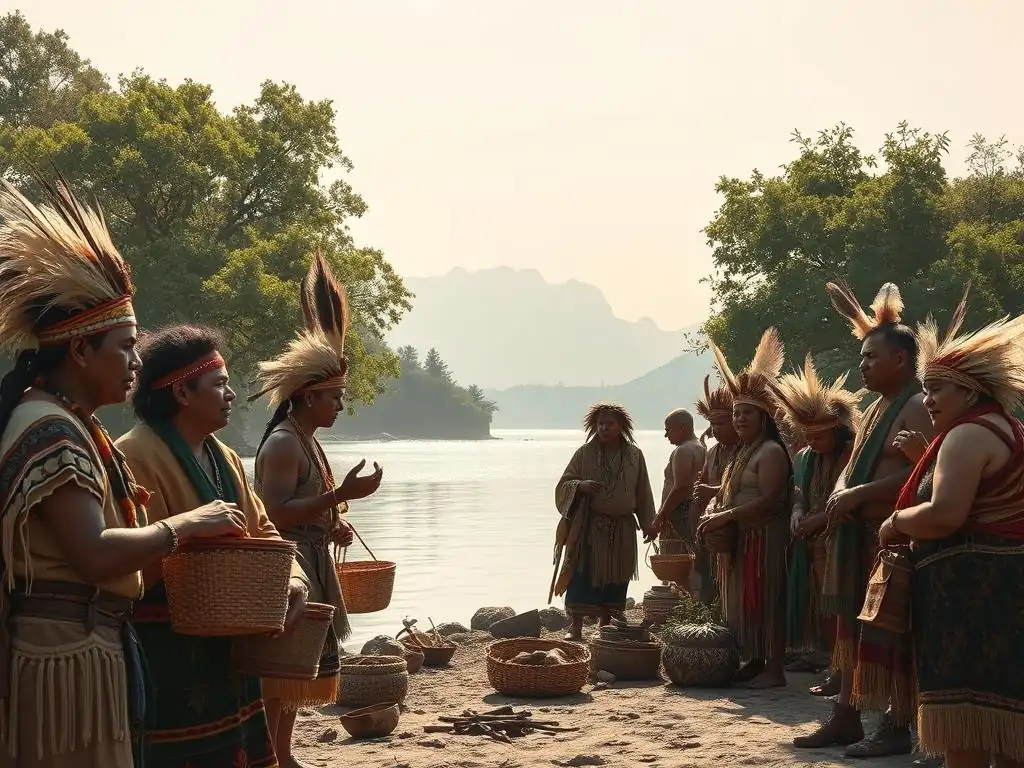
Reviving Traditional Trade Practices Today
In recent years, there has been a resurgence of interest in reviving traditional trade practices among Indigenous communities in North America. This revival is not merely a nostalgic effort but a significant movement towards cultural preservation and economic empowerment. Indigenous peoples are reconnecting with their historical trade routes and practices to foster community resilience and sustainability.
- Cultural Significance: Traditional trade practices are deeply embedded in the cultural identities of Indigenous groups. By revitalizing these systems, communities can reclaim their heritage and strengthen their social fabric.
- Economic Empowerment: Many Indigenous communities are leveraging traditional knowledge to create sustainable businesses. For instance, some are producing traditional crafts, foods, and medicines that not only serve local markets but also attract interest from a wider audience. This has led to the establishment of cooperatives that focus on ethical production and sales.
- Collaborative Networks: Several initiatives have emerged to facilitate collaboration among different tribes and nations. These networks allow for the exchange of goods, ideas, and resources, fostering a sense of unity and shared purpose. For example, the Indigenous Food Sovereignty movement emphasizes the importance of traditional foods and trade as a means of asserting sovereignty and promoting health.
- Modern Technology: The integration of modern technology has played a role in revitalizing Indigenous trade. Online platforms enable artisans and producers to reach broader markets, while social media serves as a tool for storytelling and promoting traditional products. This blend of old and new not only preserves but also innovates traditional trade practices.
The Legacy of Indigenous Trade Systems in Contemporary Culture
The legacy of North America's indigenous trade systems continues to influence contemporary culture in profound ways. The historical trade networks established by Indigenous peoples were not just conduits for goods; they facilitated the exchange of ideas, technologies, and cultural practices that have shaped modern North American society.
- Cultural Exchange: The interactions that occurred through trade fostered a rich tapestry of cultural exchange. Many contemporary art forms, culinary practices, and social structures can trace their lineage back to these networks. For example, the use of certain motifs in Indigenous art often reflects the historical exchanges between tribes.
- Economic Models: The economic principles that underpinned traditional trade systems—such as reciprocity, sustainability, and community well-being—are gaining traction in modern economic discussions. Movements advocating for fair trade and sustainable practices often draw inspiration from Indigenous trade philosophies.
- Educational Initiatives: Increasingly, educational programs are highlighting the importance of Indigenous trade systems as part of North American history. Schools and universities are incorporating Indigenous perspectives into their curricula to educate students about the complex trade networks that existed prior to European contact.
- Policy Advocacy: Indigenous leaders are advocating for policies that recognize and support traditional trade practices. This includes efforts to secure land rights, access to natural resources, and the protection of Indigenous knowledge. Such advocacy not only honors the legacy of Indigenous trade systems but also ensures that they can thrive in the modern economy.
The modern perspectives on North America's indigenous trade systems reflect a dynamic interplay of tradition and innovation. By reviving these practices and recognizing their significance in contemporary culture, Indigenous communities are forging a path towards greater sovereignty, sustainability, and cultural integrity.
Conclusion: The Significance of North America's Indigenous Trade Systems
The trade systems of North America's indigenous peoples were not merely frameworks for the exchange of goods; they were intricate networks that facilitated cultural interaction, economic prosperity, and community cohesion. Understanding these systems offers invaluable insights into the resilience and ingenuity of indigenous societies, illustrating how they adapted to their environments and developed sophisticated economic practices long before European contact.
Indigenous trade routes spanned vast distances, linking diverse communities across the continent. These networks were instrumental in the distribution of essential resources such as food, textiles, and tools, and they fostered relationships that transcended tribal boundaries. The exchange of goods was often accompanied by the exchange of ideas, technologies, and cultural practices, enriching the lives of those involved.
Lasting Impact on Modern Economies and Cultures
The influence of North America's indigenous trade systems can still be seen today in various aspects of contemporary economies and cultures. Indigenous trade practices have contributed to the preservation of traditional knowledge and sustainable practices that many modern economies are now beginning to recognize as vital.
- Cultural Resilience: Many indigenous communities continue to uphold traditional trade practices, which not only support their local economies but also strengthen cultural identity. The resurgence of native crafts, foods, and practices that were once part of these extensive trade networks highlights the enduring legacy of these systems.
- Economic Models: Modern economic theories increasingly draw from traditional indigenous practices, emphasizing sustainability, reciprocity, and community well-being. These principles challenge the dominant paradigms of consumerism and individualism, offering alternative models of economic interaction that prioritize relationships over profit.
- Tourism and Education: Indigenous trade routes are also becoming focal points for tourism and educational initiatives, allowing visitors to engage with and learn from indigenous cultures. This not only promotes economic opportunities for indigenous peoples but also fosters a deeper understanding of their histories and contributions.
Future Directions for Indigenous Trade Research
As interest in indigenous trade systems grows, there are several critical areas for future research that can deepen our understanding of these complex networks:
- Archaeological Studies: Continued archaeological investigations can unveil new insights into the materials and technologies used in trade, as well as the geographic scope of these networks. Such studies may involve the analysis of artifacts, trade routes, and settlement patterns.
- Interdisciplinary Approaches: Collaborations between historians, anthropologists, economists, and indigenous communities can yield a richer, more nuanced understanding of trade systems. These partnerships can help reconstruct historical contexts and assess the impacts of trade on social structures.
- Contemporary Practices: Research should also focus on contemporary indigenous trade practices and their adaptation in the modern economy. Understanding how these practices evolve in response to current challenges can provide valuable lessons for sustainable development.
- Policy Implications: Investigating the impact of trade systems on current policy decisions regarding land use, resource management, and indigenous rights is crucial. This research can inform policymakers and advocate for the recognition of indigenous trade practices in modern economic frameworks.
By exploring these areas, researchers can contribute to a more comprehensive understanding of North America's indigenous trade systems, their historical significance, and their relevance to contemporary society. Through this lens, we can appreciate not only the achievements of indigenous peoples but also their ongoing contributions to the world today.
Frequently Asked Questions
What were the main trade systems among North America's indigenous peoples?
The trade systems varied widely, but they often involved the exchange of goods, such as food, tools, and textiles, across vast distances, showcasing the interconnectedness of tribes.
How did geography influence trade among indigenous cultures?
Geography played a crucial role; access to rivers, mountains, and natural resources determined trade routes and the types of goods exchanged, allowing certain cultures to become trade hubs.
What were some key goods traded in these systems?
Indigenous trade included items like furs, shells, pottery, and agricultural products. These goods not only served practical purposes but also carried cultural significance.
Trade fostered relationships between different tribes, leading to alliances and sometimes conflict. It also contributed to the development of social hierarchies based on wealth and access to resources.
What is the legacy of North America's indigenous trade systems today?
The legacy of these trade systems can be seen in modern economic practices and cultural exchanges, reminding us of the rich history and complex societies that existed long before colonization.
Final Reflection: The Enduring Legacy of North America's Indigenous Trade Systems
The intricate trade systems of North America's Indigenous Peoples are not just historical artifacts; they are living legacies that continue to shape our understanding of commerce, culture, and community today. As we navigate an increasingly globalized world, the lessons learned from these trade networks remind us of the importance of interconnectedness and sustainable practices. The wisdom embedded in these systems serves as a powerful reminder that trade is not merely about exchange but about relationships and respect for the land and its resources.
The influence of Indigenous trade systems extends far beyond their historical context, permeating contemporary discussions on economic sustainability and cultural preservation. These systems exemplify how trade can foster community ties and promote ecological stewardship. As noted by Indigenous scholar Robin Wall Kimmerer, The land is alive, and it is our responsibility to honor it through our actions.
This perspective encourages us to reflect on how we engage with our own communities and the environment, urging us to adopt practices that honor the interconnectedness of all life.
As you ponder the themes presented in this article, I invite you to consider how the principles of North America's Indigenous trade systems can inspire your own actions and choices. Reflect on the relationships you cultivate in your life—whether in business, community, or personal endeavors—and strive to foster connections that honor reciprocity and respect. By embracing these values, we can contribute to a more equitable and sustainable future, ensuring that the wisdom of Indigenous trade practices continues to resonate in our modern world.
Embrace the Legacy: Connect and Contribute!
Thank you for exploring the rich tapestry of North America's Indigenous trade systems with us. This journey highlights the **ingenuity and resilience** of Indigenous Peoples, and now it’s time to turn that inspiration into action!
Here are some simple yet impactful steps you can take:
- Share the knowledge: Discuss what you've learned with friends and family or share on social media; even a simple post can spark curiosity and awareness.
- Engage with local Indigenous communities: Attend a cultural event or workshop to deepen your understanding and build meaningful connections.
- Support Indigenous artisans: Explore online marketplaces or local shops to discover and promote their unique crafts and stories.
How can you integrate the wisdom of Indigenous trade practices into your everyday life? We invite you to share your thoughts below!