
Unique Indigenous Artifacts That Have Stood the Test of Time

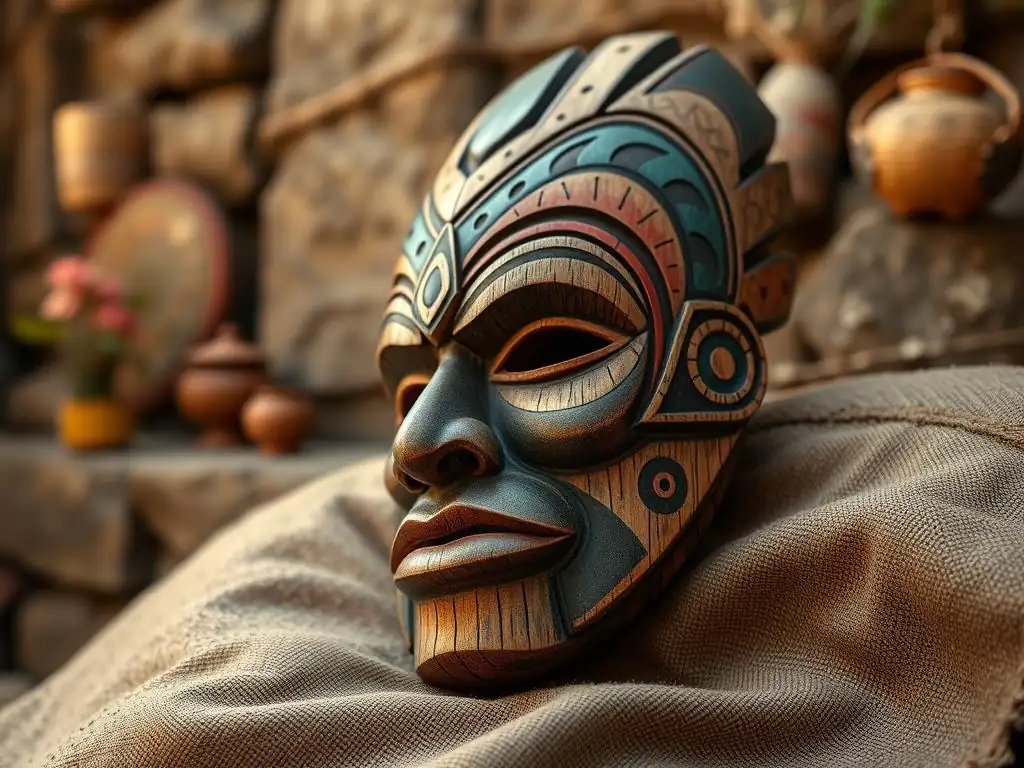
Welcome to Indigenous Civilizations of the Americas, where we invite you to embark on a journey through time and culture. Here, you will discover the timeless indigenous artifacts history that showcases the remarkable achievements and enduring legacies of the diverse cultures that flourished long before European contact.
Our featured article, "Unique Indigenous Artifacts That Have Stood the Test of Time," unveils the stories behind these extraordinary relics and the societies that created them. Prepare to be captivated by the intricate tales of artistry and innovation that await you—dive deeper to uncover the profound impact these artifacts have on our understanding of history!
- Introduction to Timeless Indigenous Artifacts History
- The Cultural Context of Timeless Indigenous Artifacts
- Notable Timeless Indigenous Artifacts
- The Historical Journey of Timeless Indigenous Artifacts
- The Impact of Timeless Indigenous Artifacts on Modern Understanding
- Conclusion: Celebrating Timeless Indigenous Artifacts History
-
Frequently Asked Questions
- What are some examples of unique indigenous artifacts mentioned in the article?
- How do these artifacts reflect timeless indigenous cultures?
- Why is the history of indigenous artifacts important?
- In what ways have these artifacts influenced modern society?
- How can one learn more about the timeless indigenous artifacts and their significance?
- Final Reflection: The Enduring Legacy of Timeless Indigenous Artifacts
- Unveil the Stories Behind Indigenous Artifacts!
Introduction to Timeless Indigenous Artifacts History
The rich tapestry of indigenous cultures across the Americas is woven with countless stories, traditions, and artifacts that offer a glimpse into their remarkable histories. Timeless indigenous artifacts serve as vital links to the past, encapsulating the creativity, spirituality, and everyday lives of the peoples who created them.
These objects, ranging from intricately woven textiles to finely crafted pottery, not only showcase the artistic skills of various civilizations but also reflect their social structures, beliefs, and interactions with their environment. As we delve into the history of these artifacts, we uncover the profound significance they hold, both in their original contexts and in contemporary society, where they continue to inspire and educate.
Overview of Indigenous Artifacts and Their Importance
Indigenous artifacts encompass an extensive variety of objects created by Native American cultures, including tools, ceremonial items, clothing, and art. Each artifact tells a unique story and plays a crucial role in understanding the complexities of indigenous societies. From the ancient civilizations of the Maya and Aztec to the diverse tribes of North America, these artifacts reveal insights into:
- Cultural Practices: Artifacts often embody the beliefs, rituals, and practices of their makers, providing vital information about their worldviews.
- Technological Advancements: Many artifacts demonstrate the ingenuity and skill of indigenous peoples, showcasing their knowledge of materials and techniques.
- Social Structure: The types of artifacts produced can indicate the organization and hierarchy within a society, revealing the roles of different community members.
By studying these artifacts, researchers and enthusiasts alike can appreciate the legacy of indigenous cultures and their enduring impact on modern society.
Significance of Timeless Artifacts in Indigenous Cultures
Timeless artifacts hold immense significance within indigenous cultures, serving as vessels of memory, identity, and resilience. These objects not only connect contemporary indigenous peoples to their ancestors but also play a crucial role in cultural preservation. Some key aspects of their significance include:
- Cultural Identity: Artifacts are expressions of cultural identity, reflecting the unique traditions and values of different indigenous groups. They foster a sense of belonging and continuity among communities.
- Educational Value: These artifacts serve as educational tools, teaching future generations about their heritage and the lessons embedded within their history.
- Cultural Revitalization: As indigenous communities work to revitalize their languages and traditions, artifacts serve as tangible links to their past, inspiring new generations to reclaim and celebrate their cultural heritage.
The history of timeless indigenous artifacts is not merely a tale of objects but a narrative of resilience, creativity, and cultural richness that continues to influence and inform contemporary society. Through the exploration of these artifacts, we gain a deeper appreciation for the indigenous civilizations that have shaped the Americas long before European contact.
The Cultural Context of Timeless Indigenous Artifacts
Understanding Indigenous Civilizations of the Americas
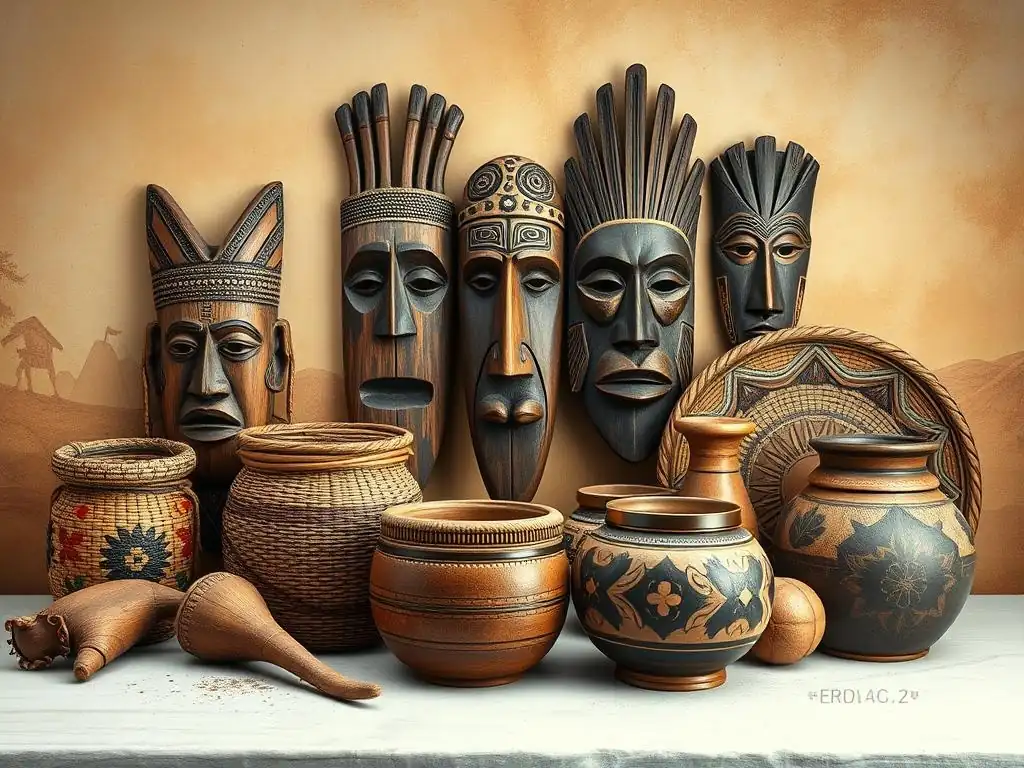
Indigenous civilizations across the Americas were characterized by their rich cultural traditions, sophisticated social structures, and deep connection to the land. From the intricate societies of the Maya, Aztec, and Inca to the diverse tribes of North America, each civilization produced unique artifacts that reflected their beliefs, lifestyle, and technological achievements.
These artifacts serve as a window into their world, illustrating not only the creativity and craftsmanship of indigenous peoples but also their spiritual and communal values. For instance, the Maya civilization, renowned for its advanced writing system and calendar, left behind exquisite pottery and intricate stone carvings that depict their cosmology and societal hierarchy. Similarly, the Inca Empire is celebrated for its architectural marvels, such as Machu Picchu, and the craftsmanship of textiles and metalwork that conveyed both status and artistry.
| Civilization | Notable Artifacts | Significance |
|---|---|---|
| Maya | Pottery, Stelae, Codices | Reflected social structure, mythology, and historical events |
| Aztec | Featherwork, Stone Sculptures | Represented religious beliefs and political power |
| Inca | Textiles, Gold Artifacts | Denoted status and were integral to cultural rituals |
| Plains Tribes | Beaded Jewelry, Tipis | Showcased identity and adaptation to the environment |
The timeless indigenous artifacts history reveals not only the artistic talent of these civilizations but also their adaptability and resilience over centuries. Many artifacts were created for functional purposes, but they also held significant cultural meaning, often used in rituals or as symbols of community identity.
The Role of Artifacts in Indigenous Societies
Artifacts played a multifaceted role in indigenous societies, serving practical, ceremonial, and symbolic functions. They were not merely objects but integral parts of the community's identity and spiritual beliefs.
- Practical Uses: Tools, weapons, and everyday items were crafted to meet the needs of daily life. For example, the Navajo created intricate pottery and weaving that were both functional and artistic, illustrating a deep understanding of their environment and resources.
- Ceremonial Significance: Many artifacts were produced for rituals, such as masks used in ceremonies or offerings made to deities. The Tlingit people of the Pacific Northwest, for example, carved totem poles that conveyed clan lineage and spiritual beliefs, linking the physical and spiritual realms.
- Cultural Transmission: Artifacts served as educational tools, passing down knowledge from generation to generation. The creation of specific items often involved traditional methods passed through familial lines, ensuring the preservation of cultural practices.
- Symbol of Identity: Artifacts often embodied the identity of a community, representing values, beliefs, and societal structure. For instance, the distinctive pottery styles of the Pueblo peoples not only served practical uses but also communicated cultural narratives and identity through their designs and motifs.
The exploration of timeless indigenous artifacts history reveals a complex interplay of culture, functionality, and identity within indigenous societies. These artifacts stand as testaments to the creativity, resilience, and enduring legacy of the diverse civilizations that once thrived across the Americas.
Notable Timeless Indigenous Artifacts
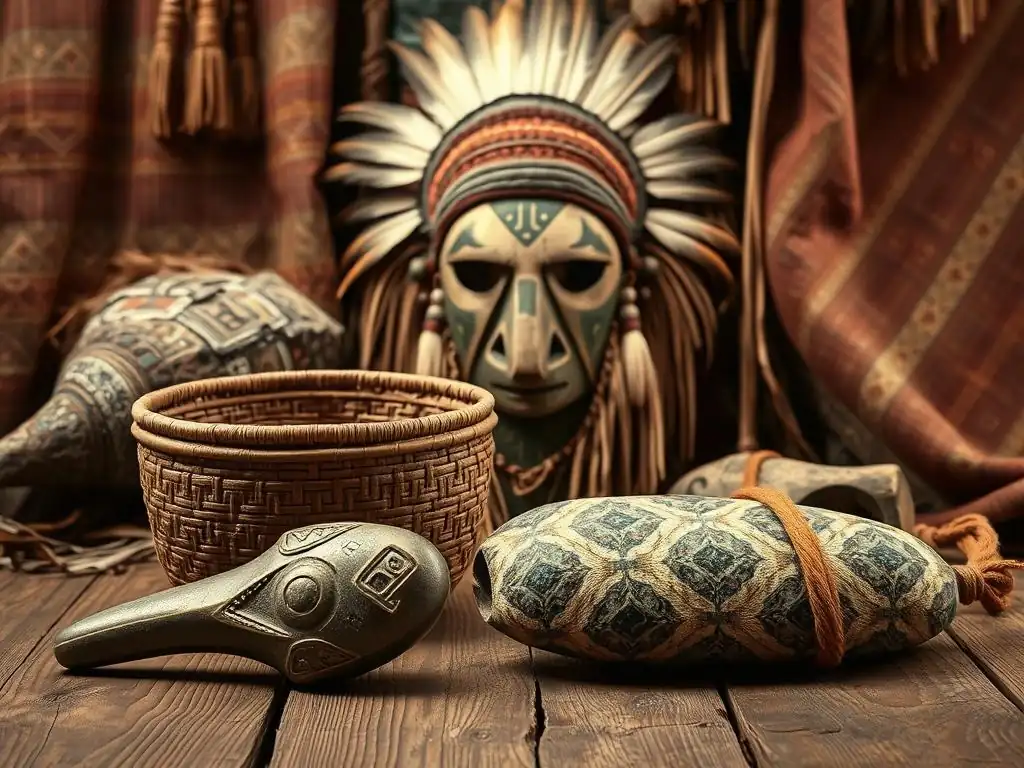
The rich tapestry of indigenous cultures across the Americas is reflected in the unique artifacts that have survived through centuries, providing insight into their daily lives, beliefs, and artistry. These timeless indigenous artifacts not only showcase the exceptional craftsmanship of these civilizations but also narrate stories that have shaped the cultural landscape of the continent. From intricately designed pottery to finely crafted stone tools and textiles, each artifact serves as a testament to the ingenuity and resilience of indigenous peoples.
Ancient Pottery and Its Cultural Significance
Ancient pottery stands as one of the most significant artifacts that reveal the social and cultural dynamics of indigenous civilizations. Pottery was not merely functional; it was a canvas for artistic expression and a medium through which cultural values were communicated.
- Variety of Uses: Different types of pottery served various purposes, including cooking, storage, and ceremonial uses. Each type was often uniquely designed to reflect local resources and cultural practices.
- Artistic Styles: Indigenous potters developed distinct styles that varied by region. For example, the intricate geometric patterns of the Pueblo peoples in the Southwest contrasted sharply with the vibrant polychrome designs of the Mississippian cultures.
- Symbolic Meanings: Many pottery designs contained symbolic meanings, often related to fertility, spirituality, or nature. These motifs not only enhanced the aesthetic appeal but also reinforced community beliefs and practices.
The survival of these ancient pottery pieces allows for a deeper understanding of the social structures and environmental adaptations of the cultures that produced them.
Stone Tools: Craftsmanship and Uses
Stone tools are among the earliest artifacts that illustrate the technological advancements of indigenous peoples. The craftsmanship involved in creating these tools showcases a deep understanding of materials and their applications.
- Material Selection: Indigenous artisans often used specific types of stone, such as flint or obsidian, for their sharpness and durability. This selection process highlights their intimate knowledge of the environment.
- Tool Types: Various tools were created for different purposes, including hunting, gathering, and processing food. Common types included spear points, knives, and grinding stones, each tailored to meet specific needs.
- Cultural Importance: Beyond their practical uses, stone tools also played a role in cultural practices. For instance, ceremonial tools were often crafted with greater care and artistry, reflecting their significance in rituals and traditions.
The enduring presence of these stone tools provides a window into the daily lives of indigenous peoples, revealing their resourcefulness and adaptability.
Textiles: Weaving Techniques and Symbolism
Textiles are another remarkable category of timeless indigenous artifacts, showcasing the sophisticated weaving techniques and cultural narratives woven into fabric.
- Diverse Techniques: Indigenous cultures employed various weaving methods, from simple looms to complex patterns. Techniques varied widely, influenced by regional resources and cultural practices.
- Symbolism in Patterns: Textiles often featured designs that held specific meanings, such as clan affiliations, spiritual beliefs, or historical events. The patterns were not only decorative but served as a form of storytelling.
- Cultural Exchange: The trade of textiles among different indigenous groups illustrates the interconnectedness of cultures and the sharing of techniques and motifs.
The survival of these textiles allows for a rich exploration of identity, tradition, and the artistry inherent in indigenous cultures. Through the study of these artifacts, we gain a greater appreciation for the skill and creativity that have persisted through time, embodying a legacy that continues to inspire.
Ritual Objects: Spiritual Importance and Uses
Ritual objects hold immense spiritual significance within various indigenous cultures across the Americas. These artifacts are not merely ceremonial tools; they embody the beliefs, traditions, and cosmologies of the communities that created them. The use of ritual objects can be seen as a means to connect with ancestral spirits, deities, and the natural world.
Types of Ritual Objects
Ritual objects can be categorized into several types, each serving unique purposes within spiritual practices. Key categories include:
- Masks: Often used in ceremonies and dances, masks represent various spirits or gods. They are crafted with intricate designs and materials, conveying the identity of the being they represent.
- Altars: These are sacred spaces adorned with offerings, symbols, and ritual objects, serving as a focal point for worship and connection with the spiritual realm.
- Ceremonial Tools: Items such as rattles, drums, and staffs are employed during rituals to invoke spiritual energies and create rhythmic patterns that enhance the participants' connection to the divine.
- Offerings: These can include food, flowers, and other items presented to spirits as a sign of respect and gratitude.
Spiritual Functions of Ritual Objects
The spiritual functions of these artifacts are vast and varied:
- Connection to the Divine: Ritual objects facilitate communication between the physical and spiritual worlds. They serve as intermediaries, helping practitioners invoke the presence of deities or ancestors.
- Cultural Identity: The creation and use of ritual objects are deeply tied to cultural identity. They reflect the values, history, and artistic expression of a community, reinforcing cultural continuity.
- Healing and Protection: Many indigenous cultures use ritual objects in healing practices, believed to possess protective qualities against negative energies or illnesses.
- Rites of Passage: During significant life events, such as births, marriages, or funerals, specific ritual objects are used to mark transitions and honor the individuals involved.
Examples of Timeless Ritual Artifacts
Several notable artifacts exemplify the importance of ritual objects in indigenous cultures:
- The Haida Argillite Masks: Crafted by the Haida people of the Pacific Northwest, these masks are not only artistic masterpieces but also integral to their ceremonial practices, symbolizing various spirits.
- Mayan Copal Incense Holders: Used in conjunction with copal resin, these holders are significant in Mayan rituals, believed to carry prayers to the gods when the copal is burned.
- Andean Khipus: While primarily seen as recording devices, Khipus also played a role in rituals, serving as a representation of the interconnectedness of life and the cosmos.
Ritual objects are a testament to the spiritual depth and cultural richness of indigenous civilizations in the Americas. Their enduring importance highlights the ways these communities sought to understand and engage with the world around them, creating artifacts that resonate with meaning and significance across generations.
The Historical Journey of Timeless Indigenous Artifacts
Preservation through Generations: How Artifacts Survived
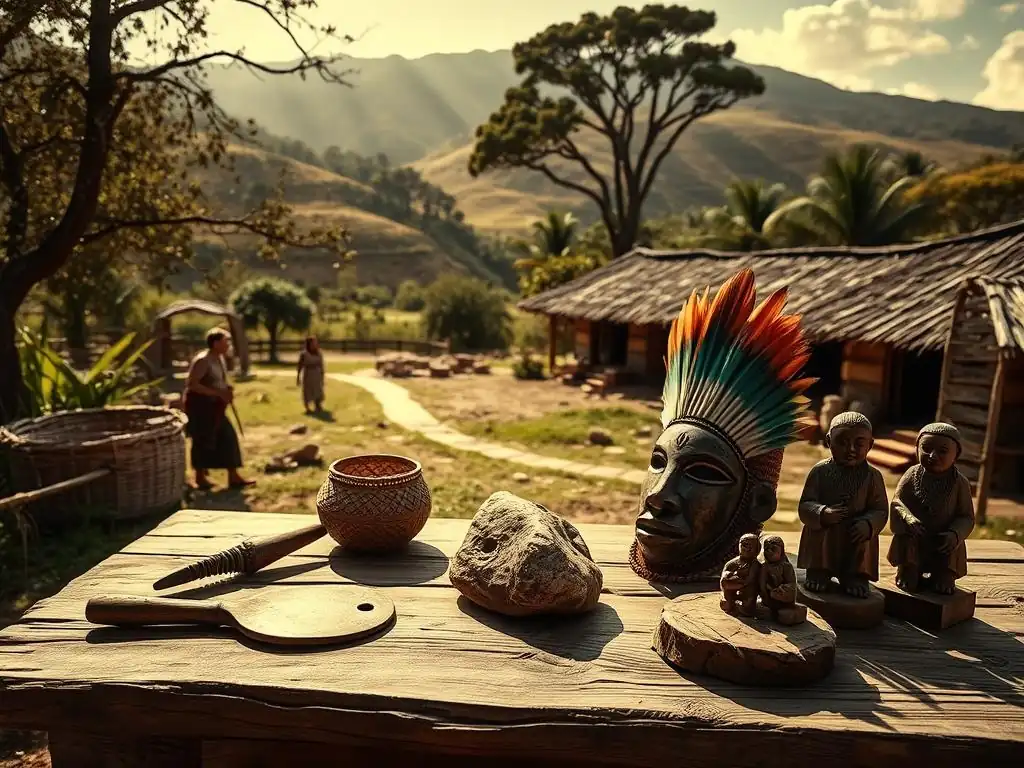
The preservation of indigenous artifacts is a remarkable testament to the resilience and ingenuity of various cultures throughout the Americas. Many artifacts have survived centuries, often due to natural preservation methods and the deep reverence indigenous peoples have for their heritage.
- Natural Preservation Techniques:
- Environmental Factors: Items made from durable materials like stone, ceramics, and metals have better chances of surviving through time. For instance, the dry conditions in the Southwestern United States have helped preserve pottery and textiles from the Ancestral Puebloans.
- Burial Practices: Artifacts buried in tombs or ceremonial sites often remained intact, shielded from the elements. The famous Moche tombs in Peru, filled with intricately crafted ceramics and metalwork, exemplify this practice.
- Cultural Reverence:
- Indigenous cultures often view artifacts as sacred. This respect contributes to careful handling and storage, ensuring that items are passed down through generations. Many tribes maintain oral histories and traditions that reinforce the significance of these artifacts, further embedding them within cultural practices.
- Innovative Repair Techniques:
- Tribes have developed methods to repair and maintain artifacts. For example, some Native American groups continue to create pottery using ancient techniques, effectively blending traditional craftsmanship with modern conservation.
Archaeological Discoveries: Uncovering the Past
The field of archaeology has played a crucial role in rediscovering and preserving the rich history of indigenous cultures. Through systematic excavations and research, archaeologists have uncovered numerous artifacts that provide insight into the lives of indigenous peoples.
- Significant Excavations:
- Major archaeological sites such as Cahokia in Illinois and Chichen Itza in Mexico have yielded thousands of artifacts, including tools, ceremonial items, and architectural remains. These findings help reconstruct daily life and societal structures of pre-colonial civilizations.
- Interdisciplinary Approaches:
- Archaeologists collaborate with historians, anthropologists, and indigenous communities to gain a holistic understanding of artifacts. This partnership not only aids in accurate interpretation but also ensures that cultural sensitivities are respected during the excavation and analysis processes.
- Technological Advances:
- Modern technology, such as ground-penetrating radar and 3D scanning, has revolutionized the field. These tools allow researchers to identify and analyze sites without disturbing them, preserving the integrity of the artifacts in their original context.
Case Studies of Specific Artifacts and Their Histories
Several timeless indigenous artifacts stand out for their historical significance and the stories they tell. Here are three notable examples:
- The Inca Quipu:
- The Inca civilization utilized quipus, intricate knotted strings, as a form of record-keeping. These artifacts, made from cotton or wool, were used to convey information related to taxation, census, and historical events. The legacy of quipus highlights the advanced communication systems of the Incas, showcasing their ability to maintain complex administrative structures without a written language.
- The Hopewell Effigy Mounds:
- Located in the Ohio River Valley, these mounds were constructed by the Hopewell culture between 200 B.C. and 500 A.D. They often took the form of animals or celestial bodies, reflecting the spiritual beliefs of the community. The mounds serve as both burial sites and ceremonial structures, emphasizing the connection between the living and the spiritual world. Their enduring presence illustrates the community’s profound relationship with their environment.
- Maya Codices:
- The Maya civilization produced a series of codices, which are folding books made from bark paper, that contain hieroglyphic texts and intricate illustrations. Only a few codices survived Spanish colonization, but they provide invaluable insight into Maya astronomy, mythology, and daily life. The preservation of these codices underscores the importance of written records in maintaining cultural identity in the face of external pressures.
The historical journey of timeless indigenous artifacts reveals a rich tapestry of cultural heritage, preservation techniques, and significant archaeological discoveries. Through the study of these artifacts, we gain profound insights into the lives, beliefs, and achievements of indigenous civilizations across the Americas.
The Impact of Timeless Indigenous Artifacts on Modern Understanding
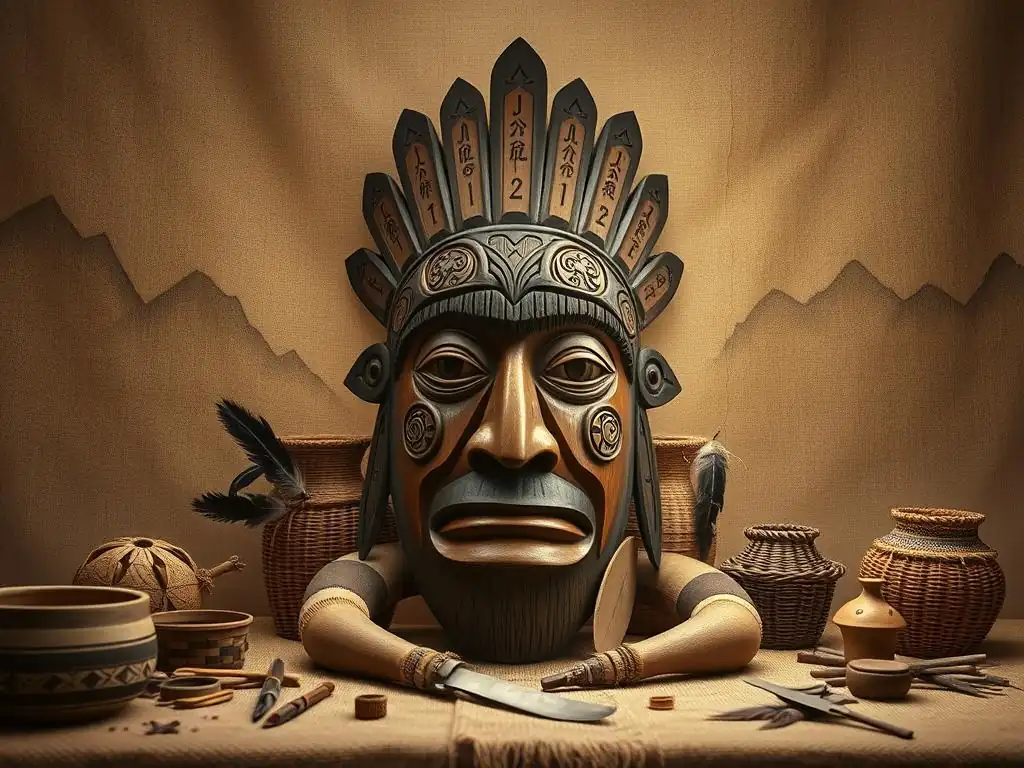
Timeless indigenous artifacts play a crucial role in shaping our understanding of historical and contemporary indigenous cultures. These objects, which range from pottery and textiles to tools and ceremonial items, provide insights into the daily lives, beliefs, and societal structures of indigenous peoples before European colonization. By studying these artifacts, we can better appreciate the complexities and achievements of these civilizations, as well as their lasting influence on modern cultures.
Influences on Contemporary Art and Culture
Indigenous artifacts have significantly influenced contemporary art and culture, inspiring artists and creators around the globe. Many modern artists draw upon traditional indigenous practices, techniques, and motifs to create works that resonate with both historical significance and contemporary relevance.
- Artistic Techniques: Traditional methods of weaving, pottery, and carving are often revived in modern art. For instance, the intricate beadwork of the Plains tribes has inspired countless jewelry designers, while the pottery techniques of the Pueblo peoples have seen a resurgence in modern ceramic art.
- Cultural Narratives: Artists frequently use their work to tell stories that reflect indigenous histories and experiences, challenging dominant narratives and offering a more nuanced understanding of indigenous identity.
- Collaborative Works: Many contemporary exhibitions feature collaborations between indigenous and non-indigenous artists, fostering cross-cultural dialogue and promoting awareness of indigenous issues.
These influences are not only artistic but also serve as a means of cultural preservation, ensuring that traditional practices and stories remain vibrant and relevant in today's society.
Educational Importance of Indigenous Artifacts
Indigenous artifacts serve as vital educational tools, providing opportunities for learning about diverse cultures and histories.
- Museum Exhibitions: Museums across the Americas curate exhibits that showcase indigenous artifacts, allowing visitors to engage with the rich histories of these civilizations. These exhibitions often include educational programs, workshops, and lectures that deepen understanding and appreciation of indigenous cultures.
- Academic Research: Scholars utilize artifacts to conduct research that sheds light on various aspects of indigenous life, including social organization, trade networks, and religious practices. This research contributes to a broader understanding of human history and cultural evolution.
- Cultural Awareness: Educators incorporate indigenous artifacts into curricula to foster respect and appreciation for indigenous cultures among students. By learning about the significance of these artifacts, students gain a deeper understanding of the impacts of colonization and the resilience of indigenous communities.
By emphasizing the educational importance of these artifacts, we can inspire future generations to respect and honor indigenous heritage.
Challenges in Preserving Indigenous Heritage
Despite the significance of timeless indigenous artifacts, preserving this heritage poses numerous challenges.
- Environmental Threats: Artifacts are often at risk due to climate change, which can lead to the deterioration of archaeological sites. Rising temperatures and increased precipitation can erode structures, while natural disasters may destroy irreplaceable artifacts.
- Cultural Appropriation: The commercialization of indigenous artifacts raises ethical concerns. Misrepresentation and exploitation can dilute the cultural significance of these items, leading to a disconnect between the artifacts and their original meanings.
- Legal and Political Barriers: Many indigenous communities face challenges in reclaiming and preserving their cultural heritage due to legal restrictions or lack of recognition. The repatriation of artifacts held in museums and private collections remains a contentious issue.
Efforts to address these challenges must prioritize collaboration with indigenous communities, ensuring that their voices are heard in the preservation and interpretation of their heritage.
Timeless indigenous artifacts are not only crucial for understanding the past but also for shaping contemporary culture and education. As we work to preserve these invaluable pieces of history, we must remain mindful of the challenges that lie ahead, striving to respect and honor the rich legacies of the indigenous peoples of the Americas.
Conclusion: Celebrating Timeless Indigenous Artifacts History
The exploration of timeless indigenous artifacts history reveals not only the remarkable craftsmanship of ancient cultures but also their deep-rooted connections to the land, spirituality, and community. These artifacts serve as tangible legacies, telling stories of resilience, innovation, and cultural identity. By examining these unique creations, we gain insight into the rich tapestry of indigenous life prior to European colonization, enriching our understanding of their enduring significance.
The Legacy of Indigenous Artifacts in Today's World
Indigenous artifacts are more than just historical remnants; they are symbols of cultural continuity. Many contemporary indigenous communities still draw inspiration from their ancestors' work, incorporating traditional techniques into modern artistic expressions. For example, pottery styles originating from the Pueblo cultures continue to evolve while retaining their ancestral roots.
| Artifact Type | Example | Cultural Significance |
|---|---|---|
| Pottery | Pueblo pottery | Represents community, storytelling, and traditions |
| Textiles | Navajo rugs | Embodies the history and symbolism of the Navajo people |
| Jewelry | Inuit carvings | Reflects connection to nature and spirituality |
Moreover, these artifacts serve as educational tools, fostering a greater understanding of indigenous history among non-indigenous populations. Through museums and exhibitions, we can witness the intricate craftsmanship and the profound meanings behind these works, bridging gaps between cultures and promoting respect for indigenous heritage.
Encouraging Appreciation and Preservation of Indigenous Cultures
The preservation of timeless indigenous artifacts history is crucial for nurturing indigenous identities and fostering appreciation for their cultures. Efforts to protect these artifacts must involve collaboration with indigenous communities, ensuring that their voices are heard in matters of conservation and representation.
- Community Involvement: Engaging local communities in preservation efforts helps maintain cultural practices and knowledge, creating a sense of ownership and pride.
- Education Initiatives: Programs aimed at educating the public about indigenous cultures can foster appreciation and respect for their contributions to society.
- Sustainable Practices: Encouraging sustainable practices in artifact preservation ensures that these treasures remain intact for future generations.
Celebrating the timeless indigenous artifacts history not only honors the past but also illuminates the path forward for indigenous communities and their allies. By appreciating and preserving these artifacts, we contribute to a broader understanding of the diverse cultures that have shaped the Americas, ensuring that the stories of these vibrant civilizations continue to be told for generations to come.
Frequently Asked Questions
What are some examples of unique indigenous artifacts mentioned in the article?
The article highlights artifacts such as pottery, textiles, and tools that showcase the creativity and craftsmanship of indigenous cultures.
How do these artifacts reflect timeless indigenous cultures?
These artifacts provide insights into the daily lives, belief systems, and artistic expressions of indigenous peoples, illustrating their enduring legacy in history.
Why is the history of indigenous artifacts important?
Understanding the history of these artifacts helps preserve the cultural heritage of indigenous peoples and acknowledges their contributions to human civilization.
In what ways have these artifacts influenced modern society?
Many designs and techniques found in indigenous artifacts continue to inspire contemporary artists and designers, fostering a connection to cultural roots.
How can one learn more about the timeless indigenous artifacts and their significance?
The website provides a comprehensive exploration of artifacts, including their cultural context, historical significance, and impact on both indigenous and global cultures.
Final Reflection: The Enduring Legacy of Timeless Indigenous Artifacts
The history of timeless indigenous artifacts is not merely a record of the past; it is a vibrant testament to the resilience and creativity of cultures that have thrived for centuries. In our fast-paced world, where trends come and go, these artifacts remind us of the profound connection between art, identity, and heritage. They serve as a bridge between generations, inviting us to explore the stories, traditions, and values that have shaped indigenous communities throughout history.
The influence of these artifacts extends far beyond their aesthetic appeal; they play a crucial role in the cultural landscape, inspiring contemporary artists and fostering a deeper appreciation for indigenous narratives. The intricate designs and meanings embedded in these pieces challenge us to recognize the importance of preserving cultural heritage in an ever-changing society.
As the renowned artist and activist Ai Weiwei once said, "> Art is a reflection of the world, and it is our responsibility to ensure that all voices are heard." This sentiment resonates deeply when we consider the significance of indigenous artifacts in amplifying the stories of those who have often been marginalized.
As we reflect on the lessons imparted by these timeless artifacts, I invite you to consider how you can engage with and support indigenous cultures in your own life. Take a moment to appreciate the artistry and history behind these creations, and seek out opportunities to learn from indigenous communities. Whether through visiting museums, attending cultural events, or supporting indigenous artisans, every action contributes to the preservation of these invaluable legacies. Let us honor the past, celebrate the present, and work together to ensure that the stories of indigenous peoples continue to be told for generations to come.
Unveil the Stories Behind Indigenous Artifacts!
Thank you for diving into the rich world of unique indigenous artifacts! We hope this journey has illuminated the cultural significance and artistry that have stood the test of time. Now, it's your turn to celebrate and contribute to this vibrant legacy.
Here are some meaningful actions you can take:
- Explore local museums or galleries that showcase indigenous artifacts, allowing you to learn more about their meanings and histories.
- Share your newfound knowledge by discussing these artifacts with friends or on social media, inspiring a greater appreciation for indigenous cultures.
- Consider visiting a nearby indigenous community to experience their art firsthand and support traditional artisans and storytellers.
Which artifact intrigued you the most, and how do you plan to honor its story?