
The Olmec Enigma: How Recent Excavations Are Changing Our Understanding of Their Civilization

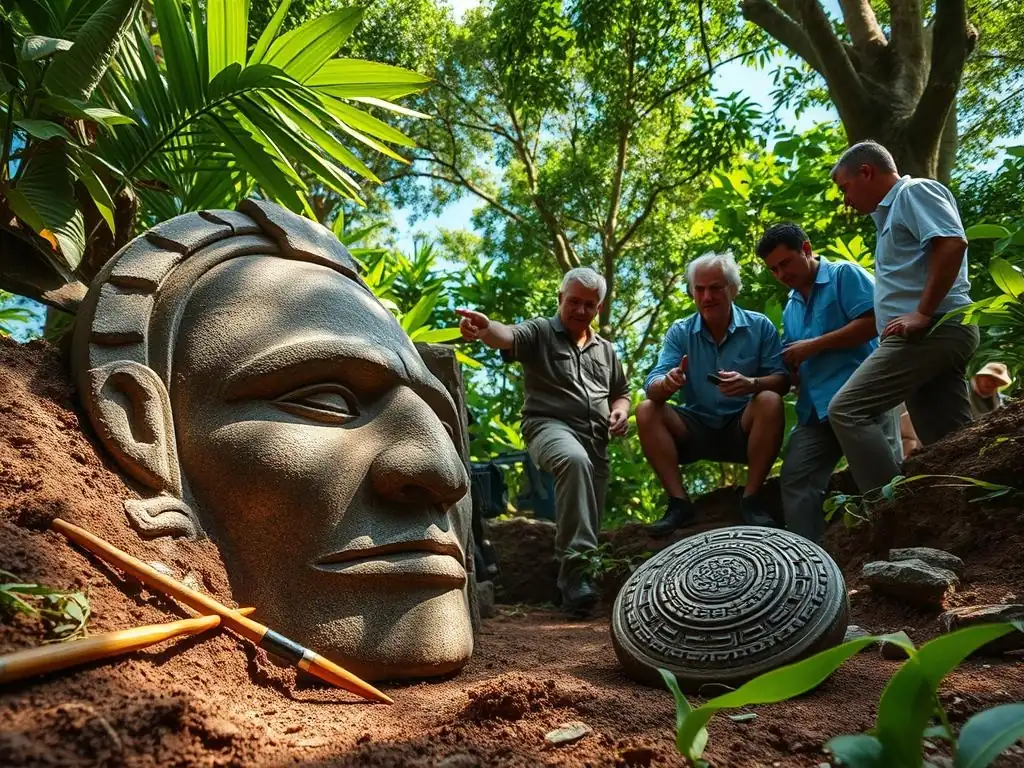
Welcome to "Indigenous Civilizations of the Americas," where we invite you to journey through the rich tapestry of pre-colonial cultures that shaped the Americas. In this exploration, we shine a spotlight on the Olmec civilization, delving into the latest archaeological discoveries that are reshaping our understanding of their enigmatic society. What secrets lie beneath the earth, waiting to be uncovered? Join us as we unravel the mysteries of the Olmec and discover how these findings connect to the broader narrative of indigenous achievements and their enduring legacy.
Introduction to the Olmec Civilization
The Olmec civilization, often regarded as the "Mother Culture" of Mesoamerica, holds a pivotal place in the history of indigenous societies in the Americas. Flourishing between approximately 1200 BCE and 400 BCE in the fertile Gulf Coast region of present-day Mexico, the Olmecs were distinguished by their monumental architecture, intricate art, and sophisticated social structures.
Recent archaeological discoveries have begun to unravel the complexities of this enigmatic civilization, revealing insights into their daily life, governance, and spiritual beliefs. This article delves into how these discoveries are reshaping our understanding of Olmec society and its lasting impact on subsequent cultures in the Americas.
Overview of Olmec Civilization and Its Significance
The Olmec civilization is notable for its significant contributions to art, religion, and urban planning, setting the groundwork for later Mesoamerican cultures such as the Maya and Aztec. Key features of Olmec society included:
- Monumental Sculpture: The Olmecs are famous for their colossal heads, carved from basalt, which are believed to represent rulers or influential figures.
- Complex Urban Centers: Sites like San Lorenzo and La Venta showcased advanced urban planning, with ceremonial complexes and elaborate drainage systems.
- Cultural Innovations: The Olmecs are credited with early developments in writing, mathematics, and calendrical systems, which influenced future civilizations.
The significance of the Olmec civilization extends beyond its temporal existence; it laid foundational cultural and technological advancements that shaped the trajectory of Mesoamerican history.
Importance of Archaeological Discoveries in Understanding Olmec Society
Archaeological discoveries play a crucial role in piecing together the Olmec narrative, offering tangible evidence of their societal structures and cultural practices. Recent excavations have unearthed artifacts, such as pottery, tools, and artistic objects, which provide insight into:
- Daily Life: Items related to agriculture, trade, and domestic activities help reconstruct the everyday experiences of the Olmec people.
- Religious Practices: The discovery of ceremonial artifacts and altars sheds light on the religious beliefs and rituals that were central to Olmec culture.
- Social Hierarchies: Evidence of elite burials and monumental architecture indicates a stratified society with complex social hierarchies.
These discoveries not only illuminate the intricacies of Olmec civilization but also challenge long-held assumptions about their way of life.
Recent Excavations: A New Era in Olmec Research
The past few decades have witnessed a surge in archaeological interest in the Olmec civilization, leading to groundbreaking discoveries that are reshaping our understanding of this ancient culture. With advancements in technology and methodology, researchers are uncovering new sites and artifacts that contribute to a more nuanced view of the Olmecs.
Key Sites of Recent Olmec Archaeological Discoveries
Several key archaeological sites have become focal points for recent discoveries, revealing new layers of Olmec history:
- San Lorenzo: Once considered the earliest Olmec capital, recent excavations have uncovered evidence of complex rituals and social organization.
- La Venta: Ongoing studies at La Venta are revealing insights into Olmec art, including large-scale sculptures that signify the importance of ritual in their culture.
- Tres Zapotes: This site has yielded important findings related to Olmec writing and early calendrical systems, suggesting a sophisticated level of abstraction in their intellectual pursuits.
These sites not only highlight the geographical spread of Olmec influence but also indicate the diversity of practices and beliefs across different regions.
Innovative Techniques in Olmec Excavations
The application of innovative archaeological techniques has significantly enhanced the understanding of Olmec civilization. Among these methods are:
- LiDAR Technology: This aerial scanning technology allows researchers to create detailed topographical maps of sites, revealing structures hidden beneath dense vegetation.
- Ground Penetrating Radar (GPR): GPR is employed to detect subsurface structures, enabling archaeologists to locate potential excavation sites without disturbing the ground.
- 3D Modeling and Analysis: Advanced imaging techniques facilitate the reconstruction of artifacts and site layouts, providing a clearer picture of Olmec spatial organization and artistic expression.
These technologies are revolutionizing archaeological practices and yielding findings that challenge previous interpretations of Olmec civilization. As a result, our understanding of their achievements and legacy continues to evolve, offering a richer perspective on this ancient culture.
Groundbreaking Findings from Recent Olmec Discoveries
Recent archaeological discoveries in the Olmec region have significantly reshaped our understanding of this ancient civilization. Excavations at key sites such as La Venta and San Lorenzo have unveiled a wealth of artifacts and structures that offer new insights into Olmec life, culture, and societal organization. These findings are not only redefining the narrative surrounding the Olmec civilization but also highlighting its complexity and interconnectedness with other Mesoamerican cultures.
Through advanced archaeological techniques, including ground-penetrating radar and 3D imaging, researchers have been able to map out previously hidden structures and artifacts. This technology allows archaeologists to uncover layers of history that were once buried, revealing the Olmecs' sophisticated urban planning and intricate societal structures. The implications of these discoveries extend beyond the Olmecs themselves, prompting a reevaluation of their influence on subsequent civilizations in the region.
Artifacts Unearthed: What They Reveal About the Olmec Civilization
The recent excavations have yielded an impressive array of artifacts that provide a glimpse into the daily lives, beliefs, and artistic expressions of the Olmec people. Among the most notable discoveries are intricately carved jadeite and serpentine objects, which suggest that the Olmecs placed a significant emphasis on craftsmanship and artistic detail. These artifacts often depict human figures, animals, and supernatural beings, indicating a rich mythological tradition.
Additionally, pottery remains have been recovered, showcasing various styles and functions, from utilitarian wares to ceremonial pieces. Analysis of these artifacts reveals information about trade relationships, as certain materials found in these pottery fragments indicate interactions with other cultures across Mesoamerica. The symbolism and iconography present in these artifacts further suggest a complex belief system that integrated elements of nature, society, and spirituality.
Architectural Discoveries: Insights into Olmec Urban Planning
The architectural discoveries at Olmec sites have been nothing short of revolutionary. Excavations have uncovered monumental structures, such as the iconic colossal heads, altars, and complex mounds. These features suggest that the Olmecs had advanced knowledge of engineering and urban planning. The layout of their cities reflects a well-organized society capable of mobilizing resources and labor for large-scale construction projects.
The discovery of residential areas indicates a stratified society, with different zones likely serving various socioeconomic classes. Furthermore, the orientation and alignment of buildings provide insights into the Olmec's astronomical knowledge and their integration of cosmological principles into urban design. These findings collectively point to a civilization that was not only architecturally sophisticated but also deeply connected to their environment and spiritual beliefs.
Burial Sites and Ritual Practices: Understanding Olmec Spirituality
Recent excavations of burial sites have shed light on the spiritual practices and beliefs of the Olmec civilization. These sites often contain elaborate grave goods, including ceramics, jade artifacts, and offerings, indicating a belief in an afterlife and the importance of ritual in their culture. The presence of multiple individuals in some burial contexts suggests complex burial practices that may have included ancestor veneration or communal rituals.
Analysis of skeletal remains has provided further insights into health, diet, and social status within the Olmec society. Isotopic analysis of bones indicates a varied diet, including maize, beans, and other local resources, which highlights their agricultural practices. The funerary contexts also suggest a strong connection between social hierarchy and burial practices, with wealthier individuals receiving more elaborate interments, reflecting their status within the community.
The Impact of Recent Discoveries on Olmec Civilization Understanding
The recent archaeological discoveries have prompted a reevaluation of many long-held assumptions about the Olmec civilization. Scholars are increasingly recognizing the Olmecs not merely as a precursor to later Mesoamerican cultures but as a foundational civilization with its unique contributions to the region's history. These discoveries are reshaping our understanding of their cultural, social, and political dynamics.
Reevaluating Olmec Social Structure through Archaeological Evidence
The evidence unearthed from recent excavations has led to a more nuanced understanding of Olmec social structures. The complexity of their urban environments and the stratification observed in residential areas suggest that the Olmec society was organized into distinct social classes. This challenges previous notions that viewed the Olmec as a more egalitarian society.
Furthermore, the presence of monumental architecture and ceremonial sites indicates that leadership roles may have been tied to religious or political authority, suggesting a theocratic or hierarchical governance system. These insights are crucial for understanding how the Olmecs may have influenced later civilizations, such as the Maya and Aztecs, in terms of social organization and governance.
New Perspectives on Olmec Trade and Economy
Recent findings have also illuminated the Olmec economy and trade networks, revealing that they were not isolated but rather active participants in regional commerce. The discovery of materials not native to the Olmec heartland, such as obsidian and certain types of ceramics, indicates extensive trade routes that connected them with other cultures across Mesoamerica.
The wealth of artifacts associated with trade has led researchers to propose that the Olmec civilization may have played a pivotal role as intermediaries in the exchange of goods and ideas, fostering cultural interactions that shaped the development of the region. This new perspective highlights the Olmecs' economic sophistication and their impact on the broader Mesoamerican trade systems.
The Role of Olmec Civilization in Mesoamerican History
The recent archaeological discoveries have significant implications for understanding the Olmec civilization's place in the broader context of Mesoamerican history. Traditionally viewed as a civilization that laid the groundwork for later cultures, new findings suggest that the Olmecs were active innovators with their own distinct achievements.
Their advancements in art, architecture, and societal organization laid essential foundations that would influence subsequent civilizations, such as the Maya and the Aztecs. Additionally, the Olmec religious practices and mythological themes can be traced through later Mesoamerican cultures, emphasizing their lasting legacy. As scholars continue to analyze these discoveries, the Olmec civilization is increasingly recognized as a crucial player in the rich tapestry of pre-Columbian history.
Challenges and Controversies in Olmec Archaeological Discoveries
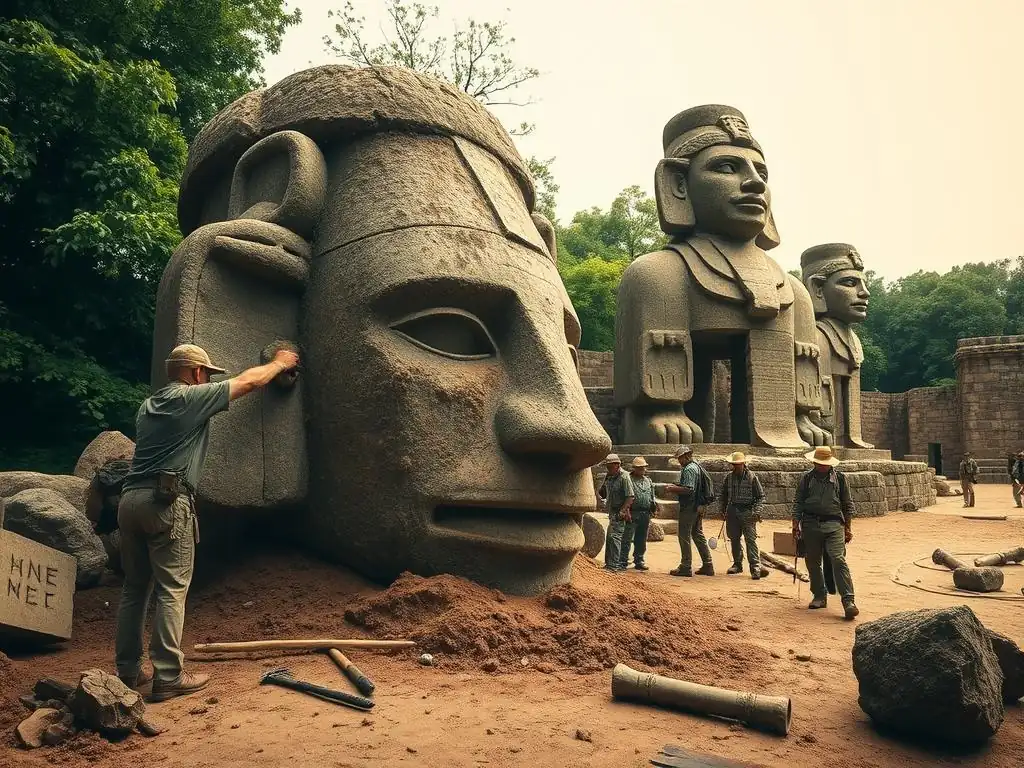
The exploration of the Olmec civilization, often referred to as the "mother culture" of Mesoamerica, has encountered numerous challenges and controversies. These issues are not only related to the physical excavation of sites but also to the interpretation of findings and the ethical considerations surrounding such significant cultural heritage.
One of the primary challenges arises from the complex nature of Olmec society itself. The Olmec civilization, which thrived from approximately 1200 to 400 BCE, has left behind a rich but fragmented archaeological record. As researchers sift through artifacts, structures, and artistic expressions, they face the daunting task of piecing together a coherent narrative that accurately represents the Olmec way of life. This complexity often leads to debates among scholars, particularly regarding the cultural significance of certain artifacts and the social structures inferred from them.
Moreover, the lack of written records from the Olmec period exacerbates the challenges faced by archaeologists. The reliance on material culture to draw conclusions about their society can lead to misinterpretations and oversimplifications. This reality highlights the critical need for interdisciplinary approaches that incorporate anthropology, history, and even indigenous perspectives to enrich the understanding of Olmec civilization.
Debates Over Interpretation of Findings
The interpretation of archaeological findings related to the Olmec civilization is fraught with debates among researchers. Different scholars often reach contrasting conclusions about the significance of specific artifacts, such as the colossal heads, jade figurines, and ceremonial sites. For example, while some argue that the colossal heads represent rulers or deities, others contend they could depict ancestors or other cultural figures, reflecting varying ideological interpretations.
Furthermore, the dating of artifacts and sites presents another layer of complexity. Advances in technology, such as radiocarbon dating and dendrochronology, have provided new insights but have also led to conflicting timelines. Discrepancies in dating techniques can influence the chronological understanding of Olmec socio-political structures and their interactions with neighboring cultures, leading to ongoing debates within the academic community.
The challenge of reconciling different interpretations is not solely academic; it has real-world implications for how the Olmec civilization is understood and represented in educational materials and public discourse. As new discoveries emerge, the dialogue surrounding their significance remains dynamic, underscoring the need for continued research and critical examination of existing theories.
Preservation Issues and Ethical Considerations in Olmec Excavations
Preservation issues and ethical considerations are crucial aspects of Olmec archaeological discoveries. As excavations proceed, the risk of damaging ancient sites and artifacts increases, particularly in regions where urban development and agricultural expansion threaten archaeological integrity. The balance between excavation for knowledge and the preservation of cultural heritage is a delicate one.
In recent years, there has been a growing awareness of the need for ethical excavation practices that respect the cultural significance of Olmec sites. This includes engaging with local indigenous communities to understand their perspectives and involve them in the research process. Such collaborations can lead to more culturally sensitive approaches that honor the legacies of these ancient peoples.
Moreover, the illicit trade of Olmec artifacts poses a significant threat to preservation efforts. The demand for antiquities has led to looting and the illegal sale of cultural heritage, which not only robs future generations of their history but also complicates the work of legitimate archaeologists. Addressing these ethical concerns requires a concerted effort among governments, institutions, and researchers to establish frameworks that prioritize the protection and respectful study of Olmec heritage.
Conclusion: The Future of Olmec Research and Archaeological Discoveries
The future of Olmec research and archaeological discoveries promises to be as dynamic and complex as the civilization itself. Ongoing excavations and advancements in technology are expected to reveal new insights into the social, political, and artistic dimensions of the Olmec culture, challenging existing narratives and enriching our understanding of this foundational society.
Implications for Understanding Indigenous Civilizations of the Americas
The findings from Olmec archaeological discoveries have significant implications for understanding indigenous civilizations across the Americas. As one of the earliest complex societies in the region, the Olmecs offer valuable lessons about the development of urbanism, trade networks, and cultural exchange in pre-Columbian history. By studying the Olmec civilization, researchers can gain insights into the broader patterns of social organization and cultural evolution that influenced subsequent civilizations, such as the Maya and Aztecs.
Furthermore, the recognition of the Olmec's sophisticated societal structures and artistic achievements challenges long-held misconceptions about the capabilities of indigenous peoples prior to European contact. This paradigm shift emphasizes the importance of acknowledging and celebrating the rich histories of indigenous cultures throughout the Americas.
Future Directions for Olmec Archaeological Research
Looking ahead, the future of Olmec archaeological research will likely focus on several key areas. First, the integration of cutting-edge technologies, such as LiDAR (Light Detection and Ranging) and GIS (Geographic Information Systems), can enhance the mapping and exploration of Olmec sites, revealing hidden structures and expanding the understanding of their urban landscapes.
Additionally, interdisciplinary collaborations that combine archaeology with fields like genomics and environmental studies may provide deeper insights into the Olmec's interactions with their environment and neighboring cultures. Such holistic approaches can unveil the complexities of Olmec society and its adaptation to changing ecological conditions.
Finally, fostering relationships with descendant communities will be essential in guiding ethical research practices and ensuring that the narratives constructed from archaeological findings are inclusive and respectful of indigenous perspectives. By prioritizing these collaborative efforts, the future of Olmec research can contribute to a more nuanced and comprehensive understanding of indigenous civilizations in the Americas.
References and Further Reading on Olmec Civilization Archaeological Discoveries
The Olmec civilization, often regarded as the "mother culture" of Mesoamerica, has garnered significant scholarly interest, especially with recent archaeological discoveries that continue to reshape our understanding of their society. This section offers a curated list of resources for those wishing to delve deeper into the Olmec civilization and its archaeological findings.
Recommended Books and Articles on Olmec Discoveries
-
"The Olmec World: Ritual and Rulership" by John E. Clark and Mary E. Pye
This book presents a comprehensive overview of the Olmec culture, emphasizing the political and ritual practices that defined their society. The authors synthesize archaeological evidence to explore the complexities of Olmec governance and religion.
-
"Olmec Archaeology and Early Mesoamerica" by Javier Urcid
Urcid's work examines the archaeological record of the Olmec civilization, providing insights into their art, architecture, and societal structures. The book discusses how recent excavations have led to a reevaluation of previous understandings of Olmec chronology and influence.
-
"The Olmecs: America's First Civilization" by Richard A. Diehl
Richard Diehl outlines the major achievements of the Olmecs, including their innovations in art and urban planning. This book is particularly useful for understanding the broader context of Olmec civilization within the early development of Mesoamerican cultures.
-
"The Olmec and Their Neighbors: A Cultural History of the Olmec" by David C. Grove
This article offers a detailed analysis of the Olmec's interactions with neighboring cultures, emphasizing the significance of trade and cultural exchange in shaping Olmec identity and influence.
-
"Recent Discoveries at San Lorenzo: The Heart of Olmec Civilization" by Thomas A. Lee
Published in a scholarly journal, this article discusses the latest excavations at San Lorenzo, one of the most important Olmec sites. Lee highlights newly uncovered artifacts and features that provide insights into Olmec social organization and daily life.
Online Resources for Exploring Olmec Archaeology
-
The Olmec Archaeology Project Website
This online resource offers a wealth of information on ongoing archaeological projects focused on Olmec sites. Visitors can access research updates, excavation reports, and educational materials aimed at promoting public understanding of Olmec culture.
-
Smithsonian Institution: The Olmec
The Smithsonian’s website features articles and resources related to the Olmec civilization, including interactive timelines and images of significant artifacts. This is an excellent starting point for those looking to understand the Olmec in a broader historical context.
-
National Geographic: Olmec Civilization
National Geographic provides accessible articles and multimedia content that showcases the latest discoveries in Olmec archaeology. The site includes interviews with leading archaeologists and visuals that bring Olmec heritage to life.
-
Google Arts & Culture: Olmec Treasures
This platform offers virtual tours and exhibitions centered on Olmec artifacts. Users can explore high-resolution images and detailed descriptions of significant objects, enhancing their understanding of Olmec artistry and craftsmanship.
-
YouTube Channels Focused on Archaeology
Several educational YouTube channels, such as "The Archaeology Channel" and "PBS Eons," feature documentaries and discussions about Olmec archaeological discoveries, making complex topics accessible and engaging to a broader audience.
These resources provide an excellent foundation for understanding the ongoing research and discoveries related to the Olmec civilization, highlighting their significant role in the history of the Americas.
- Introduction to the Olmec Civilization
- Recent Excavations: A New Era in Olmec Research
- Groundbreaking Findings from Recent Olmec Discoveries
- The Impact of Recent Discoveries on Olmec Civilization Understanding
- Challenges and Controversies in Olmec Archaeological Discoveries
- Conclusion: The Future of Olmec Research and Archaeological Discoveries
- References and Further Reading on Olmec Civilization Archaeological Discoveries
- What are the Olmec civilization archaeological discoveries mentioned in the article?
- How did the Olmec civilization influence later cultures?
- What types of artifacts have been found in Olmec archaeological sites?
- Why is the Olmec civilization often referred to as an enigma?
- What are the implications of these archaeological discoveries for our understanding of indigenous cultures?
Frequently Asked Questions
What are the Olmec civilization archaeological discoveries mentioned in the article?
The article discusses recent excavations that have uncovered new evidence about the Olmec's society, art, and trade networks, reshaping our understanding of their contributions to later Mesoamerican cultures.
How did the Olmec civilization influence later cultures?
The Olmec civilization is considered a "mother culture" of Mesoamerica, influencing art, architecture, and religious practices that would be adopted by later civilizations such as the Maya and Aztecs.
What types of artifacts have been found in Olmec archaeological sites?
Excavations have revealed a variety of artifacts, including colossal stone heads, pottery, and jewelry, which provide insights into their social structure and spiritual beliefs.
Why is the Olmec civilization often referred to as an enigma?
The Olmec civilization is termed an enigma due to the mysteries surrounding their origins, societal organization, and the purpose of their monumental structures, which continue to intrigue researchers.
What are the implications of these archaeological discoveries for our understanding of indigenous cultures?
These archaeological discoveries enhance our appreciation of the complexity and sophistication of indigenous cultures, showing that they had advanced societal structures long before European contact.
Final Reflection: Unveiling the Olmec Civilization's Legacy
The recent archaeological discoveries related to the Olmec civilization underscore the profound impact of our understanding of ancient cultures on contemporary society. As we uncover new artifacts and insights, we are reminded that history is not a static narrative but a dynamic tapestry that continues to evolve. These findings challenge us to reconsider our perceptions of early civilizations and their contributions to human development, emphasizing that the past is not merely a relic but a living dialogue that shapes our present and future.
The Olmec civilization, often regarded as the "mother culture" of Mesoamerica, has influenced countless societies and continues to resonate within our cultural landscape. From their monumental sculptures to their complex societal structures, the Olmec have left an indelible mark on history. As we explore these archaeological discoveries, we find ourselves reflecting on the interconnectedness of cultures and the importance of preserving our shared heritage. History is not just what happened; it is how we remember it.
This quote encapsulates the essence of our ongoing journey to understand the Olmec and their legacy.
As we conclude our exploration of the Olmec enigma, I invite you to reflect on the lessons these discoveries impart. Consider how the revelations of the past can inspire you to engage with your own cultural heritage and the world around you. Each archaeological find serves as a reminder that our histories are intertwined, urging us to appreciate the diversity of human experience. Let the story of the Olmec civilization inspire you to seek knowledge, embrace curiosity, and foster a deeper connection with the rich tapestry of our collective past.
Unlock the Secrets of the Olmec Civilization!
Thank you for diving into the fascinating world of the Olmec civilization! Your curiosity about their remarkable past equips you with insights that can reshape your understanding of ancient cultures. Now, it’s time to take that knowledge and turn it into action.
Here are some exciting next steps you can take:
- Explore more: Delve deeper into Olmec art and architecture by visiting a local museum or exploring online exhibitions showcasing their incredible artifacts.
- Share your insights: Start a conversation with friends or family about what you've learned. Consider sharing this article on social media to help raise awareness about the Olmec legacy!
- Join a community: Look for local or virtual groups focused on Indigenous history. Engaging with others who share your passion can lead to enlightening discussions and new perspectives.
What aspect of the Olmec civilization intrigues you the most, and how do you plan to share this newfound knowledge with others?