
The Sacsayhuamán Stones: Architectural Marvels of the Inca Empire

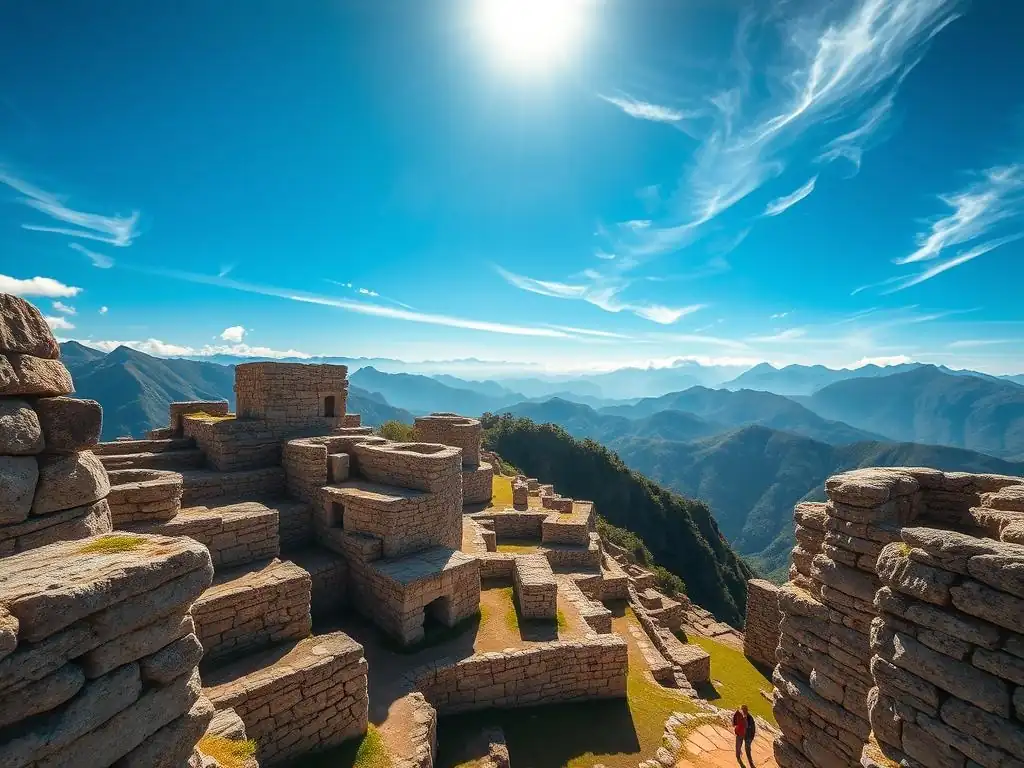
Welcome to Indigenous Civilizations of the Americas, where we invite you to embark on a fascinating journey through the rich tapestry of indigenous cultures that flourished long before European colonization. Here, you will discover the remarkable Inca architectural achievements, showcasing the ingenuity and artistry of a civilization that left an indelible mark on history. In our featured article, "The Sacsayhuamán Stones: Architectural Marvels of the Inca Empire," we delve into the intricacies of these breathtaking structures, revealing secrets that have stood the test of time.
Join us as we uncover the wonders of the past and their profound influence on the present. Your exploration begins now!
Introduction to Inca Architectural Achievements
The Inca Empire, renowned for its remarkable architectural prowess, left an indelible mark on the landscape of the Americas long before European colonization. Among its outstanding constructions, the Sacsayhuamán fortress stands as a testament to the Inca's innovative engineering techniques and their deep understanding of the natural environment. This site, located near Cusco, Peru, showcases the intricate stonework that characterizes Inca architecture, where massive stones were meticulously cut and placed without the use of mortar, demonstrating a level of craftsmanship that continues to fascinate archaeologists and historians alike.
Inca architectural achievements are not merely defined by their monumental structures but also by their ability to integrate functionality with aesthetics. The use of local materials, the alignment with astronomical events, and the respect for the surrounding landscape all indicate a sophisticated approach to construction that was deeply intertwined with the Inca worldview. As we delve into the Sacsayhuamán stones, we will uncover the technical expertise and cultural significance behind this iconic site, highlighting its role within the broader narrative of Inca civilization.
Importance of Sacsayhuamán in Inca Culture
Sacsayhuamán holds a special place in the heart of Inca culture, serving both as a military fortress and a ceremonial site. Its strategic location overlooking the city of Cusco allowed the Incas to monitor and defend their capital, while its imposing walls symbolized strength and resilience. The fortress was constructed using large, precisely cut stones, some weighing over 100 tons, which were transported from quarries several kilometers away. This feat of engineering not only showcases the Inca's advanced techniques but also their ability to mobilize labor forces and resources effectively.
Beyond its military significance, Sacsayhuamán was also a focal point for religious and cultural ceremonies. The site was believed to be a sacred space where the Incas honored their deities and conducted important rituals, especially during the Inti Raymi festival, which celebrated the sun god, Inti. The alignment of the stones with celestial events highlights the Incas' deep connection to astronomy and their belief in the spiritual power of the natural world.
Sacsayhuamán is more than just an architectural marvel; it embodies the achievements, beliefs, and societal structure of the Inca Empire. Understanding its significance allows us to appreciate the ingenuity and cultural depth of one of the most advanced civilizations in pre-Columbian America.
Historical Context of Sacsayhuamán
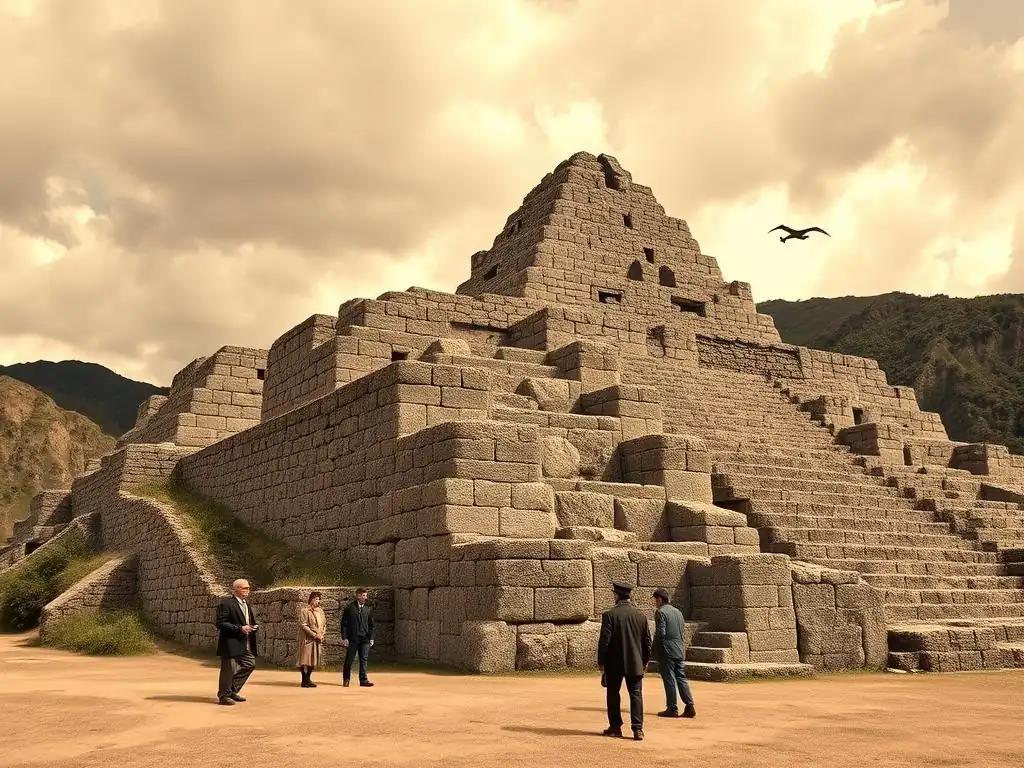
The Inca Empire: A Brief Overview
The Inca Empire, known as Tawantinsuyu in Quechua, was the largest empire in pre-Columbian America, flourishing from the early 15th century until the Spanish conquest in the 16th century. At its peak, the empire extended along the western coast of South America, encompassing parts of modern-day Peru, Ecuador, Bolivia, Chile, and Argentina.
Key Highlights:
- Capital: Cusco, the heart of the empire, was a hub of administration, culture, and religion.
- Societal Structure: The Inca society was hierarchical, with the Sapa Inca (emperor) at the top, followed by nobles, commoners, and slaves. The emperor was considered a semi-divine figure, believed to be the descendant of the sun god, Inti.
- Economy: The economy was primarily agrarian, with advanced agricultural techniques, including terrace farming and irrigation systems, which supported a large population. The Incas cultivated various crops, such as potatoes, maize, and quinoa.
The Inca civilization is renowned for its impressive engineering, road systems, and architectural marvels, with Sacsayhuamán being one of the most significant examples of their architectural achievements.
The Significance of Sacsayhuamán within the Inca Civilization
Sacsayhuamán is not just an architectural masterpiece; it stands as a symbol of the Inca Empire's engineering prowess and cultural significance. Located on the outskirts of Cusco, this fortress complex is famous for its massive stone walls, constructed with precisely cut stones that fit together without the use of mortar, demonstrating exceptional craftsmanship.
Architectural Features:
- Construction Technique: The dry-stone construction method utilized at Sacsayhuamán involved stones weighing up to 200 tons, skillfully shaped to interlock, providing the structure with both stability and durability against earthquakes.
- Design: The layout of Sacsayhuamán includes a series of zigzag walls that not only serve defensive purposes but also reflect the Inca's deep understanding of topography and landscape integration.
Cultural Importance:
- Religious Significance: Sacsayhuamán was a central site for various ceremonial activities, including the Inti Raymi festival, which celebrated the winter solstice and honored the sun god.
- Political Symbolism: The fortress served as a fortification for the city of Cusco, reinforcing the power and authority of the Inca rulers. Its strategic location allowed for surveillance of the surrounding areas.
Lasting Legacy:
Today, the site of Sacsayhuamán stands as a UNESCO World Heritage site, attracting scholars and tourists alike. It serves as a testament to the Inca architectural achievements and their enduring impact on modern understanding of indigenous engineering and culture. The complexities of Sacsayhuamán continue to inspire discussions about the technological capabilities of pre-Columbian civilizations and their contributions to world history.
Sacsayhuamán epitomizes the Inca Empire's architectural achievements, reflecting their innovative spirit, cultural depth, and ability to harmonize with their environment.
Architectural Features of Sacsayhuamán Stones
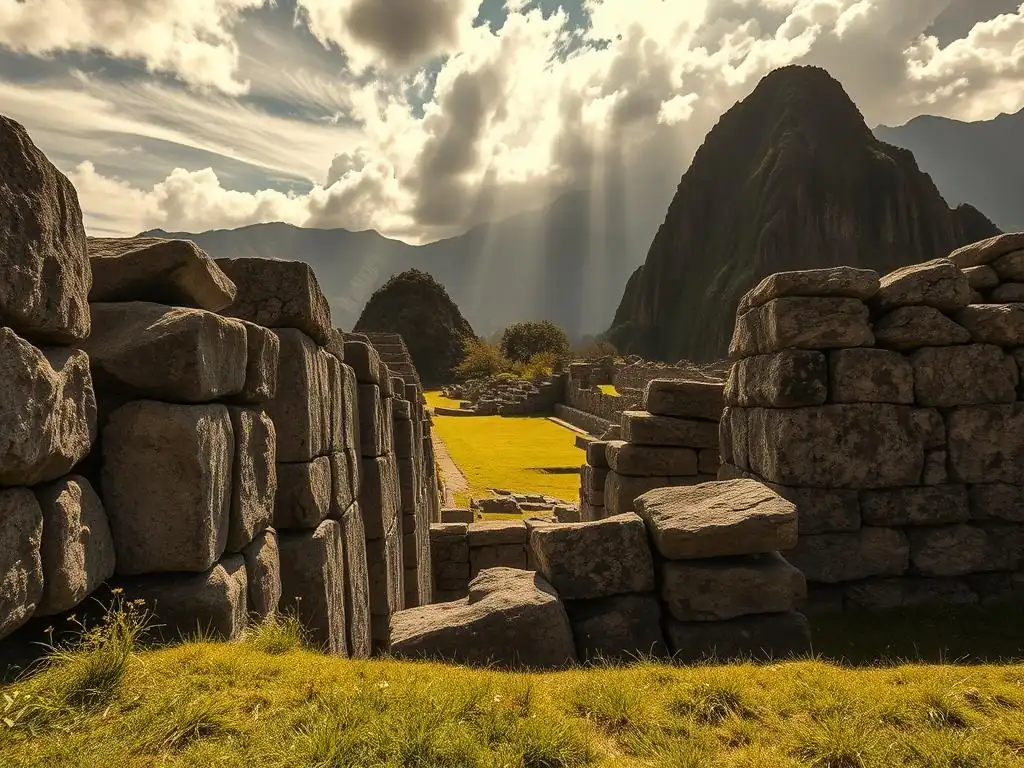
Sacsayhuamán is not only a testament to the ingenuity of Inca architectural achievements but also a remarkable example of how these structures harmonized with their natural environment. The site, located on the outskirts of Cusco, Peru, showcases an array of architectural features that reflect the advanced engineering skills of the Inca civilization.
Unique Construction Techniques of Inca Architecture
The construction of Sacsayhuamán is characterized by its unique techniques, which have fascinated archaeologists and historians alike. One of the most notable methods employed was the use of dry stone construction. This technique involved fitting massive stones together without the use of mortar, allowing for flexibility in response to seismic activity.
- Interlocking Stones: The stones were cut and shaped with such precision that they fit together tightly, creating a strong and stable structure. This interlocking design not only enhanced the strength of the walls but also contributed to the aesthetic appeal of the architecture.
- Terracing and Elevation: The site features a series of terraces that ascend the hillside, showcasing the Inca's ability to manipulate the landscape. This not only provided structural integrity but also improved drainage and agricultural potential in the surrounding area.
The Precision of Stone Masonry in Sacsayhuamán
The stone masonry at Sacsayhuamán is a striking example of the Inca's mastery over stonework. The accuracy with which the stones were cut and assembled is unparalleled in ancient architecture.
- Stone Sizing and Weight: Many of the stones used in the construction weigh over 100 tons, yet they were transported and positioned with such precision that even a piece of paper cannot fit between them. This remarkable feat demonstrates the Inca's sophisticated understanding of leverage and transportation.
- Techniques of Shaping Stones: The Incas utilized various tools, including stone hammers and chisels, to shape the stones. They often used abrasive techniques, grinding stones against one another to achieve the desired shape and finish. This meticulous attention to detail resulted in walls that have stood the test of time.
The Use of Local Materials in Inca Structures
Inca architecture is deeply rooted in the use of local materials, which not only reflects their resourcefulness but also their connection to the environment.
- Granite and Limestone: The primary materials used in Sacsayhuamán were granite and limestone, both of which were readily available in the region. The use of these durable materials ensured the longevity of the structures.
- Sustainability Practices: The Incas practiced sustainability by sourcing materials from the surrounding area, minimizing the need for long-distance transportation. This approach not only reduced labor but also reinforced their respect for the environment.
The architectural features of the Sacsayhuamán stones exemplify the Inca's architectural achievements through unique construction techniques, precision in stone masonry, and the effective use of local materials. These elements combined to create a monumental site that continues to captivate and inspire admiration for the ingenuity of the Inca civilization.
The Purpose and Function of Sacsayhuamán
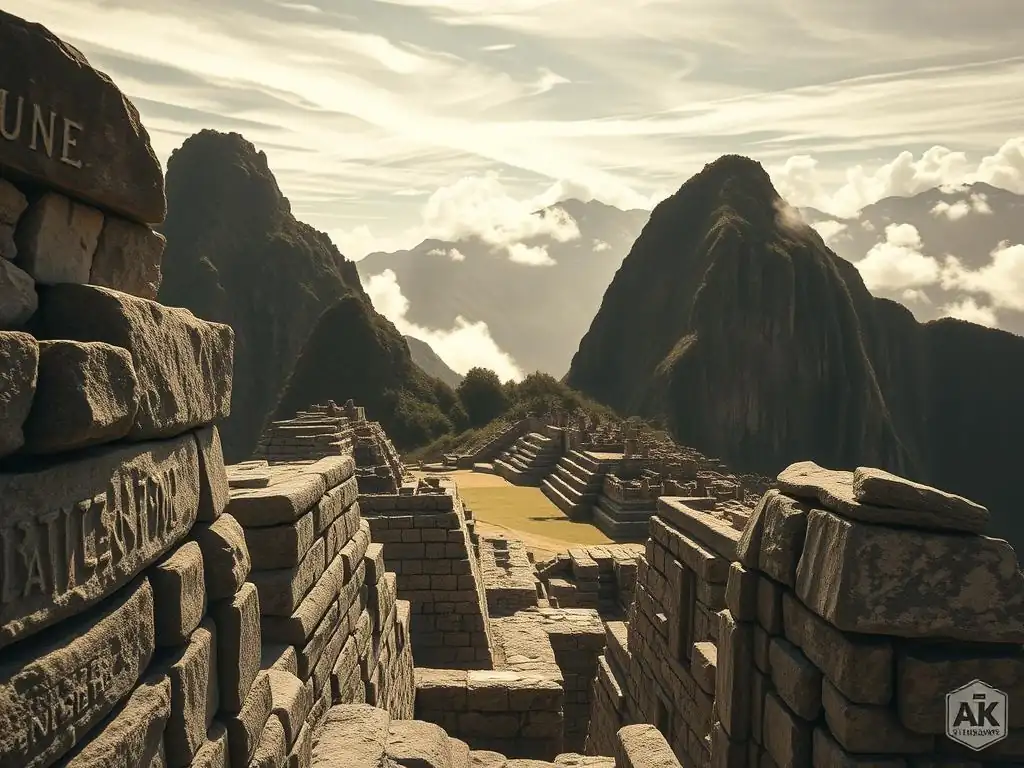
Sacsayhuamán stands as one of the most remarkable examples of Inca architectural achievements, reflecting not only the ingenuity of Inca engineering but also serving multiple functions within their society. This monumental site, located just outside the city of Cusco, was not only a military fortification but also a sacred space and a symbol of Inca identity.
Religious Significance of Sacsayhuamán
The religious importance of Sacsayhuamán cannot be overstated. The site is believed to have been a central location for various religious ceremonies, particularly those related to the worship of Inti, the Sun God, who was revered in Inca cosmology.
- Ceremonial Activities: It is thought that Sacsayhuamán hosted significant rituals, especially during the Inti Raymi festival, which honored the Sun God. The massive stones that make up the walls were not merely practical in purpose; they also served a sacred role, believed to be imbued with spiritual significance.
- Alignment and Symbolism: The orientation of the structures at Sacsayhuamán is meticulously aligned with astronomical events, such as solstices and equinoxes, showcasing the Incas' sophisticated understanding of astronomy. This alignment emphasizes the connection between the built environment and celestial bodies, reinforcing the site’s religious importance.
Military and Strategic Importance in the Inca Empire
Beyond its religious functions, Sacsayhuamán was strategically significant for the Inca Empire. The site was designed as a fortress, serving several military purposes that were crucial for the empire's stability.
- Defensive Structure: The massive stone walls, some weighing over 300 tons, were constructed in a zigzag pattern, which not only enhanced their strength but also made it difficult for enemies to scale the walls. This strategic design exemplified Inca engineering prowess and offered formidable defense against potential invasions.
- Surveillance and Control: Positioned on a hill overlooking Cusco, Sacsayhuamán provided an excellent vantage point for monitoring the surrounding area. This strategic placement allowed Inca forces to maintain control over the region, facilitating rapid response to any threats.
Sacsayhuamán as a Symbol of Power and Identity
Sacsayhuamán transcends its practical functions; it stands as a powerful symbol of Inca identity and authority. The construction and maintenance of such a large-scale project were indicative of the resources and manpower the Inca Empire commanded.
- Demonstration of Engineering Excellence: The precision with which the stones were cut and fitted together without mortar is a testament to Inca craftsmanship. This architectural achievement reflects not only technological prowess but also the cultural values of unity and strength.
- Cultural Identity: Sacsayhuamán embodies the collective identity of the Inca people, serving as a reminder of their achievements and resilience. The site has continued to hold cultural significance, representing Inca heritage and identity even in contemporary times.
Sacsayhuamán serves multiple purposes that intertwine religion, military strategy, and cultural identity. Its architectural marvels reflect the sophisticated society of the Incas and remain a crucial part of understanding their legacy in the Americas.
Comparison with Other Inca Architectural Achievements
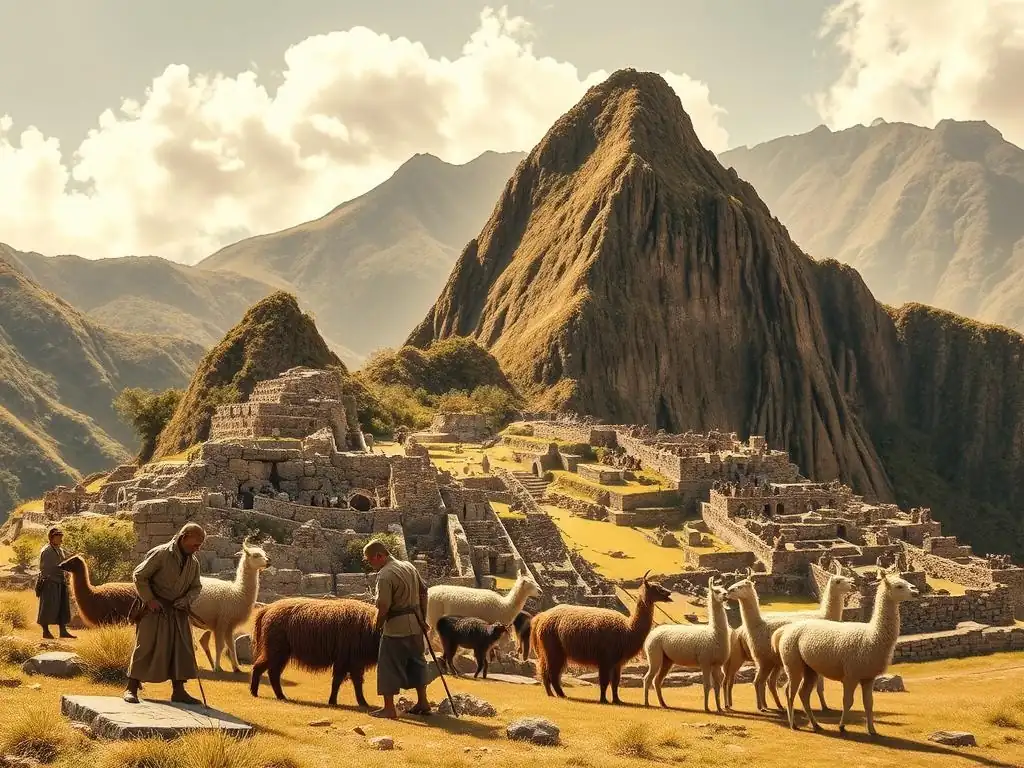
Sacsayhuamán vs. Machu Picchu: An Architectural Analysis
Sacsayhuamán and Machu Picchu stand as two of the most significant architectural achievements of the Inca civilization, each showcasing unique aspects of Inca engineering and design.
Structural Techniques:
- Sacsayhuamán: Known for its massive stone walls, some blocks weigh over 100 tons. The incas employed a technique called ashlar masonry, where stones are cut to fit together tightly without mortar, providing exceptional earthquake resistance.
- Machu Picchu: This site features a combination of finely crafted stonework and a remarkable layout that includes terraces, agricultural fields, and residential areas. While it also utilizes ashlar masonry, the stones here are generally smaller and more varied in shape.
Purpose and Functionality:
- Sacsayhuamán: Primarily a military and ceremonial site, it served as a fortress overlooking the city of Cusco, symbolizing Inca power and religious significance.
- Machu Picchu: Believed to be a royal estate or religious retreat, its structures are designed for habitation and agriculture, reflecting the Inca's harmonious relationship with nature.
Cultural Significance:
- Sacsayhuamán: The site is deeply embedded in Inca cosmology, with its layout aligning with celestial events and sacred geography.
- Machu Picchu: Often referred to as the "Lost City of the Incas," it embodies the Inca's architectural ingenuity and their ability to integrate functionality with spirituality.
While Sacsayhuamán and Machu Picchu both exemplify Inca architectural achievements, they serve different purposes and showcase distinct aspects of Inca culture and engineering.
Similarities and Differences with Other Significant Inca Sites
When comparing Sacsayhuamán to other notable Inca sites, several common themes and unique features emerge:
Similarities:
- Use of Advanced Masonry:
- All significant Inca sites, including Ollantaytambo and Pisac, feature the precise stone-cutting and fitting techniques that characterize Inca architecture.
- Integration with the Landscape:
- Sites like Sacsayhuamán, Machu Picchu, and Ollantaytambo demonstrate a deep understanding of the surrounding environment, utilizing natural topography for defensive and agricultural purposes.
Differences:
- Scale and Ambition:
- Sacsayhuamán is notable for its monumental scale and defensive purpose, while sites like Machu Picchu reflect a more intimate relationship with nature and daily life.
- Architectural Styles:
- While Sacsayhuamán emphasizes robust, angular structures suited for defense, other sites may exhibit more rounded forms and intricate temple designs, such as the Temple of the Sun in Cusco.
| Site | Primary Function | Notable Features |
|---|---|---|
| Sacsayhuamán | Military and Ceremonial | Massive stone walls, ceremonial significance |
| Machu Picchu | Royal Retreat | Terraced agriculture, residential areas |
| Ollantaytambo | Agricultural Hub | Terraces, fortifications |
| Pisac | Sacred and Agricultural | Agricultural terraces, temples |
While Sacsayhuamán shares fundamental architectural traits with other Inca sites, its unique features and purposes highlight the diversity of Inca architectural achievements across the empire. Understanding these similarities and differences provides valuable insight into the cultural and historical context of the Incas and their remarkable constructions.
Preservation and Legacy of Sacsayhuamán
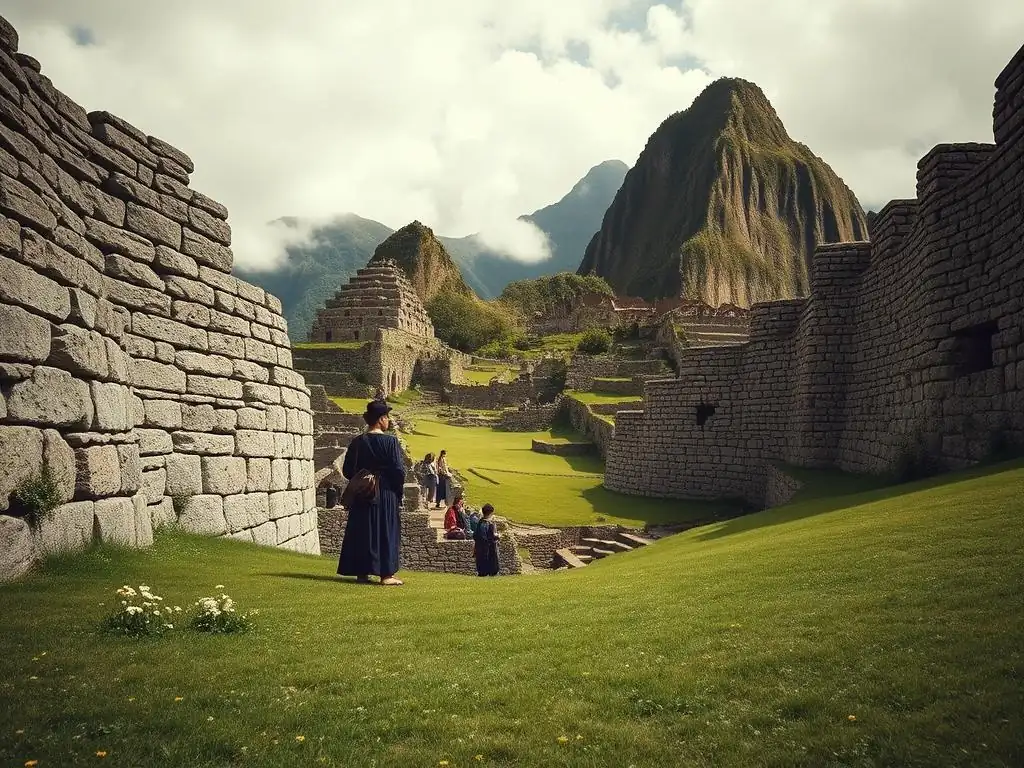
Current State of Sacsayhuamán Stones
The Sacsayhuamán structure, located just outside Cusco, Peru, is a testament to the engineering prowess of the Inca civilization. Today, the site remains a significant archaeological treasure, attracting thousands of visitors annually. The stones of Sacsayhuamán, some weighing over 100 tons, were crafted with remarkable precision, fitting together without the use of mortar. This intricate stonework has withstood the test of time, though natural erosion and human activity pose ongoing challenges.
Currently, the site is part of the Sacsayhuamán Archaeological Park, which is recognized as a UNESCO World Heritage Site. The park encompasses approximately 3,000 hectares and offers insights into Inca architecture, agriculture, and urban planning. Despite the site's structural integrity, researchers have noted that some stones display signs of weathering, primarily due to environmental factors such as rain and wind. Conservation efforts are crucial to maintaining the site's stability and aesthetic appeal.
Efforts in Preservation of Inca Architectural Heritage
Preservation of Inca architectural achievements, particularly at Sacsayhuamán, involves a multifaceted approach. Various organizations, including the Peruvian government and international heritage bodies, collaborate to implement strategies aimed at safeguarding this cultural landmark. Key efforts include:
- Monitoring and Maintenance: Regular inspections are conducted to assess the condition of the stones and surrounding areas. This monitoring helps identify potential threats, such as landslides or structural weaknesses.
- Restoration Projects: When necessary, restoration projects are initiated to reinforce weakened structures. These efforts are carried out with a focus on authenticity, ensuring that any interventions respect the original design and materials used by the Incas.
- Community Engagement: Local communities are encouraged to participate in preservation activities. Educational programs aim to raise awareness about the significance of Sacsayhuamán, fostering a sense of pride and responsibility among residents.
- Sustainable Tourism: Strategies for managing tourism are implemented to mitigate the impact of foot traffic on the site. Designated pathways and informative signage help guide visitors while protecting sensitive areas.
These preservation efforts not only protect the physical structure but also serve to educate future generations about the Inca civilization and its architectural innovations.
The Lasting Impact of Inca Architectural Achievements on Modern Culture
The architectural achievements of the Incas, epitomized by Sacsayhuamán, have left an indelible mark on modern culture, particularly in architecture and urban planning. The precision and techniques employed by the Incas continue to inspire contemporary architects and builders. Some notable impacts include:
- Engineering Techniques: Modern engineers study Inca stone masonry to learn about earthquake-resistant construction methods. The Inca's ability to create stable structures in a seismically active region has informed building practices in similar environments today.
- Cultural Heritage: Sacsayhuamán has become a symbol of indigenous pride and cultural identity. It serves as a focal point for cultural celebrations and events, connecting present-day Peruvians to their ancestral heritage.
- Tourism and Economy: The site attracts international tourists, contributing to Peru's economy. The revenue generated supports local communities and further preservation initiatives, ensuring that Inca achievements are recognized and celebrated globally.
- Educational Initiatives: Schools and universities incorporate the study of Inca architecture into curricula, promoting awareness of indigenous contributions to civilization. This educational focus fosters respect and appreciation for the diverse cultural histories of the Americas.
The legacy of Sacsayhuamán and Inca architectural achievements continues to resonate, influencing modern society while reminding us of the profound ingenuity of indigenous civilizations.
Conclusion: The Enduring Marvel of Sacsayhuamán
The Sacsayhuamán fortress stands as a testament to the ingenuity and skill of the Inca civilization. Built using massive stones, some weighing over 200 tons, the precision with which they were cut and assembled is nothing short of extraordinary. This architectural marvel not only served as a military outpost but also reflected the Inca's deep understanding of their environment and the natural materials available to them.
The techniques employed in the construction of Sacsayhuamán continue to intrigue architects and archaeologists today. The interlocking stones, which fit together so perfectly that a blade cannot be inserted between them, demonstrate advanced knowledge of stone masonry and engineering. This level of craftsmanship showcases the Inca's architectural achievements, which were not merely functional but also carried significant cultural and spiritual meaning.
Reflection on Inca Architectural Achievements
The Inca Empire's architectural achievements extend far beyond Sacsayhuamán. Their ability to create extensive road networks, agricultural terraces, and impressive structures—such as Machu Picchu—illustrates a sophisticated understanding of urban planning and environmental adaptation.
Inca architecture was characterized by several key features:
- Use of Local Materials: The Incas utilized the abundant stones found in their mountainous surroundings, ensuring that their buildings were durable and harmonized with the landscape.
- Innovative Engineering Techniques: The use of trapezoidal doorways and windows not only enhanced the aesthetic appeal but also provided structural stability, allowing buildings to withstand earthquakes.
- Strategic Urban Planning: Cities were designed with careful attention to geography, climate, and resource availability, which facilitated effective governance and sustainable living.
The legacy of Inca architecture is visible in the numerous ruins scattered across the Andes. Their enduring structures continue to be a source of pride and inspiration, highlighting the incredible achievements of the Inca civilization.
The Importance of Understanding Indigenous Heritage
Understanding the architectural achievements of the Inca and their significance within the broader context of indigenous heritage is crucial for several reasons:
- Preservation of Knowledge: Recognizing the sophisticated techniques and knowledge of indigenous peoples allows for the preservation of these traditions and the lessons they offer for contemporary architecture and engineering.
- Cultural Identity: These structures are not just historical artifacts; they are integral to the identity of modern indigenous communities. They embody the history, beliefs, and values of those who came before.
- Inspiration for Future Generations: Appreciating the complexity and beauty of indigenous architecture can inspire future generations to value and engage with their cultural heritage, encouraging continued innovation and creativity.
The Sacsayhuamán stones represent a remarkable achievement in Inca architecture and serve as a powerful reminder of the rich indigenous heritage of the Americas. By studying and celebrating these accomplishments, we honor the legacy of the Inca civilization and contribute to a deeper understanding of the diverse cultures that have shaped our world.
Frequently Asked Questions
What are the Sacsayhuamán Stones?
The Sacsayhuamán Stones are massive stone blocks used in the construction of the Sacsayhuamán fortress near Cusco, Peru. They are renowned for their precise craftsmanship and incredible size.
How did the Inca construct such large stone structures?
The Inca civilization utilized advanced techniques, including rock quarrying and transportation methods, to move and fit large stones together without the use of mortar, showcasing their engineering prowess.
What architectural features distinguish Inca structures?
Inca architecture is characterized by its ashlar masonry, where stones are cut to fit tightly together. Additionally, their designs often include terracing and intelligent integration with the landscape.
What is the significance of Sacsayhuamán in Inca culture?
Sacsayhuamán served not only as a military fortress but also as a ritual site, reflecting the spiritual beliefs and socio-political organization of the Inca Empire.
How do the Inca architectural achievements influence modern architecture?
The Inca architectural achievements continue to inspire modern builders with their sustainable practices, earthquake-resistant designs, and innovative use of local materials, reflecting a deep understanding of their environment.
Final Reflection: The Enduring Legacy of Inca Architectural Achievements
The architectural marvels of the Inca Empire, exemplified by the Sacsayhuamán stones, continue to resonate with us today, showcasing the ingenuity and resilience of a civilization that thrived in harmony with its environment. These monumental structures not only represent the technical prowess of their builders but also serve as a testament to the cultural and spiritual significance that architecture held for the Incas. As we navigate a world increasingly defined by rapid technological advancement, the lessons embedded in these ancient stones remind us of the importance of sustainable practices and the deep connection between humanity and nature.
The influence of Inca architectural achievements extends far beyond their physical presence; they inspire a sense of wonder and curiosity about our own cultural heritage. The precision with which the Incas constructed their edifices, without the use of mortar, speaks to an understanding of materials and engineering that is still studied and admired today. The stones of Sacsayhuamán are not just remnants of a bygone era; they are a bridge connecting us to the past, urging us to appreciate the artistry and skill of those who came before us.
This ongoing fascination with Inca architecture encourages us to reflect on our own contributions to the built environment and the legacies we will leave behind.
As you contemplate the significance of the Sacsayhuamán stones and the broader achievements of the Inca Empire, I invite you to consider how these lessons can be applied in your own life. How can you incorporate the principles of sustainability, resilience, and cultural appreciation into your daily actions?
Whether through supporting local artisans, advocating for environmentally friendly practices, or simply taking the time to learn about the rich histories that shape our world, each small step can contribute to a future that honors the past while building a better tomorrow. Let the legacy of the Incas inspire you to create your own architectural marvels in the world around you.
Unveil the Secrets of Sacsayhuamán Today!
Thank you for taking the time to explore the incredible architectural wonders of Sacsayhuamán! We hope you found inspiration in the ingenuity and artistry of the Inca Empire. Now, let's transform that inspiration into action!
Here are a few ways you can deepen your connection with this remarkable site:
- Explore Hidden Histories: Visit a local museum or cultural center that showcases Inca artifacts to uncover the stories behind these monumental stones.
- Share Your Insights: Discuss your experience and newfound knowledge with friends or on social media—help spread appreciation for indigenous architecture and history!
- Plan a Visit: Consider organizing a trip to Cusco to experience the majesty of Sacsayhuamán in person, allowing its grandeur to leave a lasting impression on your journey.
What aspect of Sacsayhuamán fascinates you the most, and how will you share that passion with others?