
The Transition from Nomadic to Settled Governance: Case Studies from Different Civilizations

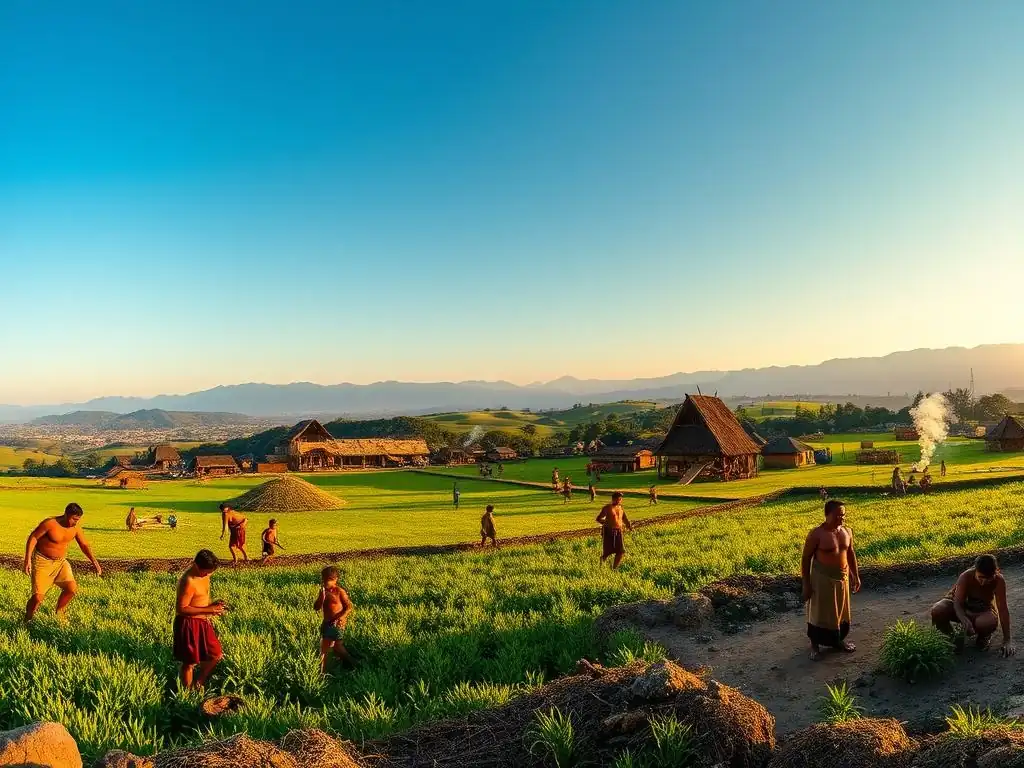
Welcome to Indigenous Civilizations of the Americas, where we invite you to embark on a fascinating journey through the rich tapestry of pre-colonial cultures that shaped the continent. Delve into our main article, “The Transition from Nomadic to Settled Governance: Case Studies from Different Civilizations,” to uncover the intricate ways in which indigenous civilizations navigated their governance structures and adapted to changing environments. What led these vibrant societies to shift from nomadic lifestyles to more settled forms of governance?
Prepare to be captivated by their remarkable achievements and the profound impact they have left on history. Join us as we explore these transformative narratives and discover the legacies that continue to resonate today!
-
The Transition from Nomadic to Settled Governance in Indigenous Civilizations
- Introduction to Indigenous Civilizations Governance Transition
- Historical Context of Nomadic Lifestyles in Indigenous Civilizations
- Case Studies of Governance Transition in Different Civilizations
- Comparative Analysis of Governance Transition Among Civilizations
- The Long-term Impact of Governance Transition on Indigenous Civilizations
- Conclusion: Understanding Indigenous Civilizations Governance Transition
- Frequently Asked Questions
- Final Reflection: The Enduring Legacy of Governance Transitions
- Embrace the Journey from Nomad to Settled!
The Transition from Nomadic to Settled Governance in Indigenous Civilizations
Introduction to Indigenous Civilizations Governance Transition
The transition from nomadic to settled governance marks a significant chapter in the history of indigenous civilizations across the Americas. This transformation not only altered the social, economic, and political landscapes of these societies but also laid the foundation for complex governance structures that would emerge over time. Understanding this transition provides insight into the adaptability and resilience of indigenous cultures, highlighting their achievements in governance, resource management, and community organization.
This article delves into various case studies of indigenous civilizations, illustrating how their unique circumstances influenced their shift towards settled governance. By exploring these dynamics, we can appreciate the profound impact of indigenous civilizations on contemporary governance models and their lasting legacy.
Historical Context of Nomadic Lifestyles in Indigenous Civilizations
Before the widespread adoption of settled agriculture and permanent settlements, many indigenous civilizations in the Americas were characterized by nomadic lifestyles. These societies often moved in search of resources, including food, water, and shelter, adapting to seasonal changes and the availability of wildlife. The nomadic way of life was closely linked to the environment, with communities developing deep knowledge of their surroundings to ensure survival.
Characteristics of Nomadic Governance
Nomadic governance systems were typically decentralized and flexible, allowing groups to adapt quickly to changing circumstances. Key characteristics included:
- Leadership Structures: Leadership roles were often informal and based on consensus rather than rigid hierarchies. Elders or skilled hunters might lead discussions and decision-making processes.
- Resource Sharing: Communities shared resources based on necessity, fostering a sense of unity and cooperation. This communal approach was vital for survival in harsh environments.
- Cultural Practices: Tribal governance was intertwined with cultural traditions, with rituals and ceremonies reinforcing social bonds and collective identity.
This governance model allowed for resilience and adaptability, essential traits for communities navigating the challenges of a nomadic existence.
Factors Influencing the Transition to Settled Governance
The shift from a nomadic to a settled lifestyle was influenced by various factors, including:
- Agricultural Innovations: The domestication of plants and animals provided a stable food source, reducing the need for constant movement. This agricultural revolution enabled communities to settle and establish permanent homes.
- Population Growth: As food sources became more reliable, populations began to grow. Larger communities necessitated more organized governance structures to manage resources, conflicts, and social relations.
- Environmental Changes: Climate shifts and changes in available resources prompted many groups to reassess their lifestyles. This led to the establishment of more permanent settlements in resource-rich areas.
These factors collectively drove the transition towards settled governance, allowing indigenous civilizations to develop complex societal structures and expand their cultural legacies.
Case Studies of Governance Transition in Different Civilizations
The transition from nomadic lifestyles to settled governance marked a significant turning point in the development of indigenous civilizations across the Americas. This transition not only facilitated the establishment of permanent settlements but also led to the formation of complex social structures, economies, and governance systems. By examining specific case studies, we can gain insights into how various indigenous cultures navigated this pivotal transformation.
The Ancestral Puebloans: From Nomadic Tribes to Agricultural Societies
The Ancestral Puebloans, also known as the Anasazi, inhabited the Four Corners region of the present-day United States. Initially, they practiced a nomadic lifestyle focused on hunting and gathering. However, around 200 CE, the introduction of agriculture, particularly the cultivation of maize, beans, and squash, prompted a significant shift in their way of life.
As agricultural practices became more sophisticated, the Ancestral Puebloans began to establish permanent settlements, such as those found at Chaco Canyon and Mesa Verde. These communities were characterized by impressive architectural achievements, including multi-story dwellings and ceremonial kivas. The emergence of agricultural societies allowed for population growth and the development of social hierarchies based on resource control and labor specialization.
Governance structures evolved alongside these changes, with leadership roles becoming more defined. Leaders often organized communal agricultural efforts and managed resources, reflecting a transition from informal, kinship-based leadership to more structured governance systems that could oversee larger populations and complex interactions among communities.
The Mississippian Culture: Emergence of Complex Chiefdoms
The Mississippian culture, thriving from around 800 CE to the arrival of Europeans, showcases another example of governance transition. This civilization, known for its large, earthen mounds and sophisticated agricultural practices, primarily occupied the southeastern United States. The shift from nomadic hunting to settled agriculture enabled the Mississippians to support larger populations and develop intricate political structures.
At the heart of Mississippian society were chiefdoms, which were led by powerful elites known as chiefs. These chiefdoms were characterized by centralized authority and an elaborate social hierarchy. The chief played a crucial role in managing agricultural production, trade, and inter-community relations. Notably, the chief's authority was often legitimized through religious beliefs, linking governance with spiritual leadership.
The transition to settled governance in Mississippian culture also led to increased trade networks and interactions with other indigenous groups, fostering cultural exchange and economic interdependence. This complex web of relationships set the stage for significant political and social developments, ultimately influencing the region's dynamics long before European contact.
The Iroquois Confederacy: A Unique Model of Settled Governance
The Iroquois Confederacy represents a distinct model of governance that emerged from settled communities in the northeastern United States. Formed in the 16th century, this alliance brought together several tribes, including the Mohawk, Oneida, Onondaga, Cayuga, Seneca, and later the Tuscarora. Their transition from independent tribal governance to a confederated system illustrates a unique response to the challenges posed by European colonization and intertribal conflicts.
The Iroquois developed a sophisticated political framework grounded in principles of mutual cooperation and consensus. The Great Law of Peace, which governed the Confederacy, emphasized collective decision-making and the importance of maintaining harmony among member tribes. This governance structure allowed the Iroquois to effectively negotiate with European powers and manage intertribal relations, showcasing a remarkable adaptation to their settled lifestyle.
The Iroquois Confederacy also highlighted the role of women in governance, as clan mothers held significant authority in selecting leaders and influencing decisions. This aspect of governance demonstrated a different approach to leadership and social organization compared to other indigenous cultures, emphasizing the importance of gender roles in shaping political structures.
Comparative Analysis of Governance Transition Among Civilizations
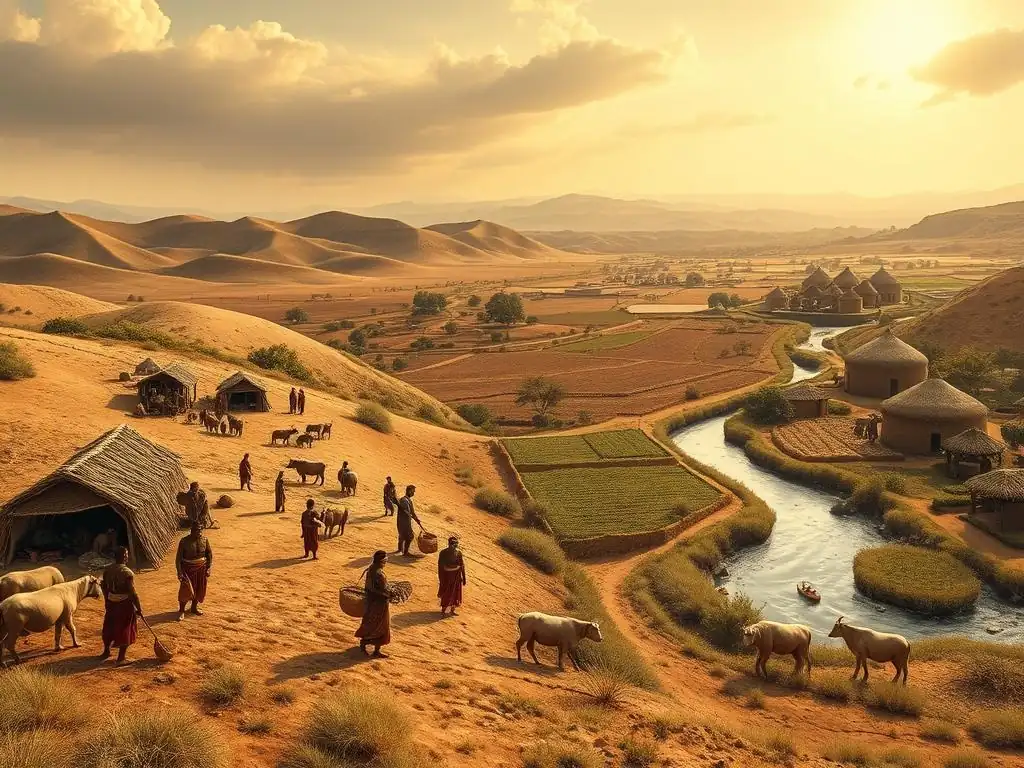
The governance transitions observed among various indigenous civilizations reveal both common themes and distinct differences in how communities adapted to settled life.
Similarities in the Transition to Settled Governance
Across the board, a fundamental similarity in the transition to settled governance among indigenous civilizations was the reliance on agriculture as a catalyst for change. The shift from hunting and gathering to farming not only provided a stable food source but also necessitated the establishment of permanent settlements. This agricultural foundation allowed communities to grow in size and complexity.
Additionally, many civilizations developed hierarchical governance structures as populations increased. Leaders emerged to manage resources, coordinate agricultural practices, and mediate conflicts. Whether through chiefdoms, councils, or confederacies, these governance systems facilitated cooperation and ensured the community's sustainability.
Differences in Governance Structures Post-Transition
Despite these similarities, there were notable differences in the governance structures that developed post-transition. For instance, the Iroquois Confederacy's emphasis on consensus and collective decision-making starkly contrasts with the centralized authority observed in Mississippian chiefdoms. The Iroquois model allowed for greater representation and involvement from various factions, reflecting a more democratic approach to governance.
Moreover, the role of gender in governance varied significantly among civilizations. In Iroquois society, women held substantial power through clan leadership, while in other cultures, such as the Mississippians, leadership roles were predominantly male-dominated. These differences illustrate the diverse ways in which indigenous cultures structured their governance systems in response to their unique historical, environmental, and social contexts.
The transition from nomadic to settled governance among indigenous civilizations was a complex and multifaceted process. By examining specific case studies, we can appreciate the diverse paths taken by different cultures, highlighting both their shared experiences and unique adaptations in the face of changing circumstances.
The Long-term Impact of Governance Transition on Indigenous Civilizations
The transition from nomadic to settled governance significantly reshaped the structure and function of indigenous civilizations across the Americas. This shift not only influenced social organization and political authority but also laid the groundwork for complex societal developments. As communities transitioned to settled lifestyles, they began to establish permanent settlements, which fostered agricultural practices, trade networks, and the specialization of labor. This transformation facilitated the emergence of hierarchical governance structures, where leadership roles became more defined and centralized.
The long-term impact of this transition is evident in various aspects of indigenous life, including economic strategies, social hierarchies, and cultural practices. For instance, the establishment of agriculture allowed for surplus production, which in turn led to population growth and the need for more sophisticated governance systems to manage resources and resolve conflicts. These changes enabled civilizations such as the Maya, Aztec, and Inca to flourish, developing intricate political systems and monumental architecture that continue to be studied today.
Moreover, the governance transition also shaped how indigenous societies interacted with their environments. As settled communities became more reliant on agriculture, sustainable practices emerged, promoting a deeper connection to the land. This relationship with the environment influenced cultural beliefs, rituals, and the overall worldview of many indigenous peoples, which can still be observed in contemporary practices.
Cultural Ramifications of Settled Governance
Settled governance brought profound cultural changes to indigenous civilizations. With the establishment of permanent settlements, communities began to develop distinct cultural identities, often reflected in their governance structures. The transition allowed for the codification of laws and customs, leading to more stable societies where individuals had defined roles and responsibilities.
Architecture and urban planning became significant aspects of these cultures, with temples, plazas, and administrative buildings symbolizing the power and authority of governing bodies. For example, the impressive city of Teotihuacan in Mesoamerica showcased advanced urban design, reflecting the complexity of governance and the cultural values of its inhabitants. Similarly, the Inca built extensive road systems and administrative centers that facilitated control and integration across vast territories.
Additionally, settled governance fostered artistic and intellectual achievements. The stability provided by these systems enabled individuals to pursue specialized crafts, leading to advancements in pottery, textiles, and metallurgy. The preservation and transmission of knowledge became more organized through institutions such as schools and oral traditions, solidifying cultural heritage and collective memory.
The cultural ramifications of settled governance are vast, influencing everything from social norms and artistic expression to religious practices and community cohesion. These changes established a foundation for the rich cultural landscapes that characterize many indigenous civilizations today.
Legacy of Indigenous Governance Systems in Contemporary Society
The governance systems developed by indigenous civilizations during their transition to settled communities have left an indelible mark on contemporary society. Many indigenous groups today continue to draw upon their historical governance frameworks, adapting them to modern contexts. This legacy is particularly evident in the resurgence of traditional governance practices, which emphasize communal decision-making, consensus, and respect for the land.
Contemporary indigenous governance models often reflect the principles established in ancient societies. For instance, many tribes have revived council systems that prioritize collective input and maintain a deep connection to their ancestral lands. This approach contrasts sharply with more hierarchical and centralized structures commonly found in modern nation-states, showcasing the value of indigenous governance philosophies.
Furthermore, the impact of these governance systems is increasingly recognized in discussions surrounding indigenous rights and sovereignty. Many indigenous leaders advocate for the inclusion of traditional governance principles in legal frameworks, arguing for the recognition of their unique cultural identities and approaches to governance. This movement has gained traction globally, as indigenous groups assert their rights to self-determination and autonomy.
The legacy of indigenous governance systems is a powerful testament to the resilience and adaptability of these cultures. By honoring their historical practices, contemporary indigenous communities continue to shape their futures while preserving their rich cultural heritage.
Conclusion: Understanding Indigenous Civilizations Governance Transition
The transition from nomadic to settled governance among indigenous civilizations represents a pivotal moment in the history of the Americas. This transition not only catalyzed the development of complex societies but also established governance systems that continue to influence contemporary indigenous communities. Understanding this transition offers valuable insights into the cultural, social, and political evolution of these civilizations, highlighting their achievements and resilience.
By examining the long-term impacts of governance transition, we can appreciate the cultural ramifications that shaped identities and practices across generations. The legacy of these governance systems serves as a reminder of the enduring power of indigenous knowledge and traditions in today's world. As we explore the diverse narratives of indigenous civilizations, it becomes increasingly clear that their governance transitions were not merely functional changes; they were transformative processes that continue to resonate within contemporary society, inspiring ongoing movements for recognition and rights.
Frequently Asked Questions
What are indigenous civilizations?
Indigenous civilizations refer to the native cultures and societies that developed in the Americas long before European colonization. They are characterized by their unique languages, traditions, and governance systems.
How did governance transition from nomadic to settled societies?
The transition involved a shift from mobile lifestyles to establishing permanent settlements, leading to more complex governance structures. This change allowed for agriculture, trade, and the formation of social hierarchies.
What are some examples of settled governance in indigenous civilizations?
Examples include the Iroquois Confederacy in North America and the Incan Empire in South America, which developed sophisticated systems of governance, including laws, leadership frameworks, and community organization.
Why is the study of indigenous governance important?
Studying indigenous governance helps us understand the diverse approaches to leadership and community organization before colonization. It showcases their innovative solutions to social challenges and their lasting impact on contemporary governance.
How did environmental factors influence governance transitions?
Environmental factors such as climate and natural resources greatly influenced societal structures. Settled communities often adapted their governance to manage resources sustainably, which led to more organized and efficient systems of rule.
Final Reflection: The Enduring Legacy of Governance Transitions
The transition from nomadic to settled governance is not just a historical phenomenon; it is a profound reflection of how societies adapt and evolve in response to their environments. Today, as we witness the complexities of governance in various cultures, the lessons from indigenous civilizations remind us of the resilience and ingenuity inherent in human societies. This transition has shaped not only the political landscapes of the past but also continues to influence contemporary governance models, urging us to rethink our approaches to leadership and community.
Cultures that once roamed the vast landscapes have left behind a rich tapestry of governance practices that inform our understanding of social organization today. The case studies explored in this article reveal how indigenous civilizations navigated the challenges of their time, laying the groundwork for systems that prioritize community, sustainability, and adaptability. As we reflect on these historical transitions, we are reminded of the words of historian William H. McNeill: The past is a foreign country; they do things differently there.
This quote serves as a powerful reminder that by examining the governance structures of the past, we can glean insights that resonate in our current societal challenges.
As you ponder the themes presented in this article, I invite you to consider how the lessons from these indigenous governance transitions can be applied in your own life and community. Reflect on the importance of adaptability, the value of community engagement, and the need for sustainable practices in governance. By embracing these principles, we can foster a more inclusive and resilient future, honoring the legacy of those who came before us while paving the way for generations to come.
Embrace the Journey from Nomad to Settled!
Thank you for exploring the fascinating transition from nomadic to settled governance with us! You've gained valuable insights into how different civilizations navigated this pivotal change. Now, it's time to put that knowledge into action and deepen your understanding of these incredible journeys.
Here are a few ways you can continue this exploration:
- Dive deeper into local Indigenous history by visiting a nearby museum or cultural center. Discover the stories and artifacts that highlight this significant period in human development.
- Share your newfound knowledge with friends and family! Discuss how these ancient transitions can inform our modern governance systems and their evolution.
- Consider joining a local community group that focuses on Indigenous issues. Engage in discussions and initiatives that promote awareness and education about the rich heritage of Indigenous civilizations.
What aspect of the transition from nomadic to settled societies intrigues you the most, and how do you think it shapes our understanding of governance today?