
Aztec Society Before the Conquest: A Study of Achievements and Structures

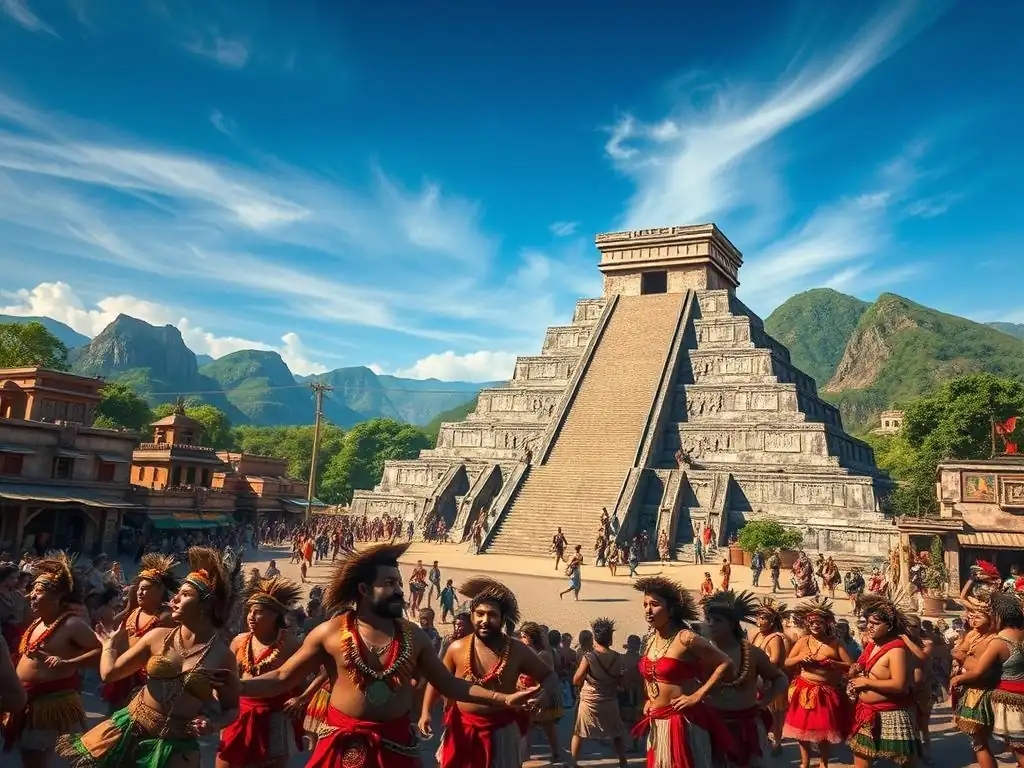
Welcome to Indigenous Civilizations of the Americas, where we embark on a fascinating journey through the rich tapestry of cultures that flourished long before European contact. Delve into the remarkable achievements of Aztec society before conquest, as we uncover the intricate social structures, innovative practices, and enduring legacies that shaped a vibrant civilization. What secrets did the Aztecs hold in their societal frameworks, and how did their accomplishments influence the world around them? Join us as we explore these captivating narratives, igniting your curiosity and inviting you to discover the profound impact of indigenous civilizations on history.
Introduction to Aztec Society
The Aztec society stands as one of the most remarkable civilizations in the pre-Columbian Americas, characterized by its rich cultural heritage and profound achievements. Flourishing in the Valley of Mexico between the 14th and 16th centuries, the Aztecs developed a complex social structure, impressive architectural feats, and significant advancements in various fields.
Understanding the intricacies of Aztec society achievements before conquest is essential for recognizing the depth of their contributions to human civilization and the lasting impact they had on subsequent cultures. This exploration not only uncovers the dynamics of their society but also highlights their innovations and the ways in which they navigated challenges prior to the arrival of European forces.
Overview of the Aztec Civilization
The Aztec civilization, known also as the Mexica, was a coalition of city-states that emerged as a dominant power in Mesoamerica. Central to their society was the capital city of Tenochtitlán, built on an island in Lake Texcoco. The Aztecs were known for their:
- Social Structure: A hierarchical society consisting of nobles, commoners, and enslaved individuals, each playing specific roles in the economy and governance.
- Religion: A polytheistic belief system with a pantheon of gods, where rituals and sacrifices were integral to societal coherence and agricultural success.
- Trade Networks: Extensive trade routes that connected various regions, facilitating the exchange of goods, ideas, and cultural practices.
Understanding these foundational aspects is crucial to appreciating the achievements of Aztec society and their legacy.
Importance of Studying Aztec Society Achievements
Studying the achievements of the Aztec society before the conquest offers invaluable insights into the ingenuity and resilience of indigenous cultures in the Americas. By examining their accomplishments, we can:
- Recognize Cultural Contributions: Appreciate the art, architecture, and literature that emerged from this civilization, which continue to influence modern society.
- Understand Social Dynamics: Explore how their social structures and governance systems functioned, providing lessons in organization and community-building.
- Acknowledge Historical Context: Contextualize the impact of European colonization on indigenous societies and the resulting transformations in cultural identities.
This exploration is not merely an academic exercise but a vital step toward honoring the history and contributions of indigenous peoples.
Major Achievements of Aztec Society Before the Conquest
The Aztecs demonstrated remarkable achievements across various domains, laying the groundwork for a vibrant civilization that thrived before European contact. Below are some of the most notable areas of achievement:
Architectural Marvels in Aztec Society
The Aztecs were master builders, and their architectural achievements reflect their advanced engineering skills:
- Templo Mayor: The main temple in Tenochtitlán, dedicated to the gods Tlaloc and Huitzilopochtli, showcased intricate carvings and monumental structures.
- Chinampas: Innovative floating gardens that allowed for efficient agriculture, demonstrating their ingenuity in land utilization and water management.
- Urban Planning: Tenochtitlán was a marvel of urban design, featuring causeways, canals, and a grid-like layout that facilitated trade and transportation.
Advancements in Agriculture and Economy
Agricultural practices were fundamental to the Aztec economy, supporting a large population and complex society:
- Maize Cultivation: The primary staple crop, maize, was cultivated using advanced techniques such as crop rotation and irrigation.
- Trade Systems: The Aztecs established a robust economy through trade, utilizing a system of tribute from conquered territories and markets to exchange goods.
- Food Preservation: Techniques such as drying and salting food contributed to a stable food supply, enabling the society to thrive.
Contributions to Knowledge and Arts
The Aztecs made significant contributions to various fields of knowledge and artistic expression:
- Calendar Systems: Their sophisticated calendar systems, including the Tonalpohualli and the Xiuhpohualli, reflected their understanding of astronomy and time.
- Artistic Expression: Aztec art, including sculpture, pottery, and textiles, was not only decorative but also served religious and cultural purposes.
- Writing Systems: Though primarily oral, the use of pictograms and codices allowed the Aztecs to record history, mythology, and administrative information.
The achievements of Aztec society before the conquest are a testament to their creativity, resilience, and complexity, offering a rich tapestry of history that continues to inspire and inform our understanding of indigenous cultures in the Americas.
The social structure of Aztec society was intricate and hierarchical, consisting of various classes that played specific roles within the civilization. This structure was crucial in maintaining order and organization, allowing the Aztecs to thrive in numerous aspects, including military, agricultural, and religious endeavors. At the top of the hierarchy were the nobility, who held significant power and influence, followed by priests, warriors, merchants, artisans, and farmers. This stratified system ensured that each group contributed to the overall functioning and prosperity of the society.
Hierarchical Organization of Aztec Society
At the apex of the Aztec social structure was the Emperor, known as the Huey Tlatoani, who wielded supreme authority and was considered a representative of the gods on Earth. Below him were the nobles, or pipiltin, who were landowners and held key political and religious positions. The next tier comprised the priests, responsible for conducting rituals and maintaining the spiritual well-being of the society.
Following the priests were the warriors, celebrated for their martial prowess and often rewarded with land and status for their conquests. The merchants, or pochteca, were also significant, as they facilitated trade and cultural exchange with neighboring civilizations, enhancing the Aztec economy.
At the base of this hierarchy were the commoners, including farmers and laborers, who formed the backbone of the economy. Despite their lower status, their roles were essential for sustaining the society through agriculture and manual labor. This structured organization allowed the Aztec civilization to function effectively, with each class contributing to its achievements and stability.
Gender Roles in Aztec Society
Gender roles in Aztec society were distinct, with men and women occupying different responsibilities. Men typically held positions of power, serving as warriors, priests, and leaders within the community. They were primarily responsible for warfare and governance, reflecting the patriarchal nature of the society.
Women, on the other hand, played vital roles in the domestic sphere. They were responsible for managing households, weaving textiles, and raising children. While their public roles were limited compared to men, women could own property and engage in trade, particularly in marketplaces, highlighting a degree of economic independence.
Additionally, women could achieve high status through religious roles, such as priestesses, and were essential in rituals and ceremonies. The duality of gender roles in Aztec society underscores a complex interaction between male authority and female influence, contributing to the social fabric of the civilization.
Religious and Cultural Practices
The religious and cultural practices of the Aztecs were deeply intertwined, reflecting their beliefs and values. Religion permeated every aspect of life, influencing everything from politics to daily activities. The Aztecs worshipped a pantheon of deities, each associated with different elements of nature and human experience, embodying their understanding of the world around them.
Religious Beliefs and Deities in Aztec Society
Aztec religion was polytheistic, centering around a vast array of gods and goddesses. Prominent deities included Huitzilopochtli, the god of war and the sun, and Tlaloc, the rain god, crucial for agriculture. Rituals and ceremonies were conducted to appease these deities, often involving offerings, music, and dances.
The concept of Teotl, or divine energy, was central to their beliefs, signifying the interconnectedness of all life. The Aztecs believed in the cyclical nature of life and death, which was reflected in their practices, including human sacrifices intended to nourish the gods and ensure cosmic balance. This profound connection between their faith and daily life was pivotal in shaping their societal structure and cultural identity.
Cultural Achievements: Language, Music, and Dance
The Aztecs made significant cultural contributions that continue to influence modern society. Their language, Nahuatl, was not only a means of communication but also a rich literary tradition, encompassing poetry and historical accounts that reflect their worldview and societal values. The preservation of Nahuatl has allowed for a deeper understanding of Aztec culture and history.
Music and dance were integral to Aztec culture, serving both religious and communal purposes. Instruments such as flutes, drums, and rattles accompanied various rituals and celebrations, fostering a sense of unity and cultural identity. Dance, often performed in elaborate costumes, was a form of storytelling, conveying myths and historical events, and reinforcing societal values.
Through these cultural achievements, the Aztecs not only expressed their beliefs and identity but also laid the foundation for a rich cultural tapestry that has endured through centuries, influencing the cultures that followed.
The Impact of Aztec Society Achievements on Future Generations
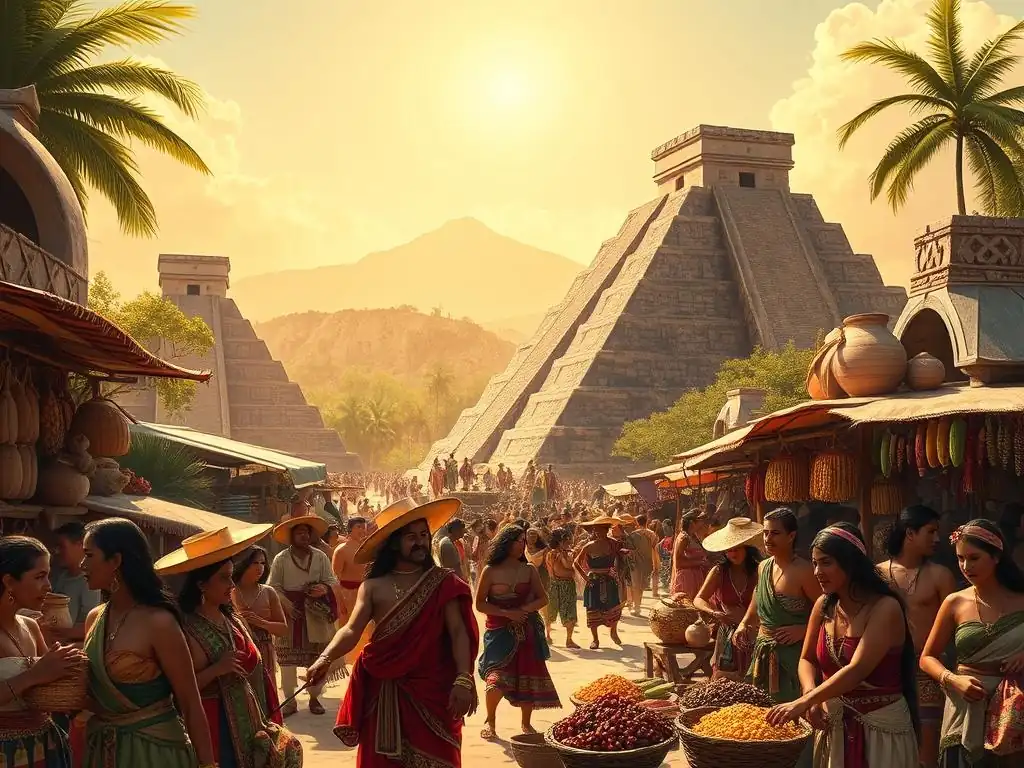
The achievements of Aztec society before the conquest have left a profound legacy that resonates through generations. By examining their advancements in various fields, we can understand how these accomplishments influenced not only their contemporaries but also future indigenous cultures and societies throughout the Americas.
Lasting Influence on Indigenous Cultures
The Aztec civilization was characterized by its complex social structure, advanced agricultural practices, and rich cultural expressions. The agricultural innovations, such as chinampas (floating gardens), revolutionized farming in the region, allowing for increased productivity and sustainability. This method was adopted and adapted by neighboring cultures, ensuring food security and economic stability long after the Aztecs.
Moreover, the intricate social hierarchy and governance systems established by the Aztecs provided a model for other indigenous societies. The emphasis on trade, education, and religion fostered a sense of unity among the various city-states, influencing political and social organization in subsequent generations. The artistic achievements, particularly in sculpture, pottery, and codices, also inspired a wealth of creativity among later cultures, preserving the rich heritage of the Aztecs.
The Intersection of Aztec Achievements and European Colonization
The arrival of European colonizers marked a significant turning point for the Aztec civilization. Despite the devastation wrought by conquest, many aspects of Aztec society persisted, often merging with European traits. For instance, the integration of indigenous agricultural techniques with European farming methods led to new hybrid practices that shaped agricultural systems across the continent.
Additionally, the cultural exchange that followed the colonization resulted in the blending of Aztec religious beliefs with Christianity, creating syncretic traditions that are still evident in many modern indigenous practices. This intersection illustrates how the achievements of Aztec society laid a foundation that would not only influence future generations but also adapt and survive amidst colonial pressures.
Conclusion: The Legacy of Aztec Society Before the Conquest
The legacy of the Aztec society is an intricate tapestry woven from their achievements in governance, agriculture, arts, and culture. The impact of these advancements extends far beyond their immediate historical context, shaping the development of indigenous cultures across the Americas and leaving a lasting imprint on global history.
Reflection on Aztec Society Achievements
Reflecting on the achievements of the Aztec society reveals a civilization that was remarkably sophisticated and advanced for its time. Their innovations in urban planning, such as the construction of Tenochtitlán, showcased architectural prowess and a deep understanding of environmental management. Additionally, their contributions to mathematics and astronomy laid groundwork for future scientific developments. The resilience and ingenuity of the Aztecs continue to inspire and inform our understanding of indigenous civilizations.
The Importance of Preserving Indigenous Histories
Preserving the histories and achievements of the Aztec society is crucial for recognizing the richness of indigenous cultures. By honoring their legacy, we not only acknowledge the injustices faced during colonization but also celebrate the resilience and enduring influence of these communities. Efforts to document and share indigenous histories foster a greater appreciation for cultural diversity and promote a more inclusive understanding of history, ensuring that the achievements of the Aztecs and other indigenous societies are remembered and respected for generations to come.
References and Further Reading
The study of Aztec society and its achievements before the conquest offers a rich tapestry of insights into one of the most advanced civilizations of the pre-Columbian Americas. For those interested in delving deeper into this fascinating subject, a variety of resources are available, encompassing academic literature, historical analyses, and cultural studies. Below are some recommended references and further reading to enhance your understanding of Aztec society.
Suggested Literature on Aztec Society and Achievements
-
"The Aztecs: A Very Short Introduction" by David Carrasco
This concise book provides a comprehensive overview of Aztec history, culture, and achievements. Carrasco highlights the complexities of Aztec society, including its religious practices, social structures, and economic systems.
-
"Aztec Society: An Introduction" by Manuel Aguilar-Moreno
This work delves into the intricate social hierarchies of the Aztecs, exploring how their achievements in architecture, agriculture, and governance shaped their civilization. Aguilar-Moreno also examines the cultural significance of art and religion in Aztec life.
-
"The Aztecs: Civilization and Culture" by Charles M. G. Smith
Smith’s book is an in-depth analysis of the Aztec Empire’s achievements in various fields such as engineering, astronomy, and agriculture. It also discusses the impact of these achievements on the society as a whole.
-
"Weaving the Past: A History of Latin America" by Barbara E. Mundy
While broader in scope, this text provides valuable context regarding the indigenous civilizations of Latin America, including the Aztecs. Mundy explores cultural interactions and the legacies of these societies in modern times.
-
"Daily Life in the Aztec Empire" by David Carrasco and Scott Sessions
This book offers a vivid portrayal of everyday life in the Aztec Empire, detailing social customs, economic activities, and the roles of different classes within Aztec society.
Resources for Exploring Indigenous Civilizations
-
Online Collections and Archives
Many universities and institutions offer digital collections focusing on indigenous cultures. Notable examples include:
- The Biodiversity Heritage Library which includes studies on the flora and fauna significant to Aztec agriculture.
- The Newberry Library's digital collections that feature rare books and manuscripts related to the Aztec and other indigenous peoples.
-
Documentaries and Educational Videos
Platforms like YouTube and educational streaming services often feature documentaries that explore Aztec civilization. Look for series that focus on indigenous histories, which can provide visual context to the achievements discussed in literature.
-
Museums and Cultural Institutions
Institutions such as the National Museum of Anthropology in Mexico City offer extensive exhibits on Aztec history. Visiting such museums can provide a tangible connection to Aztec achievements through artifacts and interactive displays.
-
Indigenous Organizations and Cultural Centers
Engaging with organizations dedicated to the promotion of indigenous cultures can provide insights and resources on the continued legacy of the Aztecs and other civilizations. These organizations often host events, lectures, and workshops that highlight indigenous history and culture.
By exploring these references and resources, one can gain a deeper appreciation for the complexities and achievements of Aztec society before the European conquest, enriching our understanding of their lasting impact on history and culture.
- Introduction to Aztec Society
- Major Achievements of Aztec Society Before the Conquest
- Social Structure of Aztec Society
- Religious and Cultural Practices
- The Impact of Aztec Society Achievements on Future Generations
- Conclusion: The Legacy of Aztec Society Before the Conquest
- References and Further Reading
- What were some key achievements of Aztec society before the conquest?
- How did the religious practices of the Aztecs influence their achievements?
- What role did trade play in the success of Aztec society?
- Can you explain the social structure of Aztec society?
- How did agriculture contribute to the Aztec civilization's achievements?
Frequently Asked Questions
What were some key achievements of Aztec society before the conquest?
Aztec society is known for its advanced agricultural techniques, impressive architecture, and a complex social structure that included various classes and roles.
How did the religious practices of the Aztecs influence their achievements?
The Aztecs' religious beliefs played a crucial role in their achievements, driving them to create remarkable temples and rituals that showcased their architectural and artistic skills.
What role did trade play in the success of Aztec society?
Trade was essential for the Aztecs, allowing them to acquire resources not available locally, which facilitated economic prosperity and cultural exchange with neighboring regions.
The social structure was hierarchical, including nobles, priests, warriors, and commoners, each playing vital roles that contributed to the overall stability and achievements of the society.
How did agriculture contribute to the Aztec civilization's achievements?
The Aztecs developed sophisticated farming methods, such as chinampas (floating gardens), which significantly boosted their food production and supported a large urban population, enhancing their overall civilization.
Final Reflection: Celebrating the Achievements of Aztec Society Before Conquest
The remarkable achievements of Aztec society before the conquest serve as a testament to human ingenuity and resilience. As we delve into their sophisticated agricultural practices, intricate social structures, and rich cultural contributions, we realize that these elements not only shaped their civilization but also laid the groundwork for future societies. The legacy of the Aztecs is not merely a historical footnote; it is a vibrant reminder of the potential for greatness that exists within every culture, regardless of the challenges they face.
The influence of Aztec society continues to resonate in our contemporary world, reminding us of the importance of cultural heritage and innovation. The advancements in engineering, astronomy, and art that the Aztecs achieved are not just relics of the past; they are a source of inspiration for modern thinkers and creators. As the historian Miguel León-Portilla once said, The past is not dead; it is not even past.
This quote encapsulates the enduring relevance of the Aztec legacy, urging us to recognize and appreciate the complexities of their contributions to human civilization.
As we reflect on the achievements of Aztec society, let us embrace the lessons of resilience, creativity, and community that they impart. I invite you to explore your own cultural heritage and consider how it has shaped your identity and values. By honoring the past and recognizing the achievements of those who came before us, we can foster a deeper understanding of our shared humanity and inspire future generations to build upon the foundations laid by their ancestors.
Unveil the Rich Legacy of Aztec Society!
Thank you for diving into the fascinating world of the Aztec civilization with us! Your interest in their achievements and structures enriches our understanding of this remarkable culture. Now that you've gained insights into the complexities of Aztec life, it’s time to put that knowledge into action.
Here are some ways you can continue your exploration and engage with this topic:
- Immerse Yourself: Visit a local museum showcasing Mesoamerican artifacts to experience the artistry and innovations of the Aztecs up close.
- Connect with Others: Join online forums or local history groups dedicated to indigenous cultures to share insights and expand your understanding of their rich heritage.
- Spread the Knowledge: Share this article with friends or on social media to spark meaningful conversations about the significance of Aztec society and its impact on history.
What new perspectives have you gained about the Aztecs that challenge your previous understanding? Let's discuss in the comments!