
The Tlatelolco Market: Economic Governance in the Aztec Capital

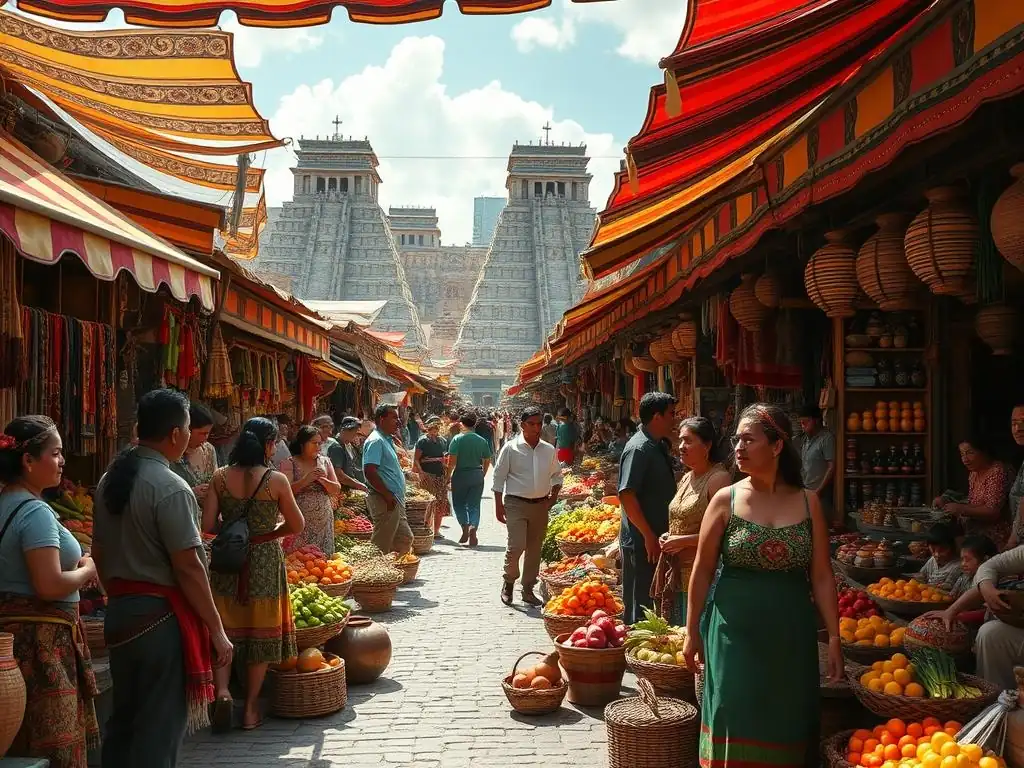
Welcome to Indigenous Civilizations of the Americas, where we invite you to journey through the rich tapestry of cultures that flourished across the continent long before European contact. Dive into our featured article, “The Tlatelolco Market: Economic Governance in the Aztec Capital,” and uncover the intricate dynamics of the Aztec economy. Discover how this bustling market not only served as a hub for trade but also reflected the sophisticated societal structures of the time. Prepare to be captivated by the achievements and legacies of these remarkable civilizations, and let your curiosity lead you deeper into their world!
Introduction to the Tlatelolco Market
The Tlatelolco Market stands as a quintessential symbol of the economic prowess and cultural vibrancy of the Aztec civilization. Located in the bustling city of Tlatelolco, adjacent to the grand capital of Tenochtitlan, this market was not merely a center for trade; it was an intricate web of economic governance that reflected the sophisticated societal structures of the Aztecs. The Tlatelolco Market played a crucial role in the Aztec economy, serving as a meeting point for merchants and consumers from various regions.
Its influence extended beyond mere commerce, impacting the social and political landscapes of the time. In this article, we will delve into the various aspects of the Tlatelolco Market, highlighting its significance in facilitating economic transactions and shaping the governance of the Aztec Empire.
Overview of Tlatelolco as a Cultural and Economic Hub
Tlatelolco emerged as a prominent cultural and economic hub within the Aztec Empire, especially after its establishment in the 14th century. As a vibrant urban center, it was characterized by a diverse population that included traders, artisans, and commoners. The proximity of Tlatelolco to Tenochtitlan allowed it to flourish, with the market becoming a melting pot of various goods, services, and cultural exchanges.
- Cultural Significance: Tlatelolco was not only a marketplace but also a place where festivals, rituals, and social gatherings took place, reinforcing community bonds.
- Economic Diversity: The market catered to a wide range of needs, providing everything from food and textiles to luxury goods, thus supporting both local and regional economies.
The dynamic interactions within Tlatelolco contributed to its status as a vital component of the Aztec civilization, illustrating the interdependence of culture and economy.
Importance of the Tlatelolco Market in the Aztec Economy
The Tlatelolco Market was integral to the Aztec economy, serving as the primary hub for commerce and trade. It played a pivotal role in facilitating the exchange of goods and resources throughout the empire.
- Trade Network: The market was a central node in an extensive trade network that connected various regions, enabling the flow of commodities such as cacao, textiles, and ceramics.
- Economic Regulation: The Aztec government imposed regulations on trade practices within the market, ensuring fair pricing and the quality of goods, which fostered trust and stability in economic transactions.
The Tlatelolco Market exemplified the complexity of the Aztec economy, showcasing how commerce was woven into the fabric of their societal governance.
The Structure of the Tlatelolco Market
Layout and Organization of the Market
The Tlatelolco Market's layout was meticulously organized, designed to accommodate the bustling activity of trade. The market was divided into various sections, each designated for specific types of goods. This organization enhanced the efficiency of transactions and allowed traders to easily navigate the market.
- Design Features: Streets and pathways were lined with stalls and booths, where vendors displayed their wares, creating a vibrant atmosphere filled with the sounds and scents of commerce.
- Accessibility: The market was strategically located and easily accessible, drawing merchants and consumers from both Tlatelolco and Tenochtitlan.
The thoughtful design of the Tlatelolco Market facilitated smooth economic activity, contributing to its success as a trading hub.
Types of Goods and Services Offered at Tlatelolco
A diverse array of goods and services thrived in the Tlatelolco Market, reflecting the richness of the Aztec economy. Merchants offered everything from everyday necessities to luxury items, catering to a wide spectrum of consumers.
- Common Goods: Staples such as maize, beans, and chili were readily available, ensuring food security for the population.
- Luxury Items: Cacao, precious metals, and fine textiles were also traded, indicating the wealth and social stratification present within Aztec society.
- Services: Artisans provided services such as pottery, weaving, and metalwork, further enriching the market's offerings.
The variety of goods and services available at Tlatelolco highlights the economic diversity and complexity of the Aztec civilization.
Role of Merchants and Traders in the Aztec Economy
Merchants and traders were vital to the functioning of the Tlatelolco Market, acting as the lifeblood of the Aztec economy. They not only facilitated trade but also played a crucial role in the dissemination of culture and information throughout the empire.
- Merchant Classes: Different classes of merchants existed, from common traders to elite merchants who dealt in luxury goods and held significant influence in society.
- Cultural Exchange: Merchants were instrumental in fostering cultural exchanges, bringing goods and ideas from distant regions, which contributed to the richness of Aztec culture.
The Tlatelolco Market was a cornerstone of the Aztec economy, embodying the intricate relationship between commerce, culture, and governance in this remarkable civilization.
Economic Governance in the Tlatelolco Market
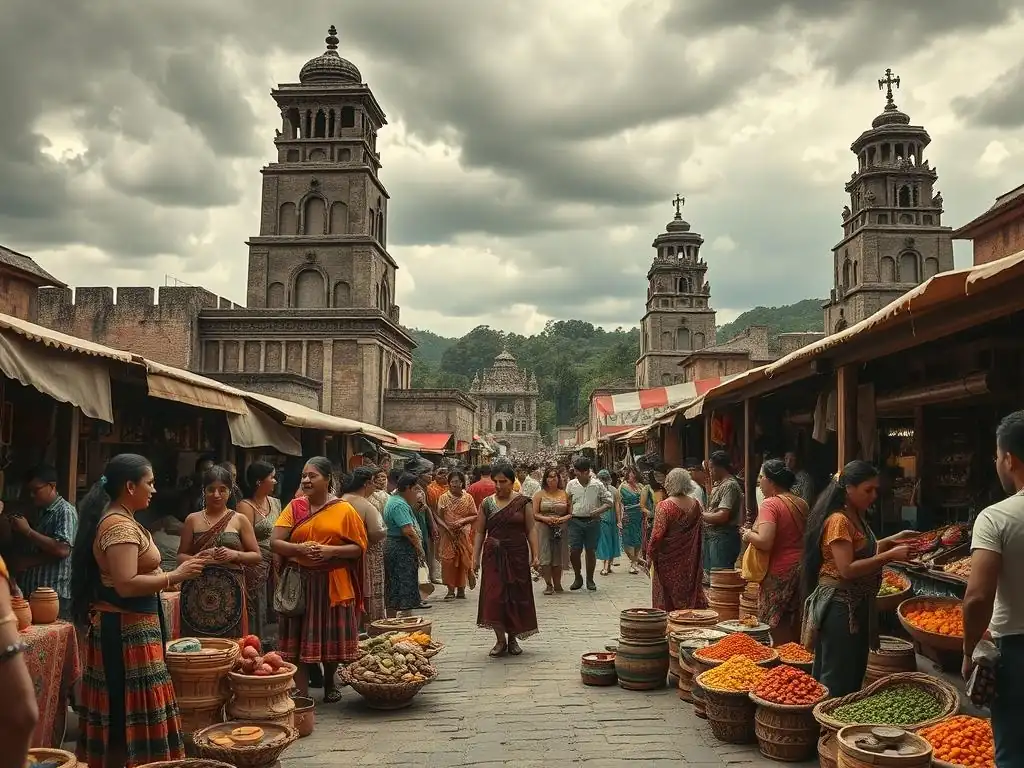
The Tlatelolco Market, considered one of the largest and most significant markets in the Aztec Empire, served not only as a hub for trade and commerce but also as a focal point for economic governance. Situated in the Tlatelolco district of present-day Mexico City, this bustling market exemplified the sophisticated economic systems that the Aztecs had developed. With a well-structured regulatory framework, the market was instrumental in controlling the flow of goods, maintaining fair practices, and ensuring the welfare of its citizens.
Economic governance in Tlatelolco was characterized by clear regulations that dictated market operations. These regulations helped to create an environment where traders could conduct business safely and efficiently, fostering trust among vendors and consumers alike. The market's governance was not only about regulation but also involved active participation from various levels of the Aztec government, highlighting the interrelationship between politics and economics in shaping the Aztec economy.
Regulation and Oversight of Market Activities
The Aztec government implemented a series of regulations to oversee market activities in Tlatelolco, ensuring fair trade practices and preventing fraud. Market officials, known as tlacatecatl, were responsible for monitoring transactions, weighing goods, and enforcing the quality of products sold. These officials played a critical role in maintaining order and trust within the marketplace.
- Standardized Measurements: The use of standardized weights and measures was crucial to ensure that traders conducted fair transactions. This helped in minimizing disputes and enhancing the reliability of trade.
- Price Control: The government often intervened in price-setting for essential goods to prevent exploitation during times of scarcity. Such measures provided a safety net for the most vulnerable members of society.
- Licensing: Traders were required to register and obtain licenses to operate within the market, allowing the government to maintain a record of economic activities and facilitate taxation.
This system of oversight not only protected consumers but also maintained the integrity of the Tlatelolco Market as a key component of the Aztec economy.
The Role of the Aztec Government in Economic Transactions
The Aztec government played a pivotal role in economic transactions at the Tlatelolco Market by establishing laws that governed trade practices and mediating disputes. The state’s involvement was essential to ensure a smooth flow of commerce and to uphold the economic stability of the empire.
- Legal Framework: A robust legal system was in place to address grievances and disputes arising from trade. This included the establishment of courts specifically for market-related issues, allowing for timely resolution of conflicts.
- Taxation: The government imposed taxes on goods sold in the market, which were critical for financing public projects and maintaining the empire’s infrastructure. These taxes were generally seen as a fair contribution to the community’s well-being.
- Promotion of Trade: The Aztecs actively promoted trade by organizing festivals and events that showcased local products. Such initiatives not only stimulated the economy but also reinforced the cultural identity of the Aztec people.
Through these mechanisms, the Aztec government ensured that the Tlatelolco Market functioned effectively as an economic powerhouse, pivotal to the overall prosperity of the empire.
Impact of Economic Policies on Market Operations
The economic policies implemented by the Aztec government had far-reaching effects on the operations of the Tlatelolco Market. These policies shaped not only the market dynamics but also the social interactions among its participants.
- Encouragement of Specialization: Economic policies encouraged artisans and farmers to specialize in certain goods, enhancing the diversity of products available in the market. This specialization allowed for a more efficient allocation of resources.
- Stability and Growth: By instituting fair trade practices and ensuring market stability, the government fostered an environment conducive to economic growth. The consistent influx of traders and consumers contributed to Tlatelolco's reputation as a vibrant trade center.
- Cultural Exchange: The Tlatelolco Market served as a melting pot of cultures, where diverse groups interacted through trade. Economic policies that supported inclusivity in trade facilitated cultural exchange and enriched social fabric.
Overall, the economic policies of the Aztec government were integral to the successful operation of the Tlatelolco Market, making it a cornerstone of the Aztec economy.
The Tlatelolco Market was not just an economic center but also a reflection of the complex social structure of the Aztec civilization. The interactions that occurred within its confines shed light on social hierarchies, gender roles, and community engagement.
Interaction Between Different Social Classes in the Market
The market served as a unique space where individuals from various social classes intersected. Merchants, nobles, farmers, and artisans all participated in market activities, creating a dynamic social environment.
- Social Mobility: The Tlatelolco Market provided opportunities for social mobility, as successful merchants could elevate their status and influence within the community. This encouraged competition and innovation among traders.
- Networking Opportunities: The interactions in the market allowed for the establishment of networks that transcended social classes. Such connections were vital for sharing information, resources, and support among different groups.
- Civic Engagement: The market was a venue for civic engagement, where individuals could discuss political matters and express their opinions. This interaction contributed to a sense of community and collective identity.
The blend of social classes in the Tlatelolco Market fostered a diverse community, enhancing the social landscape of the Aztec civilization.
Influence of Gender Roles in Market Activities
Gender roles played a significant part in shaping market activities at Tlatelolco. Both men and women engaged in trade, but their roles and responsibilities often differed, reflecting broader societal norms.
- Women in Trade: Women were active participants in the market, selling goods such as textiles, food, and pottery. Their involvement was crucial to the economic sustenance of families and the community.
- Roles and Responsibilities: While men typically engaged in larger scale trading and long-distance commerce, women often focused on local markets and home-based production. This division of labor allowed for a balanced economic ecosystem.
- Cultural Representation: The presence of women in the market highlighted their importance in society, challenging stereotypes and showcasing their entrepreneurial spirit. Festivals and rituals often included women prominently, further integrating them into the economic sphere.
The Tlatelolco Market thus played a significant role in both reflecting and shaping gender dynamics within the Aztec society.
Community and Political Engagement through Trade
Trade at the Tlatelolco Market was not solely about economic transactions; it also served as a platform for community and political engagement. The market was a focal point where various aspects of Aztec life converged.
- Civic Discussions: The market provided a venue for citizens to discuss political issues, express grievances, and engage in community decision-making. These discussions often influenced local governance and policies.
- Cultural Events: Festivals and ceremonies held in the market attracted large crowds, fostering a sense of unity and cultural identity among the Aztecs. These events often had economic implications, boosting trade and participation.
- Resource Allocation: The market also played a role in the distribution of resources, particularly during times of crisis. Community leaders would coordinate efforts to ensure that essential goods reached those in need, reinforcing the social contract among citizens.
Through these multifaceted interactions, the Tlatelolco Market became a vital space for both economic and political engagement, underscoring its significance in the Aztec civilization.
Comparison of Tlatelolco Market with Other Aztec Markets
The Tlatelolco Market, known as the largest and most bustling market of the Aztec Empire, stands out in comparison to other markets within the civilization. It was not just a center for trade but also a hub for social interaction and cultural exchange. While other markets, such as those in Tenochtitlan, served similar functions, Tlatelolco's scale and organization provided unique characteristics that significantly influenced the Aztec economy.
One of the key aspects that differentiates the Tlatelolco Market from others is its sheer size. Covering approximately 50 acres, it hosted thousands of vendors and a diverse array of goods. In contrast, smaller markets in surrounding towns typically had limited offerings and foot traffic. This extensive reach allowed for the circulation of a broader range of goods, including textiles, pottery, foodstuffs, and luxury items like cacao and gold.
Key Differences Between Tlatelolco and Tenochtitlan Markets
While both Tlatelolco and Tenochtitlan markets were central to the Aztec economy, several distinct differences set them apart:
- Size and Capacity: Tlatelolco was the larger market, accommodating up to 25,000 vendors daily. Tenochtitlan, while significant, hosted fewer merchants and had a more compact layout.
- Items Traded: Tlatelolco specialized in a wider range of goods, including rare items and luxury goods that attracted traders from distant regions. Tenochtitlan's market focused more on everyday commodities necessary for the local population.
- Cultural Significance: The Tlatelolco Market was emblematic of Tlatelolco's independence and economic prowess, serving as a symbol of resistance and identity for its inhabitants. Tenochtitlan was seen as the political and spiritual heart of the Aztec Empire, making its market more a reflection of state power than local culture.
These differences illustrate how the Tlatelolco Market not only served economic purposes but also played a pivotal role in the socio-political landscape of the Aztec civilization.
Similarities in Economic Practices Across Aztec Markets
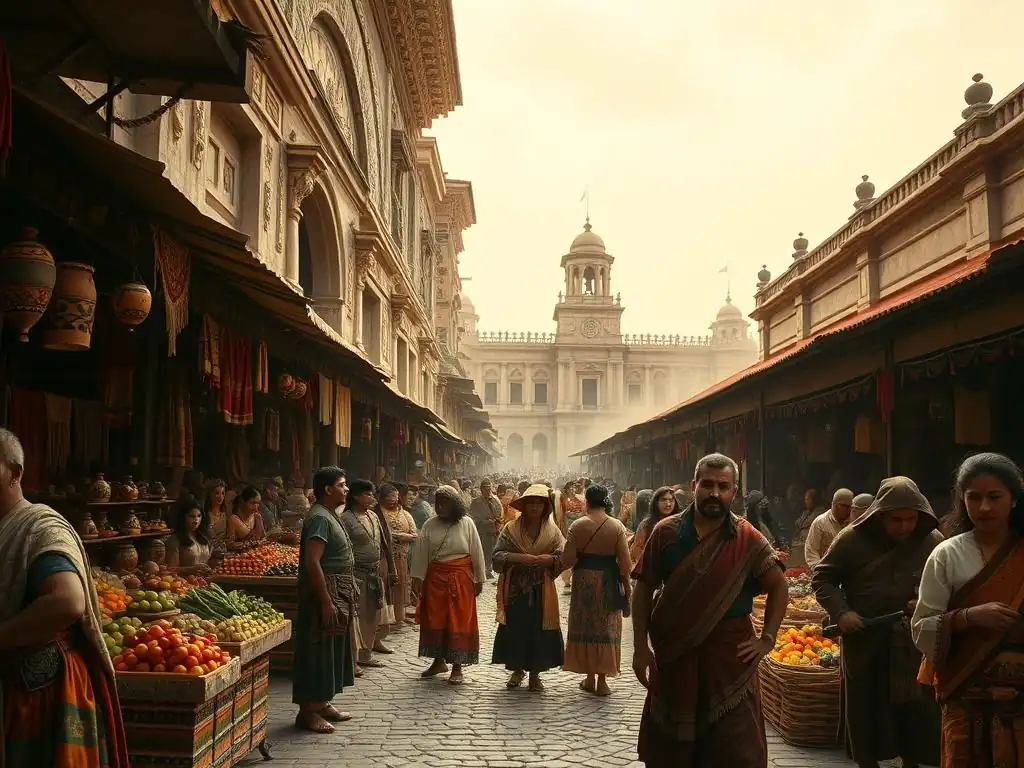
Despite the differences, there were notable similarities in economic practices that permeated all Aztec markets, fostering a cohesive economic framework throughout the empire. Key similarities include:
- Barter System: Like other markets, Tlatelolco operated primarily on a barter system, where goods and services were exchanged without the use of currency. This practice emphasized the value of goods based on necessity and demand.
- Regulation and Oversight: Markets across the Aztec Empire were regulated by state authorities to ensure fair trade practices. Merchants were subject to specific rules regarding weights and measures, which were upheld to maintain order and prevent fraud.
- Cultural Exchange: Markets served as venues for cultural exchange, where diverse groups came together to trade, share ideas, and foster relationships. This characteristic was prevalent in Tlatelolco, where traders from various regions engaged in commerce, bringing their customs and practices.
These economic practices not only facilitated trade but also contributed to the social fabric of the Aztec civilization, reinforcing community ties and cultural identity.
The Tlatelolco Market's Legacy
The legacy of the Tlatelolco Market extends far beyond its operational years in the Aztec Empire. Its influence is evident in various aspects of modern Mexican society and economy.
Lasting Impact on Modern Mexican Economy
Today, the Tlatelolco Market serves as a historical reference point for understanding the foundations of Mexico’s contemporary economy. The market’s emphasis on local goods and community interaction has paved the way for modern markets and trade practices in Mexico. The principles of bartering and local commerce remain relevant, as many markets today promote local artisans and sustainable practices. Additionally, the legacy of Tlatelolco can be seen in the vibrant street markets that populate urban areas, highlighting the importance of trade in cultural and economic exchanges.
Historical Significance of the Tlatelolco Market in Aztec Governance
The Tlatelolco Market played a crucial role in the governance of the Aztec Empire. It was not only a site of economic activity but also a location for the dissemination of political power and authority. The market was closely monitored by state officials, reflecting the centralized control exercised by the Aztec rulers. This oversight ensured that trade practices aligned with the empire's economic policies and facilitated the collection of tributes and taxes.
Moreover, the market served as a venue for the announcement of laws and decrees, making it a focal point for civic engagement. The interactions that took place within Tlatelolco contributed to the political discourse of the time, influencing public opinion and societal norms. Thus, the Tlatelolco Market was integral to the operational fabric of Aztec governance, linking economic activity with political authority and cultural identity.
Conclusion
The Tlatelolco Market stands as a remarkable testament to the sophisticated economic governance of the Aztec civilization. This bustling marketplace not only served as a hub for trade but also exemplified the intricate systems of organization, regulation, and cultural exchange that characterized the Aztec economy. The market's diverse offerings and the vibrant interactions among merchants, consumers, and officials underscore its pivotal role in sustaining the economic fabric of the Aztec society.
Summary of the Tlatelolco Market's Economic Role in the Aztec Civilization
The Tlatelolco Market was more than just a venue for commerce; it was the heartbeat of the Aztec economy. Located in the capital city of Tenochtitlan, this market facilitated the exchange of goods ranging from agricultural products to artisan crafts. It was a space where local farmers, craftsmen, and traders converged, fostering economic interdependence and community ties.
The organization of the market reflected the Aztec’s advanced understanding of economic systems. Officials maintained order, ensured fair trading practices, and enforced regulations to protect both merchants and consumers. The market's structured environment allowed for the efficient movement of goods and resources, which was critical for the sustenance of the Aztec Empire. Notably, the market also played a role in the redistribution of wealth, as it provided opportunities for the lower classes to engage in trade, thus promoting social mobility and economic diversity.
Reflection on the Importance of Studying Indigenous Economic Systems
Studying indigenous economic systems, such as that of the Tlatelolco Market, offers invaluable insights into the complexities of pre-colonial societies. These systems were often characterized by their unique approaches to trade, resource management, and social organization, which challenge the prevailing narratives of economic development that often center on European models.
Understanding the Tlatelolco Market and its function within the Aztec economy allows us to appreciate the ingenuity and resilience of indigenous cultures. It highlights how these societies developed sophisticated mechanisms to manage their economies, which were deeply intertwined with their social and political structures. Moreover, recognizing the significance of such markets in indigenous civilizations informs contemporary discussions about economic governance, sustainability, and cultural preservation.
In essence, the exploration of the Tlatelolco Market not only illuminates the economic foundations of the Aztec civilization but also serves as a reminder of the rich and diverse legacies of indigenous peoples across the Americas. By studying these systems, we gain a deeper understanding of their historical context and the enduring impact they have on modern economic practices and cultural identities.
- Introduction to the Tlatelolco Market
- Overview of Tlatelolco as a Cultural and Economic Hub
- Importance of the Tlatelolco Market in the Aztec Economy
- The Structure of the Tlatelolco Market
- Economic Governance in the Tlatelolco Market
- The Tlatelolco Market and Social Structure
- Comparison of Tlatelolco Market with Other Aztec Markets
- Key Differences Between Tlatelolco and Tenochtitlan Markets
- Similarities in Economic Practices Across Aztec Markets
- The Tlatelolco Market's Legacy
- Conclusion
- What was the significance of the Tlatelolco Market in the Aztec economy?
- How did the Tlatelolco Market reflect the governance of the Aztec society?
- What types of goods were commonly traded at Tlatelolco Market?
- How did the Tlatelolco Market influence social interactions among the Aztecs?
- What lasting impact did the Tlatelolco Market have on future civilizations?
Frequently Asked Questions
What was the significance of the Tlatelolco Market in the Aztec economy?
The Tlatelolco Market served as a central hub for trade, showcasing the economic prowess of the Aztec civilization through its vast array of goods and vibrant commercial activities.
How did the Tlatelolco Market reflect the governance of the Aztec society?
The market illustrated the economic governance of the Aztecs by establishing regulations, ensuring fair trade practices, and promoting social order among merchants and consumers.
What types of goods were commonly traded at Tlatelolco Market?
At the Tlatelolco Market, traders dealt in a diverse range of products, including food, textiles, pottery, and luxury items, which were essential for sustaining the Aztec economy.
Tlatelolco Market acted as a social hub, where people from various backgrounds interacted, exchanged ideas, and formed community ties, fostering a sense of unity within the society.
What lasting impact did the Tlatelolco Market have on future civilizations?
The Tlatelolco Market set a precedent for economic systems and trade practices in Mesoamerica, influencing subsequent cultures and their approaches to commerce and governance.
Final Reflection: The Enduring Legacy of the Tlatelolco Market in Economic Governance
The Tlatelolco Market stands as a testament to the sophistication of the Aztec economy, illustrating how ancient practices continue to resonate in today's discussions on economic governance. In an era where economic systems are constantly evolving, the principles of trade, community engagement, and resource management that flourished in Tlatelolco remind us of the foundational elements that sustain societies. The market was not merely a place of commerce; it was a vibrant hub of culture and governance that shaped the lives of its people, emphasizing the interconnectedness of economy and community.
The influence of the Tlatelolco Market extends beyond its historical context, serving as a lens through which we can examine contemporary economic practices and social structures. Today, as we grapple with issues of sustainability and equitable growth, the lessons learned from Tlatelolco's governance model become increasingly relevant. The market is a reflection of society's values, and in Tlatelolco, we see how economic activity can foster community and resilience.
This observation invites us to consider how our current economic systems can learn from the past, integrating community-focused approaches that prioritize the well-being of all participants.
As we reflect on the significance of the Tlatelolco Market, I encourage you to consider how the principles of economic governance illustrated in this ancient marketplace can be applied in your own life. What lessons can you draw from the past to influence your understanding of community and commerce today? By embracing the spirit of collaboration and mindful resource management exemplified by the Tlatelolco Market, we can contribute to a more equitable and sustainable future, ensuring that the legacy of this remarkable place continues to inspire generations to come.
Uncover the Richness of Tlatelolco’s Legacy!
Thank you for exploring the fascinating insights into the Tlatelolco Market and its significant role in the economic governance of the Aztec capital. By delving into this vibrant aspect of indigenous history, you’ve uncovered the interconnectedness of culture, commerce, and community.
Now, it's time to take your journey further! Here are some inspired actions you can take:
- Engage with History: Visit your local museum or cultural institution that showcases indigenous artifacts or exhibits related to the Aztec civilization. This will enhance your understanding and appreciation of their rich heritage.
- Share Your Insights: Discuss what you learned from this article with friends or family. Start a conversation about the importance of economic systems in ancient cultures and their relevance today!
- Explore Other Indigenous Markets: Look into local or online markets where indigenous artisans sell their crafts. By supporting these communities, you can help preserve their traditions and promote their cultural expression.
What aspect of Tlatelolco's governance or economic practices sparks your curiosity the most? How do you think it resonates with today’s market systems?