The Cultural Significance of Crop Diversity in Indigenous Societies
🌱 Indigenous crop diversity significance plays a vital role in shaping the cultural identity and traditions of indigenous societies. By preserving a…
Read article
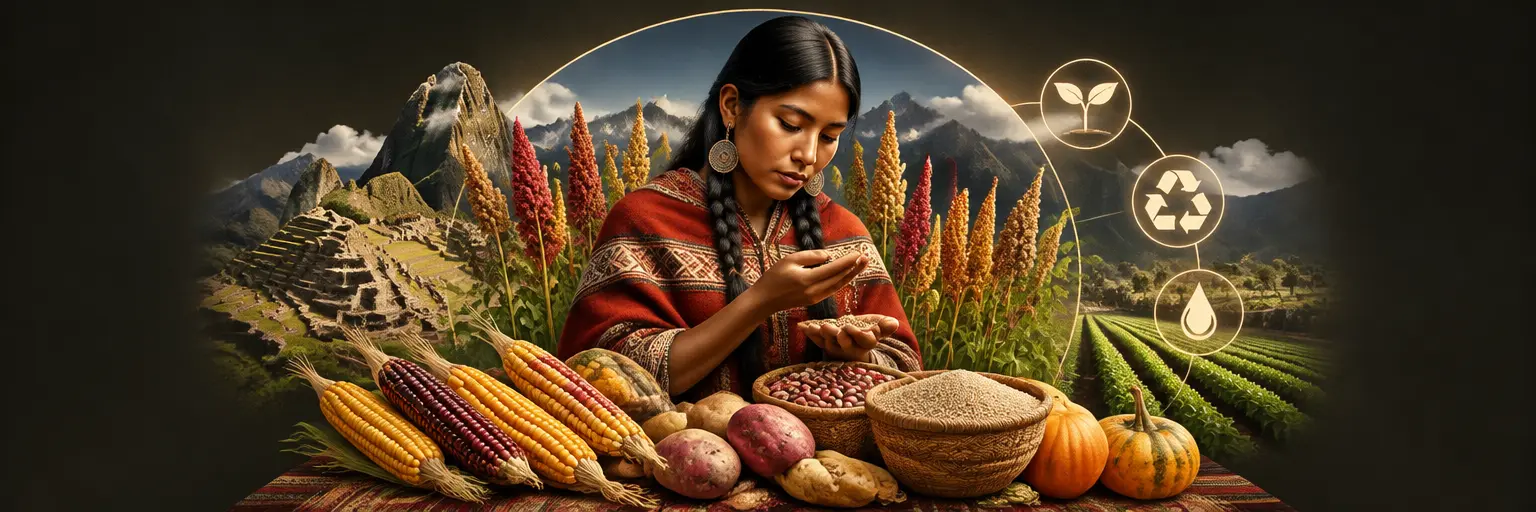
Discover how ancient ingenuity meets modern responsibility in the story of Crop Domestication and Sustainability—a cornerstone of indigenous achievement across the Americas. From the humble teosinte grass to the world’s staple maize, native farmers engineered resilient crops through centuries of selective breeding, agroecology, and deep ecological knowledge. Their sustainable practices—terracing, companion planting, and irrigation—not only fed millions but nurtured biodiversity and soil health, offering timeless lessons for today’s climate challenges. Explore the profound legacy of these agricultural pioneers and see how their wisdom continues to shape global food security. Journey into the fields of the past to cultivate a more sustainable future. 🌽🌱
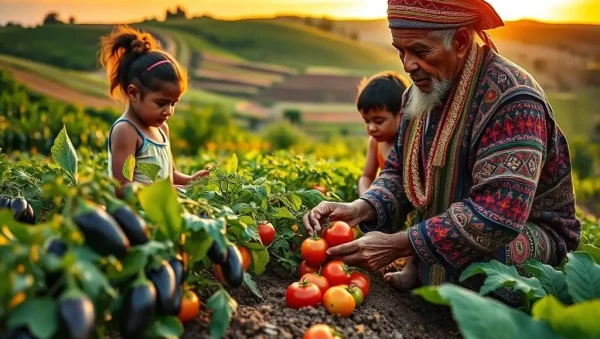
🌱 Indigenous crop diversity significance plays a vital role in shaping the cultural identity and traditions of indigenous societies. By preserving a…
Read article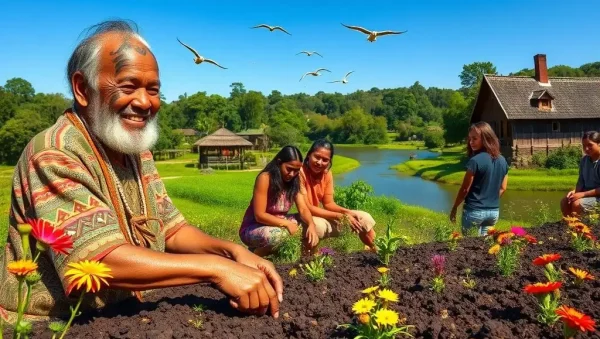
🌿 Integrating Indigenous wisdom can reveal invaluable insights for modern sustainability. By embracing Indigenous practices for modern sustainability, we honor ancient traditions…
Read article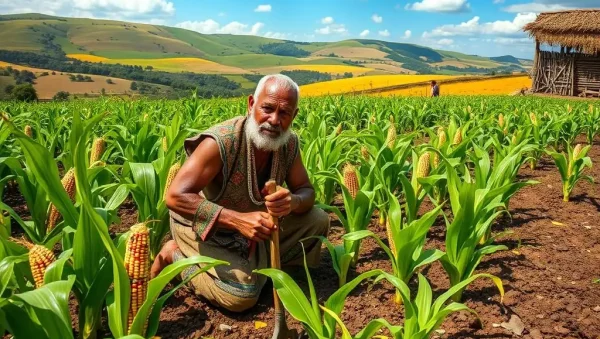
🌽 The evolution of maize showcases the brilliance of Indigenous maize agricultural techniques, highlighting how ancient cultures expertly cultivated this vital crop.…
Read article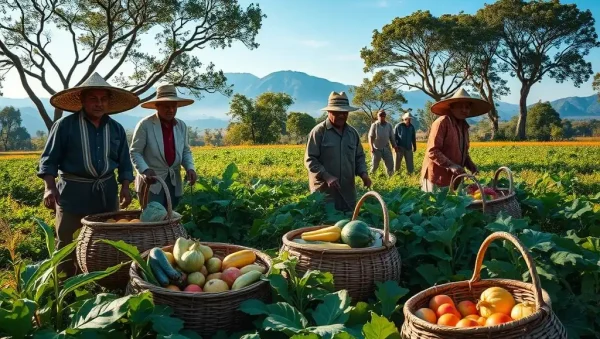
🌱 Indigenous crop domestication profoundly influenced the development of societies across the Americas, fostering agricultural innovations that shaped cultural identities, economic practices,…
Read articleWelcome to the fascinating world of Crop Domestication and Sustainability, a core pillar of the Advancements and Achievements of Indigenous civilizations. This subcategory reveals how Native peoples of the Americas transformed wild plants into staple foods, engineered resilient agricultural systems, and practiced land stewardship that sustained millions for millennia. Here, you will uncover the botanical genius behind maize, potatoes, quinoa, and cacao, alongside soil conservation techniques like terracing and companion planting. By understanding these innovations, you’ll appreciate how indigenous knowledge offers timeless solutions for modern food security and environmental balance. Dive into a rich legacy of ecological wisdom and sustainable ingenuity.
Maize (corn) is arguably the most significant domesticated crop from the Americas, originating from a wild grass called teosinte in present-day Mexico around 9,000 years ago. Indigenous farmers selectively bred for larger cobs, softer kernels, and higher yields, creating hundreds of varieties adapted to diverse climates—from highland deserts to tropical lowlands. This genetic transformation laid the foundation for complex societies like the Maya and Aztec, whose economies and mythology centered on maize. The process demonstrates sophisticated observational breeding techniques that predate modern genetics by millennia.
Beyond its nutritional value, maize cultivation was paired with intercropping using the “Three Sisters” method: maize, beans, and squash. Beans fixed nitrogen in the soil, squash’s broad leaves suppressed weeds and retained moisture, and maize stalks provided natural trellises. This polyculture boosted yields, reduced erosion, and enhanced biodiversity—a stark contrast to monoculture farming. Today, maize remains a global food source, but its indigenous origins and sustainable cultivation logic offer critical lessons for climate-resilient agriculture and food sovereignty.
The Andean region (modern Peru, Bolivia, Ecuador) produced over 4,000 varieties of potatoes, domesticated from wild species at altitudes above 3,000 meters. Indigenous farmers developed freeze-drying techniques (chuño) that preserved potatoes for years, enabling storage and trade across the Inca Empire. Concurrently, quinoa and amaranth were cultivated as protein-rich pseudo-grains, revered as sacred crops. These foods provided complete amino acid profiles, vital for high-altitude populations. Their adaptability to harsh soils and drought makes them indispensable for global food security today.
Sustainability in the Andes was achieved through terracing and raised-field agriculture (waru waru), which prevented erosion, managed water runoff, and created microclimates. Farmers rotated crops and left land fallow to restore fertility, while community-based land management (ayllu) ensured equitable distribution and ecological balance. This holistic approach combined agronomy with social organization, showcasing how indigenous systems integrated environmental health with cultural resilience—a model for regenerative agriculture in mountainous regions worldwide.
Contrary to myths of a pristine wilderness, Indigenous Amazonians actively shaped forests for millennia through agroforestry. They cultivated fruit trees, nuts, and medicinal plants within managed woodland, creating diverse, nutrient-rich ecosystems. The most remarkable achievement is terra preta (Amazonian dark earth)—anthropogenic soils enriched with charcoal, bone, and organic waste. These soils remain fertile for centuries, resisting nutrient depletion unlike typical tropical soils. This technique, known as biochar, is now studied as a climate-change mitigation tool, sequestering carbon while boosting crop yields.
Indigenous agroforestry also maintained biodiversity by integrating permanent crops, such as cacao and cassava, with native tree species. This mosaic landscape provided habitat for wildlife, stabilized rainfall patterns, and reduced pests naturally. The Kayapó people, for instance, created “forest islands” of useful species, enhancing genetic diversity. By reverting to these methods, modern agriculture can reduce deforestation, restore degraded lands, and improve carbon sinks—proving that ancient wisdom offers scalable, ecological solutions for planetary health.
Hydraulic engineering was a hallmark of sustainable farming. The Aztecs built chinampas—artificial floating gardens on lake beds—using layered mud, vegetation, and water channels. This intensive system produced up to seven harvests per year, supporting a city of 200,000 people without depleting soil. Similarly, the Maya constructed intricate reservoirs and canals to capture rainfall, enabling agriculture in limestone regions with scarce surface water. These innovations demonstrate mastery of hydrology and ecological zoning.
Soil conservation was further achieved through contour plowing and mulching in Mesoamerica, while the Inca used andenes (stone terraces) that stored heat and prevented landslides. Crop diversification—planting multiple species with different root depths—reduced nutrient exhaustion and pest outbreaks. These methods aligned agricultural output with natural cycles, avoiding the salinization and erosion that plague modern irrigation. Today, permaculture designers and regenerative farmers increasingly adopt these indigenous principles to build resilient, low-input systems.
Indigenous civilizations preserved vast genetic banks through seed exchange networks and sacred ritual. For example, the Andean potato park in Cusco still sustains over 1,400 varieties through community guardianship. This diversity acted as insurance against crop failure—if one variety succumbed to disease or drought, others thrived. Such resilience is rare in modern agriculture, where monocultures dominate both fields and markets. Preserving this heritage is not just historical; it holds the key to breeding crops adaptable to climate shifts and emerging pathogens.
Seed sovereignty is a cultural and political act. Indigenous communities view seeds as living relatives, not commodities. Their cultivation practices—often intertwined with calendars, festivals, and oral traditions—encode ecological knowledge passed down generations. Protecting these rights ensures food security for indigenous peoples and the broader world. Initiatives like the Native Seeds/SEARCH organization work to repatriate and grow traditional varieties, demonstrating how crop domestication is an ongoing, living achievement that challenges corporate patenting and supports biodiversity.
The Three Sisters is an indigenous companion planting technique originating in Mesoamerica, combining maize, beans, and squash. Maize provides a trellis for beans to climb; beans fix nitrogen from the air into the soil; and squash’s large leaves shade the ground, preventing weeds and retaining moisture. This symbiotic system increases yields, improves soil fertility, and reduces pest pressure. It is a prime example of sustainable polyculture still used by many Native American communities today.
They used empirical observation over generations, selecting seeds from plants with desirable traits such as larger fruits, higher yields, or resistance to drought. By planting these seeds repeatedly and exchanging varieties across regions, they accelerated genetic change. They also used controlled burning, irrigation, and soil amendments to create favorable microenvironments. This long-term, trial-and-error process resulted in crops perfectly adapted to local climates, demonstrating profound botanical knowledge.
Terra preta, or Amazonian dark earth, is a human-made soil enriched with charcoal, bone fragments, and organic matter created by indigenous peoples over centuries. Unlike typical tropical soils, it retains nutrients and water for long periods, making land fertile for farming. Its importance lies in its carbon-sequestering capacity, which helps mitigate climate change. Modern biochar technology replicates this process, offering a sustainable way to improve soil health while reducing atmospheric carbon.
Yes, many are crucial. Quinoa, amaranth, potatoes, maize, beans, cacao, and cassava are staples for billions worldwide. These crops have high nutritional value and adaptability to marginal soils, essential for arid or high-altitude regions. Additionally, their genetic diversity provides breeders with traits for disease resistance and climate resilience. By promoting indigenous crops, we can diversify global diets, reduce reliance on few species, and support smallholder farmers, enhancing food sovereignty.
Modern agriculture can adopt polyculture, agroforestry, terracing, and water harvesting techniques. For instance, integrating trees with crops mimics natural ecosystems, improving biodiversity and soil health. Using cover crops and crop rotation reduces chemical inputs. Implementing biochar from terra preta boosts soil carbon. Most importantly, collaborating with indigenous communities to respect their knowledge and land rights can lead to innovative, place-based solutions for climate adaptation and long-term food production.