Exploring Comparative Architectural Styles Across the Americas
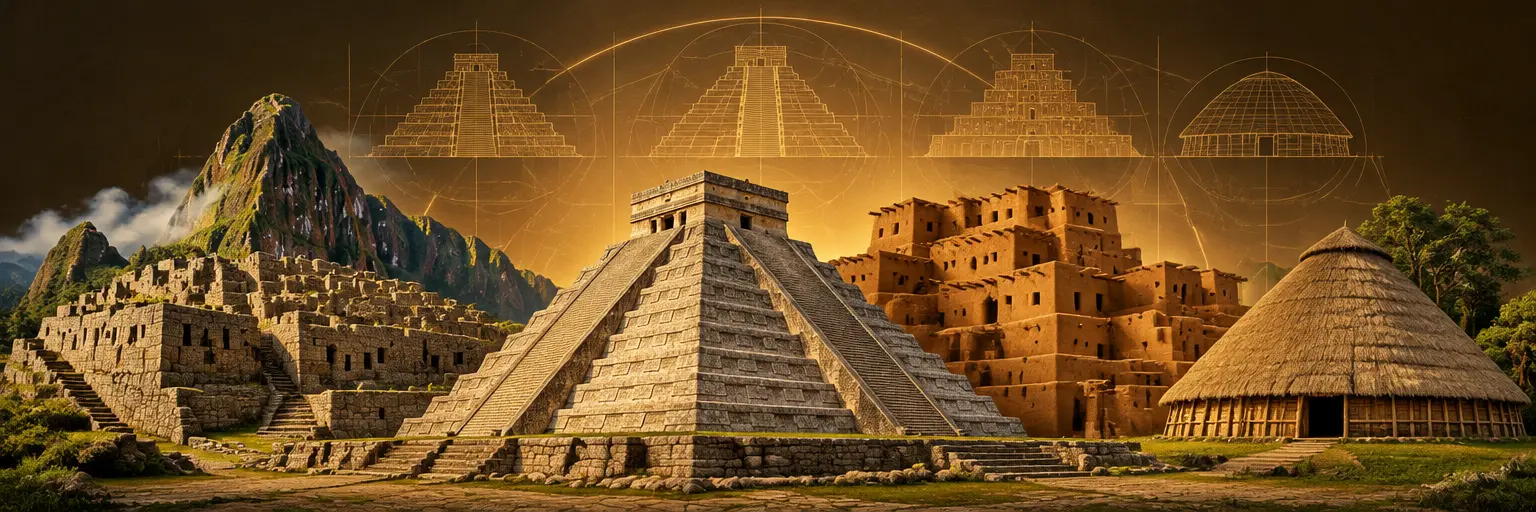
When we study the indigenous civilizations of the Americas, architecture is more than stone and timber—it is a language of power, cosmology, and daily life. The subcategory Comparative Architectural Styles within Advancements and Achievements reveals how distinct cultures—from the Maya to the Inca, from the Ancestral Puebloans to the Mississippians—solved similar challenges with radically different forms. By comparing these styles, we uncover shared symbolic themes (like sacred mountains or celestial alignment) alongside unique regional innovations. This page serves as your guide to understanding why pyramids differ, how climate shaped construction, and what these buildings tell us about social organization. Whether you are a student, traveler, or enthusiast, this comparison reveals the genius and diversity of pre-Columbian engineering and aesthetics.
🏛️ Monumental Stone vs. Earthen Mounds: Two Giants of Form
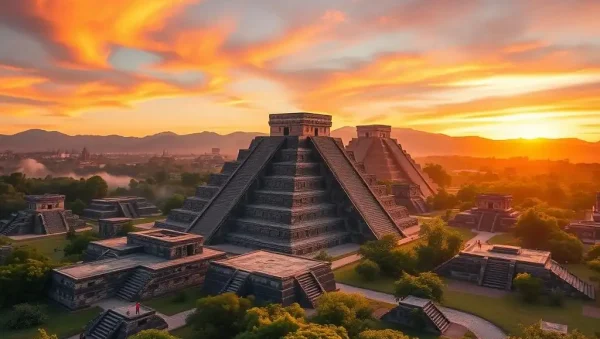
One of the most striking comparisons is between the cut-stone pyramids of Mesoamerica (e.g., Teotihuacan, Chichen Itza) and the earthen platform mounds of the Eastern Woodlands (e.g., Cahokia, Moundville). Mesoamerican builders quarried limestone, precisely cut it, and stacked it in stepped tiers, often facing ceremonial plazas. In contrast, Mississippian cultures sculpted massive mounds from basket-loads of soil, creating flat-topped platforms for temples and elite residences. The key difference lies in material and permanence: stone symbolized an eternal cosmos; earth embodied cyclical renewal. Expect to learn how terrain, available tools, and religious belief directly dictated form, and why labor organization—voluntary tribute versus centralized corvée—left distinguishable traces in construction quality and scale.
🏜️ Desert Adaptations: Puebloan Adobe vs. Andean Stone Masonry
In arid regions, architecture responded to extreme temperature swings and scarce wood. The Ancestral Puebloans (Chaco Canyon, Mesa Verde) used adobe bricks and sandstone blocks to build multi-story, cliff-dwelling complexes with thick walls that stored heat. Their round kivas (subterranean ritual rooms) contrast sharply with the Inca’s imperial style in the Andes. Inca architecture, famously at Machu Picchu and Cusco, employed dry-stone ashlar masonry—stones shaped with bronze tools and fitted without mortar, using trapezoidal doors and inward-leaning walls for earthquake resistance. This comparison highlights climate resilience and political symbolism: Puebloan design favored community-regulated passive cooling, while Inca design projected state authority through precision and cyclopean scale. Here, you will uncover how geology (soft sandstone vs. hard granite) pushed each culture toward distinct yet equally effective solutions.
🌿 Tropical Lowlands vs. Highland Citadels: Maya and Aztec
Within Mesoamerica itself, the Maya lowlands (Tikal, Palenque) and the Aztec highlands (Tenochtitlan) evolved different aesthetics rooted in environment. Maya cities sprawled with tall, corbel-vaulted temples decorated with intricate stucco and hieroglyphic stairways, often built on natural limestone ridges to elevate sacred space. Their palaces with wide colonnades reflected a decentralized political system. In contrast, Tenochtitlan rose from a lake using artificial islands (chinampas), with the Templo Mayor as a twin-stair pyramid representing duality (rain vs. war). Aztec construction favored symmetry, order, and expansion by superimposition—later temples encased earlier ones. Comparing these reveals how water management (drainage, causeways) shaped Aztec urbanism, while forest resources (lime plaster, hardwoods) allowed Maya vaulting. Expect insights on how iconography—serpents, jaguars, and celestial bands—functioned as a shared visual grammar despite regional twists.
🧱 Public Works and Defense: Chacoan Roads vs. Inca Quipu Projects
Architecture is not only buildings; it includes infrastructure systems. The Ancestral Puebloans of Chaco Canyon engineered 30-foot-wide straight roads radiating across deserts, linking great houses like Pueblo Bonito to shrines and outliers—likely ceremonial processional routes. Meanwhile, the Inca constructed the Qhapaq Ñan, a 24,000-mile road network with suspension bridges, stairways, and waystations (tambos). Comparing these public works shows different logistical priorities: Chacoan roads emphasized ritual connectivity and solar sightlines; Inca roads served military, administrative, and rapid communication via chaskis (runners). Additionally, defensive architecture—from Maya murallas to Inca pucarás (fortresses)—reveals how threat perception influenced site placement, from hilltop citadels to moated borders.
🛕 Ritual Centrality and Solar Alignment: A Cross-Cultural Common Thread
Despite differences, a remarkable convergence exists: almost every major style includes structures aligned to solstices, equinoxes, or cardinal directions. The Caracol observatory at Chichen Itza, the Intihuatana at Machu Picchu, and the Sun Dagger at Chaco Canyon all demonstrate precise astronomical engineering. Comparative analysis shows that sacred geometry—not just utility—drove floor plans, stairway orientations, and corbel placements. For example, Maya pyramids often have stairways facing the setting sun on specific days, while Inca gables may align with Pleiades. This section explains how priest-architects merged calendrical knowledge with construction, creating spaces that were both calendrical computers and ceremonial stages. You will learn to read a site’s orientation as a cosmic map, and how this shared belief system produced diverse but related styles across thousands of miles.
Building Materials and Regional Innovation: Timber, Shell, and Fiber
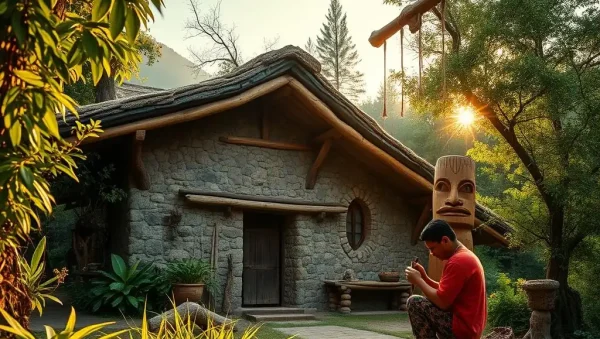
Beyond stone and earth, comparative styles reveal fascinating local materials. The Pacific Northwest Coast tribes used massive cedar planks for longhouses, with carved totem poles (communal architecture as family narrative). The Amazonian cultures built circular malocas with palm thatch and woven walls—durable yet biodegradable, leaving less archaeological trace. The Iroquois longhouses in the Northeast employed elm bark over bent saplings, capable of housing multiple families. Contrast these with Northwest Coast post-and-beam structures that required specialized woodworking tools and salmon-based economies. This comparison highlights how available biomass determined roofs, walls, and lifespan. Expect to understand why organic architecture often leaves little for archaeologists, yet was equally advanced in thermal control, ventilation, and social layout—such as shared central hearths in longhouses or the communal sleep platforms in malocas.
Frequently Asked Questions
What is the main difference between Maya and Inca stone architecture?
The Maya used corbelled arches (false vaults) with limestone mortar and carved stucco, creating tall narrow temples. The Inca used dry-stone trapezoidal blocks without mortar, with earthquake-resistant angled walls. Maya styles emphasized ornamentation and calendar inscriptions; Inca styles projected austere, precise state power.
Why did some indigenous cultures build mounds but others pyramids?
Mounds were built by Mississippian and Adena cultures in river valleys with abundant soil and wood—earthen platforms were practical for floodplain living and ritual burials. Pyramids were built by Mesoamerican and Andean cultures with access to quarries, using stone to express permanence and celestial alignment. Environment and available labor shaped material choice.
Can I still visit surviving examples of comparative styles today?
Yes—UNESCO sites like Teotihuacan (Mexico), Cahokia Mounds (USA), Machu Picchu (Peru), and Chaco Culture (USA) preserve distinct styles. Many are open to the public with interpretive centers. Always check current access rules, as some sacred sites restrict climbing to protect fragile structures.
How did climate influence the height of buildings?
In hot, humid lowlands, Maya built tall, steep temples to rise above the jungle canopy and catch breezes. In cold, high-altitude Andes, Inca built low, thick-walled structures to retain heat. Desert Puebloans used multi-story terraced buildings to exploit solar gains in winter and shading in summer.
Were architectural styles ever shared between distant civilizations?
While direct contact was limited, there is evidence of long-distance trade in ideas (e.g., ballgame architectural features, maize iconography) across Mesoamerica and the Andes. However, similarities like pyramids often arose independently due to similar symbolic needs (mountain worship) and practical constraints. Comparative study helps distinguish convergence from diffusion.